Customer Journey Map: What It Is and How to Create One

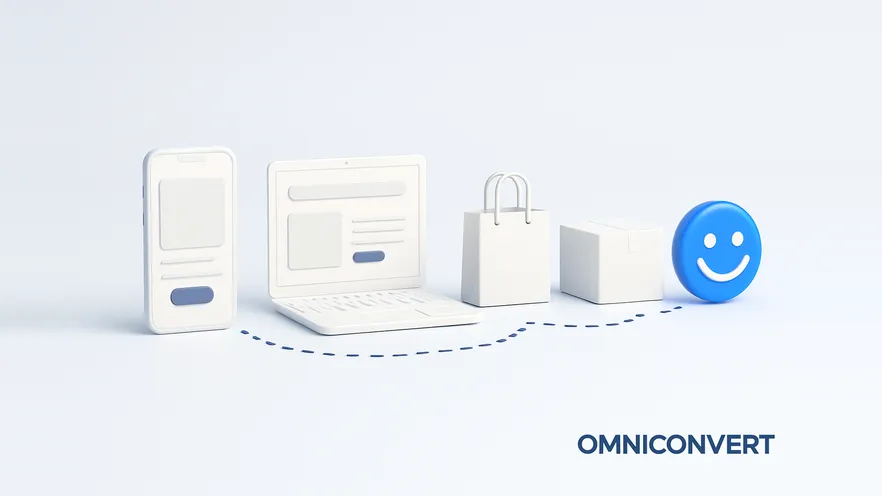
- A customer journey map is a visual representation of every step a customer takes with your brand, from first contact to advocacy or departure.
- The main value of a journey map is that it exposes customer pain points: the moments that make customers stop buying from you.
- There are four main types of journey maps: current state, day in the life, future state and service blueprint. Choose one before you start.
- A map stays hypothetical until you research real customers and walk the journey yourself for each buyer persona.
- Journey mapping is a continuous process. Set performance indicators, track progress and update the map as customers and touchpoints change.
A customer journey map is a visual representation of every step your customers go through in their relationship with your company: from first hearing about you, to buying, to becoming a loyal advocate or leaving. It shows what customers do, think and feel along the way, so you can see where the experience works and where it pushes them out.
Have you ever wondered what it is like to be your own company's customer? How good the experience would be, or whether you would recommend your products to friends? Mapping the journey answers exactly that. This guide covers what a customer journey map is, why it matters, the four types of maps, how to create one step by step, and where to find templates and examples. After today, you will look at your business from a different perspective: the one of your customers.
What is a customer journey map?
Take a simple example: a customer hears your ad, visits your website, compares products, buys, waits for delivery, contacts support and decides whether to buy again. Each of those moments is a touchpoint, and each one can move the customer closer to you or further away. The map puts all of them on one page.
The most important thing a map highlights is the most common customer pain points: the moments, interactions or methods that might make customers stop supporting your brand. Knowing your pain points helps you:
- Devise a plan to remove them.
- Avoid making the same mistakes in the future.
- Create a more seamless process for both customers and the employees who interact with them.
What a customer journey map contains
Maps look different from company to company, but most useful ones share the same building blocks:
| Element | What it shows | How to read it |
|---|---|---|
| Buyer persona | The customer whose journey you map | One map per persona; mixing personas blurs the pain points |
| Stages | The phases of the relationship, such as awareness, consideration, purchase, retention and advocacy | The columns of the map; everything else sits under a stage |
| Touchpoints | Every place the customer meets your brand: ads, website, email, delivery, support | A stage with many touchpoints has more places to fail |
| Actions, thoughts and emotions | What the customer does, thinks and feels at each touchpoint | A drop in emotion marks a likely pain point |
| Pain points | The moments that cause friction or make customers quit | The priority list for improvement |
| Opportunities | The changes that would remove a pain point or improve a moment | Turn each one into an owner, an action and a metric |
Why is a customer journey map important?
A journey map will not only highlight the most common customer pain points, it will also:
- Let you see where, when and how your customers engage with your business, so you know where your resources should be invested.
- Draw your attention to specific customer needs at different stages of the buying process.
- Show you whether the customer experience you want for your clients is the real experience they get.
- Tell you whether buying from your company is easy, efficient and logical.
- Shed light on the development plans your company needs in order to improve customer experiences.
The map is also a shared reference. Marketing, product, customer service and logistics each own different touchpoints, and the map shows all of them how their part connects to what the customer lives through. For how a fragmented journey costs you customers and how to unify it, read our guide to the holistic customer journey.
What are the 4 types of customer journey maps?
| Map type | What it shows | Use it when |
|---|---|---|
| Current state | Thoughts, actions, emotions and experiences customers have with your business today | You want to find and fix existing pain points |
| Day in the life | The customer's whole day, with or without your products in it | You want to understand unmet needs and anticipate pain points before customers meet you |
| Future state | The thoughts, actions, emotions and experiences you want customers to have | You set objectives and a vision for a new or improved experience |
| Service blueprint | A simplified journey plus the people, policies, technologies, processes and resources behind it | You need to find the root cause of a problem inside your organization |
Current state map
This is the most common type. It maps the thoughts, actions, emotions and experiences your audience has when they interact with your business. It is the one your team should always have available, updated as changes happen.
Day in the life map
Similar to a buyer persona, it shows the thoughts, actions, emotions and experiences your customers have across their day, whether or not your products and services are part of it. It helps you understand customers better and anticipate pain points before they even meet your company.
Future state map
As the name suggests, this map helps you set clear objectives and describe your vision. It starts from current data and describes the thoughts, actions, emotions and experiences you expect customers to have in the future.
Service blueprint
A service blueprint starts with a simplified version of one of the maps above. Then it adds the factors that cause those experiences: people, policies, technologies, processes and resources. Its purpose is to get to the root of a problem and to identify the steps needed to reach the future journey.
To check that you chose the right map, Genroe has a handy guide to selecting the right type of journey map.
How do you create a customer journey map?
-
Start with a buyer personaA buyer persona helps you get into the mind of your customer in detail, based on user research. Take this persona through every customer touchpoint with your business and see clearly what works and what does not for this specific customer. Build one map per persona.
-
Run qualitative research with real customersIdeally, marketing research is an ongoing part of any business, because customers and markets change every day. In practice, a busy business rarely manages it, so use the mapping exercise as the moment to ask the right questions. You will find a list of questions below.
-
Decide what your map is going to showChoose one of the four map types: current state, day in the life, future state or service blueprint. The type sets the scope, the data you need and who should be in the room.
-
Make an inventory of current and needed resourcesThe map shows every part of the business that needs investment and improvement. List what you have now (people, tools, equipment, budget) and what you need to solve the issues. The biggest changes sometimes come from the smallest efforts: a training session or a simple online tool can do more than a large investment. Talk openly with your employees, too. The people who deal with an issue every day understand it best and often have good solutions.
-
Take the journey yourselfThe map stays hypothetical until you test it. For each persona, follow the journey they take: through social media, their emails, their online searches, your website and your support. Ask colleagues, friends or family members to go through it too, for a broader perspective. Accepting what you find may not be easy, but it is the first step towards taking your business to the next level.
-
Start improving, and keep measuringNow that you see where the problems are, make changes, big or small. A user experience designer can help with the website. Always refer back to the pain points on your map, so you do not spend resources without a clear purpose, and keep asking customers for feedback. You will never get the map perfectly right, you will keep making it a little better. Set performance indicators and track your progress.
Questions to ask in your customer research
- How, when and where did you hear about our company?
- When you visit our website, what catches your attention? What do you dislike about it?
- What problems do you have that our products or services may solve?
- How easy is it to find the information you are looking for on the website?
- If you have difficulty with something, how easy is it to contact our customer service team and solve the issue?
- How long do you typically spend on our website?
- Have you ever bought from us? If so, what was the deciding factor?
- Have you ever visited our website intending to buy, then decided not to? If so, what led to that decision?
- What would make the experience better for you?
Add behavioral data to the research
Interviews and surveys tell you why customers act as they do. Your store data tells you which customers actually move from one stage to the next. Customer Intelligence in Nexus by Omniconvert groups customers into six RFM segments (Soulmates, Loyal, New, Promising, About-to-Dump and Breakups), tracks CLV by cohort and channel, and shows NPS by segment and product category. Compare those segments with your map: a stage where many New customers never become Loyal ones is a pain point worth researching first.
Once the map shows you where the journey breaks, the next job is to fix it. Our guide on simple steps to boost customer journey optimization covers that work, and how to deliver a meaningful customer experience covers the moments that turn buyers into advocates.
Where can you find customer journey map templates and examples?
To ease the process and inspire you, Custellence has a library of customer journey map templates. You can also use a journey mapping tool of your choice to build and share your maps with the team.
When you look at examples from other companies, check three things before you copy the format:
- One persona per map. Good examples follow a single customer, not an average of everyone.
- Emotions, not only actions. The emotion line is where pain points become visible.
- A clear next step. Each pain point should lead to an opportunity, an owner and a metric.
Frequently Asked Questions
A customer journey map is a visual representation of every step a customer goes through in their relationship with your company, from first hearing about you to becoming a loyal advocate or leaving. It shows what customers do, think and feel at each touchpoint, so you can see where the experience works and where it breaks.
The terms are often used as synonyms. Strictly, an experience map describes a general human experience in a domain, not tied to one company, while a customer journey map follows a specific customer through their interactions with your business. A day in the life map sits close to an experience map.
A useful customer journey map includes a buyer persona, the journey stages, the touchpoints at each stage, what the customer does, thinks and feels, the pain points, and the opportunities to improve. Many teams also add who owns each touchpoint and which metric shows whether it is working.
The four main types are the current state map, which shows the experience as it is today; the day in the life map, which shows the customer's whole day including moments without your brand; the future state map, which shows the experience you want to create; and the service blueprint, which adds the people, policies, technologies and processes behind each step.
Create a buyer persona, run qualitative research with real customers, choose the type of map you need, list the resources you have and the ones you need, walk the journey yourself, and then make improvements and track them with performance indicators. Repeat the process as your customers and your business change.
Customer journey mapping shows the pain points that make customers quit, where and how customers engage with your business, and the gap between the experience you intend and the one customers actually get. That tells you where to invest resources first and makes the buying process easier and more logical.
Treat the map as a living document. Update the current state map whenever you change a key touchpoint, launch a new channel or see a shift in customer feedback or behavior. The mapping process never ends: you will not get it perfectly right, you will keep making it a little better.
Combine qualitative data, such as customer interviews, on-site surveys and support conversations, with behavioral data, such as purchase history, repeat purchases and customer segments. Qualitative data tells you why customers act as they do; behavioral data tells you which customers reach which stage and which ones stop buying.
A clearly defined customer journey is vital for your business and your team. Pick one buyer persona, map their current state journey, and mark the three pain points that cost you the most customers. Fix the smallest of them first, measure the result, and update the map. Keep an open mind to criticism from customers and employees: it is the fastest way to see your business the way your customers see it.
See which customers move forward, and which ones leave
Nexus by Omniconvert builds RFM segments from your store data, from Soulmates to Breakups, tracks CLV by cohort and channel, and shows NPS by segment and product category. Use it to find where the journey breaks for your most valuable customers.