The Beauty Ad That Ran 1,031 Days: 75 of the 100 Longest-Running Beauty Ads Skip the Deal

Scope: Meta Beauty & Personal Care ads in the eCommerceBenchmark Ad Library whose whole creative can be shown, ranked longest-running first. 184 of them have run a hundred and eighty days or more. We read the 100 longest, from 211 to 1,031 days, from 20 brands across every country the library tracks. So this is a sample ranked by how long ads stayed up. It is not the market.
Some ads stay on air for years. Do they all shout a deal?
Picture an ad that has been on air for years. You would guess it screams a big discount, right? We guessed the same. Then we read the 100 longest-running beauty ads we can show, and the guess did not hold up. 75 of them carry no offer at all [eCommerceBenchmark Ad Library, 2026].
- You do not need a deal to keep an ad on air for a long time. 75 of the 100 longest-running ads carry no offer at all.
- A deal can last too. The two deal-led ads we can show tie their pitch to things that do not move: a prize one brand says it won, and a daily lip care habit.
- Your oldest ad may be quietly going stale. A line that names a month or a sale end is true for a few days and then it is wrong.
Two definitions so we all read the same way. An offer-free ad is defined as an ad the eCommerceBenchmark Ad Library files with no offer. A deal-led ad is one it files with a free gift, a discount, a bundle or free shipping. Days on air is defined as how long a brand kept an ad live, not what it sold.
First, the big picture. Which group stays on air longer: the ads with a deal, or the ads without?
The 100 longest, split in two
Here is the surprise. Almost a tie. The typical offer-free ad has run 238 days and the typical deal-led ad 223, fifteen days apart, in a list that runs from 211 days to 1,031. The longest deal-led ad has run 349. The offer label does not sort the list by length. The offer-free side holds 75 ads from 17 brands, the deal-led side 25 from 7 [eCommerceBenchmark Ad Library, 2026].
The 100 longest-running whole-creative Meta Beauty & Personal Care ads, split by the library's offer label. Source: eCommerceBenchmark Ad Library, 2026.
Median days on air in each group. The longest offer-free ad has run 1,031 days and the longest deal-led ad 349. Source: eCommerceBenchmark Ad Library, 2026.
| Group | Ads | Brands | Median days on air | Longest |
|---|---|---|---|---|
| Offer-free | 75 | 17 | 238 | 1031 |
| Deal-led | 25 | 7 | 223 | 349 |
Now open the deal-led group. Which kind of deal is it? A free gift is the most common, on 16 of the deal-led ads. A discount comes next, on 5. Then the small ones: a bundle on 2, and free shipping on 2.
The 25 deal-led ads, by the kind of deal the library filed. Source: eCommerceBenchmark Ad Library, 2026.
Then we ran a scan of our own. We searched the headline, the opening line and the copy of all 100 ads for a deadline word, like a date or “ends soon”. It turned one up in 8 of them.
So what do the ads with no deal say instead? Look at their first lines.
Offer-free long runners: what the first line does
With no deal named, the first line is where each of these ads says what it offers instead. The five ads below are among the 100 longest-running [eCommerceBenchmark Ad Library, 2026]. Each card shows its days on air.
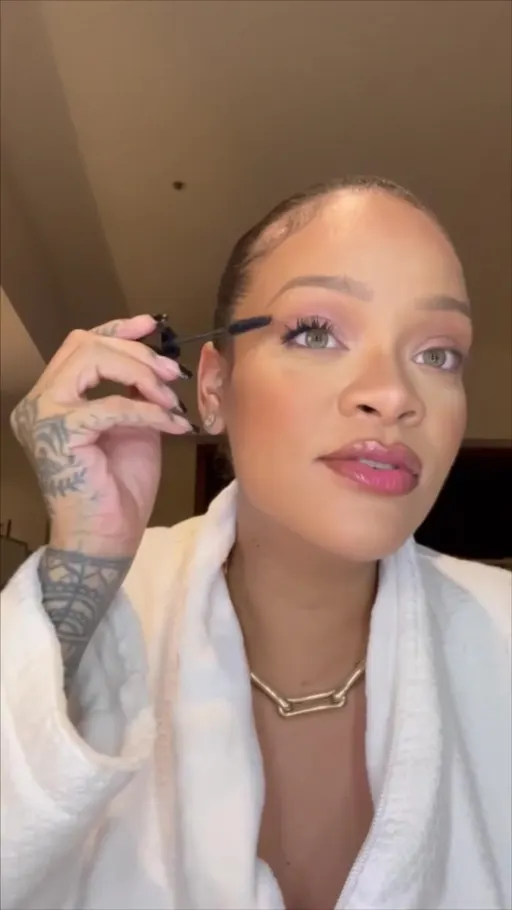
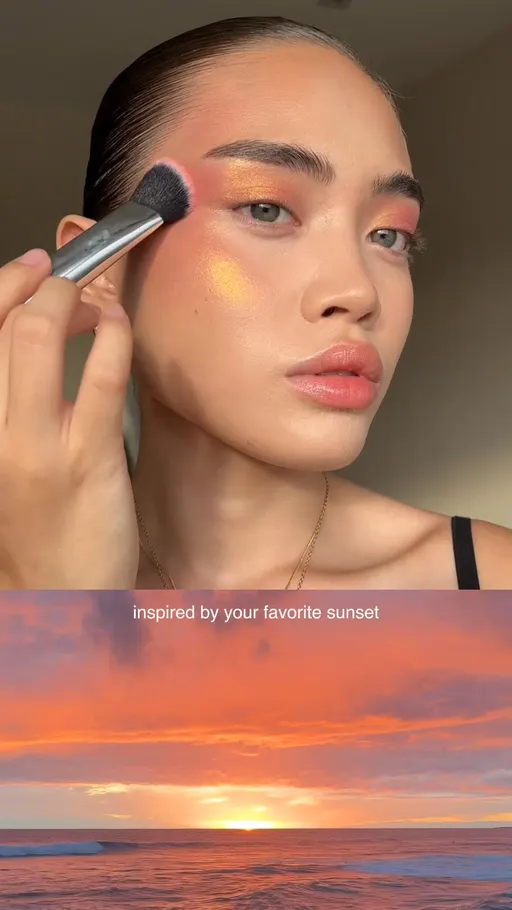
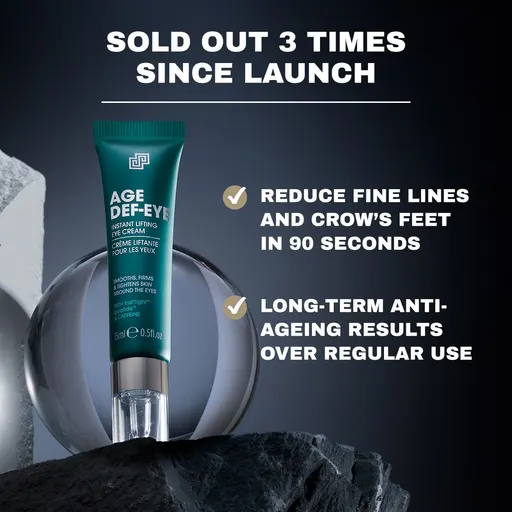
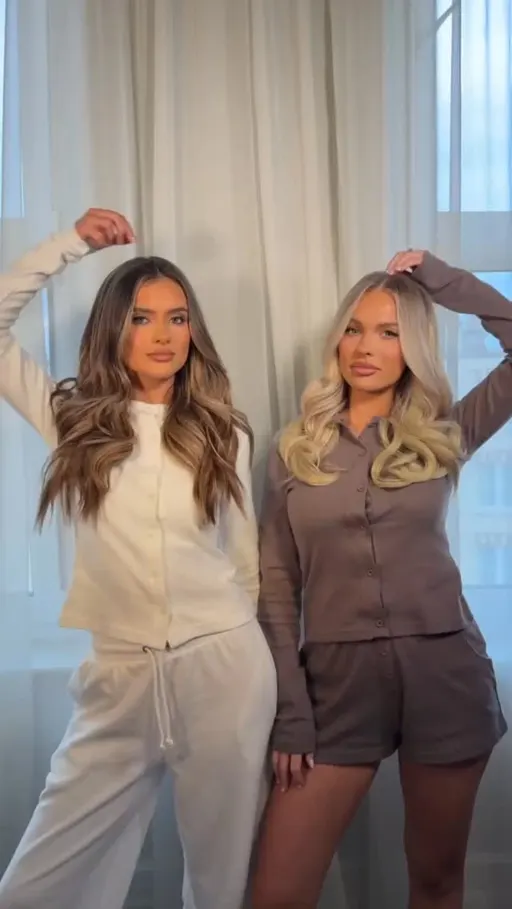
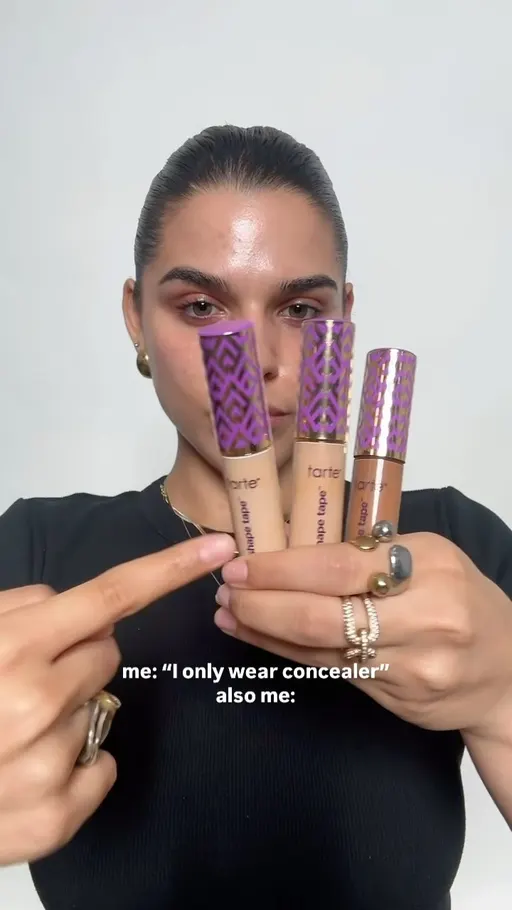
Days on air of the five offer-free ads shown here. Source: eCommerceBenchmark Ad Library, 2026.
Read the five lines out loud. Not one of them names a month, a price or a percentage. Fenty Beauty opens on a flat claim about the product, “HELLA THICC MASCARA”. Haus Labs opens on a mood, “inspired by your favorite sunset”. Shake Up Cosmetics opens on what other shoppers already did, “SOLD OUT 3 TIMES SINCE LAUNCH”. Lullabellz opens on a prize the brand says it won, “We have been DYING to tell you! We won an award”. Tarte Cosmetics opens on a shopper teasing herself, “me: "I only wear concealer" also me:”.
Our favourite is Fenty Beauty. It opens on “HELLA THICC MASCARA”. That ad has 460 days on air. Three words, and all three are about the product and what it does to your lashes. No season. No price. There is nothing in the words for a calendar to break.
Fine, but what if you do have a deal? Does it have to expire? Not always. Meet the deal-led ads we can show.
Deal-led long runners: deals that do not expire
The library filed a discount on one deal-led ad we can show and a bundle on the other [eCommerceBenchmark Ad Library, 2026], yet neither names its deal or a date in its words.
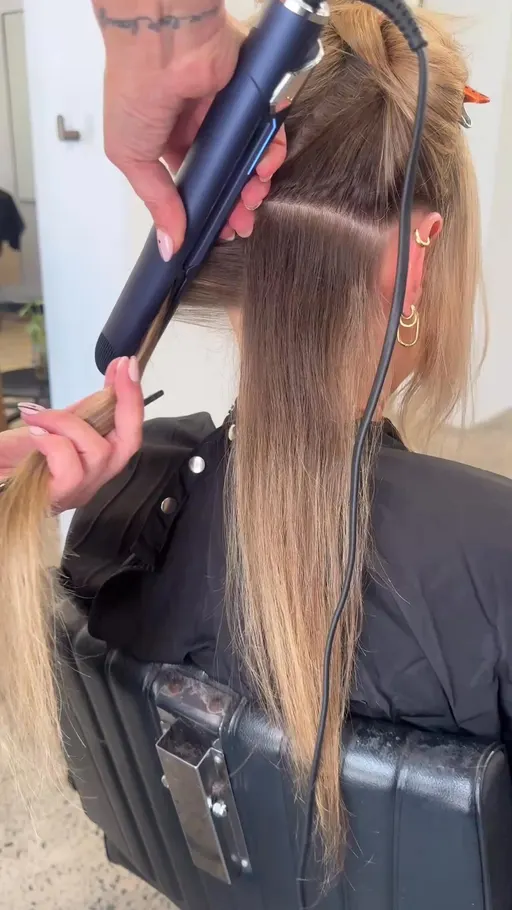
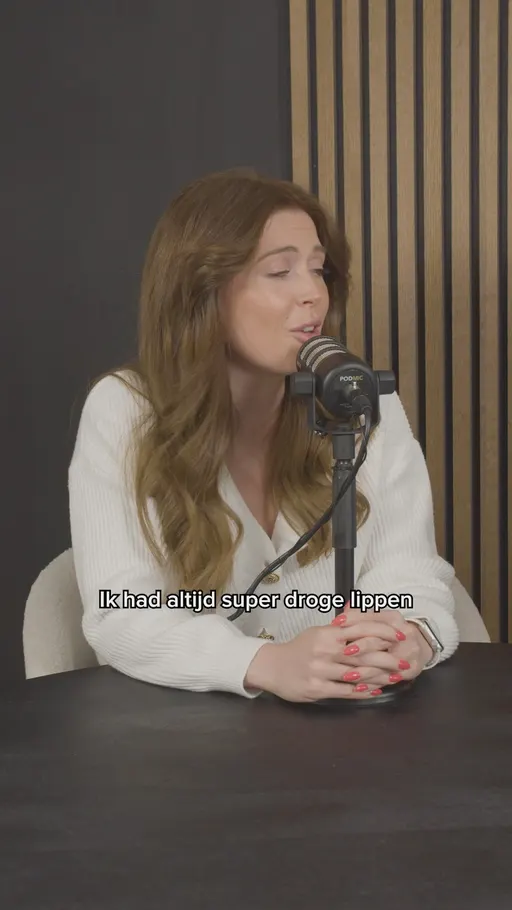
Read what the ad says, not the label it is filed under. Cloud Nine opens on “Award-winning hair styling tools”, and that ad has 296 days on air. Those words name a prize, and a prize already won is true in any week of the year. Honeybalm opens on a question in Dutch, “Voor we verder gaan moet ik je echt vragen wat je voor je lippen gebruikt” (a translation: before we go on, I really have to ask what you use on your lips), under a headline that invites the shopper to look at what the balm does. That ad has 218 days on air. A question about a daily habit does not run out either. Neither line tells the shopper a saving, and neither one needs a calendar to stay true.
Now picture the other kind. A “this week only” line is true for one week. After that, a brand is paying to show a week that is gone. It is like a calendar page that nobody tore off.
The eCommerceBenchmark Ad Library sorts your ads into the same hooks, angles, concepts and offers used in this report and shows your mix next to the market, so you can see which shapes you have never shipped.
Audit my creatives, freeWhat both groups share
In the lines shown, the ad says one thing, and that thing does not go out of date. The offer-free cards name the product and what it does, a mood, what other shoppers already did, a prize the brand says it won, and a shopper's own aside. The deal-led cards sit on a prize and on a daily habit, not on a window in the calendar.
Neither kind of line needs a diary entry to stay true. In these ads, that is the one thing the two groups clearly share. It is our reading of the lines, and the data does not measure it.
You might be thinking: so, copy the oldest ads, right? Hold on. That is the trap, and the next section is about it.
Longevity is not a scoreboard
A long run records one thing: a brand kept an ad live. The eCommerceBenchmark Ad Library holds no spend, sales or profit data, so nothing here says any of these ads sold anything. The risky habit is copying the oldest line word for word, because a long-running line looks settled. What the list can show is a shape, not a winner: a first line with nothing in it that can expire.
When a whole field copies the lines instead of the shape, the same few sentences spread.
Three limits travel with this list:
- A few brands fill it. 20 brands hold the hundred rows. Cloud Nine holds 17 of them. Highland Soaps holds 14. Shake Up Cosmetics holds 12. Wonderskin holds 10 [eCommerceBenchmark Ad Library, 2026].
- It favours old ads by construction. A line written last month cannot be on a list ranked by days on air yet.
- The offer label is loose. A free sample can be filed under more than one label, so for the ads we show we read the words as well as the label. The split itself is the library's.
Rows in the hundred held by the four biggest brands. The other brands share the rest. Source: eCommerceBenchmark Ad Library, 2026.
Read the list as shapes to test.
So what do you actually do on Monday? Here is the plan, in four steps.
Your move: two variants to test
- Read your oldest live ad. Offer-free or deal-led, take its first line and mark every word that can go out of date: a month, a price, a percentage, a season.
- Write an undated claim. One claim about the product, with nothing in it that expires.
- Write a standing deal. Tie it to something that stays: a first order, a subscription or a trial, never a date.
- Test both against the current ad. At least two weeks, the same audience, an even budget split, judged by how cost per purchase holds up and never by clicks.
The two groups ran about as long as each other at the median, 238 days against 223 [eCommerceBenchmark Ad Library, 2026], so this data cannot say which is better for your shoppers. The test says which works on them.
Your test card
Here is the first variant from this article, set up the way a media buyer would run it. Fill in the blanks with your own numbers before you launch.
| Hypothesis | An ad with nothing in it that can expire will hold its cost per purchase for longer than my ad with a deadline in the first line. |
| Change only this | Remove every word that can go out of date from the first line, a month, a price, a percentage, a rank, or swap the deadline for a standing deal tied to a first order or a subscription. |
| Keep the same | Picture, product, audience and placement. |
| Funnel stage | Say first whether this ad is for prospecting (cold) or retargeting (warm). A deal in the first line is often right for warm audiences and wrong for cold ones, so test it where the ad will really run. |
| Setup | One control and one variant, same audience, same placement, even budget split. Do not edit either ad while the test runs. |
| How long and how much | Until each version has about 50 purchases, or two full weeks, whichever comes later. This is general testing practice (Meta's own learning-phase guideline is about 50 results per ad set per week), not a library finding. |
| Success metric | Cost per purchase in the first week against the fourth. The point is how the cost holds up, not only where it starts. |
| Stop rule | Pause a variant that has spent about 3 times your target cost per purchase with no purchase. If it is close, keep it running. |
| What counts as a win | The variant beats the control on the metric by an amount you would act on, and still does in a second week. |
Key takeaways
- 75 of the 100 longest-running beauty ads we can show carry no offer and 25 are deal-led. The longest offer-free ad has run 1,031 days, the longest deal-led one 349 [eCommerceBenchmark Ad Library, 2026].
- The typical offer-free ad has run 238 days. The typical deal-led ad has run 223, so the two groups last about the same time.
- Our own scan found a deadline word in 8 of the 100 ads, and a scan can miss a deadline written another way, so read that as the least there is.
- A free gift is the most common deal, on 16 of the deal-led ads. A discount is next, on 5. Of the two deal-led ads we show, one names a prize and the other asks a question, and neither names a date.
- 20 brands hold the hundred rows. One brand holds 17 of them, so this is a portrait of a few persistent advertisers, not of the vertical.
- Write one claim with no date in it and one standing deal tied to a first order or a subscription, then test both against your oldest live ad for two weeks.
Questions
75 of the 100 longest-running beauty ads we can show carry no offer, and 25 are filed with a deal. Both groups sit near the same median length, 238 days against 223. So the thing worth keeping is not the absence of a deal. It is a first line with nothing in it that has to be retired. Read the first line of your oldest ad, cross out every word that can go out of date, write one undated claim and one standing deal, then run both against that ad for two weeks.