The Sale That Never Ends, September 2026: 111 Discount Ads Are Over a Year Old, and Some Still Yell “Last Chance”

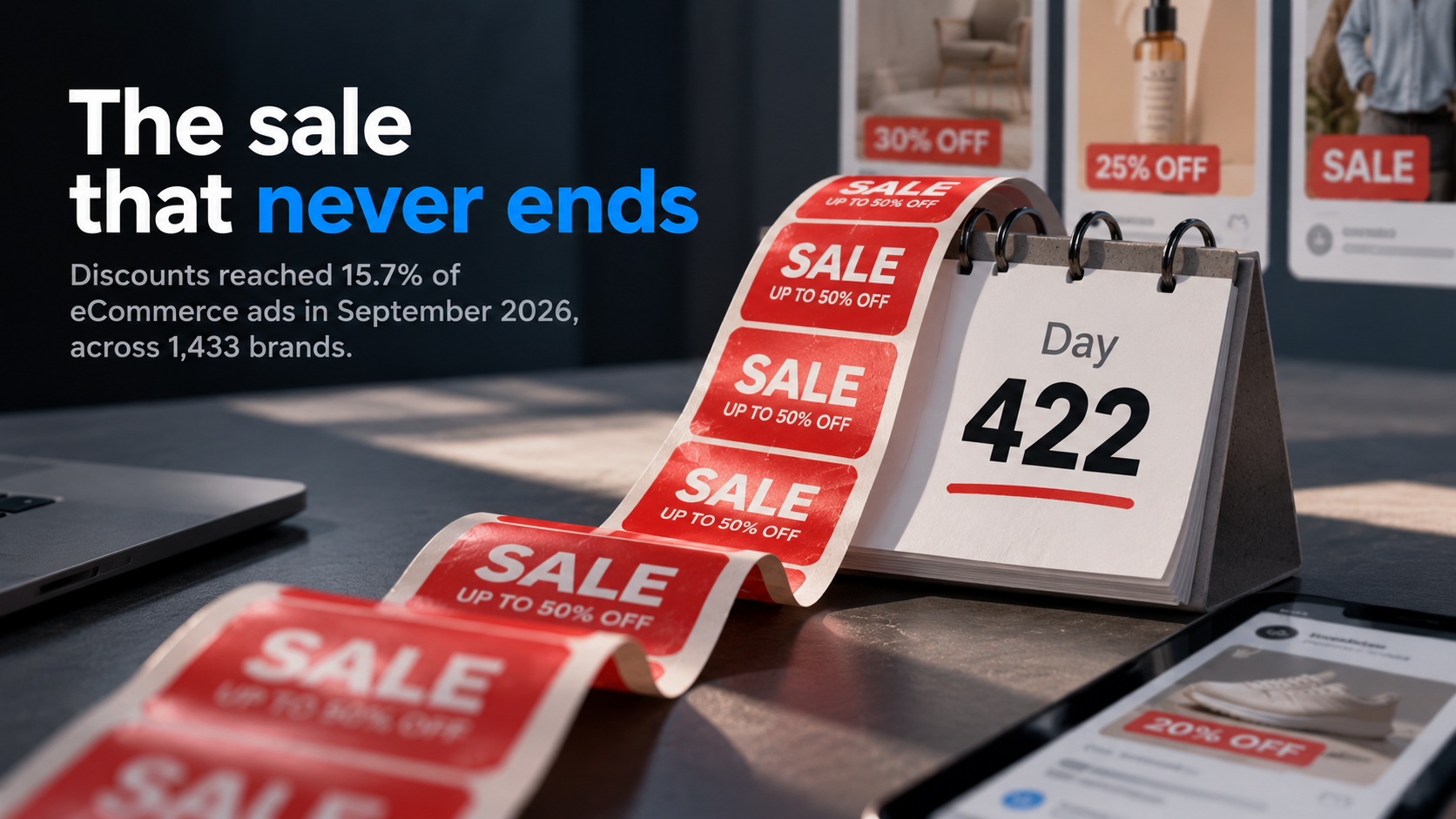
Scope: Meta ads filed under the Discount offer in the eCommerceBenchmark Ad Library, every industry and country it tracks. Discount is 15.7% of all ads in September 2026, from 1,433 brands. The days-on-air ranking counts every discount ad in the library's longevity-first sample. The deadline scan reads the headline, opening line and copy of the hundred longest-running ones. So this is a sample ranked by time on air, not the market.
Imagine a shop with a “Closing Down” sign in the window. Now imagine the sign has been there for two years.
You would stop reading it. You would walk past it. And you would stop believing the sign on the next shop too.
That shop exists online, many times over. Some discount ads on Meta say “last chance” and then keep running for more than a year. Let's find them, count them, and see what they teach the people who watch them.
- A deadline is a promise. “This week only” tells a shopper the price is about to go away. If it doesn't, they notice.
- A shopper who sees the same promise again and again stops believing it. Then they stop believing your next one too, even a true one.
- You have two honest options. Name a real date and end it, or run a standing offer with no clock in the copy. Both are easy to set up this week.
A deadline is a promise. “This week only”, “ends soon”, “hurry”: each line tells a shopper that the price in front of them is about to go away. A shopper who meets the same promise in March, in June and again in September stops believing it.
An evergreen discount is defined as a discount ad that keeps running long past the end its own words promise. The only clock in this data is days on air. Days on air is how long a brand kept an ad live. It is not what the ad sold.
First, a simple question. How long do discount ads usually stay up? The answer has a surprise at the bottom.
How long discount ads run
Of the Meta discount ads in the library's longevity-first sample, 1,323 have run ninety days or more [eCommerceBenchmark Ad Library, 2026]. That is a lot of ads that outlived a season. Watch what happens as the runs get longer.
Meta discount ads by days on air: counts from the library's longevity-first Meta discount sample, measured October 2026. Every industry and country the library tracks. Source: eCommerceBenchmark Ad Library, 2026.
| Days on air | Discount ads | Brands running them |
|---|---|---|
| Ninety days or more | 1,323 | 320 |
| Half a year or more | 465 | 147 |
| A year or more | 111 | 42 |
| Two years or more | 18 | 12 |
111 of them have passed a year on air, from 42 brands. Eighteen have passed two years, from twelve brands.
The group gets small fast. 320 brands hold a run past ninety days. Only 147 hold one past half a year. A discount ad that has been on air for two years is not an event any more. It is the price.
Long runs on their own are not a problem. A deal can last. The problem starts when the words of the ad say the deal is about to end. So we went looking for those words.
The deadline that never ended
A deadline word is defined as a word in an ad's own copy that tells the shopper the deal is about to end. We read the headline, the opening line and the copy of the one hundred longest-running discount ads [eCommerceBenchmark Ad Library, 2026] for those words, matched as whole words. The scan is ours, so it can miss a deadline written another way.
Six of the hundred carry a deadline word. They come from four brands.
Here is the twist. Those six have a median of 438 days on air. The 94 ads with no deadline word have a median of 557 days.
Median days on air, the hundred longest-running Meta discount ads we read. Deadline scan: our own, whole-word match. Source: eCommerceBenchmark Ad Library, 2026.
So the words of the clock are not what kept these ads on air. The ads without a clock stayed up even longer.
The hundred we read cover a wide spread. The longest has been on air 1,146 days. The shortest has run 411 days. The median of the hundred is 554 days. One of the four brands carrying a deadline word has a picture we can show, and the rest are counted here without being named.
Meet the one we can show.
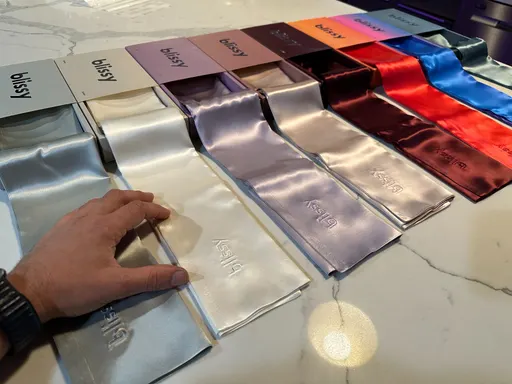
Blissy: “LAST CHANCE TO GET 55% OFF!”
The ad opens on “Buy NOW for 55% OFF!”. The copy says: “LAST CHANCE TO GET 55% OFF!” The ad has been on air 422 days. A shopper who read that line on day one and reads it again months later learns that the chance was not the last one, and that another one is coming.
So what does a shopper do with a last chance that keeps coming back? Our guess is next.
What the shopper learns
This part is our reading, not a measured result. A shopper who meets the same last chance for months learns that the sale is the normal price. They stop buying when the clock is shown. They start waiting for the next deal, because waiting has worked every time so far.
After that, every deadline the brand writes reads as decoration, including the ones that are true.
Back to the shop on the high street whose closing-down sign has been in the window for years. People stop reading the sign. They just walk past it. And they stop reading the next shop's sign too.
Not every long runner is guilty, though. Some run for most of a year with no clock at all, and nothing in their words stops being true.
Honest long runners
Some discount ads run for most of a year or longer with no clock in them, and nothing in their words stops being true.
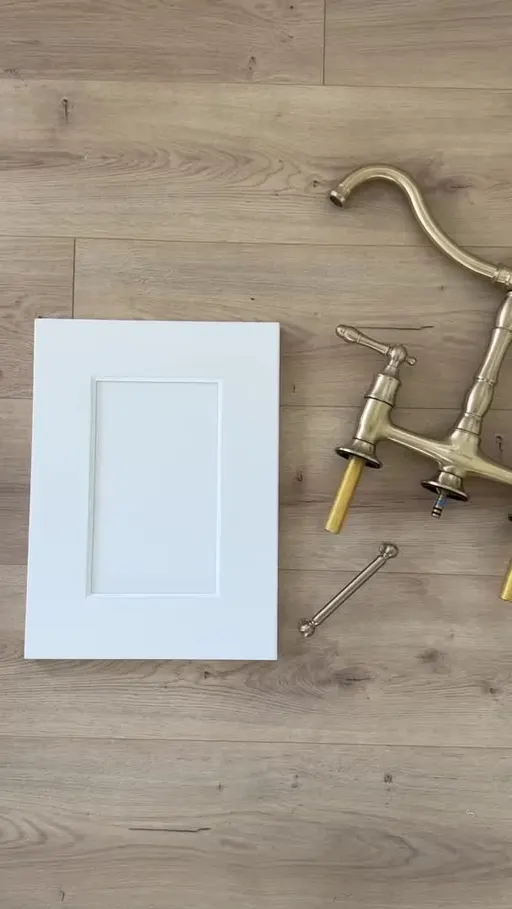
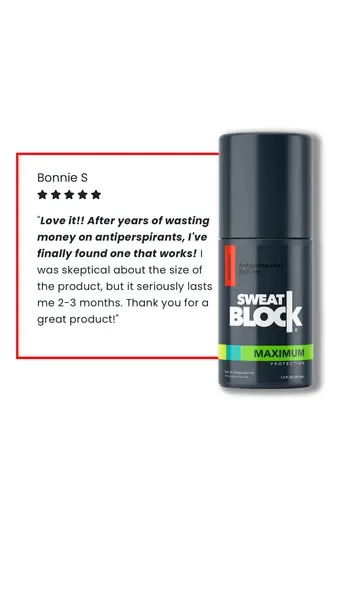
Each of these deals is tied to something that does not expire. The RTA Store ties its saving to a thing the shopper does: the headline reads “Save On Cabinetry - Design Today”, beside the opening line “Come start a kitchen renovation with me!”. SweatBlock ties its promise to the product rather than to a date: “Sweat-free or your money back.” [eCommerceBenchmark Ad Library, 2026].
Neither line needs a Sunday night to make sense. Neither one asks the reader to hurry, so neither one can be caught out by a calendar.
Which of your sales never ended?
The eCommerceBenchmark Ad Library shows how long each of your live ads has run beside the deal in its words, so a deadline that kept running is easy to find.
Find my stale deadlinesSo what should you run instead of a fake clock? There are two honest ways.
Two honest ways to run a discount
- A real date. Name the day the sale ends, then end it, and take the ad down that day. The date is a promise you can keep, and a shopper who sees you keep it has a reason to believe the next one.
- A standing offer. Tie the deal to something that stays: a first order, a subscription, a bundle. Leave the clock out of the copy, and nothing in the ad goes stale while it runs.
Both of these are our suggestion, not a finding from the library.
Here is the habit to watch for, in your own account.
Find the clocks in your own ads
A whole category keeps an ends-soon line on its discount ads all year, and the shoppers in that category learn to wait. Waiting costs them nothing, so they wait. The brand that takes its clock off looks no different to those shoppers until it tests the change, because the lesson was taught by everybody at once. The practice is the problem here, not any one advertiser.
Here is the four-step fix.
- List every live ad that carries a discount. Keep only the ads whose own words name a price cut.
- Mark each one whose words carry a deadline, and how long it has run. Read the headline, the opening line and the body copy, not the headline alone.
- Rewrite each one as a real date that ends, or as a standing offer with no clock. One or the other, never both in the same ad.
- Test the rewrite against the old ad for two weeks. Same audience, split budget, judged on profit per visitor and never on clicks.
Your test card
Here is the first test from this article, set up the way a media buyer would run it. Fill in the blanks with your own numbers, and write them down before you launch.
| Hypothesis | A sale with a real end date, or a standing offer with no clock, will hold its cost per purchase better than my undated "ends soon" ad. |
| Change only this | The deadline wording only: a real date that ends, or a standing offer such as a first-order deal. |
| Keep the same | Picture, product, audience and placement. |
| Funnel stage | Say first whether this ad is for prospecting (cold) or retargeting (warm). A deal in the first line is often right for warm audiences and wrong for cold ones, so test it where the ad will really run. |
| Setup | One control and one variant, same audience, same placement, even budget split. Do not edit either ad while the test runs. |
| How long and how much | Until each version has about 50 purchases, or two full weeks, whichever comes later. If you test a real date, end the sale that day and take the ad down. This is general testing practice (Meta's own learning-phase guideline is about 50 results per ad set per week), not a library finding. |
| Success metric | Cost per purchase, not clicks. |
| Stop rule | Pause a variant that has spent about 3 times your target cost per purchase with no purchase. If it is close, keep it running. |
| What counts as a win | The variant beats the control on the metric by an amount you would act on, and still does in a second week. |
Key takeaways
- Discount carried 15.7% of all ads in September 2026, 10,742 ads from 1,433 brands [eCommerceBenchmark Ad Library, 2026].
- 111 Meta discount ads in the library's longevity-first sample have run a year or more, from 42 brands.
- Six of the one hundred longest-running discount ads carry a deadline word in their own copy, from four brands.
- Those six show a median of 438 days on air; the 94 with no deadline word show a median of 557 days.
- 422 days of “LAST CHANCE TO GET 55% OFF!” in one ad's copy teaches a shopper that the sale is the price.
- Four steps: list your live discount ads, mark the ones whose words carry a deadline, rewrite each as a real date or a standing offer, then test for two weeks on profit per visitor.
Questions
111 Meta discount ads have run a year or more, and a few of the longest runners carry an end date in their own words. Open your ad manager and read your discount ads the way a shopper does, months apart. Where the words promise an end, pick one of two fixes: a date you will keep, or an offer with no date in it at all.