Curiosity Gap Opened 20.3% of Beauty & Personal Care Ads in September 2026. What Does Your First Line Do?

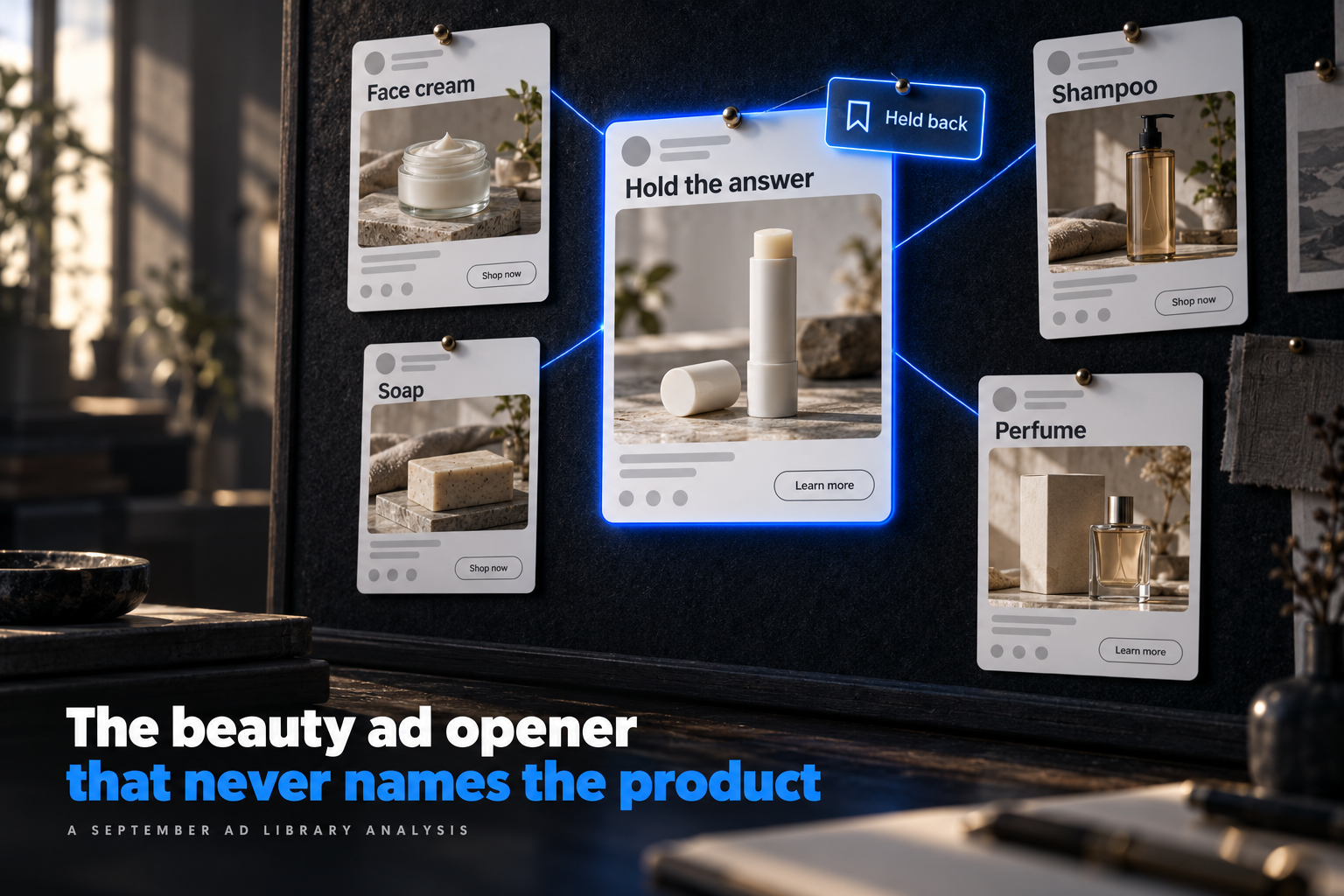
Scope: Beauty & Personal Care ads across every country the eCommerceBenchmark Ad Library tracks. 3,043 ads active in September 2026 from 65 brands in scope, compared with August 2026. No split by country, brand size or platform beyond Meta for the named ads.
Scroll a beauty feed for ten seconds.
Count the ads that tell you what they are selling in the first three words. Plenty will not. They name something odd, ask a short question, or start a story in the middle, and the product turns up later.
In September 2026 that was the most common opening in the category. Curiosity gap took 20.3% of the month's ads. That is 618 of them. And 46 of the 65 brands in scope ran at least one [eCommerceBenchmark Ad Library, 2026].
The next hook down opened 7.4% of ads. On one line of copy, the leader sits 2.7 times ahead of it. What follows is the share, five of those ads in the brands' own words, and how long each has been on air. Our reading, not a result: this library records what ran, never what it earned.
- One in five beauty ads now opens without naming the product. If every line in your account starts with the product, you are writing against the category's most common move, not with it.
- 46 of the 65 brands in scope ran it, so this is not one loud advertiser. The habit is spread across the vertical, which makes it a lane worth testing rather than a trend worth watching.
- Some of these openings have been on air for months, one of them for 1,010 days. That is how long a brand kept paying to run one first line, and it is the only kind of staying power this data can show you.
Curiosity Gap Opened 20.3% of September's Beauty Ads
A curiosity gap is defined as an opening line that names something interesting and holds the answer back until later in the ad. It opened 20.3% of Beauty & Personal Care ads in September 2026 [eCommerceBenchmark Ad Library, 2026], more than any other opening in the vertical.
That share counts every ad running in the month, not only the ads launched in it. In ads, it comes to 618. Spread matters more than size here: 46 of the 65 brands in scope ran at least one. The second hook, bold claim, opened 7.4%. Divide the first by the second and the gap is 2.7 times.
One honest warning. Both shares rest on this cycle's smaller scope of 6,383 ads. The brand count behind them is 65. And the runner-up is thinner still, at 224 ads for the month, so treat it as a footnote rather than a second lane.
So what does a held-back answer sound like when a beauty brand writes one? Five of them wrote it down.
Five Beauty Ads That Hold the Answer Back
These five come from the 541 curiosity ads on file [eCommerceBenchmark Ad Library, 2026], all of them Meta ads, each with its own opening line. Every one names something before it names the product, and four of them make you wait for the thing itself.
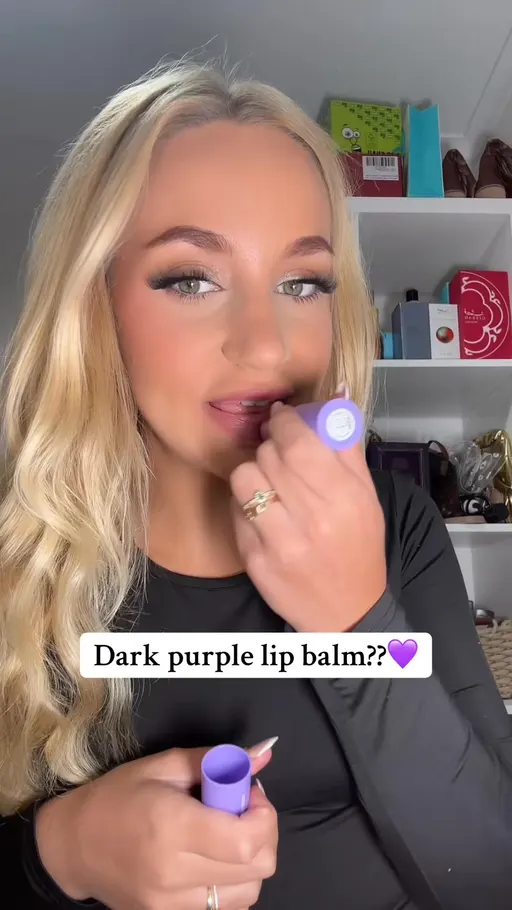
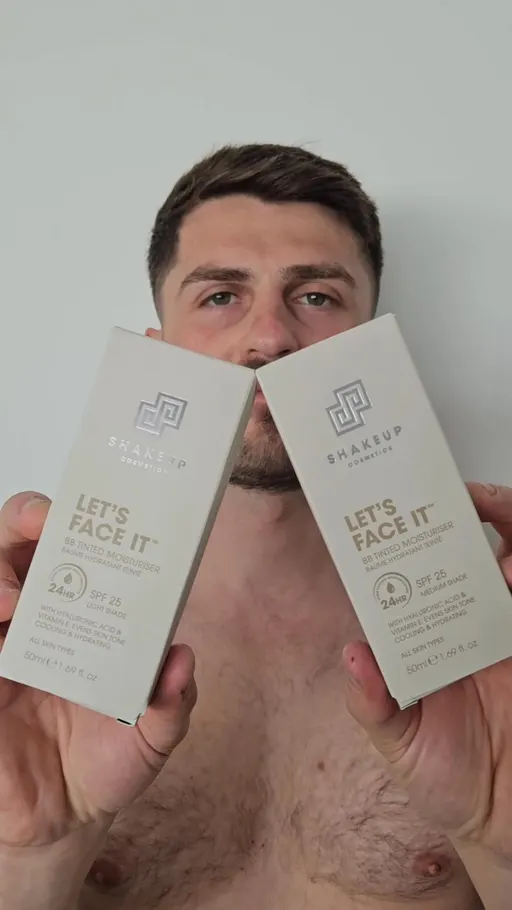
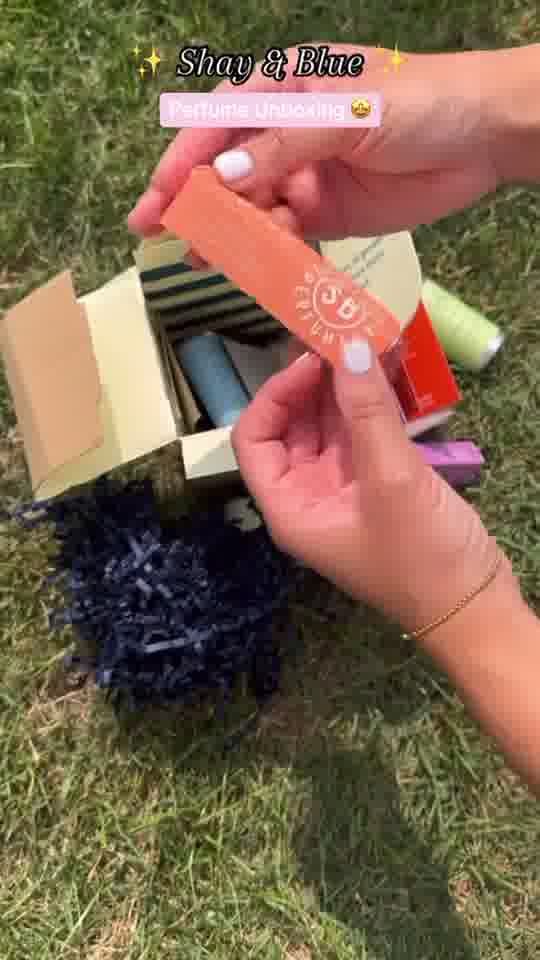
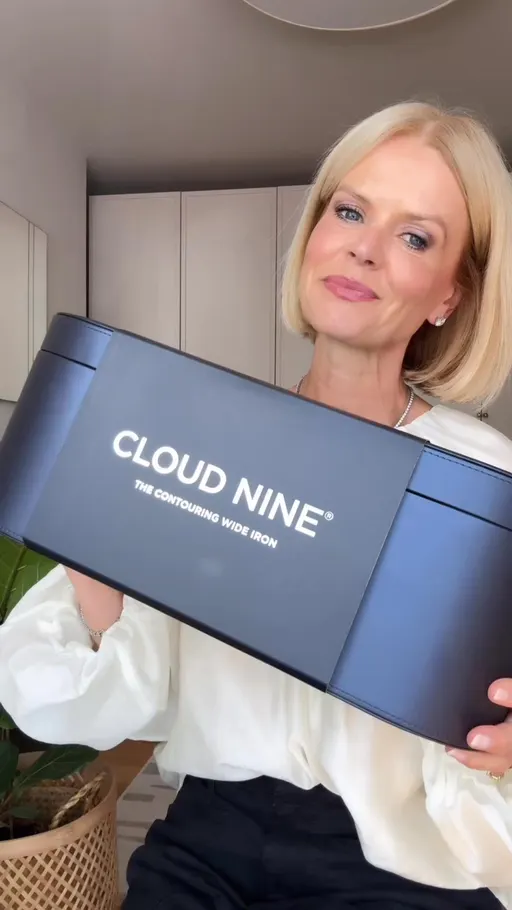
eu.wonderskin.com opens on "Dark purple lip balm??", on air 209 days. The first three words are a colour that sounds wrong for a lip balm. shakeupcosmetics.com opens on "Men everywhere are hiding this skincare secret....", on air 226 days: people first, in a line that never gets to the jar. shayandblue.com opens on "Shay & Blue Perfume Unboxing", on air 224 days, which promises a box that is not open yet. cloudninehair.com opens on "Cloud Nine are launching the wide iron version of their best-selling contouring irons.", on air 198 days. A launch is named and the thing itself stays out of frame.
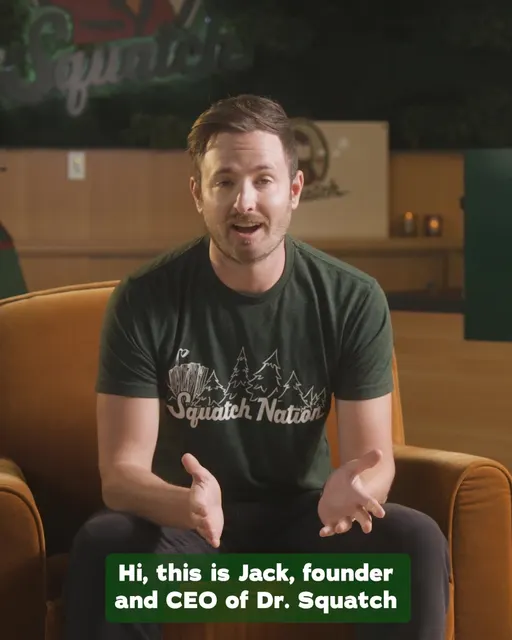
Then the long one. drsquatch.com opens on "Hi, this is Jack, founder and CEO of Dr. Squatch. If you're seeing this video, you probably just placed your first order online with Dr. Squatch.", on air 1,010 days. A person, and a reason you are watching, before anything is sold. A long run says somebody kept paying to keep that line live. It says nothing about sales.
How deep does this file go, and how long do these openings stay up?
541 Curiosity Ads Sit on File, and One Has Been on Air 1,010 Days
Days on air is defined as how long a brand has kept one ad live, counted to the day we pulled the data. The file holds 541 curiosity ads, from 34 of the brands in scope [eCommerceBenchmark Ad Library, 2026].
The longest run we can show belongs to drsquatch.com, at 1,010 days: the founder-to-camera thank-you above. The other four are counted in months rather than years, and the table has each one.
| Advertiser | Days on air |
|---|---|
| drsquatch.com | 1,010 |
| shakeupcosmetics.com | 226 |
| shayandblue.com | 224 |
| eu.wonderskin.com | 209 |
| cloudninehair.com | 198 |
What a long run buys you here is one thing only: time on air, not sales. Read it as a sign that one first line survived a lot of refreshes, and nothing more.
Did the lane get wider or narrower? Narrower, a little.
Three Ways to Test a Withheld Answer
- A withheld-answer first line. Run one opening that names the odd thing and holds the product back, against your current control. 20.3% of September beauty ads already open this way.
- A question opener against a statement opener. Same product, same footage, two first lines. Wonderskin's question-mark opening has been on air 209 days.
- A founder-to-camera thank-you for new buyers. Point it at people who have just ordered, next to your usual post-purchase creative. Dr. Squatch's has been on air 1,010 days.
The eCommerceBenchmark Ad Library sorts your ads into the same hooks, angles, concepts and offers used in this report and shows your mix next to the market, so you can see which shapes you have never shipped.
Audit my creatives, freeBefore you pick one, look at how the lane itself moved between the two months.
August to September: 21.7% Down to 20.3%
Curiosity gap opened 21.7% of August's beauty ads. In September it opened 20.3% [eCommerceBenchmark Ad Library, 2026], still the widest lane in the vertical by a distance.
Two smaller hooks sit behind it. Bold claim moved the other way, from 6.4% in August to 7.4% in September. Authority opened 6.2% of the month's ads. Both rest on small bases: bold claim on 224 ads, authority on 188. That is why they get a line here and no row in the figure.
Source: eCommerceBenchmark Ad Library, 2026.
One more thing about the two months. Both sit on this cycle's 65-brand scope, so read them against each other rather than against a wider cut from somewhere else. A smaller scope is a smaller cut of the library, not a sign that brands left the market.
The mistake: opening on a tease the ad never pays off
The practice is simple. Write a first line that holds the answer back, then never answer it, or answer it so late that the viewer has gone. One ad in five opened this way in the category in September [eCommerceBenchmark Ad Library, 2026], so a shopper can meet several beauty ads in a row that all start mid-story.
What happens next is the part that costs you. The shopper stops waiting. A held-back answer only works while people still believe an answer is coming, and a feed full of unpaid teases trains them out of that fast. If you open on a question, make the next line the answer, not another question.
Your test card
Here is the first test from this article, set up the way a media buyer would run it. Fill in the blanks with your own numbers and write them down before you launch.
| Hypothesis | A first line that holds the product back, added next to my current product-name opener, will hold my cost per purchase without taking budget from the control. |
| Change only this | The opening line of the ad, nothing else. |
| Keep the same | Same footage, same headline, same offer, same audience, same placement, same daily budget. |
| Funnel stage | Say first whether this ad is for prospecting (cold) or retargeting (warm). A deal in the first line is often right for warm audiences and wrong for cold ones, so test it where the ad will really run. |
| Setup | One control and one variant, same audience, same placement, even budget split. Do not edit either ad while the test runs. |
| How long and how much | Until each version has about 50 purchases, or two full weeks, whichever comes later. This is general testing practice (Meta's own learning-phase guideline is about 50 results per ad set per week), not a library finding. |
| Success metric | Cost per purchase, not clicks. |
| Stop rule | Pause a variant that has spent about 3 times your target cost per purchase with no purchase. If it is close, keep it running. |
| What counts as a win | The variant beats the control on the metric by an amount you would act on, and still does in a second week. |
Key takeaways
- Curiosity gap opened 20.3% of September's Beauty & Personal Care ads [eCommerceBenchmark Ad Library, 2026], the widest lane in the vertical: check whether your account runs a single ad in it.
- 618 of the month's ads opened this way, so the pattern is counted in ads, not guessed from a feed.
- 46 of the 65 brands in scope ran at least one, which makes it a category habit rather than one loud advertiser.
- 541 curiosity ads sit on file, which is why this piece can quote the lines instead of summarising them.
- The longest curiosity ad we can show has been on air 1,010 days: time on air, not sales.
- Curiosity gap opened 21.7% of August's ads and 20.3% of September's. Both months sit on this cycle's 65-brand scope.
- Bold claim opened 7.4% of September ads, and the gap between first and second is 2.7 times.
Questions
Pull your last month of creatives and sort them by what the first three words do. One pile names the product. One pile names a benefit. One pile holds the answer back. If that third box is empty, you have no ad in the lane 46 of 65 beauty brands ran in September, and that is the test to write before your next budget cycle. One line, in front of the one you already have.