Beauty & Personal Care Ads, October 2026: More Than 7 in 10 Brands Ran the Same Hook at Least Once. Is Yours One of Them?

Scope: Beauty & Personal Care ads from every country the eCommerceBenchmark Ad Library tracks. 87 brands and 6,520 ads running in October 2026, compared with September 2026. It shows what brands ran, not what sold.
Scroll a beauty feed for ten seconds.
Serum. Mascara. Deodorant. Shampoo. Much of the category reaches for the same few openers.
An opening hook is defined as the job an ad's first line does before the product is named. In beauty, one job is more common than any other. But the ranking isn't the interesting part. What it means for your ads is.
- Your ad sits between your competitors' ads. If most of them open the same way, your first line is not the thing that tells you apart. Your picture and your logo are doing that work.
- Check who is behind a jump before you re-brief. Newness made the biggest rise of the seven, on 51 brands. The vertical has 87 in scope. Read the brand count before you rewrite a month of briefs around it.
- You probably open like everyone else, and can't see it from inside your account. Until you check. There is a twenty-minute way to check, further down.
The 7 hooks beauty ads open with, ranked
Here is how October's beauty ads opened, most common first: Curiosity Gap 16%, Bold Claim 10.3%, Newness 8.6%, Visual Reveal 7.7%, Relatability 6.4%, Direct Question 5.2% and Authority 5.1%. Days on air, which you will see below, is the number of days a brand kept one ad live.
Share of Beauty & Personal Care ads opening with each hook, October 2026. Authority and Direct Question rest on fewer ads, so read them as hints. Source: eCommerceBenchmark Ad Library, 2026.
Seven names, but each one is just a job. Here they are in plain words.
| Hook | The job it does | Sounds like |
|---|---|---|
| Curiosity Gap | Starts a thought and holds the end of it back | “Nobody told me this until last week.” |
| Bold Claim | Hands over a flat promise with nothing in front of it | “Softer in a week.” |
| Newness | Says the thing is new, and says it first | “New this week.” |
| Visual Reveal | Points at what the camera is about to show | “Watch what happens in the mirror.” |
| Relatability | Says a thing the shopper would say about herself | “If your bathroom shelf looks like mine.” |
| Direct Question | Asks the reader something and waits | “Which one would you pick?” |
| Authority | Leads with proof somebody else gave the brand | “Rated five stars by shoppers like you.” |
The “sounds like” lines are made-up examples to show the job, not real ads.
Beauty vs. the whole market: where it stands out
Same month, same seven hooks, side by side. The second column is every industry the library tracks.
Share of October 2026 ads opening with each hook. Beauty & Personal Care vs. all industries in the library. Source: eCommerceBenchmark Ad Library, 2026.
Two things jump out. Beauty opens on the on-camera look less often than the market does, 7.7% against the 9.3% all industries run. The flat promise is a little rarer here too, 10.3% against 11%. It leans the other way on the that's-me line, 6.4% against 5.5%. And on the new-thing line, 8.6% against 7.6%.
The opening line is the part you can change today. So let's look at the second-place hook, and one beauty ad with 84 days on air.
Bold Claim: the one line that ran 84 days
Bold Claim hands the reader a promise with no tease in front of it. It came second in beauty, at 10.3% of October's ads. That is 673 ads in the month. Behind them sit 52 brands. The hook moved up from 8.6% of beauty ads in September.
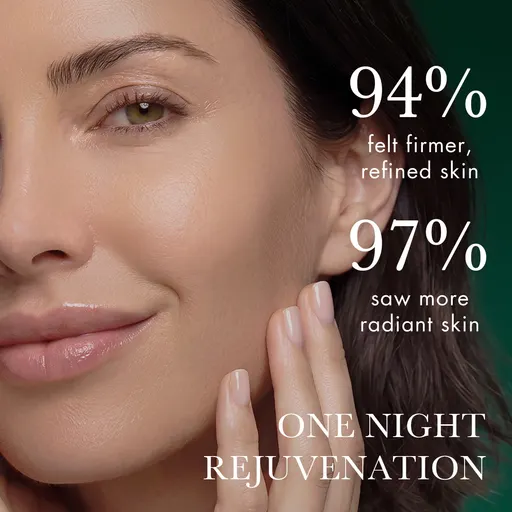
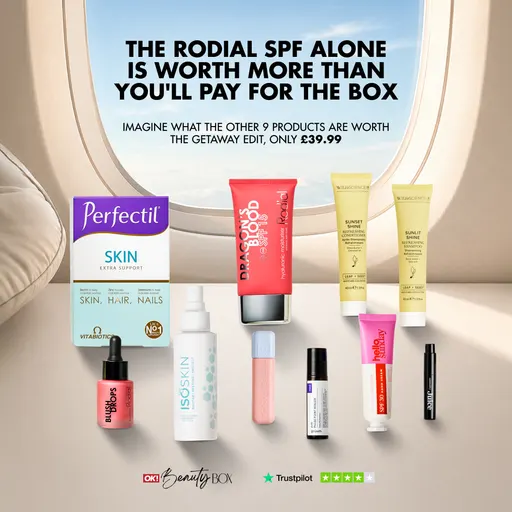
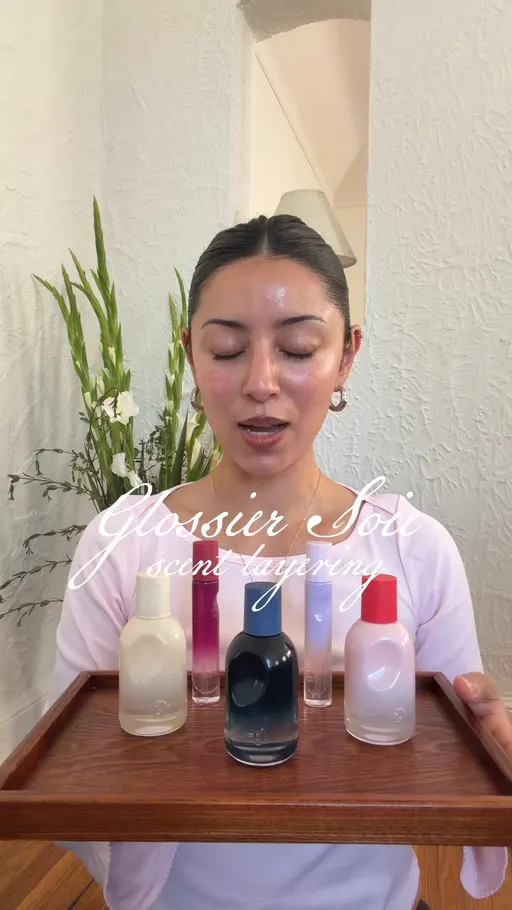
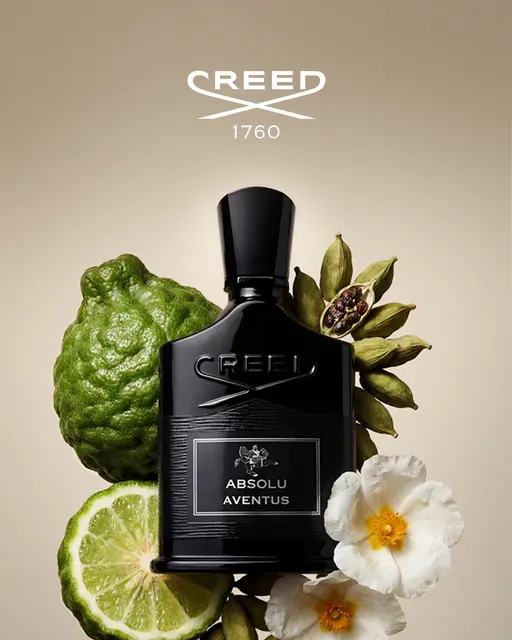
reviveskincare.com opens on “Glow Like Never Before ✨”. “Glow” names the result in the first word. “Like Never Before” is the comparison, and the product is never named in the line. okbeautybox.co.uk leads with “The Rodial SPF alone is worth more than you'll pay for the box”. glossier.com keeps it to three words, “Long lasting perfumes”. creedfragrances.co.uk runs “Absolu Aventus captivant”: in plain English, captivating Absolu Aventus. All four put a claim where the category's most common opener is a tease.
One honest note. A long run only tells us a brand kept one ad live that long. It is not a record of what it sold. There is no spend or revenue in this data.
Now the tease itself. The one that 7 in 10 brands use.
The Curiosity Gap: the tease on 63 brands
The Curiosity Gap is defined as an opening line that starts a thought and holds the payoff back until the reader opens the ad.
The share isn't the number to write down. The brand count is. 63 brands ran at least one tease in October. The vertical has 87 in scope. That is about 7 in 10, and no other hook is used by that many. The 16% share counts every ad running in the month, not only new ones.
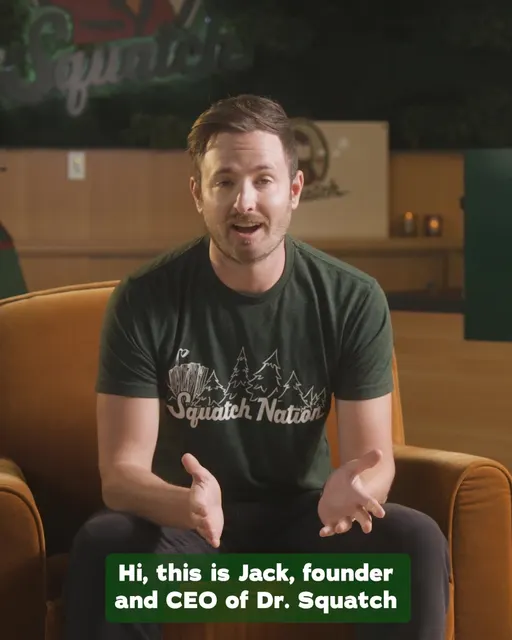
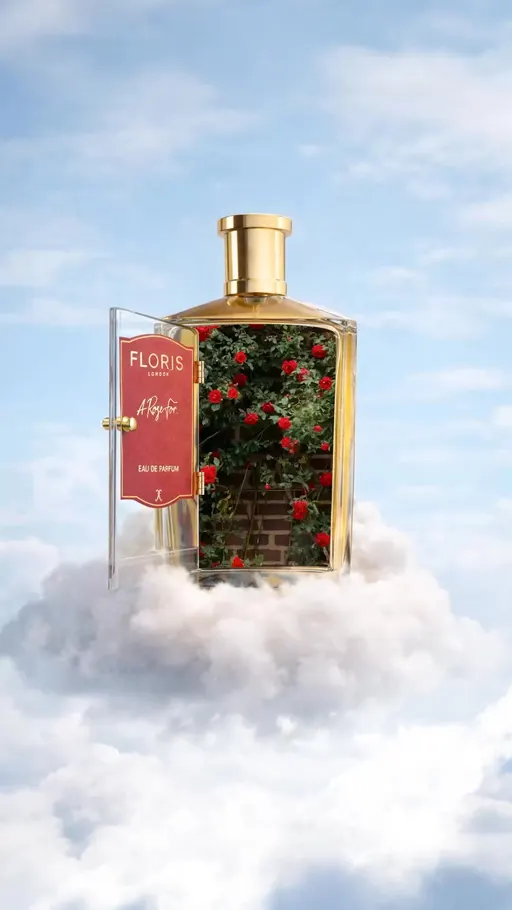
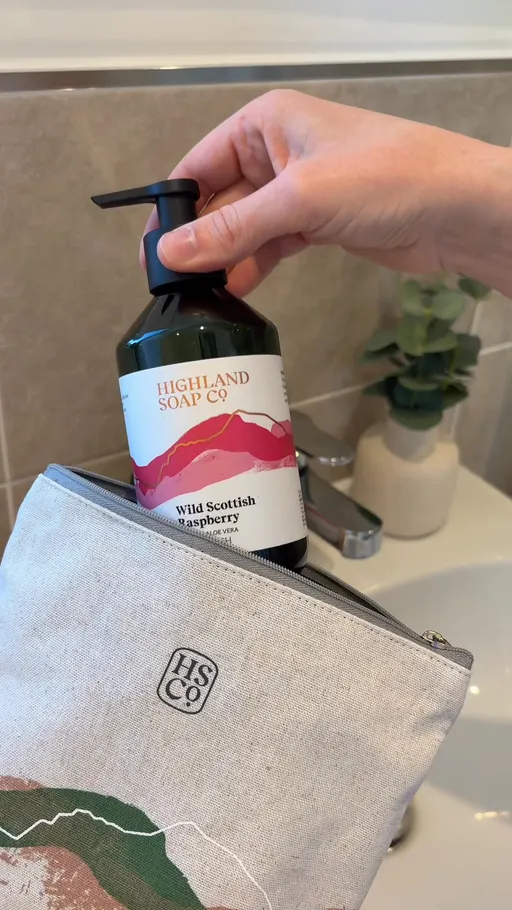
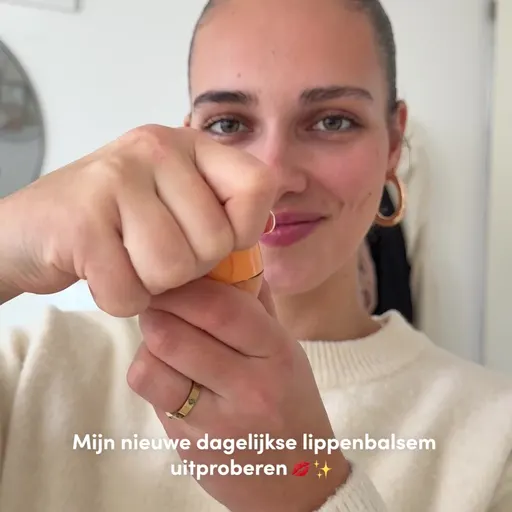
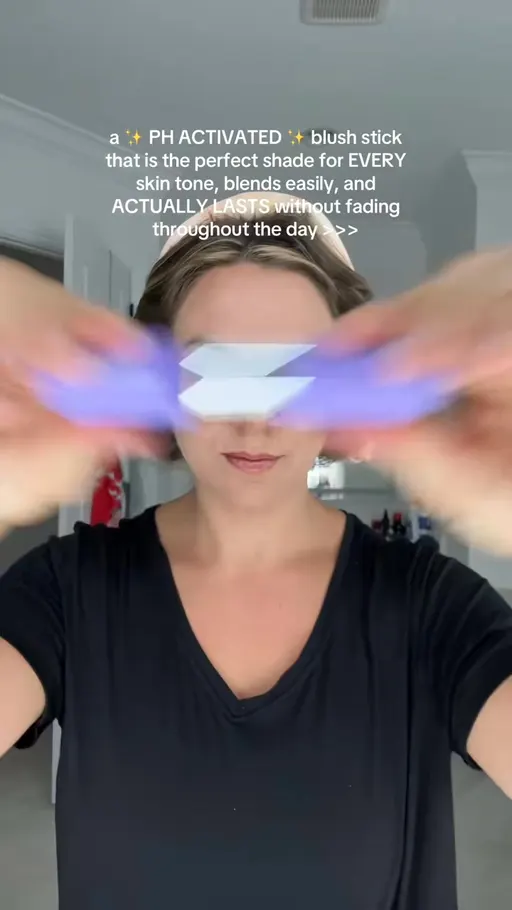
drsquatch.com opens on “Hi, this is Jack, founder and CEO of Dr. Squatch. If you're seeing this video, you probably just placed your first order online with Dr. Squatch.” florislondon.com says “Discover the world of Floris”. highlandsoaps.com starts “I found a gift set that I struggled to actually give away”. honeybalm.eu runs “Mijn nieuwe dagelijkse lippenbalsem uitproberen”, which in plain English is trying out my new daily lip balm. eu.wonderskin.com opens with a blush stick that is “the perfect shade for EVERY skin tone”.
So what is worth testing? The hook that rose the most.
Newness: the biggest jump, on 51 of 87 brands
Newness is the line that says the thing is new, with no tease in front of it. It made the biggest rise of the seven, from 5.6% of beauty ads in September to 8.6% in October. That is 558 ads. Only the Curiosity Gap moved further, falling from 19.6% to 16%. Here is every move since September.
Change in share of beauty ads, October vs September 2026, in percentage points. None of the seven held flat. Source: eCommerceBenchmark Ad Library, 2026.
Looks big. Now look at who is behind it: 51 brands, out of the 87 in scope.
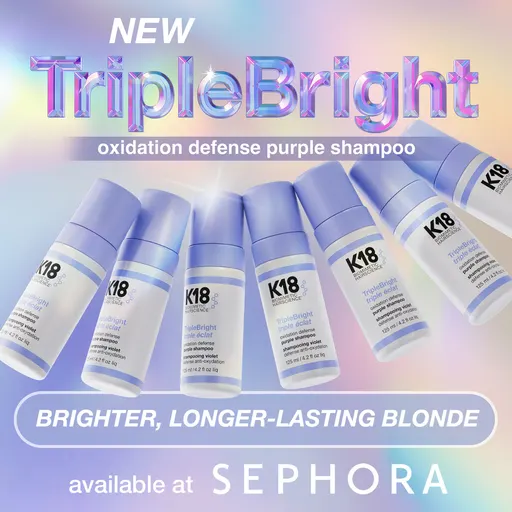
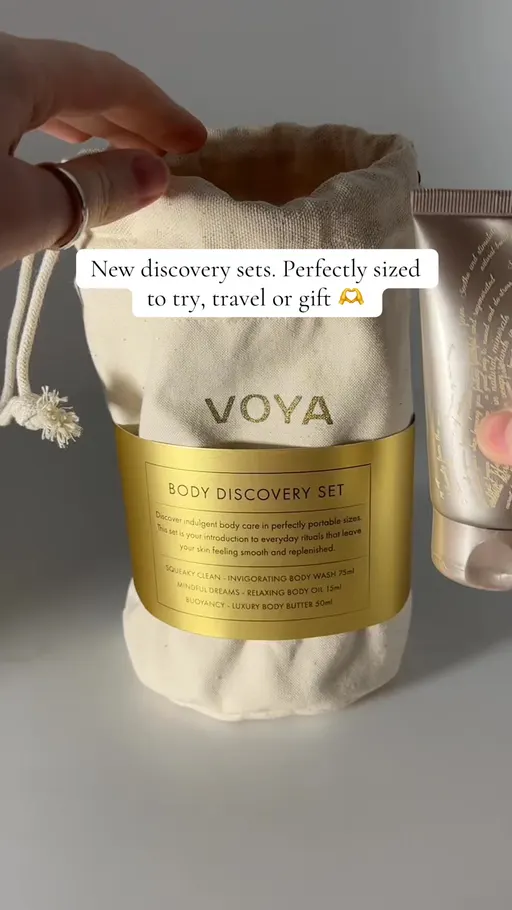
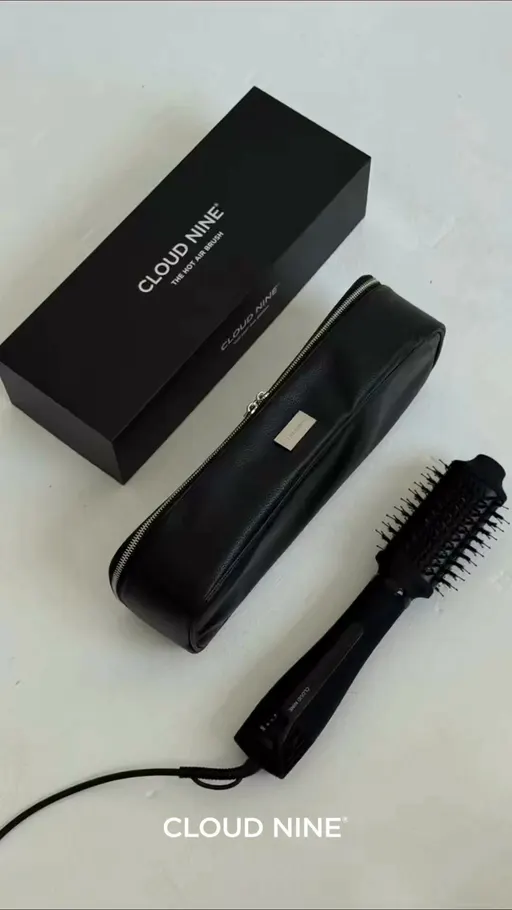
k18hair.com opens on “NEW TripleBright”. voya.ie starts “New discovery sets. Perfectly sized to try, travel or gift”. cloudninehair.com leads with “NEW! The Hot Air Brush”. Outside beauty, ryderwear.com runs “New Stonewash Colours Just Dropped”. The new thing is in the first word of all four.
Check your own beauty ads in twenty minutes
Pull your last twenty beauty ads. Read only the first line of each, with no picture around it. Put each line in one of the seven boxes from the plain-words table. Then read the result like this.
| If you see this | It probably means | Try this |
|---|---|---|
| Most of your first lines are teases | You are briefing the category's most common opening | Keep one as the control, then write one line that gives the promise away |
| Almost no flat promises | Beauty's second-biggest opening is missing from your set | Write one Bold Claim opener: the result in the first words |
| Never a that's-me line and never a new-thing line | You are skipping two of the openings beauty uses more than the whole market | Run one of each against your control, one at a time |
| Nearly every line is an on-camera look | You lean hard on the opening beauty uses less than the market | Keep it, but test a written first line beside it |
Run only one change at a time, same picture, same budget, two weeks. And judge on cost per purchase, not clicks. Here are the three tests this data supports best.
Three beauty tests to run next month
- A Bold Claim-first opener. One promise in the first words, no tease in front of it, against your current control. Why: Bold Claim came second in beauty at 10.3%, and one beauty ad built on it has 84 days on air.
- One newness line, no tease. Say the thing is new in the first three words, against your usual tease. Why: it rose from 5.6% to 8.6% of beauty ads, the biggest rise of the seven, on 51 brands.
- A that's-me opener. A line your shopper would say about herself, against your tease. Why: Relatability took 6.4% of beauty ads, and beauty uses it more than the whole market's 5.5%.
The eCommerceBenchmark Ad Library reads your ads, files each under a hook, and shows your mix beside the market's.
Audit my creatives, freeOne last thing. What happens when much of a category reaches for the same opener?
The mistake: briefing the tease because everyone does
The practice is briefing the Curiosity Gap as the default first line, month after month. What you see, inside your own account, is a set that reads on-brand: one voice, one rhythm, a line that holds something back until the click.
It also ran in the accounts of 63 brands in October. When that many brands reach for the same opener in one month, the first line stops saying who is talking. A shopper hears one voice instead of a choice, and the logo does the work the words should have done. (That's our reasoning, not something the data measures.)
The rest of the ranking, and what barely moved
The hooks with no section of their own all gained share, bar one. Visual Reveal went from 5.4% to 7.7% of beauty ads, on 48 brands. Relatability went from 5.8% to 6.4%, on 52 brands. Direct Question went from 4.3% to 5.2%, on 45 brands. Authority is the other faller, down from 5.7% to 5.1%. Even so, it sits on 57 brands, more than any hook but the tease.
All seven moved by a fifth of a point or more. The top two held their places, the tease then the flat promise. Third changed hands: Relatability sat third at 5.8% in September, and Newness is third at 8.6% in October. The top spot lost more ground than any other hook, 16% against 19.6% in September.
The full ranking, for the curious
| Hook | October | September | Ads | Brands |
|---|---|---|---|---|
| Curiosity Gap | 16% | 19.6% | 1,045 | 63 |
| Bold Claim | 10.3% | 8.6% | 673 | 52 |
| Newness | 8.6% | 5.6% | 558 | 51 |
| Visual Reveal | 7.7% | 5.4% | 504 | 48 |
| Relatability | 6.4% | 5.8% | 415 | 52 |
| Direct Question | 5.2% | 4.3% | 338 | 45 |
| Authority | 5.1% | 5.7% | 334 | 57 |
Your test card
Here is the first test from this article, set up the way a media buyer would run it. Fill in the blanks with your own numbers, and write them down before you launch.
| Hypothesis | A Bold Claim-first opener will cost less per purchase than my usual tease. |
| Change only this | The first line only. |
| Keep the same | Picture, body copy, button, audience and placement. |
| Funnel stage | Say first whether this ad is for prospecting (cold) or retargeting (warm). A deal in the first line is often right for warm audiences and wrong for cold ones, so test it where the ad will really run. |
| Setup | One control and one variant, same audience, same placement, even budget split. Do not edit either ad while the test runs. |
| How long and how much | Until each version has about 50 purchases, or two full weeks, whichever comes later. This is general testing practice (Meta's own learning-phase guideline is about 50 results per ad set per week), not a library finding. |
| Success metric | Cost per purchase, not clicks. |
| Stop rule | Pause a variant that has spent about 3 times your target cost per purchase with no purchase. If it is close, keep it running. |
| What counts as a win | The variant beats the control on the metric by an amount you would act on, and still does in a second week. |
Key takeaways
- 63 of the 87 beauty brands in scope ran at least one Curiosity Gap opener [eCommerceBenchmark Ad Library, 2026], about 7 in 10: table stakes, not a differentiator.
- Beauty leans on the on-camera look less than the whole market, 7.7% against the 9.3% all industries run, and on the that's-me line more, 6.4% against 5.5%.
- Bold Claim came second at 10.3% of beauty ads, and one beauty line built on it has 84 days on air: lead with the promise, let the product wait for the headline.
- Newness rose from 5.6% to 8.6% of beauty ads on 51 brands: test one line, don't plan a quarter on it.
- All seven hooks moved by a fifth of a point or more, and third place changed hands: Relatability sat third at 5.8% in September, Newness is third at 8.6% in October.
Questions
Read only the first line of each of last month's ads. No picture, no headline, just the line. Put it in one of seven boxes: the tease, the flat promise, the new thing, the on-camera look, the that's-me line, the question, the proof. Then count. If most of them sit in the tease box, you are leaning on the opener 63 of the 87 brands in scope ran at least once. The emptiest box is your test. Put one ad in it, against your usual control, and change nothing else.