Beauty Ads, October 2026: 53.6% Carried No Offer at All. Which of Your Four Layers Is Empty?

Scope: Beauty & Personal Care ads in every country the eCommerceBenchmark Ad Library tracks, 6,520 active in October 2026 across 87 brands, compared with September 2026. No split by country or sub-category.
Open a beauty feed and count the deals.
You will not get far. In October 2026, 53.6% of Beauty and Personal Care ads carried no offer in the creative at all. Discount sat at 12%. Bundle sat at 7.5% [eCommerceBenchmark Ad Library, 2026]. The category sells on what the product is, not on what it costs this week.
What changed is how brands describe the product. The solution-aware angle, the one that names the fix out loud, took 23.1% of the month's ads, up from 17.4% in September. Problem-aware, the one that pokes the problem first, fell to 9.7%. On screen, the product demo close-up still leads the concepts at 13.7%.
So here is one month of a whole category, read in four layers: the hook an ad opens with, the angle under it, the way it is staged, and the offer it names or skips. That is 6,520 ads, and real lines from the brands that published them.
- Your offer box may be empty, and so are more than half the category's ads. 53.6% of beauty ads name no deal. 80 of the vertical's 87 brands ran at least one ad with no offer. A plain bundle line in your headline would stand against it.
- The category teased a little less this month. Curiosity-gap openers slid to 16% from 19.6%. Bold claim climbed to 10.3% from 8.6%. If your whole set still holds the payoff back, you are drifting from where the category moved.
- Two video concepts grew at once. Montage went from 4.2% to 7%. Cinematic b-roll went from 4.6% to 7%. The close-up still leads the concepts, so the question is not whether to retire it. It is what to put next to it.
Here is where the concepts crowd, and the lines brands actually wrote.
Product Demo Close-Up Leads Beauty's Concepts at 13.7%
The close-up demo is the most common way a beauty ad is staged, at 13.7% of October's ads. That is 896 of the month's ads, and 65 brands ran at least one [eCommerceBenchmark Ad Library, 2026].
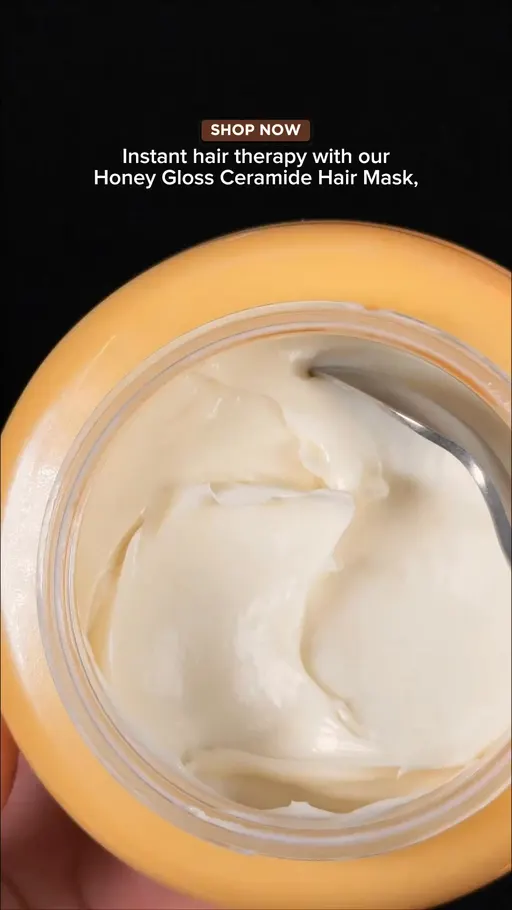
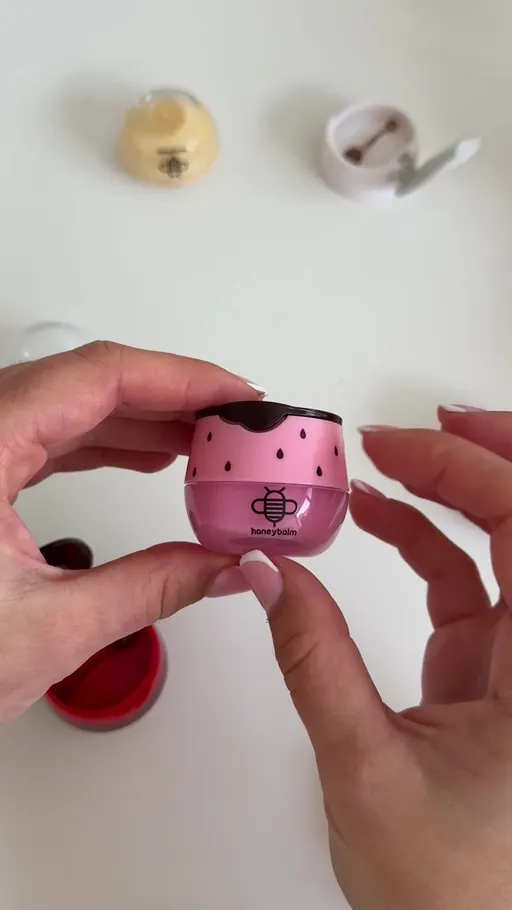
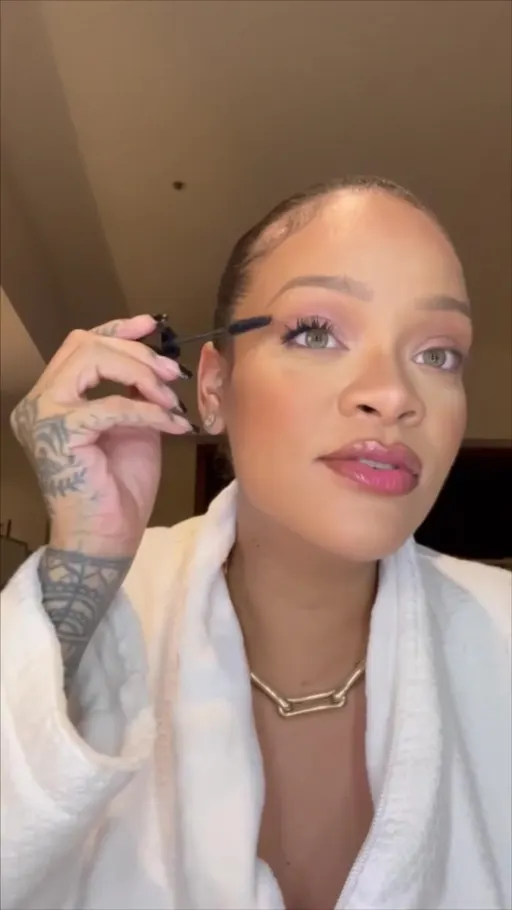
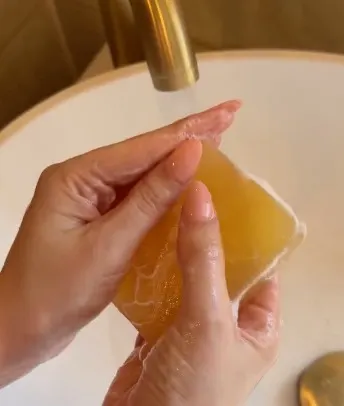
A creative concept is defined as the way an ad is staged on screen, such as a close-up demo, a montage of cuts or a cinematic b-roll sequence. In September this lane ran at 13.2%, so it barely moved. It is the steady floor the rest of the mix sits on.
Four brands show what it sounds like in words. Gisou opens on "Instant hair therapy with our Honey Gloss Ceramide Hair Mask". Honeybalm opens on "Honeybalm - voor een stralende glans! ✨", which in plain English is Honeybalm, for a radiant glow. Fenty Beauty opens on "HELLA THICC MASCARA". Highland Soap Co. opens on "I've decided to find some joy and luxury in the little moments". Three of the four put the product, or what it does, in the first few words.
The cards show days on air. A long run only means the ad stayed live that long, not that it sold more.
The lead staging held steady this month. The opening lines did not.
Bold Claim Climbed to 10.3% of Beauty's Opening Lines
Bold claim opened 10.3% of October's beauty ads, up from 8.6% in September. It ran on 673 ads, and 52 brands put at least one in their set [eCommerceBenchmark Ad Library, 2026].
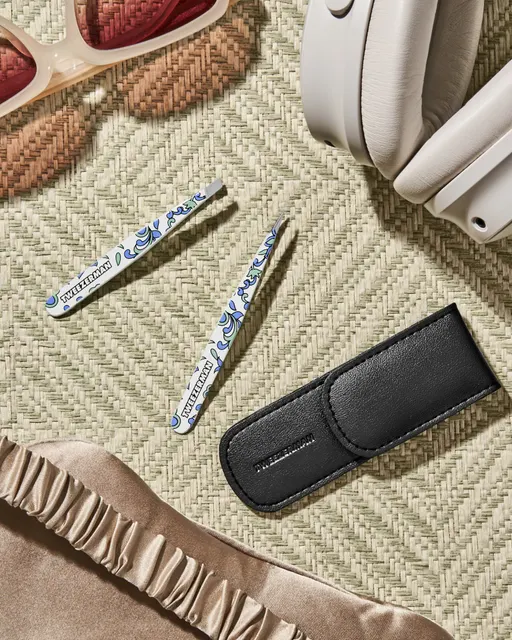
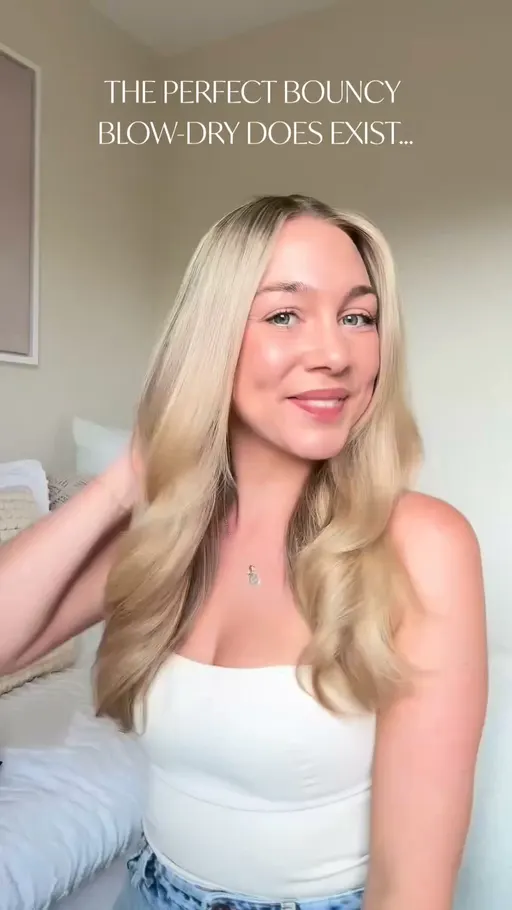
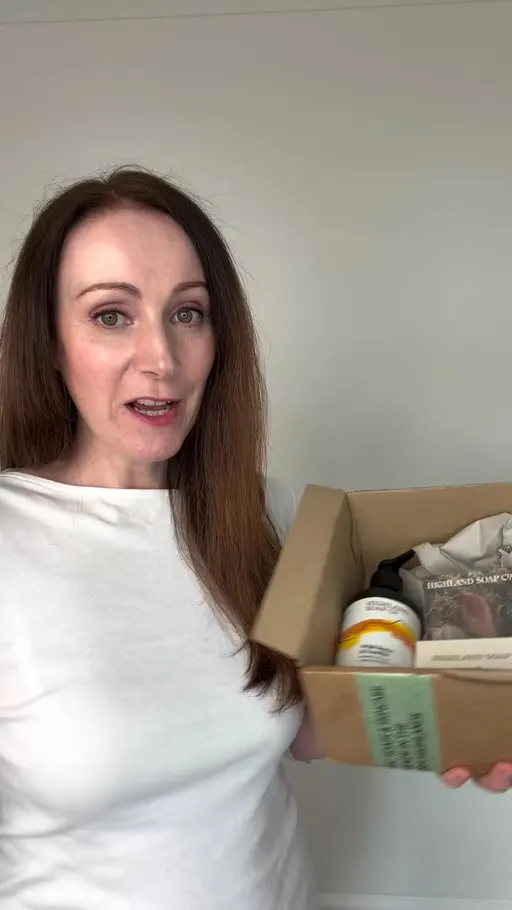
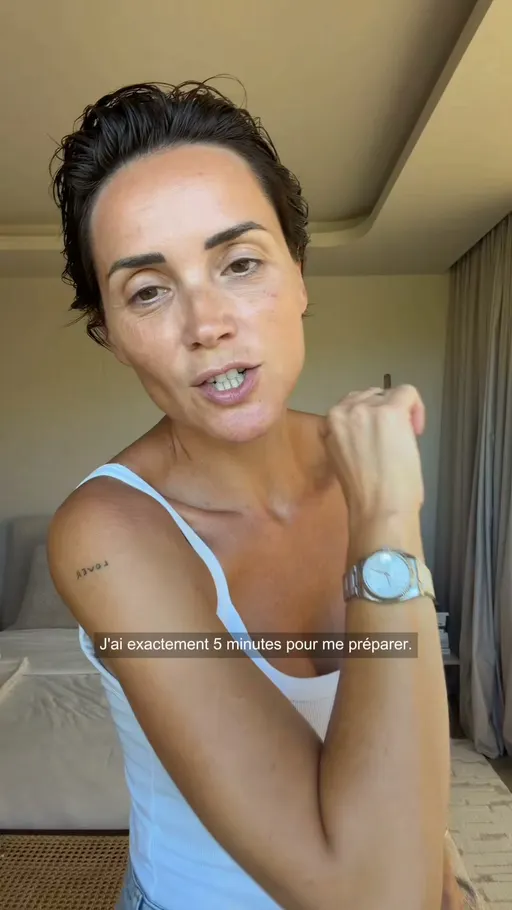
A selling angle is defined as the argument an ad makes about why the product matters, such as naming the fix, poking the problem or speaking to who the buyer is. The hook is the first line. The angle is the argument under it. Both layers moved toward saying it plainly: the curiosity-gap open slid to 16%, while the fix-naming angle rose to 23.1%.
Look at the lines. Tweezerman opens on "Mini Tools, Big Results". Cloud Nine opens on "The perfect bouncy blow-dry does exist..." Highland Soap Co. opens on "Only What Your Skin Needs". MERIT opens on "Appliquez, estompez, rayonnez", which in plain English is apply, blend, glow. None of them asks you to wait. The promise is finished inside the first line.
Hooks are one layer. The next one is what the ad looks like while that line runs.
Cinematic B-roll Reached 7% of Beauty Ads, Up From 4.6%
Cinematic b-roll ran in 7% of October's beauty ads, up from 4.6% in September. That is 455 ads, from 46 brands. Montage reached the same 7%, up from 4.2%, on 454 ads [eCommerceBenchmark Ad Library, 2026]. Two staged-video lanes grew in one month.

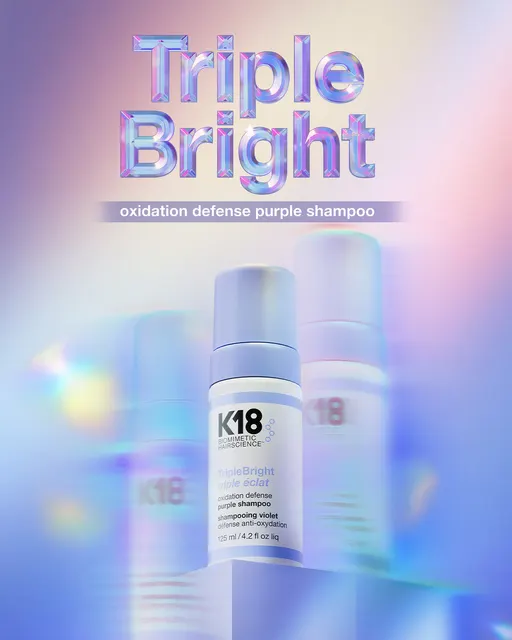
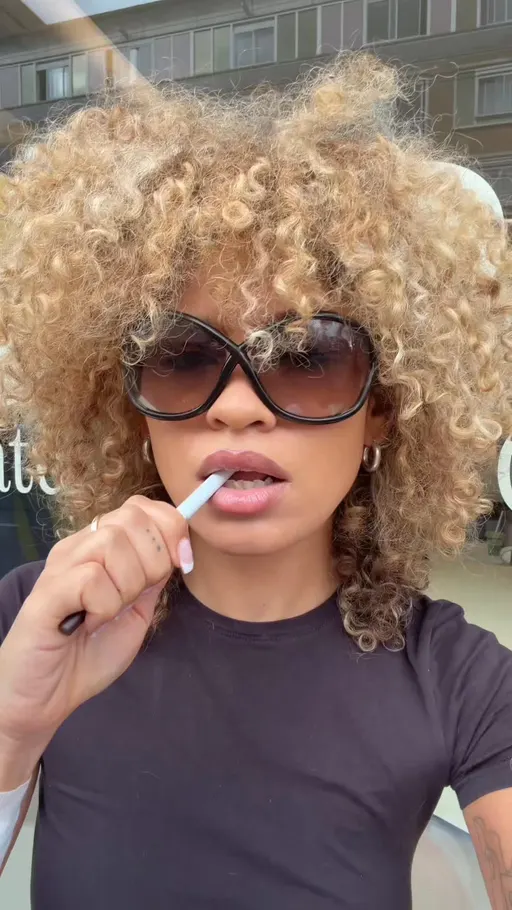
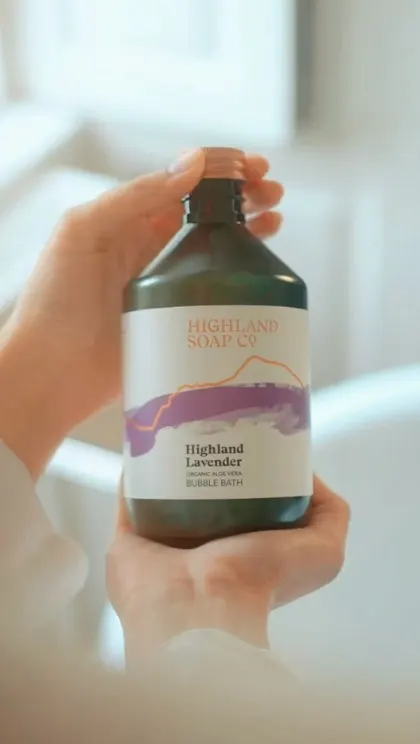
The lines in this lane are short. Tweezerman opens on "The Devil Wears Prada 2". K18's Irish site opens on "NEW! Triple Bright Purple Shampoo". Sophia Mae opens on "Ervaar jouw ultieme SOPHIA MAE routine.", which in plain English is experience your ultimate SOPHIA MAE routine. Highland Soap Co. opens on "The Highlands. In essence." They name a thing and let the footage carry the rest.
One honest warning. The library re-measures past months as it labels more ads, so treat a move of a point or two between September and October as softer than a gap between two rows inside October. Inside one month, the panel is the same for every row, which is why the within-month shares carry more weight here than the gaps between months.
That is where the pictures went. The missing line is the one about money.
Three beauty tests to run next month
- A flat promise open. Run one ad whose first three words state the result, against your best curiosity-open control. Bold claim grew from 8.6% to 10.3% of beauty ads.
- A bundle in the headline. Keep the creative, add a two-for or set price to the headline of an ad that currently names no deal. Bundle rose from 5.7% to 7.5%.
- A second staging beside the close-up. Add one cut-driven video next to your demo close-up and split budget evenly. Cinematic b-roll reached 7% of beauty ads from 4.6%, and montage reached 7% from 4.2%.
The eCommerceBenchmark Ad Library sorts your ads into the same hooks, angles, concepts and offers used in this report and shows your mix next to the market, so you can see which shapes you have never shipped.
Audit my creatives, freeBefore you pick one, look at how quiet the offer layer really is. That is where the category leaves the most room.
Most Beauty Ads Sell Without a Deal
53.6% of October's beauty ads carried no offer in the creative, up from 52.5% in September. That lane runs across 80 of the vertical's brands [eCommerceBenchmark Ad Library, 2026].
Discount held at 12%. Bundle rose to 7.5% from 5.7%, the biggest move in the offer layer. Free gift sat flat at 5.8%. Picture a shop where more than half the shelf has no deal sign on it. That is the share of the category's ads that ran with no offer.
So which layer moved most? Not that one.
What Moved Between September and October, Layer by Layer
The angle layer moved most. Solution-aware went from 17.4% to 23.1%, while problem-aware fell from 11.3% to 9.7% [eCommerceBenchmark Ad Library, 2026].
Source: eCommerceBenchmark Ad Library, 2026.
Identity stayed second and edged up from 14.8% to 15.7%. In the hook layer, newness went from 5.6% to 8.6% and visual reveal from 5.4% to 7.7%. Authority slid from 5.7% to 5.1%. Among the concepts, offer-first banner went from 7.2% to 8.5%. Objection crusher was the other faller worth a look, 7% to 6.3%.
The mistake: writing every ad as a brand film and leaving the deal to the product page
When 53.6% of a category's ads name no offer [eCommerceBenchmark Ad Library, 2026], more than half of what the category runs gives a shopper no deal to act on. The practice is briefing the offer out of the creative and trusting the landing page to carry it.
The trouble is what happens when more than half the field does it at once: the deal moves off the ad and onto the product page, and the ads stop differing from each other on the one thing a deal would add. Discount sits at 12% of the vertical's ads, so the shopper who wants a reason has to go looking for it.
Your test card
Here is the first test from this article, set up the way a media buyer would run it. Fill in your own numbers before you launch.
| Hypothesis | An ad that opens on a flat promise, run beside my current curiosity-open control on an even budget split, will match or beat the control's cost per purchase. |
| Change only this | The first line of the ad, rewritten so the first three words state the result instead of holding it back. |
| Keep the same | The same product, the same image or video, the same headline, the same audience, the same placements and the same daily budget. |
| Funnel stage | Say first whether this ad is for prospecting (cold) or retargeting (warm). A deal in the first line is often right for warm audiences and wrong for cold ones, so test it where the ad will really run. |
| Setup | One control and one variant, same audience, same placement, even budget split. Do not edit either ad while the test runs. |
| How long and how much | Until each version has about 50 purchases, or two full weeks, whichever comes later. This is general testing practice (Meta's own learning-phase guideline is about 50 results per ad set per week), not a library finding. |
| Success metric | Cost per purchase, not clicks. |
| Stop rule | Pause a variant that has spent about 3 times your target cost per purchase with no purchase. If it is close, keep it running. |
| What counts as a win | The variant beats the control on the metric by an amount you would act on, and still does in a second week. |
Key takeaways
- 53.6% of October's beauty ads carried no offer in the creative, up from 52.5% in September. That lane sits across 80 brands [eCommerceBenchmark Ad Library, 2026].
- Solution-aware took 23.1% of the month's ads, up from 17.4%, on 1,503 ads. It is the fix-naming argument.
- Problem-aware fell to 9.7% from 11.3%, on 631 ads. A smaller share of ads argued from the problem first.
- Curiosity gap still opens the most beauty ads at 16%, down from 19.6%. Bold claim climbed to 10.3%.
- Product demo close-up leads the concepts at 13.7%, on 896 ads. It barely moved from 13.2% in September.
- Montage and cinematic b-roll both reached 7%, from 4.2% and 4.6%. Two staged-video lanes grew together.
- Bundle was the biggest move in the offer layer, 5.7% to 7.5%, on 490 ads. Discount held at 12%.
Questions
Pull last month's beauty ads into four piles: the hook each one opens with, the angle under it, the way it is staged, and the offer it names. Many accounts will find one pile thin, and in this category the thin one is likely the offer, because 53.6% of the vertical's ads named no deal at all. The empty box is the brief you have not written yet. Write one line for it, run it beside your control, and you will know more next month than taste can tell you tonight.