Beauty & Personal Care Ads, October 2026: 60 of 87 Brands Ran the Curiosity Gap at Least Once. Could a Stranger Tell Your First Line Apart?

Scope: Beauty & Personal Care, every country the eCommerceBenchmark Ad Library tracks. 6,641 ads active in October 2026, read against September 2026. 87 brands in scope. No split by country.
Open a beauty feed and count the teases.
In October 2026, 60 of the 87 beauty and personal care brands in scope ran at least one ad that opened on a curiosity gap [eCommerceBenchmark Ad Library, 2026]. No other hook among the eight with the largest shares reached that many brands. That does not mean those 60 built their month on it. It means about seven in ten brands in the vertical reached for it at least once.
So this piece asks what a share ranking cannot: how many brands wrote one, and what those lines sound like next to each other.
We looked at a separate Meta sample, which files 951 ads under that hook. It is not a count of October's ads. Four of those openings are read side by side below.
- Brands and ads are counted apart. 60 of 87 brands ran this opening at least once. That counts brands with at least one such ad, not how many ads each one ran or who saw them.
- Spread and volume are two different things. Authority ran at 57 brands. Its slice was 5%. A hook can be run by about two brands in three and still take a small slice of the month's ads.
- The wording is the only part left to change. Four brands wrote the hook four ways, and three land in the same shape. If your tease is built that way, the words are the thing you test.
Here is the ranking by brands, not share.
How many beauty brands ran each hook at least once
A brand count is defined as the number of brands that ran at least one ad carrying that hook in the month, not the number that mostly open that way. By that measure the curiosity gap sits first, at 60 of the 87 brands in scope. Authority is right behind it, on 57 [eCommerceBenchmark Ad Library, 2026].
Brands that ran at least one ad with each of the eight hooks that took the largest shares of October 2026 ads. These bars are brands, not shares. Source: eCommerceBenchmark Ad Library, 2026.
The middle of the list bunches up. Bold claim and relatability reached 52 brands each. Newness ran at 51. Visual reveal reached 48. Direct question reached 45. Price anchor sits last, on 40.
Three brands separate the top two. Read down the bars: they are flat. Even the hook at the bottom was written by more than a third of the vertical at least once. Nobody here is sitting on an opening the rest of the category never touched.
So the question is not which hook is rare. It is what 60 brands wrote. Here are four of them.
Curiosity gap: 60 of 87 brands, and four first lines side by side
A curiosity gap is defined as an opening line that points at something without explaining it, so the payoff waits on the other side of the click. 60 of 87 brands ran at least one, and the hook took 12.6% of the month's ads. In September it was 14.8% [eCommerceBenchmark Ad Library, 2026], so the share fell. There is no September brand count to set beside the 60.
Four of those first lines, in their own words.
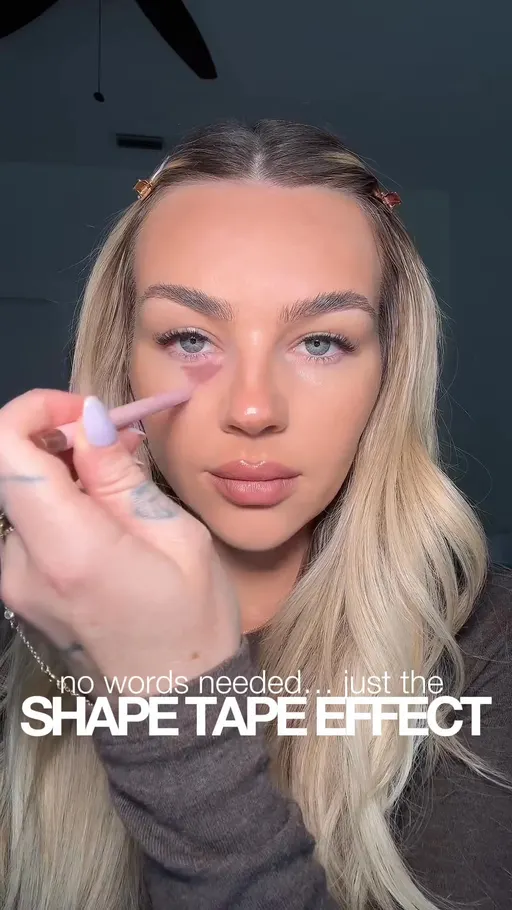
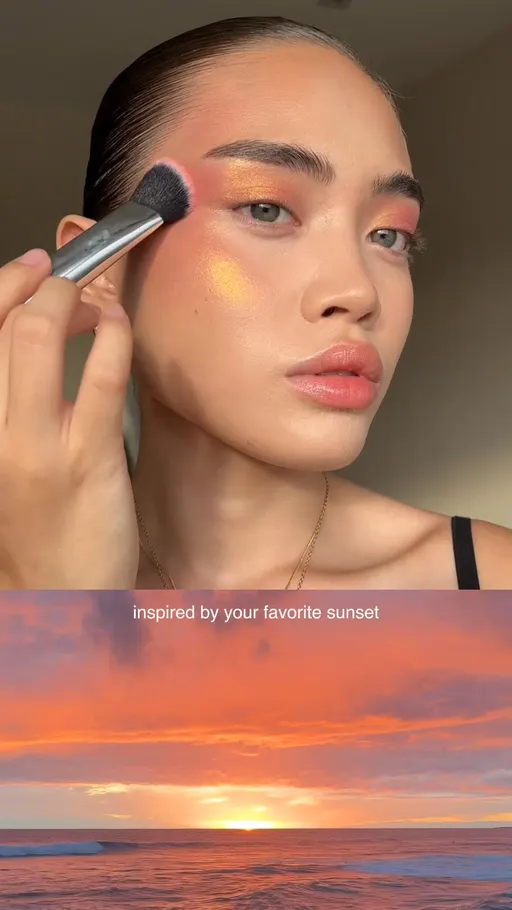
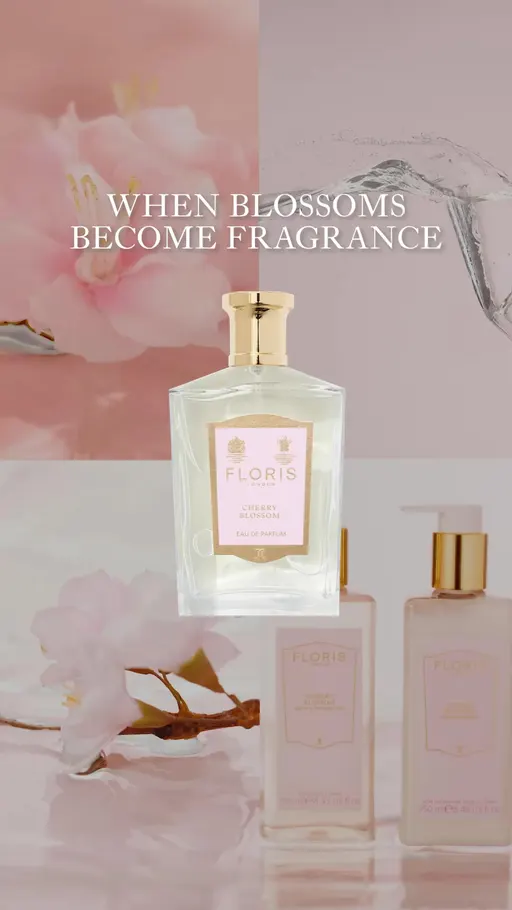
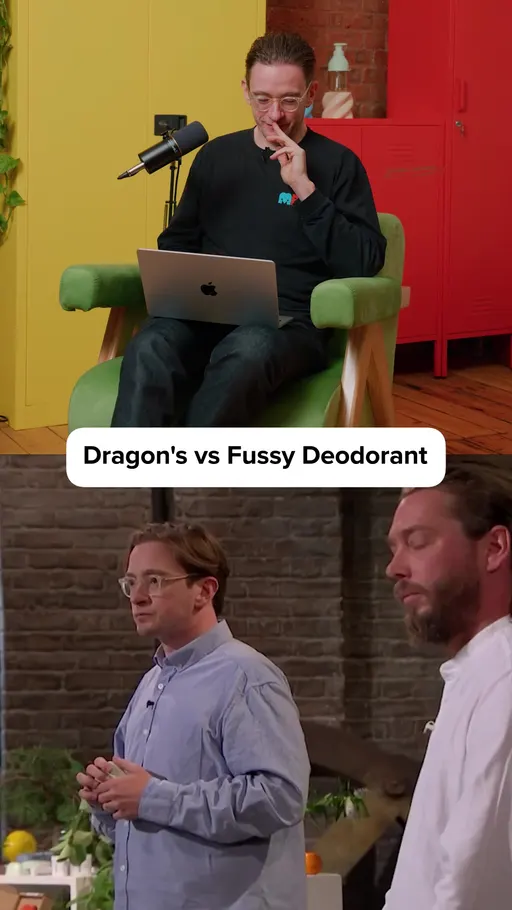
tartecosmetics.com opens on “no words needed... just the SHAPE TAPE EFFECT”. hauslabs.com opens on “inspired by your favorite sunset”. florislondon.com opens on “WHEN BLOSSOMS BECOME FRAGRANCE”. Those three are built the same way. Each is a short fragment. None has a verb aimed at the reader. None states an offer: one points at an effect, one at a feeling, one at a change from flower to scent. Only the Haus Labs line gives no clue to what is for sale; tarte names its Shape Tape line and Floris names the category, fragrance.
getfussy.com stands apart. Its line reads “Dragon's vs Fussy Deodorant”. It is the only one of the four built as a comparison: its own deodorant against a named rival. It still holds plenty back, because it never says what Dragon's is or how the two differ, and like the Floris line it names the category in its words.
One hook came within a few brands of this one, and its lines do the opposite job.
Authority ran at 57 brands, nearly as many as the leader
Authority reached 57 brands in October, three short of the curiosity gap. It ran on 5% of the month's ads [eCommerceBenchmark Ad Library, 2026], so it was spread across most of the vertical on a thin slice of the month's ads.
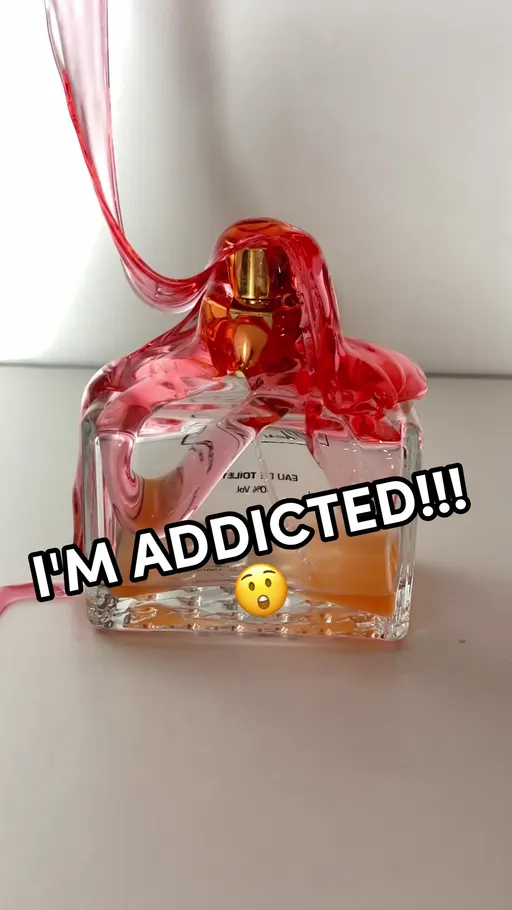
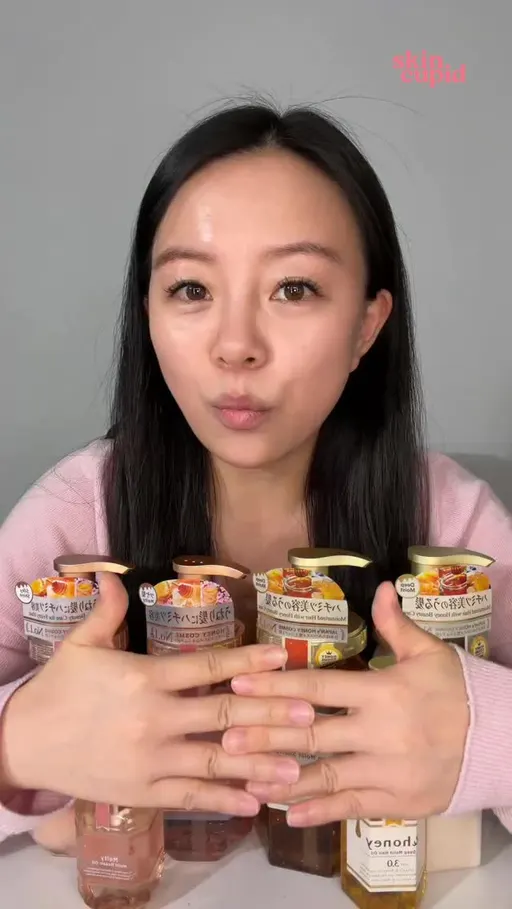
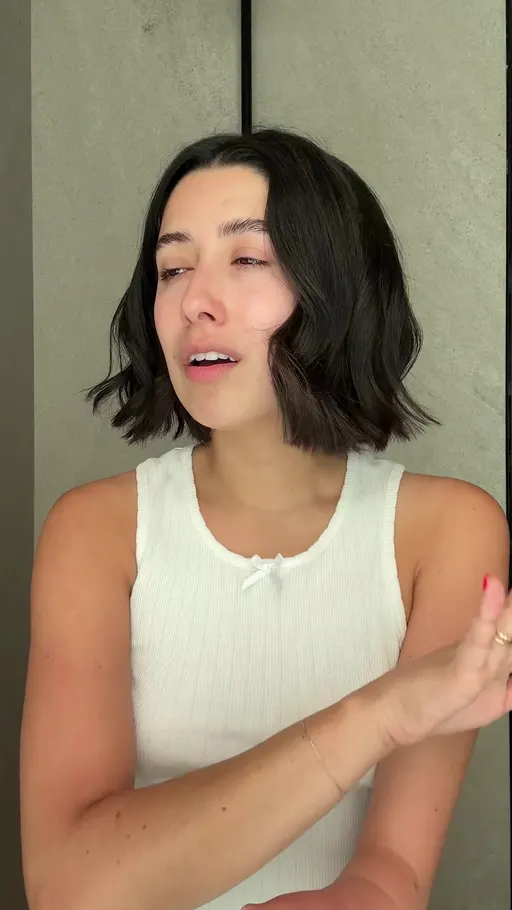
Its first lines borrow a verdict instead of hiding one.
microperfumes.com opens on “3 Sexiest Perfumes For Women, Voted By Men”. skincupid.co.uk opens on “One of the most popular Japanese hair care brands just landed at Skin Cupid and it's none other than &honey”. augustinusbader.com opens on “I've been seeing this makeup by Mario and Kim K, all use this brand and now I know what all the hype's about.” lullabellz.com opens on “The Claw Clip everyone is talking about!”
Those are the brands' own words, not a judgement of ours. What the four share is a verdict borrowed from someone else: men, popularity, two famous names, a crowd. And none of them hides the subject. Each says what the ad is about early: perfumes, hair care, makeup, a claw clip.
Which brings up the habit worth naming.
The mistake: writing the tease in the same shape as the brand beside you
The practice is briefing the hook, then letting the first line copy the shape sitting next to it: a short phrase, no verb aimed at the reader, one noun held back, nothing concrete in the first three words. Our read: on a phone, that shape is easy to mistake for the one beside it.
With 60 of 87 brands running this opening at least once [eCommerceBenchmark Ad Library, 2026], many of the month's teases can come out in that shape. Our read: the opening then stops doing its one job, telling a stranger what the ad is about. Nothing here measures what that costs, or how alike the category's first lines are. That is our reading of four quoted lines, three of which share a shape.
Three first-line tests for a crowded hook
- Swap the noun you withhold. Keep the hook, change only the thing the first line holds back, against your current control. 60 of 87 brands ran this opening at least once in October.
- Name the category in the first three words. Run one tease that says what the product is up front, against your best current tease. The curiosity gap took 12.6% of the month's ads.
- Borrow a verdict instead of hiding one. Try a single authority opening against a tease in the same ad set. Authority already ran at 57 brands.
The eCommerceBenchmark Ad Library sorts your ads into the same hooks, angles, concepts and offers used in this report and shows your mix next to the market, so you can see which shapes you have never shipped.
Audit my creatives, freeThe first test is the one worth writing down before you brief anything. Here is the card for it.
Your test card
Here is the first test, written the way a media buyer would set it up. Fill in your own numbers before you launch.
| Hypothesis | Keeping the curiosity gap but changing only the thing my first line holds back will hold or lower my cost per purchase against my current tease, on an even budget split. |
| Change only this | The wording of the opening line, and nothing else in the ad. |
| Keep the same | The hook, the creative, the headline, the offer, the audience, the placements and the landing page. |
| Funnel stage | Say first whether this ad is for prospecting (cold) or retargeting (warm). A deal in the first line is often right for warm audiences and wrong for cold ones, so test it where the ad will really run. |
| Setup | One control and one variant, same audience, same placement, even budget split. Do not edit either ad while the test runs. |
| How long and how much | Until each version has about 50 purchases, or two full weeks, whichever comes later. This is general testing practice (Meta's own learning-phase guideline is about 50 results per ad set per week), not a library finding. |
| Success metric | Cost per purchase, not clicks. |
| Stop rule | Pause a variant that has spent about 3 times your target cost per purchase with no purchase. If it is close, keep it running. |
| What counts as a win | The variant beats the control on the metric by an amount you would act on, and still does in a second week. |
Key takeaways
- 60 of 87 brands ran at least one curiosity gap ad in October 2026 [eCommerceBenchmark Ad Library, 2026], more brands than any other of the eight hooks with the largest shares.
- The hook took 12.6% of October's ads. In September it was 14.8%, so its share of the month's ads fell.
- Authority ran at 57 brands. Its share of the month's ads was 5%: close to the leader on spread, far behind on volume.
- Bold claim and relatability reached 52 brands each. Newness reached 51.
- Visual reveal reached 48 brands. Direct question reached 45. Price anchor sat last, on 40.
- 951 ads in a separate Meta example sample are filed under the curiosity gap, which is what makes the side by side reading possible.
Questions
Pull last month's ads and sort the first lines by what each holds back: a shade, a scent, an effect, a comparison. Then cover the logos and read them in a row. 60 of the 87 brands in scope ran this opening at least once, so if yours is one of them, check whether your teases hold back the same kind of thing in the same shape. Where that happens, the hook is not what to change. The noun is.