Bold Claim Opened 16.3% of Food & Drinks Ads in October 2026. Is Your First Line Still a Tease?

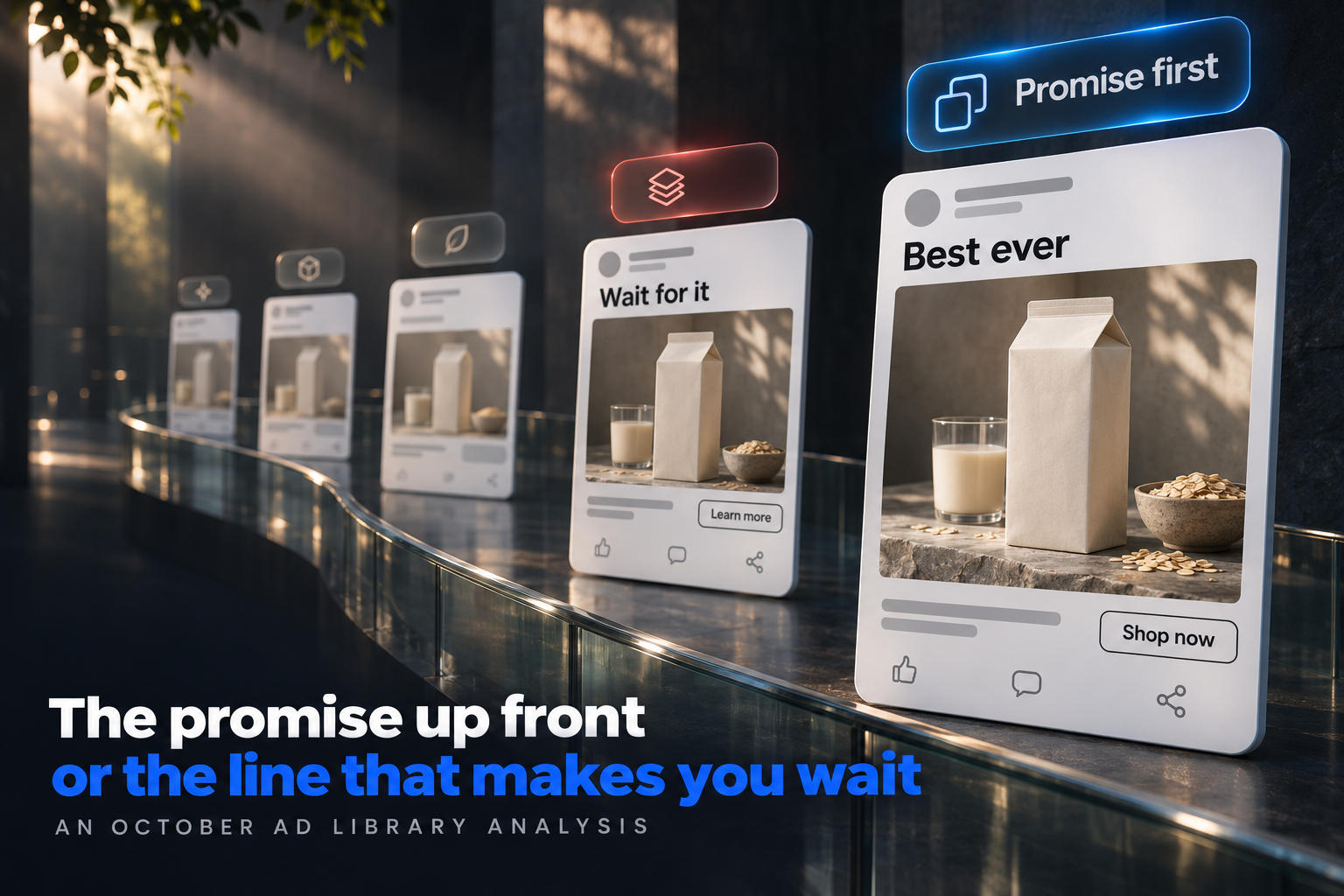
Scope: Food & Drinks ads across every country the eCommerceBenchmark Ad Library tracks, 1,972 of them active in October 2026, compared with September 2026. No split by country or brand size.
Picture the first second of a snack ad.
In October 2026, that first second was most often a promise. Bold claim opened 16.3% of the Food & Drinks ads active that month, ahead of every other opener. That is 321 ads. They came from 37 of the brands the library tracks in this vertical [eCommerceBenchmark Ad Library, 2026].
A month earlier, the same opener sat on 11.8% of the vertical's ads. The hook that was bigger in September, the one that holds its payoff back, moved the other way.
Here is the opener that carried the month, the real ads behind it, our reading of why a flat promise holds a thumb, and one test to put beside your control.
- The vertical moved toward the flat promise. Bold claim opened 16.3% of October's Food & Drinks ads. A month before, it opened 11.8%, below the curiosity opener; in October it moved ahead of it.
- The lead is narrow, so this is not a lane to pile into blind. The hook under it still opened 13.9% of the month's ads. Two openers, not one, sit at the top of this category.
- This counts presence, not profit. We can see how many ads opened each way and how long each one stayed on air. Nothing here says which opener sold more.
Bold Claim Opened 321 of October's Food and Drinks Ads
An opening hook is defined as the job an ad's first line does before anything else, in the first second a shopper sees it. In October 2026, the most-run opener in this vertical was the bold claim, on 16.3% of the month's ads. That is 321 ads, from 37 brands [eCommerceBenchmark Ad Library, 2026].
The share counts every Food & Drinks ad running in October, 1,972 of them, not only the ads that launched inside the month. The library tracks 63 brands in this vertical, and 37 of them ran at least one bold-claim ad, so more than half of the vertical's brands used the promise-first opener at least once.
Against September's 11.8%, that is a climb of 4.5 points in a single month. Nothing here says a brand stopped running anything. The share of ads opening on a promise simply got wider.
So what do those 321 openers actually say?
What Those Five Openers Do in Their First Three Words
Only BrewDog leads with its own name and its wings night. Kodiak Cakes says its claim before its name, and the other three never name the product in the line at all.
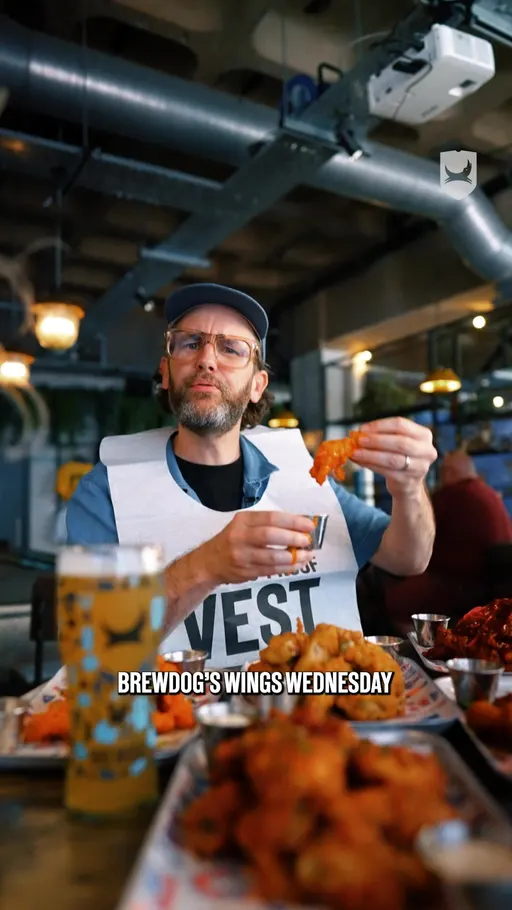
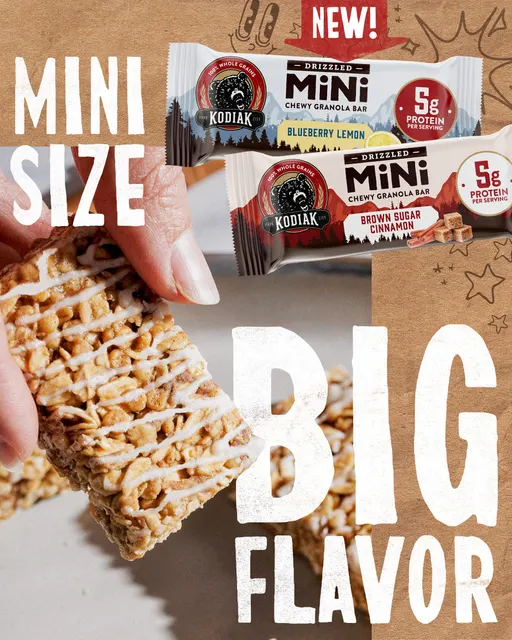
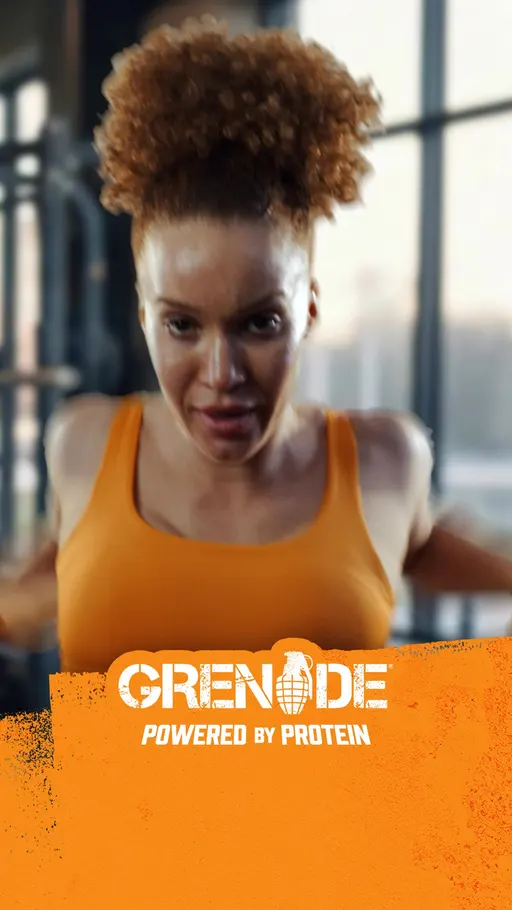
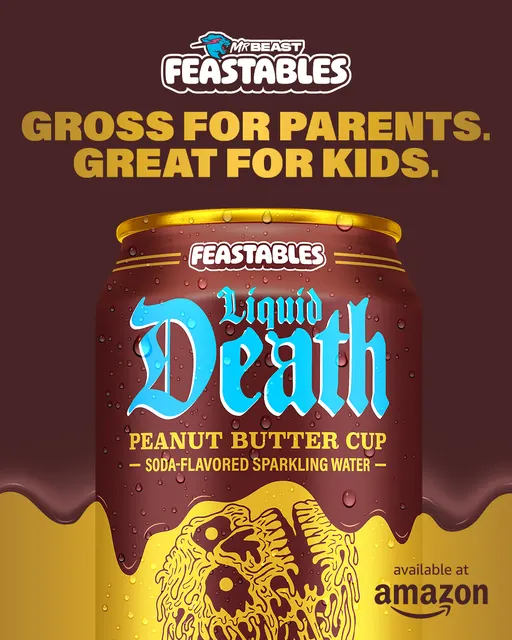

BrewDog opens on "Brewdog's wings wednesday is now messier than ever". Kodiak Cakes opens on "It’s wild what you & Kodiak can do". Grenade opens on "Let me see who wants that smoke". Liquid Death opens on "YOU WON'T BELIEVE IT'S NOT CANDY." Oats Overnight opens on "Dude, I'm telling you this is the best pumpkin patch in the whole city" [eCommerceBenchmark Ad Library, 2026].
Read only the opening words of each. Kodiak Cakes and Liquid Death put the claim right there, "It’s wild" and "YOU WON'T BELIEVE". Grenade opens on a dare, Oats Overnight saves its claim for the end of the line, and BrewDog names its wings night first with the claim straight behind it. None of them opens on a question.
The opener behind this one is still close. Here is how close.
The Lead Over the Next Hook Down Is Narrow
A curiosity gap hook is defined as an opening that holds its payoff back so the viewer has to keep watching to get it. It sat right behind the bold claim in October, on 13.9% of the vertical's ads. Bold claim took 16.3% [eCommerceBenchmark Ad Library, 2026], which puts the leader 1.2x ahead of the hook under it.
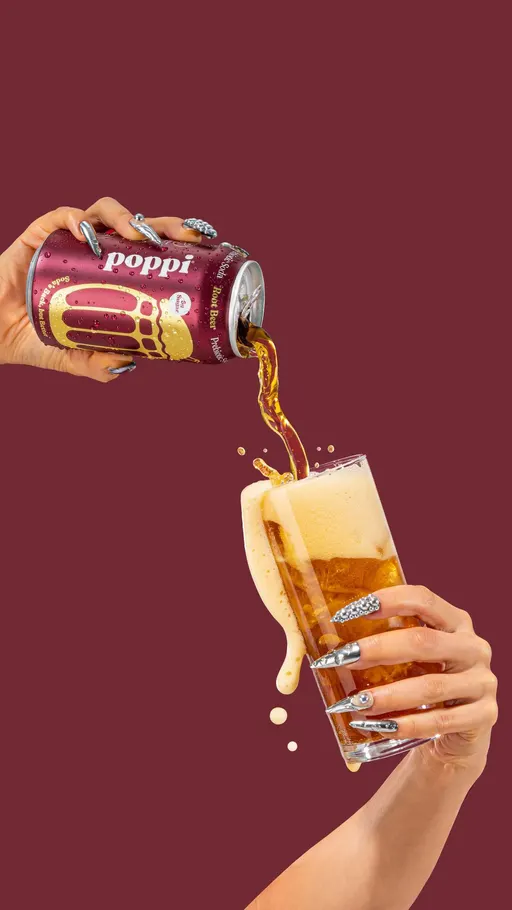
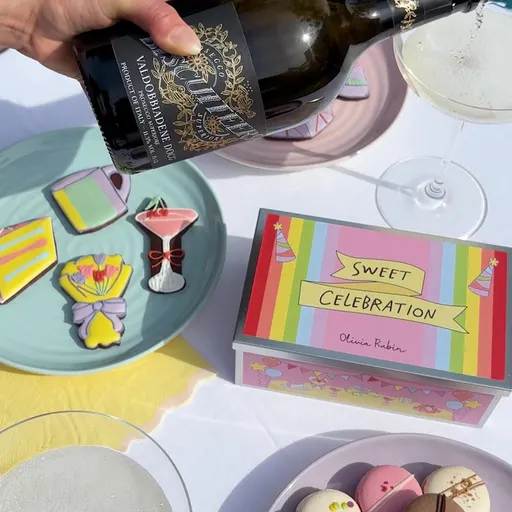
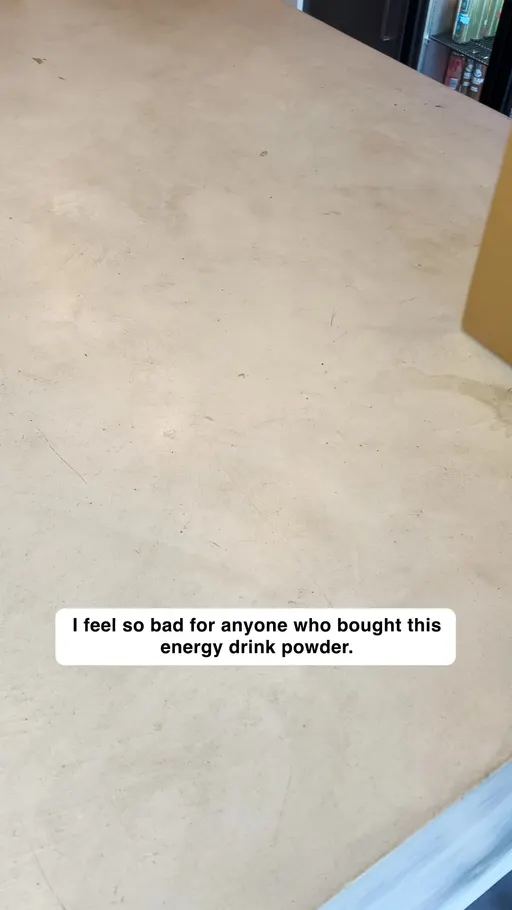
That half-tease ran on 275 ads, from 33 brands. In September it sat on 16.9% of the vertical's ads. The two openers swapped order between the months, and neither of them is a small lane.
Poppi opens on "root beer poppi asmr anyone?!" Biscuiteers opens on "POV: You're coming over for birthday drinks". Sneak opens on "I feel so bad for anyone who bought this energy drink powder." Skout Organic opens on "Well, they're already getting snatched." Each line hands the viewer a reason to stay: the sound, the scene, the pity, the thing already going.
So which of the two is your set already running?
Three Openers to Put in Front of Your Control
- A promise-first opener. Move your claim into the first three words of one video and run it beside your current control. 16.3% of the vertical's October ads already opened that way.
- One promise, not a stack of them. Run a single-claim line against a line that stacks two claims, with the same footage and the same offer. 321 Food & Drinks ads opened on a bold claim in October.
- Keep the half-tease as the control. Judge the new variant against your curiosity opener instead of swapping it out. That opener still carried 13.9% of the month's ads.
The eCommerceBenchmark Ad Library sorts your ads into the same hooks, angles, concepts and offers used in this report and shows your mix next to the market, so you can see which shapes you have never shipped.
Audit my creatives, freeBefore you pick one, look at how big each lane actually is. Here are both months side by side.
The Hook Table Behind the Answer, September Against October
Three hooks led the month, and two of them widened. Bold claim reached 16.3% of the vertical's October ads and the visual reveal opener reached 10.5%, while the curiosity opener came down to 13.9% [eCommerceBenchmark Ad Library, 2026].
| Hook | September | October | Ads in October | Brands |
|---|---|---|---|---|
| Bold claim | 11.8% | 16.3% | 321 | 37 |
| Curiosity gap | 16.9% | 13.9% | 275 | 33 |
| Visual reveal | 7.9% | 10.5% | 208 | 32 |
One honest warning. The two lower rows rest on fewer ads than bold claim: 275 of them and 208 of them. A move of a few points inside one month can come from a handful of brands scaling one lane, rather than from a whole category changing its mind. Read the table as a map of where the ads are, and test before you rebuild the brief around it.
The mistake: writing the same flat superlative onto every ad in the set
The practice is briefing one promise shape, then copying it across the whole set. Every ad opens with the same boast about the same product, in the same voice, with the word "best" doing all the work.
Here is what a shopper sees. One line promising the most, then the next ad in the feed promising the most again, then a third. With 321 bold-claim ads live across this vertical in a single month [eCommerceBenchmark Ad Library, 2026], the promise-first opener is already a crowded lane. The promise stops reading as a promise and turns into wallpaper, and the ad that actually had something specific to say gets scrolled with the rest. The fix is not a different hook. It is a different claim per ad: one that names the thing a shopper gets, and one claim only.
Your test card
Here is the first test from this piece, set up the way a media buyer would run it. Fill in the blanks with your own numbers, and write them down before you launch.
| Hypothesis | A promise-first opener, run next to my current tease opener on the same budget, will reach a lower cost per purchase than the control. |
| Change only this | The first three words of the video: the claim moves to the front, ahead of the product name. |
| Keep the same | Footage, edit length, headline, offer, audience, placements, landing page and daily budget. |
| Funnel stage | Say first whether this ad is for prospecting (cold) or retargeting (warm). A deal in the first line is often right for warm audiences and wrong for cold ones, so test it where the ad will really run. |
| Setup | One control and one variant, same audience, same placement, even budget split. Do not edit either ad while the test runs. |
| How long and how much | Until each version has about 50 purchases, or two full weeks, whichever comes later. This is general testing practice (Meta's own learning-phase guideline is about 50 results per ad set per week), not a library finding. |
| Success metric | Cost per purchase, not clicks. |
| Stop rule | Pause a variant that has spent about 3 times your target cost per purchase with no purchase. If it is close, keep it running. |
| What counts as a win | The variant beats the control on the metric by an amount you would act on, and still does in a second week. |
Key takeaways
- Bold claim opened 16.3% of October's Food & Drinks ads [eCommerceBenchmark Ad Library, 2026], the widest share of any opener in the vertical.
- A month earlier the same opener sat on 11.8% of the vertical's ads, so the promise-first lane widened.
- 321 Food & Drinks ads opened on a bold claim in October, which makes it a normal choice, not a contrarian one.
- 37 brands ran at least one of those ads, so this is not one big advertiser's habit.
- The next opener down took 13.9% of October's ads, so the lead at the top is real but narrow.
- That same opener sat on 16.9% of September's ads, which means the two swapped order between the months.
- Every October share here counts all 1,972 Food & Drinks ads active in October 2026, not only the ads launched that month.
Questions
Open your last month of Food & Drinks creative and sort it by what the first line does, not by what it sells. One pile opens on a promise. One pile makes the viewer wait. If the promise pile is empty, that is the box this vertical filled in October, when 16.3% of its ads opened that way. Build one variant that moves the claim to the front, leave the rest of the ad alone, and run it beside the opener you already trust.