Bold Claim Opened 15.9% of Health & Wellness Ads in October 2026. Is Your Lead a Promise or a Question?

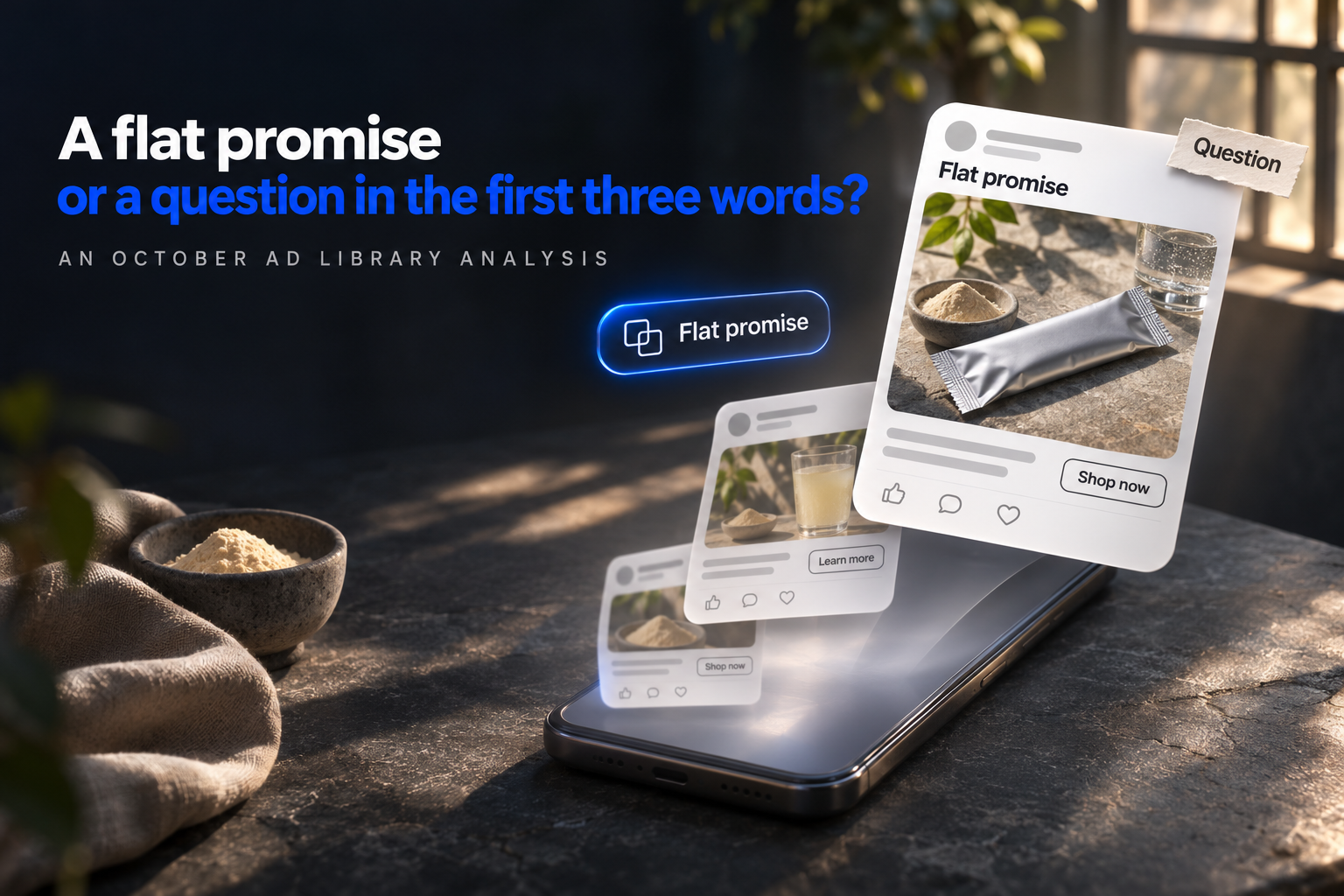
Scope: Health and Wellness ads across every country the eCommerceBenchmark Ad Library tracks, 5,695 ads active in October 2026 from 128 brands, compared with September. No split by country or brand size.
Scroll a wellness feed for ten seconds. Count the promises.
In October 2026, more Health and Wellness ads opened on a flat promise than on anything else. Bold claim took 15.9% of the vertical's ads, up from 12.4% in September. The count is 905 ads, run by 80 brands [eCommerceBenchmark Ad Library, 2026].
That is the biggest move among the five hooks this cut ranks. The lead it gives is thin, though. Direct question opened 12.7% of the same ads, and that hook climbed too.
So the front row is crowded, not won. Here are the real lines behind the number, what they do in their first three words, and the one box to check in your own ad set.
- The vertical's default opener moved. Bold claim went from 12.4% of September's ads to 15.9% of October's. Nothing else in this cut travelled that far.
- The lead is thin, not safe. Direct question sat at 12.7% and rose as well. A claim-first line lands next to a question-first line on the same scroll.
- Your claim box may be the empty one. 80 brands put at least one claim-first line out in October. If none of your lines opened that way, there is a lane you have never tested.
Start with the size of the lane. Then look at the lines inside it.
905 Ads Opened on a Bold Claim, 15.9% of the Month
A bold claim hook is defined as an opening line that states a flat promise about the product before anything else in the ad. In October 2026 it opened 15.9% of Health and Wellness ads [eCommerceBenchmark Ad Library, 2026], more than any other hook in the vertical.
That works out as 905 ads, run by 80 brands out of the 128 the library tracks here. These shares count every Health and Wellness ad running in October, not only the ones launched that month.
A month earlier, the same hook opened 12.4% of the vertical's ads. The climb is 3.5 points, and no other hook in this cut moved that much.
So what does a claim-first line look like when it lands on a phone?
What a Bold Claim Does in the First Three Words
In four of these five lines the claim is the opening move: a number, a comparison or a flat verdict, said before any product is named.
Days on air is defined as the number of days a brand has kept one ad live in the library's sample.
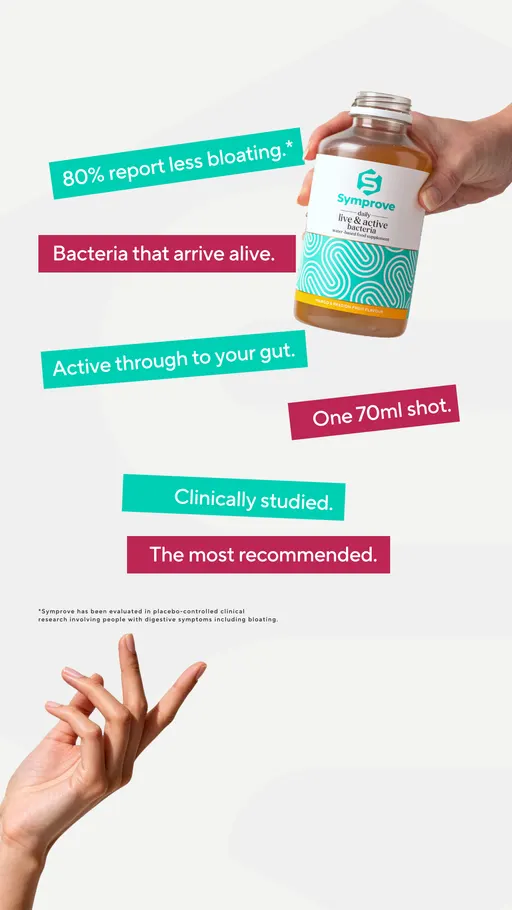
symprove.com opens on "80% report less bloating.", under the headline "Support your gut". The figure is the first word of the line. That ad has 116 days on air [eCommerceBenchmark Ad Library, 2026]. Days on air only say how long the ad stayed live. They say nothing about what it sold.
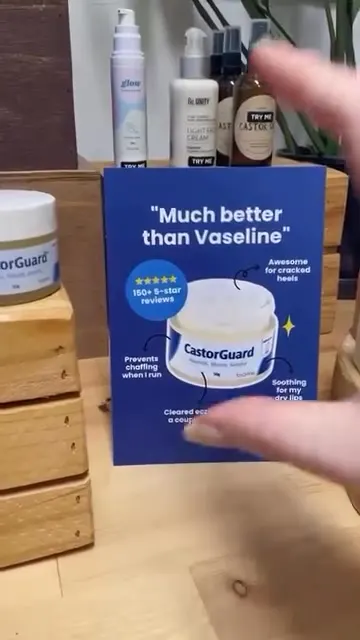
biome.com.au opens on "Much better than Vaseline". No product, no category, just the comparison. It has 132 days on air.
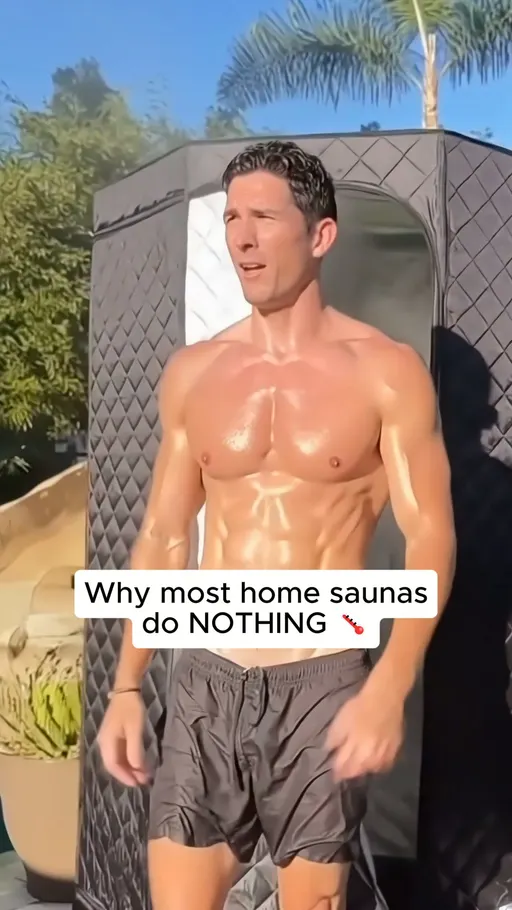
nurecover.com opens on "Why most home saunas do NOTHING", with the headline "Voted The #1 At-Home Sauna 🔥" in the brand's own words. The verdict writes off most rival saunas before the headline makes its own claim. 101 days on air.
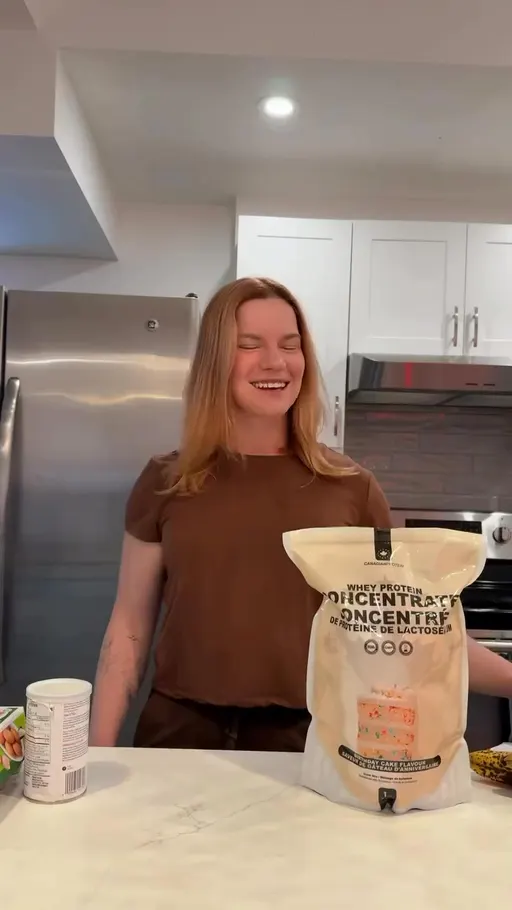
canadianprotein.com opens on "Bake Better. Fuel Harder. 🍞". Two promised outcomes, four words, 135 days on air.
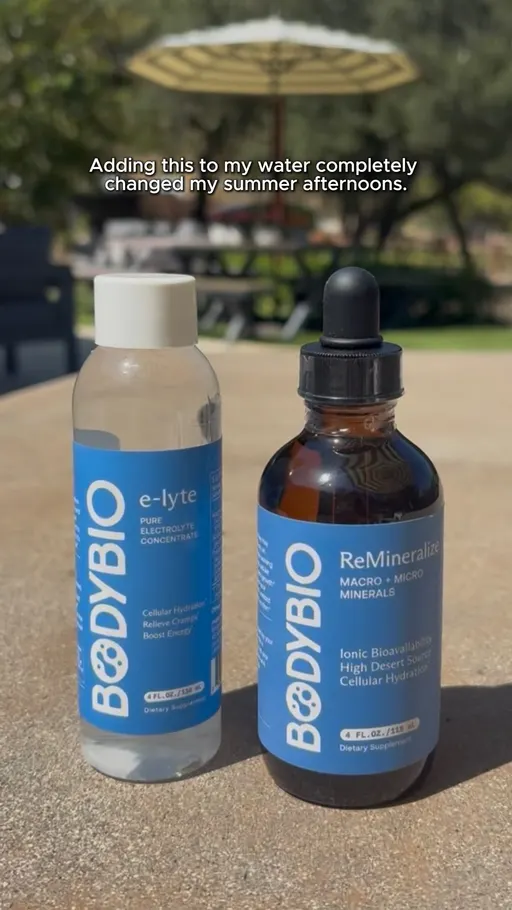
bodybio.com takes a softer route in the same lane, opening on "Adding this to my water completely changed my summer afternoons." The promise comes at the end of the line instead of the start. It is just worn as a personal verdict instead of a figure.
One honest warning. The named ads here come from a file of 364 Meta ads run by 53 brands, ranked by how long each has been live. Read them as examples of the pattern, not as a roll call of who uses it.
How big is the gap to the hook behind it?
Three claim tests to run next month
- A sourced number in the first three words. Run a claim-first line that opens on a figure you can stand behind, against your current control. Bold claim opened 15.9% of the vertical's October ads.
- A comparison instead of a feature list. Change one line's opening from what the product is to what it beats, and keep the rest of the ad the same. Biome's comparison line has 132 days on air.
- A question in the same ad set. Put one question-first line beside your claim-first line so the two share a budget. Direct question opened 12.7% of October's ads.
The eCommerceBenchmark Ad Library sorts your ads into the same hooks, angles, concepts and offers used in this report and shows your mix next to the market, so you can see which shapes you have never shipped.
Audit my creatives, freeBefore you pick one, look at how big the lane next door really is.
The Lead Is 1.25x, and Three Hooks Sit Inside Six Points
Bold claim's 15.9% sits 3.2 points above Direct question's 12.7%. That is a lead of about 1.25 times. Relatability followed at 10.8% [eCommerceBenchmark Ad Library, 2026], so three hooks share the top of the vertical.
Share of October 2026 Health & Wellness ads by opening hook, the five hooks this cut ranks. Source: eCommerceBenchmark Ad Library, 2026.
In ads, Direct question carried 725 of October's ads, from 78 brands. Bold claim runs 180 ads ahead of it. Relatability carried 615 ads from 69 brands, and it barely shifted: 10.5% in September.
Two hooks slipped. Curiosity gap fell from 10% in September to 8.3%. Authority fell from 8.3% to 7.1%.
Month on month change in share of the vertical's ads, risers first. Source: eCommerceBenchmark Ad Library, 2026.
The mistake: briefing the biggest promise you can defend into every line of the set
The practice is easy to spot in a brief. Every ad in the set opens on the strongest promise that will clear review, so the set has one opening move and five ways of saying it.
Here is what that looks like on a phone. A shopper meets a promise, then another promise, then a third, all in one scroll, from brands they have never heard of. Nothing in the run gives them a reason to believe any of it. With 905 ads in the vertical already opening that way [eCommerceBenchmark Ad Library, 2026], a claim-first line lands among hundreds like it, and a set with only one opening move gives you nothing of your own to compare it against.
Your test card
Here is the claim-beside-question test from this article, written out the way a media buyer would run it. Fill the blanks with your own numbers and write them down before launch.
| Hypothesis | A claim-first opening line, running beside my current question-first control in the same ad set, will hold my cost per purchase without taking budget away from the control. |
| Change only this | The first three words of the ad copy: a flat promise instead of a question. |
| Keep the same | The creative, the headline, the offer, the audience, the placement, the budget and the landing page. |
| Funnel stage | Say first whether this ad is for prospecting (cold) or retargeting (warm). A deal in the first line is often right for warm audiences and wrong for cold ones, so test it where the ad will really run. |
| Setup | One control and one variant, same audience, same placement, even budget split. Do not edit either ad while the test runs. |
| How long and how much | Until each version has about 50 purchases, or two full weeks, whichever comes later. This is general testing practice (Meta's own learning-phase guideline is about 50 results per ad set per week), not a library finding. |
| Success metric | Cost per purchase, not clicks. |
| Stop rule | Pause a variant that has spent about 3 times your target cost per purchase with no purchase. If it is close, keep it running. |
| What counts as a win | The variant beats the control on the metric by an amount you would act on, and still does in a second week. |
Key takeaways
- Bold claim opened 15.9% of the vertical's October ads, up from 12.4% in September [eCommerceBenchmark Ad Library, 2026]: the biggest hook move in this cut.
- That is 905 ads from 80 brands, out of the 128 brands the library tracks in this vertical.
- Direct question sat at 12.7% and rose from 11.4%, which puts the leader about 1.25 times ahead, not out of sight.
- Relatability held near its September level at 10.8% against 10.5%, so three hooks share the top of the vertical.
- Curiosity gap fell from 10% to 8.3%, and Authority fell from 8.3% to 7.1%. Those are the two clear fallers.
- The named claim-first ads come from a file of 364 ads run by 53 brands, so read them as examples of the pattern.
- Each share counts every ad running in its month, 5,695 of them in October 2026. It is presence, with no sales data behind it.
Questions
Open your ad set from last month and read only the first three words of each line. Put each one in a box: flat promise, question, something a customer could have said. Then count the boxes. If the promise box holds nothing while 80 brands in the vertical filled theirs, that is the line you have never tested. If the promise box holds everything, you are not in front of the 905 ads that opened the same way, you are inside them. Either answer gives you the variant to write before the next budget goes out.