Curiosity Gap Opened 16% of Beauty & Personal Care Ads in October 2026. Is Your First Line a Tease?

Scope: Beauty & Personal Care ads across every country the eCommerceBenchmark Ad Library tracks. 6,520 ads active in October 2026, compared with September 2026. No split by country, brand size or platform.
Count the words in a beauty ad before you learn what it sells.
In October 2026, the vertical's most common first line made you wait to find out what it sells. Curiosity gap, the opener that holds its payoff back, started 16% of the month's 6,520 beauty ads. 63 of the 87 brands in scope ran at least one [eCommerceBenchmark Ad Library, 2026].
No other opener matched it. Bold claim, the runner-up, started 10.3% of the same month's ads.
But the lead got smaller. In September the leading hook opened 19.6% of the vertical's ads, and the runner-up moved the other way. Here is what that opener does in its first three words, the brands running it, and the box your own October set probably left empty.
- Your default first line is the vertical's default too. 63 of 87 beauty brands ran at least one curiosity opener in October. If your brief says "tease it", you are briefing the same lane as most of the category.
- The lead narrowed in October. Curiosity gap opened 19.6% of September's beauty ads and 16% of October's, while the runner-up moved the other way. A plan built on September's gap needs checking against October's.
- Share is a map, not a scoreboard. These counts show what brands ran and how long ads stayed on air: time on air, not sales. Read the lane, then test it against your own control.
Curiosity Gap Opens 16% of October's Beauty Ads, Across 63 of 87 Brands
A curiosity gap hook is defined as an opening line that names something the reader cannot see yet, so the answer only arrives later in the ad. It opened 16% of the vertical's October ads, 1,045 of the 6,520 running that month [eCommerceBenchmark Ad Library, 2026].
63 of the 87 brands in scope ran at least one. That leaves 24 brands that ran a month of beauty ads with no curiosity opener on file. Four of the named lines below come from a separate Meta sample of 953 curiosity examples, ranked by how long each ad stayed on air. The Dr. Squatch ad comes from the vertical's wider ad list.
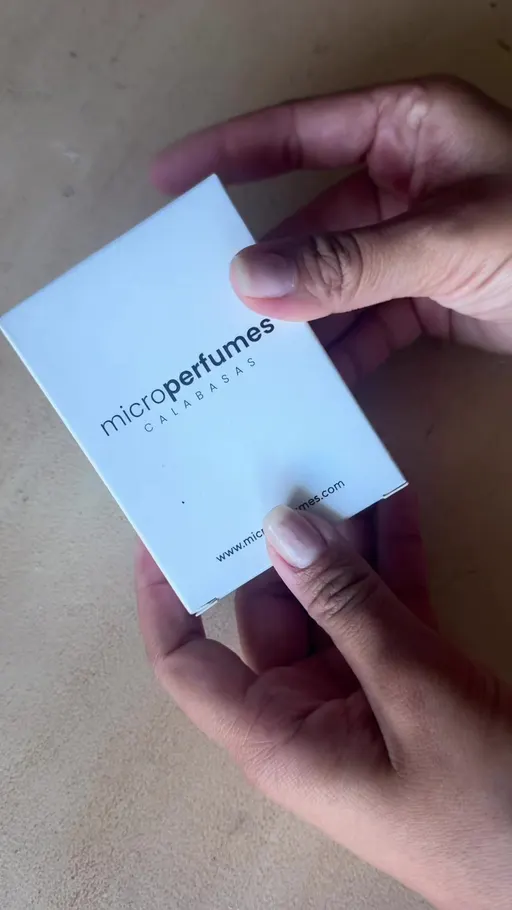
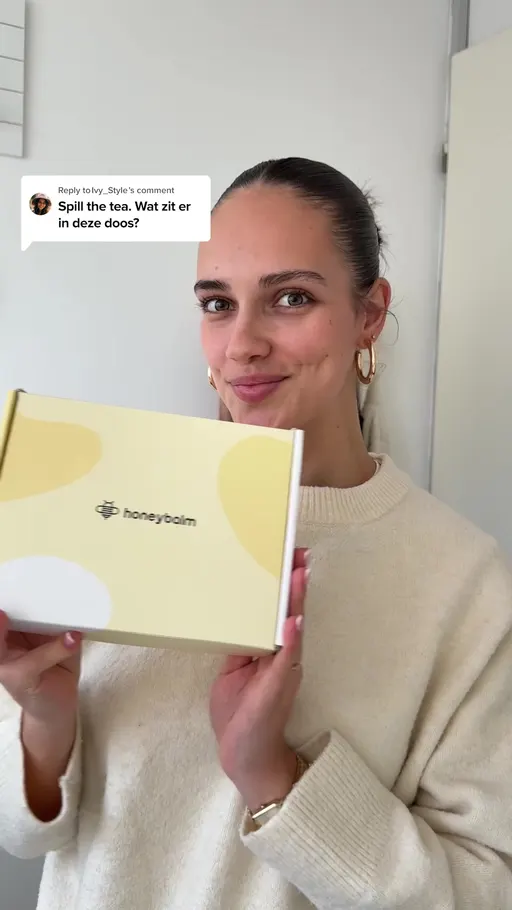
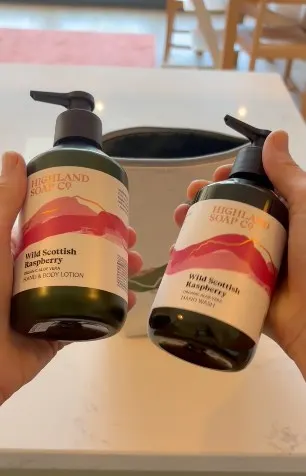
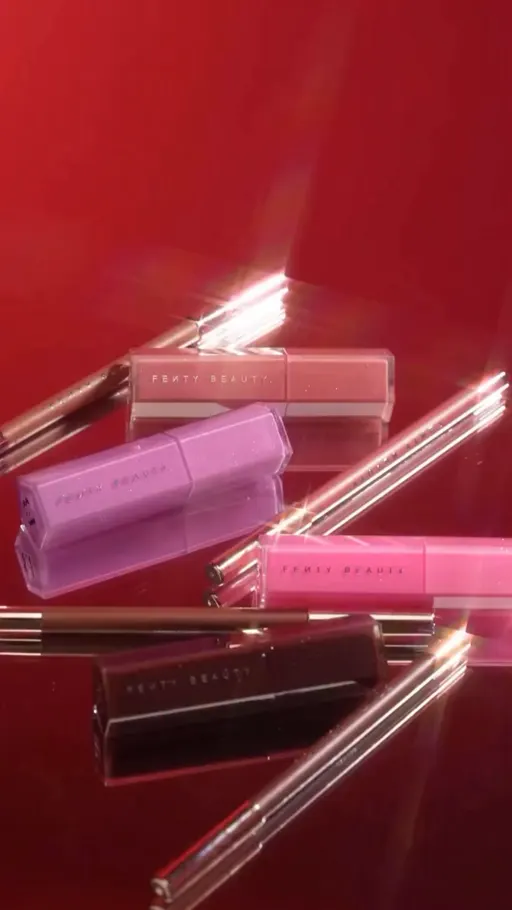
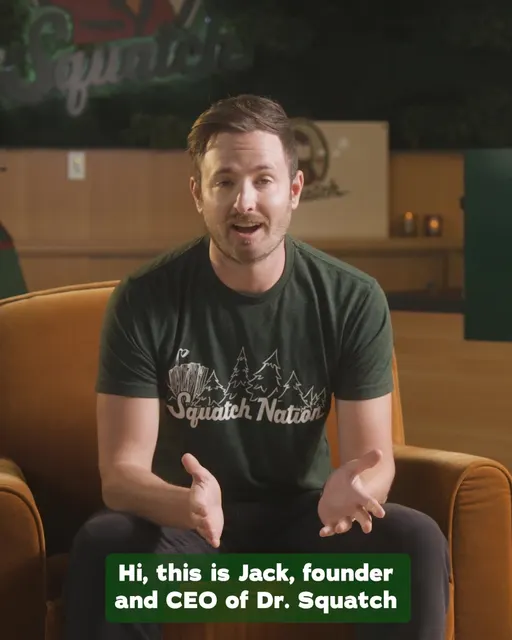
microperfumes.com opens on "For the fragrance lovers: If you haven't heard, you're missing out." honeybalm.eu opens on "Spill the tea. Wat zit er in deze doos?", which mixes English with Dutch for: What is in this box? highlandsoaps.com opens on "Something special just arrived for me". fentybeauty.com opens on "FIND YOUR NEXT LIP COMBO". drsquatch.com opens on "Hi, this is Jack, founder and CEO of Dr. Squatch. If you're seeing this video, you probably just placed your first order online with Dr. Squatch.", and that Meta ad has run 1,031 days. A long run only tells you the ad stayed live, not what it sold.
Look at the first three words of each one. "For the fragrance", "Spill the tea", "Something special just", "Find your next", "Hi, this is". None of them names a product or a price. The thing the shopper is pointed at stays just out of sight.
So the lane is wide. Is it getting wider?
The Lead Narrowed: 19.6% of September's Ads, 16% of October's
No. The leading opener gave ground: curiosity gap opened 19.6% of September's beauty ads and 16% of October's [eCommerceBenchmark Ad Library, 2026], a fall of 3.6 points.
The runner-up went the other way across the same two months. Bold claim opened 8.6% of September's ads and 10.3% of October's, a climb of 1.7 points. Both months count every beauty ad running in them, not only the ads launched in them.
| What moved | Before → after | Change |
|---|---|---|
| Bold claim hook | 8.6% → 10.3% | ▲ 1.7 pt · +20% |
| Curiosity gap hook | 19.6% → 16% | ▼ 3.6 pt · -18% |
One honest warning. Brand counts move with how much of the category the library covers. Compare the two shares, because each is a share of its own month's ads, and hold the brand counts more loosely than that.
One month is not a trend, and the tease still opens far more beauty ads than anything else. So how close did the runner-up get?
Bold Claim Closed the Gap to 1.6x, Climbing to 10.3%
A bold claim hook is defined as an opening line that states a flat promise about the product before anything else. It opened 10.3% of October's beauty ads, 673 in all [eCommerceBenchmark Ad Library, 2026].
52 brands ran at least one. Curiosity gap at 16% is 1.6 times that share, so the two lanes are closer than a tease-first brief assumes.
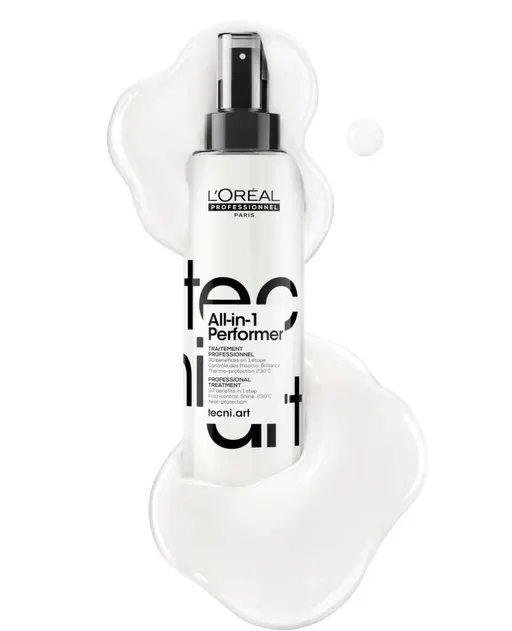
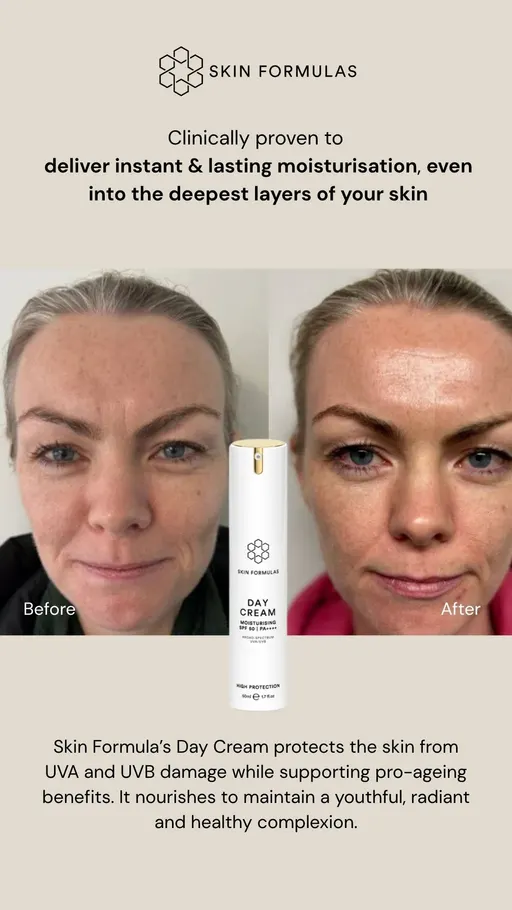
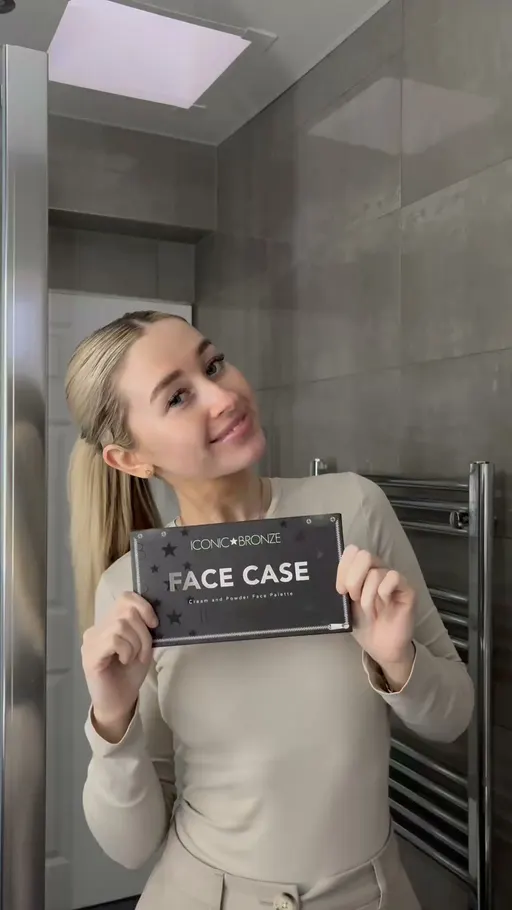
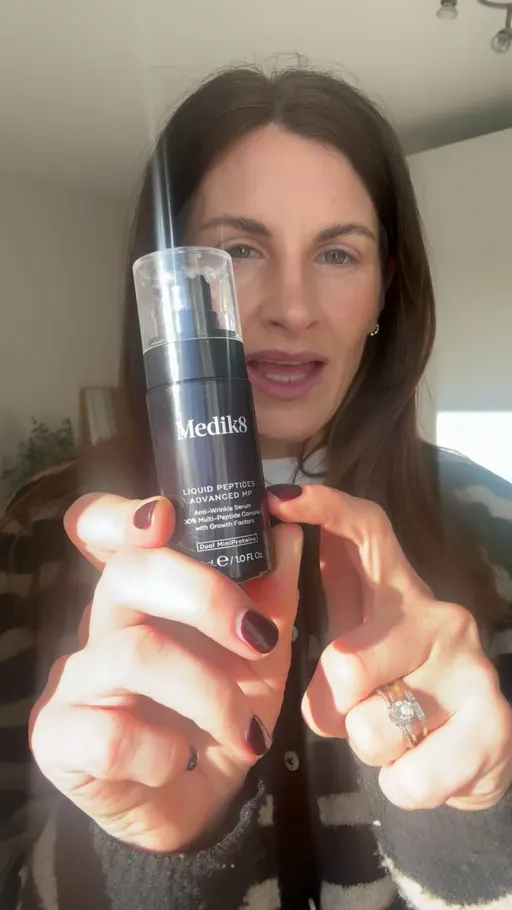
terrisales.ie opens on "The all-in-one performer". skinformulas.ie opens on "A daily moisturising shield". iconicbronze.ie opens on "I am holding on to this product for dear life". skinshop.ie opens on "This is a new obsession. It is incredible.", with 20% off Medik8 Liquid Peptides Advanced MP in the headline beside it.
These lines do the opposite of a tease: the promise is in the opening line itself, and nothing is saved for later.
Three Openers to Put Against Your Control
- A flat promise first. Run one bold-claim opener against your tease control, same creative and same audience. Bold claim opened 10.3% of October's beauty ads.
- The product in word three. Keep the tease in the caption, move the product name into the opening line, and split it against the original. Curiosity gap opened 1,045 of the month's beauty ads.
- A newness line. Put a plain "new" opener against your longest-running tease. Newness opened 8.6% of October's beauty ads.
The eCommerceBenchmark Ad Library sorts your ads into the same hooks, angles, concepts and offers used in this report and shows your mix next to the market, so you can see which shapes you have never shipped.
Audit my creatives, freePick one and write the control's name next to it. Before you do, here is how big each of these lanes actually was last month.
Three Hooks, Sized Side by Side
Three openers carry a share of October in this cut. Curiosity gap at 16%, bold claim at 10.3% and newness at 8.6% [eCommerceBenchmark Ad Library, 2026].
| Hook | % of October ads | Ads carrying it |
|---|---|---|
| Curiosity gap | 16% | 1,045 |
| Bold claim | 10.3% | 673 |
| Newness | 8.6% | 558 |
Newness ran on 558 ads, and its share rose from September too, so bold claim was not the only opener to gain ground.
That is the size of each lane. Here is what happens when a whole category briefs the first one.
The mistake: briefing the tease because it is the biggest lane
The practice is writing every opener as a withheld payoff, in the lane that carried 1,045 beauty ads in one month [eCommerceBenchmark Ad Library, 2026]. One ad like that asks the reader to wait for the answer. Four in a row ask the same thing of the same person.
Picture someone scrolling at a bus stop. The first ad hides the product until line two. So does the next, and the one after that. By the fourth she is not waiting for the answer, she is scrolling past the question. With 63 of the 87 brands in scope running at least one, a shopper who follows several beauty brands can meet this opener more than once.
Your test card
Here is the first test from the box above, set up the way a media buyer would run it. Fill in the blanks with your own numbers before you launch.
| Hypothesis | A bold-claim opener, run next to my tease control on an even budget split, will match or beat the control on cost per purchase. |
| Change only this | The first line of the ad: a flat promise about the product instead of a withheld payoff. |
| Keep the same | Creative, headline, audience, placements, landing page and daily budget. |
| Funnel stage | Say first whether this ad is for prospecting (cold) or retargeting (warm). A deal in the first line is often right for warm audiences and wrong for cold ones, so test it where the ad will really run. |
| Setup | One control and one variant, same audience, same placement, even budget split. Do not edit either ad while the test runs. |
| How long and how much | Until each version has about 50 purchases, or two full weeks, whichever comes later. This is general testing practice (Meta's own learning-phase guideline is about 50 results per ad set per week), not a library finding. |
| Success metric | Cost per purchase, not clicks. |
| Stop rule | Pause a variant that has spent about 3 times your target cost per purchase with no purchase. If it is close, keep it running. |
| What counts as a win | The variant beats the control on the metric by an amount you would act on, and still does in a second week. |
Key takeaways
- Curiosity gap opened 16% of October's Beauty & Personal Care ads, 1,045 of 6,520 [eCommerceBenchmark Ad Library, 2026]. It is the vertical's most common opener.
- 63 of the 87 brands in scope ran at least one curiosity opener, so the lane is wide by brand count as well as by ad count.
- Curiosity gap opened 19.6% of September's beauty ads and 16% of October's. The leader gave ground.
- Bold claim went from 8.6% of September's ads to 10.3% of October's, on 673 ads.
- Newness opened 8.6% of October's ads, on 558 of them, and it also gained share from September.
- The named-example file behind the leading hook holds 953 Meta ads, ranked by how long each ran, not a census.
- Brand counts move with how much of the category the library covers, so read the shares month to month and the brand counts with care.
Questions
Sort last month's beauty ads by their first line. Tease on the left, flat promise on the right, newness in the middle. If the right-hand pile is empty, you have nothing on file in a lane that 52 of the 87 brands in scope already ran and that gained share in October. Write the next brief with one line in the other pile, run it beside the control you trust, and you will have your own answer before the budget cycle closes.