Curiosity Gap Opened 14.7% of Electronics & Gadgets Ads in October 2026. Is Your First Line a Spec?

Scope: Electronics & Gadgets ads across every country the eCommerceBenchmark Ad Library tracks. 502 ads active in October 2026 from 11 brands, compared with September 2026. No split by country.
Picture a feed of gadget ads.
None of the three most-used hooks is a spec or a price. In October 2026, the most common opening in this category was neither. It was a line that holds something back. Curiosity gap opened 14.7% of the month's Electronics & Gadgets ads [eCommerceBenchmark Ad Library, 2026].
The lead is narrow. Authority, the next hook along, opened 12.7% of ads. The tease was also smaller than it was a month earlier, when it opened 15.5%. 7 of the 11 brands in this cut ran it.
So this is not a story about one hook running away with a category. It is a story about a sentence shape, and the gadget brands that keep writing it. Here are the lines, and the one test worth running next month.
- The leading hook is not a landslide. Curiosity gap opened 14.7% of the month's ads and authority opened 12.7%. Plan for a crowded field, not a winner.
- Most brands in the cut run the tease. 7 of the 11 brands in this cut ran a curiosity opener. A share built on this many brands can move when one of them changes its creative.
- The tease gave up a little ground. Curiosity gap slipped from 15.5% of September ads to 14.7% in October. Copy the structure of these lines, not the direction of the trend.
Here is what those lines actually say.
Curiosity gap opened 14.7% of October's Electronics & Gadgets ads
A curiosity gap hook is defined as an opening line that holds its payoff back, so a reader has to keep watching to find out what the ad is about. That hook opened 14.7% of this vertical's October ads, more than any other, carried by 74 ads from 7 brands [eCommerceBenchmark Ad Library, 2026].
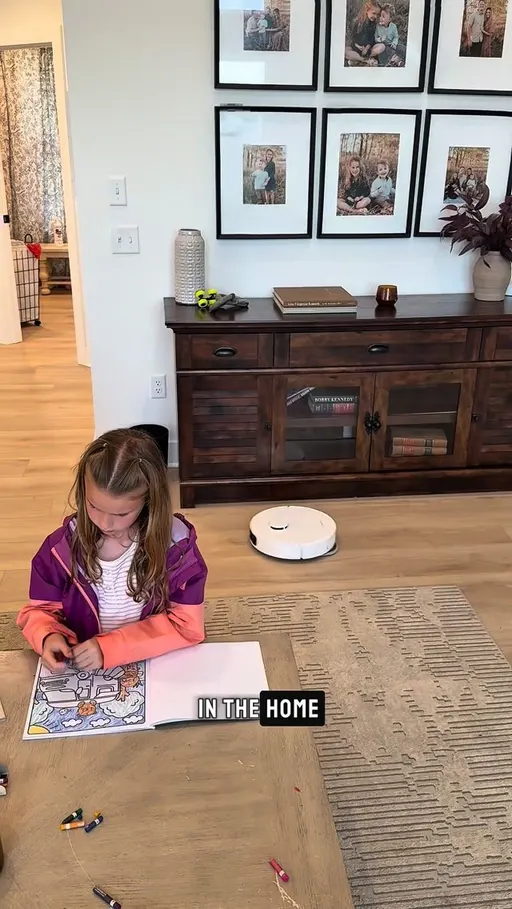
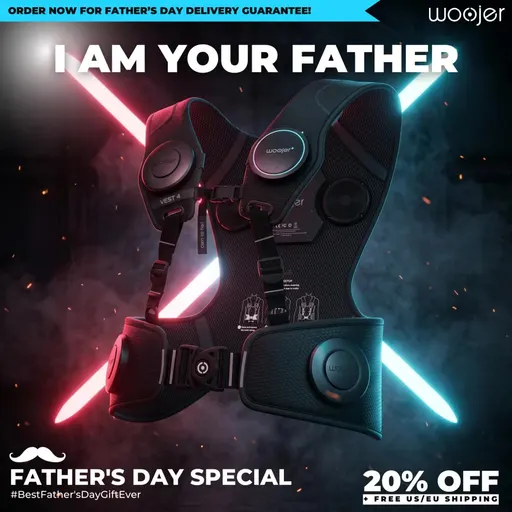
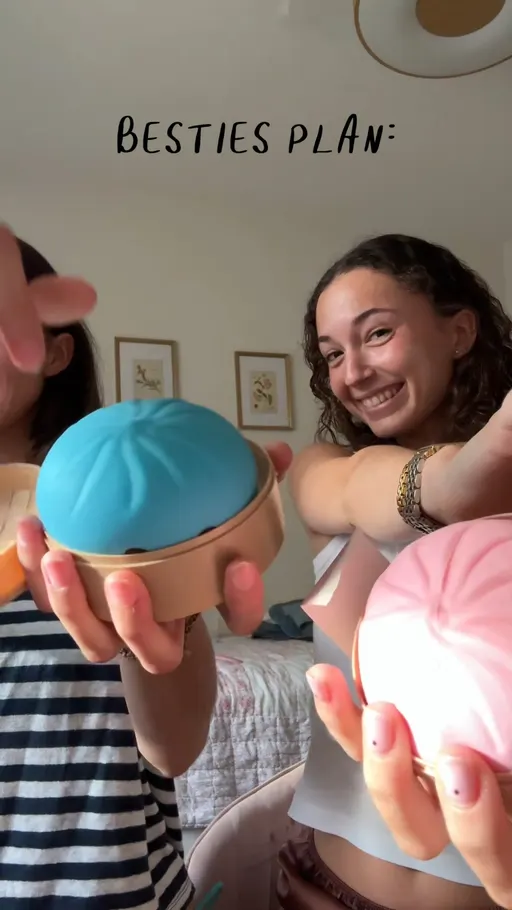
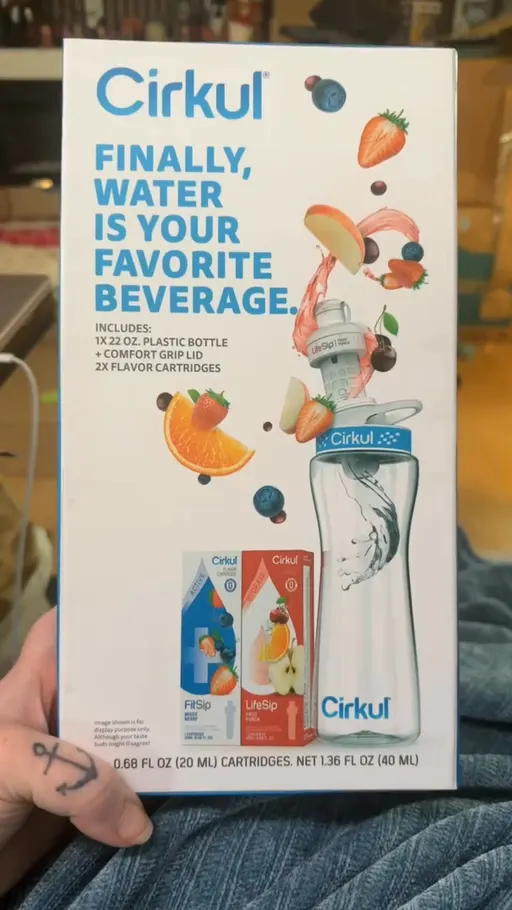
Four ads filed in this vertical in our Meta sample show the shape. dreametech.com opens on "This is my daughter Kennedy and her diabetic alert dog Kona". woojer.com opens on "I AM YOUR FATHER", with the Father's Day sale sitting in the headline instead. lacasadelascarcasas.es opens on "BESTIES PLAN:". drinkcirkul.com opens on "Today's TikTok Shop find is our Cirkul water bottle.", which frames the bottle as somebody else's find. Most of these lines make you wait before they say what is for sale.
One honest warning. The whole cut is 502 ads from 11 brands, and the leading row rests on 74 of them. A single brand's month of output can move a hook share this size, so read the ranking as a snapshot of a small group's habits, not a law about the category.
So what do these first lines have in common? Most of them start with somebody.
What the half-tease lines share: they open on a person
Read the Dreametech and Woojer lines together and the shape is the same: a person or a moment first, the gadget later. Dreametech's line starts with a daughter and her dog. Woojer's starts with a line most readers can finish out loud before the ad finishes it [eCommerceBenchmark Ad Library, 2026].
Neither opener says what is for sale. The product arrives after the reader has already leaned in. That order of information is the part worth copying, and it does not depend on which hook sits first next month.
And the hook right behind it? It does the opposite.
Authority sits two points back at 12.7%
An authority hook is defined as an opening line that leans on official standing, rank or a badge to make the rest of the ad believable. Authority opened 12.7% of October's Electronics & Gadgets ads, on 64 ads from 6 brands, up from 11.7% a month earlier [eCommerceBenchmark Ad Library, 2026].
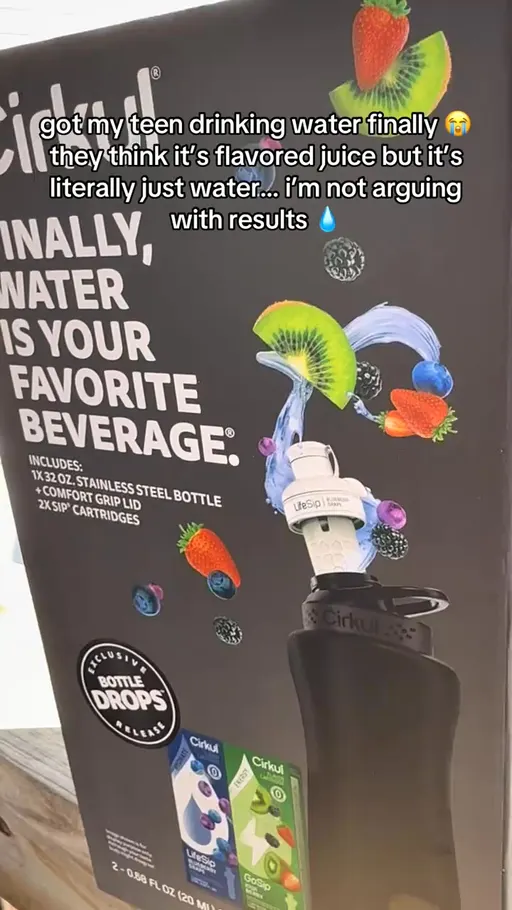
mous.com opens on "The Official Team Backpack". lacasadelascarcasas.es opens on "CAMPEONES DEL MUNDO 2026", which reads in English as world champions 2026. drinkcirkul.com opens on a parent's verdict: "got my teen drinking water finally they think it's flavored juice but it's literally just water". Each one puts standing or proof in the first words and leaves the product spec for later. The boast belongs to the brand that published it, not to us.


Two points separate 14.7% from 12.7%, and this lane grew: 11.7% in September, 12.7% in October. Newness grew more, from 7.2% to 9.4%. If you want to know which ordering might read differently next month, it is this one.
So which lane is actually growing fastest? Look at all three side by side.
Three gadget-ad tests to run next month
- A half-tease opener. Run one ad that opens on a person or a moment and names the product in the second line, against your current control. 14.7% of October's Electronics & Gadgets ads opened on a curiosity gap.
- An authority opener beside it. Put official standing in the first frame instead of a spec. Authority went from 11.7% of this vertical's ads to 12.7%.
- A tease that pays off fast. Keep the held-back first line, then answer it within three seconds so the question is not left hanging. 74 of the month's ads in this vertical opened on a half-tease.
The eCommerceBenchmark Ad Library sorts your ads into the same hooks, angles, concepts and offers used in this report and shows your mix next to the market, so you can see which shapes you have never shipped.
Audit my creatives, freeBefore you pick one, look at how big each of these lanes really is. Two of the three grew while the leader slipped.
The three hooks behind the month
Curiosity gap at 14.7%, authority at 12.7% and newness at 9.4% [eCommerceBenchmark Ad Library, 2026] are the three hooks the facts rank for this vertical in October 2026. Two of the three grew since September, and the one that shrank is the leader.
These shares count every ad running in the month, not only the ads launched in it.
| Opening hook | Share of October ads | September share | Ads in October | Brands |
|---|---|---|---|---|
| Curiosity gap | 14.7% | 15.5% | 74 | 7 |
| Authority | 12.7% | 11.7% | 64 | 6 |
| Newness | 9.4% | 7.2% | 47 | 3 |
Newness is the quiet riser: up from 7.2% of September ads to 9.4% in October, on 47 ads from 3 brands. Three brands is a small base to brief from, so treat that row as a signal to watch rather than a plan.
The mistake: crowding into a two-point lead
The practice is reading a hook ranking as a mandate, then moving every ad in the account into first place. First place here is two points wide and 74 ads deep [eCommerceBenchmark Ad Library, 2026]. A lead that size is one brand's new batch away from being second.
Here is what it looks like from the other side of the screen. When a whole category opens on the same held-back line, a shopper meets the same unfinished sentence all afternoon and stops waiting for any of them to finish it. We would expect the tease to lose its pull as it gets common in the feed a buyer is actually scrolling. Your account probably has one hook box with nothing in it, and that is the box we would test first.
Your test card
Here is the first test from this article, set up the way a media buyer would write it. Fill in the blanks with your own numbers before you launch.
| Hypothesis | A half-tease opener that holds the product back until the second line will hold my cost per purchase next to my current spec-first control. |
| Change only this | The first line of the ad: a person or a moment instead of the product name. |
| Keep the same | The offer, the creative format, the landing page, the audience and the budget. |
| Funnel stage | Say first whether this ad is for prospecting (cold) or retargeting (warm). A deal in the first line is often right for warm audiences and wrong for cold ones, so test it where the ad will really run. |
| Setup | One control and one variant, same audience, same placement, even budget split. Do not edit either ad while the test runs. |
| How long and how much | Until each version has about 50 purchases, or two full weeks, whichever comes later. This is general testing practice (Meta's own learning-phase guideline is about 50 results per ad set per week), not a library finding. |
| Success metric | Cost per purchase, not clicks. |
| Stop rule | Pause a variant that has spent about 3 times your target cost per purchase with no purchase. If it is close, keep it running. |
| What counts as a win | The variant beats the control on the metric by an amount you would act on, and still does in a second week. |
Key takeaways
- 14.7% of October's Electronics & Gadgets ads opened on a curiosity gap [eCommerceBenchmark Ad Library, 2026], the most-used hook in the vertical, used by about one ad in seven.
- 7 of the 11 brands in this cut ran a curiosity opener, so read the share as the habits of most of this cut's advertisers, not one outlier's.
- Authority opened 12.7% of the month's ads, two points behind the leader, which means the order could read differently next month.
- Authority rose from 11.7% of September ads to 12.7% in October, so the runner-up gained ground as well.
- Curiosity gap slipped from 15.5% of September ads to 14.7% in October: copy the structure of these lines, not the direction of travel.
- Newness rose from 7.2% to 9.4% of the month's ads. That lane rests on 47 ads from 3 brands, so look at it before your next launch brief.
- The whole cut is 502 ads from 11 brands, small enough that you should test these openers in your own account rather than take the order on trust.
Questions
Pull last month's gadget ads into a spreadsheet and sort them by what the first line does: holds something back, leans on official standing, announces something new, or names a spec. Many accounts may find three boxes full and one empty. The empty box is your test. Curiosity gap opened 14.7% of this vertical's October ads, and that hook is still only a sentence shape. Write one, run it beside your control, and keep the rest of the brief the same.