Curiosity Gap Opened 17.4% of Fashion & Apparel Ads in October 2026. Does Your Opener Name the Garment?

Scope: Fashion & Apparel ads in every country the eCommerceBenchmark Ad Library tracks. 10,196 ads active in October 2026, across 171 brands, compared with September 2026. No split by country or sub-category.
Scroll a fashion feed for ten seconds.
About one ad in six will not tell you what it is selling. It names a drop, asks a question, promises a possibility, then stops. That opening has a name in our files: the curiosity gap. In October 2026 it opened 17.4% of Fashion & Apparel ads [eCommerceBenchmark Ad Library, 2026], more than any other opening we track.
Here is the part that changed. In September the same opening ran on 21% of the vertical's ads. Over those two months, visual reveal, the opening that simply puts the product in front of you, went from 9.1% to 13%. The tease still leads. It leads by 1.3x now, where in September it led by 2.3x.
This cut covers 10,196 Fashion & Apparel ads running in October. They come from 171 brands, across every country we track for this vertical. Below: the share, the brands, eight ads in their own words, our reading of why a half-told line holds a reader, and one test you can run next month.
- The lane is crowded, not owned. 119 of the vertical's 171 brands opened at least one October ad this way. Your tease lands in the same feed as theirs.
- The second opening is closing in. Visual reveal went from 9.1% of the month's ads to 13%, on 1,327 ads. If nothing in your account opens on the garment itself, you have no entry in the lane that grew.
- Count your own October mix before you brief again. If all four of your ads hold back the payoff, you are testing one idea four times and calling it a test plan.
Here is what each lane looks like in a real ad.
Curiosity Gap Opened 17.4% of October's Fashion Ads, on 1,771 of Them
Curiosity gap is defined as an opening line that holds back the payoff, so the reader has to keep going to find out what the ad is selling. It was the vertical's most-run opening in October 2026, on 17.4% of the month's ads, which is 1,771 of them [eCommerceBenchmark Ad Library, 2026].
It ran at 119 of the 171 brands in scope. The 17.4% counts every ad running in October, not only the ads launched in it.
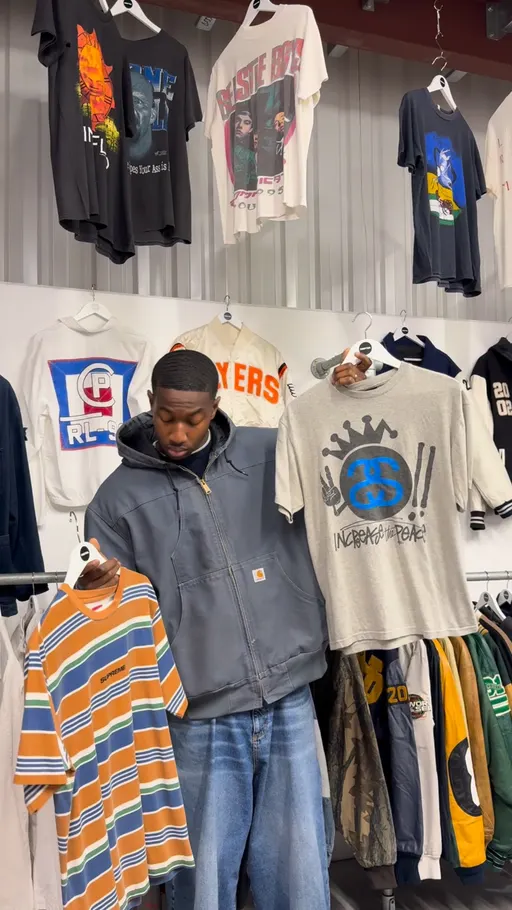
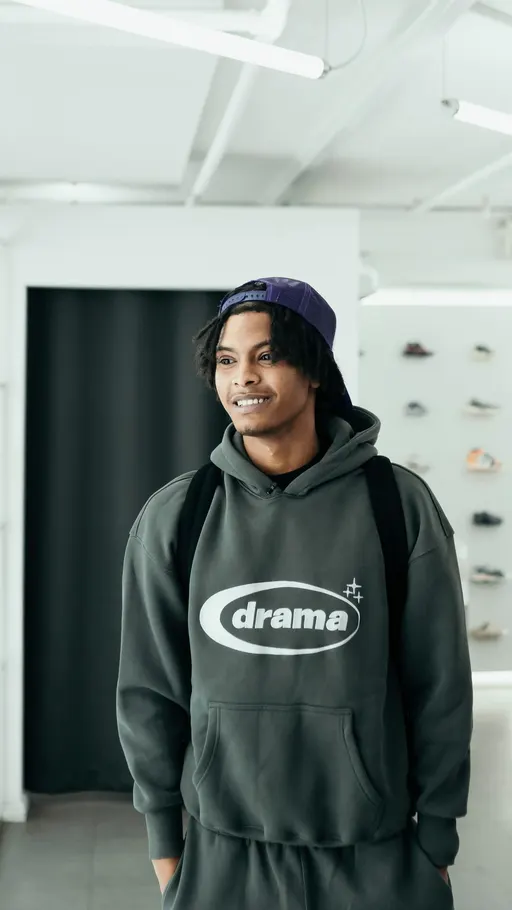
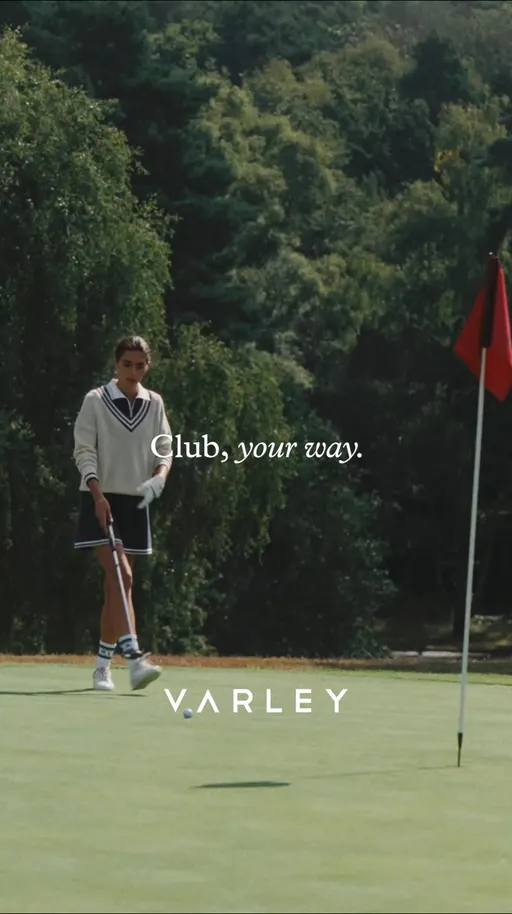
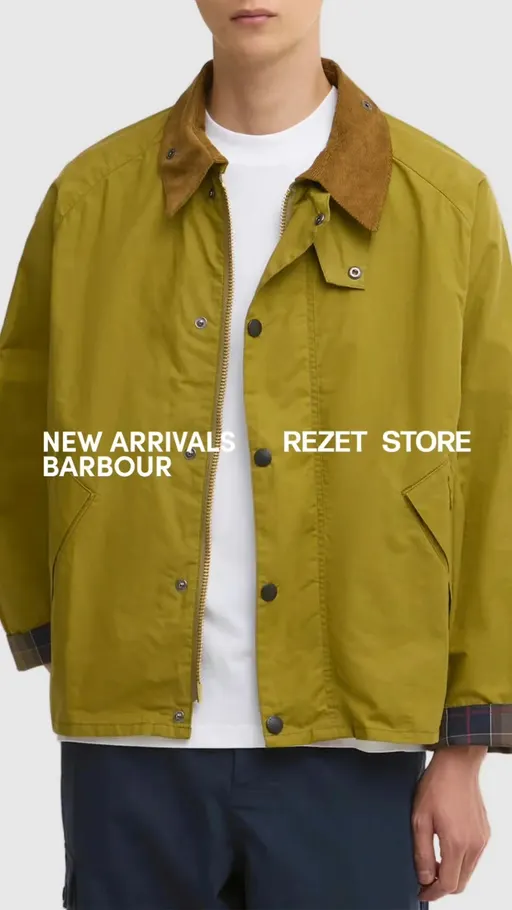
Four curiosity gap ads from our named example file, in their own words. thrifted.com opens on "Thrifted, the possibilities are endless.", which gives you the brand and a possibility and no garment. kickgame.co.uk opens on "@nemzzz_ turned down a milli?!", an ad that has been on air 572 days. Days on air say how long a brand kept an ad live, never what it sold. varley.com names a collection and stops: "Club, your way." rezetstore.com opens on "NEW ARRIVALS BARBOUR", naming the label rather than the piece.
None of those four lines can be read and dismissed in one beat. Each spends its opening words on a person, a label or a possibility, and leaves the answer on the far side of a tap.
So why does a line that stops short hold anyone at all?
Why an Opening That Stops Short Keeps a Reader Going
Our reading is simple. The line ends one beat before the answer, so the reader finishes the sentence in their own head, and the next move is a tap instead of a scroll.
That is our reading of the pattern, not a measured result. What the file does tell us is how much material we hold on the shape: 1,309 named curiosity gap ads sit in it, from 82 brands [eCommerceBenchmark Ad Library, 2026].
The shape is also no longer the only one filling a fashion feed.
Visual Reveal Climbed From 9.1% to 13%, and the Lead Narrowed to 1.3x
Visual reveal is defined as an opening that puts the product in front of the reader first, with the line naming what is on screen. It went from 9.1% of the vertical's September ads to 13% in October, carrying 1,327 ads from 95 brands [eCommerceBenchmark Ad Library, 2026].
The leader gave up 3.6 points between the two months, from 21% to 17.4%. The runner-up picked up 3.9, from 9.1% to 13%. In September the tease led the product-forward opener by 2.3x; in October, by 1.3x.
Change in share of Fashion & Apparel ads, in points, by opening hook, September 2026 to October 2026. Source: eCommerceBenchmark Ad Library, 2026. Source: eCommerceBenchmark Ad Library, 2026.
One honest warning. One month is one month. A share can slide because a handful of large brands ran a product-forward autumn push, and this count includes every ad on air in October, not only the new ones. The tease is still first at 17.4%, and 119 brands ran at least one in October. Nothing here says stop writing teases. It says stop writing only teases.
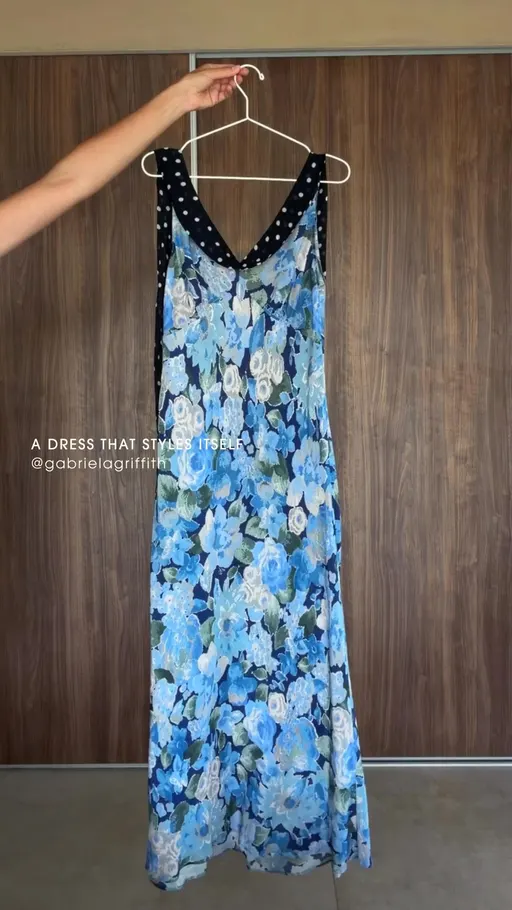
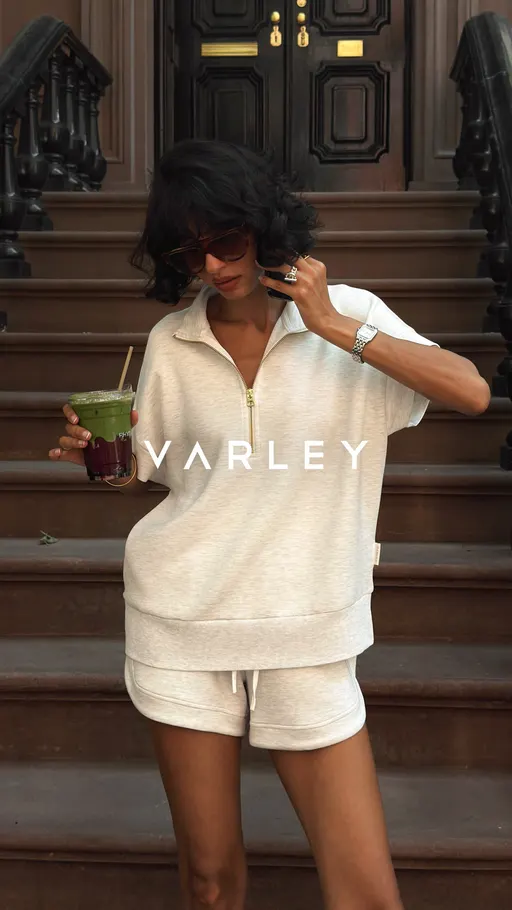
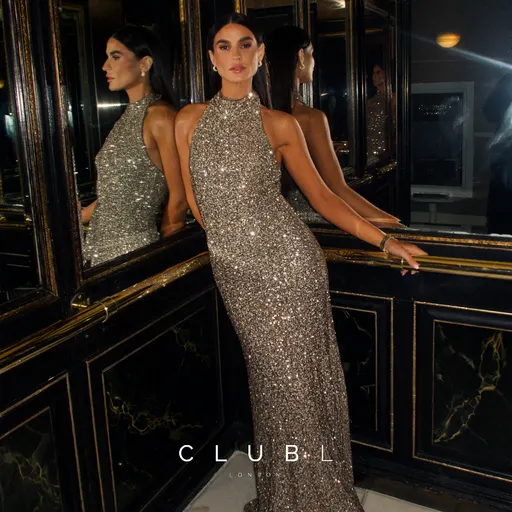
Four ads from the lane that grew. barkershoes.com opens on "Step into refined style with premium leather shoes." rixo.co.uk names the item first: "A dress that styles itself". varley.com, the same advertiser as above, goes product-forward here with "Versatile essentials designed for life on the move." clubllondon.com opens on "Shop Sequins".
Each of those four tells you what is on screen before you have to decide anything.
Three fashion openers to run next month
- A product-forward opener. The garment in the first frame and the line naming it, against your best tease, budget split evenly. Visual reveal already opens 13% of the vertical's ads.
- A named subject in the first three words. One ad that opens on a person or a label and withholds the rest, nothing else changed. 1,771 of October's ads opened on a curiosity gap.
- Collection name against item name. Same image, one line naming the collection, one naming the piece. Visual reveal carries 796 named ads on file.
The eCommerceBenchmark Ad Library sorts your ads into the same hooks, angles, concepts and offers used in this report and shows your mix next to the market, so you can see which shapes you have never shipped.
Audit my creatives, freeBefore you pick one, look at how much material we hold on each shape. The depth of each file is its own small story.
How Deep Each Opening's Example File Runs
The curiosity gap file is the deepest one we hold for this vertical: 1,309 named Meta ads, from 82 brands. Visual reveal's file holds 796, newness 547, bold claim 492 and urgency or FOMO 405 [eCommerceBenchmark Ad Library, 2026].
| Opening hook | Named ads on file | Brands |
|---|---|---|
| Curiosity gap | 1,309 | 82 |
| Visual reveal | 796 | 68 |
| Newness | 547 | 79 |
| Bold claim | 492 | 65 |
| Urgency / FOMO | 405 | 68 |
These are named example ads, ranked by how long each has been on air, so an October launch is under-represented by construction. Read the column as how much material we hold on each shape, not as how often each one ran.
Which brings us to the brief you are about to write.
The mistake: writing one more tease into a lane 119 brands already opened
The practice is briefing every ad to hold back the payoff, because the category chart says the tease is number one. The brief asks for four hooks and gets four versions of one move.
In your own account, that leaves you with no read on anything else. In the feed, your tease sits beside teases from many other fashion brands. 119 of the 171 brands in scope opened at least one October ad that way [eCommerceBenchmark Ad Library, 2026]. We think the more withheld endings a shopper meets, the less reason each one gives them to finish it.
Your test card
Here is the first test from the box above, set up the way a media buyer would run it. Fill in the blanks with your own numbers, and write them down before you launch.
| Hypothesis | A product-forward opener, run against my best tease on an even budget split, will match or beat its cost per purchase. |
| Change only this | The first line and the opening frame: the garment named and shown up front instead of a withheld payoff. |
| Keep the same | Audience, placement, budget, landing page, offer, creative length and the rest of the copy. |
| Funnel stage | Say first whether this ad is for prospecting (cold) or retargeting (warm). A deal in the first line is often right for warm audiences and wrong for cold ones, so test it where the ad will really run. |
| Setup | One control and one variant, same audience, same placement, even budget split. Do not edit either ad while the test runs. |
| How long and how much | Until each version has about 50 purchases, or two full weeks, whichever comes later. This is general testing practice (Meta's own learning-phase guideline is about 50 results per ad set per week), not a library finding. |
| Success metric | Cost per purchase, not clicks. |
| Stop rule | Pause a variant that has spent about 3 times your target cost per purchase with no purchase. If it is close, keep it running. |
| What counts as a win | The variant beats the control on the metric by an amount you would act on, and still does in a second week. |
Key takeaways
- 17.4% of October's Fashion & Apparel ads opened on a curiosity gap [eCommerceBenchmark Ad Library, 2026], the vertical's most-run opening.
- That share was 21% in September, so the leader shed ground between two full months.
- Visual reveal opened 13% of October's ads, 1,327 of them, up from 9.1% of the vertical's September ads.
- 119 of the 171 brands in scope ran at least one curiosity gap ad in October.
- 95 brands ran at least one visual reveal ad in the same month.
- 1,309 named Meta ads sit in the curiosity gap example file, a longevity-ranked sample rather than a census.
- Kick Game's "@nemzzz_ turned down a milli?!" has run 572 days, the longest on air of the four curiosity gap ads shown here.
Questions
Take your own ads from last month and make two piles. One pile holds back the payoff. One puts the garment in the first words. The tease is still this vertical's most-run opening at 17.4%, which is why the second pile is the one to check. If nothing is in it, that is the ad to build before your next budget cycle: same audience, same offer, same landing page, one line that names what you are selling.