Curiosity Gap Opened 16.5% of Home & Furniture Ads in October 2026. Is a Tease Still the Safe Default?

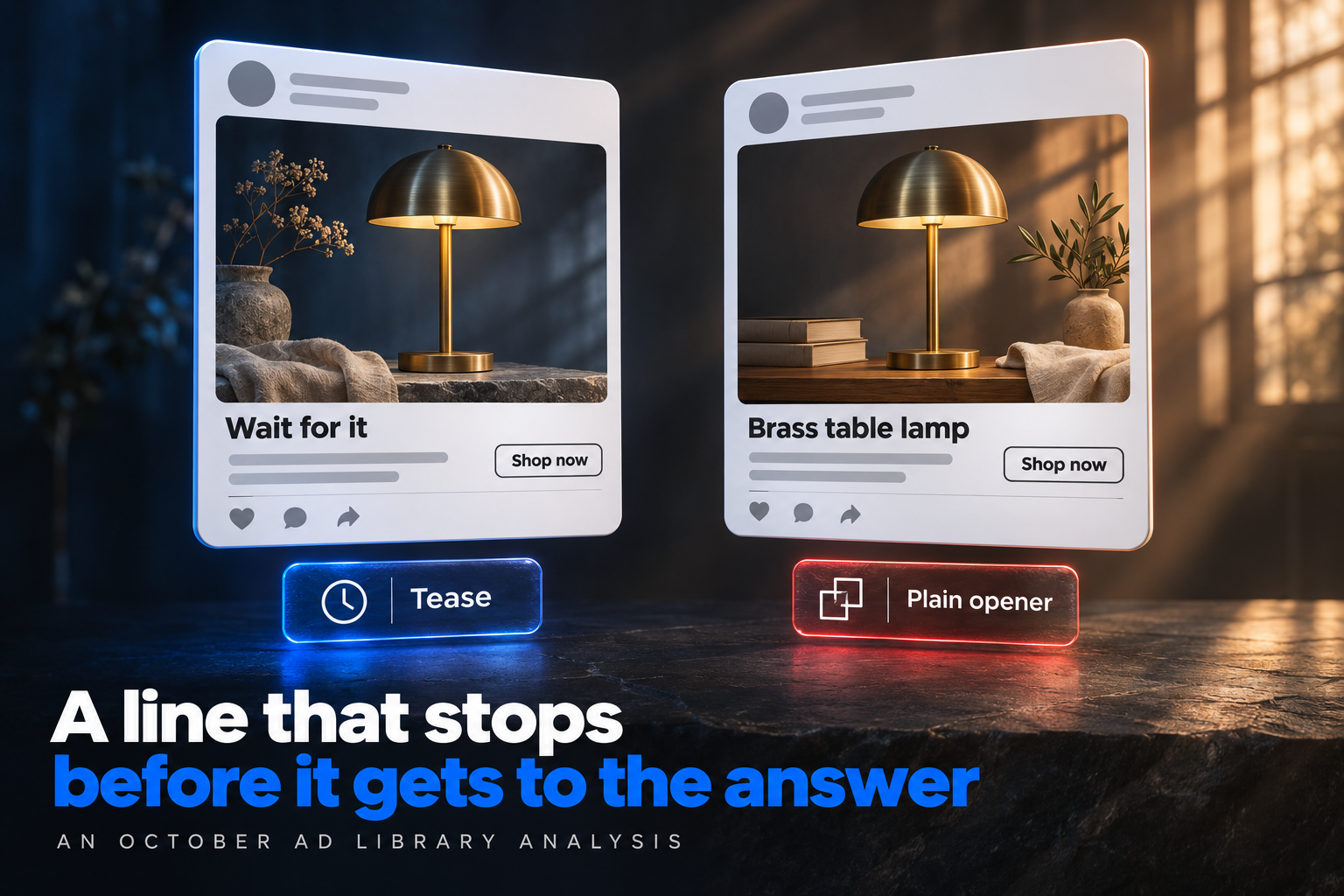
Scope: Home & Furniture ads across every country the eCommerceBenchmark Ad Library tracks, 4,643 active in October 2026, compared with September 2026. No split by country.
Scroll ten seconds of sofa ads.
About one in six of them stop before the answer. The first line names something odd, or starts a sentence it never finishes, and the payoff waits behind a click or the next few seconds of video.
In October 2026, 16.5% of Home & Furniture ads opened that way. That is 765 of the month's 4,643 ads, run by 53 of this cut's 85 brands [eCommerceBenchmark Ad Library, 2026]. No other hook opened more ads.
There is a catch, and it is the reason for this piece. The same hook sat at 18.4% in September, and visual reveal, a hook ranked below it, turns up on more brands than it does. The lead is real. It is also narrowing.
Here is the hook, four ads running it in the brands' own words, our reading of what it does to a scroller, and one test to put against it.
- A tease is now the most common thing a shopper meets in this category. Those 765 ads came from 53 brands. If your whole set opens that way, you are writing in the loudest lane, not an unusual one.
- The lead is slipping while the next two hooks climb. Curiosity gap went from 18.4% of ads to 16.5%. Bold claim and visual reveal both picked up share in the same month.
- Brand spread tells a different story to ad volume. 53 brands opened on curiosity gap. Visual reveal reached 55. Visual reveal reached two more brands than curiosity gap, even though it carries fewer ads.
Curiosity Gap Opened 765 of October's 4,643 Home & Furniture Ads
Curiosity gap opened 16.5% of the vertical's ads in October 2026. That is 765 ads, more than any other hook in the cut [eCommerceBenchmark Ad Library, 2026].
An opening hook is defined as the job an ad's first line does to stop a scroll, before the product, the price or the picture gets a turn. One thing to hold on to before the numbers: this share counts every ad running in October, not only the ones launched in it. A line written in spring still counts in the month, as long as somebody kept it live.
So what do those openings actually do in the first three words?
Why a Half-Told Opening Holds a Thumb Still
This is our reading, not a measured result. All four of these openings hold something back: ourplace.com and muddymats.com give the reader an instruction, while voyagemaison.com and ruggable.com name a subject and stop there.
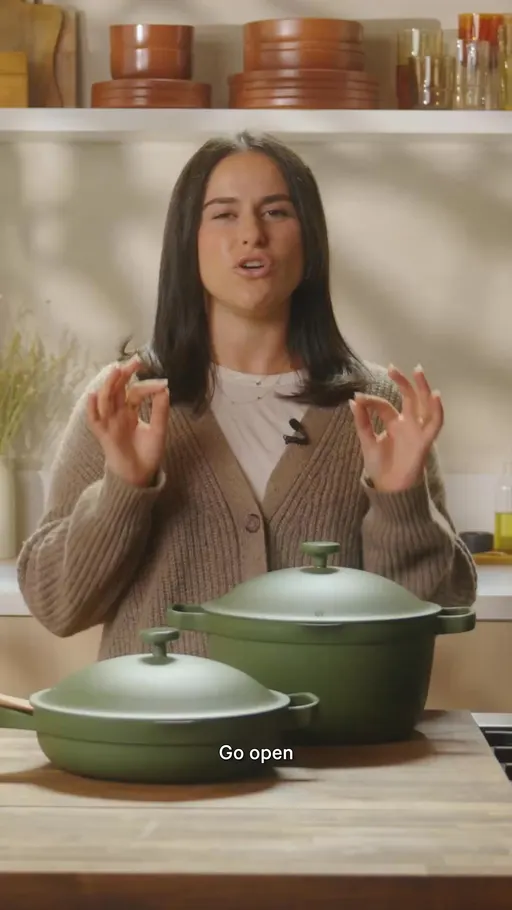

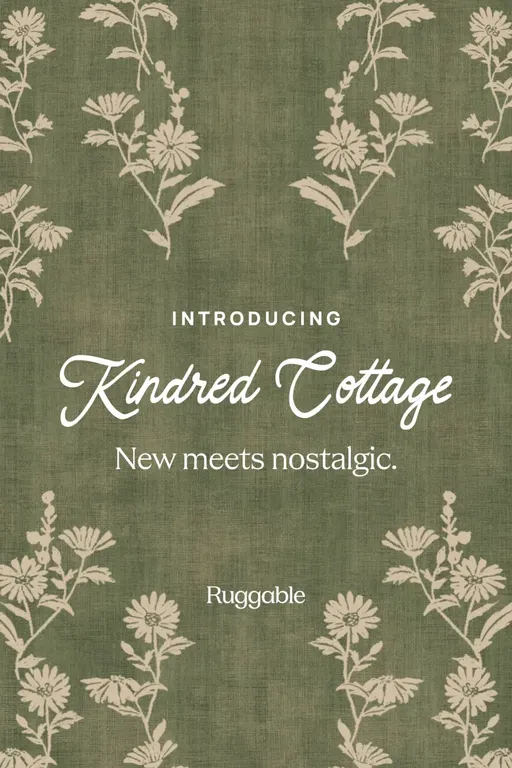
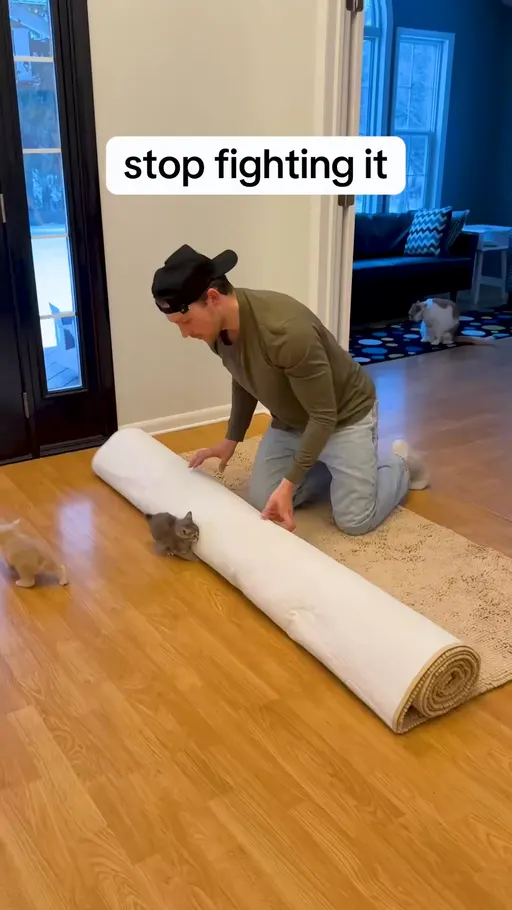
A curiosity gap is defined as an opening that names something worth knowing and holds the answer back, so the only way to close it is to keep watching or click.
ourplace.com opens with "Go open your kitchen cabinet right now and count how many pans are in there. I had 14. Fourteen. And I was using maybe three of them regularly." [eCommerceBenchmark Ad Library, 2026] The instruction lands first. The cookware waits.
voyagemaison.com uses three words: "Spotlight On Wallpaper". The subject is named and the sentence stops there. That ad has been on air 451 days, the longest run of any curiosity opener we can show here. Days on air say somebody kept paying to keep an ad live, not that it sold anything.
ruggable.com opens on "INTRODUCING Kindred Cottage", a collection name with no description of it attached.
muddymats.com goes shortest of the four: "stop fighting it". A feeling, and no hint of what the fight is.
What the four share is restraint. Each line names one small thing and holds the rest back.
One honest warning. The day counts come from a separate sample of named ads, ranked by how long each one ran, so new launches are thin in it. Read those days beside each other, never added to the shares in this piece.
So is a tease still the safe default here? The month-on-month numbers make a weaker case for it than September's did.
The Lead Narrowed: 18.4% in September, 16.5% in October
Curiosity gap fell from 18.4% of the vertical's ads in September to 16.5% in October [eCommerceBenchmark Ad Library, 2026]. The two hooks behind it moved the other way.
| Hook | September | October | Ads in October | Brands |
|---|---|---|---|---|
| Curiosity gap | 18.4% | 16.5% | 765 | 53 |
| Bold claim | 10.7% | 12% | 558 | 51 |
| Visual reveal | 8.6% | 11% | 511 | 55 |
Bold claim rose from 10.7% to 12% of ads. It carried 558 ads in October, from 51 brands. Visual reveal rose from 8.6% to 11%. That hook carried 511 ads in the month.
Now the fair objection. A share built on every ad running in a month flatters whatever has been on air longest, so a tease could lead because older ads keep going out, not because anyone is briefing new ones. The brand count does not settle that, because a brand counts if any of its ads ran in October, old or new. What it does show is reach. 53 brands opened at least one ad on a curiosity gap in October. 55 opened one on a visual reveal. Visual reveal reached two more brands, on fewer ads.
How much room is left under the top three? Not much, and that is the useful part.
Three Hook Tests to Run on Your Own Ads
- A counted-object opener. One ad whose first line asks the shopper to go and count something in their own home, run beside your current control. 765 of October's Home & Furniture ads already opened on a curiosity gap.
- The same ad with the answer put back. Take your best tease, move the payoff into the first line, change nothing else. Bold claim openers went from 10.7% to 12% of the vertical's ads.
- One plain product opener in a tease-heavy set. Add a single ad that names the product and what it does in the first three words, measured against the set average. Fewer brands ran bold claim than curiosity gap in October, 51 against 53.
The eCommerceBenchmark Ad Library sorts your ads into the same hooks, angles, concepts and offers used in this report and shows your mix next to the market, so you can see which shapes you have never shipped.
Audit my creatives, freeBefore you pick one, look at how much room there actually is under the top three hooks.
Where the Other Hooks Sat in October
Below the top three, no hook reached 6% of the month's ads. Direct question sat at 5.8% [eCommerceBenchmark Ad Library, 2026].
Share of October 2026 Home & Furniture ads by opening hook, eight hooks. Source: eCommerceBenchmark Ad Library, 2026.
Urgency and FOMO came next at 5.7%. Relatability took 5.6%. Newness took 5.3%. Authority sat at 4.5%.
That is the shape to brief from. Three lanes carry the largest shares of the category's openings, and five more sit in a narrow band under 6%. A set that opens every ad on the same tease is using none of those five.
The mistake: briefing a tease because it tops the table
The practice is easy to spot on a brief. Someone sorts the hooks by share, sees curiosity gap at the top, and writes the whole batch that way. Every ad in the set then opens on an unfinished sentence.
Here is our reading of what the shopper gets, not a measured result. The first half-told line may earn a second of attention. The second one, same brand, same feed, may not, because by then the pattern is the familiar part and the gap has stopped feeling like a gap. Do it across a whole category and the feed reads like a row of sentences with the ends cut off. 765 ads in this vertical opened that way in October. They came from 53 brands [eCommerceBenchmark Ad Library, 2026], which is about six in ten of the list.
Your test card
Here is the third test from the box, set up the way a media buyer would write it before launch. Fill in your own numbers, and write them down before anything goes live.
| Hypothesis | An ad that names the product and what it does in its first three words will hold my cost per purchase next to my current tease-led control. |
| Change only this | The first line of the ad, which names the product and what it does before anything else. |
| Keep the same | The product, the image or video, the headline, the offer, the audience, the placements and the budget split. |
| Funnel stage | Say first whether this ad is for prospecting (cold) or retargeting (warm). A deal in the first line is often right for warm audiences and wrong for cold ones, so test it where the ad will really run. |
| Setup | One control and one variant, same audience, same placement, even budget split. Do not edit either ad while the test runs. |
| How long and how much | Until each version has about 50 purchases, or two full weeks, whichever comes later. This is general testing practice (Meta's own learning-phase guideline is about 50 results per ad set per week), not a library finding. |
| Success metric | Cost per purchase, not clicks. |
| Stop rule | Pause a variant that has spent about 3 times your target cost per purchase with no purchase. If it is close, keep it running. |
| What counts as a win | The variant beats the control on the metric by an amount you would act on, and still does in a second week. |
Key takeaways
- Curiosity gap opened 16.5% of October's Home & Furniture ads [eCommerceBenchmark Ad Library, 2026], more than any other hook in the vertical.
- 765 ads carried that opening in the month, so a tease is the most common first line a shopper meets here.
- 53 of the cut's 85 brands ran at least one curiosity opener, about six in ten of the brand list.
- The hook's share fell from 18.4% in September to 16.5% in October, while the two behind it gained.
- Bold claim rose from 10.7% to 12% of ads, on 558 ads from 51 brands.
- Visual reveal reached 55 brands, two more than curiosity gap, on 511 ads.
- Voyage Maison's curiosity opener has run 451 days, the longest we can show here: time on air, not sales.
Questions
Pull your last month of ads and put each one in a bucket by what its first line does: tease, plain claim, question, picture. Then count. If most of them stop before the answer, you are running the same opening the rest of the category ran 765 times in October, and your second ad is asking a shopper to care about a gap they just met. Write one ad next month that says the thing plainly in the first three words, run it beside your control, and leave everything else alone. One box on your sheet is probably empty. That is the one to fill before the next budget cycle.