25.2% of Fashion & Apparel Ads Opened on a Half-Tease in September 2026: Write the Second Line First

Scope: Fashion & Apparel ads in every country the eCommerceBenchmark Ad Library tracks, 3,993 ads active in September 2026. Read against August 2026. No split by country.
Open a fashion feed and count the ads that tell you almost nothing.
That is September's most common opening: a line that promises something and holds back what it is. In Fashion & Apparel it opened 25.2% of the month's ads. That came to 1,005 ads, spread across 68 brands. The share counts every ad running in September, not only the ones launched in it [eCommerceBenchmark Ad Library, 2026].
The next hook down, the one that shouts a deal or a deadline, opened 6.8%. Set against the leader's 25.2%, that is 18.4 points of daylight between first and second.
Two things complicate the lead. The same opening took 28% of August's ads, so its share is falling. And the biggest lane behind it carried only 273 ads in the month.
So this piece does one job. What the tease holds back, what the lane behind it says instead, and the one line in your own ads that decides whether a tease is worth writing.
- The crowded lane is the default lane. A quarter of the fashion ads a shopper met in September opened the same way. If your next batch opens on a tease, it joins 1,005 ads with the same move.
- Second place is not an escape route. The runner-up opened 6.8% of ads. That lane holds 273 ads, so there is no big, quiet alternative waiting. The choice is how you write the lane you are in.
- The leader is shrinking, not surging. It opened 28% of August's ads and 25.2% of September's. Plan from the order of the ranking, not from the point move.
Here is what the tease withholds, lane by lane.
25.2% of September's Fashion Ads Opened on a Half-Tease
A curiosity gap is defined as an opening line that names something worth knowing and holds the payoff back, so the reader has to keep going to find out what is for sale. We sorted September's Fashion & Apparel ads by their first line, and that opening came first at 25.2%. It ran on 68 of the 125 brands in scope [eCommerceBenchmark Ad Library, 2026].
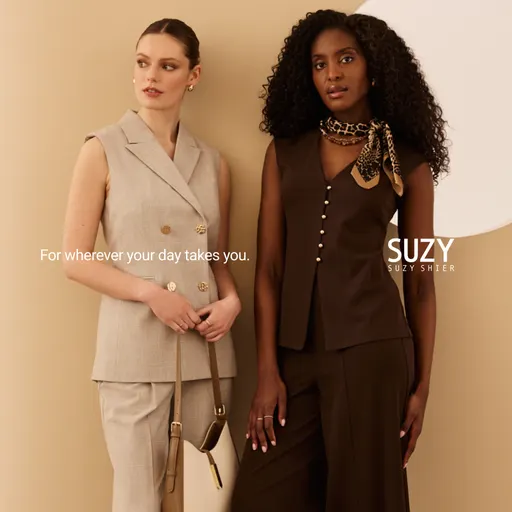
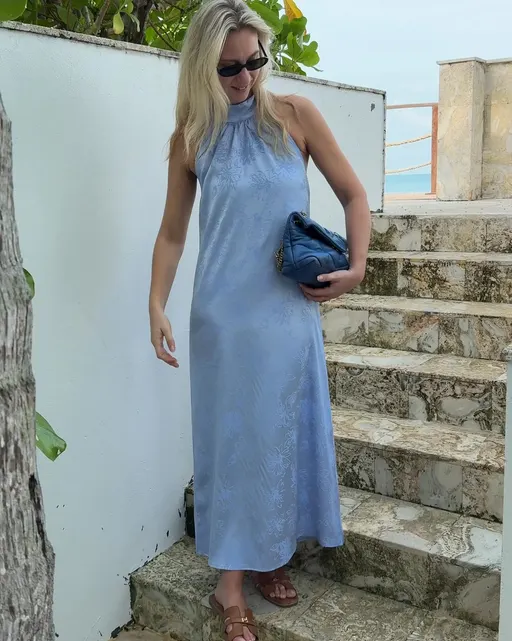
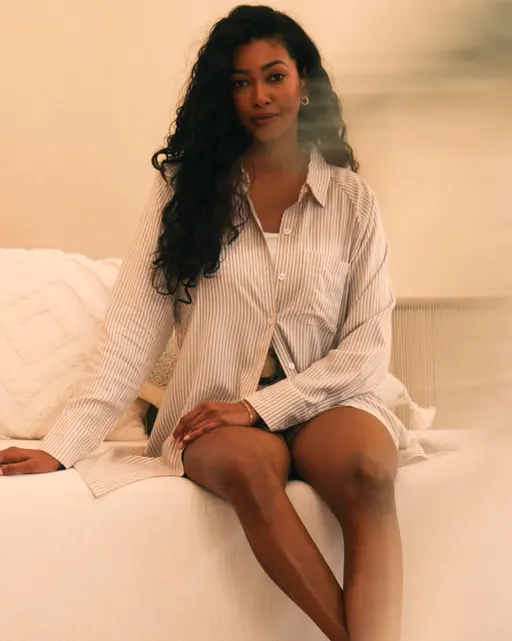
suzyshier.com opens on "Your favorites are waiting". Four words, no product. It has been on air 181 days, which tells you someone kept paying for it, not that it sold anything.
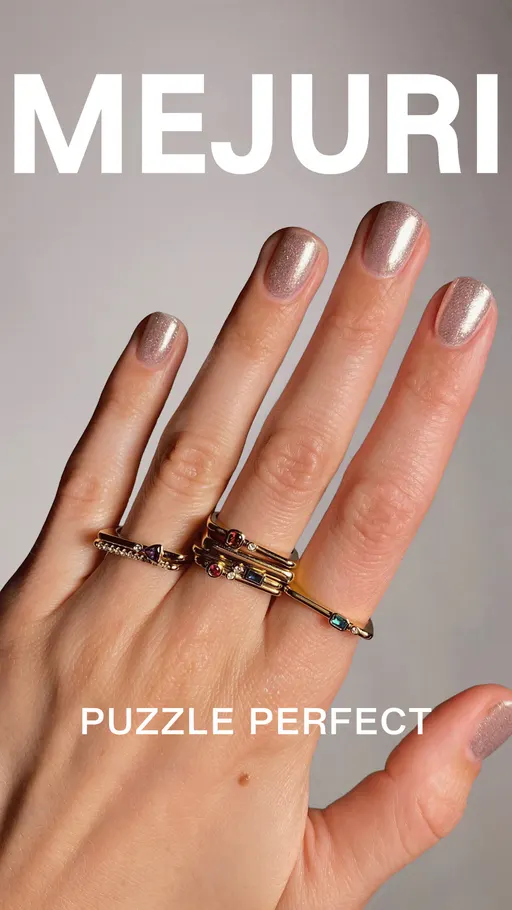
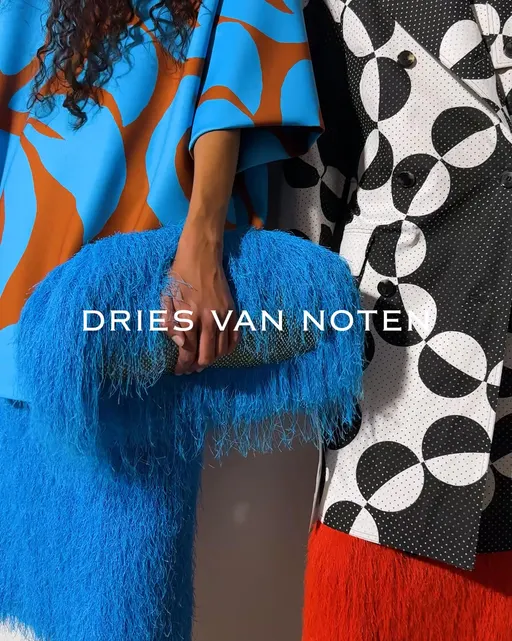
mejuri.com opens on "PUZZLE PERFECT", two words that mean nothing on their own, with the headline "Shop Puzzle Stacking Rings" sitting right under them. driesvannoten.com opens on "Dries Van Noten Spring Summer 2026": a season named, a garment not. fashionbystrand.com opens on "Sæsonens nyeste styles er landet" (the season's newest styles have landed, translated). aubainerie.com opens on "Les indispensables du printemps" (the spring essentials, translated).
Five lines, one shape. Each gives a reason to look and keeps the item back. Only one of them answers it on the same screen, where the headline names the rings.
The lane behind it does the opposite.
The Next Hook Down Shouts the Deal: 6.8% of Ads, 61 Brands
Urgency / FOMO is defined as an opening that puts a live sale, a limited stock line or a deadline in the first words, so the reader meets the pressure before the product. It opened 6.8% of September's ads. That is 273 ads, run by 61 brands [eCommerceBenchmark Ad Library, 2026].
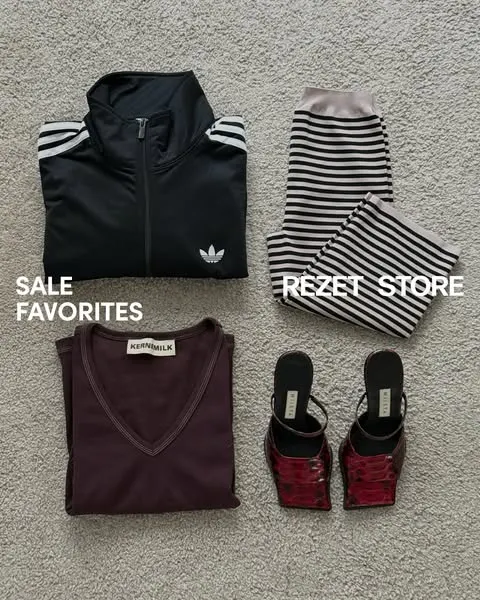
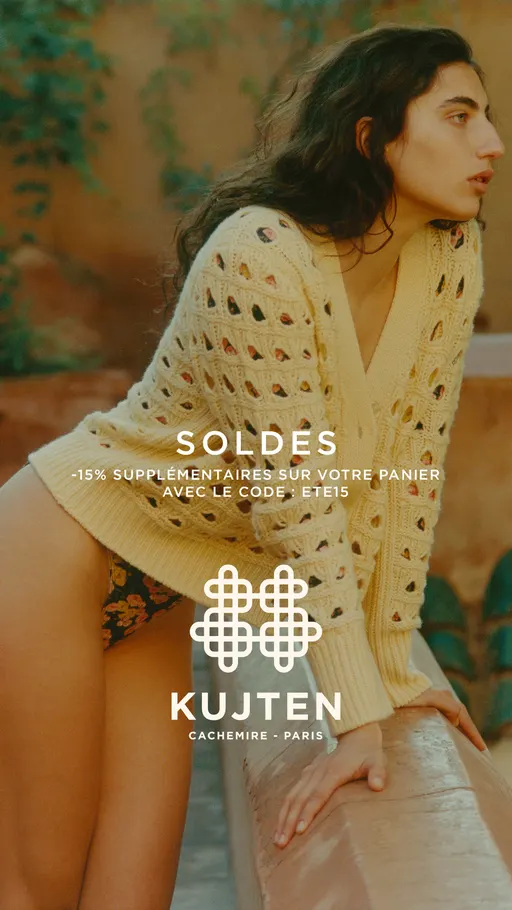

rezetstore.com opens on "Summer sale is now live!". kujten.com opens on "SOLDES -15% SUPPLÉMENTAIRES SUR VOTRE PANIER AVEC LE CODE : ETE15" (sale, an extra 15% off your basket with the code ETE15, translated). lisen.dk opens on "KUN 400 KR. 🔥" (only 400 kroner, translated). horizons-lointains.fr opens on "Attention ! Stock limité !" (careful, limited stock, translated).
Nothing is held back here. The price, the code or the stock warning lands in the first words, so a shopper knows what is on offer before they know what the thing is.
So which line should you actually change?
Three hook tests to run next month
- Name the thing in the tease. Run your held-back opening against the same ad with the product named in the first three words, because 25.2% of September's fashion ads opened on the tease.
- Tease against deal. Put one held-back opening against one that leads with the sale line, same creative and audience; the deal lane opened 6.8% of the month's ads.
- A plain claim as the third arm. Add one opening that states a flat claim about the product, a lane that took 4.3% of ads and has room in it.
The eCommerceBenchmark Ad Library sorts your ads into the same hooks, angles, concepts and offers used in this report and shows your mix next to the market, so you can see which shapes you have never shipped.
Audit my creatives, freeBefore you pick one, look at the part worth being careful about: how much these lanes moved between August and September, and how much of that move to trust.
August 28%, September 25.2%: the Leader Is Handing Share Back
The curiosity gap opened 28% of August's Fashion & Apparel ads and 25.2% of September's. The runner-up slipped too, from 7.1% to 6.8% [eCommerceBenchmark Ad Library, 2026].
Source: eCommerceBenchmark Ad Library, 2026.
One honest warning. Both months are full months, counted the same way, September 2026 against August 2026. But September's panel is far smaller: 8,575 ads in scope, down 61,031, and 125 brands in scope, down 641. When that many ads leave the frame, any share moves. The order of the ranking is the solid part here. The size of the drop is not.
Behind those two, there is less room than the ranking suggests.
Behind the Top Two: Bold Claim at 4.3%, Authority at 4.1%, Newness at 3.6%
Bold claim opened 4.3% of September's ads, authority 4.1% and newness 3.6%. Bold claim ran on 40 brands [eCommerceBenchmark Ad Library, 2026].
| Hook | Share of September ads | Ads in the month |
|---|---|---|
| Curiosity gap | 25.2% | 1,005 |
| Urgency / FOMO | 6.8% | 273 |
| Bold claim | 4.3% | 171 |
| Authority | 4.1% | 165 |
| Newness | 3.6% | 142 |

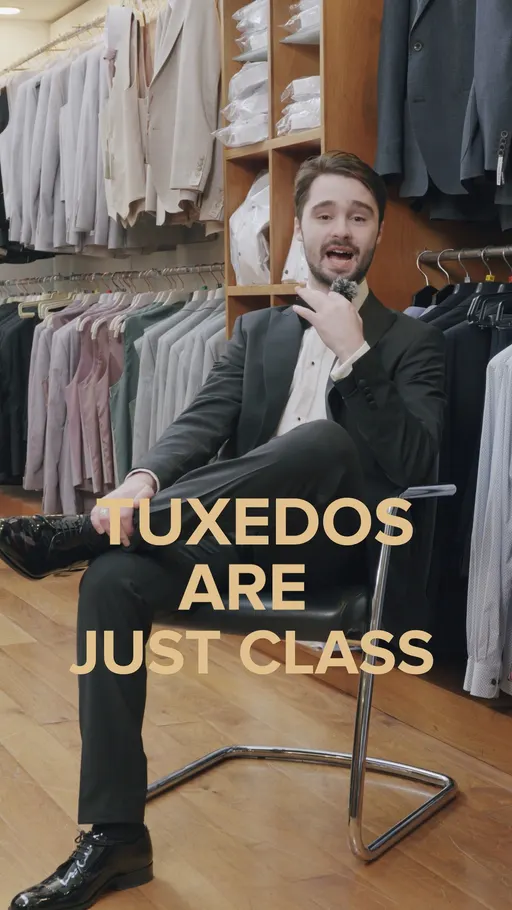
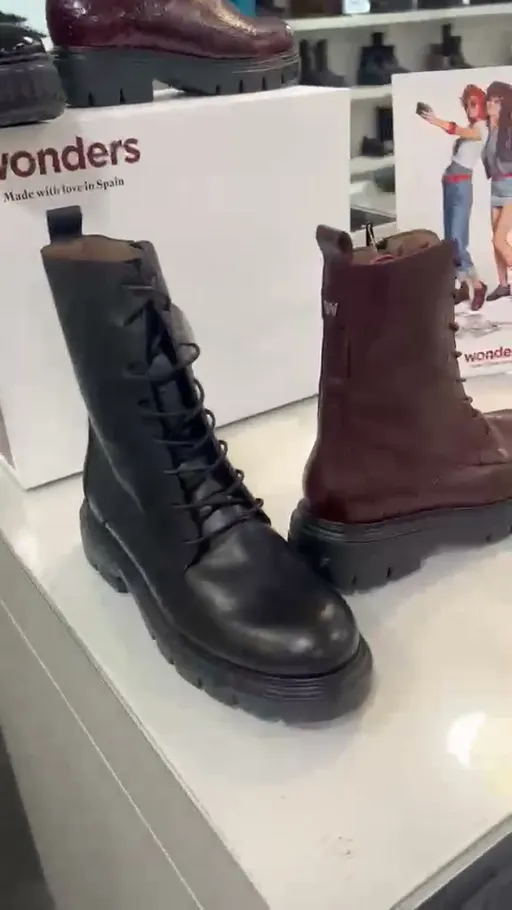
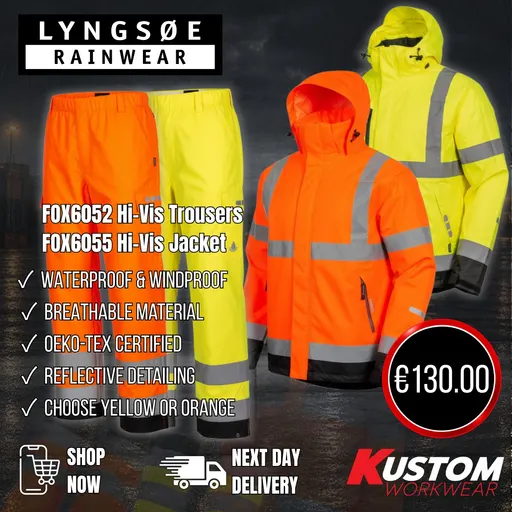
Here is what a bold claim sounds like. uniformity.ie opens on "Uniformity Reminds You: Your Brand, Your Way!". hanley.ie opens on "Tuxedos are just class.". shoesuite.ie opens on "Comfort & Style". kustomworkwear.ie opens on "Stay dry. Stay seen.". Each one states a flat claim about the product and holds nothing back.
Read the order, not the decimals. Bold claim rests on 171 ads for the month, authority on 165 and newness on 142. Those are small rooms, and none of them is a safe place to move a month of budget into.
The mistake: opening on a tease that never names what it is teasing
The practice is writing the held-back line and leaving the payoff for the landing page. The opening promises something, the headline repeats the promise, and the shopper learns what is for sale only after the click. When a quarter of a category opens that way in one month [eCommerceBenchmark Ad Library, 2026], a shopper meets four unanswered teases in a row and stops answering any of them.
You can check your own ad set in a minute. Read only the first screen of each ad: the opening line and the headline. If a shopper could not say what you sell from those two lines, the tease has nothing behind it.
Your test card
Here is the first test from this article, set up the way a media buyer would run it. Write your own numbers down before you launch.
| Hypothesis | A version of my tease ad that names the product in the first three words will hold my cost per purchase against the held-back control. |
| Change only this | The opening line: the product is named in the first three words instead of after the click. |
| Keep the same | Creative, headline, audience, placement, budget, landing page and bid strategy. |
| Funnel stage | Say first whether this ad is for prospecting (cold) or retargeting (warm). A deal in the first line is often right for warm audiences and wrong for cold ones, so test it where the ad will really run. |
| Setup | One control and one variant, same audience, same placement, even budget split. Do not edit either ad while the test runs. |
| How long and how much | Until each version has about 50 purchases, or two full weeks, whichever comes later. This is general testing practice (Meta's own learning-phase guideline is about 50 results per ad set per week), not a library finding. |
| Success metric | Cost per purchase, not clicks. |
| Stop rule | Pause a variant that has spent about 3 times your target cost per purchase with no purchase. If it is close, keep it running. |
| What counts as a win | The variant beats the control on the metric by an amount you would act on, and still does in a second week. |
Key takeaways
- 25.2% of September's Fashion & Apparel ads opened on a curiosity gap [eCommerceBenchmark Ad Library, 2026], so a tease lands beside a quarter of the category.
- 1,005 ads carried that opening in the month. They came from 68 brands.
- Urgency or FOMO came second at 6.8% of ads. Against the leader's 25.2%, that is 18.4 points of daylight.
- In August the same hook opened 28% of ads. In September it opened 25.2%, so brief from the order of the ranking, not the point move.
- Bold claim came third at 4.3% of September's ads. That is 171 ads.
- 8,575 ads were in scope this cycle, down 61,031, so September's shares sit on a much smaller panel than August's.
Questions
Pull last month's fashion ads up and read only the first screen of each one: the opening line and the headline, nothing else. Sort them into two piles. In one pile, the tease names the thing it is teasing. In the other it does not, and a shopper has to click to find out what you sell. A quarter of September's fashion ads opened on a tease, so the lane you are in matters less than whether your second line pays it off. If the second pile is the bigger one, that is the test to run before your next budget cycle: same creative, same audience, product named in the first three words.