Fashion & Apparel Ads, October 2026: 114 of 171 Brands Ran the Curiosity Gap Hook, and Four of the Six Lines We Show Read Alike

Scope: Fashion & Apparel ads across every country the eCommerceBenchmark Ad Library tracks, 10,181 ads active in October 2026 from 171 brands. No split by country or sub-category.
Open ten clothing ads and read only the first line.
One opening reaches more brands than any other: the curiosity gap. In October 2026, 114 of the 171 Fashion & Apparel brands we track ran at least one ad that opened with it [eCommerceBenchmark Ad Library, 2026]. In the six we can show, four name a collection and give nothing else away.
That is 19 more brands than the next hook. Newness reached 95.
Below are the brand counts for seven of the ranking's hooks, then six first lines filed under the leader, read side by side. Four of them are near enough interchangeable. Two are not, and the difference is three words long.
- Your hook is the category's widest. If your first line names a collection and stops, you are using the hook 114 of 171 brands ran at least once, in the shape four of the six examples below take.
- Wide and heavy are different counts. This hook's ads were 13.1% of the vertical's ads in October, the largest share of any hook in the ranking, down from 15.9% in September. The brand count says how many brands ran it at least once, not how much of their month it filled.
- The fix is three words, not a new hook. Two of the six brands below keep the same hook and do not sound like the other four. The change is what the first words point at.
Here is the ranking by brand count, and then the lines themselves.
Curiosity gap opened an ad at 114 of Fashion and Apparel's 171 brands
Curiosity gap ran at least once at 114 of this vertical's brands in October 2026 [eCommerceBenchmark Ad Library, 2026], more than any other opening hook. A brand count is defined as the number of brands that ran at least one ad with that opening hook in the month, whether they ran one ad or many.
Newness is next, at 95 brands. The gap between first and second is 19. Visual reveal reached 94, and urgency / FOMO matched it. Both sit 20 brands behind the leader. Bold claim reached 87. Authority reached 81, and the smallest of the seven, relatability, reached 65.
Brands that ran at least one Fashion & Apparel ad opening with each hook in October 2026. These bars are brand counts, not shares of ads. Source: eCommerceBenchmark Ad Library, 2026.
Flip it round. Of the 171 brands in scope, 57 ran no curiosity gap ad at all in the month. The hook is wide. It is not everybody.
So what do those brands actually write?
The copies: six first lines that hold the payoff back
Four of the six curiosity gap openings we can show do the same thing. They name a collection or a product group, then stop. A curiosity gap is defined as an opening line that names something and holds back what it actually is, so the shopper has to click to find out.
The shape is simple: a name, and nothing after it that gives the payoff away. Only Lavish Alice adds a divider and an instruction to shop. None of the four says what the clothes look like or what the shopper gets by tapping.
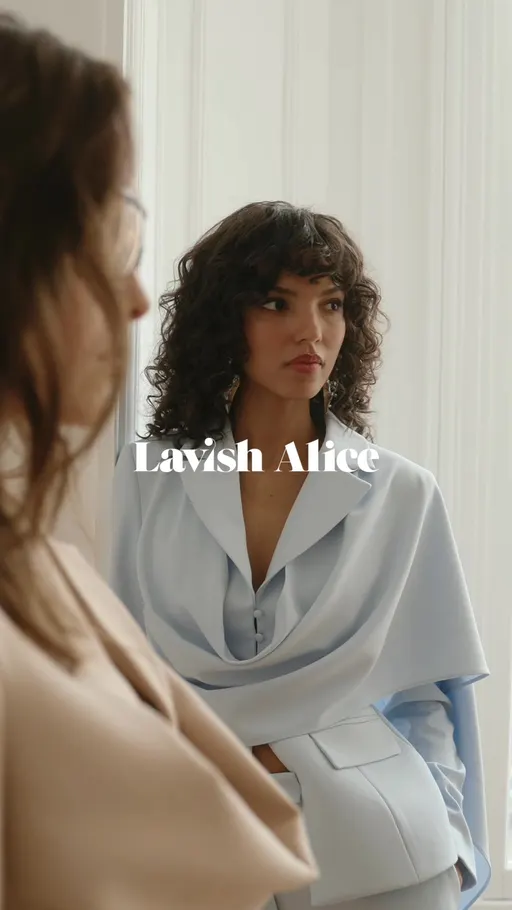
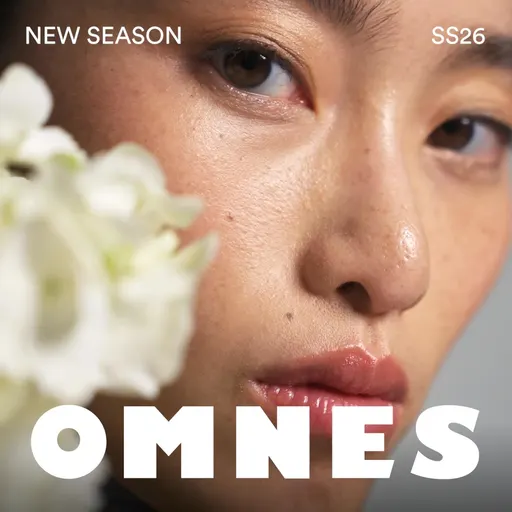

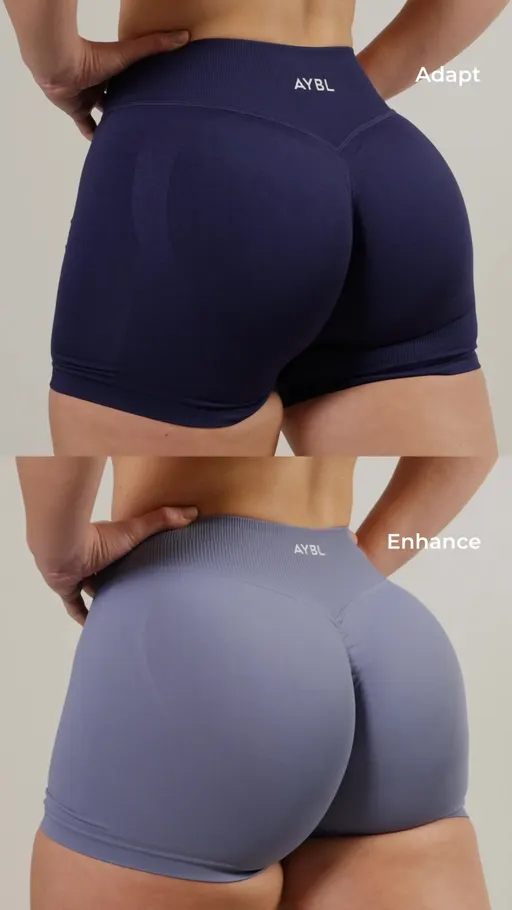
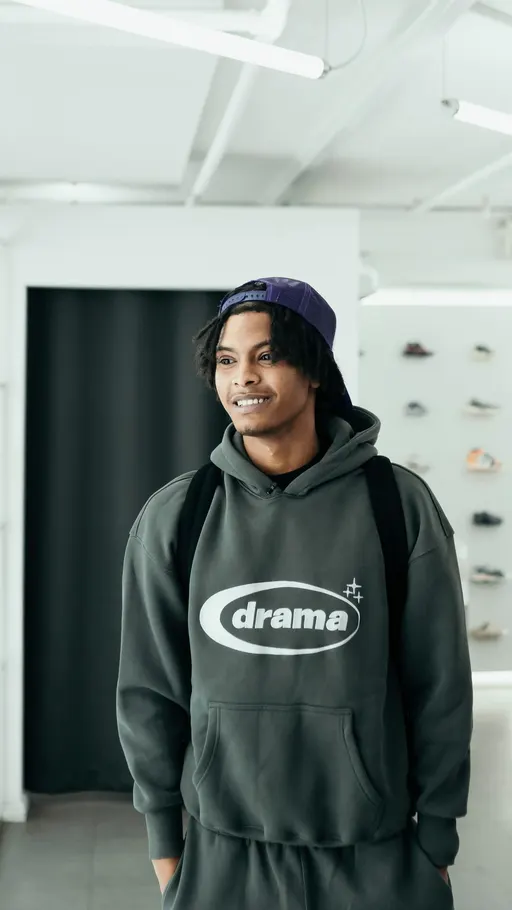
Lavish Alice opens with "New In | Shop the Collection". That line has been on air 249 days, which says how long the brand kept it live, not what it sold: no sales or profit data sits in this cut. Omnes opens with "Wedding Guest Dresses" [eCommerceBenchmark Ad Library, 2026]. A category, then silence.
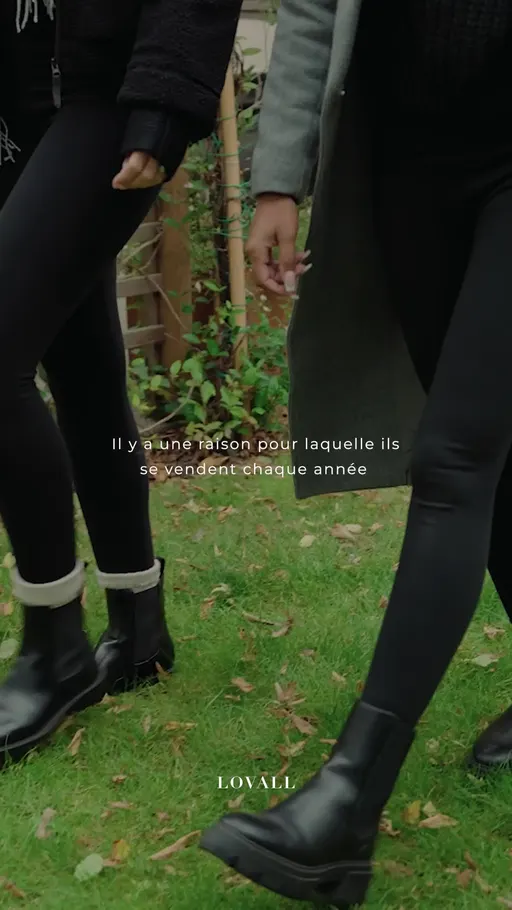
Rip Curl opens with "Boardshorts to Live The Search". The product is named, then a brand phrase stands where the payoff would go. Lovall's line runs "MAINTENANT EN DIRECT Toute nouvelle collection hiver" (translation: NOW LIVE Brand new winter collection). It is the longest-running curiosity gap ad we can show, at 774 days on air. It only names a season and calls the collection new.
Two of the six break formation, and they keep the hook while they do it. AYBL opens with "Adapt vs Enhance: Which fit is for you?" Two named fits, then a question aimed straight at the reader: the gap is the choice, not the drop. Kick Game opens with "@nemzzz_ turned down a milli?!" A person, and a claim about what that person did. Neither line names a collection.
Read side by side, the first four make one move: a name, then nothing. The last two each do something else.
The counts say this opening reaches more brands than any other. The shares add that it lost ground since September.
Three tests for a hook 114 brands already run
- Same hook, new first three words. Run your collection-name opener against one that opens on a choice or a person, even budget split, judged on cost per purchase. 114 of 171 Fashion & Apparel brands ran this hook at least once.
- A question where the label is. Swap the divider and the instruction for one question a shopper would really ask, same creative, same audience. Curiosity gap carried 1,332 of October's ads.
- A lane fewer brands stand in. Test one relatability opener against your curiosity gap control. Relatability ran at 65 brands, the fewest of the hooks counted here.
The eCommerceBenchmark Ad Library sorts your ads into the same hooks, angles, concepts and offers used in this report and shows your mix next to the market, so you can see which shapes you have never shipped.
Audit my creatives, freeBefore you pick one, look at what the brand counts and the shares each count. They are not the same number, and they do not say the same thing.
The brand counts, the shares and what each one counts
Curiosity gap leads on brands and on share, though its share fell. The hook opened 13.1% of October's Fashion & Apparel ads. In September it took 15.9% [eCommerceBenchmark Ad Library, 2026].
That is 1,332 ads in the month. The vertical had 10,181 ads active in October, and a share counts every ad running in the month, not only the ones launched in it. Visual reveal is the closest on share, at 12.9%.
| Hook | Brands running it | Share of October's ads |
|---|---|---|
| Curiosity gap | 114 [eCommerceBenchmark Ad Library, 2026] | 13.1% [eCommerceBenchmark Ad Library, 2026] |
| Newness | 95 [eCommerceBenchmark Ad Library, 2026] | 11.4% [eCommerceBenchmark Ad Library, 2026] |
| Visual reveal | 94 [eCommerceBenchmark Ad Library, 2026] | 12.9% [eCommerceBenchmark Ad Library, 2026] |
| Urgency / FOMO | 94 [eCommerceBenchmark Ad Library, 2026] | 6.4% [eCommerceBenchmark Ad Library, 2026] |
| Bold claim | 87 [eCommerceBenchmark Ad Library, 2026] | 9% [eCommerceBenchmark Ad Library, 2026] |
| Authority | 81 [eCommerceBenchmark Ad Library, 2026] | 2.7% [eCommerceBenchmark Ad Library, 2026] |
| Relatability | 65 [eCommerceBenchmark Ad Library, 2026] | 2.6% [eCommerceBenchmark Ad Library, 2026] |
A brand count flatters a hook. It counts a brand with one curiosity gap ad exactly like a brand with many, and there is no September brand count, so the data cannot say whether this hook gained or lost brands while its share fell. Read the 114 as reach, not as weight.
Which brings us to the habit under the number.
The mistake: briefing the collection name as a hook
The practice goes like this. Write the drop name, add a divider, add an instruction to shop, then file it in the brief as curiosity. On the brief it looks like a tease. In a feed it reads as a label with the price torn off.
Our reasoning, not measured: a line that only names the collection holds back nothing a shopper wants to know, so the gap stops being a gap. It is a shop window with nothing written under anything. The data shows how many brands ran the hook, not how many ran this shape of it.
Your test card
Here is the first test from this article, set up the way a media buyer would run it. Fill in the blanks with your own numbers, and write them down before you launch.
| Hypothesis | Keeping the curiosity gap hook but rewriting the first line to open on a choice rather than a collection name will hold or lower my cost per purchase against my current opener. |
| Change only this | The wording of the first line. The hook stays a curiosity gap. |
| Keep the same | The image or video, the headline, the offer, the landing page, the audience, and an even budget split across both. |
| Funnel stage | Say first whether this ad is for prospecting (cold) or retargeting (warm). A deal in the first line is often right for warm audiences and wrong for cold ones, so test it where the ad will really run. |
| Setup | One control and one variant, same audience, same placement, even budget split. Do not edit either ad while the test runs. |
| How long and how much | Until each version has about 50 purchases, or two full weeks, whichever comes later. This is general testing practice (Meta's own learning-phase guideline is about 50 results per ad set per week), not a library finding. |
| Success metric | Cost per purchase, not clicks. |
| Stop rule | Pause a variant that has spent about 3 times your target cost per purchase with no purchase. If it is close, keep it running. |
| What counts as a win | The variant beats the control on the metric by an amount you would act on, and still does in a second week. |
Key takeaways
- 114 of Fashion & Apparel's 171 brands ran at least one curiosity gap opener in October 2026. That is reach across brands: the hook was 13.1% of the vertical's ads [eCommerceBenchmark Ad Library, 2026].
- Newness is the next widest hook, at 95 brands, so the gap between first and second is 19 brands.
- Urgency / FOMO reached 94 brands, level with visual reveal, and bold claim reached 87.
- Relatability reached 65 brands, the fewest of the seven hooks counted here. It is the least crowded of the seven.
- Curiosity gap carried 1,332 Fashion & Apparel ads in the month. Its share still slid, from 15.9% in September to 13.1% in October.
- Four of the six curiosity gap openers we can show name a collection and stop, including Lavish Alice's "New In | Shop the Collection" at 249 days on air.
- Two keep the hook and break formation, including Kick Game's "@nemzzz_ turned down a milli?!" at 572 days on air.
Questions
Pull last month's ads and read only the first three words of each one. If most of them are a collection name, you are using the hook 114 of this vertical's 171 brands ran at least once, in the shape four of the six examples here take. Keep the hook. Change what those three words point at: a choice, a person, a question a shopper would really ask. Then run the new line against the one you have now, and let cost per purchase settle it.