20.6% of Food & Drinks Ads Opened on a Flat Claim in September 2026. Is Your First Line a Tease?

Scope: Food & Drinks only, across every country the eCommerceBenchmark Ad Library tracks, 1,400 ads active in September 2026 against August; no country or sub-category split.
Picture the last food ad that stopped your thumb.
There is a good chance it opened by holding something back. That has been the house style in this category for a while. Last month it was not the most common one.
Across every country the eCommerceBenchmark Ad Library tracks, 1,400 Food & Drinks ads were running in September 2026. The opening most of them used was a flat claim about the food, at 20.6% of ads. The tease came second, at 16.9% [eCommerceBenchmark Ad Library, 2026].
Here is the hook, six claim ads in their own words, and our reading of why a plain claim holds a scroll.
- The category's most common opener changed. Bold claim opened 20.6% of Food & Drinks ads in September. In August the tease was the one in front, at 18.7% of ads.
- It is not one loud brand doing it. 31 brands ran a claim opener last month, the widest brand spread of any hook in the table. That is a category habit, not an outlier.
- Your first three words are the whole test. The claim ads name a thing fast: five minutes, grass-fed, cave-aged. Count how many of your own openers name anything at all before the second line.
Here is what each of the two big lanes actually says.
Bold Claim Opens 20.6% of Food & Drinks Ads, Up From 18.1% in August
Bold claim opened 20.6% of the month's Food & Drinks ads, more than any other hook. In August the same hook opened 18.1% [eCommerceBenchmark Ad Library, 2026].
A bold claim hook is defined as an opening line that states one flat, specific thing about the product before anything else. Nothing waits. The viewer is handed a fact in the first breath and can decide what to do with it.
The lane carried 288 ads in September. 31 brands ran at least one, the widest spread of brands behind any hook in this table. So this is not one big advertiser filling a row.
Source: eCommerceBenchmark Ad Library, 2026.
Six of those ads, in their own words. sacla.co.uk opens on "Add hot water and enjoy next-level pasta in 5 minutes". donaldrussell.com opens on "Expertly butchered grass-fed British beef". snowdoniacheese.co.uk opens on "Rock Star Cheese Hamper | Cave-Aged Cheddar, Centre Stage". knoops.com opens on "Two Milk Chocolates. One Perfect Gift.". cocobachocolate.com opens on "The Perfect Halloween Treat". finecheese.co.uk opens on "Made To Keep".
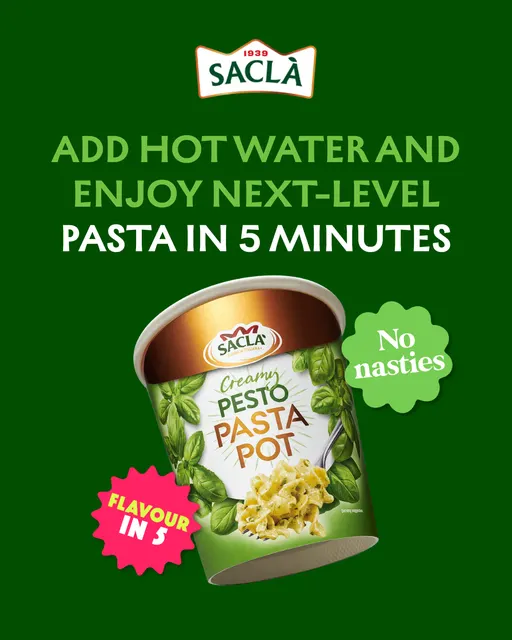
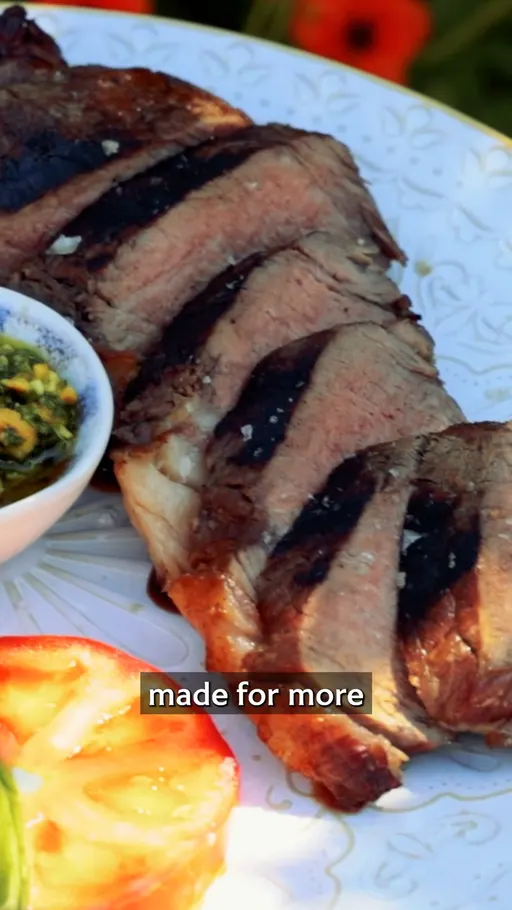
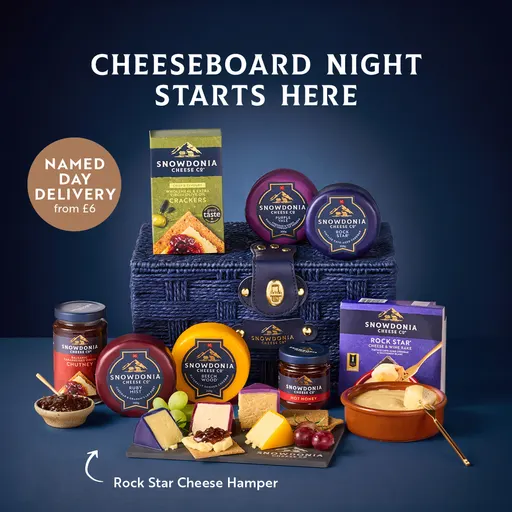
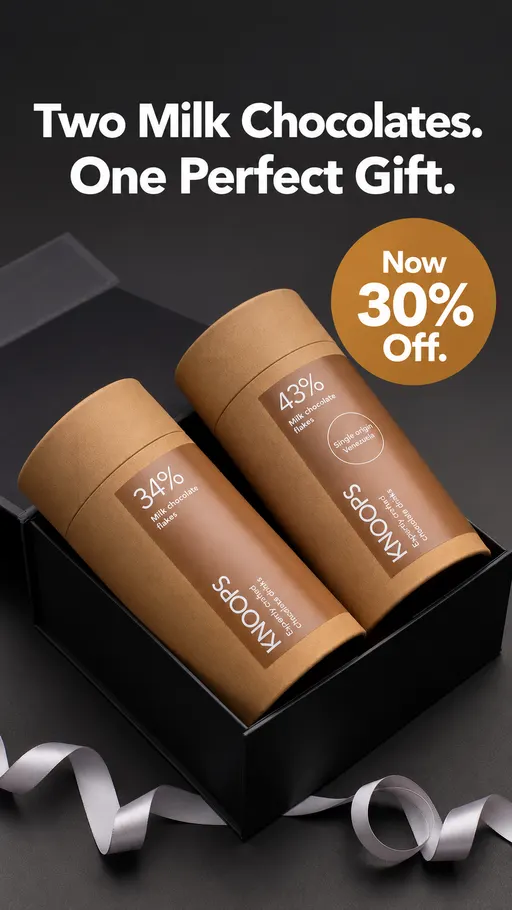
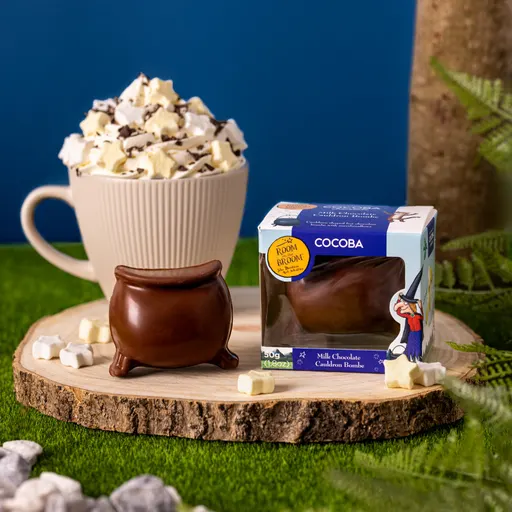
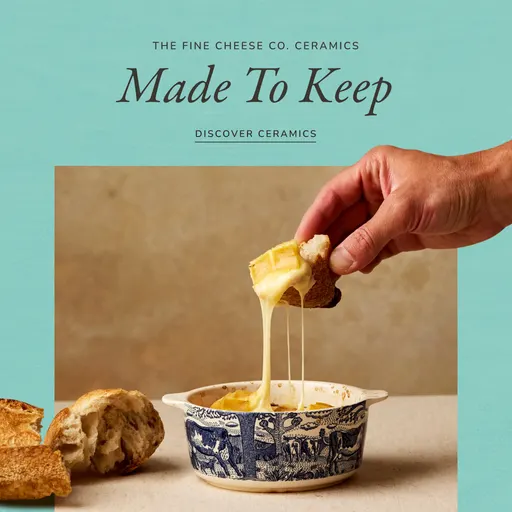
Read only the first three words of each. Hot water. Expertly butchered. Rock Star Cheese. Two Milk Chocolates. The shopper knows what the product is before the second line, and several of these lines also hand over one detail a person could check: a time, a cut, an age.
So is the tease finished? No. It sits second, and its ads carry the longest runs we can show.
Curiosity Gap Slips to 16.9%, and Its Ads Are the Ones With Long Runs
Curiosity gap opened 16.9% of September's Food & Drinks ads. In August it was the hook in front, at 18.7% [eCommerceBenchmark Ad Library, 2026].
A curiosity gap hook is defined as an opening line that holds back the thing it is about, so the viewer has to stay to find out what it is.
The lane carried 236 ads last month. 27 brands ran at least one. Share fell, and that is all that fell: nothing here records anyone switching an ad off.
Four of them, in their own words. cometeer.com opens on "Coffee from the near future". seattlecoffeegear.com opens on "Ever wonder what's part of my new home setup?". liquiddeath.com opens on "Liquid Death has entered the energy drink game.". javvycoffee.com opens on "Adding random things to your orders until my boss notices".
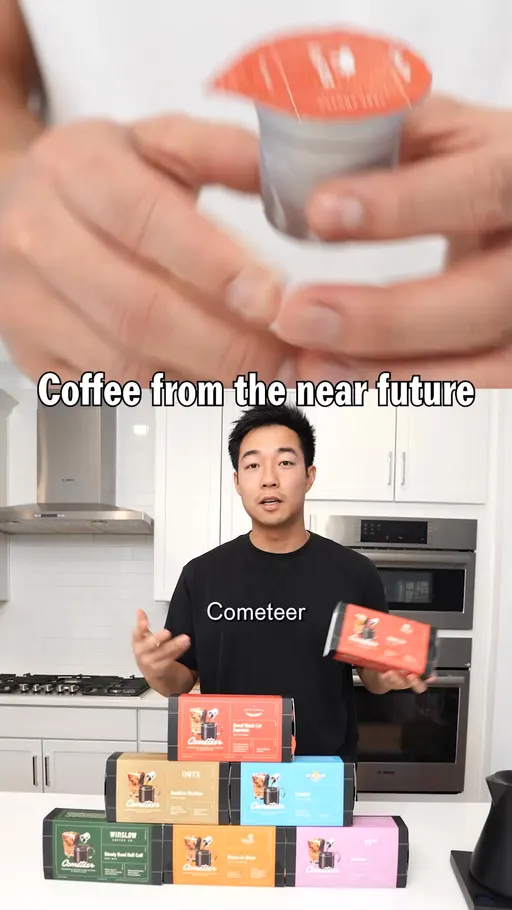
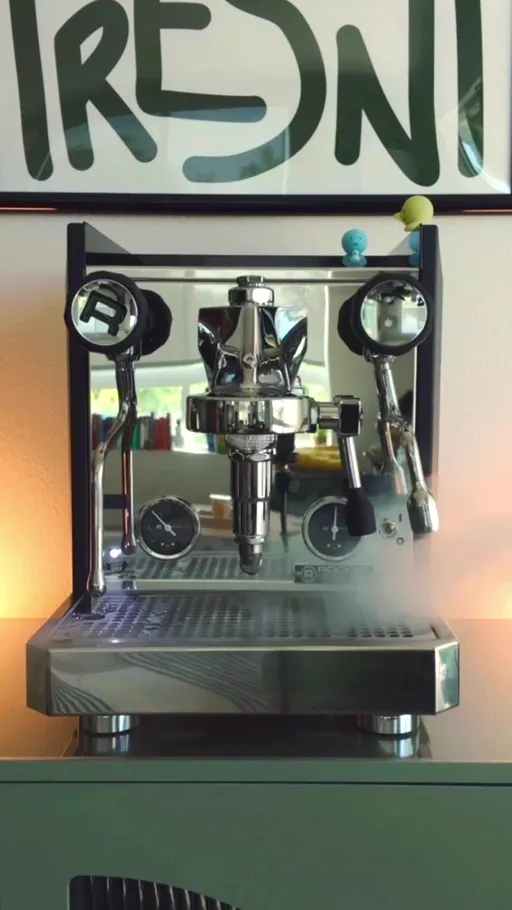
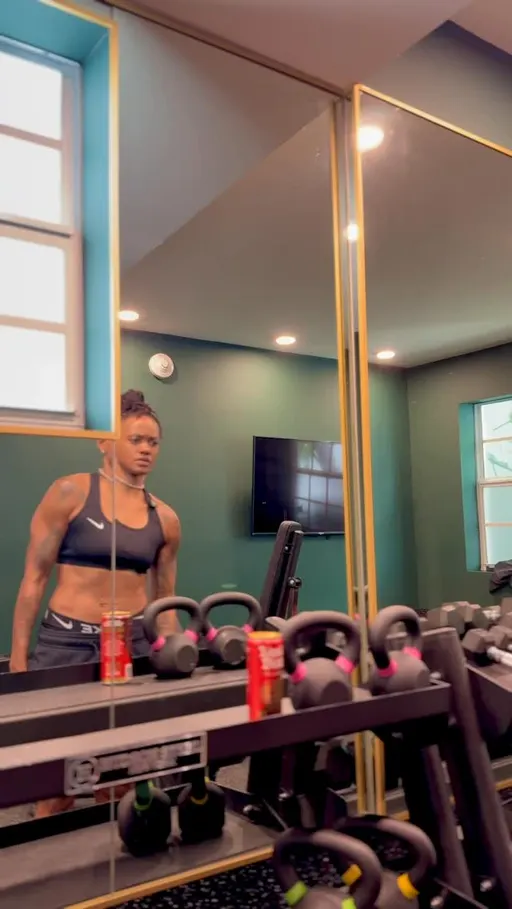
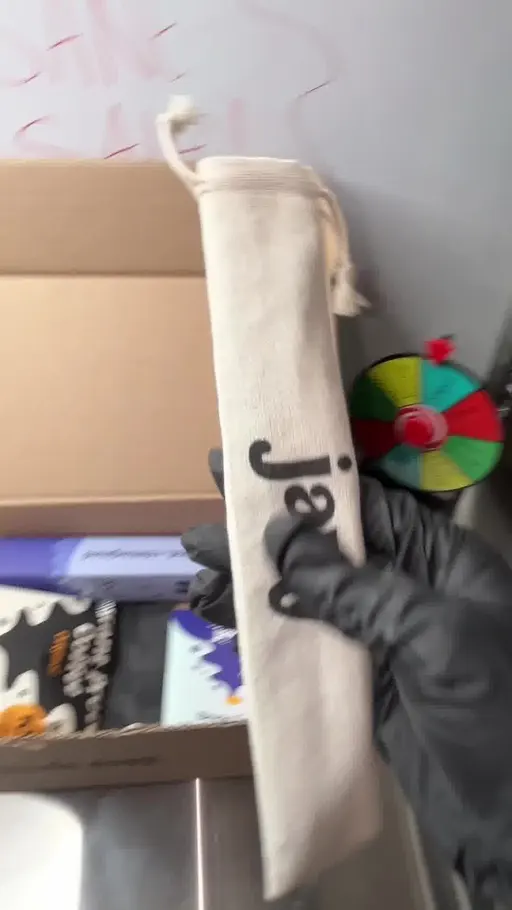
These are also the long runs. The Cometeer line has been on air 216 days. A long run only tells you a brand kept paying to keep the ad live. It says nothing about what the ad sold, because this data holds no sales, spend or profit at all.
One honest warning. The named ads come from a separate sample that ranks by days on air, so ads launched recently sit low in it by construction. The claim pool here holds 48 ads, from 14 brands. The tease pool holds 399. Those two pools are example sets, not the monthly shares, so do not set them against the percentages above. The finding is the gap in share between the two lanes, and it shows up in ads and in brands alike.
Below those two lanes, the table gets small fast.
Three opener tests for a food or drink account
- A claim in the first three words. Rewrite your strongest tease so the opener states one flat thing about the product, and run it against the control. 20.6% of the category's ads already open that way.
- One checkable detail in the opener. Put a time, a cut or an age in the first line, the way the Saclà opener names five minutes, and test it against your current best line. 288 ads opened on a claim last month.
- Tease against claim, same creative. Same footage, same headline, same offer, with only the first line changed, so you can see which opener holds. The tease lane still opened 16.9% of ads.
The eCommerceBenchmark Ad Library sorts your ads into the same hooks, angles, concepts and offers used in this report and shows your mix next to the market, so you can see which shapes you have never shipped.
Audit my creatives, freeBefore you pick one, look at how much of the table those two lanes really hold. Everything under them is small.
Every Other Hook in the Table Sits Below a Tenth of the Month's Ads
After the claim and the tease, no hook in this table reached a tenth of the month's ads. Relatability came third at 9.4% [eCommerceBenchmark Ad Library, 2026].
Authority was fourth at 5.4%. A direct question came fifth at 4.3%. Both edged up from August, and neither sits near the top two.
| Hook | September | August | Ads | Brands |
|---|---|---|---|---|
| Bold claim | 20.6% | 18.1% | 288 | 31 |
| Curiosity gap | 16.9% | 18.7% | 236 | 27 |
| Relatability | 9.4% | 9% | 131 | 12 |
| Authority | 5.4% | 5% | 76 | 24 |
| Direct question | 4.3% | 4% | 60 | 19 |
Two smaller rows sit under the table. Urgency or FOMO opened 41 ads. Newness opened 35.
One honest warning. Every row here rests on a few hundred ads at most, the leader included: bold claim carries 288 of them. Read the table as a ranking inside one small category in one month, not as a rule about food advertising.
The mistake: every opener holding back the same thing
The practice is easy to spot in your own account. Every first line is written as a withheld subject, so the viewer has to wait to learn what the food even is. The tease stops being a choice and turns into the house style. 236 September ads in this category opened that way [eCommerceBenchmark Ad Library, 2026].
Now picture the shopper. They scroll a food feed and meet four openers in a row that name nothing: a hint, a setup, a line about something you have to stay for. By the fifth, they are not reading first lines at all. An opener that holds attention because it is unusual stops doing that when a lane this size runs it at once.
Your test card
Here is the first test from this piece, set up the way a media buyer would write it. Fill in your own numbers, and write them down before anything goes live.
| Hypothesis | Swapping the first line of my strongest ad from a tease to a flat product claim will hold my cost per purchase without taking budget from the control. |
| Change only this | The opening line: a plain claim that names the product and one checkable detail, instead of an opener that holds the subject back. |
| Keep the same | Same footage, same headline, same offer, same audience, same placements and same budget. |
| Funnel stage | Say first whether this ad is for prospecting (cold) or retargeting (warm). A deal in the first line is often right for warm audiences and wrong for cold ones, so test it where the ad will really run. |
| Setup | One control and one variant, same audience, same placement, even budget split. Do not edit either ad while the test runs. |
| How long and how much | Until each version has about 50 purchases, or two full weeks, whichever comes later. This is general testing practice (Meta's own learning-phase guideline is about 50 results per ad set per week), not a library finding. |
| Success metric | Cost per purchase, not clicks. |
| Stop rule | Pause a variant that has spent about 3 times your target cost per purchase with no purchase. If it is close, keep it running. |
| What counts as a win | The variant beats the control on the metric by an amount you would act on, and still does in a second week. |
Key takeaways
- Bold claim opened 20.6% of Food & Drinks ads in September 2026, more than any other hook [eCommerceBenchmark Ad Library, 2026].
- The same hook opened 18.1% of the vertical's ads in August, so the lane grew in share.
- Curiosity gap, August's leader, opened 16.9% of September ads.
- 31 brands ran a claim opener, the widest brand spread of any hook in the table.
- 288 ads carried a claim opener last month, against 236 that carried a tease.
- Relatability came third at 9.4% of ads, and no other hook in the table reached a tenth of the month.
- The claim example pool is thin, at 14 brands, so read the named ads as examples and never as a census.
Questions
Open your last ten ads. Read only the first three words of each, then sort them into two boxes: the openers that name something a shopper could check, and the openers that hold the subject back. Most food accounts find one box nearly empty. If the claim box is the empty one, that is your test before the next budget cycle, because 20.6% of the category already opens that way and your account is not in it.