Health & Wellness Ads, October 2026: 6 in 10 Brands Ran the Same Opening Hook at Least Once. Is Yours One of Them?

Scope: Health & Wellness ads from every country the eCommerceBenchmark Ad Library tracks. 128 brands and 5,695 ads running in October 2026, compared with September 2026. It shows what brands ran, not what sold.
Scroll a wellness feed for ten seconds.
Protein. Probiotics. Magnesium. A sauna. By the fourth ad, the openings can start to sound alike. Many brands in this category reach for the same few openings.
An opening hook is defined as the job an ad's first line does before the product is named. In wellness, one job leads the ranking, with the question close behind. The interesting part is what it means for your ads.
- Your ad sits between competitors' ads. When 80 of 128 brands ran at least one big-promise opener, a big promise alone is unlikely to tell you apart.
- A jump on a small share is still a small share. Newness climbed to 4% of wellness ads, on 55 brands. Don't re-brief your month around it.
- You may lean on the same openings as many of your competitors, and can't see it from inside your account. Until you check.
Let's start with who opens how.
The 7 hooks wellness ads open with, ranked
Here is how October's wellness ads opened, most common first: the Bold Claim at 15.9% of them, then Direct Question, Relatability, Curiosity Gap, Authority, Price Anchor and Newness. Days on air is the number of days a brand kept one ad live.
Share of Health & Wellness ads opening with each hook, October 2026. Price Anchor and Newness rest on fewer ads, so read them as hints. Source: eCommerceBenchmark Ad Library, 2026.
Seven names, but each one is just a job. Here they are in plain words.
| Hook | The job it does | Sounds like |
|---|---|---|
| Bold Claim | Puts a big promise in the first words, before any proof | “This is the change your mornings needed.” |
| Direct Question | Asks something the shopper answers in their own head | “Tired again by three in the afternoon?” |
| Relatability | Names a moment the shopper has already lived | “That moment you realise you forgot your water bottle. Again.” |
| Curiosity Gap | Starts a thought and holds the payoff back | “Nobody warned me about this part.” |
| Authority | Leads with proof somebody else gave you | “Backed by the people who study this for a living.” |
| Price Anchor | Puts what it costs, or what you save, first | “Two months for the price of one.” |
| Newness | Says a thing is new, or newly here | “It's new, and it's here this week.” |
The “sounds like” lines are made-up examples to show the job, not real ads.
Is that true for all of eCommerce, or only wellness? Let's compare.
Wellness vs. the whole market: where it stands out
Same month, same hooks, side by side. Wellness runs the question and the lived moment far hotter than the whole market, and the half-tease much colder.
Share of October 2026 ads opening with each hook. Health & Wellness against all industries in the library. Source: eCommerceBenchmark Ad Library, 2026.
Two things jump out. The first: wellness opens on a question far more than the market does, at 12.7% of its ads. Across every industry together, that hook opened 5.6%. It leans on “that's me” harder too, at 10.8% of wellness ads. All industries together, 5.5%. Even the flat promise runs hotter here than the 11% it takes across the market.
The second thing goes the other way. The half-tease, the line that holds its payoff back, opened 8.3% of wellness ads. Across all industries it opened 15.4%. Newness is lighter here as well, at 4% of wellness ads. The all-industry figure is 7.6%.
The opening line is the part you can change today. So let's look at the second-place hook, and one wellness ad that has 251 days on air.
Direct Question: the one line that ran 251 days
A question hands the reader something to answer in their own head, before any product turns up. It came second in wellness, at 12.7% of October's ads on 78 brands. In September it ran 11.4%.
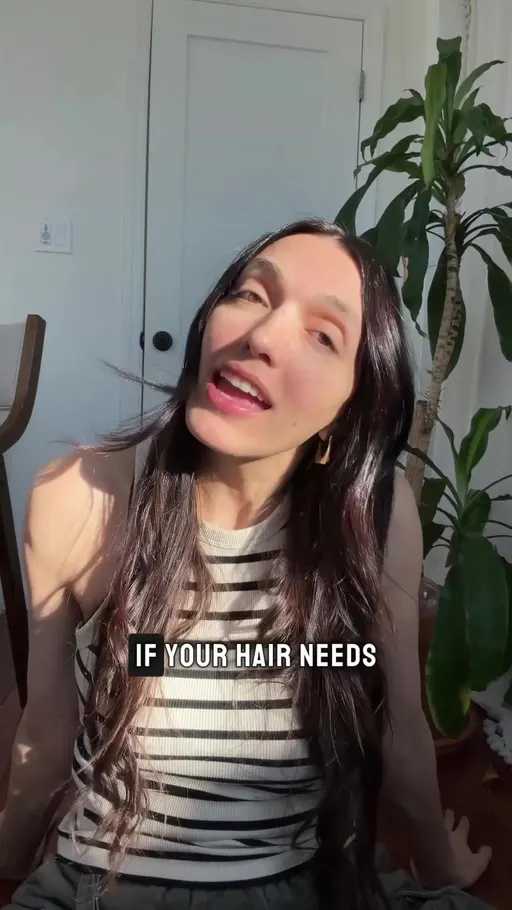
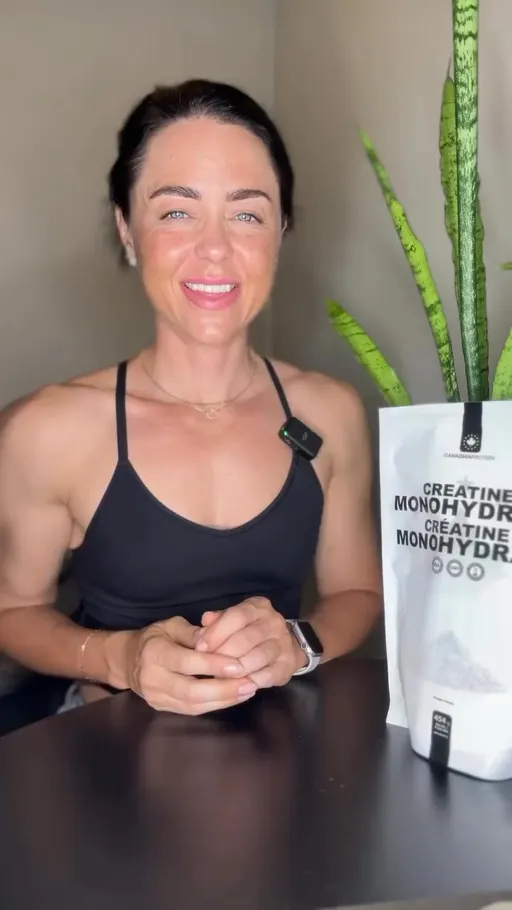
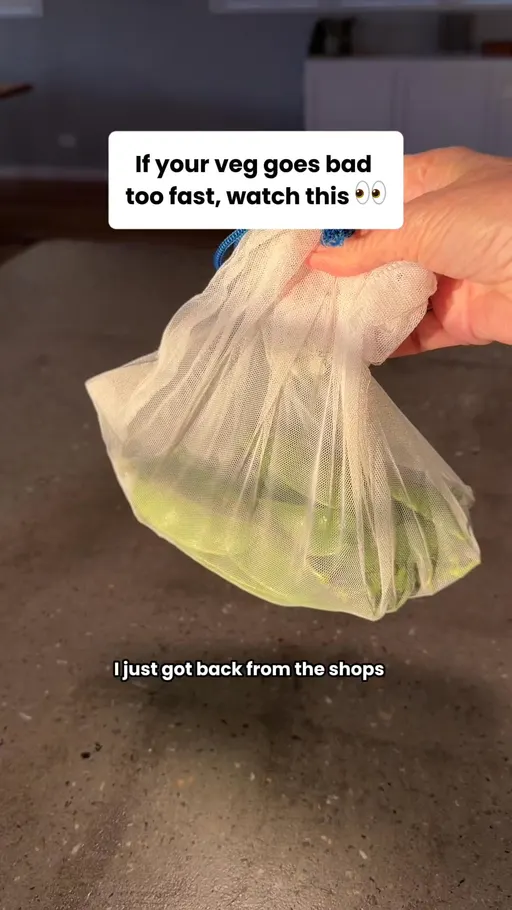
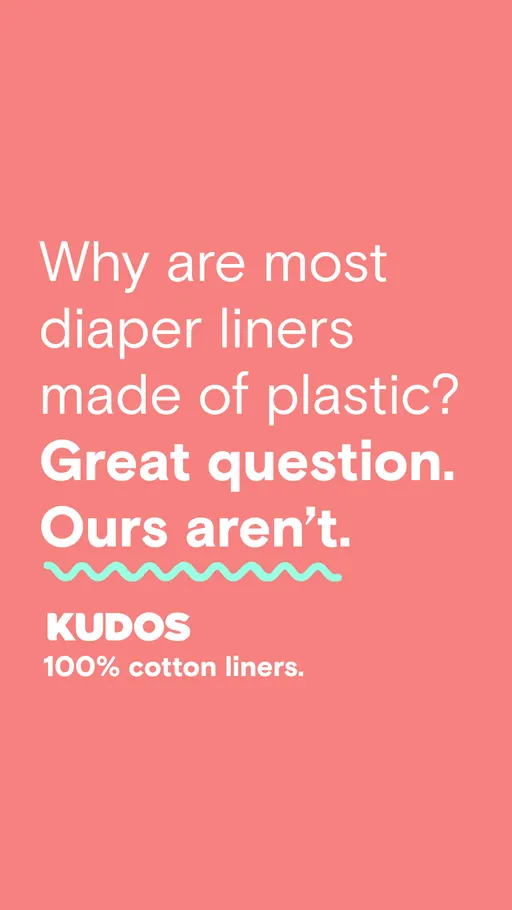
See what it does? Banyan Botanicals opens “If your hair needs support from the inside out...”, and the first three words do nothing but sort the reader in or out. Canadian Protein opens “If you want to have big juicy muscles like me when you grow up, this is your muscle building stash”, Biome opens “If your veg goes bad too fast, watch this 👀”, and Kudos opens “Why are most diaper liners made of plastic? Great question. Ours aren’t.” Each one starts in the reader's day, not the product.
One honest note. A long run only tells us a brand kept one ad live, not what that ad sold.
Now the big promise itself. The one 6 in 10 brands ran at least once.
The Bold Claim: the big promise on 80 brands
The Bold Claim is defined as an opening that puts a big promise in the first words, before any proof arrives. Say the result. Say it first. Let the proof turn up later, or not at all.
The brand count is the number to write down. 80 wellness brands ran at least one big-promise opener, out of the 128 in scope. That is about 6 in 10. It counts brands with at least one such ad, not brands that open mostly this way: Direct Question reached 78 brands too, so many brands ran both.
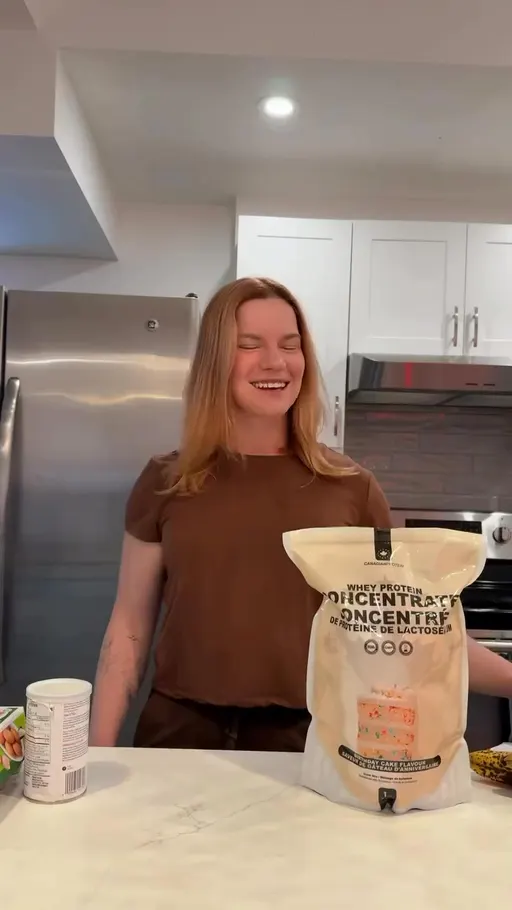
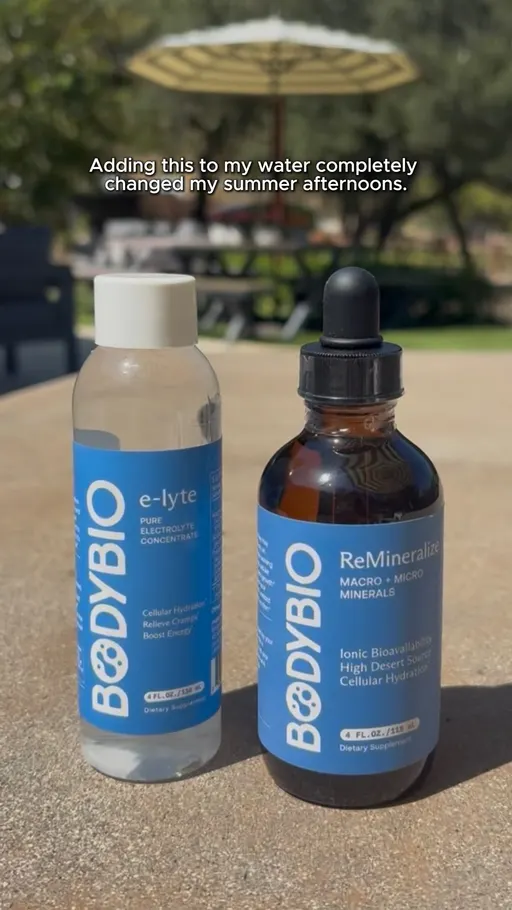
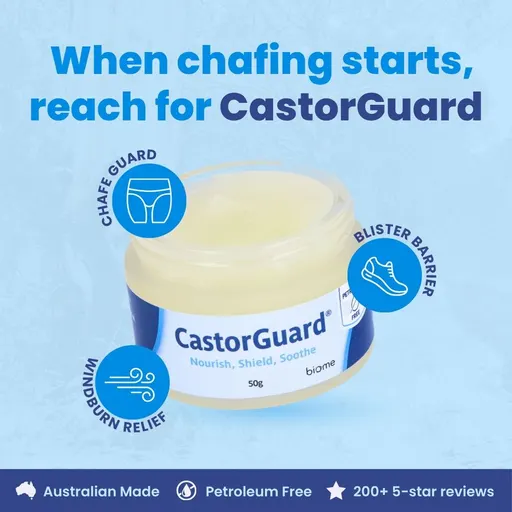
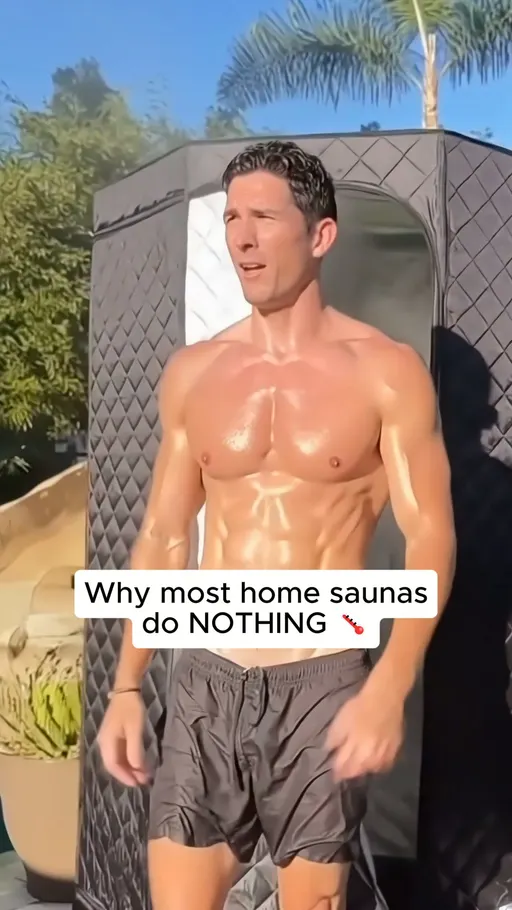
Canadian Protein opens “Bake Better. Fuel Harder. 🍞”. BodyBio opens “Adding this to my water completely changed my summer afternoons.” Biome opens “When chafing starts, reach for CastorGuard”, and Nurecover opens “Why most home saunas do NOTHING”. Four brands, four first lines, each putting the verdict before anything a shopper could check.
So what is worth testing? Newness, the smallest of the seven, which rose too. Bold Claim rose more, but it is already the most crowded box. But watch where the jump came from.
Newness: a big jump on the smallest share in the seven
Newness says a thing is new, or newly here. In September it opened 2.6% of wellness ads. In October, 4%. Here is every move.
Change in share of wellness ads, October against September 2026, in percentage points. Source: eCommerceBenchmark Ad Library, 2026.
Looks big. Read it with its base: 225 ads from 55 brands of the 128 in scope.
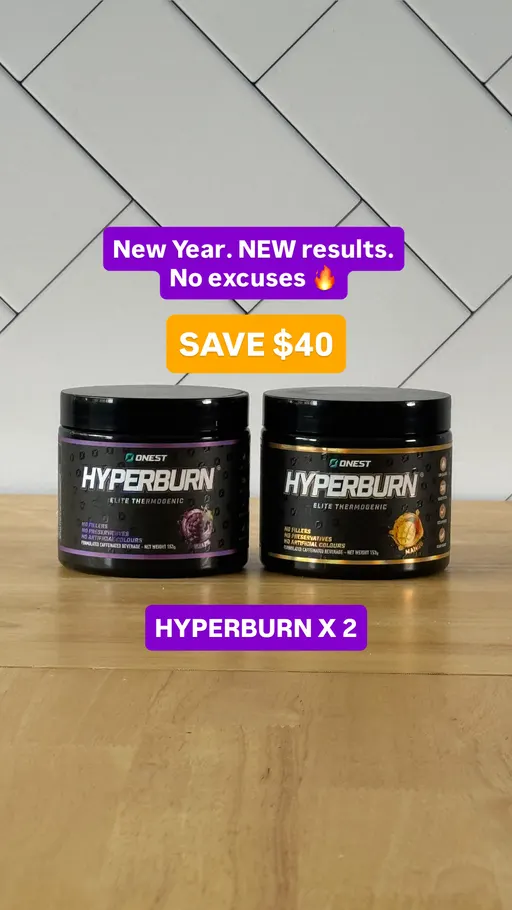
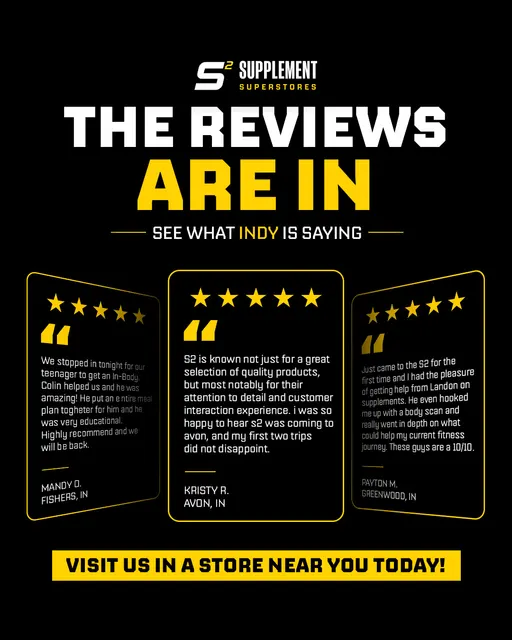
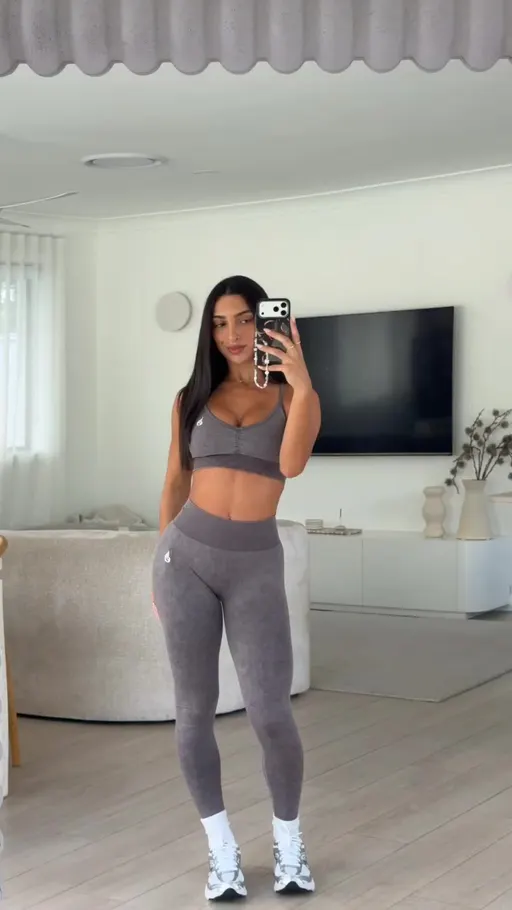
Australian Sports Nutrition opens “New Year. NEW results. No excuses”, and Supplement Superstores opens “Now open in Indianapolis”. Both put the new thing in the first words and leave the promise for later. The other two cards come from the all-industry example sample, so they show the shape of a newness line rather than what wellness brands ran.
Enough reading. Time to turn this into a plan.
Check your own wellness ads in twenty minutes
Pull your last twenty wellness ads. Read only the first line of each, with no picture around it. Put each line in one of the seven boxes from the plain-words guide, then read the result like this.
| If you see this | It probably means | Try this |
|---|---|---|
| Most of your twenty lines are a big promise | You are briefing the most crowded opening in wellness | Keep one as the control, and move one ad to a question |
| Almost no lines open on a question | You are skipping the second-biggest opening in this feed | Write one line that is only the question your shopper asks |
| No line names a moment your shopper has lived | You are leaving a lane wellness uses more than the whole market | Test one opener that starts in the moment, not the product |
| Nearly every line is a half-tease | You are leaning on the opening wellness uses least against the market | Keep one, and run it against a question-first line |
Run only one change at a time, same picture, same budget, two weeks. And judge on cost per purchase, not clicks. Here are the three tests this data supports best.
Three wellness tests to run next month
- A question-first opener. Open on the question your shopper already asks, with the product left for the headline, against your current control. Why: Direct Question came second in wellness, at 12.7% of ads. One wellness ad built on it has 251 days on air.
- One newness line, no tease. Put what is new, or newly here, in the first words, against your usual big promise. Why: it rose to 4% of wellness ads from 2.6% in September. Only 55 brands are in that lane.
- A lived-moment opener. A first line that names a moment your shopper has had, against your current control. Why: Relatability took 10.8% of wellness ads. The whole market runs it at 5.5%.
The eCommerceBenchmark Ad Library reads your ads, files each under a hook, and shows your mix beside the market's.
Audit my creatives, freeOne last thing. What happens when a whole category writes the same line?
The mistake: briefing the big promise because everyone does
The practice has a shape you will recognise. The big promise is the default first line, month after month, so the opener is settled before anybody writes it. It reads on brand.
80 other brands ran at least one big-promise opener in October. When that many reach for the same opening in one month, the first line stops saying who is talking. A shopper hears one voice instead of a choice, and the logo ends up doing the work the words should have done. (That's our reasoning, not something the data measures.)
The rest of the ranking, and what barely moved
Relatability held third, at 10.8% of October's wellness ads on 69 brands. Curiosity Gap went the other way, down to 8.3% from 10% a month earlier. It ran on 75 brands. Authority is now 7.1% of wellness ads, after 8.3% in September. That one ran on 63 brands. Price Anchor sits at 4.3%, up from 3.5% in September. Only 37 brands ran one.
All seven hooks moved by a fifth of a point or more. The top three did not change: Bold Claim, Direct Question, then Relatability. The same hook is in front, and its lead grew: Bold Claim rose from 12.4% to 15.9% while Direct Question rose from 11.4% to 12.7%.
Want the full numbers? Here they are.
The full ranking, for the curious
| Hook | October | September | Ads | Brands |
|---|---|---|---|---|
| Bold Claim | 15.9% | 12.4% | 905 | 80 |
| Direct Question | 12.7% | 11.4% | 725 | 78 |
| Relatability | 10.8% | 10.5% | 615 | 69 |
| Curiosity Gap | 8.3% | 10% | 475 | 75 |
| Authority | 7.1% | 8.3% | 406 | 63 |
| Price Anchor | 4.3% | 3.5% | 244 | 37 |
| Newness | 4% | 2.6% | 225 | 55 |
Your test card
Here is the first test from this article, set up the way a media buyer would run it. Write your numbers down before you launch.
| Hypothesis | A Direct Question-first opener will cost less per purchase than my usual big-promise opener. |
| Change only this | The first line of the ad, and nothing else. |
| Keep the same | The picture, the body copy, the button, the audience and the placement. |
| Funnel stage | Say first whether this ad is for prospecting (cold) or retargeting (warm). A deal in the first line is often right for warm audiences and wrong for cold ones, so test it where the ad will really run. |
| Setup | One control and one variant, same audience, same placement, even budget split. Do not edit either ad while the test runs. |
| How long and how much | Until each version has about 50 purchases, or two full weeks, whichever comes later. This is general testing practice (Meta's own learning-phase guideline is about 50 results per ad set per week), not a library finding. |
| Success metric | Cost per purchase, not clicks. |
| Stop rule | Pause a variant that has spent about 3 times your target cost per purchase with no purchase. If it is close, keep it running. |
| What counts as a win | The variant beats the control on the metric by an amount you would act on, and still does in a second week. |
Key takeaways
- 80 of the 128 brands in scope ran at least one big-promise opener. That hook took 15.9% of October's wellness ads [eCommerceBenchmark Ad Library, 2026], the biggest share of any hook but well under half of the ads, so on its own a big promise is unlikely to set you apart (our reasoning).
- Wellness leans on the question far more than the market, 12.7% against 5.6%. It leans on the half-tease far less, 8.3% against 15.4%.
- Direct Question came second, on 78 brands. One wellness ad built on it has 251 days on air. If your shopper already asks a question, test leading with it and let the product wait for the headline.
- Newness rose from 2.6% in September to 4% in October, on 225 ads. Just 55 brands ran one. Worth one test, not a quarter's plan.
- All seven hooks moved by a fifth of a point or more, and the top three held: Bold Claim, Direct Question, then Relatability at 10.8%.
Questions
Open last month's wellness ads and read only the first line of each one. Box it by the job that line does: a big promise, a question, a lived moment, a half-tease, a proof, a price, a new thing. Then count the boxes. If most of your lines sit in the big-promise box, you are briefing what 80 of the 128 brands in scope also briefed. Your emptiest box is the test. Write one ad into it, and run it against your usual control.