Health & Wellness Ads, October 2026: 81 of 128 Brands Ran a Bold Claim Opening at Least Once. Do Yours Read Like Theirs?

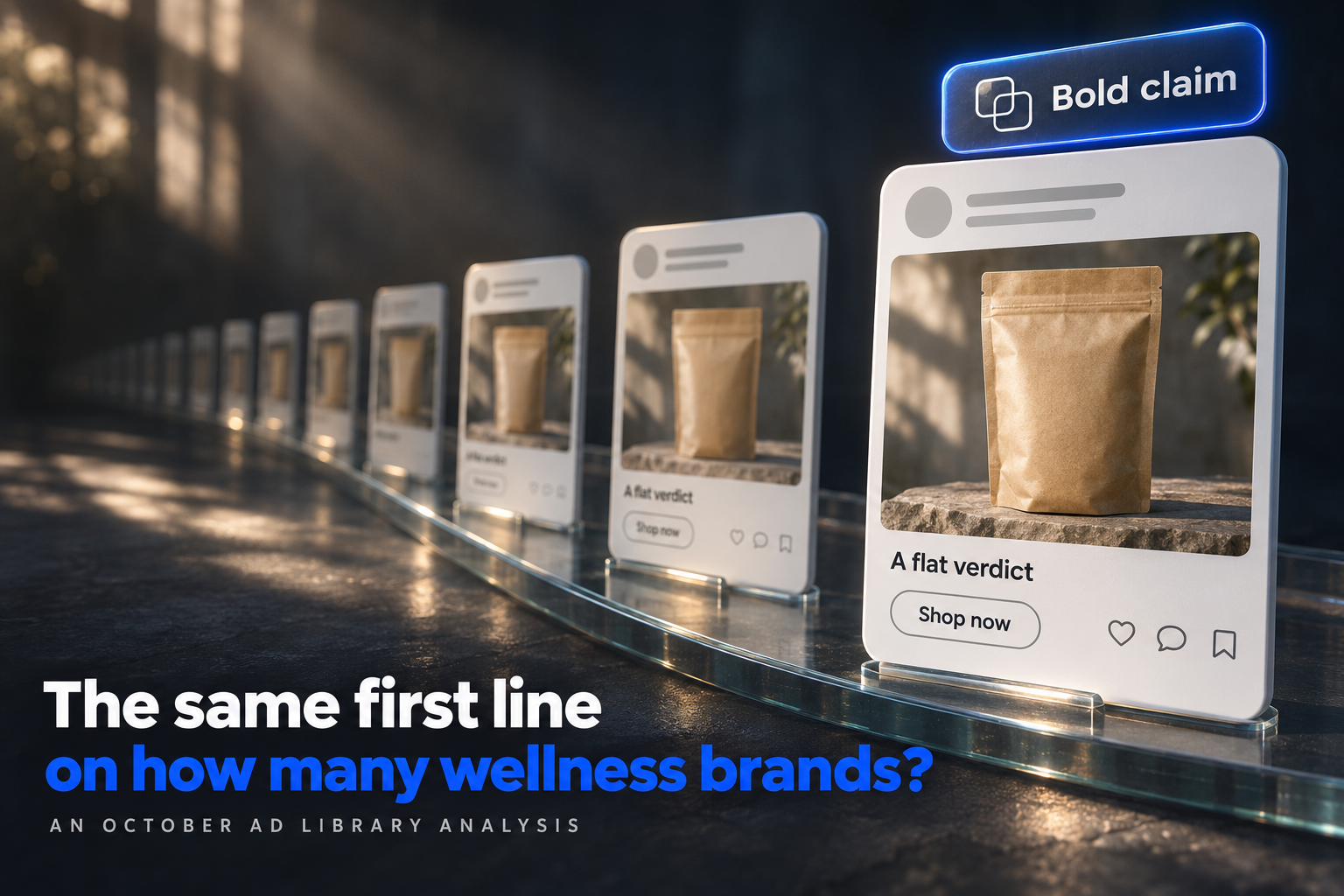
Scope: Health & Wellness ads in every country the eCommerceBenchmark Ad Library tracks. 5,770 ads active in October 2026. 128 brands in the vertical. No split by country.
Four wellness ads, read one after another.
In October 2026, the opening the most Health & Wellness brands reached for was the bold claim. 81 of the vertical's 128 brands ran one at least once [eCommerceBenchmark Ad Library, 2026]. Not brands that always open that way. Brands that ran it at least once, which is a different and more useful thing to know.
That is the whole cut: 5,770 ads active in the month, from every country the eCommerceBenchmark Ad Library tracks, with no country split.
So the hook alone is not the decision. The wording is. Here are four of those first lines, read side by side, plus one test for your own opening line next month.
- A bold claim is not what makes your ad different. 81 of 128 brands ran one at least once. Sharing a hook with that many brands is not an idea in itself.
- Switching hook does not get you out of the crowd. Direct question ran at 78 of the vertical's 128 brands. Curiosity gap ran at 73. The three most reached-for openings are crowded.
- The first line is the part you still control. The four lines below keep the same hook and still read differently. That difference is something you can test on an even budget split.
Ranked by brands, not by ad share: six openings, from 81 down to 56
A brand count is defined as the number of brands that ran at least one ad with that opening in the month, not the number that mostly open that way. Counted that way, bold claim sits at the top of this vertical: 81 of its 128 brands [eCommerceBenchmark Ad Library, 2026].
Direct question came next, at 78 brands. Curiosity gap reached 73. Relatability reached 69, authority 63, and newness 56, the lowest of the six openings counted here.
Brands with at least one Health & Wellness ad opening on each hook in October 2026, largest first. These are counts of brands, not shares of ads. Source: eCommerceBenchmark Ad Library, 2026.
Beside those 81 brands, bold claim opened 16% of the month's Health & Wellness ads. In September it was 12.8%. A share tells you what part of the month's ads carried a hook. A brand count tells you how many brands ran it at least once, which is the crowd you are writing against.
So what are those brands actually writing?
Four bold claim first lines, side by side: a number, or a verdict
A bold claim is defined as an opening line that states a flat verdict or a hard number about what the product does. Read four of this vertical's bold claim openings together and they land on one of two shapes: a short verdict closed with a full stop, or a number near the front of the line.
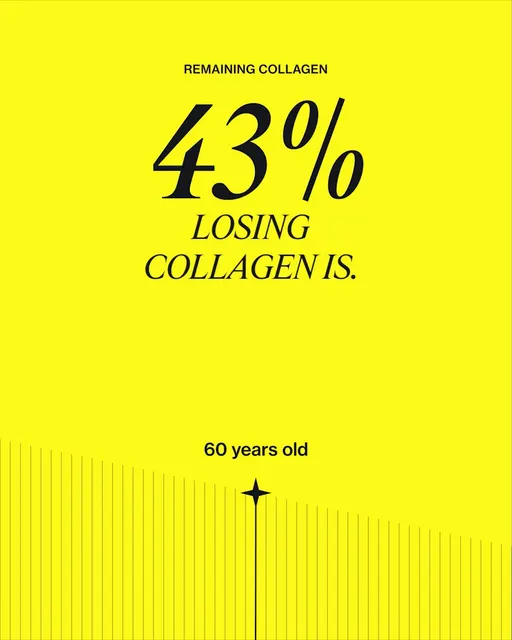
absolutecollagen.com opens on "Ageing isn't the problem. Losing collagen is.", under the headline Age Powerfully, and that ad has run 262 days [eCommerceBenchmark Ad Library, 2026]. Days on air only say how long a brand kept an ad live. They say nothing about sales or profit, because there is no spend or revenue data anywhere in this cut.
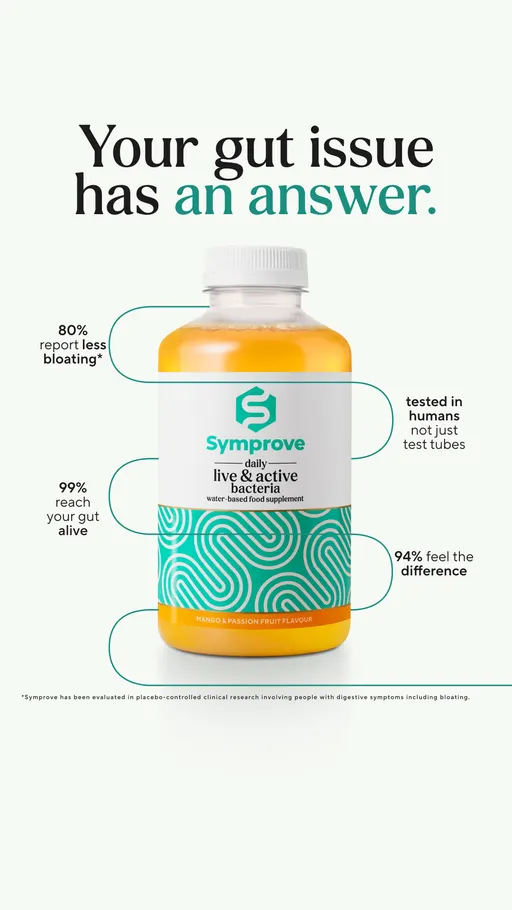
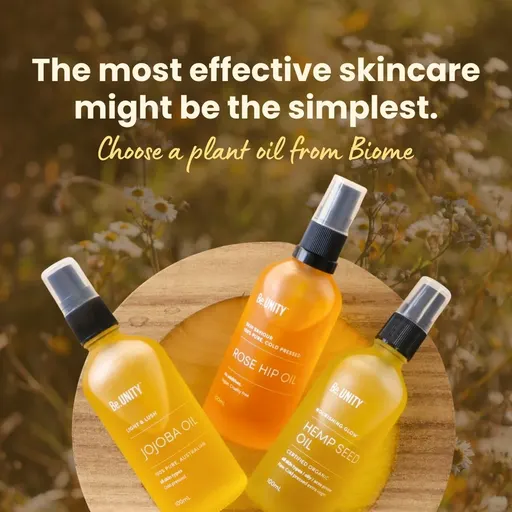
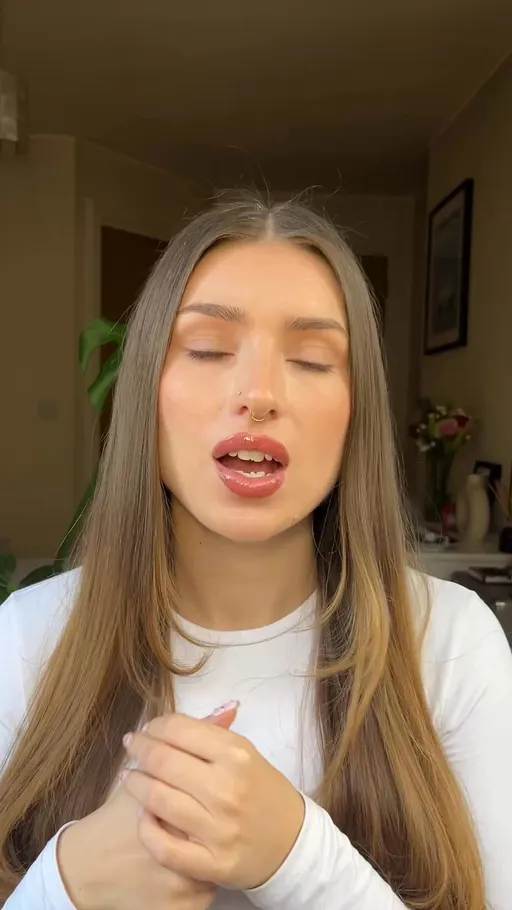
Three more, in their own words. symprove.com opens on "Your gut issue has an answer." biome.com.au opens on "One Ingredient. That's It." welzo.com opens on "I lost 20 pounds in 3 months and this is what I'd do if I had to start again".
Put them in a row and the shapes show. Symprove names the reader's problem and settles it in six words. Biome counts down to one ingredient and stops. Welzo puts a personal number near the front of the line. All three put their point in the first few words.
Absolute Collagen is the one that stands apart. Its first sentence rules out the obvious culprit, and only the second sentence names what it is arguing for. A reader meets the argument before the product.
One honest warning. The named-ad file for this hook holds 365 ads, from 54 brands, ranked by how long each ad has been on air. That ranking leans towards ads kept live a while. Read these four as examples, not a roll call of the 81.
Would a question get you out of that shape? Look at the next row down.
Direct question is the next most reached-for opening, at 78 of 128 brands
Direct question ran at 78 of the vertical's 128 brands at least once, three brands behind bold claim's 81 [eCommerceBenchmark Ad Library, 2026]. Moving hook moves you from one crowd into another.
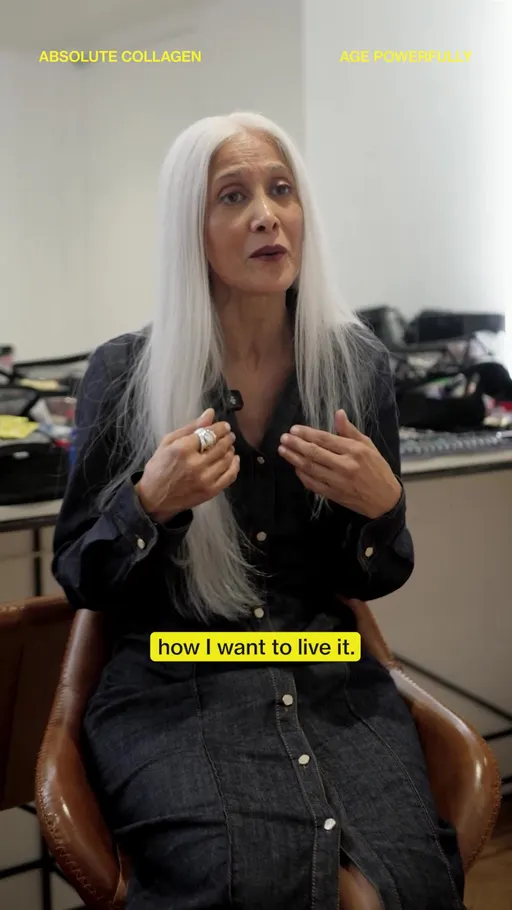
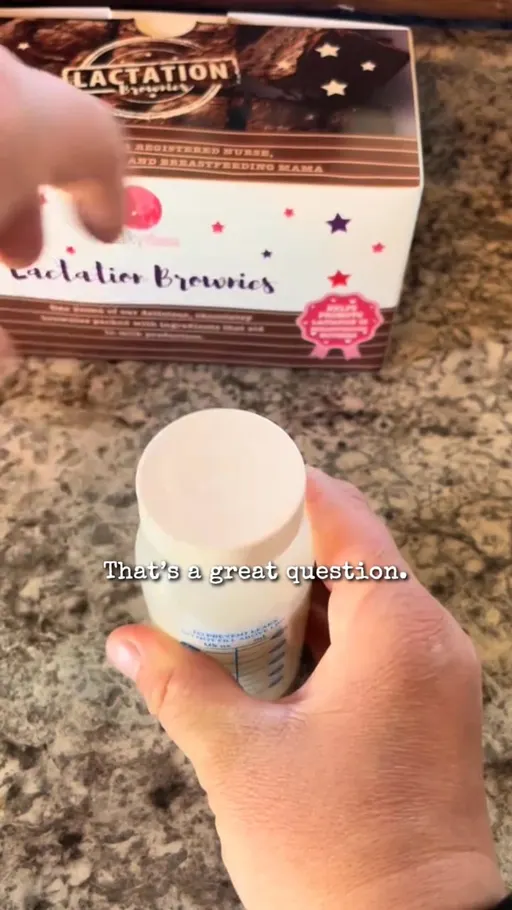
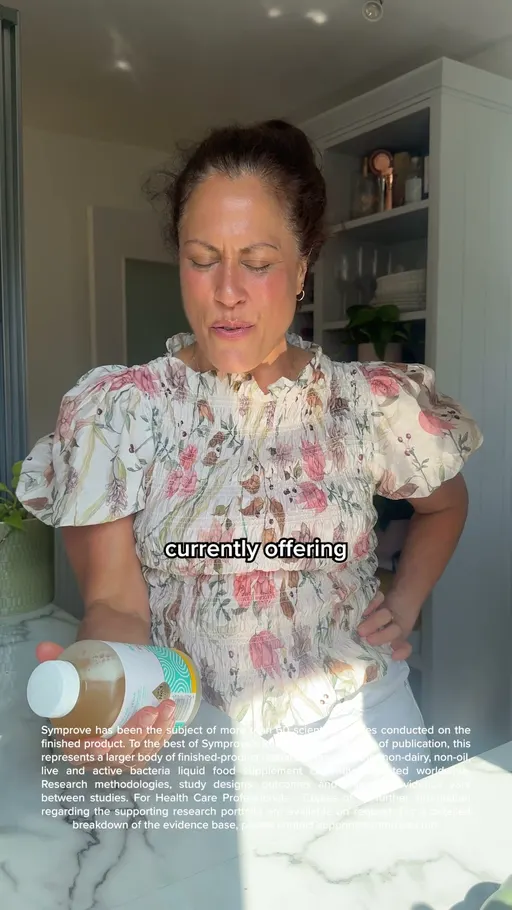
absolutecollagen.com asks "WHAT DOES AGEING POWERFULLY MEAN TO YOU?" milky-mama.com asks "What actually makes these lactation snacks different?" symprove.com asks "But is it just me, or do we all get a bit gassy?" nutritionwarehouse.com.au opens with "What's up guys?"
Same label, different jobs. Milky Mama's question is the one a shopper would ask about the product. Symprove's is a worry a reader might not say out loud. Nutrition Warehouse's is a greeting: it says hello and asks nothing of anyone. The label on all four is the same. The words are not.
The mistake: writing the same flat verdict as the brand beside you
The practice is briefing the shape instead of the sentence. The brief says make a bold claim, and the line comes back as a flat verdict. This is our reasoning, not something we measured.
Here is the crowd you are writing into. 81 of 128 brands in this vertical ran a bold claim opening at least once last month, and 78 ran a question opening [eCommerceBenchmark Ad Library, 2026]. If your line is a flat verdict too, it sits in the same shape as the brand beside you; whether a shopper reads past it is something only your own test can show. The fix sits at the level of the first three words, not the hook.
Three ways to keep the hook and lose the echo
- Keep the hook, rewrite the first three words. Run your current bold claim opening against one that rules out a cause before it names your product, same ad, same offer. 81 of 128 brands ran this opening at least once.
- Lead on a number instead of a verdict. One variant that puts a figure in the first few words, against your flat-statement control. Bold claim carried 924 of the month's Health & Wellness ads.
- Put your best question beside your best claim. Same creative, same offer, only the shape of the opening line changes. Direct question ran at 78 of the vertical's 128 brands.
The eCommerceBenchmark Ad Library sorts your ads into the same hooks, angles, concepts and offers used in this report and shows your mix next to the market, so you can see which shapes you have never shipped.
Audit my creatives, freePick whichever one your own first lines point at. The card below sets up the first test, line by line.
Your test card
Here is the first test from the box above, set up the way a media buyer would write it. Fill in your own numbers before you launch, not after.
| Hypothesis | Keeping my bold claim opening but rewriting the first line so it rules out a cause before it names my product will hold or lower my cost per purchase against my current control. |
| Change only this | The wording of the opening line. Same hook, same claim, rewritten so the first three words rule something out before the product is named. |
| Keep the same | The creative, the headline, the offer, the audience, the placements and the landing page, with budget split evenly between control and variant. |
| Funnel stage | Say first whether this ad is for prospecting (cold) or retargeting (warm). A deal in the first line is often right for warm audiences and wrong for cold ones, so test it where the ad will really run. |
| Setup | One control and one variant, same audience, same placement, even budget split. Do not edit either ad while the test runs. |
| How long and how much | Until each version has about 50 purchases, or two full weeks, whichever comes later. This is general testing practice (Meta's own learning-phase guideline is about 50 results per ad set per week), not a library finding. |
| Success metric | Cost per purchase, not clicks. |
| Stop rule | Pause a variant that has spent about 3 times your target cost per purchase with no purchase. If it is close, keep it running. |
| What counts as a win | The variant beats the control on the metric by an amount you would act on, and still does in a second week. |
Key takeaways
- 81 of the vertical's 128 brands ran a bold claim opening at least once in October 2026 [eCommerceBenchmark Ad Library, 2026], the highest brand count in this ranking.
- Direct question reached 78 brands and curiosity gap 73, so the three most reached-for openings sit a few brands apart.
- Beside those 81 brands, bold claim opened 16% of the month's Health & Wellness ads. In September it was 12.8%.
- The named-ad file for this hook holds 365 ads, ranked by time on air, so read the quoted lines as examples and not a census.
- Absolute Collagen's "Ageing isn't the problem. Losing collagen is." has run 262 days: time on air, not sales.
- Newness had the lowest brand count of the six openings shown, at 56 of the vertical's brands.
Questions
81 of this vertical's 128 brands ran a bold claim opening at least once last month. So the hook on your next brief is not the part that sets the ad apart. Pull your own October first lines and sort them into two piles: short verdicts closed with a full stop, and lines with a number near the front. Take the best one, rewrite only its first three words so it rules something out before it names your product, and run that against the original on an even split. Change the wording, keep the hook, and see what your own numbers say.