Home & Furniture Ads, October 2026: The Most-Run Selling Angle Was a Fix, on 23.9% of Ads. What Reason Do Yours Give?

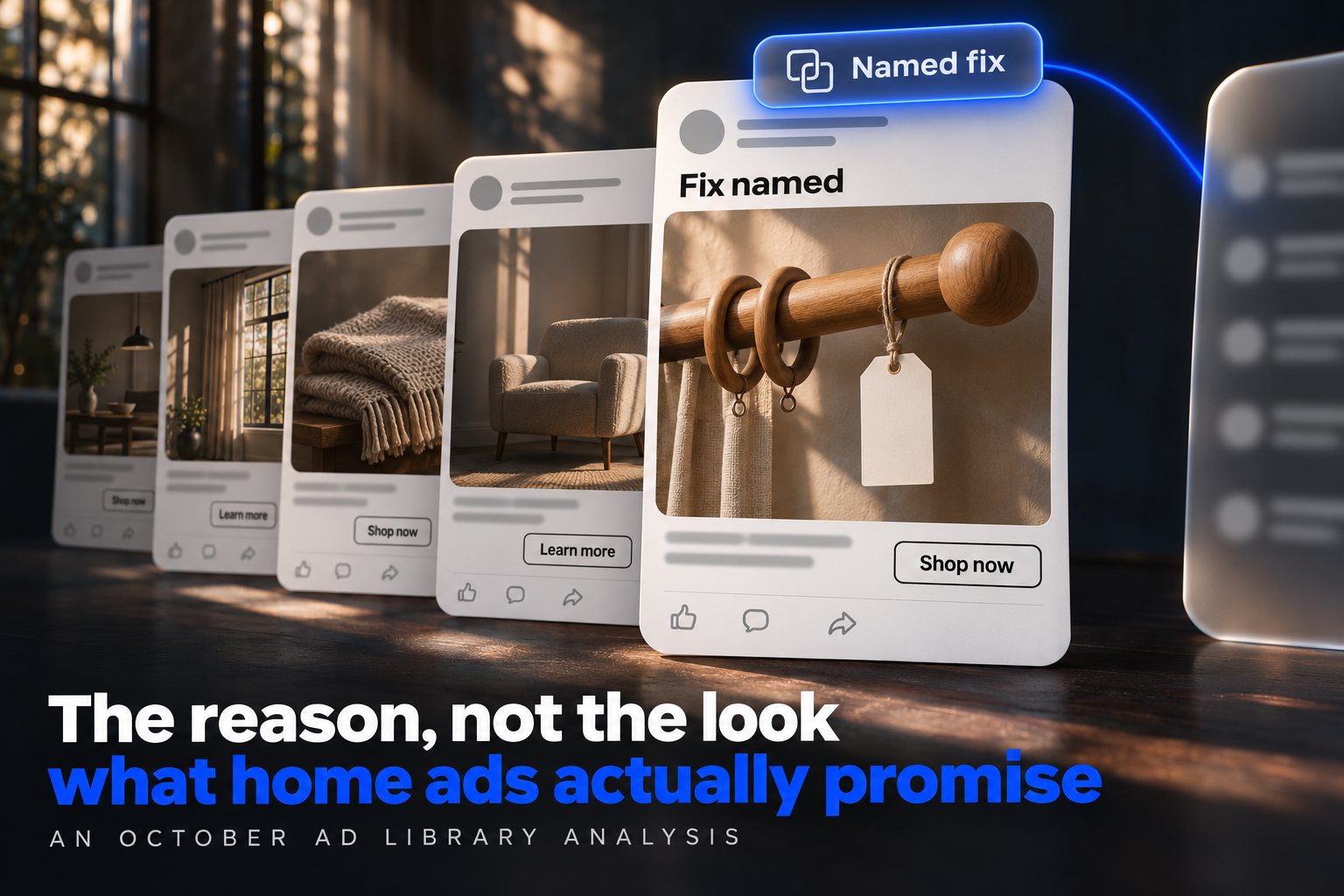
Scope: Home & Furniture ads from 85 brands across every country the eCommerceBenchmark Ad Library tracks, 4,643 of them active in October 2026 and compared with September 2026. No split by country.
Picture a feed of sofa ads.
The useful question is not how they look, but what they say they are for. In October 2026, the reason Home & Furniture brands gave a shopper most often was a fix. Solution-aware ran on 23.9% of the vertical's ads. In September it ran on 19.9% [eCommerceBenchmark Ad Library, 2026].
That lane ran on 64 of the 85 brands in the category. Second place goes to Identity, the ad that sells a look rather than a fix, at 18.6%.
And two in three of the month's ads carry no deal. 66% of October's ads named no offer at all. Here is the whole mix, lane by lane, with the ads behind each one.
- More ads sell a reason than a look. The biggest lane in the category names a problem and points at the fix. If every line in your set describes a style, you are briefing the second lane, not the first.
- A deal is the exception here, not the rule. 66% of the category's ads name no deal in their own words. A discount is not the price of entry in Home & Furniture.
- The top two lanes sit close together. Identity at 18.6% is not far behind the leader. One brief is not obviously safer than the other. What matters is that you picked.
Solution-aware ran on 23.9% of October's ads, up from 19.9% in September
Solution-aware ran on 23.9% of October's Home & Furniture ads. In September the same lane ran on 19.9% of them [eCommerceBenchmark Ad Library, 2026]. A selling angle is defined as the reason an ad gives a shopper to buy, such as fixing a named problem or belonging to a look.

That share counts every Home & Furniture ad running in October, not only the ones launched in it. It spans 64 brands.
Share of October 2026 Home & Furniture ads by selling angle, six lanes. Source: eCommerceBenchmark Ad Library, 2026.
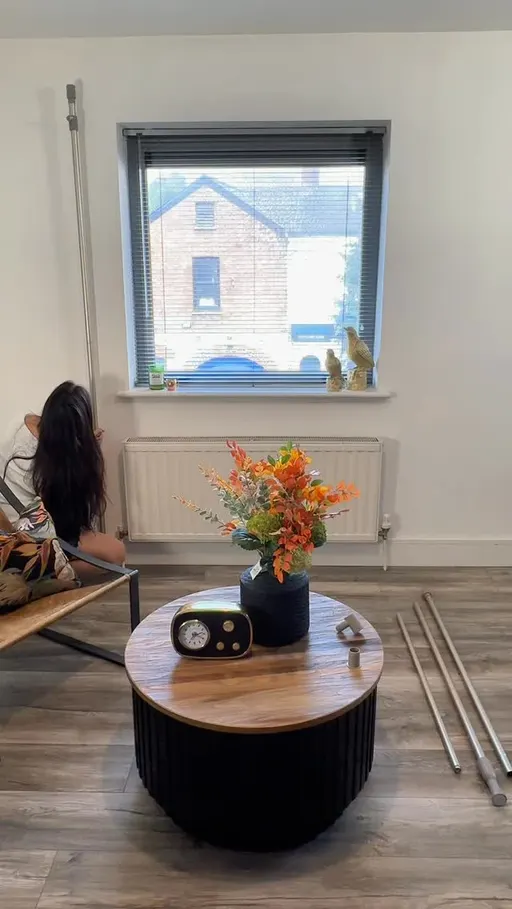
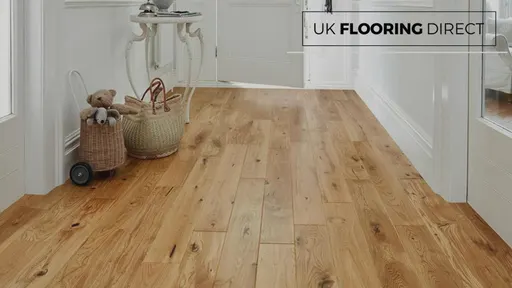
Four ads show what the lane sounds like. decoratorsbest.com opens on "Watch your walls transform": the verb comes first, the room second, and the shopper is told what changes. jmrhousetohome.ie opens with "Whether you rent or just don't want drills in your walls, the anywhere curtain pole is the perfect fix." Read the first three words again. They describe a person, not a product. ukflooringdirect.co.uk opens on "FIND YOUR PERFECT FLOOR REAL WOOD", which hands the shopper a job and then the material.
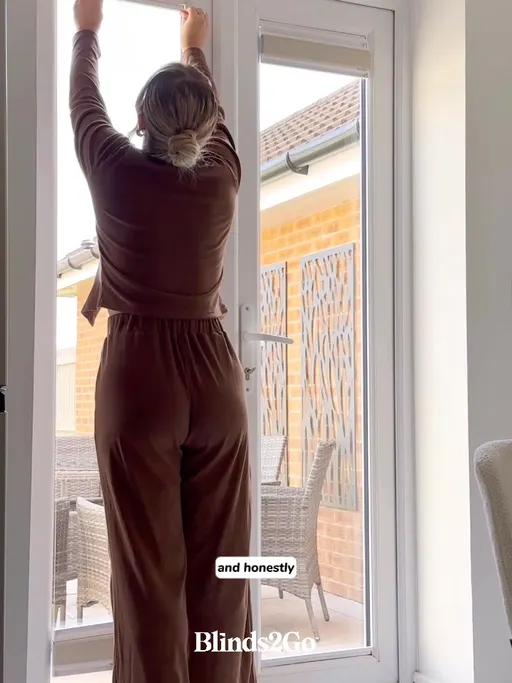
blinds-2go.ie is worth taking apart word by word. Its line is "Come and put up my new Stick On blinds from Blinds2Go". The first two words are an invitation. The fix sits inside the product name, Stick On, which tells a renter no drill is needed. No problem is stated out loud; the product name carries the fix.
So what is everybody else selling, if not a fix?
Identity holds second at 18.6%, and it sells the room instead of the fix
Identity ran on 18.6% of October's Home & Furniture ads. It is the lane that sells a look and a kind of person, with no problem named anywhere in the line. Objection crusher came third at 9%, and Comparison sits last of the six lanes at 2.9% [eCommerceBenchmark Ad Library, 2026].

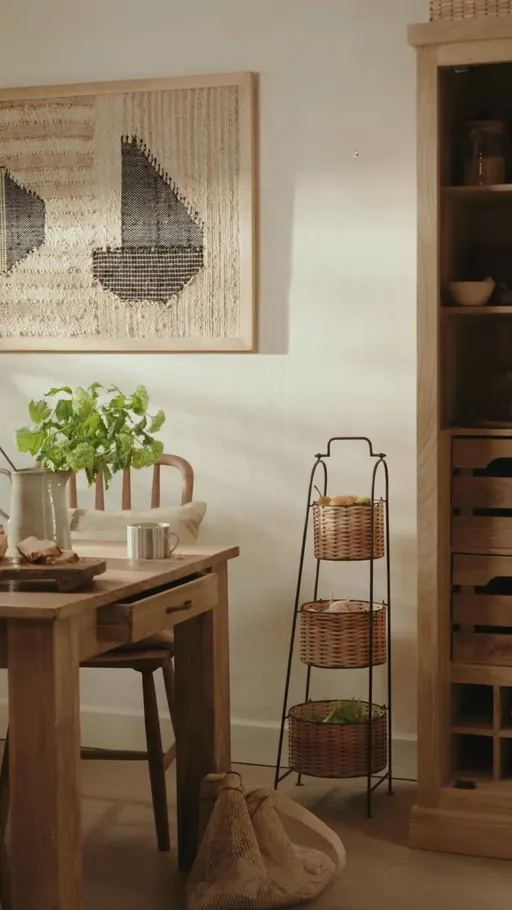
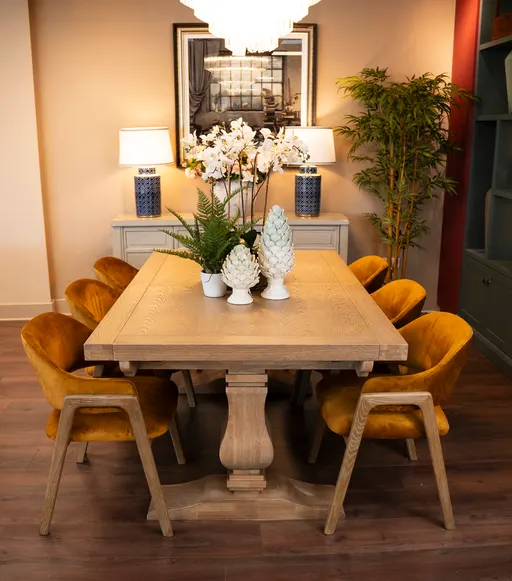
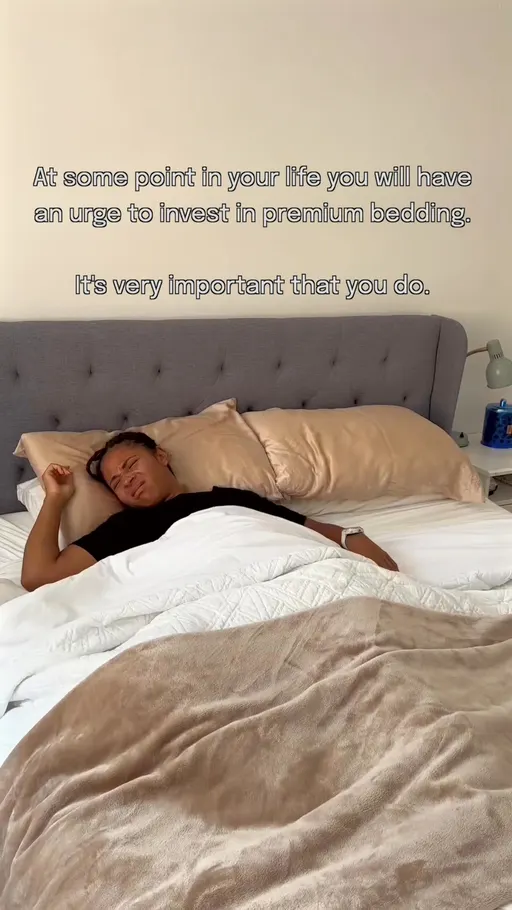
The lines are short and they describe taste. fermliving.com opens on "Playful Forms for Everyday Use". nkuku.com opens on "Thoughtful Storage". flanagankerins.ie opens on "The best stories aren’t told; they’re shared". beddingco.com.au takes longer to get there: "At some point in your life you will have an urge to invest in premium bedding. It's very important that you do." By the end of each line, the ad has described a taste rather than a task.
And what about a price?
66% of the category's ads named no offer at all
Offer framing is defined as whether an ad's own words name a deal, and which kind of deal they name. 66% of October's Home & Furniture ads named no deal at all. In September that share was 66.9%, so the base held steady while the reason brands gave moved. Across the month, 83 brands ran at least one of these brand ads. Discount was the biggest named deal at 15.3%, then Free shipping at 5.1% [eCommerceBenchmark Ad Library, 2026].
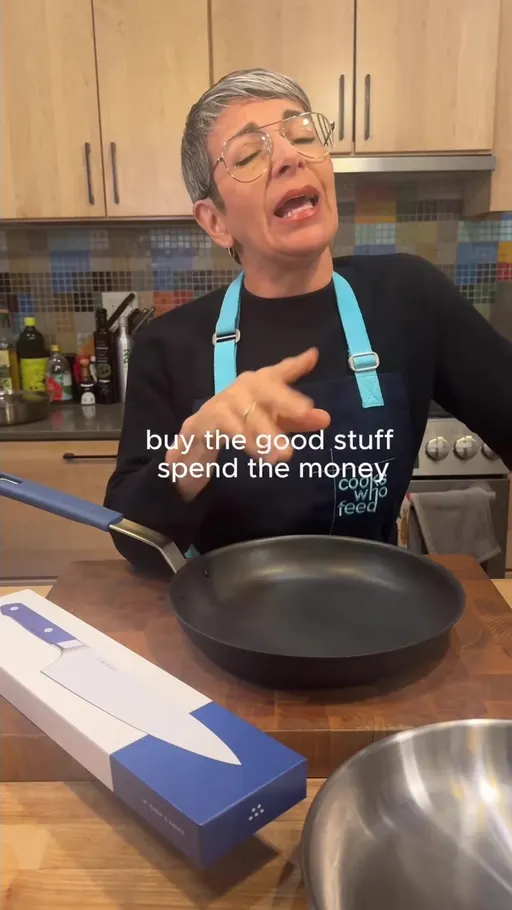
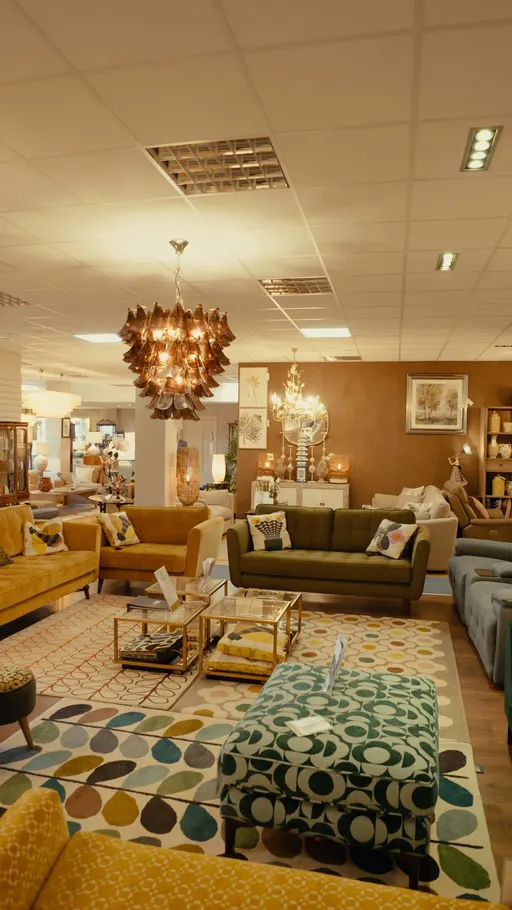
Look at what the quiet ads say instead. cozyearth.com opens on "We devoted the past decade in bed sheets. Over the past 3,752 days, we've asked one question..." misen.com opens on "I like to promote products that I feel really good about". flanagankerins.ie opens on "Welcome to Flanagan Kerins." And the curtain pole ad turns up again here: jmrhousetohome.ie names a fix and never names a price. Not one of the four lines mentions money.
One concept puts the deal in the frame itself.
Offer-first banner puts the deal in the frame, on 6.6% of ads
Offer-first banner ran on 6.6% of October's Home & Furniture ads. In that lane the deal is the layout: the saving is the picture, not a line buried in body copy. Among the concepts, it sits behind Montage at 12.8%, Product Demo Close-Up at 10.3% and Cinematic B-roll at 9.6% [eCommerceBenchmark Ad Library, 2026].


One honest warning. Concept shares rest on fewer ads than the angle and hook shares, so read the concepts against each other only, and never against a lane from another cut.
| Concept | Share of October's ads |
|---|---|
| Montage | 12.8% |
| Product Demo Close-Up | 10.3% |
| Cinematic B-roll | 9.6% |
| Offer-first banner | 6.6% |
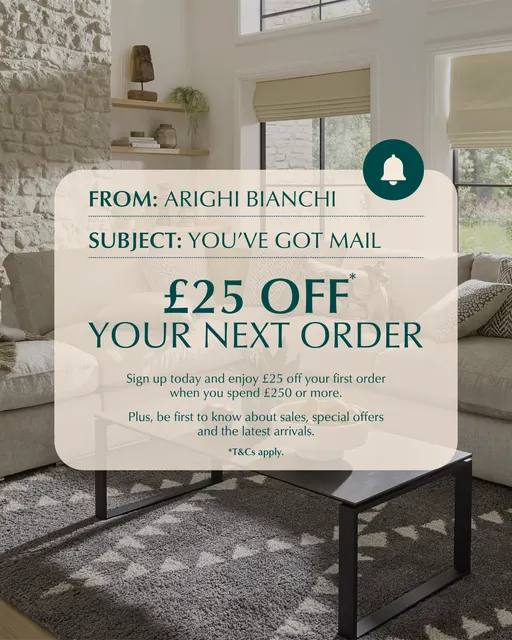
The lines read like signage. arighibianchi.co.uk opens on "Get £25 Off Your Next Order". homelinefurniture.ie opens on "FREE Internal Divider Worth €150". lights4fun.co.uk opens on "Giveaway worth over £600". connectingtonature.ie opens on "In stock | Fast Irish delivery". Each one puts the number or the promise in the first words.
That is the shape of the category: the biggest angle names a fix, two in three ads name no deal, and one concept puts the deal in the frame.
Three Home & Furniture tests for next month
- A named fix in the first line. Run one ad that opens on the problem your product solves, against your best styled-room control. Solution-aware ran on 23.9% of October's category ads.
- A brand ad with no deal in it. Pull the discount out of one creative and let the product do the talking, against the discounted version. 66% of the category's ads name no offer at all.
- The deal as the layout. Put the offer in the frame itself as an offer-first banner, against the same offer buried in body copy. That concept ran on 6.6% of October's ads.
The eCommerceBenchmark Ad Library sorts your ads into the same hooks, angles, concepts and offers used in this report and shows your mix next to the market, so you can see which shapes you have never shipped.
Audit my creatives, freeBefore you pick one, look at how the rest of the category opens its ads. The first words are a different cut from the reason.
What the category opens with: Curiosity gap at 16.5%, then Bold claim at 12%
The opening hook is the first words on screen, which is a different cut from the reason behind them. Curiosity gap opened 16.5% of October's Home & Furniture ads. Bold claim followed at 12%, then Visual reveal at 11% [eCommerceBenchmark Ad Library, 2026].
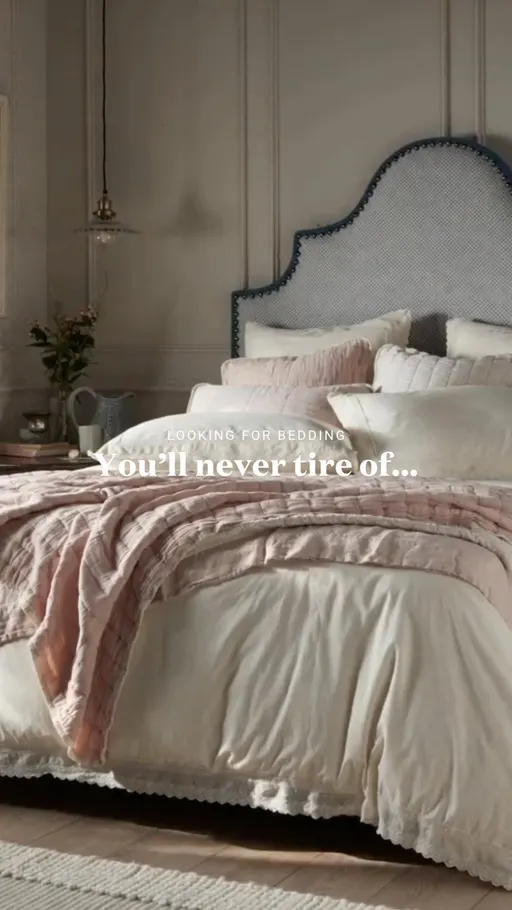
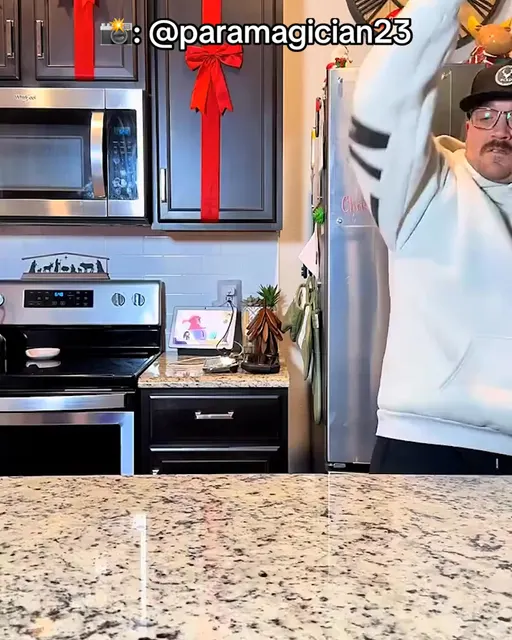


Four ads show how a curiosity gap starts. cozyearth.com holds the answer back with its decade of bed sheets line. secretlinenstore.com opens on "Looking for bedding you'll never tire of..." muddymats.com opens on "This is a K9 Cloud Bed from Muddy Mat..." ourplace.com opens on "PSA: The sexiest thing you can do is be non-toxic in the kitchen." Each one starts a thought and leaves it open.
| Opening hook | Share of October's ads |
|---|---|
| Curiosity gap | 16.5% |
| Bold claim | 12% |
| Visual reveal | 11% |
| Direct question | 5.8% |
| Urgency / FOMO | 5.7% |
| Relatability | 5.6% |
| Newness | 5.3% |
| Authority | 4.5% |
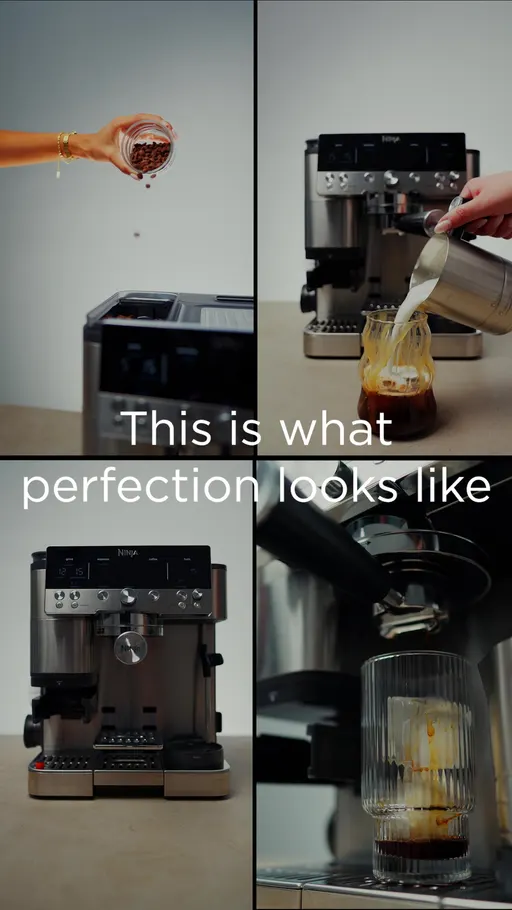
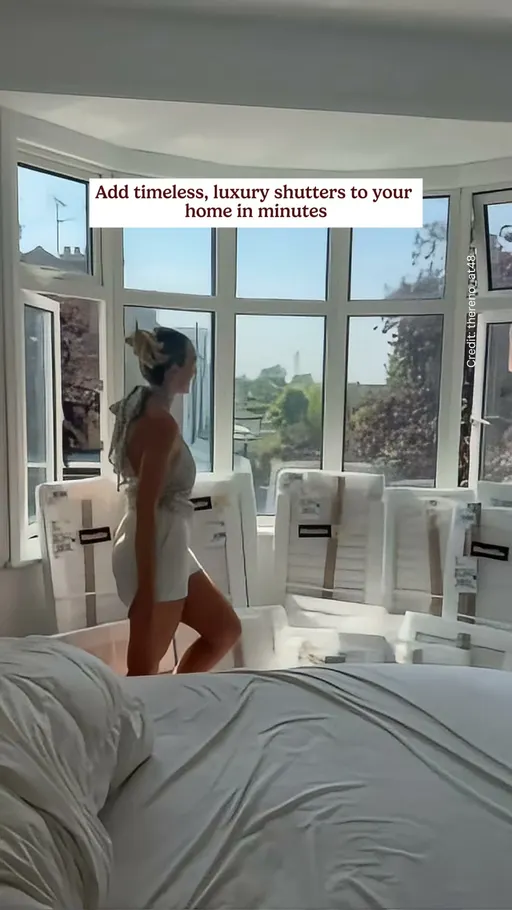
Bold claim does the opposite and says the thing outright. ninjakitchen.co.nz opens on "Your morning ritual, perfected". blinds-2go.ie opens on "Add timeless, luxury shutters to your home in minutes". rowenhomes.com opens on "money can't buy happiness but it can buy a shopping trip at rowen". snowjoe.com opens on "This entire garden hose weighs less than 2 pounds". The claim lands in the first line, and the proof has to come later.
One ad can sit in the half-tease lane and the fix lane at once. The hook is how it starts, the angle is why anyone should buy.
The whole mix: every lane, both months
The month counts 4,643 Home & Furniture ads from 85 brands. The comparison runs across two full months, October against September [eCommerceBenchmark Ad Library, 2026]. These shares say what ran, not what sold.
Source: eCommerceBenchmark Ad Library, 2026.
Two of the charted lanes moved. Solution-aware went from 19.9% to 23.9% of the category's ads. Montage went from 9.5% to 12.8%. The no-offer base edged from 66.9% to 66%, which is barely a move at all. The reason brands gave changed. The share naming no deal did not.
The mistake: briefing a pretty room with no job to do
Here is the practice. A brief goes out for another beautiful corner: good light, a sofa, a throw folded at an angle, a line about timeless style. No problem named. No deal named. The ad is handsome and it asks nothing of the shopper.
Our reading, not a measurement: nothing in that picture says which room it is for or what it fixes, so the shopper is left to work it out. Solution-aware is already the biggest lane at 23.9%, and Identity is right behind it at 18.6% [eCommerceBenchmark Ad Library, 2026]. The room is not the problem. The missing job is.
Your test card
Here is the first test from the box, set up the way a media buyer would run it. Fill in the blanks with your own numbers, and write them down before you launch.
| Hypothesis | An ad that opens by naming the problem my product fixes will hold my cost per purchase against my styled-room control on an even budget split. |
| Change only this | The opening line, rewritten to name the shopper's problem before the product. |
| Keep the same | Product, images, headline, audience, budget, placements and landing page. |
| Funnel stage | Say first whether this ad is for prospecting (cold) or retargeting (warm). A deal in the first line is often right for warm audiences and wrong for cold ones, so test it where the ad will really run. |
| Setup | One control and one variant, same audience, same placement, even budget split. Do not edit either ad while the test runs. |
| How long and how much | Until each version has about 50 purchases, or two full weeks, whichever comes later. This is general testing practice (Meta's own learning-phase guideline is about 50 results per ad set per week), not a library finding. |
| Success metric | Cost per purchase, not clicks. |
| Stop rule | Pause a variant that has spent about 3 times your target cost per purchase with no purchase. If it is close, keep it running. |
| What counts as a win | The variant beats the control on the metric by an amount you would act on, and still does in a second week. |
Key takeaways
- Solution-aware ran on 23.9% of October's Home & Furniture ads, the most-run selling angle in the vertical [eCommerceBenchmark Ad Library, 2026].
- In September the same angle ran on 19.9% of the category's ads.
- 64 brands ran at least one Solution-aware ad in October.
- Identity came second at 18.6%, the lane that sells a look rather than a fix.
- 66% of the month's ads named no offer in their own words.
- Discount was the biggest named deal at 15.3%, with Free shipping at 5.1%.
- Offer-first banner, where the deal is the layout, ran on 6.6% of the month's ads.
Questions
Open last month's ad set and add one column: the reason each ad gives a shopper to buy. Not the look, not the format, the reason. The biggest single lane filled that column with a fix, at 23.9%, and two in three ads named no deal at all, at 66%. Now read your own column. If every row says the same thing, or if the fix row is empty while the styled rooms pile up, that gap is the brief for next month.