US Beauty & Personal Care Ads, September 2026: Bold Claim Rose to 4.9% of Ads on Just 6 Brands. Is Yours One of Them?

Scope: Beauty & Personal Care ads in the US, as the eCommerceBenchmark Ad Library tracks them. 27 brands, 950 ads active in September 2026, compared with August 2026.
Most ad reports tell you what's popular. Then they leave you standing there.
This one tells you what to do about it.
For each of September's top three hooks, top three angles and top three concepts, Curiosity Gap at 19.1% through to Montage at 1.8%, you get the same five things: what it is, why it matters to you, what moved since August, which real brands ran it, and one thing to steal. Nine moves, nine things to steal. After that, the small rows that actually grew, and one ad to brief this week.
- A brief decides three things, not one. It decides the hook, the angle and the concept. Choose only the hook and you have left the other two to the person making the ad.
- The market's default in each group is the one every shopper has already seen. That is where an ad risks blending in with the five beside it.
- Each default has a shelf life. Relatability held 98.9% of its sampled ads past sixty days. Montage held 29.4%. That gap is what tells you where to spend your creative time.
But first, three words that most briefs mix up.
Hook, angle, concept: three different jobs
Mixing these three words up is the most common reason an ad brief goes wrong. A brief that asks for a stronger hook and stops there has decided one thing and left two to chance, and the person who shoots it fills in the gaps. So here are the three, plainly. A hook is defined as the first move an ad makes to stop a scroll, its first line or first seconds. An angle is defined as the reason the ad gives a shopper to buy. A concept is defined as the shape of the creative, how it is filmed, laid out or staged. Three decisions, one brief. Write all three down or someone else will.
| Word | In one line | Plain example |
|---|---|---|
| Hook | The first move an ad makes to stop a scroll: its first line or first seconds. | “I kept the receipt for a reason.” |
| Angle | The reason the ad gives a shopper to buy. | “One jar instead of the three on your shelf.” |
| Concept | The shape of the creative: how it is filmed, laid out or staged. | One hand opening a jar on a kitchen counter, held for the whole clip. |
The plain examples are made up to show the idea.
How to read a rise or a fall
Every item below shows its share of September's ads, how it compared with August, and how many brands ran it: Curiosity Gap, say, 19.1% against 20.2%, on 18 brands.
- Rising. A bigger share of ads uses it, the way Offer-First Banner went from 1.9% to 4.2%. Brands may be copying each other or testing a gap, and either way it is getting more crowded.
- Falling. A smaller share uses it, the way Curiosity Gap eased from 20.2% to 19.1%. That doesn't mean it failed, and nothing here records a brand stopping an ad.
- Flat. Its share held. Treat it as a stable baseline.
- Small. A move under half a point is small. Check the brand count, because Price Anchor's 17 ads sit on two brands, and two advertisers launching hard can lift a row on their own.
One more rule. A bigger share doesn't mean a row works better: this library has no sales, spend or profit data, so it shows what brands ran, not what earned. Each item also shows how many of its ads in a sample of long-running ads ran sixty days or more, like Problem-Aware's 100% or Montage's 29.4%. That sample is ranked by time on air, so the numbers read high. Read them as a staying-power hint and nothing more.
Ready? Start with how ads open.
The top 3 hooks: how ads open
Together, these three open about a third of September's ads: Curiosity Gap 19.1%, Relatability 9.9% and Bold Claim 4.9%. This section shows how crowded each one is, and how long its ads lasted in the sample of long-running ads.
Share of September 2026 ads by hook. Source: eCommerceBenchmark Ad Library, 2026.
Share of each hook's ads that ran sixty days or more, in a sample of long-running ads. Reads high: a staying-power hint, not a result. Source: eCommerceBenchmark Ad Library, 2026.
1. Curiosity Gap: it keeps the payoff for the next line
What it is. An opening that names something and then holds the point back, so the second line has a job to do. drsquatch.com starts on “Hi, this is Jack, founder and CEO of Dr. Squatch. If you're seeing this video, you probably just placed your first order online with Dr. Squatch.” and leaves the reason for the video to what comes after.
Why it matters to you. This is the busiest hook of the three: 181 ads from 18 brands, the widest base here. Its ads lasted, too, with 98.3% of the sampled ads past sixty days, second only to Relatability's 98.9%. Safe and busy, in other words. A shopper in this category has met this opening already today, so it is the thing to keep funded rather than the thing to brief again.
What moved. September: 19.1%. August: 20.2%. The default eased a little while smaller rows filled in, so the lane is slightly less crowded than it was, and still the largest by a long way.
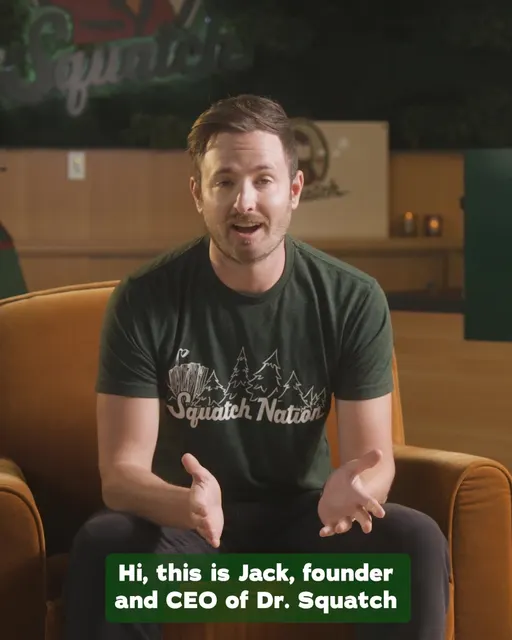
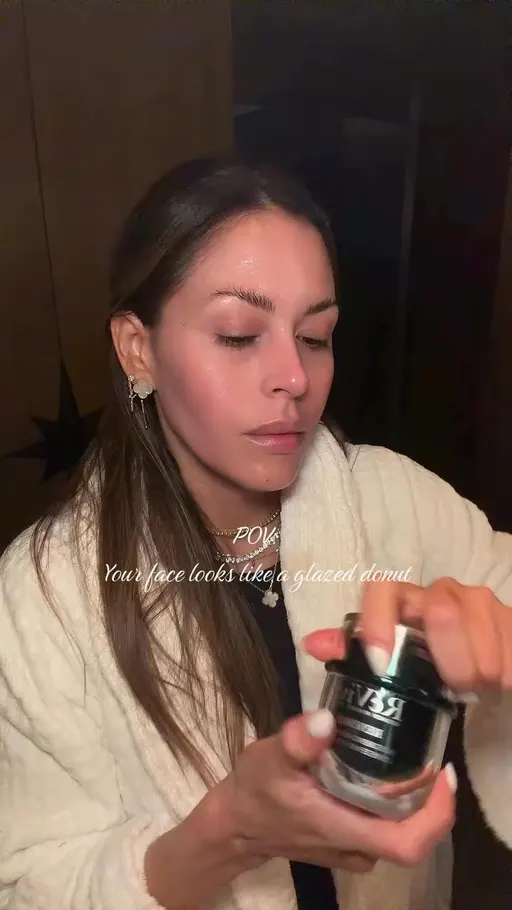
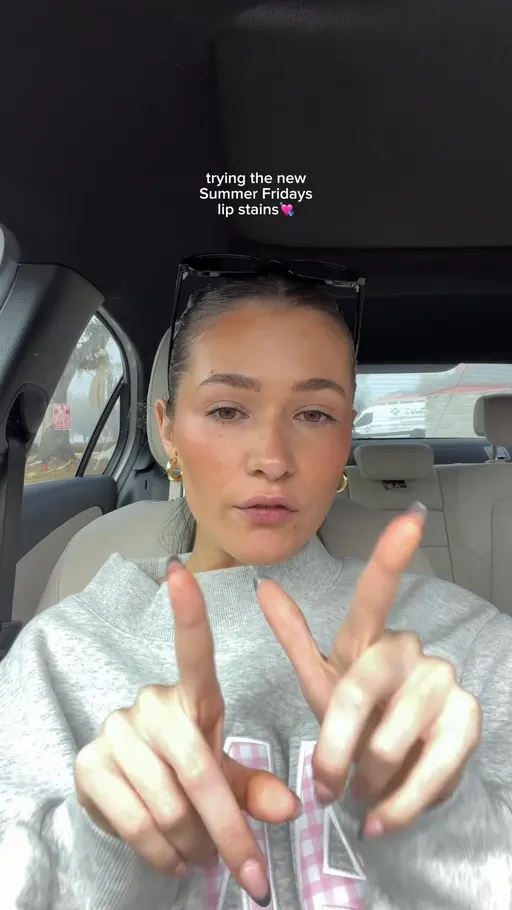
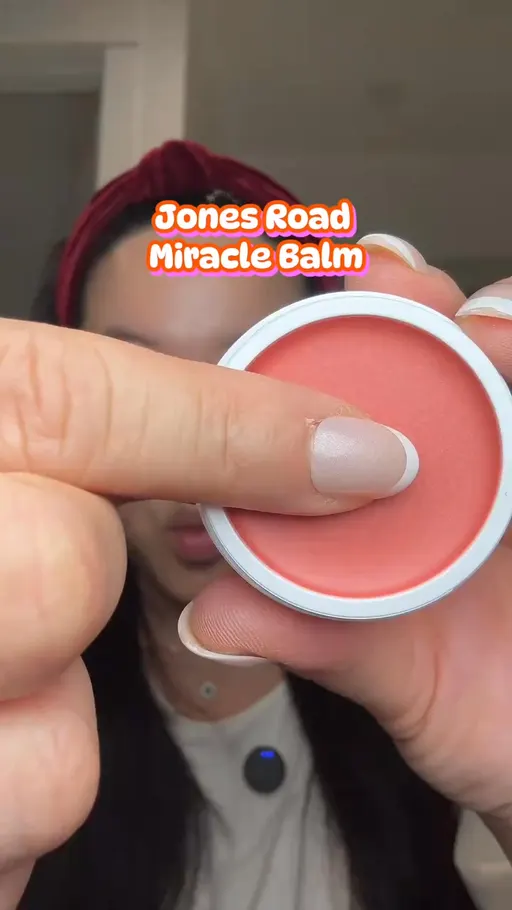
Four ads, four ways to hold something back. drsquatch.com opens on a founder saying hello and names the order, not the product. reviveskincare.com goes straight to a picture of the problem with “POV: Your face looks like a glazed donut”. summerfridays.com dares the shopper with “If you're not using a lip stain to finish off your makeup, I don't know what you're doing.”. jonesroadbeauty.com says the least of all four, three words: “Why is this so satisfying?”. That last one is the one worth copying, because it asks the questiona shopper is already asking in her head, then leaves the product to the headline.
That's the crowded one. Now the one with room.
2. Relatability: it puts the shopper's own morning on screen
What it is. An opening that describes the shopper's day back to her, so the product arrives as the answer to a scene she recognises. iliabeauty.com starts on “Sensitive eyes? You need to try this mascara” and names the complaint before the category.
Why it matters to you. It is half as crowded as Curiosity Gap by share, on 94 ads and 11 brands, fewer brands than either of the other two here. Its sampled ads held longest of the three, 98.9% past sixty days. So this is the one with room: a wide-open opening that stayed on air, carried by fewer brands than the leader.
What moved. September: 9.9%. August: 9.4%. It shows in the movers chart below too, which tells you other people are finding the same gap.
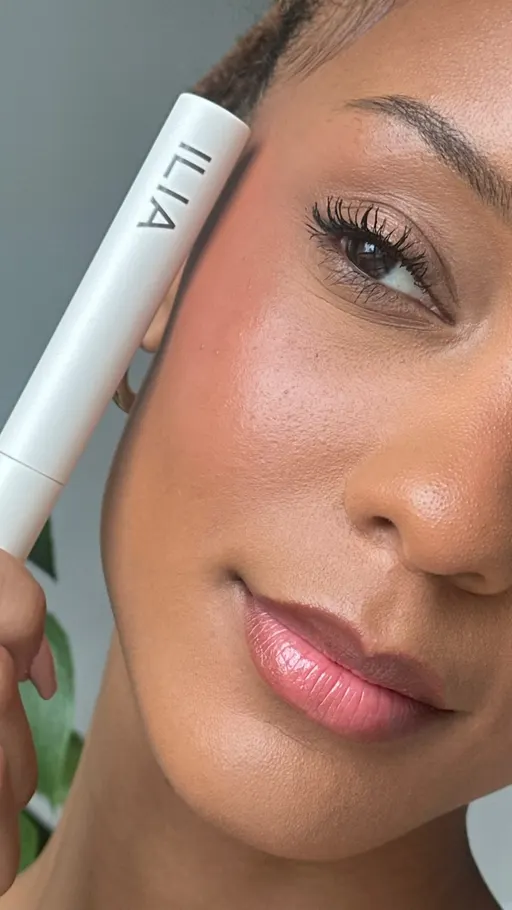
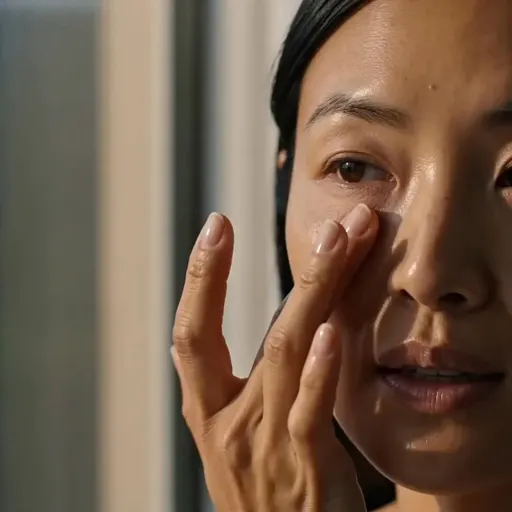
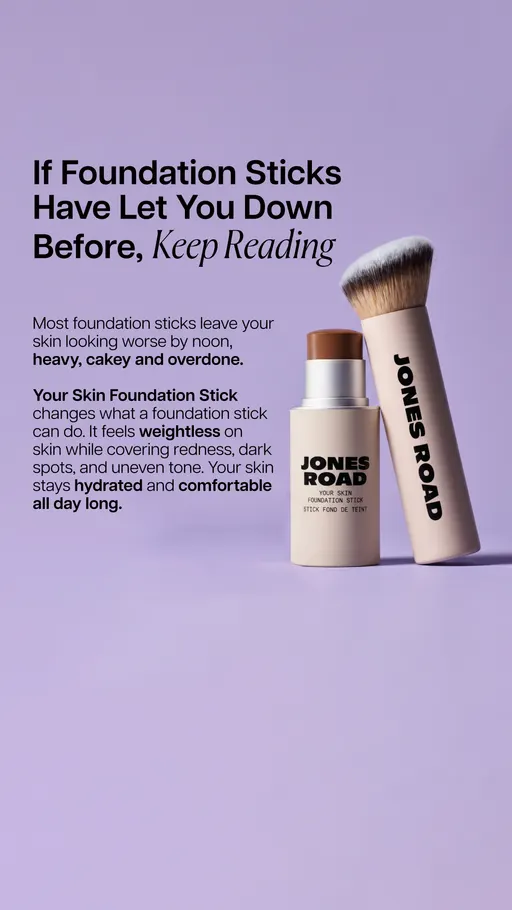
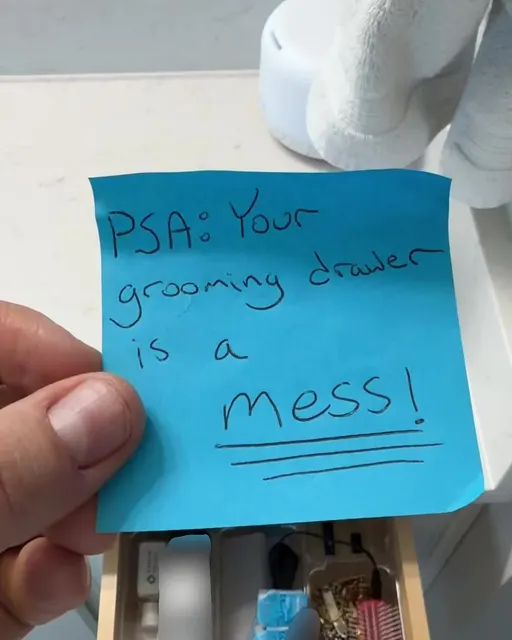
Four ads, four everyday scenes. iliabeauty.com opens on a symptom. reviveskincare.com writes the evening itself: “Late night, your skin feels the toll even if you don't.”. jonesroadbeauty.com talks to a shopper with a bad history, “If Foundation Sticks Have Let You Down Before, Keep Reading”. manscaped.com just points at the drawer. The ILIA line is the one to copy, because the complaint is the first two words and nothing else competes with it.
That's the one with room. Now the one that runs on a clock.
3. Bold Claim: it says the result out loud in the first words
What it is. An opening that states the outcome flat, with nothing held back. skinn.com starts on “Smooths deep wrinkles”, and the claim is the whole first line.
Why it matters to you. It is the smallest of the three here: 47 ads from six brands, fewer brands than Curiosity Gap or Relatability. It also has the lowest sixty-day share of the three, 68.1% in the sample. Short-lived and rewritten often, then. Brief it expecting to replace it, not to run it all quarter.
What moved. September: 4.9%. August: 3.3%. It shows in the movers chart below too. Our reading: six brands wrote more of them this month. The data records the share, not the reason.
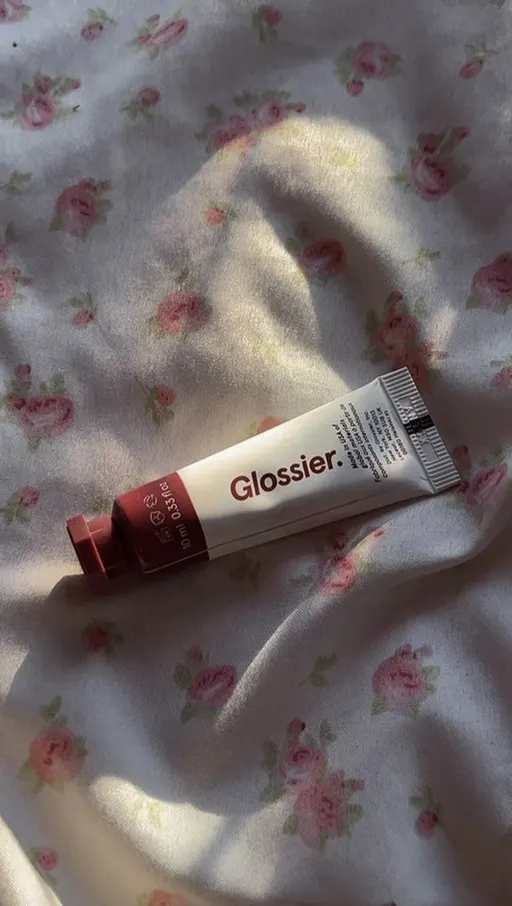
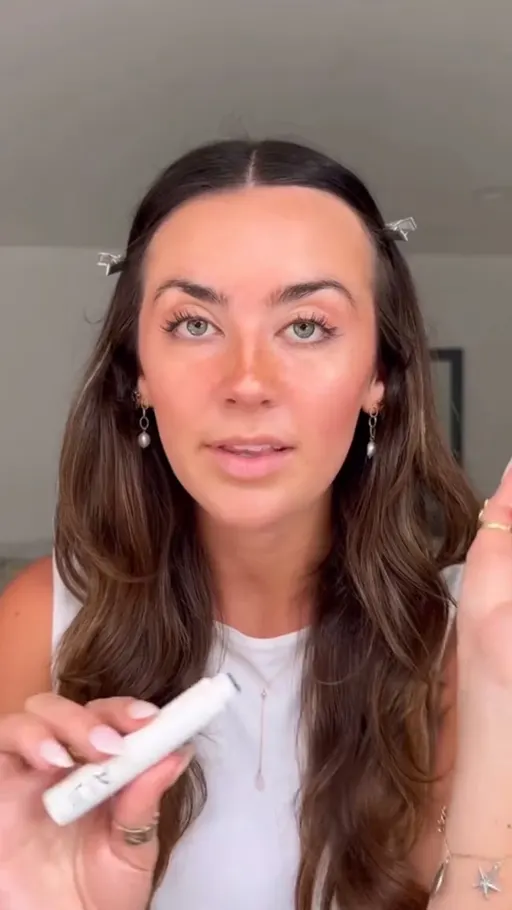
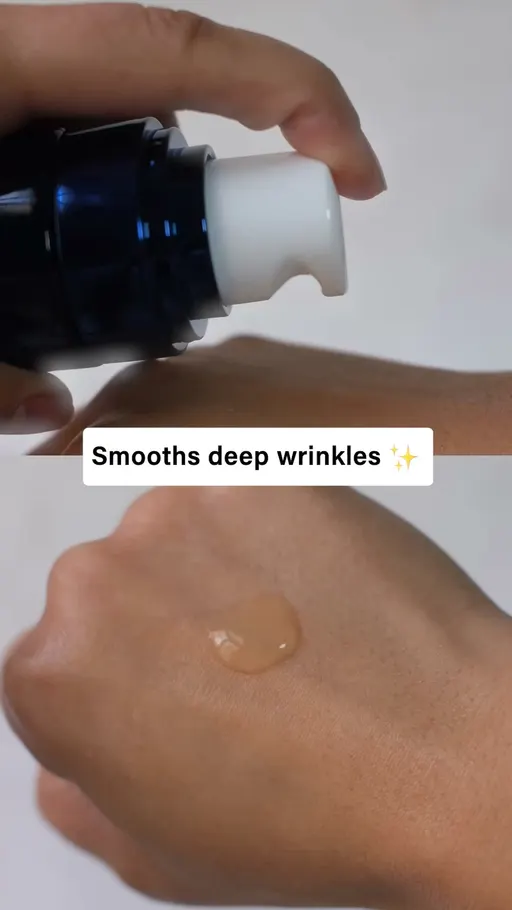
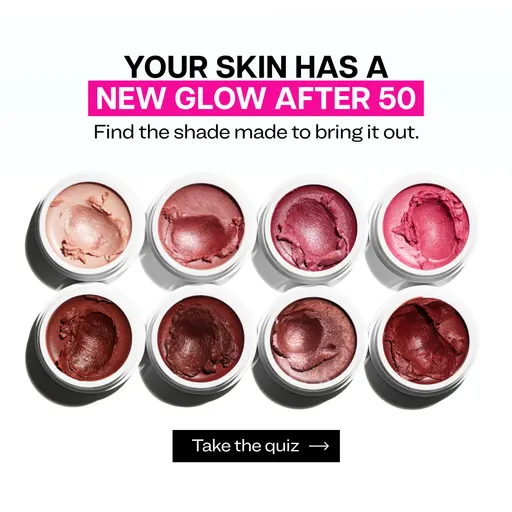
Four ads, four flat statements. glossier.com borrows a shopper's voice, “on 3 diff skin tones and it still looked fire !!”. iliabeauty.com makes its own boast, “Best mascara ever”. skinn.com names the result. jonesroadbeauty.com names the result and the reader at once: “YOUR SKIN HAS A NEW GLOW AFTER 50”. Copy that last order of words, because it tells a shopper what happens and who it happens to before she has to decide anything.
That's how ads open. But why would anyone buy?
The top 3 angles: why the shopper should buy
These three argue nearly 4 in 10 of September's ads: Problem-Aware 17.7%, Identity 13.9% and Objection Crusher 7.1%. Again, how crowded each one is, and how long its ads lasted in the sample.
Share of September 2026 ads by angle. Source: eCommerceBenchmark Ad Library, 2026.
Share of each angle's ads that ran sixty days or more, in a sample of long-running ads. Reads high: a staying-power hint, not a result. Source: eCommerceBenchmark Ad Library, 2026.
4. Problem-Aware: it names the thing that is already annoying the shopper
What it is. An argument that starts from a problem the shopper has today and makes the product the way out. drsquatch.com starts on “Oi lads, you need to stop using deodorants like this 'cause they just cause itchiness and irritation.” and names the habit before the product.
Why it matters to you. It is the busiest argument of the three: 168 ads across 15 brands. Every one of its sampled ads ran sixty days or more, 100%, the highest of the three here. Safe and busy. If your next brief says nothing about the angle, this is probably what you will get by default.
What moved. September: 17.7%. August: 17.9%. That is a small move, so watch it again next month before you read anything into it.
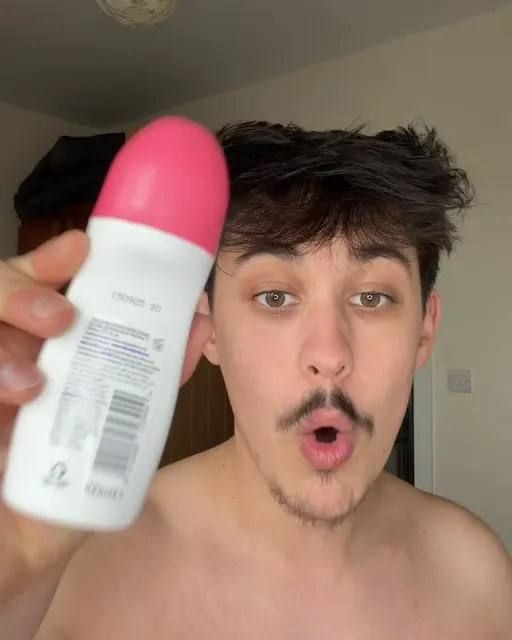
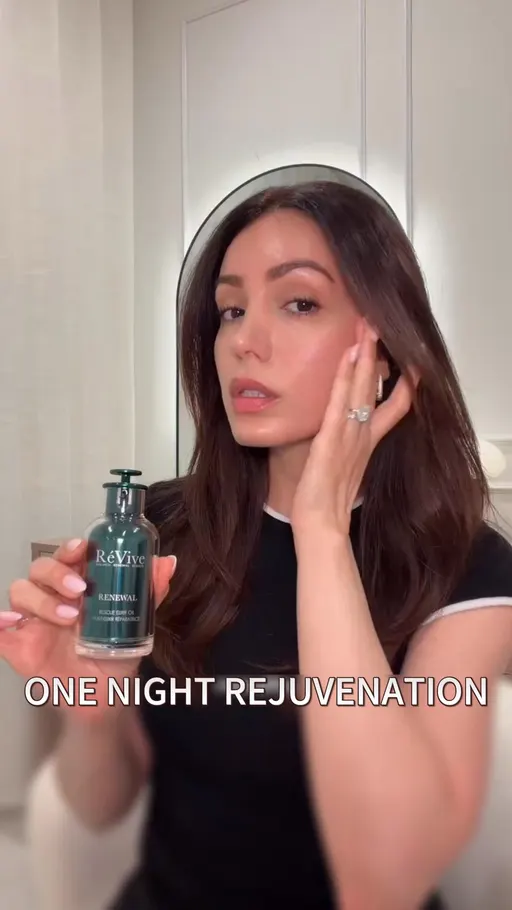
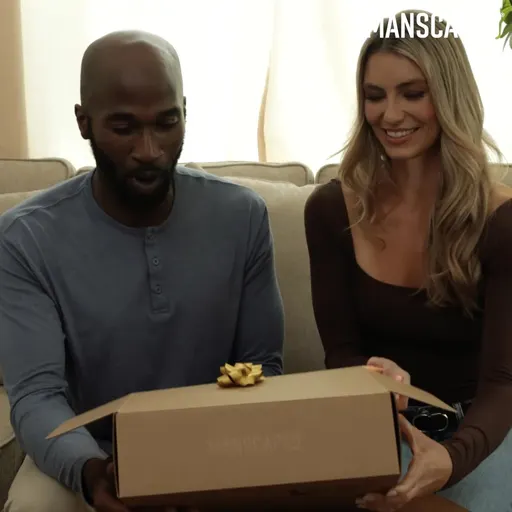
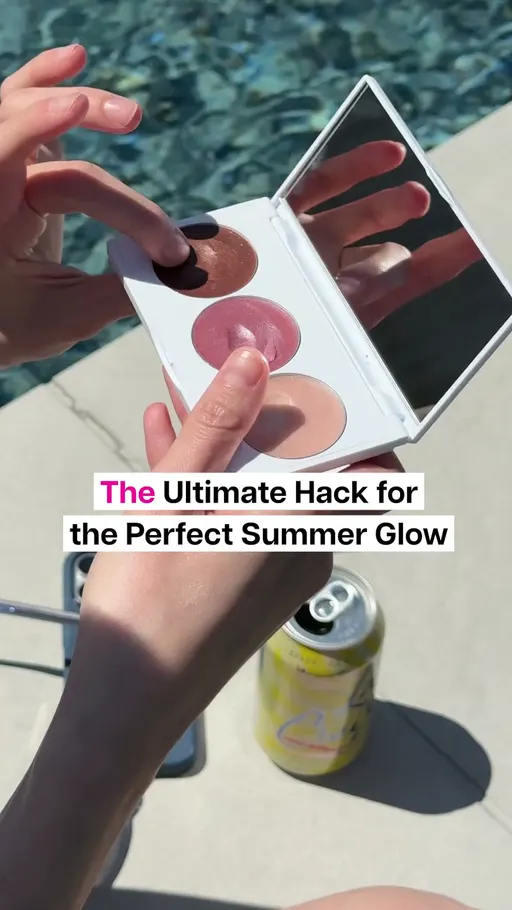
Four ads, four problems named early. drsquatch.com opens on the itch. reviveskincare.com promises the repair in three words, “ONE NIGHT REJUVENATION”. manscaped.com speaks to the gift buyer instead of the user: “You need to get your man the Beard Hedger Plus Kit from Manscaped.”. jonesroadbeauty.com offers a shortcut, “The Ultimate Hack for the Perfect Summer Glow”. The Dr. Squatch order is the one to copy: the habit first, the product second.
That's the base this market argues from. Now the one the most brands carry.
5. Identity: it sells the shopper a version of herself
What it is. An argument that puts the person before the product, so buying is a way of being someone. jonesroadbeauty.com starts on “GRWM in the car using Jones Road Beauty” and the scene arrives before the thing.
Why it matters to you. More brands run this than either of the other two angles here, 18 of them, across 132 ads. Its sampled ads held at 88.6% past sixty days, under Problem-Aware's 100%. So a shopper has met this argument from almost everyone in the category, which is the risk: busy, and nothing about it is yours.
What moved. September: 13.9%. August: 14.1%. Two shares a hair apart, which means this is the stable part of the market, not the part to chase.
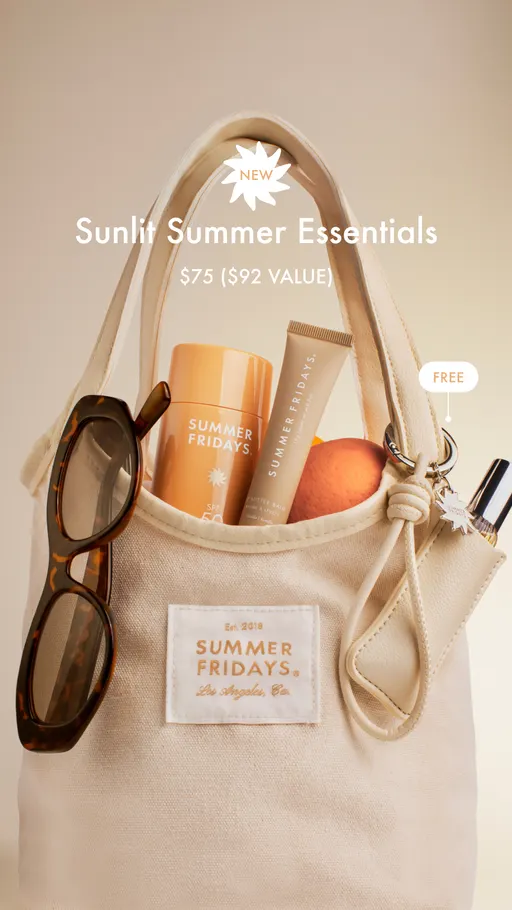

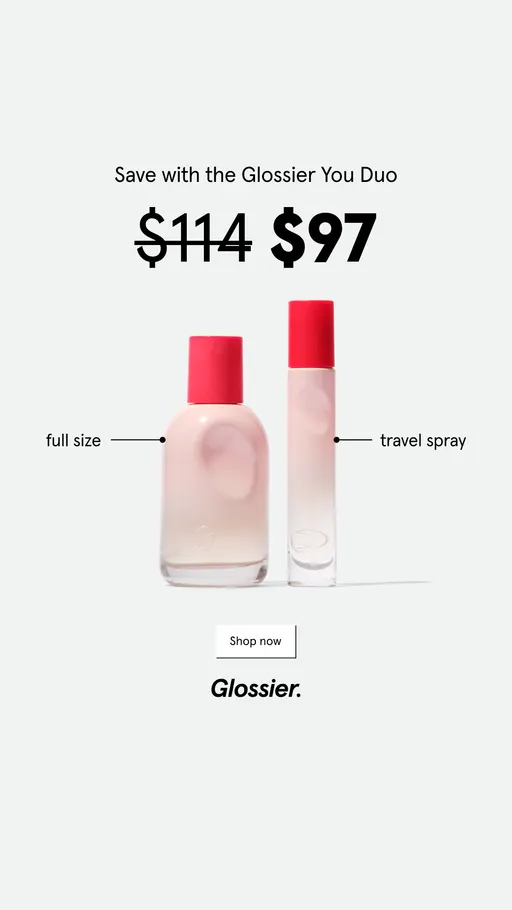
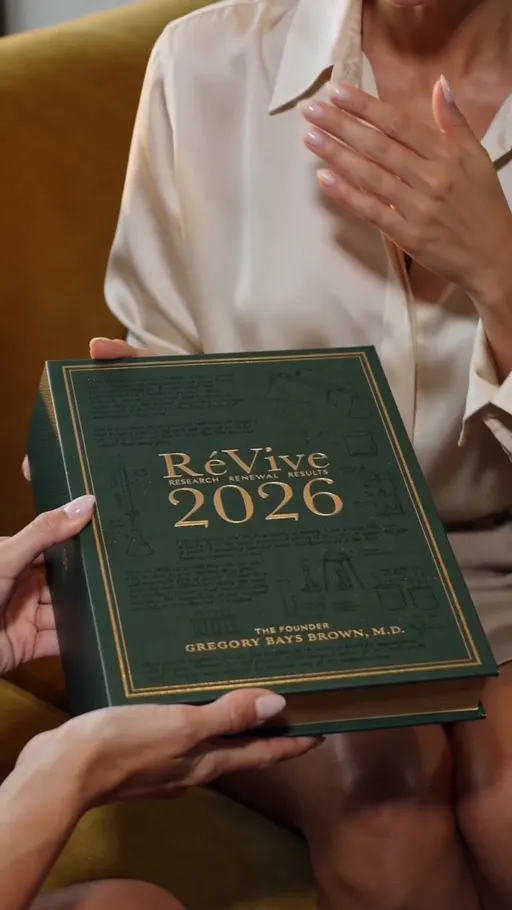
Four ads, four kinds of belonging. summerfridays.com names a season, “NEW Sunlit Summer Essentials”. jonesroadbeauty.com names a moment in a car. glossier.com names the saving and the duo, “Save with the Glossier You Duo”. reviveskincare.com reaches for the long view, “Give your skin the gift of timeless beauty.”. The Jones Road line is the one to copy, because the shopper sees the school run before she sees makeup.
That's the widest. Now the one that answers back.
6. Objection Crusher: it answers the doubt before the shopper raises it
What it is. An argument that takes the reason to wait off the table, usually with a bundle, a freebie or a price. drsquatch.com starts on “9 soaps and a FREE Dopp Kit???” and the count comes before the word free.
Why it matters to you. It is the smallest of the three here, 67 ads on 15 brands, and it has the lowest sixty-day share of the three at 83.6%. It is also the one with room: the only one of the three that deals with the shopper's hesitation instead of her problem or her self-image.
What moved. September: 7.1%. August: 6%. It shows in the movers chart below too, so other brands are writing into it as well.
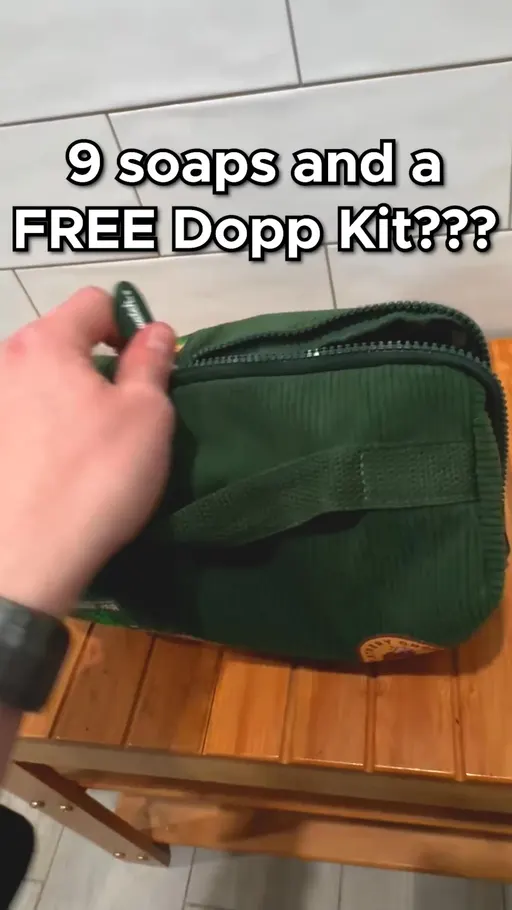
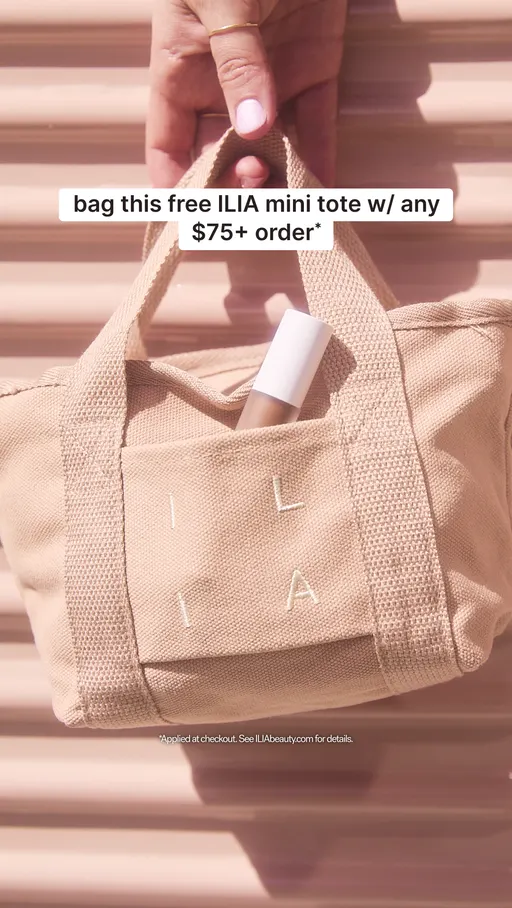
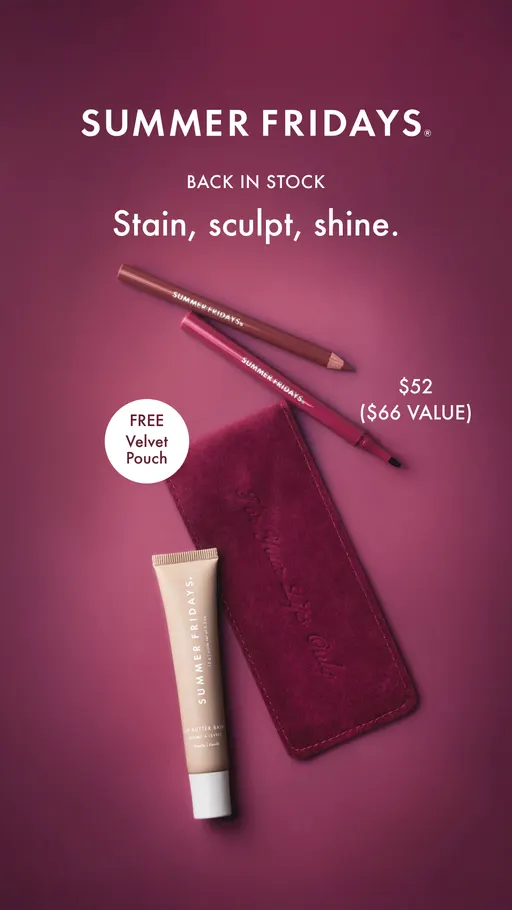
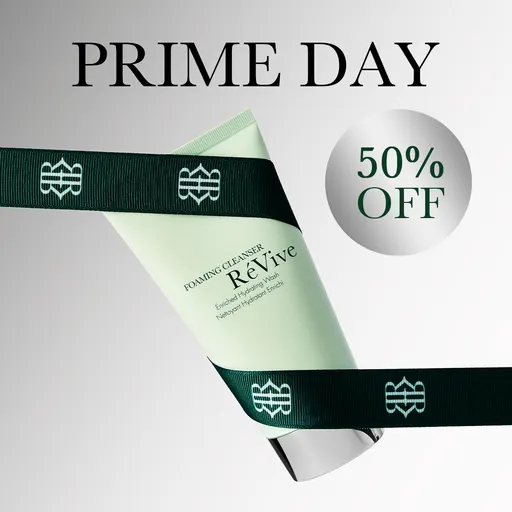
Four ads, four doubts removed. drsquatch.com counts the box. iliabeauty.com adds a gift, “Free ILIA Mini Tote*”. summerfridays.com answers the sold-out worry, “Essential Lip Kit is BACK”. reviveskincare.com states the discount bare, “50% OFF”. Copy the Dr. Squatch order: the quantity first, then the free thing, so the value lands before the deal does.
That's the reason to buy. Now the shape it arrives in.
The top 3 concepts: how the ad looks
A concept is the shape of the creative, and fewer ads carry a concept than a hook or an angle, so these shares look small: compare concepts only with each other, never with a hook or angle share. Product Demo Close-Up staged 13.2% of September's ads, Offer-First Banner 4.2% and Montage 1.8%, about 1 in 5 between them. Here is how crowded each is, and how long its ads lasted.
Share of September 2026 ads by concept. Source: eCommerceBenchmark Ad Library, 2026.
Share of each concept's ads that ran sixty days or more, in a sample of long-running ads. Reads high: a staying-power hint, not a result. Source: eCommerceBenchmark Ad Library, 2026.
7. Product Demo Close-Up: it holds the thing in frame until you understand it
What it is. A shape built around the product itself, close and still, with the words doing little. manscaped.com starts on “The new beard trimmer from MANSCAPED” and names the thing plainly.
Why it matters to you. It is the busiest shape of the three, 125 ads from 12 brands, and its sampled ads held longest of the three at 93.6% past sixty days. This is your control shape. A shopper understands it in a second, which is both why it stays on air and why it looks like everyone else.
What moved. September: 13.2%. August: 12.4%. It shows in the movers chart below too.
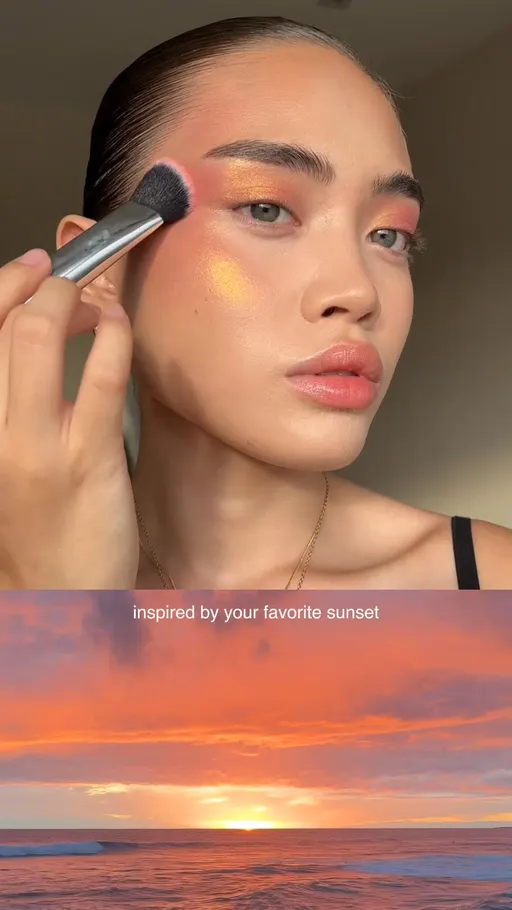
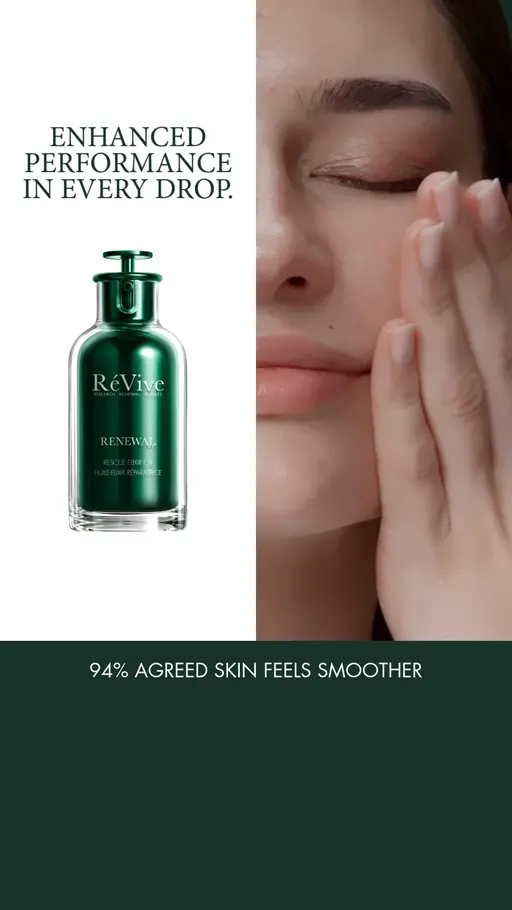

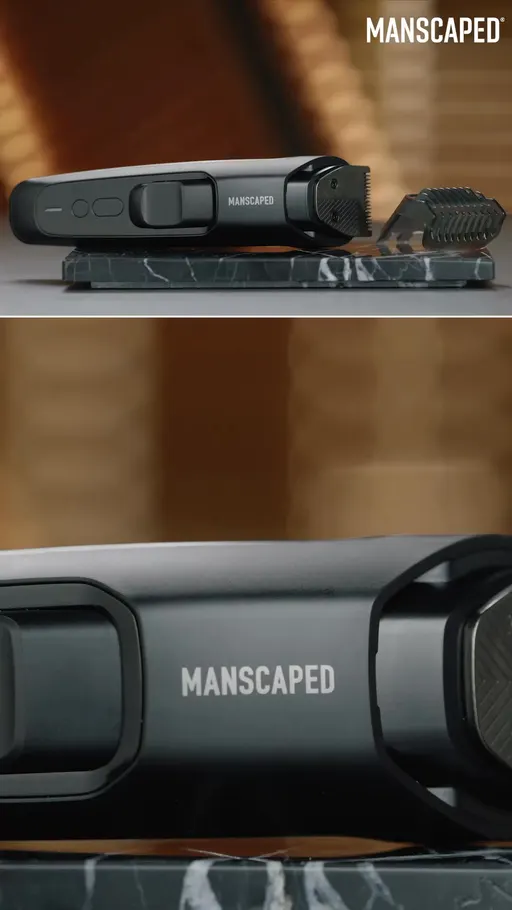
Four ads, four ways to put the product first. hauslabs.com borrows a feeling, “inspired by your favorite sunset”. reviveskincare.com leads with its own test result, “94% AGREED SKIN FEELS SMOOTHER”. iliabeauty.com names the category twice over, “The perfect mix of skincare and makeup”. manscaped.com says new, then the product, then stops. That is the one to copy, because the first three words carry all the information.
That's the control shape. Now the one that puts the deal first.
8. Offer-First Banner: it makes the deal the layout
What it is. A shape where the offer is the design, not a line inside it. glossier.com starts on “Save with the Glossier You Duo” and the saving is the first word.
Why it matters to you. Fewer brands run it than either of the other two shapes, five of them, across 40 ads. Its sampled ads sat at 47.5% past sixty days, well under Product Demo Close-Up's 93.6%. So: a shape to test, on a short leash, not one to rebuild the account around.
What moved. September: 4.2%. August: 1.9%. It shows in the movers chart below too, and it is the largest riser there.
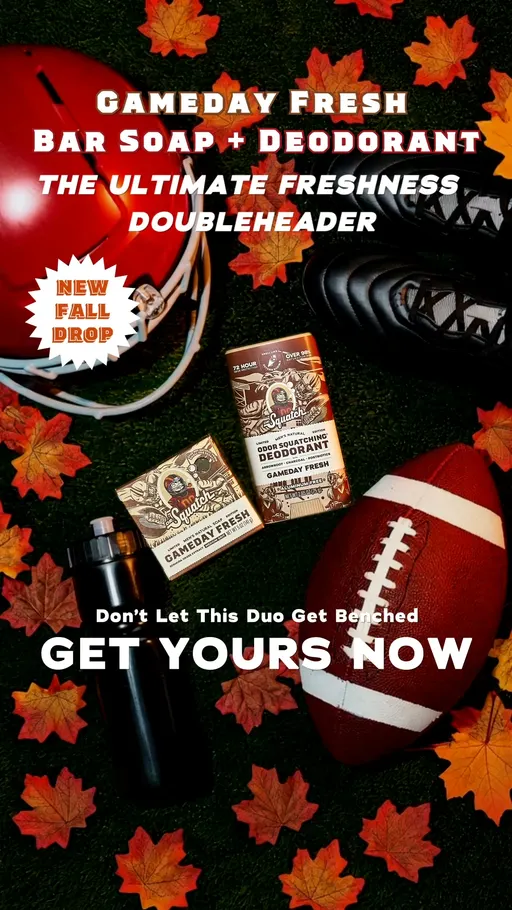
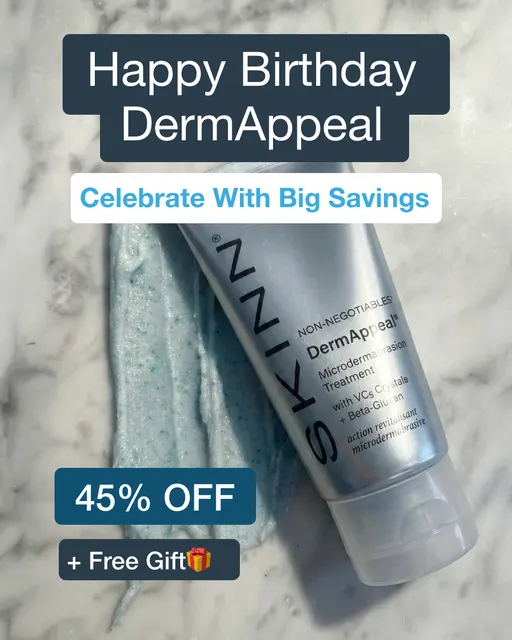
Three ads, three deals as layout. glossier.com puts the saving first. drsquatch.com names a limited run of products, “GAMEDAY FRESH BAR SOAP + DEODORANT”. skinn.com keeps it to two words and a noun, “Exclusive Birthday Offer”. The Glossier order is the one to copy, because the shopper gets the benefit before the brand.
That's the deal as layout. Now the shortest-lived shape of the three.
9. Montage: it cuts between short moments instead of staying on one
What it is. A shape made of several short pieces, each one carrying a line or nothing at all. drsquatch.com starts on “Why does it smell so expensive?” and the question runs over the cuts.
Why it matters to you. It is the smallest of the three shapes, 17 ads from nine brands, and the lowest on staying power of the three, 29.4% of its sampled ads past sixty days. Short-lived, then, and rewritten often. Nine brands on 17 ads also means a couple of launches move this row.
What moved. September: 1.8%. August: 0.6%. It shows in the movers chart below too.
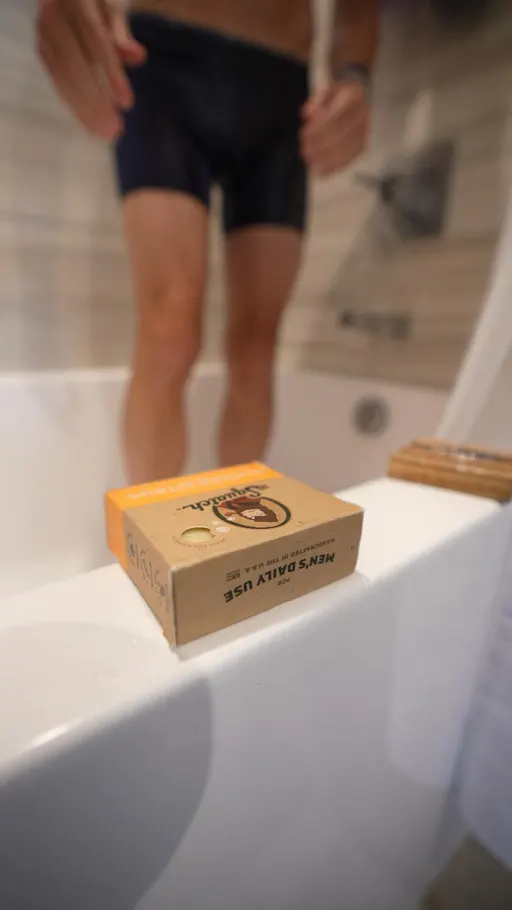
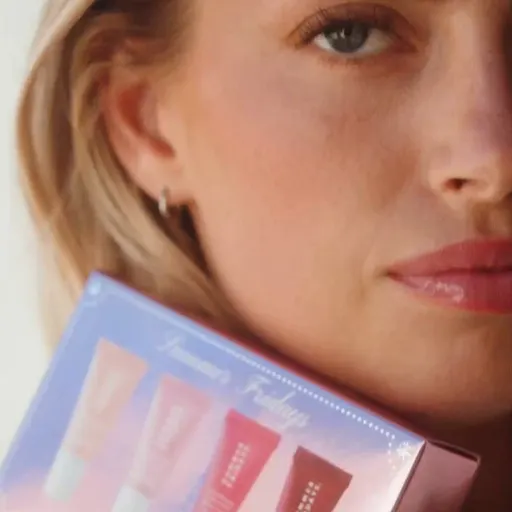
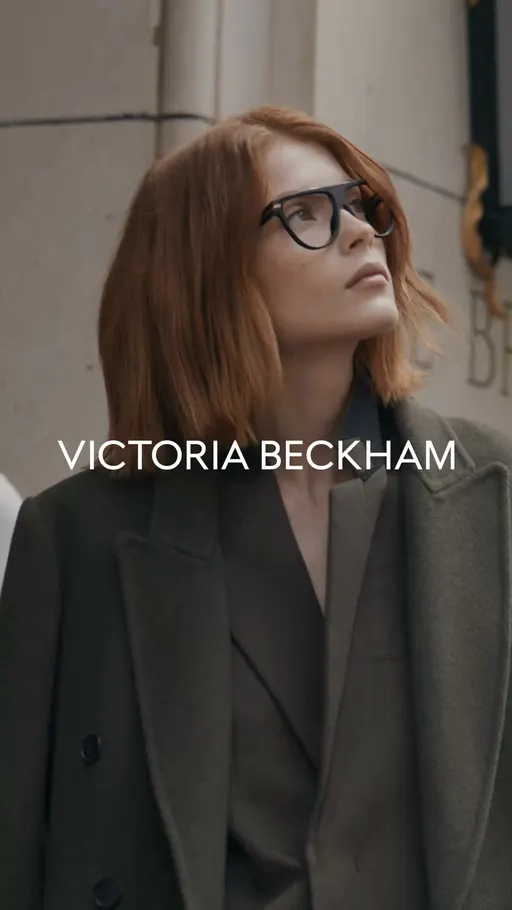
Four ads, four cuts of the same idea. drsquatch.com asks a question a friend would ask out loud. summerfridays.com announces a size, “New Lip Butter Balm Minis”. iliabeauty.com repeats its own boast, “Best mascara ever”. victoriabeckham.com gives two words, “Sharp layers”. The Dr. Squatch question is the one to copy: it sounds like something a person says, not something a brand writes.
So the leaders each shifted a little. What moved more?
What actually moved: the small stuff
Every one of the nine leaders moved its share since August, most of them by about a point. Underneath them, fifteen rows across the three rankings rose by a fifth of a point or more. That threshold is this page's rule, and a mover here means a row whose share rose. Here they are.
Rows of the three rankings that rose by a fifth of a point or more, September 2026 against August 2026, in points. Source: eCommerceBenchmark Ad Library, 2026.
None of the nine leaders held exactly the share it had in August. Three eased: Curiosity Gap, Problem-Aware and Identity. Six rose enough to show in the chart. Most of the other risers are small rows that few brands write for, and the reason to care isn't any single one of them. It's that several rose in the same month. Let's look at four of them in real ads.
Price Anchor: it puts the money in the first words
What it is. An opening that leads on price or saving before anything else, the way glossier.com does with “Save with the Glossier You Duo”.
Why people respond. It works like a shelf tag in a shop where nothing else is priced. A shopper scanning a feed can sort a price in less time than she can read a promise, so the ad gets a decision instead of a skim. That is our reading of the attention, not a claim about sales.
Glossier's is the only ad listed for this row, and the row itself is thin: two brands carry all 17 of its ads. A handful of advertisers can move a row that small, which is exactly why it is a test and not a plan.
Newness: it says the thing just arrived
What it is. An opening that leads on the launch itself, like glossier.com's “Meet Cloud Paint Plush Blush.”.
Why people respond. New is the one thing a shopper cannot already own. It is the reason people still walk past the front table in a shop they visit every week. That is our reading of the attention, not a claim about sales.
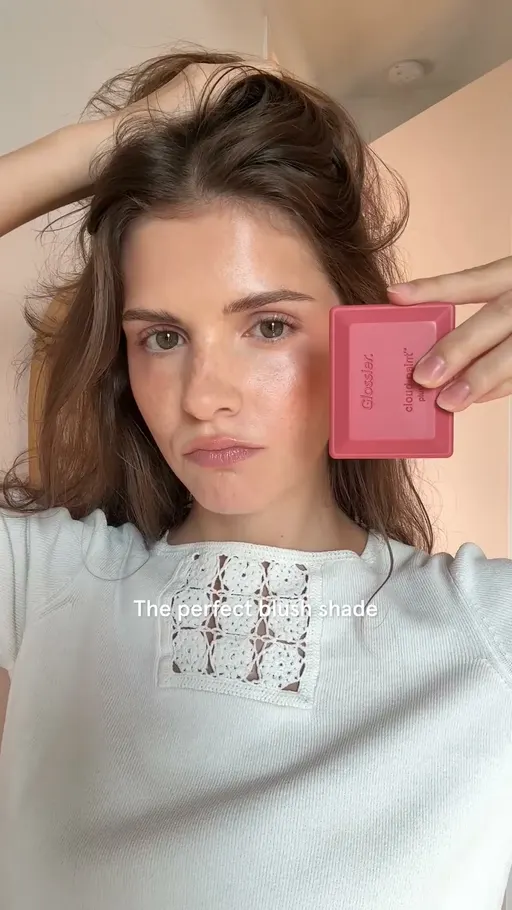
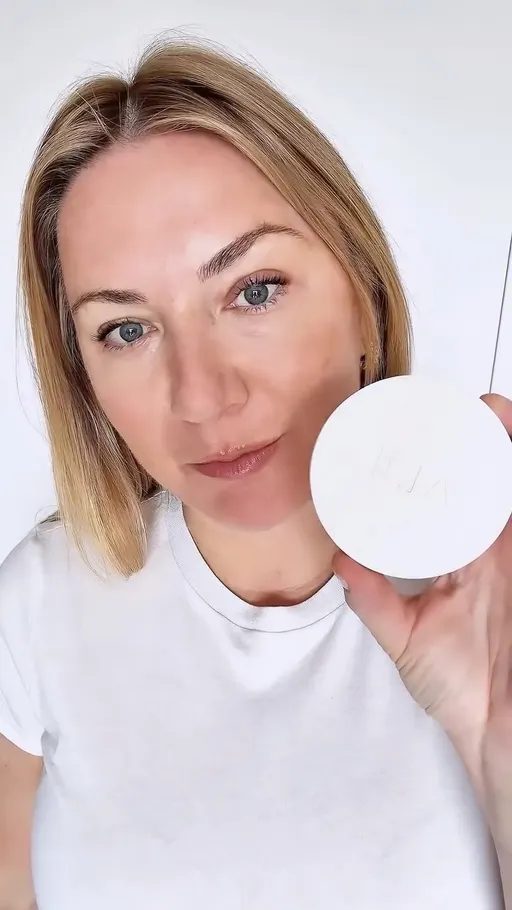
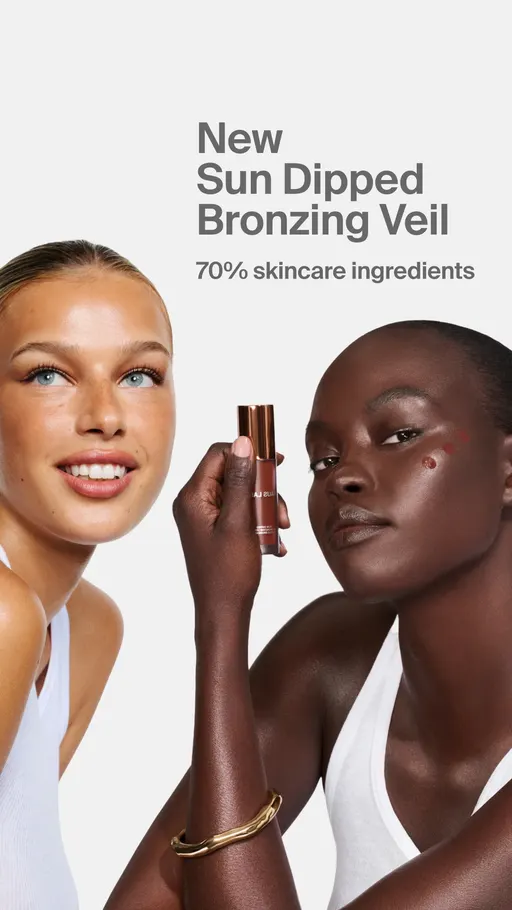
The other three carded brands do it three ways. drsquatch.com names a seasonal pair, “GAMEDAY FRESH BAR SOAP + DEODORANT”. iliabeauty.com puts it in a shopper's voice, “One of my favorite clean beauty brands, Ilia, has just launched a soft focus finishing powder.”. hauslabs.com opens on the word itself, “New Sun Dipped Bronzing Veil”. Eight brands carry this row's 19 ads, so it is small, and it grew anyway.
Solution-Aware: it talks to a shopper who already knows the fix exists
What it is. An argument for this product rather than for the category, like jonesroadbeauty.com's “This is not your ordinary makeup, okay? This is Jones Road Balm and first of all you have to break it up like this.”.
Why people respond. The shopper has already decided she needs a balm. What she wants now is someone to show her how this one goes on, the way you would ask a friend at the sink. That is our reading of the attention, not a claim about sales.
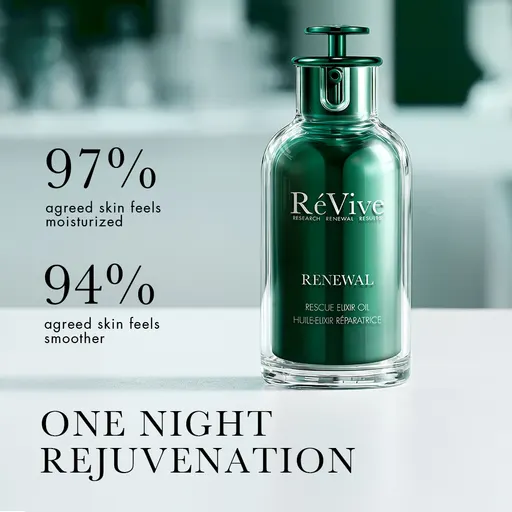
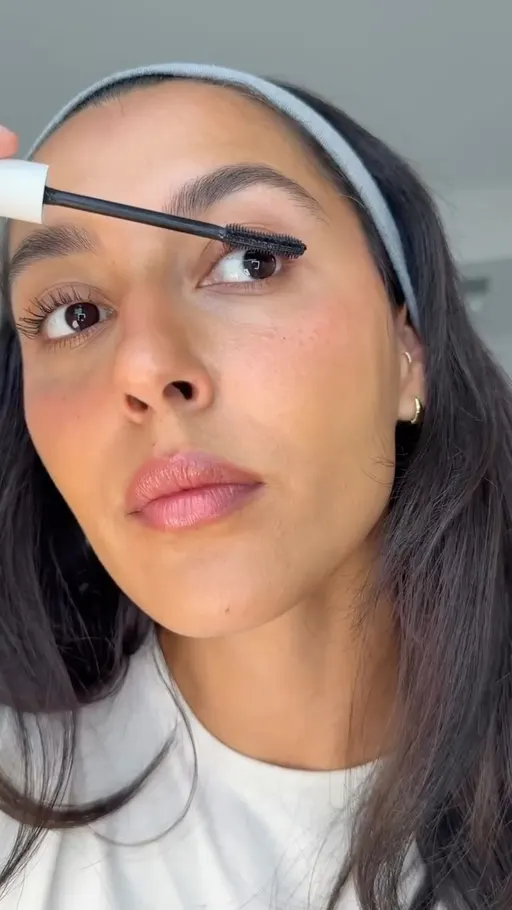
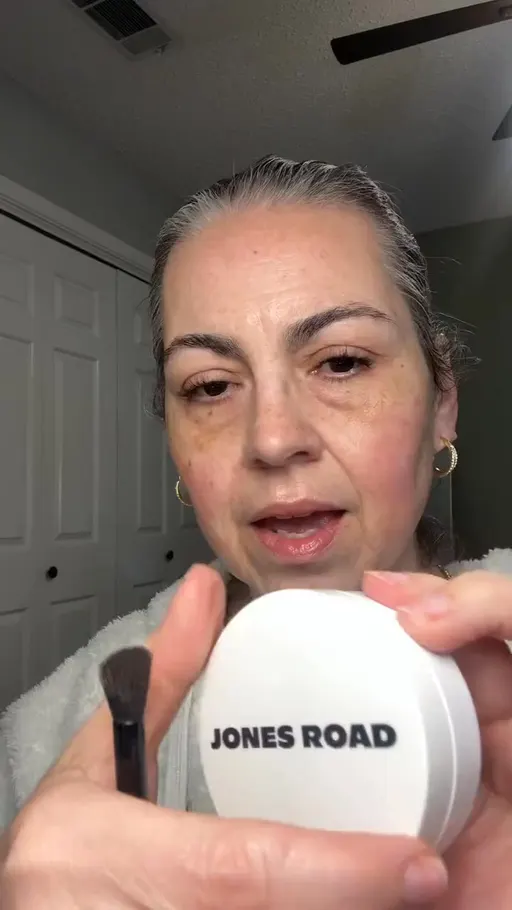
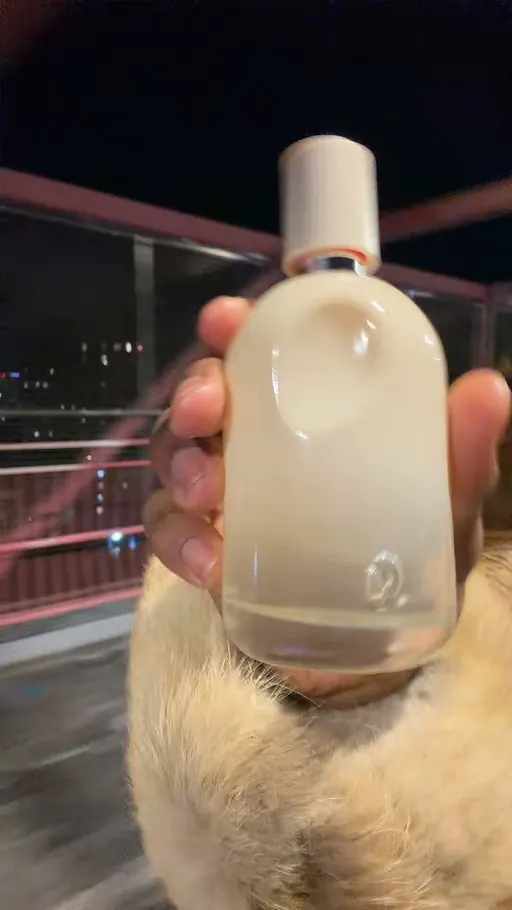
The other carded brands argue the same way with fewer words. reviveskincare.com leads on its own test, “97% agreed skin feels moisturized”. iliabeauty.com points at a comparison, “This lash before and after is wild.”. glossier.com gives the result in three words, “You smell rich”. Twelve brands run this row's 54 ads.
Cinematic B-Roll: it lets the pictures carry the line
What it is. A shape where a short line sits over footage rather than explaining it, like reviveskincare.com's “Someone asked what changed in my routine.”.
Why people respond. It reads like someone's own camera roll rather than a commercial, and a feed is mostly camera rolls. The ad borrows the rhythm of the thing around it. That is our reading of the attention, not a claim about sales.

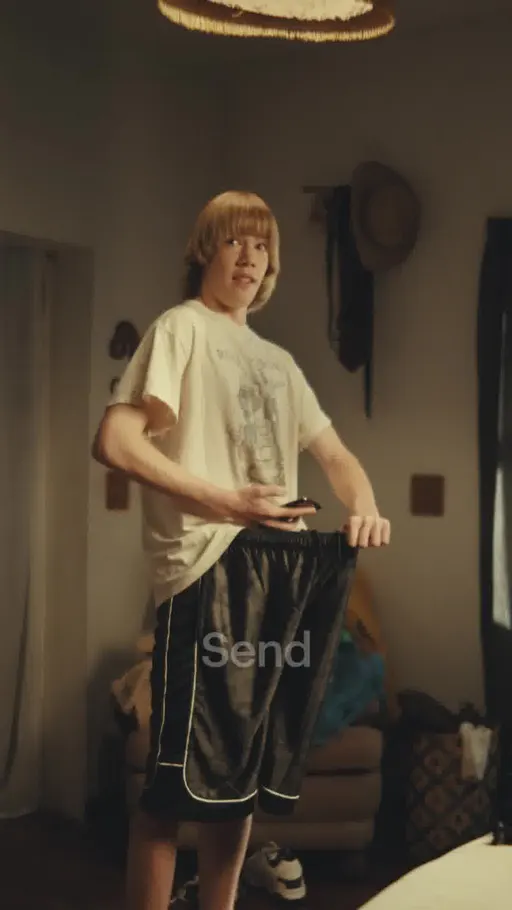
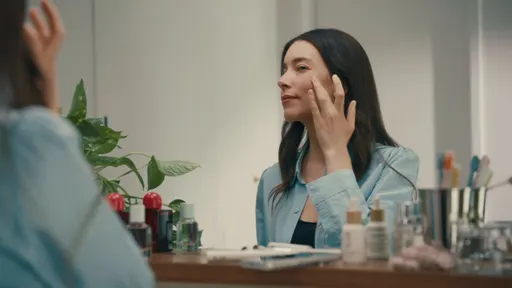

The other three keep their lines just as short. manscaped.com writes four words, “Send face pics instead.”. iliabeauty.com writes two, “almost ready”. victoriabeckham.com writes its own name, “VICTORIA BECKHAM”. A handful of brands carry this row, seven of them, on 12 ads.
Newness at 2%, Price Anchor at 1.8% and Cinematic B-Roll at 1.3% all rose in the same month, and together they hint at one ad nobody here has built yet.
One ad to brief this week: the Fresh-Drop Note
Newness, Solution-Aware, Price Anchor and Cinematic B-Roll all rose in the same month, and together they point at a single ad: it opens on a new product named plainly, the middle shows how the thing is actually used, and the close carries the saving in words. This is our suggestion built from the movers, not a finding. The library cannot say it will work, and that is what the test is for.
The format. A fifteen-second vertical video of four or five clips, one line of text on each, no voice-over needed: the Cinematic B-Roll shape that seven brands ran in September.
The hook. Model the first clip on glossier.com's “Meet Cloud Paint Plush Blush.”: keep the word meet and the product name, and put nothing else on screen.
The middle. Model the second and third clips on jonesroadbeauty.com's “This is not your ordinary makeup, okay? This is Jones Road Balm and first of all you have to break it up like this.”: keep the hands-on instruction, said the way you would say it to a friend.
The close. Model the last clip on glossier.com's “Save with the Glossier You Duo”: keep the saving in the first two words, where the shopper is already deciding.
The test. Run it against your best Curiosity Gap ad, the hook on 19.1% of the month's ads, same audience and same budget split, for two weeks, judged on cost per purchase.
Two smaller tests can ride along, each as its own whole ad against the ad it replaces, never folded into this brief and never a swap of the first line alone. One: an offer line that carries a real calendar date instead of the words limited time, taken down the day the date passes. Two: an ad written for one named shopper, modelled on iliabeauty.com's “Sensitive eyes? You need to try this mascara”, run against your broadest Problem-Aware ad.
The eCommerceBenchmark Ad Library sorts your ads into the same hooks, angles, concepts and offers used in this report and shows your mix next to the market, so you can see which shapes you have never shipped.
Audit my creatives, freeOne catch before you run off. Everything above is the whole of US Beauty & Personal Care. Your corner of it might look nothing like it.
Why you need to know the hooks in your niche
A row that is crowded across US Beauty & Personal Care can be empty in your own corner of it: your product line, your price point, your shopper. And the row you think is yours alone can be the one all five of your competitors opened with last week. The cut above is 27 brands. Your feed is five.
- Shoppers tune out an opening they meet over and over. The fourth time today, it isn't a hook, it's wallpaper.
- When every ad sounds the same, price is all that is left to compare. Price Anchor already opened 1.8% of September's ads, and that is a race you win by giving money away.
- A different opening costs the same to write. Visual reveal sits on 0.8% of ads, and the brief is one line either way.
- Different isn't the same as right. That is why you test one ad into a thin row, Side-by-Side Comparison on 0.4%, instead of switching the whole account over.
Your 30-minute check
- Collect. Pull twenty current ads from your five closest competitors in the free Meta Ad Library.
- Label. Write down each ad's hook, angle and concept, one line per ad.
- Count. The row that shows up most is your niche's crowded row; across US Beauty & Personal Care, that's the Curiosity Gap.
- Find the gap. The row that shows up least, or never; check it against the movers above.
- Brief one test. One ad for the empty row, run against your control for two full weeks.
Want every number? Here are the full rankings.
The full rankings: hooks, angles and concepts
Use these as worksheets, not scoreboards. Write your own count beside each row, from your last month of ads or your competitors' current ones. Your own top row may not be Curiosity Gap at 19.1%: the rows where your count is highest are the ones you're actually competing in.
| Hook | September share | August share | Change |
|---|---|---|---|
| Curiosity gap | 19.1% | 20.2% | ▼ 1.1 |
| Relatability | 9.9% | 9.4% | ▲ 0.5 |
| Bold claim | 4.9% | 3.3% | ▲ 1.6 |
| Authority | 3.7% | 3.9% | ▼ 0.2 |
| Urgency / FOMO | 3.1% | 3% | ▲ 0.1 |
| Direct question | 2.5% | 3.4% | ▼ 0.9 |
| Newness | 2% | 0.6% | ▲ 1.4 |
| Price anchor | 1.8% | 0% | ▲ 1.8 |
| Shocking statement | 1.6% | 1.2% | ▲ 0.4 |
| Visual reveal | 0.8% | 0.3% | ▲ 0.5 |
| POV open | 0.1% | 0% | ▲ 0.1 |
| Angle | September share | August share | Change |
|---|---|---|---|
| Problem-aware | 17.7% | 17.9% | ▼ 0.2 |
| Identity | 13.9% | 14.1% | ▼ 0.2 |
| Objection crusher | 7.1% | 6% | ▲ 1.1 |
| Solution-aware | 5.7% | 4.4% | ▲ 1.3 |
| Comparison | 2.5% | 1.2% | ▲ 1.3 |
| Social proof | 2.4% | 2.3% | ▲ 0.1 |
| Mechanism | 1.6% | 1.3% | ▲ 0.3 |
| Concept | September share | August share | Change |
|---|---|---|---|
| Product Demo Close-Up | 13.2% | 12.4% | ▲ 0.8 |
| Offer-first banner | 4.2% | 1.9% | ▲ 2.3 |
| Montage | 1.8% | 0.6% | ▲ 1.2 |
| Cinematic B-roll | 1.3% | 1% | ▲ 0.3 |
| Selfie talking-head | 1.2% | 1.2% | 0 |
| Customer Testimonial Reel | 0.6% | 0.7% | ▼ 0.1 |
| Side-by-Side Comparison | 0.4% | 0.2% | ▲ 0.2 |
| Grid swap | 0.4% | 0.4% | 0 |
| Listicle | 0.2% | 0.2% | 0 |
| UGC Unboxing | 0.2% | 0.2% | 0 |
| Us vs. Them | 0.1% | 0.1% | 0 |
Your test card
Here is the Fresh-Drop Note from this article, set up the way a media buyer would run it. Fill in the blanks with your own numbers, and write them down before you launch.
| Hypothesis | A Fresh-Drop Note ad, run beside my best Curiosity Gap ad, will hold or lower my cost per purchase over two full weeks without taking budget from the control. |
| Change only this | The whole creative: the Fresh-Drop Note, a short vertical video that opens on the new product named plainly, shows how it is used, and closes on the saving in words. |
| Keep the same | Product, offer, audience, placement and budget split. |
| Funnel stage | Say first whether this ad is for prospecting (cold) or retargeting (warm). A deal in the first line is often right for warm audiences and wrong for cold ones, so test it where the ad will really run. |
| Setup | One control and one variant, same audience, same placement, even budget split. Do not edit either ad while the test runs. |
| How long and how much | Until each version has about 50 purchases, or two full weeks, whichever comes later. This is general testing practice (Meta's own learning-phase guideline is about 50 results per ad set per week), not a library finding. |
| Success metric | Cost per purchase, not clicks. |
| Stop rule | Pause a variant that has spent about 3 times your target cost per purchase with no purchase. If it is close, keep it running. |
| What counts as a win | The variant beats the control on the metric by an amount you would act on, and still does in a second week. |
September 2026 US Beauty & Personal Care ads: what to brief next
- Curiosity Gap opened 19.1% of September's US Beauty & Personal Care ads, Relatability 9.9% and Bold Claim 4.9% [eCommerceBenchmark Ad Library, 2026]: this is the lane every brief lands in by default.
- Problem-Aware 17.7%, Identity 13.9% and Objection Crusher 7.1% argue nearly 4 in 10 of the month's ads between them.
- Product Demo Close-Up staged 13.2% of ads, Offer-First Banner 4.2% and Montage 1.8%: concept shares rest on fewer ads, so read these three against each other only.
- Staying power splits the month: Relatability has the highest sixty-day share of its three at 98.9%, while Montage has the lowest of its three at 29.4%.
- Fifteen rows rose by a fifth of a point or more, led by Offer-First Banner, Price Anchor, Bold Claim and Newness, and most sit on single-digit brand counts, Price Anchor on two.
- Pull twenty competitor ads, label each one's hook, angle and concept, and brief one ad into the row that never shows up.
US Beauty & Personal Care ad benchmarks: common questions
Keep one ad on the leading hook funded as your control: Curiosity Gap opened 19.1% of the month's ads, and that is the lane your account is already in. Then brief exactly one ad, the Fresh-Drop Note from this article, and run it against that control on the same audience and the same budget split for two full weeks. Judge it on cost per purchase, write the number down before you launch, and you will have a decision you can defend at the end of the fortnight instead of an opinion.