US Health & Wellness Ads, September 2026: One Hook Opened 11.6% of Ads, and Just Six Brands Carried It. Who Else Is in That Lane?

Scope: Health & Wellness ads in the US, as the eCommerceBenchmark Ad Library tracks them. 72 brands, 757 ads active in September 2026, compared with August 2026.
Most ad reports tell you what's popular. Then they leave you standing there.
This one tells you what to do about it.
For each of September's top three hooks, top three angles and top three concepts, you get the same five things: what it is, why it matters to you, what moved since August, which real brands ran it, and one thing to steal. That run starts with Bold claim at 25% of the month's ads and ends with Listicle at 2.2%. After that come the small rows that actually grew, like Montage at 0.7%, and one ad to brief this week.
- A brief decides three things, not one. Hook, angle and concept are all picked before anything is shot. Decide only the hook and you have handed the other two to whoever edits the ad.
- The market's default in each group is the one every shopper has already seen. One row in each of the three rankings carries more ads than any other. That is the lane where your ad risks blending in.
- Each default has a shelf life. In the sample of long-running ads, 100% of Authority's ads passed sixty days, while Offer-first banner sat at 96.6%. That is what tells you where your creative time is worth spending.
But first, three words that most briefs mix up.
Hook, angle, concept: three different jobs
Mixing these three up is the most common reason an ad brief goes wrong. A brief that asks for a bolder opening, the move on 25% of September's ads, and stops there has decided one thing and left two to chance: whoever shoots it then picks the argument, Problem-aware at 17.3% or another, and the shape, Offer-first banner at 11.6% or another. A hook is defined as the first move an ad makes to stop a scroll: its first line or first seconds. An angle is defined as the reason the ad gives a shopper to buy. A concept is defined as the shape of the creative: how it is filmed, laid out or staged. Three decisions, three lines in the brief.
| Word | In one line | Plain example |
|---|---|---|
| Hook | The first move an ad makes to stop a scroll: its first line or first seconds. | “Your knees were never the problem.” |
| Angle | The reason the ad gives a shopper to buy. | “It costs less than your weekly coffee.” |
| Concept | The shape of the creative: how it is filmed, laid out or staged. | One person at a kitchen table, talking to the camera, with text on screen. |
The plain examples are made up to show the idea.
How to read a rise or a fall
Every item below shows its share of September's ads, how that compared with August, and how many brands ran it. Bold claim, for one, reads 25% against 24.3% in August, on 37 brands.
- Rising. A bigger share of ads uses it, as Offer-first banner did at 11.6% from 10.9%. Brands may be copying each other, or testing a gap. Either way it is getting more crowded.
- Falling. A smaller share uses it, as with Authority at 14.1% from 16.2%. That doesn't mean it failed, and nothing here records a brand stopping an ad.
- Flat. Its share held. Treat it as a stable baseline.
- Small. A move under half a point is small, like Solution-aware at 13.2% from 12.9%. Check the brand count, because a rise carried by few brands, as with Contrarian's two, can be a handful of advertisers launching many ads.
One more rule. A bigger share doesn't mean a row works better: Bold claim's 25% says 37 brands wrote it, not that it earned more. The library has no sales, spend or profit data, so it shows what brands ran, not what earned. Each item also shows how many of its ads in a sample of long-running ads ran sixty days or more, such as Problem-aware's 100%, and that sample is ranked by time on air, so the numbers read high: read them as a staying-power hint and nothing else.
Ready? Start with how ads open.
The top 3 hooks: how ads open
Bold claim opened 25% of September's ads. Authority opened 14.1%, and Relatability 11.6%. Together, these three open about half of the month's ads. What follows is how crowded each one is, how many brands carry it, and how long its ads lasted in the sample of long-running ads.
Share of September 2026 ads by hook. Source: eCommerceBenchmark Ad Library, 2026.
Share of each hook's ads that ran sixty days or more, in a sample of long-running ads. Reads high: a staying-power hint, not a result. Source: eCommerceBenchmark Ad Library, 2026.
1. Bold Claim: it puts the biggest promise in the first words
What it is. The ad leads with the largest thing it can say and lets the shopper decide whether to argue. laurelbox.com starts on “Flowers die in a week. Grief lasts a lifetime.” and keeps the product out of the opening completely.
Why it matters to you. This is the busiest opening in the cut, carried by 37 brands, more than Authority or Relatability. In the sample of long-running ads, 98.4% of its ads ran sixty days or more, the lowest of these three, though the three sit close together. So it is the safe, busy base: your shopper has met the move already, which means your version competes on the words, not on the move.
What moved. 25% in September, 24.3% in August. It gained, and it shows in the movers chart below too. A leader this big gaining this little tells you the top of the hook ranking is settled for now. Our reading: more brands wrote the biggest line they could get approved. The data records the share, not the reason.

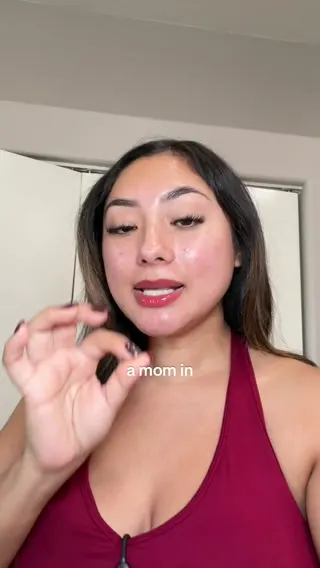
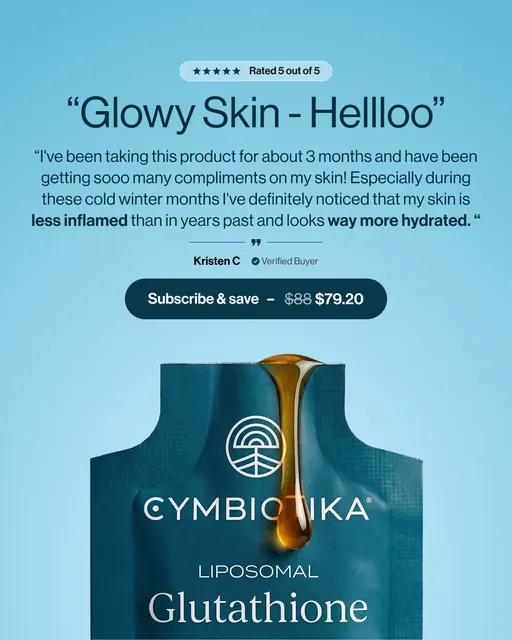
Three ads, three sizes of claim. laurelbox.com sets a hard truth against a soft one and never names the box. omnibioticlife.com flattens the move to four words, “Probiotics that actually work.”, which is the brand's own claim rather than ours. cymbiotika.com names the thing instead of the benefit, “The Master Antioxidant”, so the shopper has to want the category first. The one worth copying is laurelbox.com's, because the first sentence costs the reader nothing to agree with, and that agreement is what carries them into the second.
That's the crowded one. Now the one that borrows someone else's standing.
2. Authority: it borrows someone's standing before it asks
What it is. The opening hands the shopper a person or a track record to lean on, then gets to the product. us.lifecykel.com starts on “Been taking LifeCykel mushroom extracts for a few years and love them but I wanted to give my body a bit of a reset so added NR+ alongside”, so the standing belongs to a long-time user.
Why it matters to you. It is the middle of the three on crowding, with 107 ads from 22 brands. On staying power it is the strongest of this section: 100% of its ads in the sample ran sixty days or more. But its share gave up ground in September, and it eased further than Relatability did, so treat it as the hook you rewrite often rather than the one you lean on all quarter.
What moved. 14.1% in September, 16.2% in August. Fewer of the month's ads opened this way than last month's did, which is a gap at the top of a well-populated row. Our reading: a couple of the twenty-two brands shifted their new launches elsewhere. The data records the share, not the reason.
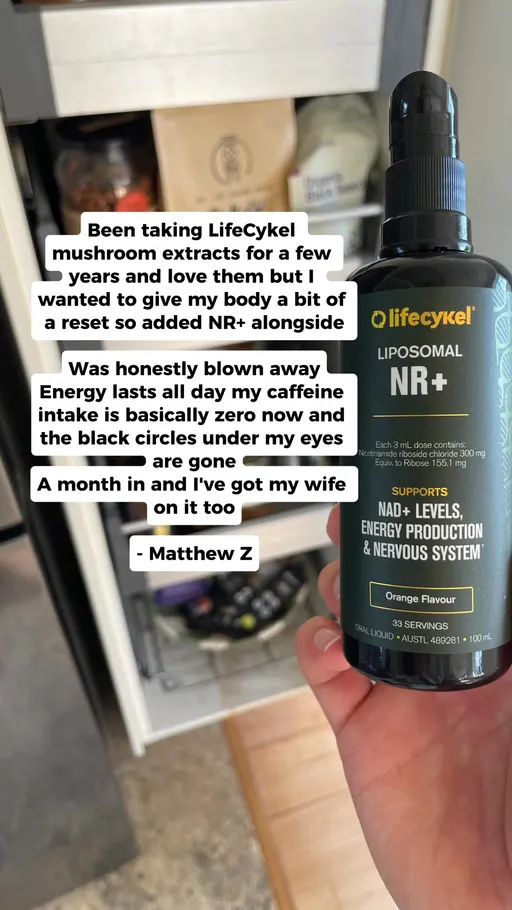
One ad, one kind of standing. us.lifecykel.com's line spends its first six words on how long the speaker has used the thing, puts the brand second and the new product last. That order is the part to copy: the claim arrives inside somebody's routine, so there is nothing to disbelieve yet when the product name finally lands.
That's the one on a clock. Now the one with the fewest brands in it.
3. Relatability: it starts inside the shopper's own day
What it is. The ad opens on an hour, a place or a feeling the shopper was already having, and holds the product back. ankhway.com starts on “I've just got home from a 10-hour shift, and I need to rant about something”, which is a complaint before it is an ad.
Why it matters to you. Here is this month's own finding, and it is the reason this page exists: Relatability opened 11.6% of the month's ads on six brands. That is the narrowest base of these three, against 37 brands for Bold claim and 22 for Authority. Its ads held well in the sample, at 98.9% past sixty days. A row that looks crowded across the cut is being written by very few advertisers, so this is the one with room: if none of your five competitors opens this way, the move is sitting there unused in your corner.
What moved. 11.6% in September, 12.4% in August. It eased while the number of brands behind it stayed small, which means a handful of launches can swing this row either way next month.
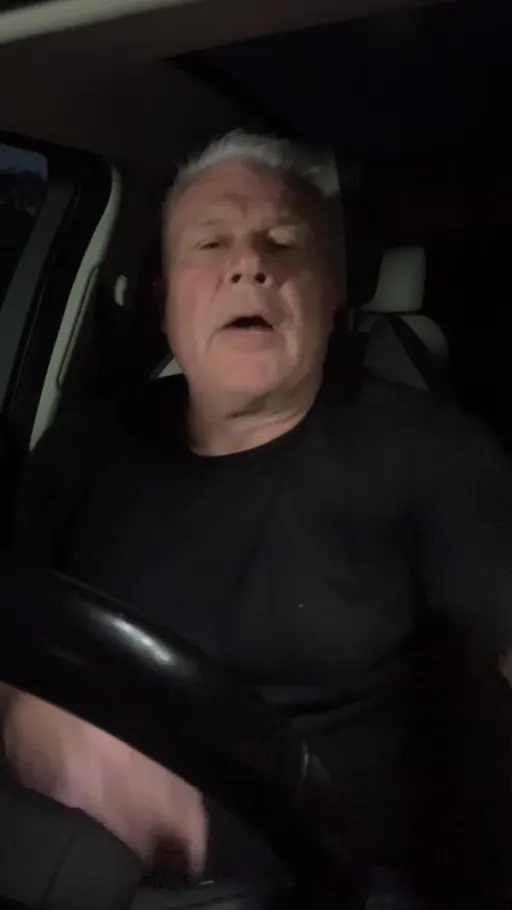
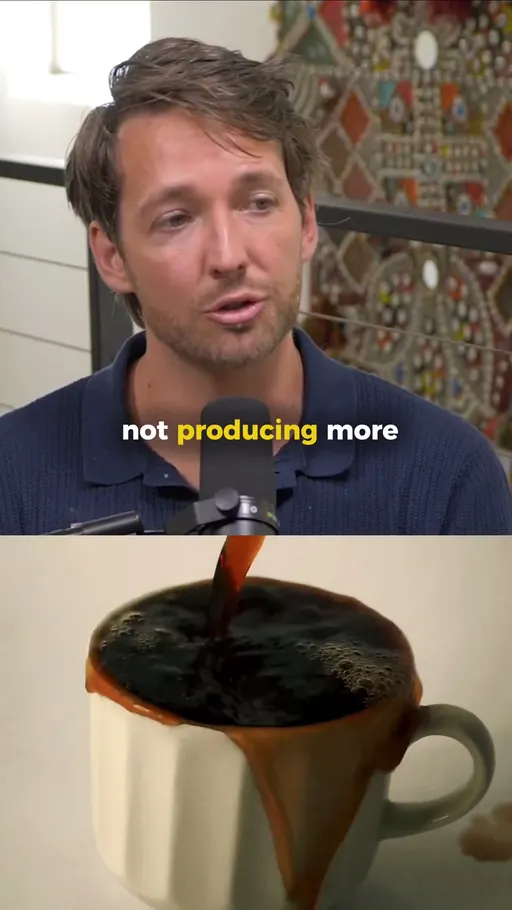
Two ads, two kinds of everyday. ankhway.com puts the hour and the arrival home in the first ten words and lets the complaint run before anything is sold. us.lifecykel.com compresses the same idea into one sentence about a habit, “Caffeine is a loan you pay back later.”, naming what the shopper already does and what it costs them. The ankhway.com opening is the one to copy, because the place and the hour do the work that an adjective cannot.
That's how ads open. But why would anyone buy?
The top 3 angles: why the shopper should buy
Problem-aware argued 17.3% of September's ads. Objection crusher argued 16.9%, and Solution-aware 13.2%. Nearly half of the month's ads make one of those three cases. Again, the useful part is how many brands sit inside each one, and how long its ads lasted in the sample of long-running ads.
Share of September 2026 ads by angle. Source: eCommerceBenchmark Ad Library, 2026.
Share of each angle's ads that ran sixty days or more, in a sample of long-running ads. Reads high: a staying-power hint, not a result. Source: eCommerceBenchmark Ad Library, 2026.
4. Problem-Aware: it names the problem before it names the product
What it is. The argument assumes the shopper feels something and has not yet gone looking for a fix, so it describes the problem first. us.lifecykel.com makes that case in one line: “Caffeine is a loan you pay back later.”.
Why it matters to you. It is the leading argument in the cut on 131 ads, but only 10 brands carry it, fewer than Objection crusher's 24 or Solution-aware's 33. Its ads held hardest of these three, at 100% past sixty days in the sample. So you are not competing with the whole category here. You are competing with nine other advertisers who all write the same opening complaint.
What moved. 17.3% in September, 18.9% in August. It is still the biggest argument in the ranking, and fewer of the month's ads leaned on it than last month's did.
Two ads, and they are the same two ads the Relatability row carries, filed here under a different ranking. That is the whole point of this page: one ad makes three decisions at once. ankhway.com's shift-end rant is the problem said at length. us.lifecykel.com's caffeine line is the problem said in nine words, with the cost of the habit named rather than described. The short one is the one to copy, because a shopper who nods at it has admitted the problem before the brand has said anything.
That's the argument for someone who hasn't started shopping. Next, the one for someone who has and is hesitating.
5. Objection Crusher: it answers the doubt before the shopper raises it
What it is. The ad picks the reason a shopper would say no and puts the answer up front. wthn.com does it with arithmetic: “3 sessions. $240. Save $120.”.
Why it matters to you. On 128 ads and 24 brands, this is the widest brand base of the three, so it is the base case of the category: the argument a shopper has met from two dozen advertisers. Its ads sat at 99.2% past sixty days in the sample. That makes it a fair control argument and a poor place to go looking for distance from your competitors.
What moved. 16.9% in September, 17.5% in August. It held its place as the second argument in the ranking while a slightly smaller share of ads carried it.

One ad, one objection taken apart. wthn.com's line runs in the order a doubting shopper thinks in: what you get, what it costs, what you keep. Nothing else is in the sentence, and the saving arrives last, where it reads as the answer rather than the pitch.
Two arguments down. The third is the one the most brands are writing.
6. Solution-Aware: it talks to someone already looking for a fix
What it is. The shopper knows the kind of product they want, so the ad argues about which one. omnibioticlife.com opens on the switch itself: “I switched from a capsule probiotic to this and actually noticed a difference.”.
Why it matters to you. It carries 100 ads on 33 brands, the widest base of these three, and 99% of its ads in the sample ran sixty days or more, the lowest of the three here. It is also the one of the three that gained. If you have one test slot for an argument this month, this is the one with momentum and the most company.
What moved. 13.2% in September, 12.9% in August. That move is under half a point, so it is small, and it shows in the movers chart below too. Worth looking at again next month before you read anything into it.


Two ads, two kinds of switch. omnibioticlife.com names what the shopper uses now in the first five words and what changed after that, so the comparison is made before the brand is. orgain.com turns the familiar habit sideways: “Turns out we don’t just have to drink our protein, we can bake it into cheesy, crispy Eggplant Parm Calzones instead!”, which argues about use rather than about ingredients. The omnibioticlife.com line is the one to copy, because the shopper's current product is doing the comparing for you.
That's why a shopper should buy. Now the shape the ad arrives in.
The top 3 concepts: how the ad looks
Offer-first banner staged 11.6% of September's ads. Product Demo Close-Up staged 2.6%, and Listicle 2.2%. About one in six of the month's ads sit in those three between them. A concept is the shape of the creative, and fewer ads carry a concept than carry a hook or an angle, so these shares look small: compare concepts only with each other, never with a hook or angle share.
Share of September 2026 ads by concept. Source: eCommerceBenchmark Ad Library, 2026.
Share of each concept's ads that ran sixty days or more, in a sample of long-running ads. Reads high: a staying-power hint, not a result. Source: eCommerceBenchmark Ad Library, 2026.
7. Offer-First Banner: it makes the deal the layout
What it is. The shape is the offer. The deal is not a line inside the ad, it is the arrangement of the ad, with the product name sitting under the number the shopper came for.
Why it matters to you. It is the control shape of this cut by a wide margin among concepts, on 88 ads from 26 brands, the widest base of these three. In the sample of long-running ads, 96.6% of its ads ran sixty days or more, the lowest of the three here. So it is the shape you probably already run, and the one your test should be measured against rather than added to.
What moved. 11.6% in September, 10.9% in August. It gained, and it shows in the movers chart below too. Our reading: a promotional month pulls shape toward the offer. The data records the share, not the reason.
That's the control. Now the shape the fewest brands run.
8. Product Demo Close-Up: it lets the product itself carry the ad
What it is. The product does the explaining and the words stay short. us.lifecykel.com runs it on five words of promise: “The Mushroom That Helps You Perform”.
Why it matters to you. It is thin: 20 ads from five brands, which is fewer brands than Offer-first banner's 26 or Listicle's 13. All of its ads in the sample ran sixty days or more. Five brands on twenty ads means a single advertiser's batch can move this row, so read it as a shape to test once, not as a trend to chase.
What moved. 2.6% in September, 2.7% in August. Those two shares are close enough that the row is doing the same job in both months.
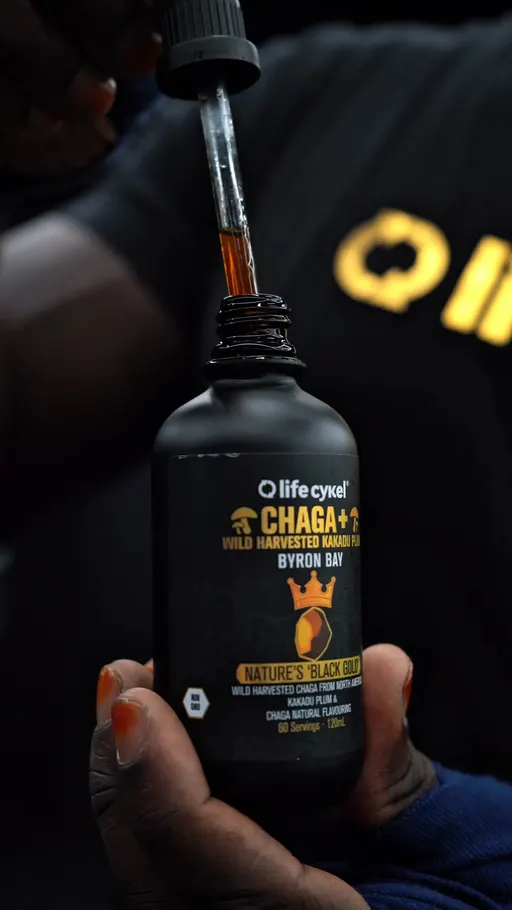
Four ads, four jobs for the same shape. wthn.com puts the bundle and the saving in the words. us.lifecykel.com makes a flat promise and lets the product stand behind it. omnibioticlife.com brings the switch sentence from its own argument into this shape. orgain.com takes the turn: “Turns out we don’t just have to drink our protein, we can bake it into cheesy, crispy Eggplant Parm Calzones instead!”, which puts the second use of a product the shopper already owns in the middle of the sentence. The orgain.com order is the one worth copying, because the habit comes first and the product's new job comes second.
One shape left, and it is the one spread across the most brands.
9. Listicle: it numbers the reasons and lets the reader pick one
What it is. The ad is a short numbered run of reasons, so a shopper who disagrees with the first one keeps reading to the second.
Why it matters to you. It is the widest brand base of these three on the fewest ads: 13 brands across 17 ads. That pattern says many advertisers keep one of these in rotation rather than building a batch. All of its ads in the sample ran sixty days or more. Read against the other two concepts, it is the shape with the most brands trying it lightly.
What moved. 2.2% in September and 2.2% in August. It held, which makes it the only one of the nine leaders sitting on exactly the share it had last month.
That's the nine. So did anything actually change?
What actually moved: the small stuff
Here is the honest version of September: not one of the nine leaders above gained a full point since August. Bold claim went to 25% from 24.3%. Offer-first banner went to 11.6% from 10.9%. Those are the two largest gains anywhere in the three rankings, and neither of them clears a point. Across the three rankings, nine rows rose by a fifth of a point or more. Here they are.
Rows of the three rankings that rose by a fifth of a point or more, September 2026 against August 2026, in points. Source: eCommerceBenchmark Ad Library, 2026.
Of the nine leaders, one held exactly the share it had, five eased, and three rose by enough to show in the chart. Most of the other risers are small rows that very few brands write for: the whole of Storytelling sits with one brand, and Contrarian with two. The reason to care isn't any single row. It's that several of them rose in the same month, which is what a gap opening looks like before a trend arrives. Let's look at one of them in real ads.
Cinematic B-roll: it lets filmed moments carry the line instead of a product shot
What it is. The shape puts one plain line of text against filmed moments instead of a product close-up, as renuebyscience.com does with “Foggy mornings? Sometimes it takes a little longer to feel fully switched on.”.
Why people respond. A line like that is what someone says to themselves standing at the kettle, before the first cup, when the day has not started yet. There is nothing to argue with in it, so there is nothing to scroll away from. That is our reading of the attention, not a claim about sales.

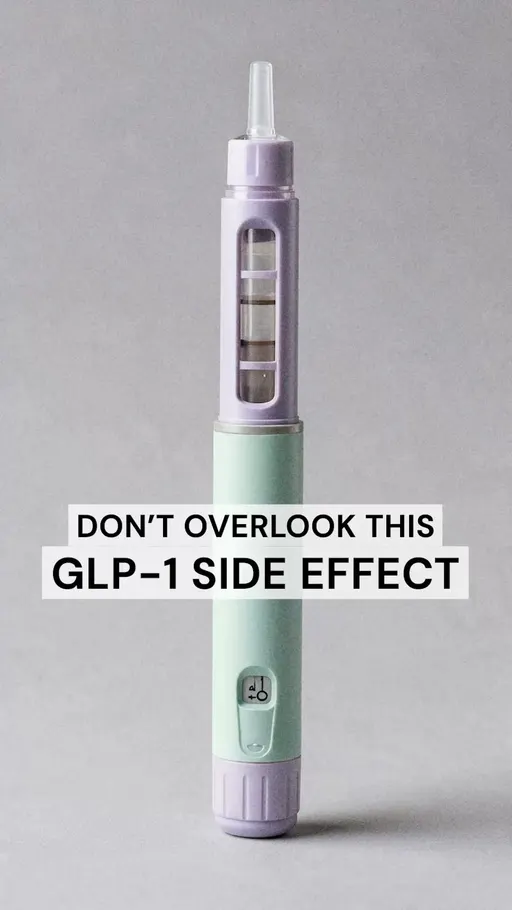

The other two carded brands do the same job in different places. laurelbox.com names the person the ad is for in its first words, “If your friend just lost their dog and you have no idea what to send, read this.”, so the wrong reader leaves and the right one stays. omnibioticlife.com spends its opening explaining a mechanism in plain words, “You probably heard about GLP-1s. They work by slowing down your digestion.”, with no promise attached to it. Five brands carry this row, so a handful of advertisers are behind the whole rise.
Several small risers in the same month hint at one ad nobody has built yet. Here it is.
One ad to brief this week: the Quiet Explainer
Cinematic B-roll, Identity, Comparison, Contrarian, Montage and Storytelling all rose in the same month, and read together they point at one ad. It opens on a moment the shopper is already in. The middle explains the reason in plain words, with no promise in it. The close lands where the shopper is already deciding, and it names who the thing is for. Call it the Quiet Explainer. It is our suggestion, built from the movers, not a finding: the library can't say it will work, and that is exactly what the test is for.
The format. A fifteen-second vertical video of four or five clips, one line of text on each, no voice-over: the Cinematic B-roll shape that rose to 2.2% from 1.9%.
The hook. Model the first clip on laurelbox.com's “If your friend just lost their dog and you have no idea what to send, read this.”: keep the named person and the exact situation, and put nothing else on screen.
The middle. Model the second and third clips on omnibioticlife.com's “You probably heard about GLP-1s. They work by slowing down your digestion.”: keep the plain explanation and the absence of any promise.
The close. Model the last clip on renuebyscience.com's “Foggy mornings? Sometimes it takes a little longer to feel fully switched on.”: keep the everyday moment, said where the shopper is already deciding.
The test. Run it against your best bold claim ad, the opening on 25% of September's ads, same audience and same budget split, for two weeks, judged on cost per purchase.
Your control already carries the opening 37 brands wrote, so two smaller tests can ride along, each as its own whole ad against the ad it replaces, never folded into the brief above and never a swap of the first line alone. One: an offer line carrying a real calendar date in place of “limited time”, run against one of your offer-first banner ads, the shape 26 brands in this cut already run, and taken down the day the date passes. Two: an ad written for one named shopper, modelled on laurelbox.com's line, which names exactly who it is for in its first words, run against your broadest problem-aware ad, the argument only 10 brands here write.
The eCommerceBenchmark Ad Library sorts your ads into the same hooks, angles, concepts and offers used in this report and shows your mix next to the market, so you can see which shapes you have never shipped.
Audit my creatives, freeOne catch before you run off. Everything above is the whole of US Health & Wellness. Your corner of it might look nothing like it.
Why you need to know the hooks in your niche
A row that is crowded across US Health & Wellness can be empty in your own corner of it. Your product line, your price point, your shopper: none of those is the whole cut, and the whole cut is what every share on this page describes. The row you think is yours alone can be the one all five of your competitors opened with last week, and the row the market barely writes, like the six-brand Relatability row, can be sitting unused in your niche.
- Shoppers tune out an opening they meet over and over. By the fifth ad with the same first line, the line has stopped being information.
- When every ad sounds the same, price is all that is left to compare. That is a fight your margin has to pay for.
- A different opening costs the same to write into the brief. It is one line in the brief either way.
- Different isn't the same as right. That is why you test one ad into an empty row, maybe the two-brand Contrarian row, instead of switching the whole account over.
Your 30-minute check
- Collect. Pull twenty current ads from your five closest competitors in the free Meta Ad Library.
- Label. Write down each ad's hook, angle and concept, one line per ad.
- Count. The row that shows up most is your niche's crowded row; across US Health & Wellness, that's the bold claim.
- Find the gap. The row that shows up least, or never shows up at all; check it against the movers above.
- Brief one test. One ad for the empty row, run against your control for two full weeks.
Want every number? Here are the full rankings.
The full rankings: hooks, angles and concepts
Use these as worksheets, not scoreboards. Write your own count beside each row, taken from your last month of ads or your competitors' current ones. If your own tally leans on Bold claim at 25% or Offer-first banner at 11.6%, those are the rows you are actually competing in.
| Hook | September share | August share | Change |
|---|---|---|---|
| Bold claim | 25% | 24.3% | ▲ 0.7 |
| Authority | 14.1% | 16.2% | ▼ 2.1 |
| Relatability | 11.6% | 12.4% | ▼ 0.8 |
| Curiosity gap | 10% | 10.1% | ▼ 0.1 |
| Direct question | 2.9% | 3.2% | ▼ 0.3 |
| Urgency / FOMO | 2.8% | 2.9% | ▼ 0.1 |
| Newness | 2.1% | 2% | ▲ 0.1 |
| Price anchor | 1.7% | 1.6% | ▲ 0.1 |
| Contrarian | 0.9% | 0.6% | ▲ 0.3 |
| Shocking statement | 0.8% | 1% | ▼ 0.2 |
| Storytelling | 0.3% | 0.1% | ▲ 0.2 |
| Visual reveal | 0.1% | 0.1% | 0 |
| Angle | September share | August share | Change |
|---|---|---|---|
| Problem-aware | 17.3% | 18.9% | ▼ 1.6 |
| Objection crusher | 16.9% | 17.5% | ▼ 0.6 |
| Solution-aware | 13.2% | 12.9% | ▲ 0.3 |
| Social proof | 8.7% | 9.1% | ▼ 0.4 |
| Mechanism | 7.3% | 7.2% | ▲ 0.1 |
| Identity | 3.8% | 3.3% | ▲ 0.5 |
| Comparison | 2.4% | 2% | ▲ 0.4 |
| Concept | September share | August share | Change |
|---|---|---|---|
| Offer-first banner | 11.6% | 10.9% | ▲ 0.7 |
| Product Demo Close-Up | 2.6% | 2.7% | ▼ 0.1 |
| Listicle | 2.2% | 2.2% | 0 |
| Cinematic B-roll | 2.2% | 1.9% | ▲ 0.3 |
| Customer Testimonial Reel | 2.1% | 2% | ▲ 0.1 |
| Problem agitation | 1.6% | 1.6% | 0 |
| Montage | 0.7% | 0.5% | ▲ 0.2 |
| Selfie talking-head | 0.5% | 0.6% | ▼ 0.1 |
| Side-by-Side Comparison | 0.3% | 0.4% | ▼ 0.1 |
| Grid swap | 0.3% | 0.3% | 0 |
| UGC Unboxing | 0.3% | 0.3% | 0 |
| Us vs. Them | 0.1% | 0.1% | 0 |
Your test card
Here is the Quiet Explainer from this article, set up the way a media buyer would run it. Your control is the bold claim ad, the opening behind 189 of September's ads. Write your own cost per purchase down before you launch.
| Hypothesis | The Quiet Explainer, a fifteen-second vertical video run beside my best bold claim ad, will hold or lower my cost per purchase over two full weeks without taking budget off the control. |
| Change only this | The whole creative: the Quiet Explainer as briefed in this article, hook, middle and close. |
| Keep the same | Product, offer, audience, placement and budget split. |
| Funnel stage | Say first whether this ad is for prospecting (cold) or retargeting (warm). A deal in the first line is often right for warm audiences and wrong for cold ones, so test it where the ad will really run. |
| Setup | One control and one variant, same audience, same placement, even budget split. Do not edit either ad while the test runs. |
| How long and how much | Until each version has about 50 purchases, or two full weeks, whichever comes later. This is general testing practice (Meta's own learning-phase guideline is about 50 results per ad set per week), not a library finding. |
| Success metric | Cost per purchase, not clicks. |
| Stop rule | Pause a variant that has spent about 3 times your target cost per purchase with no purchase. If it is close, keep it running. |
| What counts as a win | The variant beats the control on the metric by an amount you would act on, and still does in a second week. |
September 2026 US Health & Wellness ads: what to brief next
- Bold claim opened 25% of September's US Health & Wellness ads, Authority 14.1% and Relatability 11.6% [eCommerceBenchmark Ad Library, 2026]: the bold claim is the lane every brief lands in by default.
- Problem-aware argued 17.3%, Objection crusher 16.9% and Solution-aware 13.2%, so those three arguments carry nearly half of the month's ads between them.
- Offer-first banner staged 11.6% of ads, Product Demo Close-Up 2.6% and Listicle 2.2%: read those three against each other only, never against a hook or angle share.
- Staying power in the longevity-ranked sample: Authority has the most of its three with 100% of its ads past sixty days, and Offer-first banner the least of its three at 96.6%.
- Nine rows rose by a fifth of a point or more, led by Bold claim at 25% against August's 24.3%; Identity, Comparison, Contrarian, Cinematic B-roll, Montage and Storytelling are the small ones, each on a handful of brands.
- Relatability's 11.6% share comes from six brands, so label twenty of your competitors' ads by hook, angle and concept and test the row that never appears.
US Health & Wellness ad benchmarks: common questions
Keep one bold claim ad as your control. It is the opening that carried 25% of September's ads, so your shopper already knows the move, and that is exactly why it makes a fair baseline. Then brief one ad, the Quiet Explainer from this article, and run it against the control on the same audience and the same budget split for two full weeks. Judge it on cost per purchase, not on how the first three days feel. That is one decision you can defend at the end of the fortnight, whichever way it lands.