US Home & Furniture Ads, September 2026: Just Three Brands Carried the 3.8% Cinematic B-roll Row. Would You Have Spotted It?

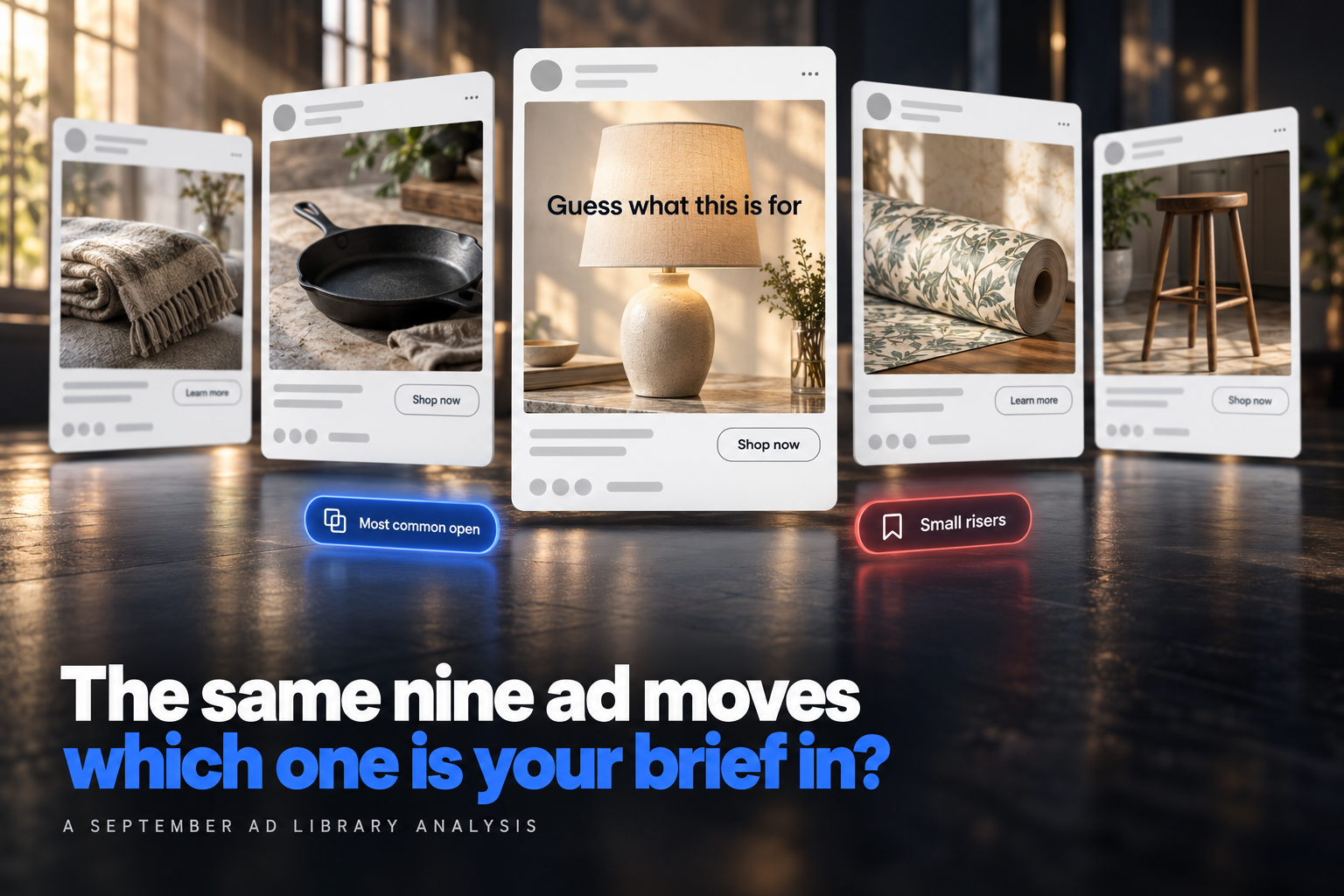
Scope: Home & Furniture ads in the US, as the eCommerceBenchmark Ad Library tracks them. 13 brands, 999 ads active in September 2026, compared with August 2026.
Most ad reports tell you what's popular. Then they leave you standing there.
This one tells you what to do about it.
For each of September's top three hooks, top three angles and top three concepts you get the same five things: what it is, why it matters to you, what moved since August, which real brands ran it, and one thing to steal. That is curiosity gap at 18.3%, identity at 16%, product demo close-up at 8.3% and the six rows under them. Then the small rows that actually grew, led by solution-aware at 6.3% after 3.5%, and one ad to brief this week.
- A brief decides three things, not one. It picks a hook, an angle and a concept. Choose only the hook and you have left the other two to the person who shoots the ad.
- The default in each group is the one every shopper has already seen. It is the row most briefs land in without anyone deciding to. That is where a new ad risks blending into the feed.
- Each default has a shelf life. In the longevity sample, 97.3% of curiosity gap's ads passed sixty days and only 50% of cinematic b-roll's did. That is what tells you where your creative time is worth spending.
But first, three words that most briefs mix up.
Hook, angle, concept: three different jobs
Call cinematic b-roll a hook and the brief is already wrong, since it is a shape just 3 brands staged in this cut: that mix-up wrecks more ad briefs than anything else. Ask for "a stronger hook" and stop there, and the brief lands on curiosity gap by default, the opening all 13 brands in this cut already run, while the argument and the shape go to whoever shoots it. So, plainly. A hook is defined as the first move an ad makes to stop a scroll, its first line or first seconds: here that is curiosity gap, 18.3% of September's ads. An angle is defined as the reason the ad gives a shopper to buy: here that is identity, 16% of the month's ads on 8 brands. A concept is defined as the shape of the creative, how it is filmed, laid out or staged: here that is product demo close-up, 8.3% on 9 brands. Three lines in the brief, three decisions, every time.
| Word | In one line | Plain example |
|---|---|---|
| Hook | The first move an ad makes to stop a scroll: its first line or first seconds. | “I almost sent this one back.” |
| Angle | The reason the ad gives a shopper to buy. | “It fits a small room without feeling small.” |
| Concept | The shape of the creative: how it is filmed, laid out or staged. | One hand smoothing a blanket, shot in one take, with no cuts. |
The plain examples are made up to show the idea.
How to read a rise or a fall
Every item below shows its share of September's ads, how that compared with August, and how many brands ran it: curiosity gap, for one, at 18.3% after 19.7% in August, on 13 brands.
- Rising. A bigger share of ads uses it, the way cinematic b-roll went from 2.3% to 3.8%. Brands may be copying each other or testing a gap; either way, it is getting more crowded.
- Falling. A smaller share uses it, the way curiosity gap slipped from 19.7% to 18.3%. That doesn't mean it failed, and nothing here records a brand stopping an ad.
- Flat. Its share held. Treat it as a stable baseline.
- Small. A move under half a point is small, like authority's 9% to 9.2%. Check the brand count, because a rise carried by few brands, like cinematic b-roll's 3, can be a handful of advertisers launching many ads.
One more rule. A bigger share doesn't mean a row works better. Curiosity gap at 18.3% is the most used opening here, not the proven one, because this data holds no sales, spend or profit: it shows what brands ran, not what earned. Each item also shows how many of its ads in a sample of long-running ads ran sixty days or more, 97.3% for curiosity gap and 50% for cinematic b-roll. That sample is ranked by time on air, so the numbers read high. Read them as a staying-power hint and nothing else.
Ready? Start with how ads open.
The top 3 hooks: how ads open
Together, these three open more than a third of September's ads. This section shows how crowded each opening is and how long its ads lasted in the longevity sample.
Share of September 2026 ads by hook. Source: eCommerceBenchmark Ad Library, 2026.
Share of each hook's ads that ran sixty days or more, in a sample of long-running ads. Reads high: a staying-power hint, not a result. Source: eCommerceBenchmark Ad Library, 2026.
1. Curiosity Gap: it starts a sentence the shopper has to finish
What it is. The line names the subject and keeps the point back, so the shopper has to finish the thought themselves. Muddy Mat starts on “My 80lb dog won't leave this bed” and leaves the promise to its headline.
Why it matters to you. It is the busiest opening of the three, carried by more brands than authority or relatability, 13 of them. Its ads also stayed on air longest of the three in the sample, 97.3% past sixty days. So this is the safe, busy base: write here and your ad lands beside a feed of the same move.
What moved. 18.3% in September, 19.7% in August. The busiest opening in the cut handed a little share back while smaller rows grew, which is the whole story of the month. Our reading: some briefs started looking elsewhere. The data records the share, not the reason.
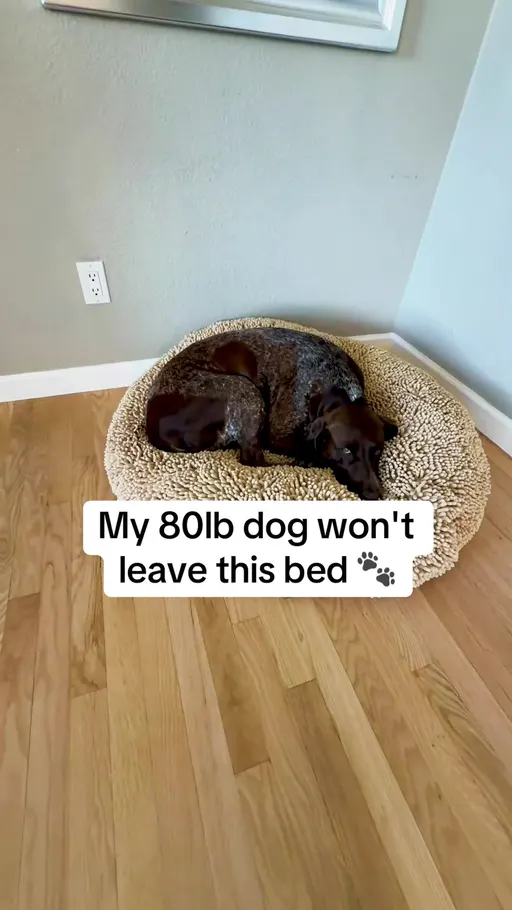
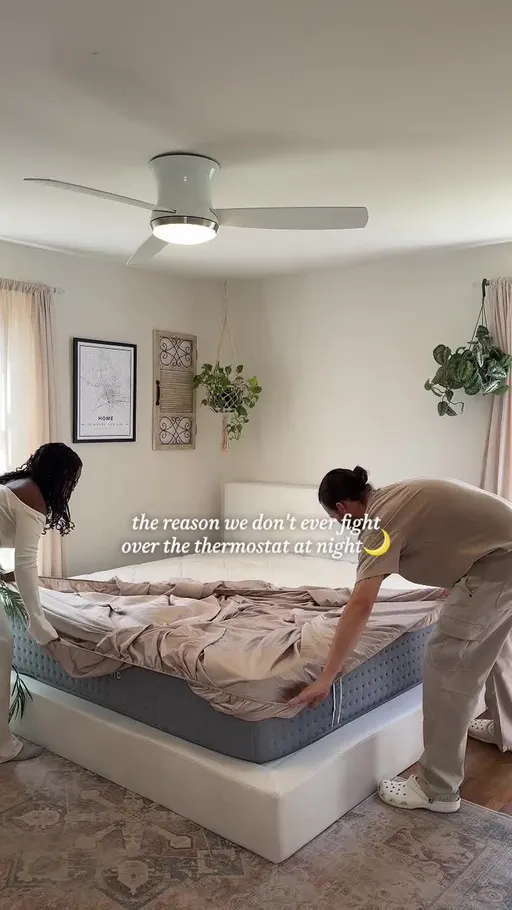
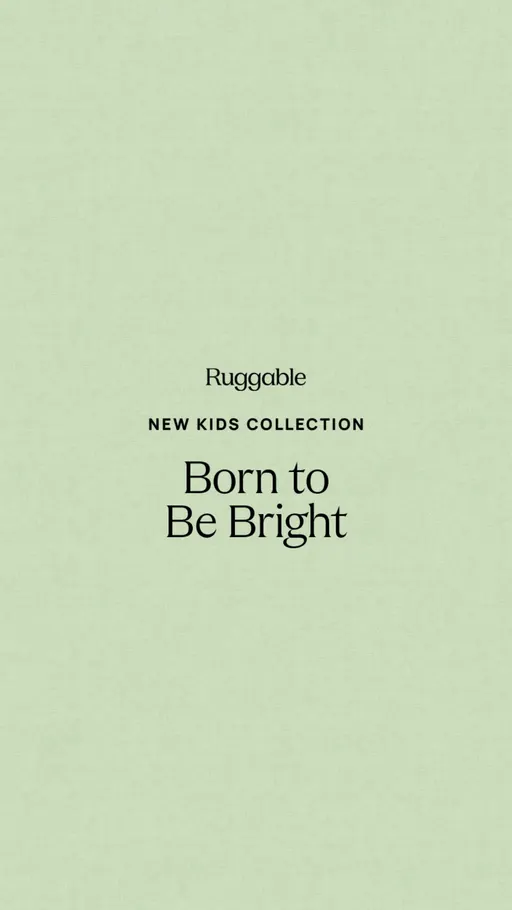
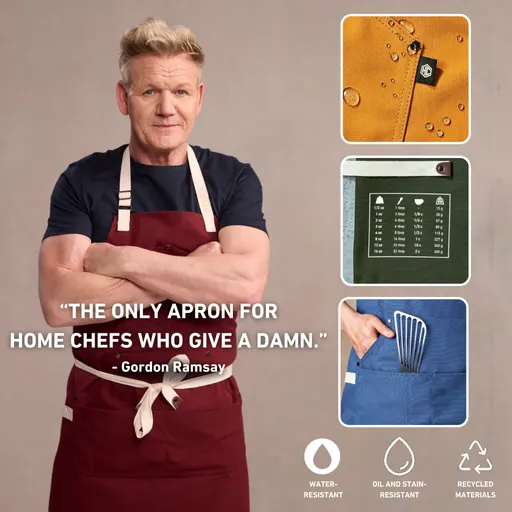
Four ads, four ways to hold something back. Muddy Mat puts the dog and the bed in the first six words and never names the product. Cozy Earth opens mid-thought on “the reason we don't ever fight over the thermostat at night”, so the reason is the missing piece. Ruggable's “Born to Be Bright” names a feeling and no object. HexClad's “🔥NEW PRODUCT🔥” withholds everything, including what it is. The Muddy Mat line is the one worth copying, because its own words give you a person, a thing and a gap in that order.
That's the crowded one. Next, the one that borrows someone else's word for it.
2. Authority: it puts someone else's verdict in the first line
What it is. The opening hands the judgement to a counted crowd or a named person before the brand says anything. Nathan James starts on “50,000+ 5 Star Reviews” and leaves the product to its headline.
Why it matters to you. It is the second busiest of the three, on 10 brands, and its ads sat between the other two for staying power, 92.4% past sixty days in the sample. That makes it the one with room: busy enough to be proven in the category, not so busy that every shopper has met your exact phrasing.
What moved. 9.2% in September, 9% in August. That is a small move, so it shows in the movers chart as a riser along with other rows. Watch it again next month before you read anything into it.
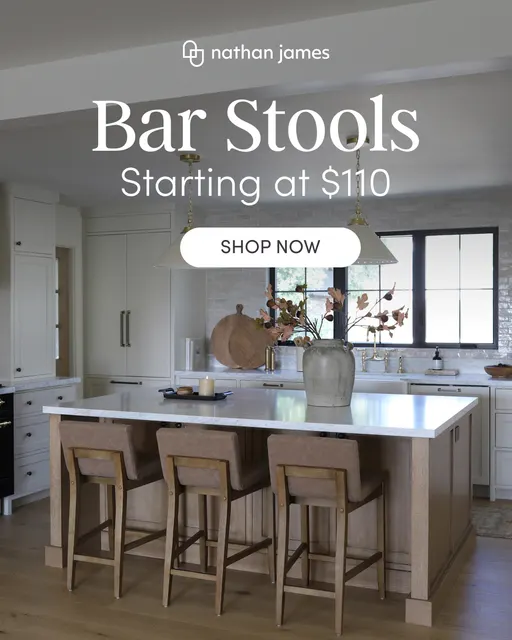
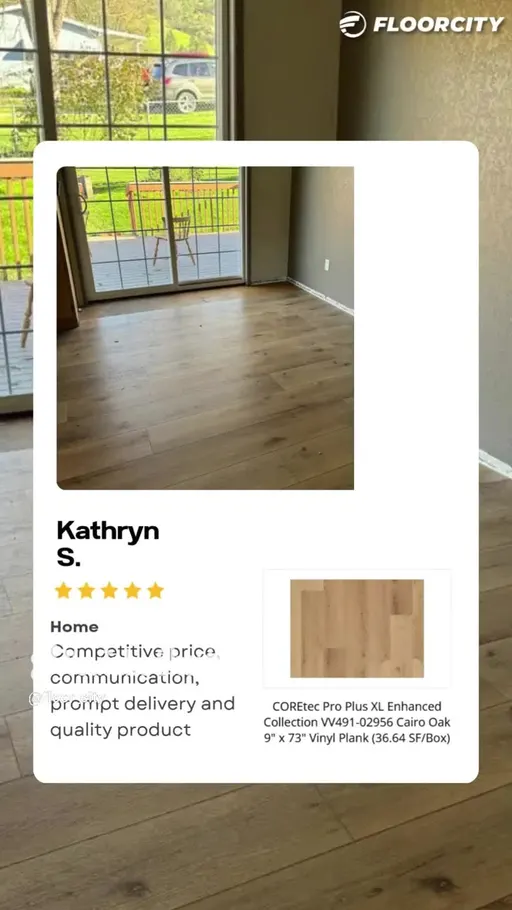


Four ads, four borrowed verdicts. Nathan James leads with a count. Floor City leads with a name, “Kathryn S. 5-star review”, so the verdict has a person attached. HexClad quotes a flat judgement, “HexClad knives are the real deal.”, as its own customer's words. Muddy Mat starts on “Thousands bought it for their dog”, where the crowd is other owners rather than other shoppers. Nathan James is the one to copy: the number comes before the category, so the shopper meets the weight first.
That's the borrowed one. Now the one that sounds like a text message.
3. Relatability: it talks the way the shopper would talk
What it is. The line sounds like a person in their own kitchen or bedroom, not a brand with a slide to get through. HexClad starts on “Stop butchering your food with dull knives!” and leaves the product to its headline.
Why it matters to you. It sits on the fewest brands of the three, 9, and its ads had the shortest stay of the three in the sample, 89.8% past sixty days. Plan to rewrite here more often than you rewrite the other two, and take the thinner brand count as space rather than a warning.
What moved. 8.8% in September, 9% in August. Both shares sit in the same place, so nothing here tells you to leave or to pile in. It is a steady baseline you can test against.
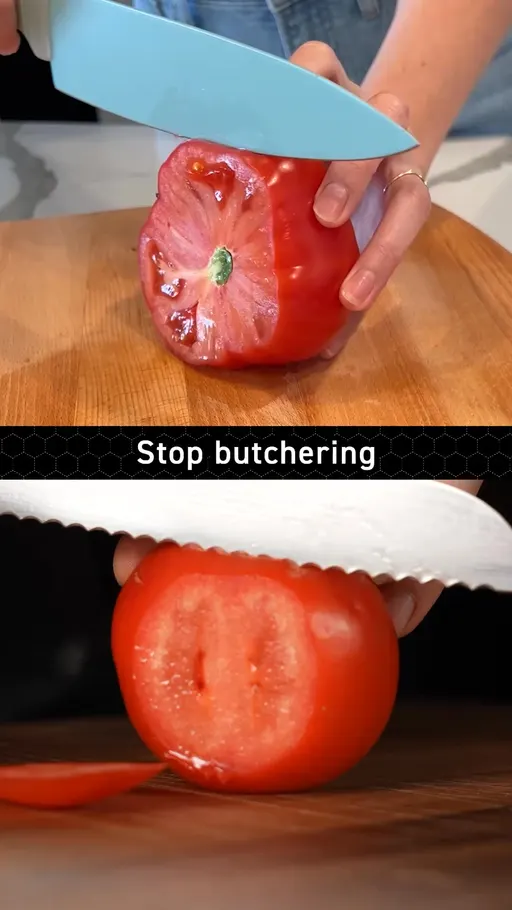
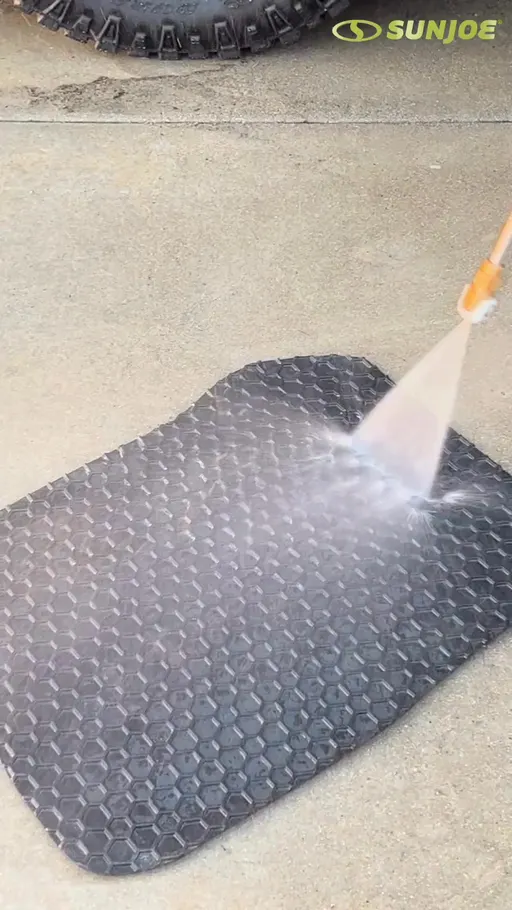
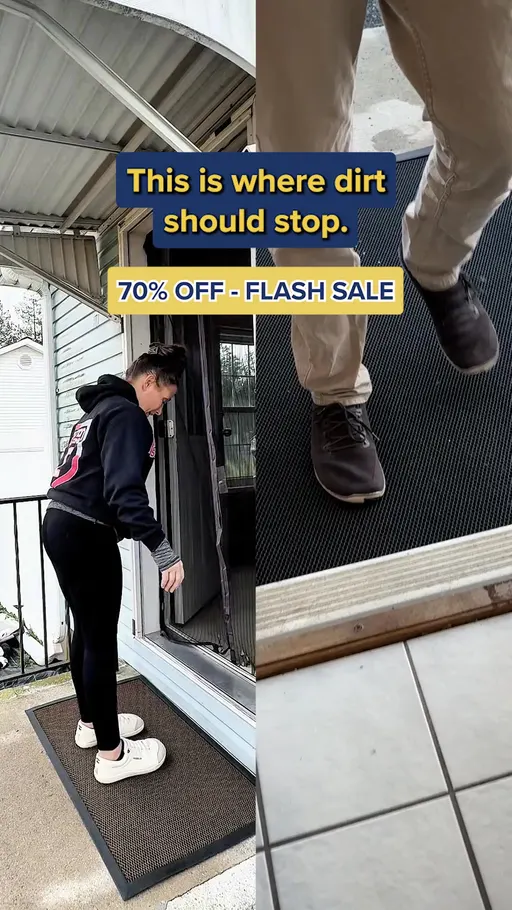

Four ads, four everyday voices. HexClad opens on a verb and an annoyance. Sun Joe asks the question out loud, “Dealing with stubborn dirt and grime buildup on your car mats?”. Muddy Mat draws a line in four words, “This is where dirt should stop.”. Cozy Earth names the feeling before the fix, “If your bedding feels heavy or basic, this is the switch you’ve been waiting for✨”. HexClad's is the one to copy, because the verb arrives before the brand and the shopper is already doing the thing.
That's how ads open. But why would anyone buy?
The top 3 angles: why the shopper should buy
Together, these three argue nearly 4 in 10 of September's ads. Same two questions as before: how crowded each argument is, and how long its ads stayed on air in the sample.
Share of September 2026 ads by angle. Source: eCommerceBenchmark Ad Library, 2026.
Share of each angle's ads that ran sixty days or more, in a sample of long-running ads. Reads high: a staying-power hint, not a result. Source: eCommerceBenchmark Ad Library, 2026.
4. Identity: it hands the shopper a label they would wear
What it is. The argument is about who the buyer is, not what the thing does. DecoratorsBest starts on “Vibrant Designer Wallpaper” and lets the shopper decide that's them.
Why it matters to you. It is the busiest argument of the three by a clear margin, 160 ads, though on fewer brands than the other two, 8. Its ads stayed on air second only to problem-aware in the sample, 94.4% past sixty days. This is your control argument, not your test.
What moved. 16% in September, 16.4% in August. Two shares that close together say the category's main argument is holding, so the interesting decisions this month are elsewhere.
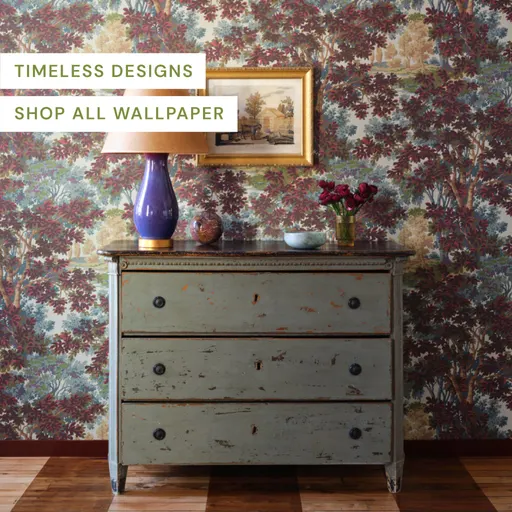
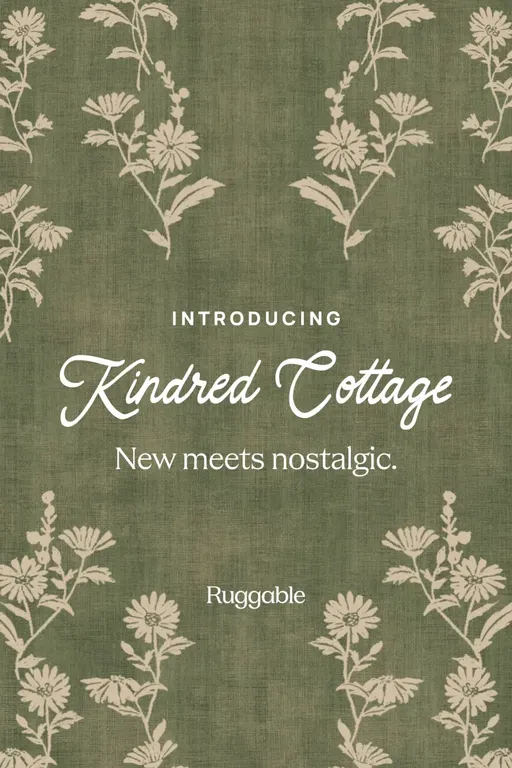
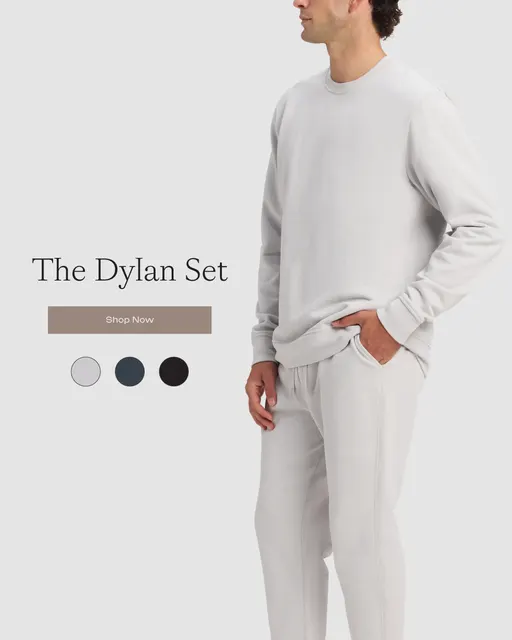
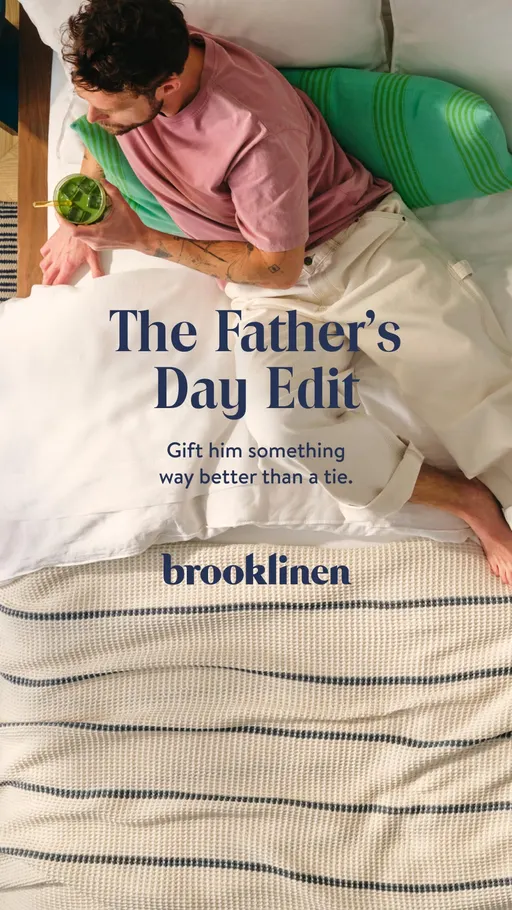
Four ads, four labels. DecoratorsBest names a type of person by naming a type of wallpaper. Ruggable's “INTRODUCING Kindred Cottage” names a collection as if it were a kind of household. Cozy Earth's “Style That Feels as Good as It Looks” puts the shopper's taste first. Brooklinen's “The Father's Day Edit” names exactly who the ad is for and nothing else. Brooklinen is the one to copy: the person arrives in the first three words and the product waits.
That's the label. Now the argument that starts with a mess.
5. Problem-Aware: it puts the mess before the product
What it is. The argument opens on the annoyance the shopper already lives with, then sells the end of it. Sun Joe starts on “Dealing with stubborn dirt and grime buildup on your car mats?” and keeps the machine for later.
Why it matters to you. It is the second busiest argument of the three, 128 ads, on 10 brands. Its ads had the longest stay of the three in the sample, 97.7% past sixty days. So it is the steady one: a row you can write into for months rather than rewrite every fortnight.
What moved. 12.8% in September, 13.6% in August. It eased while identity held, so the gap between the top two arguments narrowed on their own two shares.
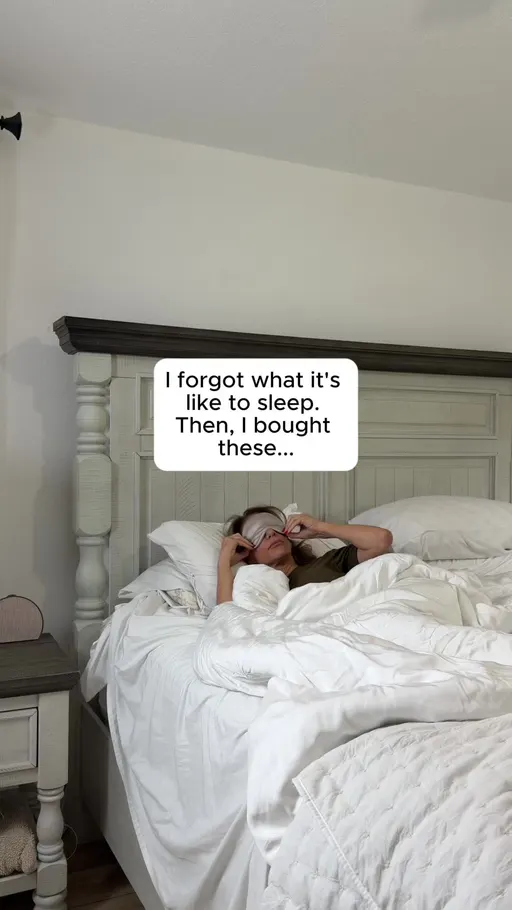
Four ads, four messes. Sun Joe names the dirt and the place it lives. Muddy Mat draws the boundary, “This is where dirt should stop.”. HexClad puts the kitchen failure in the verb, “Stop butchering your food with dull knives!”. Cozy Earth tells it as a before-and-after in one line, “I forgot what it's like to sleep. Then, I bought these...”. Sun Joe's is the one to copy, because the mess is named in the first four words and the product never interrupts it.
That's the mess. Now the one that clears the worry first.
6. Objection Crusher: it makes the price or the risk the first thing settled
What it is. The argument answers the doubt before the shopper raises it, usually with a number or a promise. Sun Joe starts on “SAVE UP TO $120” and names the tool afterwards.
Why it matters to you. It has the widest brand base of the three, 11, on 102 ads, and the shortest stay of the three in the sample, 87.3% past sixty days. Shortest stay plus widest base means plan to rewrite here more often than you rewrite the other two arguments.
What moved. 10.2% in September, 10% in August. It shows in the movers chart as a riser too, in the company of several other rows, so read it as steady rather than surging.
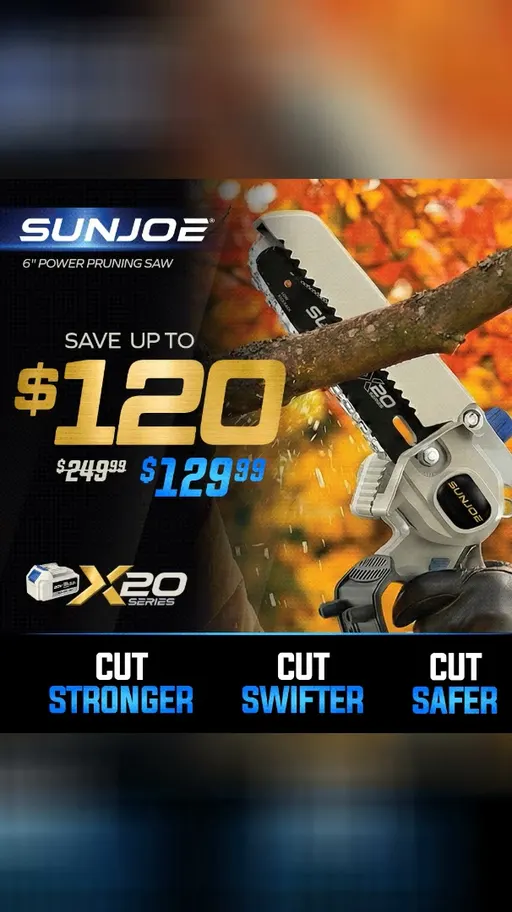
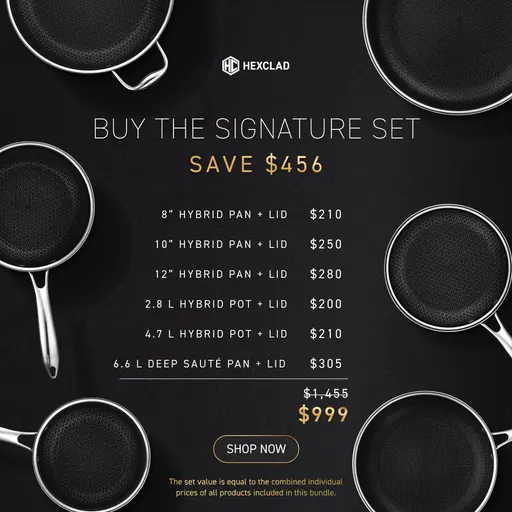
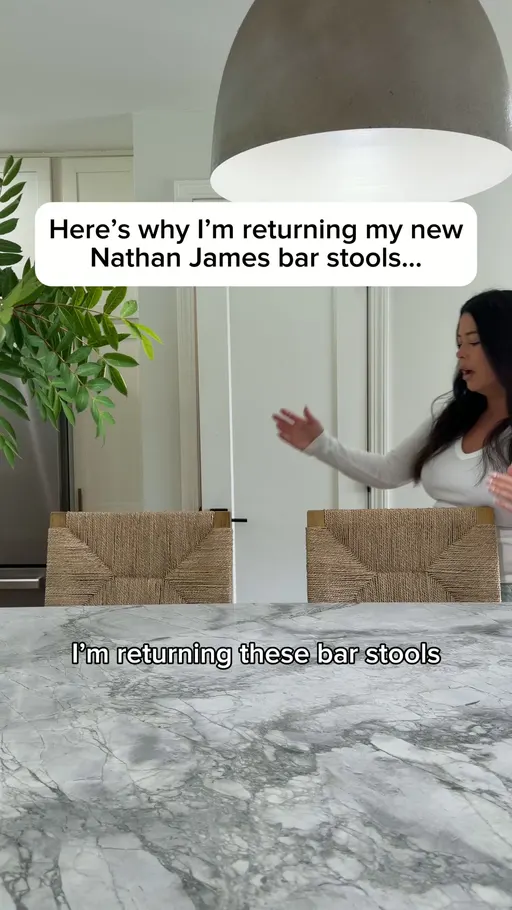
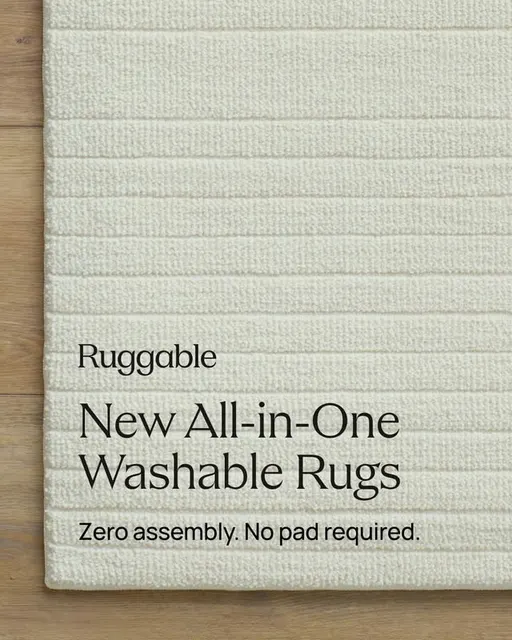
Four ads, four doubts settled. Sun Joe puts the saving first. HexClad answers "which one do I pick" with its own badge, “🏅 BESTSELLING BUNDLE”, a claim in its own words. Nathan James takes the biggest worry head on, “Here's why I'm returning my new Nathan James bar stools...”. Ruggable makes the discount the whole opening, “Unlock 10% Off Today”. Sun Joe's is the one to copy: the number lands before the shopper knows what it buys, which is the only order that makes a saving feel like news.
That's why a shopper should buy. Now the part your editor decides.
The top 3 concepts: how the ad looks
Remember what a concept is: the shape of the creative, how it is filmed, laid out or staged. Fewer ads carry a concept than carry a hook or an angle, so these shares look small, and the only fair comparison is concept against concept, never against a hook or angle share. Together, these three stage about 1 in 6 of September's ads.
Share of September 2026 ads by concept. Source: eCommerceBenchmark Ad Library, 2026.
Share of each concept's ads that ran sixty days or more, in a sample of long-running ads. Reads high: a staying-power hint, not a result. Source: eCommerceBenchmark Ad Library, 2026.
7. Product Demo Close-Up: it stays on one piece and nothing else
What it is. One object fills the frame and does its job while the line points at it. Muddy Mat starts on “This is where dirt should stop.” and leaves the rest to the headline.
Why it matters to you. It is the busiest shape of the three, 83 ads on 9 brands, the widest base here. Its ads also stayed on air longest of the three in the sample, 95.2% past sixty days. That makes it your control shape.
What moved. 8.3% in September, 9% in August. It eased while the two shapes below it rose, which is the clearest sign in the cut that editors tried something else.
Three ads, three single objects. Muddy Mat's line only works if one mat is on screen. Sun Joe asks about the grime, “Dealing with stubborn dirt and grime buildup on your car mats?”, so the frame has one job. HexClad names the failure the blade fixes, “Stop butchering your food with dull knives!”. Muddy Mat is the one to copy, because the sentence points at a single thing and then stops.
That's the control. Now the shape that stacks.
8. Montage: it trades one scene for a stack of short ones
What it is. A run of short clips does the work one scene usually does. Brooklinen starts on “Best. Sheets. Ever.”, three words for the first clip to carry.
Why it matters to you. It is the second busiest shape of the three, 39 ads, but on only 5 brands. Just 56.4% of its sampled ads ran sixty days or more, less than product demo close-up and more than cinematic b-roll. Short-lived and carried by few brands: a test, not a base.
What moved. 3.9% in September, 3% in August. It shows in the movers chart too, so it is one of the rows that actually grew this month.
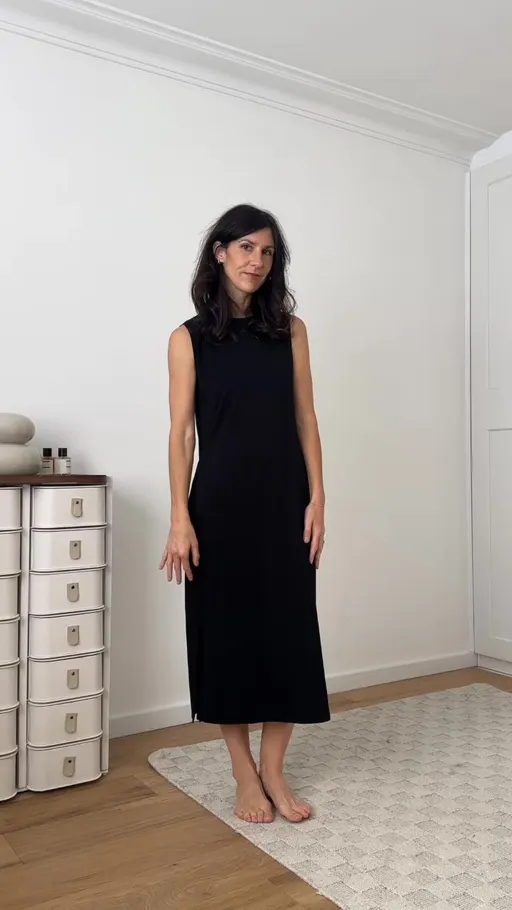
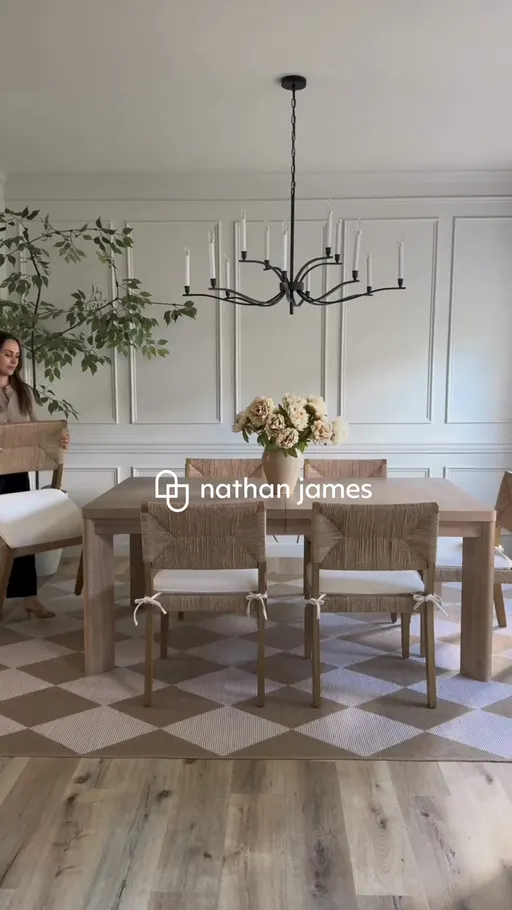
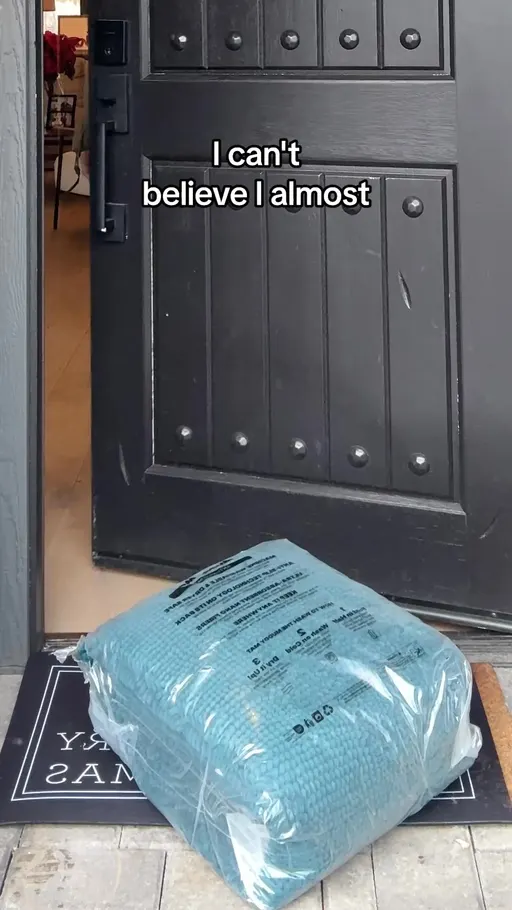
Four ads, four stacks. Brooklinen gives the opening clip three words and three full stops. Cozy Earth opens broad, “A Fresh Take on Everyday Comfort”, so any clip can follow. Nathan James names the room and the product in one line. Muddy Mat opens on a near miss, “I can't believe I almost missed out again this spring season”. Brooklinen is the one to copy: the shortest line in the group, so the clips carry the detail.
That's the stack. Now the one three brands are carrying.
9. Cinematic B-roll: it shoots the room, not the pitch
What it is. The room and the object are filmed like a short film, and the words sit lightly on top. Cozy Earth starts on “POV: You finally get to touch the viral bedding IRL”.
Why it matters to you. It staged 38 ads but sits on just 3 brands, the fewest of the three shapes here, and it had the lowest stay of the three in the sample, 50% past sixty days. A row this narrow is a handful of advertisers, so treat it as an opening rather than a trend.
What moved. 3.8% in September, 2.3% in August. It shows in the movers chart too, alongside the other rows that rose. Our reading: a few brands shot a batch. The data records the share, not the reason.
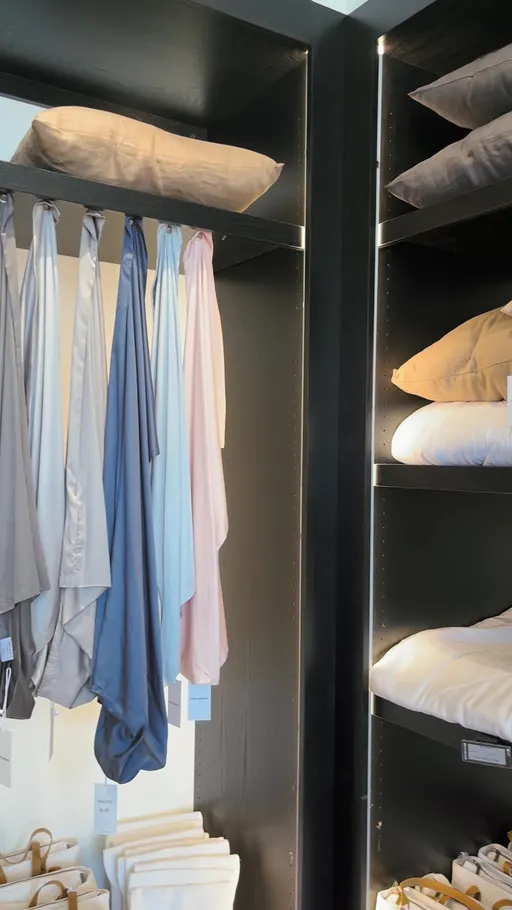
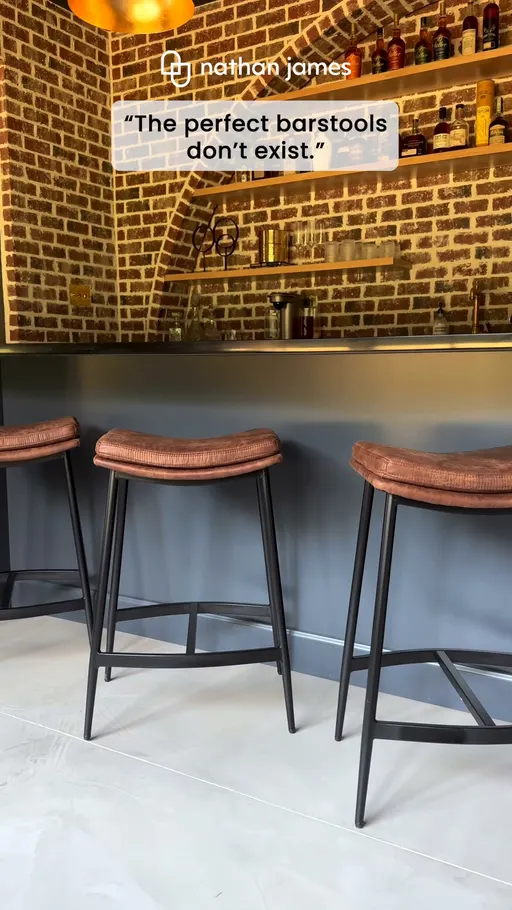
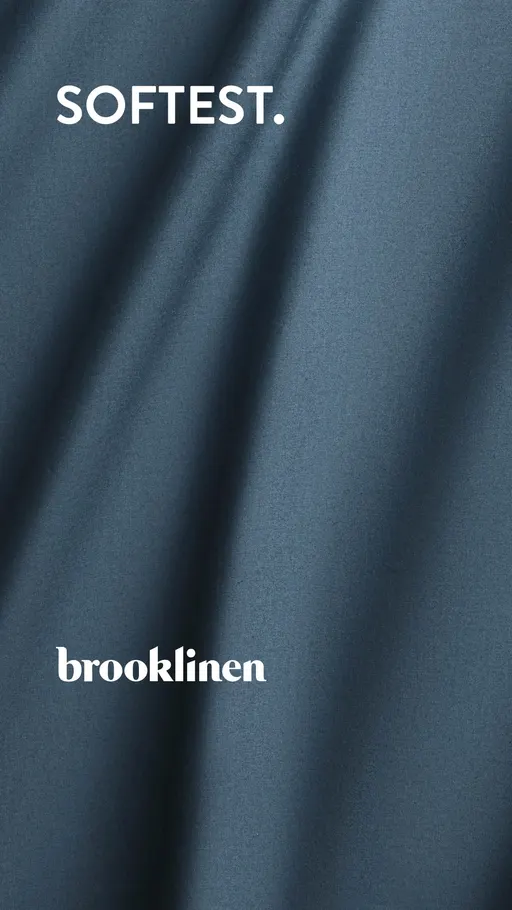
Three ads, three rooms. Cozy Earth puts the shopper in the doorway in the first word and the product in the last. Nathan James opens on a flat denial, “The perfect barstools don't exist.”, so the footage has to answer it. Brooklinen gives the whole opening to one word, “SOFTEST.”. Cozy Earth is the one to copy, because the order of its words walks the shopper in before it shows them anything.
So the top of each group gave you almost nothing. Where did the month actually move?
What actually moved: the small stuff
Four of the nine leaders moved by less than half a point between the two months, and no leader gained share enough to change anyone's plan. Below them, eighteen rows across the three rankings rose by a fifth of a point or more. Here they are.
Rows of the three rankings that rose by a fifth of a point or more, September 2026 against August 2026, in points. Source: eCommerceBenchmark Ad Library, 2026.
None of the nine leaders held exactly the share it had in August. Five eased back, and four rose by enough to appear in the movers figure. Most of the other risers are small rows that few brands write for, which is why no single one of them is the story. The reason to care is that several rose in the same month, in the same cut, while the top of every group gave ground. Let's look at four of them in real ads.
Solution-Aware: it names the switch, not the problem
What it is. The line skips the complaint and goes straight to the swap, the way Cozy Earth does with “If your bedding feels heavy or basic, this is the switch you’ve been waiting for✨”. It argued 6.3% of September's ads after 3.5% in August, the largest rise in the three rankings.
Why people respond. A shopper who already knows their sheets are the problem does not need telling again. Picture someone standing at the linen cupboard with the door open, deciding what to replace rather than whether anything is wrong. A line that names the replacement meets them where they are standing. That is our reading of the attention, not a claim about sales.
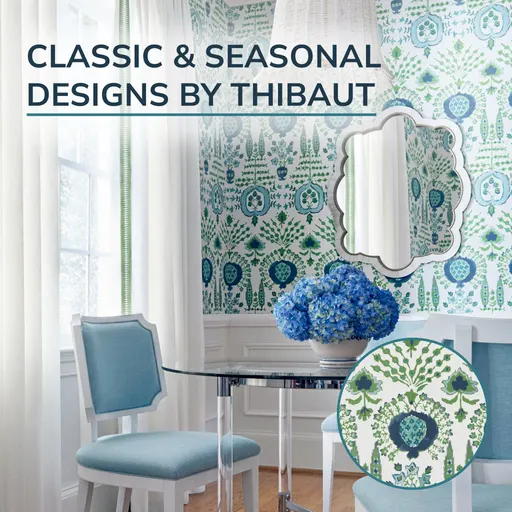
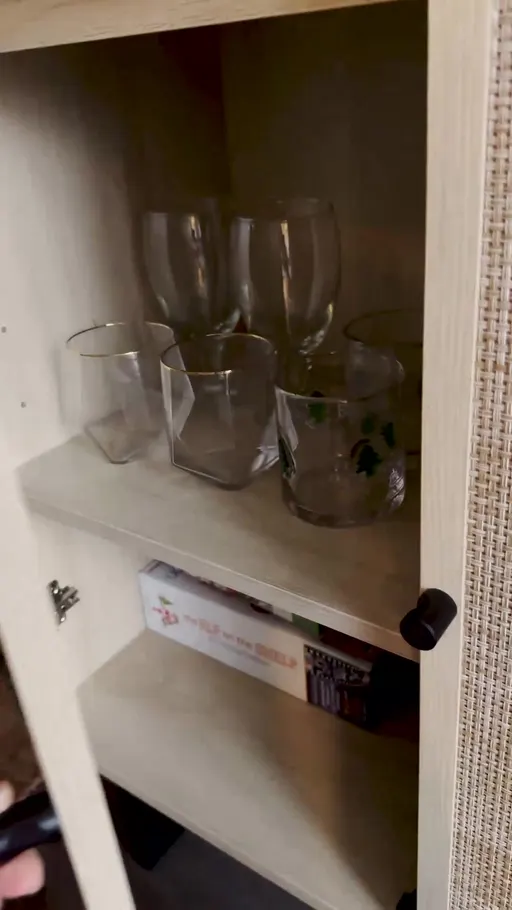
DecoratorsBest keeps it to four words, “Designs Made To Last”, where the promise is the switch. Nathan James names the room and the cabinet in one breath. Brooklinen uses a flat three-word verdict, “Best. Sheets. Ever.”, its own claim about its own product. A handful of brands carry this row, 6 of them, so read the rise as a few advertisers moving together.
Bold Claim: it says the biggest thing first and stops
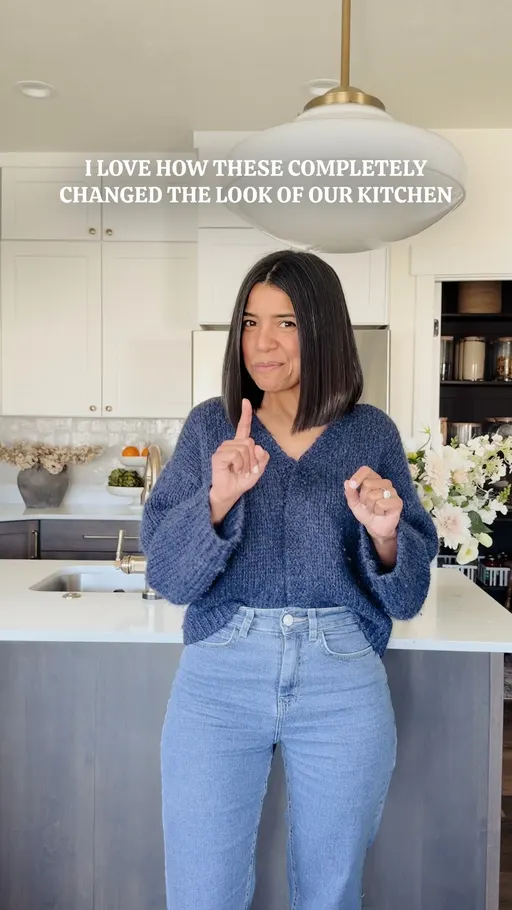
What it is. One large promise opens the ad and nothing softens it, the way Nathan James does with “I LOVE HOW THESE COMPLETELY CHANGED THE LOOK OF OUR KITCHEN”. It opened 4.2% of the month's ads after 2.7% in August, on 42 ads.
Why people respond. A big flat statement is easy to agree or disagree with, and both reactions stop the thumb. It is the sound of a neighbour telling you what they think of their new stools, with no hedging in it. The shopper can test the claim against their own kitchen in a second. That is our reading of the attention, not a claim about sales.
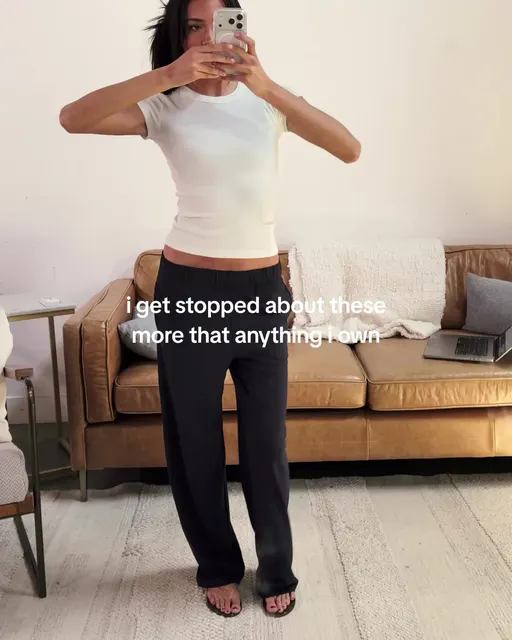
Cozy Earth makes the claim about other people's reactions, “i get stopped about these more than anything i own”. Brooklinen's “Best. Sheets. Ever.” is three words and a full stop each. Five brands carry the row, so it is thin by design.
Direct Question: it asks the shopper to answer before it says anything
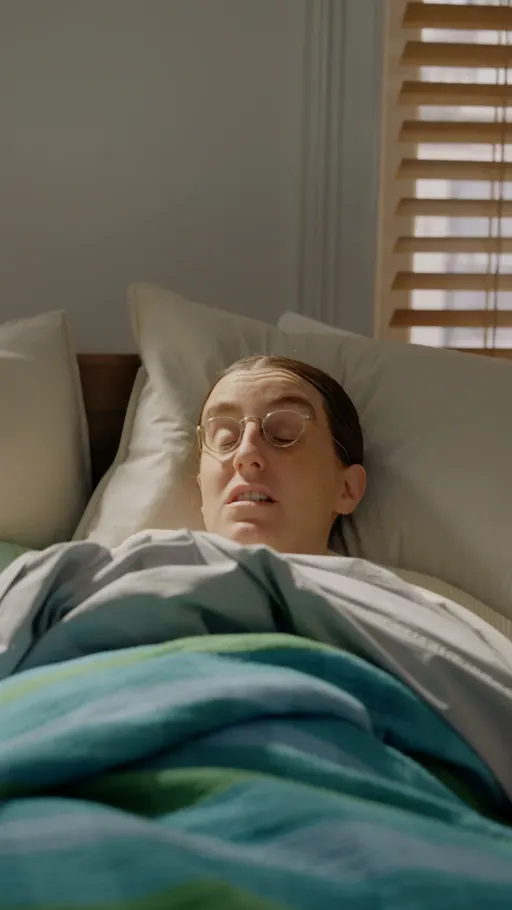
What it is. The first line is a question the shopper answers in their head, the way Brooklinen does with “Do you run hot or cold at night?”. It opened 3.5% of September's ads after 2.6% in August, on 8 brands.
Why people respond. A question with two obvious sides makes you pick one, and once you have picked you are already in the ad. It works like someone asking whether you take the window or the aisle. You answer before you decide whether you wanted to. That is our reading of the attention, not a claim about sales.
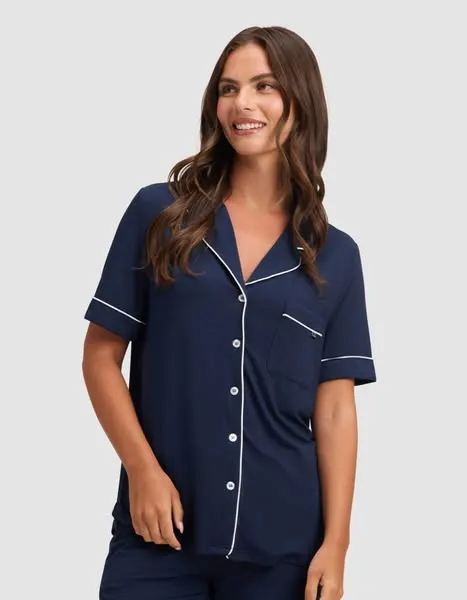
Cozy Earth asks about fit instead, “What size your wearing in the pajama set!”, which invites a reply rather than a side. Both lines put the shopper's answer before the product, and 35 ads carried the row in the month.
Social Proof: it hands the first line to other buyers
What it is. Other customers speak first, the way Muddy Mat does with “Turning our favourite comments into a song to convince y'all muddy mats is the best”. It argued 6.3% of the month's ads after 5.6% in August, on 63 ads.
Why people respond. A room full of other owners is easier to trust than a brand describing itself. It is the difference between a shop assistant telling you a mattress is comfortable and overhearing two people who sleep on one. The words belong to someone with nothing to sell. That is our reading of the attention, not a claim about sales.
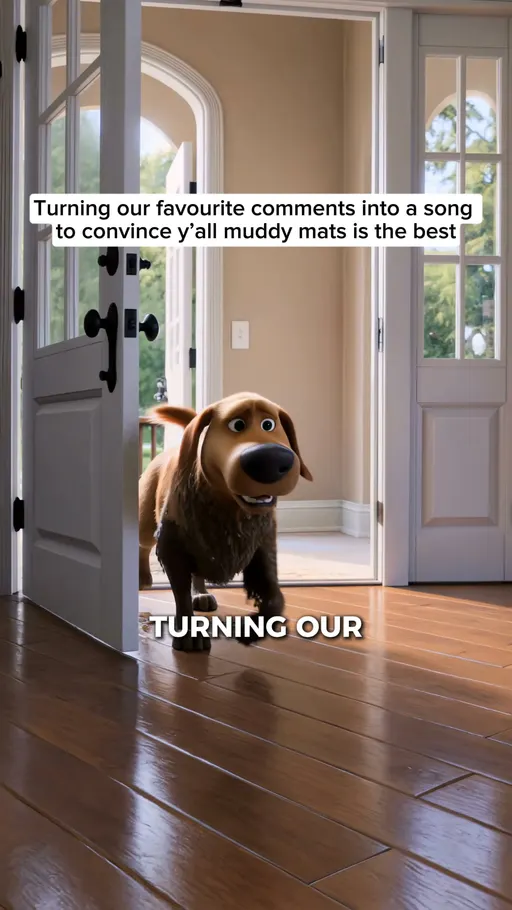
Cozy Earth starts from a comment thread, “What size your wearing in the pajama set!”. Floor City names the reviewer, “Kathryn S. 5-star review”, so the verdict has a person on it. Eight brands carry the row, which is wide for a riser in this cut.
Direct question at 3.5%, bold claim at 4.2% and solution-aware at 6.3% all rose in the same month, and together they hint at one ad nobody has built yet.
One ad to brief this week: the Pick-a-Side Ad
Direct question, solution-aware and bold claim all rose in the same month, and read together they point at a single ad. It opens by making the shopper pick a side. The middle names the switch they would be making. The close hands the last word to an owner who already made it. That is our suggestion, built from the movers rather than a finding in them: the library can't say it will work, which is exactly what the test is for.
The format. A fifteen-second vertical video of four or five clips, the montage shape 5 brands staged in September, one line of text on each, no voice-over needed.
The hook. Model the first clip on Brooklinen's “Do you run hot or cold at night?”: keep the two-sided question and nothing else on screen.
The middle. Model the second and third clips on Cozy Earth's “If your bedding feels heavy or basic, this is the switch you’ve been waiting for✨”: keep the named feeling followed by the named swap.
The close. Model the last clip on Nathan James's “I LOVE HOW THESE COMPLETELY CHANGED THE LOOK OF OUR KITCHEN”: keep the owner's flat verdict, where the shopper is already deciding.
The test. Run it against your best curiosity gap ad, the opening 18.3% of September's ads used, same audience and same budget split, for two weeks, judged on cost per purchase.
Two smaller tests can ride along, each as its own whole ad against the ad it replaces, never folded into this brief and never a swap of the first line alone. One: an offer ad whose line carries a real calendar date instead of "limited time", taken down the day the date passes, run against your urgency / FOMO ads, the opening 5.4% of September's ads used. Two: an ad written for one named shopper, modelled on Brooklinen's “The Father's Day Edit”, which names exactly who it is for, run against your broadest identity ad, the argument 160 of the month's ads made on only 8 brands.
The eCommerceBenchmark Ad Library sorts your ads into the same hooks, angles, concepts and offers used in this report and shows your mix next to the market, so you can see which shapes you have never shipped.
Audit my creatives, freeOne catch before you run off. Everything above is the whole of US Home & Furniture. Your corner of it might look nothing like it.
Why you need to know the hooks in your niche
A row that is crowded across US Home & Furniture can be empty in your own corner of it. Your product line, your price point, your shopper: none of those are the whole cut of 999 ads. The row you think is yours alone may be the one all five of your closest competitors opened with last week, and the row the market calls crowded may be missing from your feed entirely.
- Shoppers tune out an opening they meet over and over. The tenth tease in a feed reads as noise, whatever it is teasing.
- When every ad sounds the same, price is all that is left to compare. The shopper has nothing else to sort by.
- A different opening costs the same to write into the brief. Contrarian at 0.4% takes one line, the same as curiosity gap at 18.3%.
- Different isn't the same as right. Cinematic b-roll rose to 3.8% and still kept only 50% of its sampled ads past sixty days. That is why you test one ad into an empty row instead of switching the whole account over.
Your 30-minute check
- Collect. Pull twenty current ads from your five closest competitors in the free Meta Ad Library.
- Label. Write down each ad's hook, angle and concept, one line per ad.
- Count. The row that shows up most is your niche's crowded row; across US Home & Furniture, that's the curiosity gap.
- Find the gap. The row that shows up least, or never; check it against the movers above.
- Brief one test. One ad for the empty row, run against your control for two full weeks.
Want every number? Here are the full rankings.
The full rankings: hooks, angles and concepts
Use these as worksheets, not scoreboards. Write your own count beside each row, taken from your last month of ads or from your competitors' current ones. If curiosity gap tops your list the way it tops this cut at 18.3%, that is the row you are competing in; if a thin row like grid swap at 0.8% tops yours instead, your corner is not this one.
| Hook | September share | August share | Change |
|---|---|---|---|
| Curiosity gap | 18.3% | 19.7% | ▼ 1.4 |
| Authority | 9.2% | 9% | ▲ 0.2 |
| Relatability | 8.8% | 9% | ▼ 0.2 |
| Urgency / FOMO | 5.4% | 5.4% | 0 |
| Bold claim | 4.2% | 2.7% | ▲ 1.5 |
| Direct question | 3.5% | 2.6% | ▲ 0.9 |
| Visual reveal | 2.2% | 1.6% | ▲ 0.6 |
| Newness | 1.4% | 0.9% | ▲ 0.5 |
| Price anchor | 1% | 0.7% | ▲ 0.3 |
| Shocking statement | 0.5% | 0.5% | 0 |
| Confession | 0.5% | 0.2% | ▲ 0.3 |
| Contrarian | 0.4% | 0% | ▲ 0.4 |
| Angle | September share | August share | Change |
|---|---|---|---|
| Identity | 16% | 16.4% | ▼ 0.4 |
| Problem-aware | 12.8% | 13.6% | ▼ 0.8 |
| Objection crusher | 10.2% | 10% | ▲ 0.2 |
| Social proof | 6.3% | 5.6% | ▲ 0.7 |
| Solution-aware | 6.3% | 3.5% | ▲ 2.8 |
| Comparison | 2.6% | 2.5% | ▲ 0.1 |
| Mechanism | 1.6% | 1.7% | ▼ 0.1 |
| Concept | September share | August share | Change |
|---|---|---|---|
| Product Demo Close-Up | 8.3% | 9% | ▼ 0.7 |
| Montage | 3.9% | 3% | ▲ 0.9 |
| Cinematic B-roll | 3.8% | 2.3% | ▲ 1.5 |
| Side-by-Side Comparison | 2% | 1.5% | ▲ 0.5 |
| Selfie talking-head | 1.9% | 1.5% | ▲ 0.4 |
| Customer Testimonial Reel | 1.6% | 1.3% | ▲ 0.3 |
| Offer-first banner | 1.3% | 0.8% | ▲ 0.5 |
| Grid swap | 0.8% | 0.3% | ▲ 0.5 |
| POV | 0.4% | 0.3% | ▲ 0.1 |
| Listicle | 0.3% | 0.2% | ▲ 0.1 |
| Problem agitation | 0.1% | 0.1% | 0 |
| Before/After Transformation | 0.1% | 0.1% | 0 |
Your test card
Here is the Pick-a-Side Ad from this article, set up the way a media buyer would run it. Fill in the blanks with your own numbers, and write them down before you launch.
| Hypothesis | A Pick-a-Side ad, opening on a question the shopper answers in their head, will hold my cost per purchase against my best curiosity gap ad on the same audience and the same budget split over two full weeks. |
| Change only this | The whole creative, briefed as the Pick-a-Side Ad: question open, switch in the middle, owner's verdict at the close. |
| Keep the same | Product, offer, audience, placement and budget split. |
| Funnel stage | Say first whether this ad is for prospecting (cold) or retargeting (warm). A deal in the first line is often right for warm audiences and wrong for cold ones, so test it where the ad will really run. |
| Setup | One control and one variant, same audience, same placement, even budget split. Do not edit either ad while the test runs. |
| How long and how much | Until each version has about 50 purchases, or two full weeks, whichever comes later. This is general testing practice (Meta's own learning-phase guideline is about 50 results per ad set per week), not a library finding. |
| Success metric | Cost per purchase, not clicks. |
| Stop rule | Pause a variant that has spent about 3 times your target cost per purchase with no purchase. If it is close, keep it running. |
| What counts as a win | The variant beats the control on the metric by an amount you would act on, and still does in a second week. |
September 2026 US Home & Furniture ads: what to brief next
- Curiosity gap opened 18.3% of September's US Home & Furniture ads, authority 9.2% and relatability 8.8% [eCommerceBenchmark Ad Library, 2026]: this is the lane a brief lands in by default.
- Identity, problem-aware and objection crusher argued nearly 4 in 10 of the month's ads, with identity alone at 16%.
- Among concepts, and against each other only, product demo close-up staged 8.3%, montage 3.9% and cinematic b-roll 3.8%.
- Staying power, from the library's longevity-ranked sample: curiosity gap had the most of its three with 97.3% of its ads past sixty days, cinematic b-roll the least of its three with 50%.
- Eighteen rows rose by a fifth of a point or more, led by solution-aware at 6.3% after 3.5%, then bold claim at 4.2% after 2.7% and direct question at 3.5% after 2.6%, each on six brands or fewer.
- Label twenty competitor ads by hook, angle and concept this week, and brief one ad for the row that never appears.
US Home & Furniture ad benchmarks: common questions
Keep one ad on the curiosity gap as your control and leave its budget alone: it is the row 18.3% of September's ads opened on, so it is the lane your category already knows. Then brief exactly one Pick-a-Side ad, the question open, the switch in the middle, the owner's verdict at the close. Run it against the control on the same audience and the same budget split for two full weeks. Judge it on cost per purchase, write the number down before you launch, and at the end of the fortnight you will have a decision you can defend instead of a hunch about your first line.