UK eCommerce Ads, October 2026: Quick Cuts Surged in a Month. Will They Last?

Scope: every industry the eCommerceBenchmark Ad Library tracks in the UK. 276 brands, 13,256 ads active in October 2026, compared with September 2026. No split by industry.
Most ad reports tell you what's popular. Then they leave you standing there.
This one hands you the next brief instead.
Nine moves, nine things to steal. Curiosity gap is still the most common opening in UK ads, Identity the most common argument, Cinematic B-roll the most common shape, and neither the opening nor the shape sat still this month. After the nine come the small rows that grew, and one ad to brief this week.
- A brief decides three things, not one. Your next ad needs a hook, an angle and a concept. Ask only for a stronger first line and you have left the argument and the shape to the person who shoots it, which in October means Curiosity gap, Identity and Cinematic B-roll by default.
- The default is the one every shopper has already met. Curiosity gap is the opening more UK ads use than any other. That is the lane where your ad risks sounding like the four ads above it in the feed.
- The defaults differ on staying power. Curiosity gap ads sat past sixty days more than any other row shown here; Visual reveal ads sat past it least of the three hooks.
But first, three words that most briefs mix up.
Hook, angle, concept: three different jobs
Mixing these three up is a common way a brief goes wrong. A brief that asks for "a stronger hook" and stops there has decided one thing out of three, and the two it skipped get filled in by whoever makes the ad. Across UK eCommerce in October 2026 the blank boxes fill the same way: a Curiosity gap opening, the one on 15.3% of ads, an Identity argument, the one on 25.3%, and a Cinematic B-roll shape, the one on 11%. That is what the UK market hands you when you leave the boxes empty.
| Word | In one line | Plain example |
|---|---|---|
| Hook | The first move an ad makes to stop a scroll: its first line or first seconds. | "We nearly didn't make this one." |
| Angle | The reason the ad gives a shopper to buy. | "One jar does what three used to." |
| Concept | The shape of the creative: how it is filmed, laid out or staged. | One hand opening a lid, held close for the whole clip. |
The plain examples are made up to show the idea.
How to read a rise or a fall
Every row below shows its share of the 13,256 UK ads active in October and how many of the cut's 276 brands ran it.
- Rising. A bigger share of ads uses it, so the row is getting more crowded. Montage went from 6.6% to 10.7%.
- Falling. A smaller share uses it. That doesn't mean it failed: Curiosity gap eased from 18.2% to 15.3%.
- Flat. Its share held, so treat it as a stable baseline. Side-by-Side Comparison sat at 0.8% in both months.
- Small. A move under half a point is small, so check the brand count. Behind-the-Scenes went from 0.5% to 0.7% on 34 brands.
One more rule. A bigger share does not mean a row works better. The library holds no sales data, so it shows what brands ran, not what earned. Each item also shows how many of its ads ran sixty days or more. The library keeps long-running ads first, so the numbers read high. Treat them as a staying-power hint: Curiosity gap's was 92.7%.
Ready? Start with how ads open.
The top 3 hooks: how ads open
Together, these three open close to 4 in 10 of October's UK ads. This section shows how crowded each opening is, and how long its ads sat on air in the longevity sample.
Source: eCommerceBenchmark Ad Library, 2026.
1. Curiosity Gap: it holds the payoff back for one more line
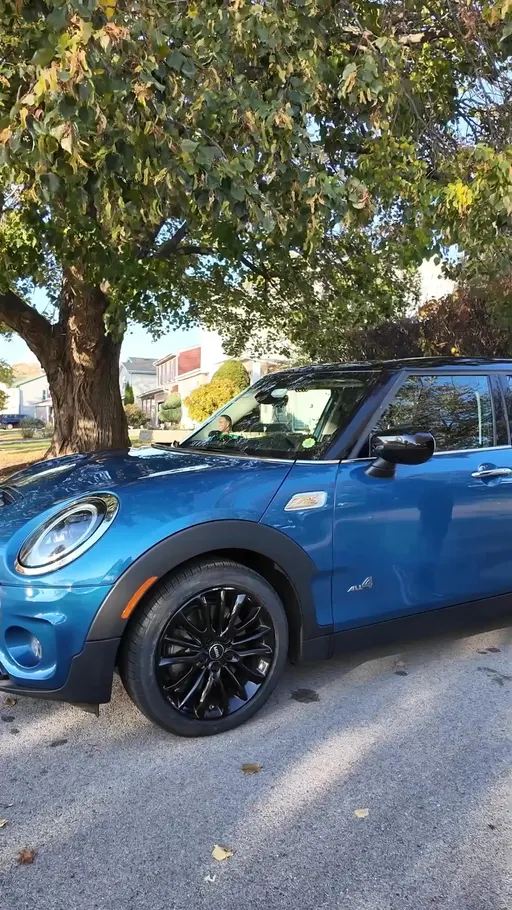
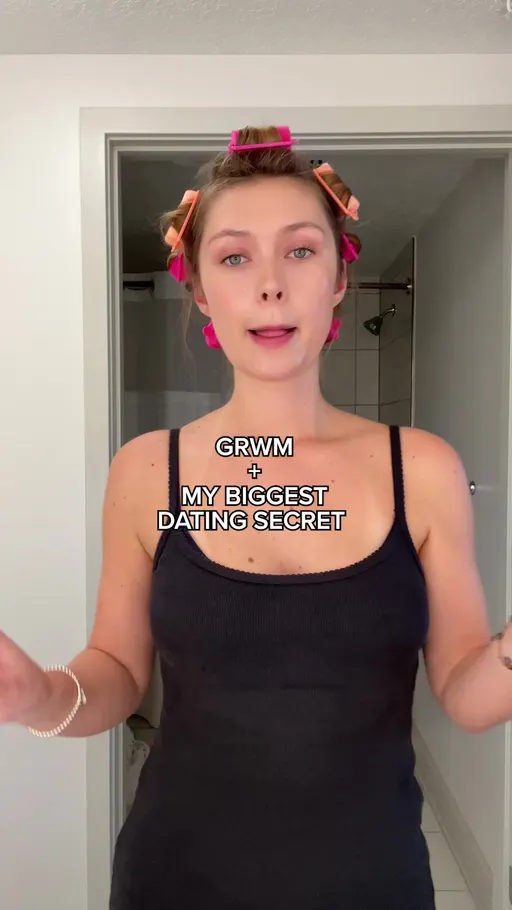
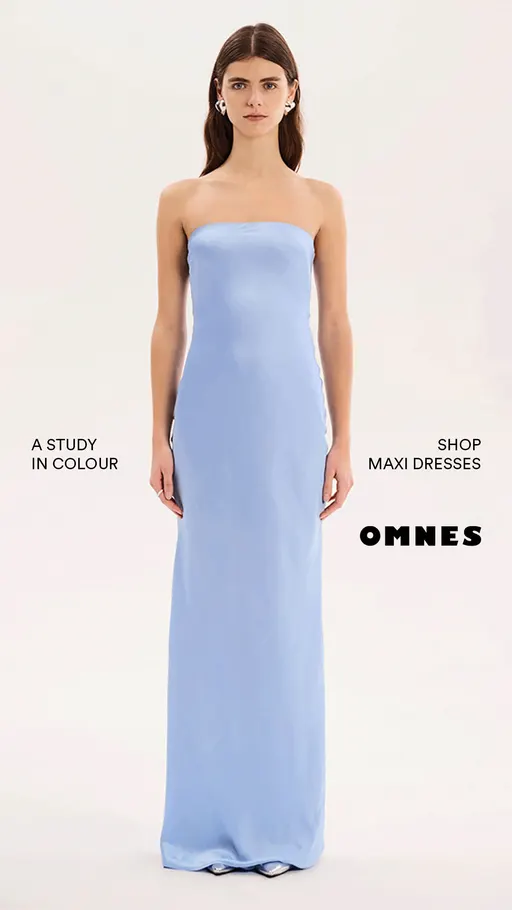
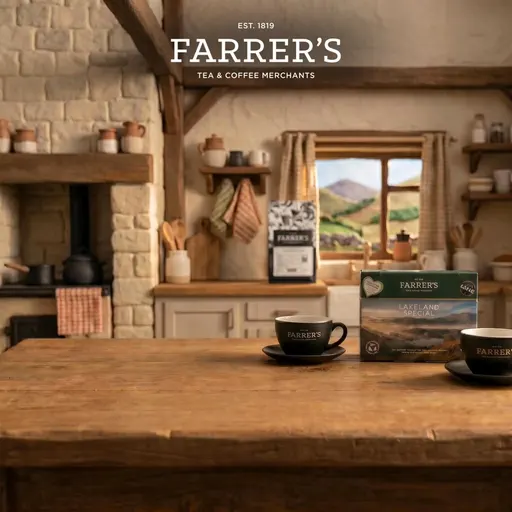
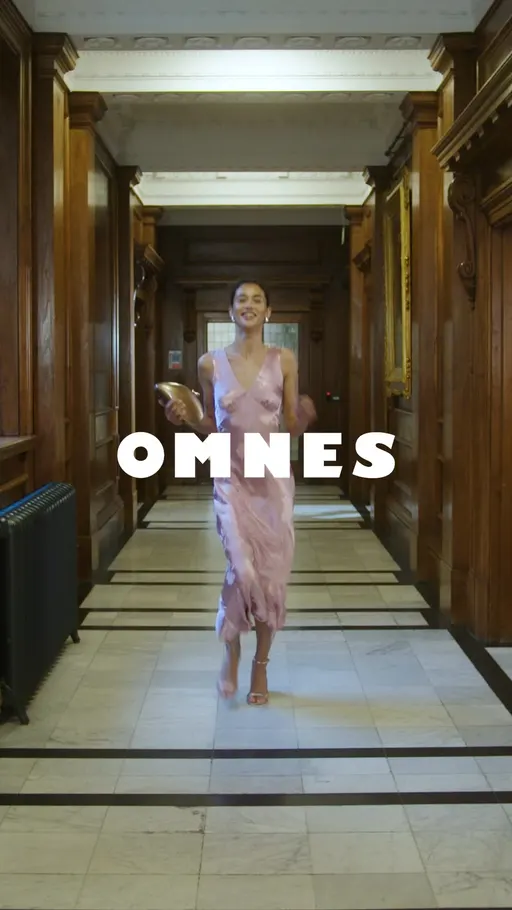
What it is. The opening says enough to make the next line matter and no more. turtlewax.co.uk starts on "Look after your car self" and leaves the product to its headline, and omnes.com runs the whole thing as four words: "A STUDY IN COLOUR".
Why it matters to you. It is the busiest opening in the cut, and its ads sat past sixty days more often than the other two, at 92.7% in the sample. So this is your safe base: the one to keep funded, not the one to be clever in.
What moved. 15.3% in October, 18.2% in September. The default opening gave up ground while the rows around it filled. Our reading: brands refreshed their libraries with shapes that show more and say less.
That's the crowded one. Now the one that says everything up front.
2. Bold Claim: it says the biggest thing first
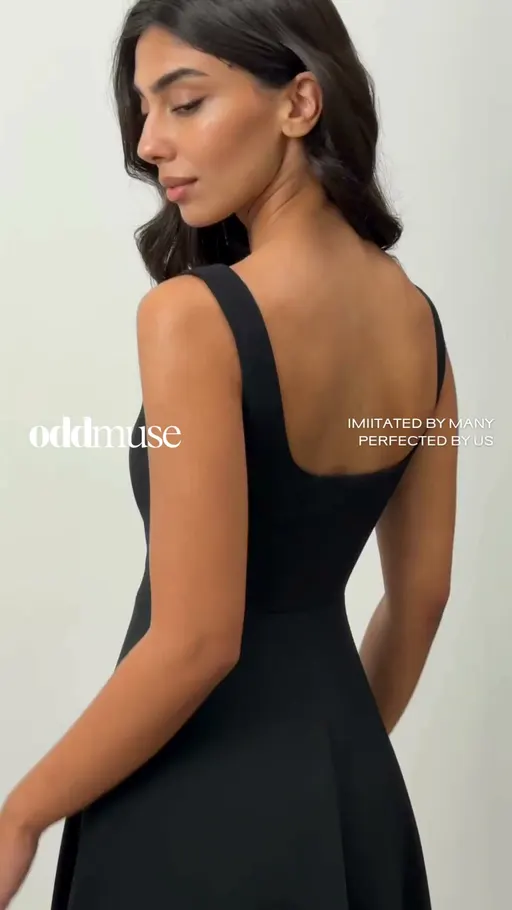
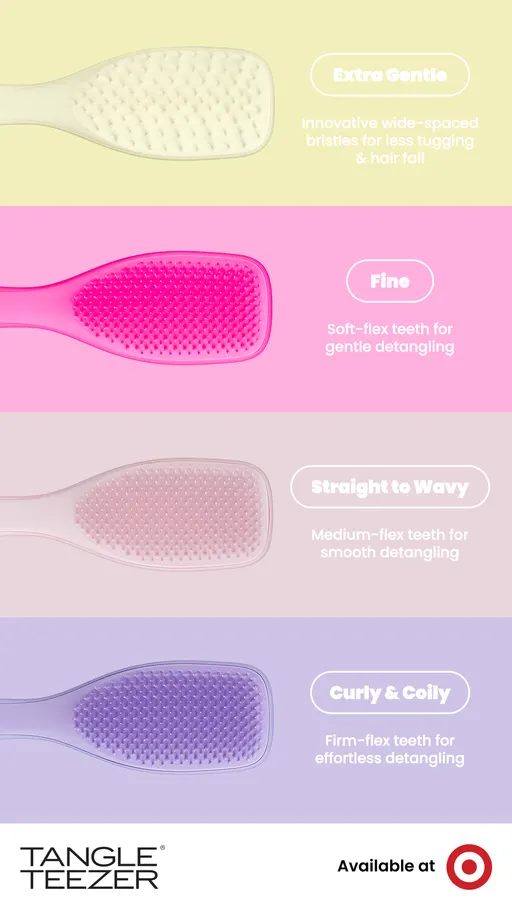
What it is. The strongest sentence the brand is willing to sign goes in position one. oddmuse.co.uk starts on "Imitated by many, perfected by us", and tangleteezer.com puts the whole promise in the opening: "A Hairbrush for Every Hair Type".
Why it matters to you. It sits second of these three on share and second on staying power, with 54.4% of its sampled ads past sixty days. Less crowded than Curiosity gap, longer-lived than Visual reveal: of the three openings here, this is the one with room this month.
What moved. 12.8% in October, 10.9% in September. A bigger share of ads put their biggest sentence first, so the bar for a flat claim is higher than it was.

That one talks. The next one shows.
3. Visual Reveal: it puts the thing on screen before the words
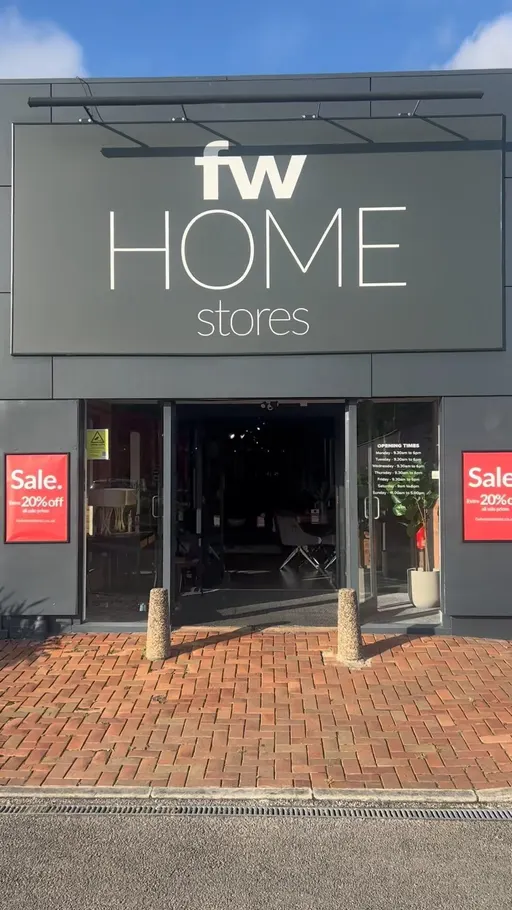
What it is. The opening hands the job to the picture and keeps the text out of the way. lovellsports.com gets it down to three words, "Adidas football boot", and fwhomestores.co.uk opens on an invitation: "Visit our Cardiff store with us 😍".
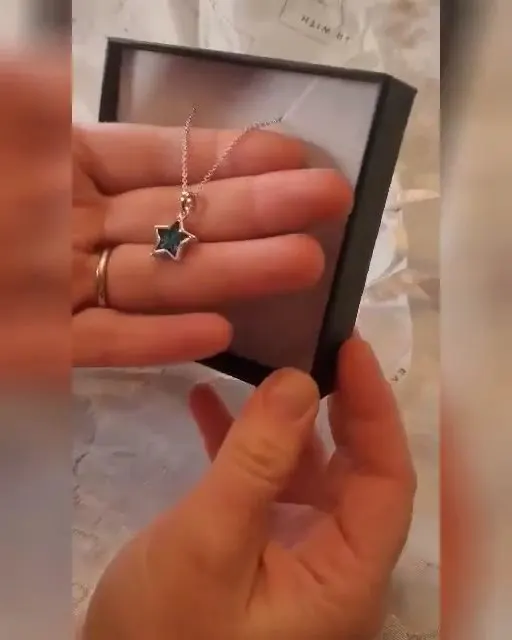
Why it matters to you. It is the smallest of the three on share and the lowest on staying power, with 24.4% of its sampled ads past sixty days. It also climbed the most this month, so many of its ads have not had sixty days yet. Read it again next month before you plan around it.
What moved. 9.5% in October, 5.8% in September. That is the biggest climb of the three hooks, so the row that fills fastest is also the one with the fewest ads past sixty days, which is what a new wave looks like.

That's how ads open. But why would anyone buy?
The top 3 angles: why the shopper should buy
Together, these three argue just over half of October's UK ads. This section shows how crowded each argument is, and how long its ads sat on air in the sample.
Source: eCommerceBenchmark Ad Library, 2026.
4. Identity: it hands the shopper a picture of who they are
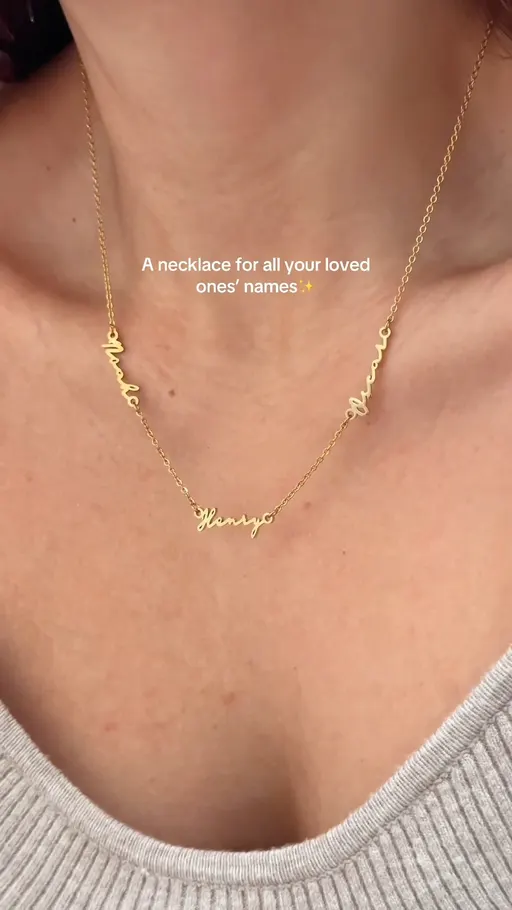
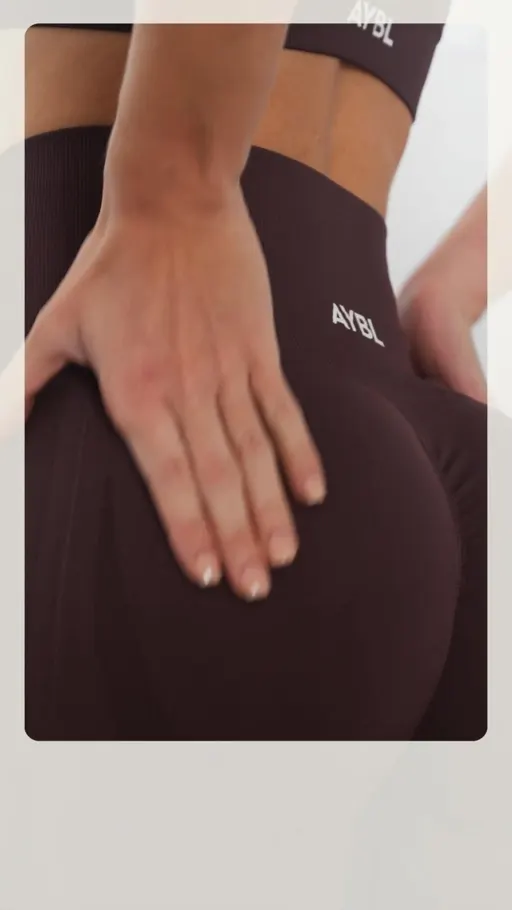
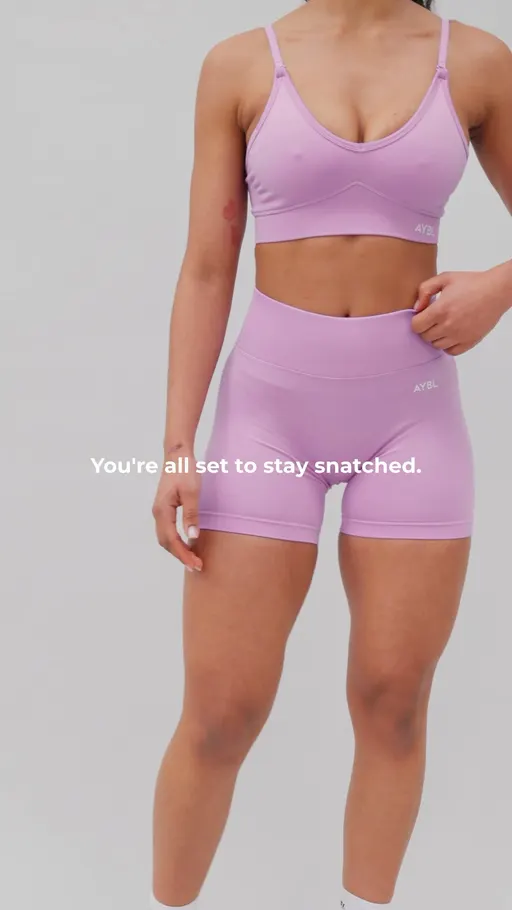
What it is. The argument is about the person, not the product. abbottlyon.com starts on "A necklace for all your loved ones' names ✨", and aybl.com sells a version of winter with "New in: Winter fits, stay warm and stylish".
Why it matters to you. It has the widest base of the three arguments here, and its ads sat past sixty days more often than Solution-aware's, at 66.1% in the sample. Busy and durable: your Identity ad will not look different, but it probably will not need rewriting soon. Write it once, well.
Where it sits. 25.3% of October's ads. That is the widest argument in the cut, where a quarter of the market makes the same case to the same shopper.
That's the argument about the shopper. Next, the one about the thing they already want.
5. Solution-Aware: it names the fix for someone already shopping for one
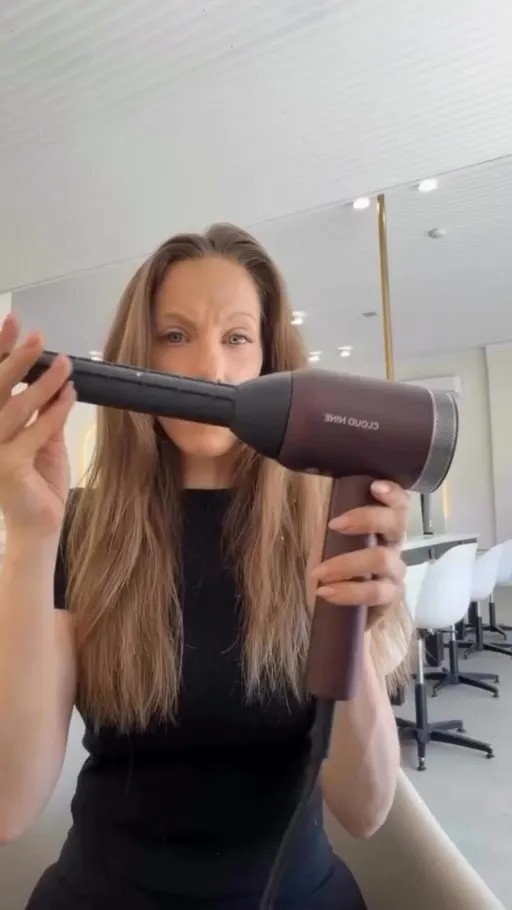
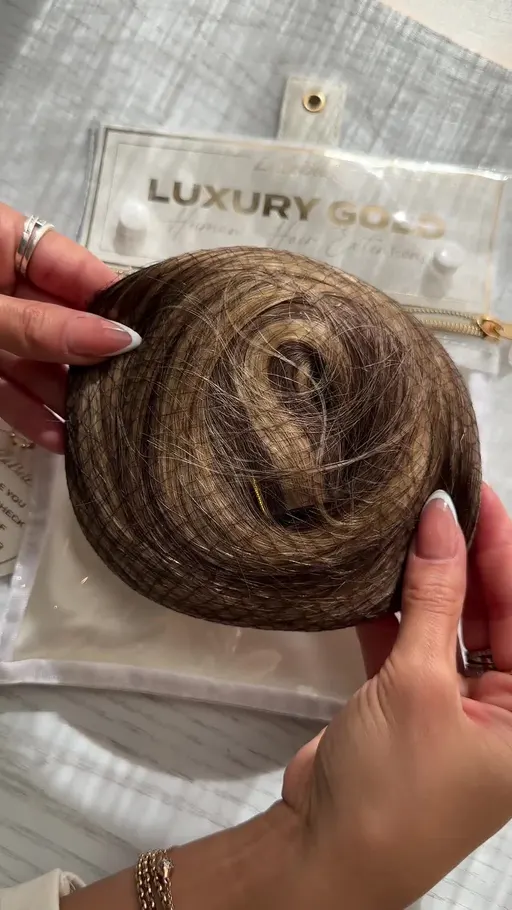
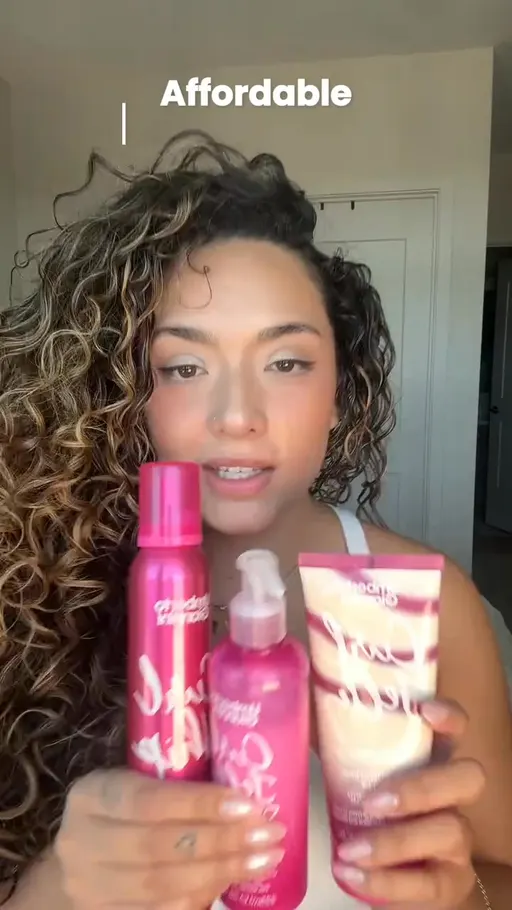
What it is. The ad assumes the shopper knows the problem and skips to the answer. lullabellz.com opens on "Get Luxury Lengths with Lullabellz", and cloudninehair.com names the outcome flat out: "Achieve salon-quality curls at home with ease."
Why it matters to you. It is the second-busiest argument here and the lowest of the three on staying power, with 38.5% of its sampled ads past sixty days. It also filled up fastest this month, so many of its ads are too new to have got there. Brief it for a product with one obvious job.
What moved. 18.7% in October, 14.4% in September. That is the largest rise anywhere in the three rankings, and it shows in the movers chart below. Our reading: a bigger share of ads spoke straight to shoppers already comparing options.
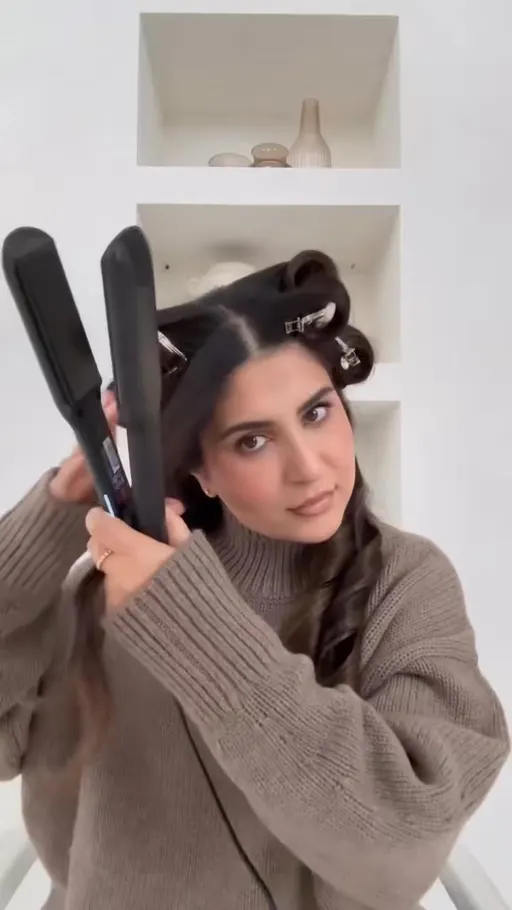
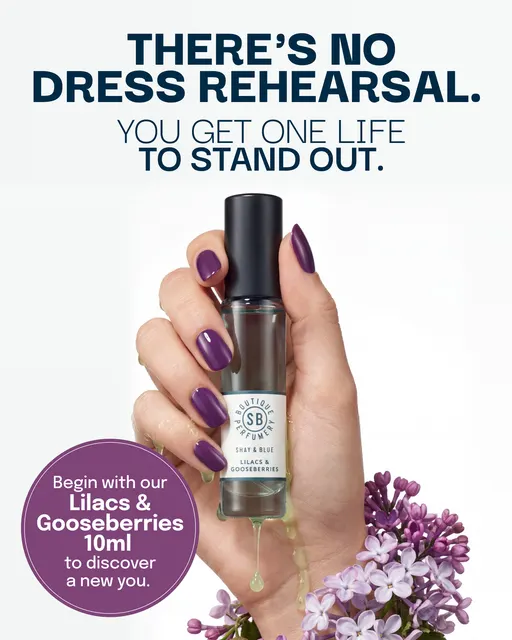
Two arguments down. The third is the one that goes looking for the doubt.
6. Objection Crusher: it answers the doubt before the shopper says it
What it is. The ad names the reason not to buy and settles it in the first line. grind.co.uk opens on "From just 43p per café-quality cup ☕", and objktsjewelry.com removes the risk in two words: "FREE RING".
Why it matters to you. It is the smallest of these three on share and the one whose ads sat on air longest, at 83.5% past sixty days in the sample. Fewer brands write it, and the ones that do seem to keep it. Write it once and leave it alone.
What moved. 7.4% in October, 8.1% in September. It eased while Solution-aware climbed, which leaves the longest-lived argument of the three a little emptier than it was.
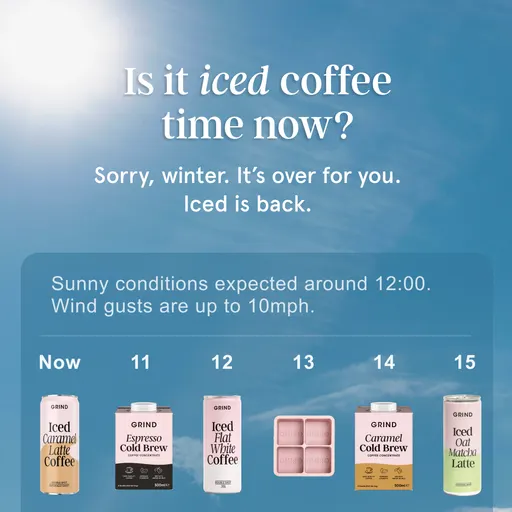
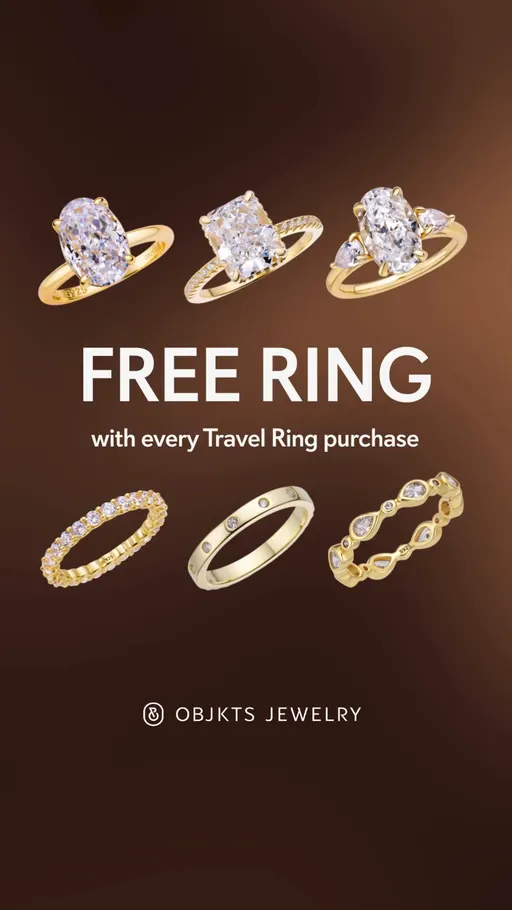
That's why they should buy. Now, what the ad actually looks like.
The top 3 concepts: how the ad looks
A concept is the shape of the creative: how it is filmed, laid out or staged. Fewer ads carry a concept than carry a hook or an angle, so these shares look small, and you compare concepts only with each other, never with a hook or angle share. Together these three stage close to a third of October's ads, and this section shows how crowded each shape is and how long its ads sat on air.
Source: eCommerceBenchmark Ad Library, 2026.
7. Cinematic B-roll: it films the product inside a wider scene
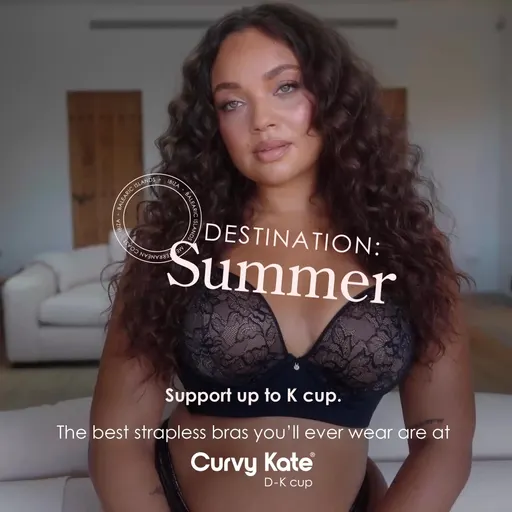
What it is. The product is shot inside a place, a day or a mood rather than against a backdrop. uk.janji.com opens on three words, "Better Than Sunscreen", and curvykate.com sets a destination: "DESTINATION: Summer. Support up to K cup."
Why it matters to you. It is the biggest of these three shapes and the middle one on staying power, at 35.2% of sampled ads past sixty days. It also climbed this month, so read that number as partly a new wave. The writing has to carry it.
What moved. 11% in October, 7.8% in September. The biggest of the three shapes by share also climbed, which is why it shows in the movers chart below.

That shape takes its time. The next one does not.
8. Montage: it cuts many short clips onto one thread
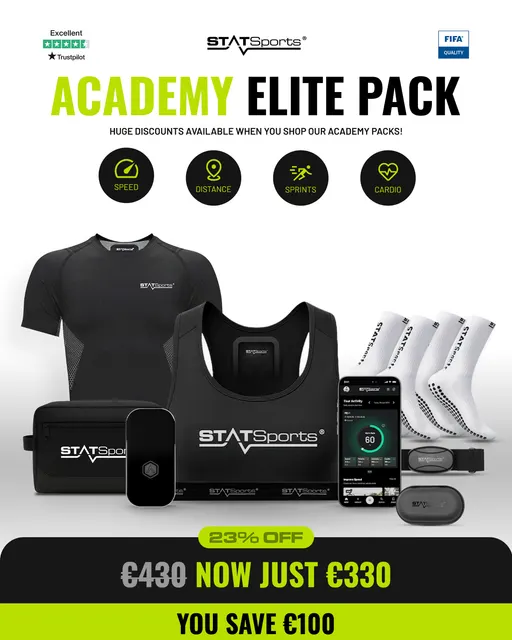
What it is. Several short clips run on one idea, with the words holding them together. shop.statsports.com labels it plainly, "Our Best Value Pack", and umbertogiannini.com opens mid-sentence: "Sorry, can't talk. On a Curls Trip".
Why it matters to you. It is the second-biggest of these three shapes and the lowest on staying power, with 27.1% of its sampled ads past sixty days. That pairing is the finding of this edition: a shape a lot of the market took up in October, so many of its ads have not had time to reach sixty days.
What moved. 10.7% in October, 6.6% in September. Our reading: brands with a lot of product to show reached for the shape that shows it fastest.
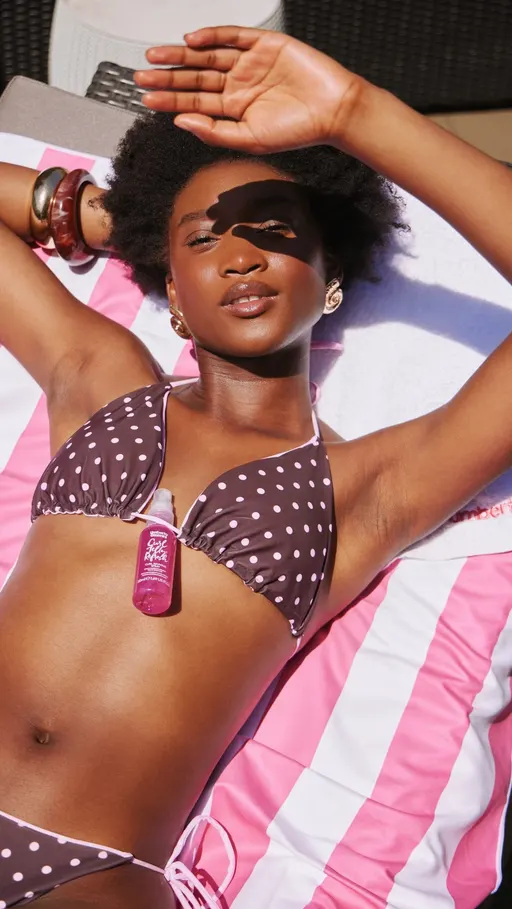
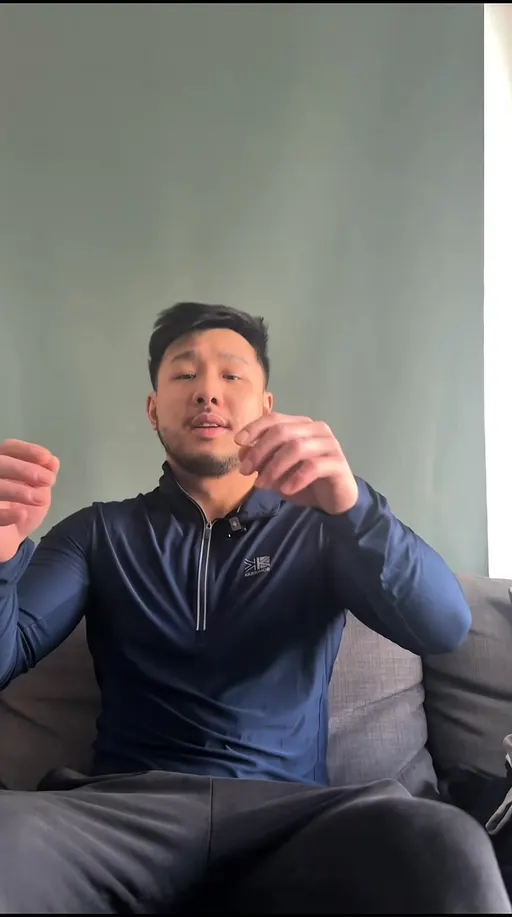
Two shapes with a clock. The third is the one that sits still.
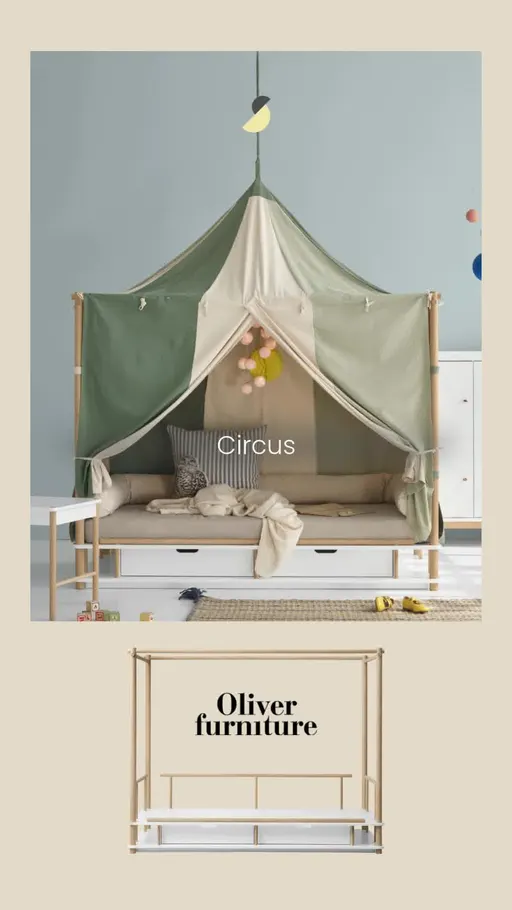
9. Product Demo Close-Up: it brings the product close enough to judge
What it is. The camera gets near enough that the shopper can judge the thing. scandiborn.co.uk opens on "Created for little dreamers", and aybl.com narrates the hands: "Gently pull up, no tugging!"
Why it matters to you. It is the smallest of these three on share and the one whose ads sat on air longest, at 57.2% past sixty days in the sample. Against the other two shapes, that makes it your control: the one already in the account, the one you measure the others against.
Where it sits. 9% of October's ads. The two busier shapes both climbed.
That's the nine. Now the rows nobody wrote a headline about.
What actually moved: the small stuff
Most of the nine leaders above moved by more than half a point. Underneath them, smaller rows of the three rankings rose by a fifth of a point or more. Here they are.
Rows of the three rankings that rose by a fifth of a point or more, October 2026 against September 2026, in points. The library labelled more of its ads in October than in September, and that lifts every share a little, so read a small rise with care. Source: eCommerceBenchmark Ad Library, 2026.
Most of the other risers are small rows, and that is the point: no single one of them is a plan. The reason to care is that several rose in the same month, in the same direction, away from the default opening. Let's look at four of them in real ads.
Newness: it leads on the thing having just landed
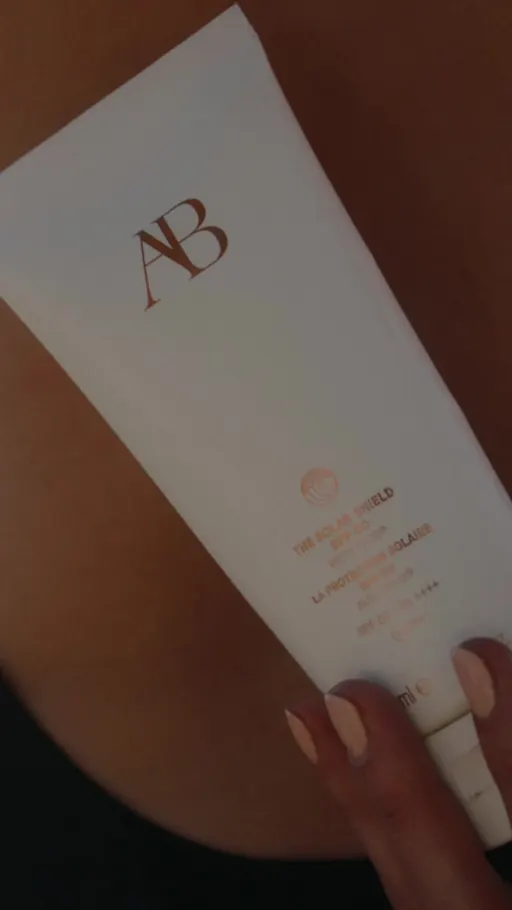
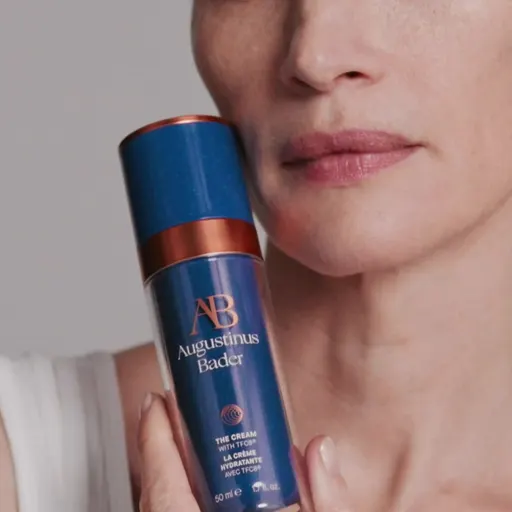
What it is. The first words say the thing is new, and nothing else. augustinusbader.com opens on "Introducing The Solar Shield SPF 50".
Why people respond. A shopper who has seen your brand four times has already decided about everything you showed them. "New" is the one word that says this is not that. It is the shelf at the front of the shop, the bit you look at even when you came in for milk. That is our reading of the attention, not a claim about sales.

The row rose from 5.1% to 7% of ads, and 137 brands carried it, so it is wide for a small row but still a long way behind the leaders.
Direct Question: it opens by asking the shopper something
What it is. The ad hands the decision back as a question. heights.co.uk opens on "What's your goal for this year?"
Why people respond. A question is the one sentence shape your brain answers whether you meant to or not. Someone says your name in a shop and you turn round. It buys the ad a second of attention that a statement has to earn. That is our reading of the attention, not a claim about sales.
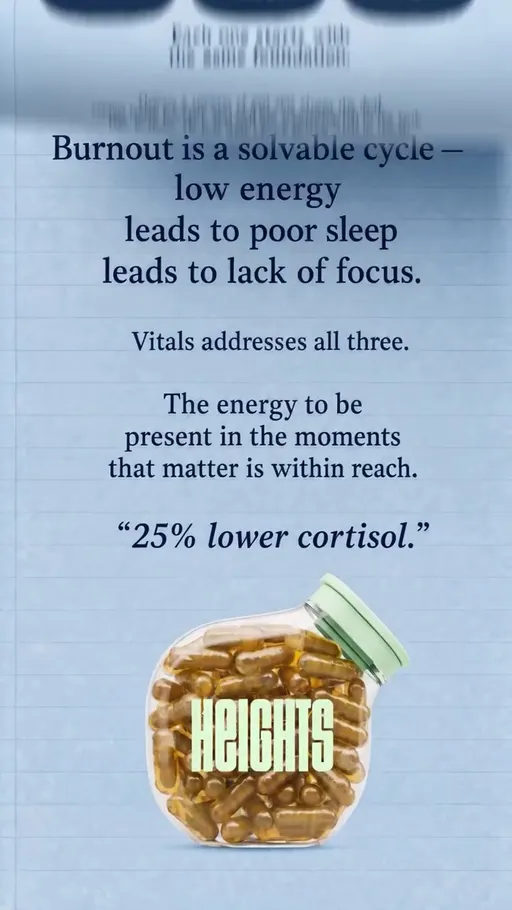

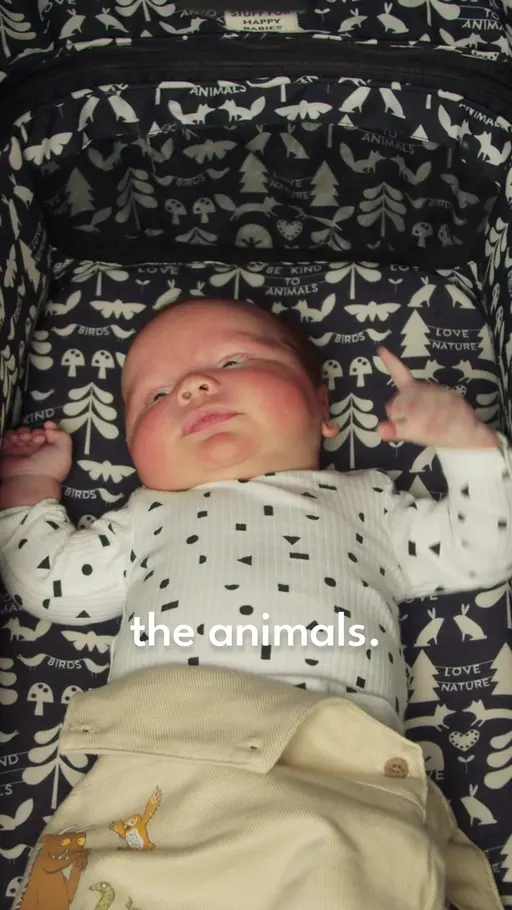
113 brands carried this row in October.
Price Anchor: it leads with what it costs
What it is. The price sits in the line itself. babymori.com opens on "the softest sleepsuits for just £20".
Why people respond. Price is the question a shopper is holding anyway. Answer it first and they stop guessing, the way a shop with prices on the shelf is easier than one where you have to ask. That is our reading of the attention, not a claim about sales.
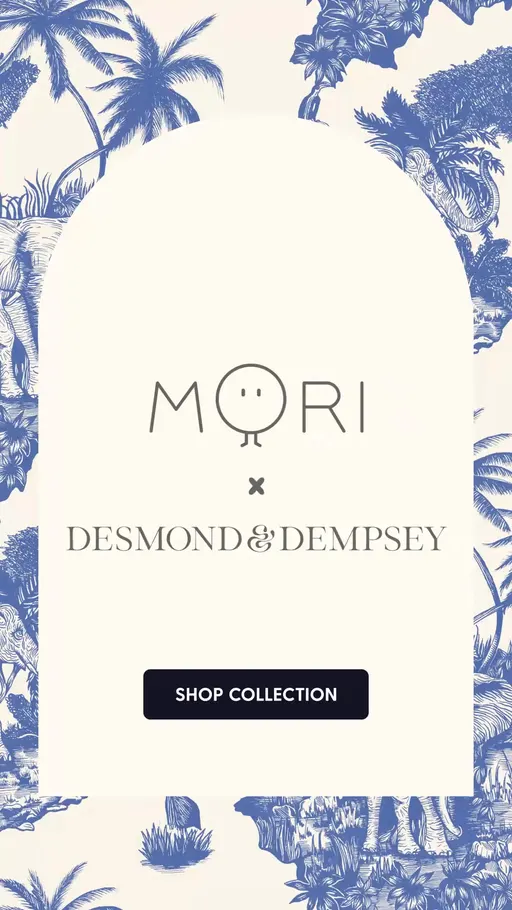
92 brands carried this row in October.
Mechanism: it explains how the thing does what it says
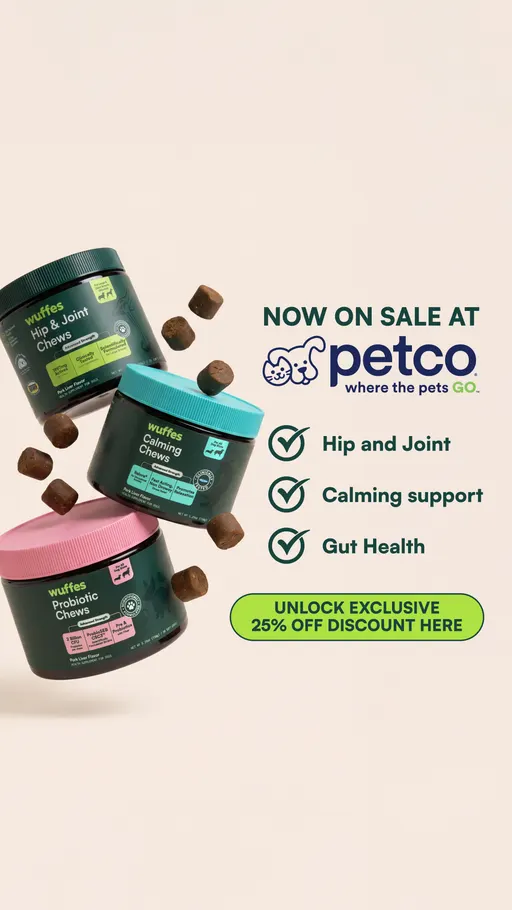
What it is. The ad points at the working part and names it. wuffes.com opens on "THIS IS WHAT A DOGS JOINTS LOOK LIKE AFTER CONSISTENT USE OF WUFFES JOINT CHEWS".
Why people respond. Shoppers have heard every promise. The part that does the job is the bit they can check, like being shown the stitching instead of being told it's well made. That is our reading of the attention, not a claim about sales.
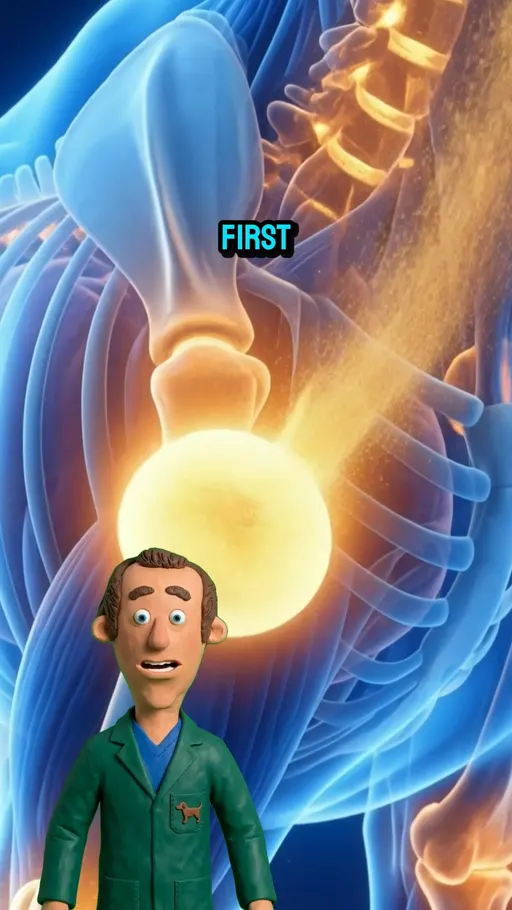
The row rose from 4.2% to 4.9% of ads, carried by 116 brands.
Direct question and Mechanism climbing in the same month as Price anchor hints at one ad nobody in this cut has built yet.
One ad to brief this week: the Doorstep Proof Clip
Four small rows rose together: Newness, Direct question, Price anchor and Mechanism. Read as one brief, they point at an ad that asks the shopper something, spends its middle showing the part that does the job, and closes on the number instead of a slogan. That is our suggestion built from the movers, not a finding. The library cannot say it will hold your cost per purchase, which is what the test is for.
The format. Four clips, under fifteen seconds in total: one question on screen, two clips on the working part, one clip on the price, shot on your own doorstep with whatever you already have.
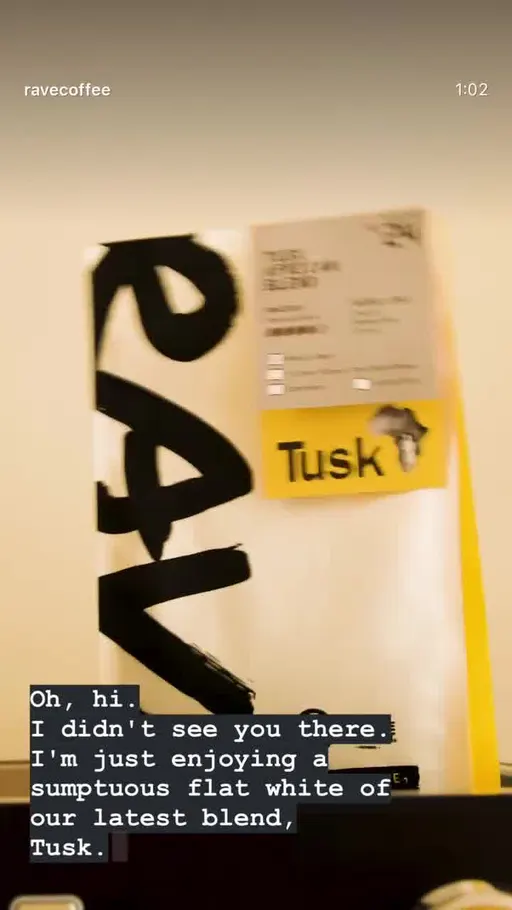
The hook. Model the first clip on ravecoffee.co.uk's "Want to embark on a journey of coffee from around the world?": one question, no product name, nothing else on screen.
The middle. Model the second and third clips on wuffes.com's "THIS IS WHAT A DOGS JOINTS LOOK LIKE AFTER CONSISTENT USE OF WUFFES JOINT CHEWS": keep the camera on the part doing the work and let the words label it.
The close. Model the last clip on babymori.com's "the softest sleepsuits for just £20": put the price in the line itself, where the shopper is already deciding.
The test. Run it against your best ad on Curiosity gap, same audience, same budget split, for two full weeks, and judge the two on cost per purchase.
Two smaller tests can ride along, each as its own whole ad against the ad it replaces, never a swap of the first line alone. One: a price line that carries a real calendar date instead of "limited time", written the way augustinusbader.com's "Save 20% with subscription" states its terms plainly; Price anchor opened only 3.7% of October's UK ads, on 92 brands. Two: an ad written for one named shopper, modelled on scandiborn.co.uk's "Created for little dreamers", run against your broadest ad on Identity, the argument behind 25.3% of those ads.
The eCommerceBenchmark Ad Library sorts your ads into the same hooks, angles, concepts and offers used in this report and shows your mix next to the market, so you can see which shapes you have never shipped.
Audit my creatives, freeOne catch before you run off. Everything above mixes every UK industry together. Yours might look nothing like it.
Why you need to know the hooks in your niche
Everything above mixes every UK industry the library tracks into one pile. A row that is crowded across that pile can be empty in your category, and the row you think is yours alone can be the one all five of your competitors opened with last week. Count your own corner.
- Shoppers tune out an opening they meet over and over. With 178 brands writing Curiosity gap openings in October, the odds are good that your feed neighbours write it too.
- When every ad sounds the same, price is all that is left to compare. Price anchor already opened 3.7% of the market's ads.
- A different opening costs the same to write. One line changes in the shared doc: "Direct question" where you had "Curiosity gap". That swaps the opening on 15.3% of October's UK ads for one on 4.8%, written by 113 brands.
- An empty row is a guess until something runs in it. So put one ad there and keep the control funded, rather than moving the whole account across on a hunch.
Your 30-minute check
- Collect. Pull twenty current ads from your five closest competitors in the free Meta Ad Library.
- Label. Write down each ad's hook, angle and concept, one line per ad.
- Count. The row that shows up most is your niche's crowded row; across UK eCommerce, that's the Curiosity gap.
- Find the gap. The row that shows up least, or never; check it against the movers above.
- Brief one test. One ad for the empty row, run against your control for two full weeks.
Want every number? Here are the full rankings.
The full rankings: hooks, angles and concepts
Use these as worksheets, not scoreboards. This cut's ladders carry twelve hooks, eight angles and twelve concepts for every UK industry the library tracks. Write your own count beside each row, from your last month of ads or your competitors' current ones, and the rows where your count is highest are the ones you are actually competing in.
| Hook | October share | September share | Change |
|---|---|---|---|
| Curiosity gap | 15.3% | 18.2% | ▼ 2.9 |
| Bold claim | 12.8% | 10.9% | ▲ 1.9 |
| Visual reveal | 9.5% | 5.8% | ▲ 3.7 |
| Newness | 7% | 5.1% | ▲ 1.9 |
| Authority | 5.7% | 6.3% | ▼ 0.6 |
| Urgency / FOMO | 5.1% | 5.3% | ▼ 0.2 |
| Direct question | 4.8% | 3.8% | ▲ 1.0 |
| Relatability | 4.2% | 3.7% | ▲ 0.5 |
| Price anchor | 3.7% | 2.9% | ▲ 0.8 |
| Shocking statement | 1% | 1.2% | ▼ 0.2 |
| Contrarian | 0.7% | 0.5% | ▲ 0.2 |
| Storytelling | 0.6% | 0.5% | ▲ 0.1 |
| Angle | October share | September share | Change |
|---|---|---|---|
| Identity | 25.3% | 24.3% | ▲ 1.0 |
| Solution-aware | 18.7% | 14.4% | ▲ 4.3 |
| Objection crusher | 7.4% | 8.1% | ▼ 0.7 |
| Social proof | 7.3% | 6.9% | ▲ 0.4 |
| Problem-aware | 6.4% | 7.7% | ▼ 1.3 |
| Mechanism | 4.9% | 4.2% | ▲ 0.7 |
| Comparison | 2.1% | 1.8% | ▲ 0.3 |
| Named enemy | 0% | 0% | 0 |
| Concept | October share | September share | Change |
|---|---|---|---|
| Cinematic B-roll | 11% | 7.8% | ▲ 3.2 |
| Montage | 10.7% | 6.6% | ▲ 4.1 |
| Product Demo Close-Up | 9% | 8.4% | ▲ 0.6 |
| Offer-first banner | 7.8% | 7.2% | ▲ 0.6 |
| Customer Testimonial Reel | 2.2% | 1.9% | ▲ 0.3 |
| Selfie talking-head | 1.6% | 1.2% | ▲ 0.4 |
| Listicle | 1.3% | 0.8% | ▲ 0.5 |
| UGC Unboxing | 1.1% | 0.8% | ▲ 0.3 |
| Side-by-Side Comparison | 0.8% | 0.8% | 0 |
| Grid swap | 0.8% | 0.7% | ▲ 0.1 |
| Behind-the-Scenes | 0.7% | 0.5% | ▲ 0.2 |
| Problem agitation | 0.5% | 0.4% | ▲ 0.1 |
Your test card
Here is the Doorstep Proof Clip set up the way a media buyer would run it, against your best ad on Curiosity gap. Write your own numbers in the blanks before you launch, not after.
| Hypothesis | A Doorstep Proof Clip that opens on a question, shows the working part and closes on the price will hold my cost per purchase against my best Curiosity gap ad, on the same audience and budget split. |
| Change only this | The whole creative: the Doorstep Proof Clip, four clips, question first and the number last. |
| Keep the same | Product, offer, audience, placement and budget split. |
| Funnel stage | Say first whether this ad is for prospecting (cold) or retargeting (warm). A deal in the first line is often right for warm audiences and wrong for cold ones, so test it where the ad will really run. |
| Setup | One control and one variant, same audience, same placement, even budget split. Do not edit either ad while the test runs. |
| How long and how much | Until each version has about 50 purchases, or two full weeks, whichever comes later. This is general testing practice (Meta's own learning-phase guideline is about 50 results per ad set per week), not a library finding. |
| Success metric | Cost per purchase, not clicks. |
| Stop rule | Pause a variant that has spent about 3 times your target cost per purchase with no purchase. If it is close, keep it running. |
| What counts as a win | The variant beats the control on the metric by an amount you would act on, and still does in a second week. |
October 2026 UK eCommerce ads: what to brief next
- Curiosity gap opened 15.3% of October's UK ads, Bold claim 12.8% and Visual reveal 9.5% [eCommerceBenchmark Ad Library, 2026]: that is the lane every brief lands in by default.
- Identity argued 25.3% of ads, Solution-aware 18.7% and Objection crusher 7.4%, so these three carry just over half of October's ads between them.
- Cinematic B-roll staged 11% of ads, Montage 10.7% and Product Demo Close-Up 9%: read those three against each other only, never against a hook or an angle.
- Staying power splits them: 92.7% of Curiosity gap's sampled ads sat past sixty days, against 27.1% of Montage's.
- Four small risers to look at: Newness 5.1% to 7%, Direct question 3.8% to 4.8%, Price anchor 2.9% to 3.7% and Mechanism 4.2% to 4.9%.
- Do this next: label twenty competitor ads by hook, angle and concept, then brief one ad into the row your niche never uses.
UK eCommerce ad benchmarks: common questions
Keep one ad on Curiosity gap funded as the control, because it opened 15.3% of October's UK ads and your account already knows what it costs you. Then brief exactly one Doorstep Proof Clip: question first, the working part in the middle, the number last. Run the two against each other on the same audience and the same budget split for two full weeks, and judge them on cost per purchase. At the end of the fortnight you will have a decision you can defend in the shared doc, instead of another reordered first line.