UK eCommerce Ads, September 2026: Identity Argued 21.9% of Them While the Leading Hook Slipped to 17.6%. Do You Know Which One Your Last Brief Picked?

Scope: every industry the eCommerceBenchmark Ad Library tracks in the UK. 233 brands, 8,511 ads active in September 2026, compared with August 2026. No split by industry.
Most ad reports tell you what's popular. Then they leave you standing there.
This one tells you what to do about it.
For Curiosity Gap at 17.6%, Identity at 21.9%, Offer-First Banner at 7.8% and the six rows ranked under them, you get the same five things: what it is, why it matters to you, what moved since August, which real brands ran it, and one thing to steal. Nine moves, nine things to steal. Then the small rows that actually grew, and one ad to brief this week.
- A brief decides three things, not one. Hook, angle and concept. Name only the hook and you have left the other two to whoever shoots the ad.
- The market's default in each group is the one every shopper has already seen. That is the lane where your ad risks blending into the feed around it.
- Each default has a shelf life. Some hold for months, some for a couple of weeks. That is what tells you where to spend your creative time.
But first, three words that most briefs mix up.
Hook, angle, concept: three different jobs
A hook is defined as the first move an ad makes to stop a scroll: its first line or first seconds. An angle is defined as the reason the ad gives a shopper to buy. A concept is defined as the shape of the creative: how it is filmed, laid out or staged. Mixing these three up is the most common reason an ad brief goes wrong: Curiosity Gap at 17.6%, Identity at 21.9% and Offer-First Banner at 7.8% are three separate picks, not one. A brief that asks for "a stronger hook" and stops there has decided one thing and left two to chance, and whoever shoots it reaches for the defaults, starting with Identity, the argument in 21.9% of September's ads.
| Word | In one line | Plain example |
|---|---|---|
| Hook | The first move an ad makes to stop a scroll: its first line or first seconds. | “Nobody warned me about day three.” |
| Angle | The reason the ad gives a shopper to buy. | “It costs less than the thing you replace every month.” |
| Concept | The shape of the creative: how it is filmed, laid out or staged. | Two people talking in a park, the product in one of their hands. |
The plain examples are made up to show the idea.
How to read a rise or a fall
Every item below shows its share of September's ads, how that compared with August, and how many brands ran it: 132 for Curiosity Gap, 11 for Contrarian.
- Rising. A bigger share of ads uses it. Solution-Aware went from 10% to 13.3%, whether brands copied each other or tested a gap. Either way it is getting more crowded.
- Falling. A smaller share uses it. Curiosity Gap slipped from 19.7% to 17.6%, which doesn't mean it failed, and nothing here records a brand stopping an ad.
- Flat. Its share held. Treat it as a stable baseline.
- Small. A move under half a point is small, like Authority's 6.8% to 6.9%. Check the brand count, because Visual Reveal's 4% rests on 52 brands, and few brands can mean a handful of advertisers launching many ads.
One more rule. A bigger share doesn't mean a row works better. Identity argued 21.9% of September's ads, and that figure is what brands ran, not what earned; the library has no sales, spend or profit data. Each item also shows how many of its ads in a sample of long-running ads ran sixty days or more, like Problem-Aware's 98.3%. That sample is ranked by time on air, so the numbers read high: read them as a staying-power hint.
Ready? Start with how ads open.
The top 3 hooks: how ads open
Together, these three open more than a third of September's UK ads. For each one you get how crowded it is, and how long its ads lasted in the long-running sample.
Share of September 2026 ads by hook. Source: eCommerceBenchmark Ad Library, 2026.
Share of each hook's ads that ran sixty days or more, in a sample of long-running ads. Reads high: a staying-power hint, not a result. Source: eCommerceBenchmark Ad Library, 2026.
1. Curiosity Gap: it keeps the payoff for the next line
What it is. An opening that names a subject and holds the point back, so the next line has to carry it. abbottlyon.com starts on “A robin appears when a loved one is near.” and leaves the promise to its headline.
Why it matters to you. This is the busiest opening of the three, at 17.6% of September's ads, and 96.3% of its ads in the long-running sample passed sixty days, the most of these three (time on air, not sales). So it is the safe base: a shopper has met it already, and your version has to be sharper than the four around it.
What moved. 17.6% in September, 19.7% in August. The biggest hook in the ranking handed share back while five other rows climbed. Our reading: brands tried openings that show something instead of hiding it. The data records the share, not the reason.
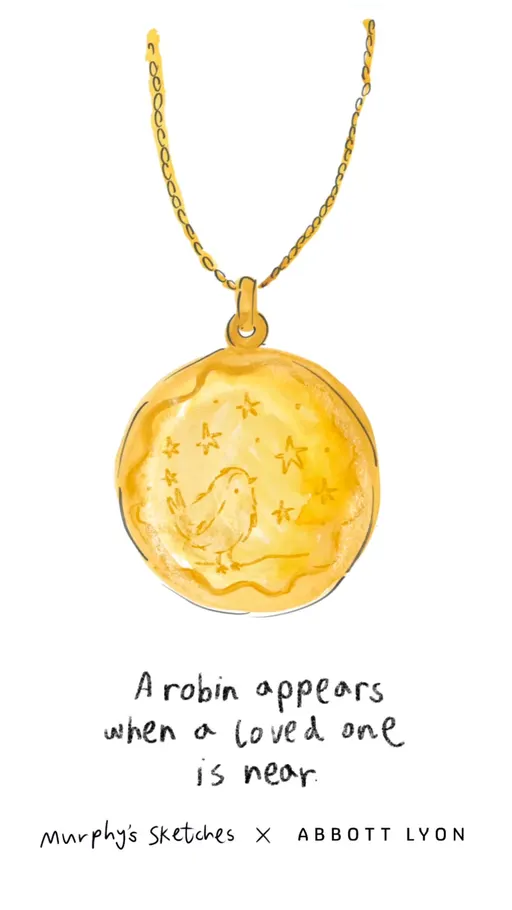
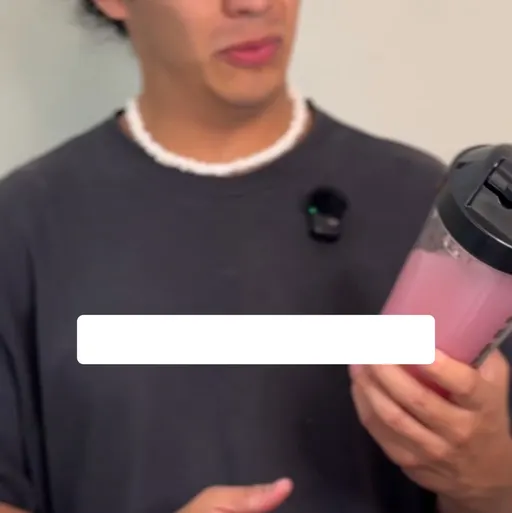

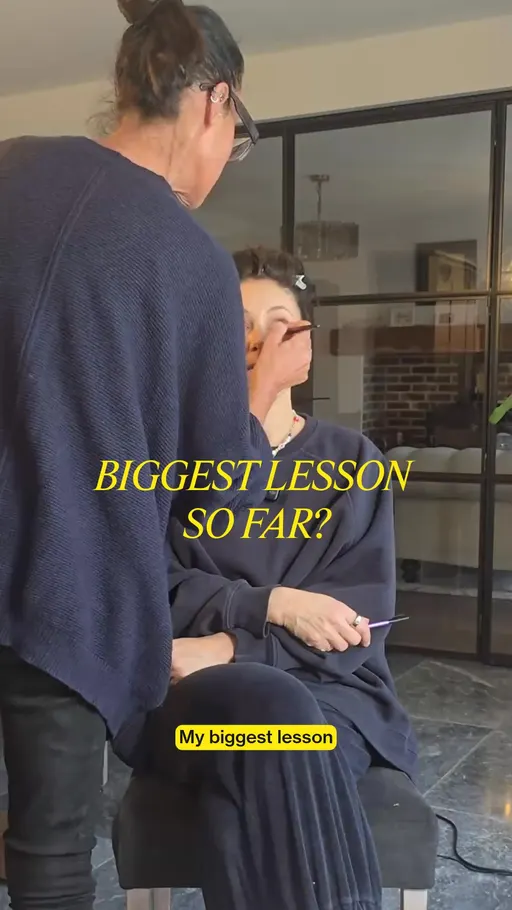
Four ads, four ways to hold something back. abbottlyon.com names a robin and never says what is for sale. sneakenergy.com asks “Would you drink this...?” and leaves "this" undefined. rockettstgeorge.co.uk fires a two-word warning, “QUIRK ALERT!”. absolutecollagen.com opens mid-interview on a question about a lesson. The one worth copying is abbottlyon.com's: its first line is a whole sentence a shopper can picture, and the product only turns up after it.
That's the crowded one. Next, the one that grew around it.
2. Bold Claim: it makes one large promise and stands on it
What it is. One promise, said straight, with nothing held back. welzo.com starts on “Lightest 13kg mobility scooter” and lets the headline name the category.
Why it matters to you. It is the second busiest opening here, behind Curiosity Gap, on 117 brands. In the long-running sample, 84.5% of its ads passed sixty days, the lowest of these three. Read together: a growing lane whose ads turn over faster than the leader's, so expect to rewrite the promise more often than you rewrite a tease.
What moved. 12% in September, 10.8% in August. It shows in the movers chart below. More brands opened on a promise this month, which means a shopper comparing two ads is now comparing two promises.
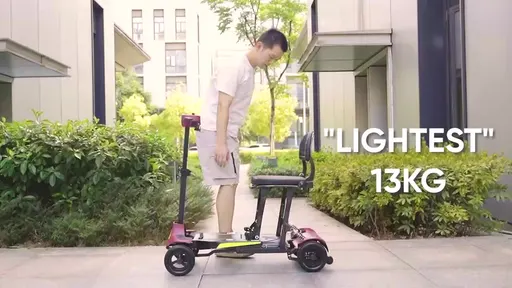
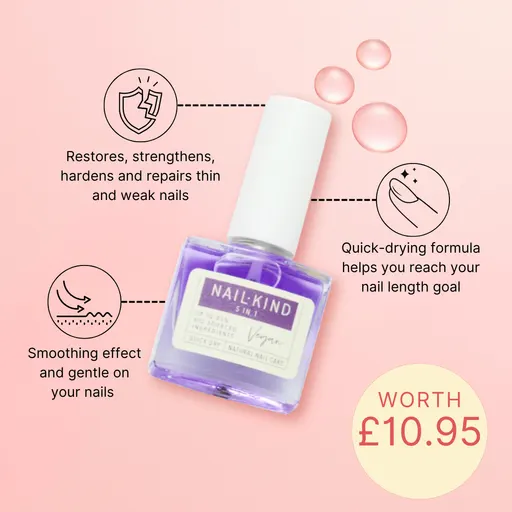
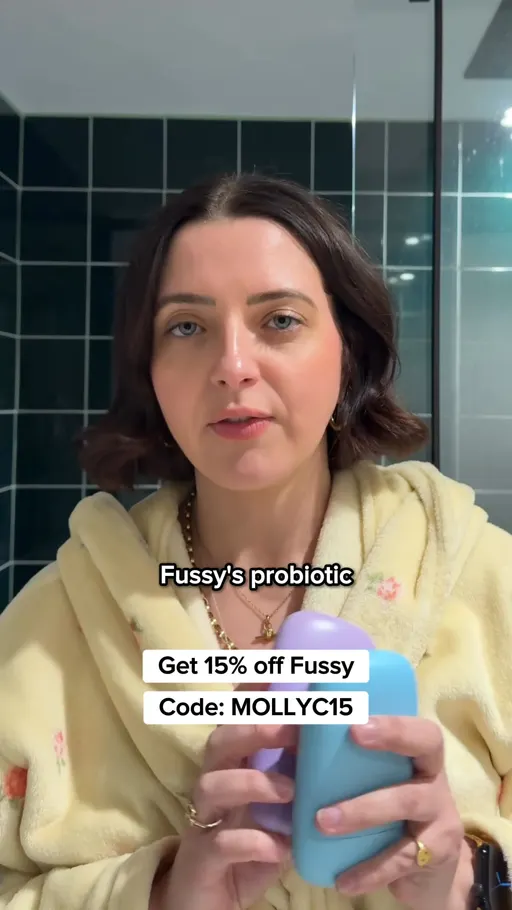
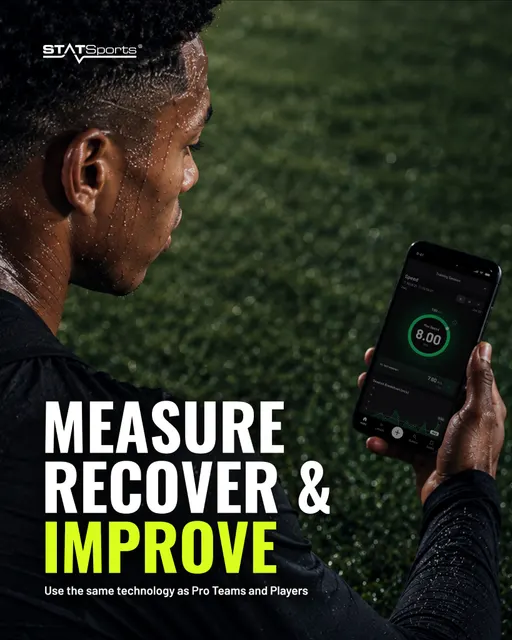
Four ads, four sizes of promise. welzo.com leads on weight. okbeautybox.co.uk stacks four verbs, “Restores, strengthens, hardens and repairs thin and weak nails”. getfussy.com explains what its formula does instead of blocking sweat. shop.statsports.com cuts it to three words, “Measure. Recover. Improve.”. welzo.com's is the one to copy, because the promise is one thing a shopper can check.
Two busy lanes down. The third is quieter.
3. Authority: it borrows a name or a number the shopper already trusts
What it is. An opening that puts a credential first and the product second. everwith.co.uk starts on “The UK's largest retailer of Memorial Jewellery”, its own claim, and leaves the product to the picture.
Why it matters to you. It is the smallest of these three at 6.9% of ads, on 110 brands, and 90.4% of its ads in the long-running sample passed sixty days, second only to Curiosity Gap. So it is the one of the three with room: fewer brands, ads that stayed up.
What moved. 6.9% in September, 6.8% in August. That is a small move, under half a point, so treat it as holding and watch it again next month.
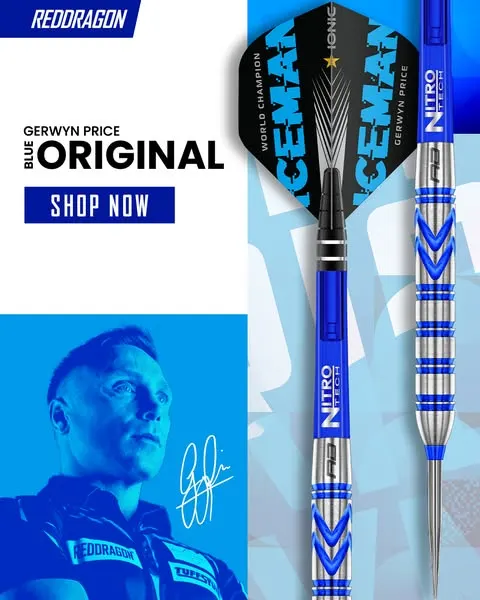
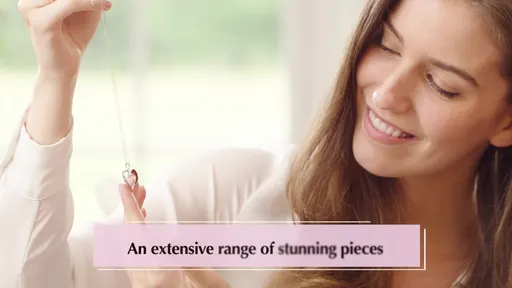
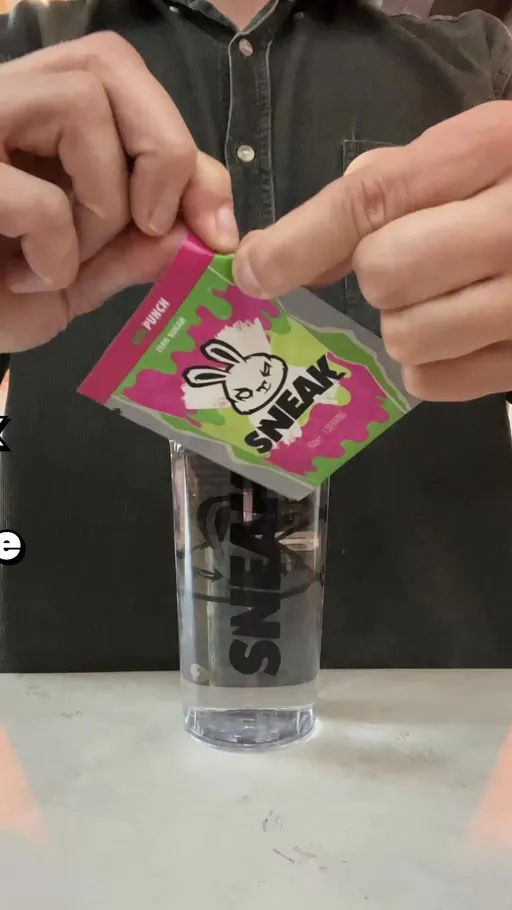
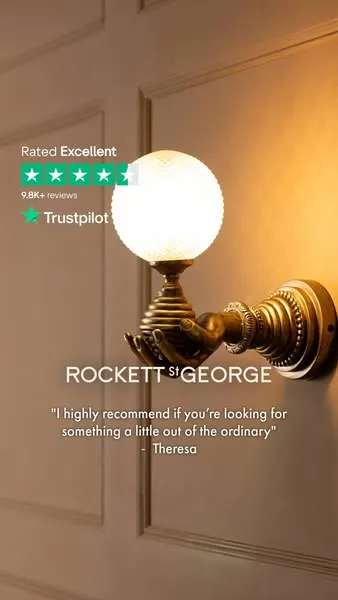
Four ads, four borrowed names. reddragondarts.com opens on “Official Gerwyn Price Match Darts”, a player's name doing the work. everwith.co.uk opens on size. sneakenergy.com quotes its own approval rate. rockettstgeorge.co.uk says “Rated Excellent” and stops. reddragondarts.com's is the most copyable, because the name is specific enough that a darts buyer knows at once whether this is for them.
That's how ads open. But why would anyone buy?
The top 3 angles: why the shopper should buy
Together, these three argue more than 4 in 10 of September's UK ads. Same two questions for each: how crowded it is, and how long its ads lasted in the long-running sample.
Share of September 2026 ads by angle. Source: eCommerceBenchmark Ad Library, 2026.
Share of each angle's ads that ran sixty days or more, in a sample of long-running ads. Reads high: a staying-power hint, not a result. Source: eCommerceBenchmark Ad Library, 2026.
4. Identity: it tells the shopper who buys this
What it is. An argument built on the person, not the product. scandiborn.co.uk starts on “Created for little dreamers” and names the buyer before it names the thing.
Why it matters to you. This is the biggest row on the page, 21.9% of September's ads, on 149 brands, the widest base of the three. In the long-running sample, 88.2% of its ads passed sixty days, more than Solution-Aware and less than Problem-Aware. It is the default: busy, steady, and the easiest place to sound like everyone else.
What moved. 21.9% in September, 22% in August. Two shares that close means the market's default argument sat still while other rows climbed.
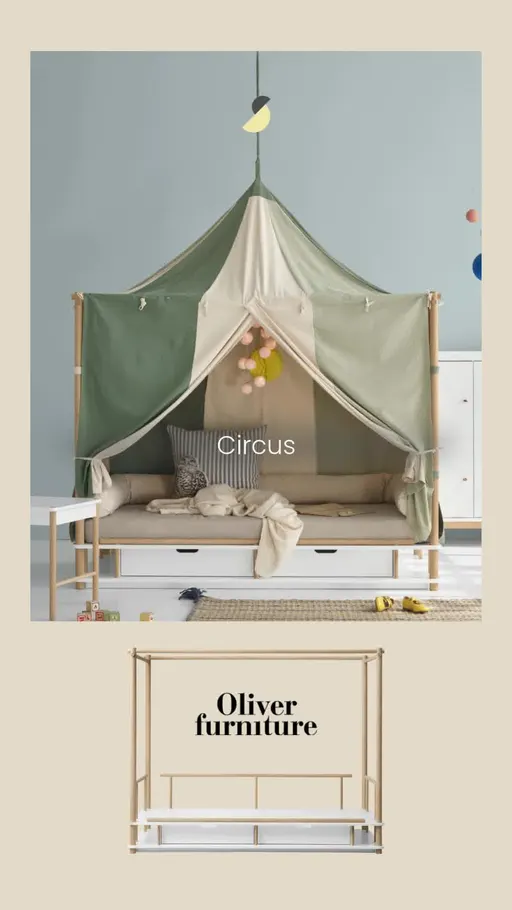
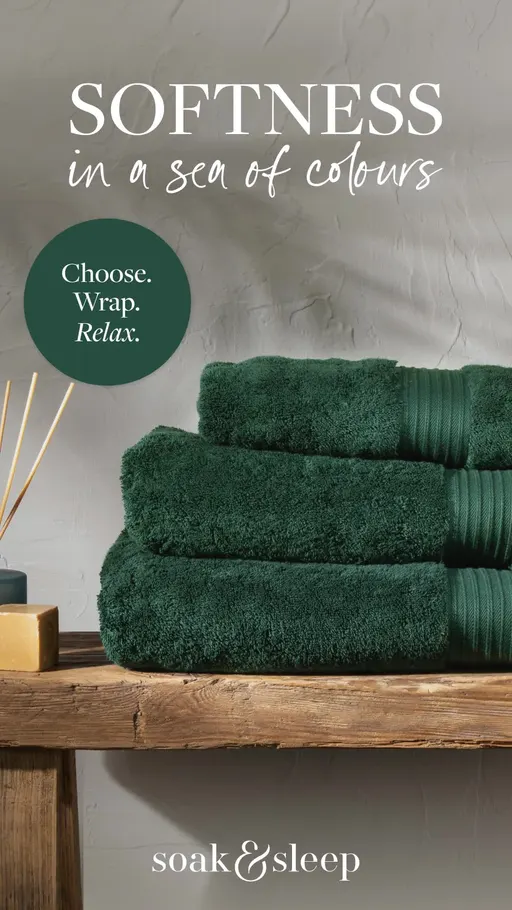

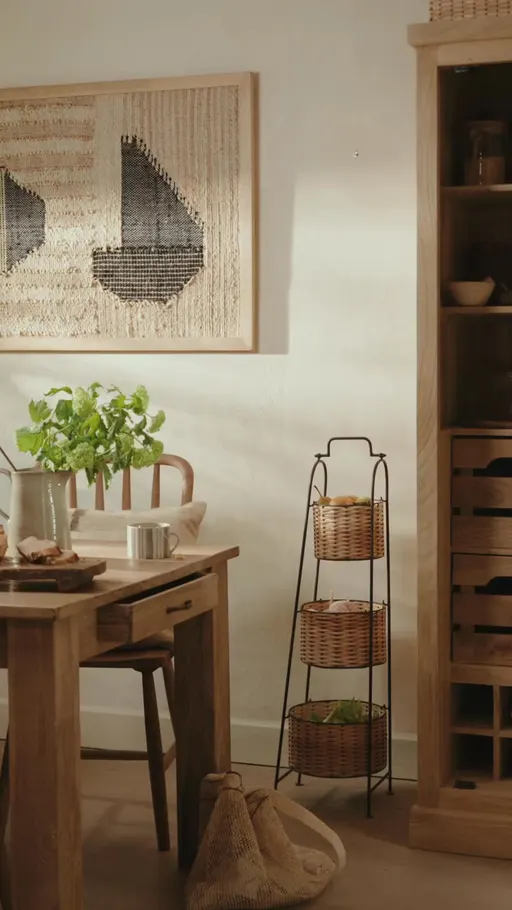
Four ads, four ways to name a person. scandiborn.co.uk names little dreamers. soakandsleep.com opens on “SOFTNESS in a sea of colours”, the feeling rather than the buyer. secretlinenstore.com names only the colour and the cloth. nkuku.com opens on “Discover Handcrafted Pantry Storage”, an invitation to a kind of shopper. scandiborn.co.uk's is the one to copy, because three words tell a parent the ad is theirs.
That's the default. Now the one that filled up this month.
5. Solution-Aware: it talks to a shopper who has already decided to buy something
What it is. An argument aimed at someone who is already shopping the category and only needs a reason to pick this one. wuffes.com starts on “POV: you gave your dog a joint supplement thinking it won't make THAT much of a difference” and argues with the shopper's own expectation.
Why it matters to you. It is the second biggest of the three, on 117 brands, and 69.1% of its ads in the long-running sample passed sixty days, the lowest of these three. Busy and short-lived together: expect to write more of these, not to keep one forever.
What moved. 13.3% in September, 10% in August. That is the largest rise anywhere in the three rankings, and it shows in the movers chart below. Our reading: more brands wrote for people already comparing options. The data records the share, not the reason.

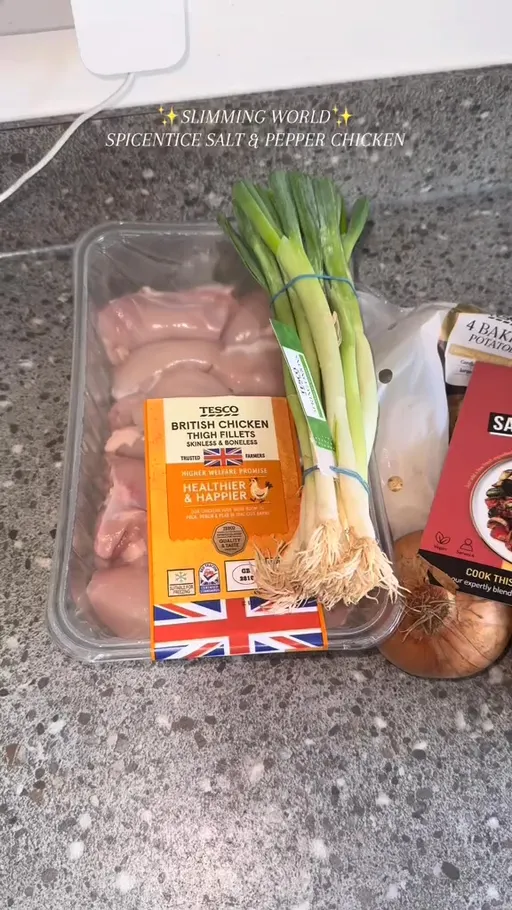

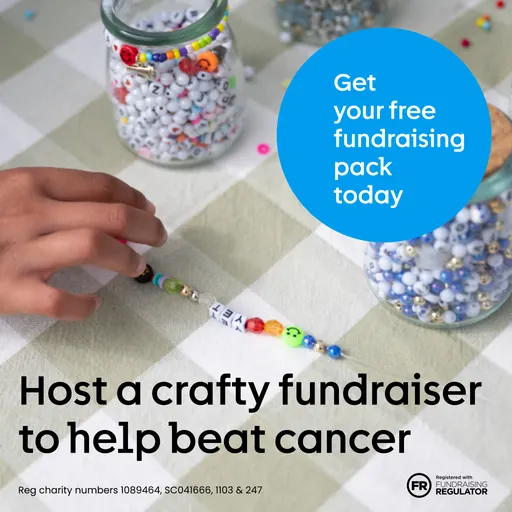
Four ads, four already-decided shoppers. wuffes.com meets a dog owner who doubted the category. spicentice.com asks “Have you tried the NEW - Slimming Essential Recipe box?”, assuming the shopper knows what a recipe box is. objktsjewelry.com frames the choice as “3 new looks, 1 anniversary gift”. cancerresearchuk.org opens on a plain purpose, “Help us beat cancer”. wuffes.com's is the one to copy, because it says out loud what the shopper was already thinking.
That's the lane that filled up. The third one has the fewest brands in it.
6. Problem-Aware: it starts on the annoyance the shopper already feels
What it is. An argument that names the irritation first and the product later. sneakenergy.com starts on “I've been stuck drinking the same old energy drinks with that same boring flavor” and never mentions a product in the opening line.
Why it matters to you. It is the smallest of the three at 8.2% of ads, on 65 brands, the fewest of these three. In the long-running sample, 98.3% of its ads passed sixty days, the highest of the three. Fewest brands, ads that stayed up: this is the one with room, as long as the annoyance you name is one your shopper actually has.
What moved. 8.2% in September, 9.4% in August. The row eased while Solution-Aware climbed, so the market leaned toward shoppers who had already decided.
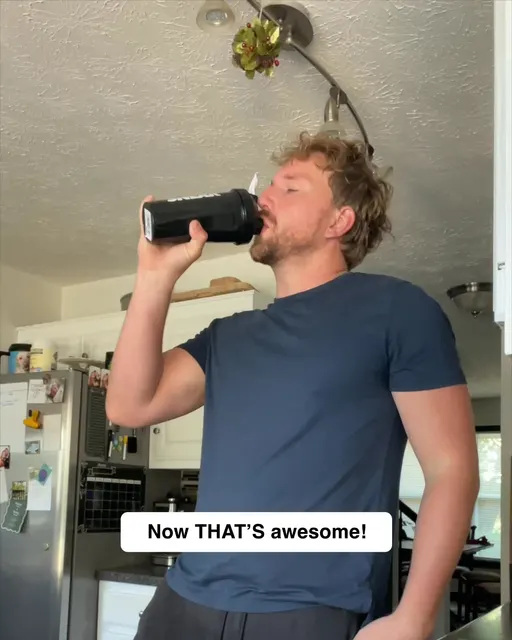
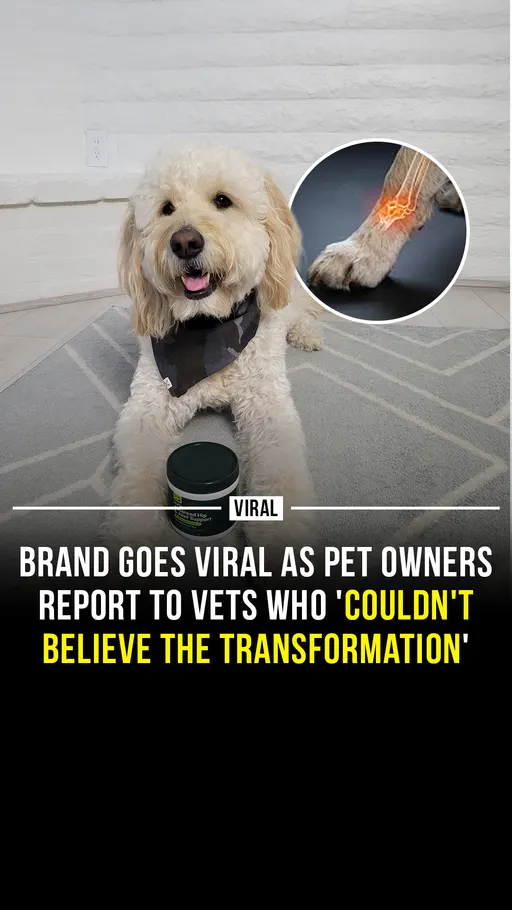
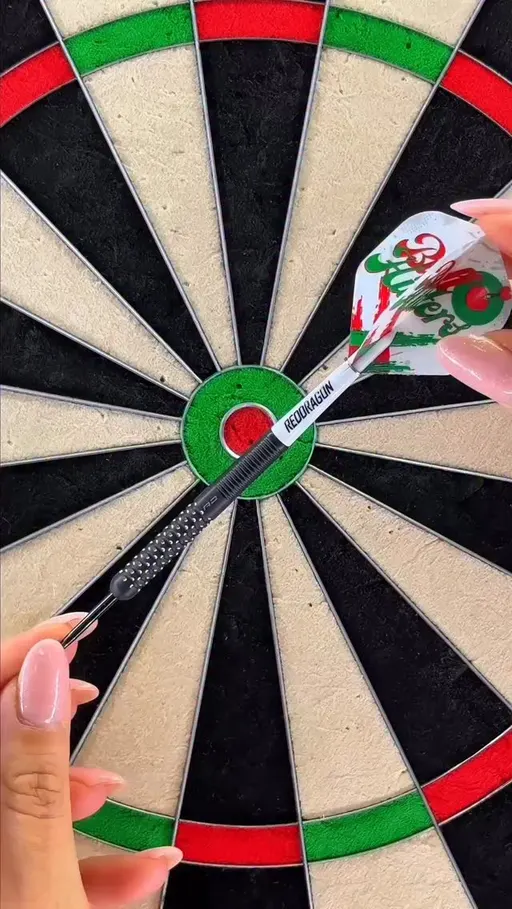

Four ads, four annoyances. sneakenergy.com is bored of its own fridge. wuffes.com opens on “Help your dog feel themselves again 🐶”, the owner's worry in one line. reddragondarts.com quotes a customer asking when stock returns. uk.janji.com opens on “My last long run before my 2026 race”, the pressure before a date. sneakenergy.com's is the most copyable, because the irritation is in the first six words and the brand waits.
That's why a shopper should buy. Now the shape the ad arrives in.
The top 3 concepts: how the ad looks
A concept is the shape of the creative. Fewer ads carry a concept than a hook or an angle, so these shares look small: compare concepts only with each other, never with a hook or angle share. Together these three stage about 1 in 5 of September's ads, and each one below shows how crowded it is and how long its ads lasted in the long-running sample.
Share of September 2026 ads by concept. Source: eCommerceBenchmark Ad Library, 2026.
Share of each concept's ads that ran sixty days or more, in a sample of long-running ads. Reads high: a staying-power hint, not a result. Source: eCommerceBenchmark Ad Library, 2026.
7. Offer-First Banner: the deal is the first thing on screen
What it is. A layout where the saving is the picture. shop.statsports.com starts on “Up to 25% Off Academy Packs” and lets the pack name follow the number.
Why it matters to you. It is the most-staged of these three at 7.8% of ads, on 113 brands, and 86.5% of its ads in the long-running sample passed sixty days, the highest of the three. It is the control shape: a shopper reads it in a second, and so does every shopper looking at your competitor.
What moved. 7.8% in September, 7.3% in August. It shows in the movers chart below, which means the deal-as-layout got a little more crowded, not less.
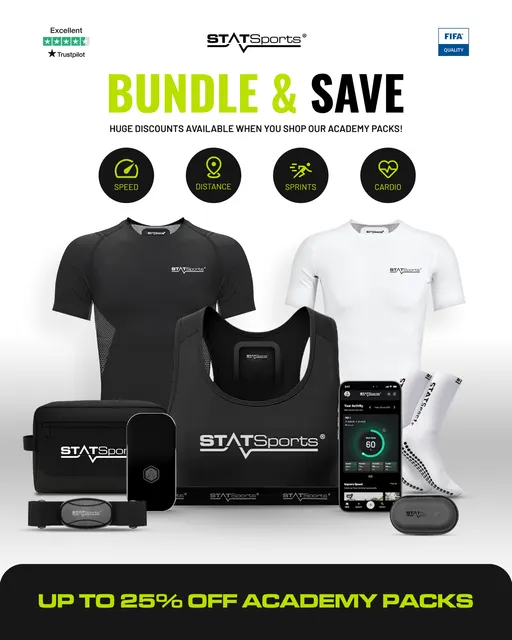


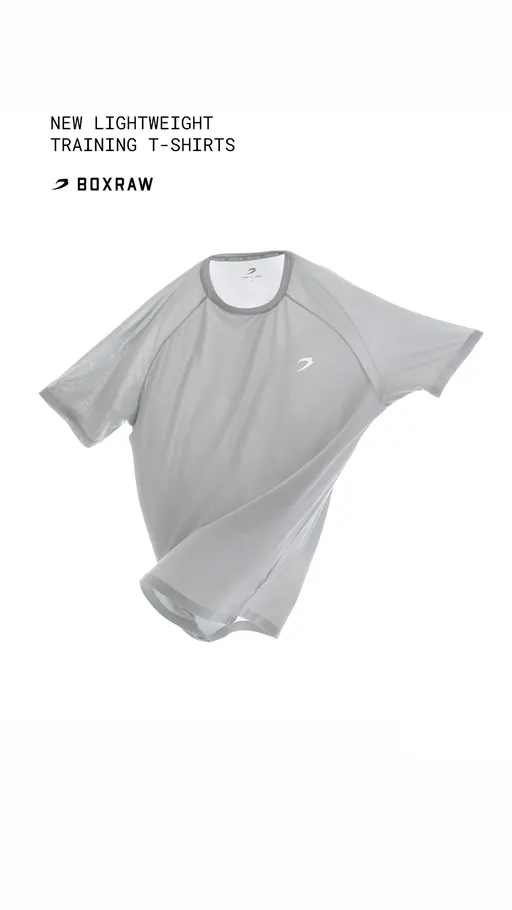
Four ads, four deals on screen. shop.statsports.com prices the pack. babymori.com opens on “shop summer sale up to 50% off”, the sale ahead of the product. ribblecycles.co.uk says “Your Next Bike, For Less” without a figure. boxraw.com leads on the word new and then the garment. shop.statsports.com's is the one to copy, because the saving and the thing are in that order and nothing else is on the line.
That's the shape you already run. Here's the steady second.
8. Product Demo Close-Up: it holds one thing in frame and shows it doing its job
What it is. One object, filling the frame, doing the one thing it is for. turtlewax.co.uk starts on “Treat your car self right” and keeps the line to the job.
Why it matters to you. At 7.6% of ads it sits just under Offer-First Banner, but on 86 brands, fewer than either of the other two. In the long-running sample, 78.6% of its ads passed sixty days, between the other two. A steady second shape: fewer brands, ads that mostly stayed up.
What moved. 7.6% in September, 7.4% in August. A move under half a point, and it still shows in the movers chart below, carried by a small set of brands.
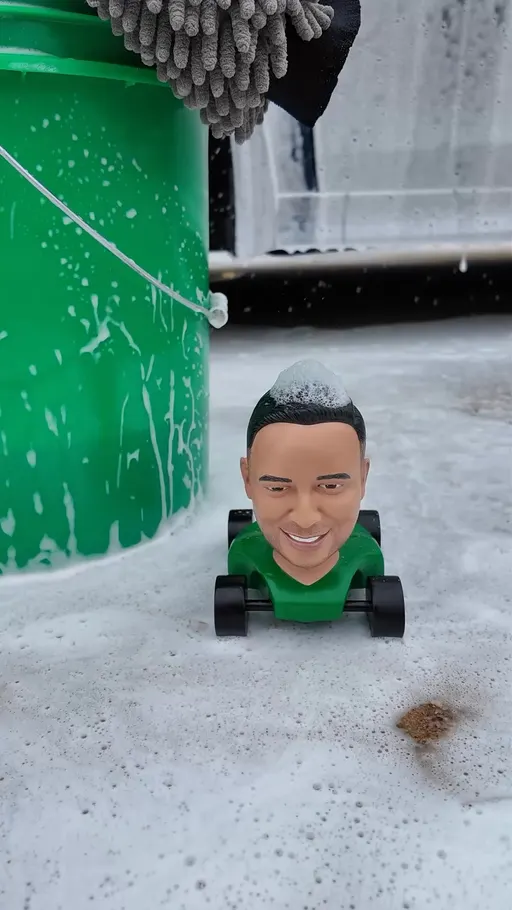
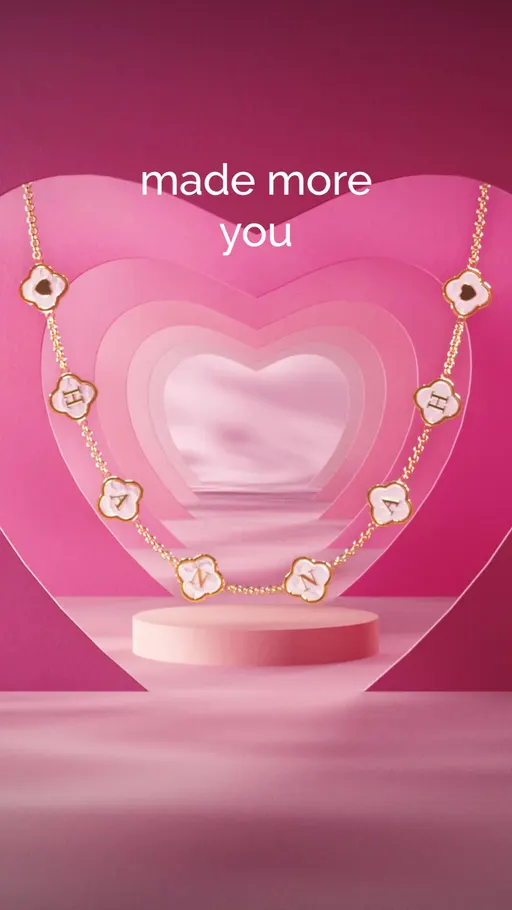
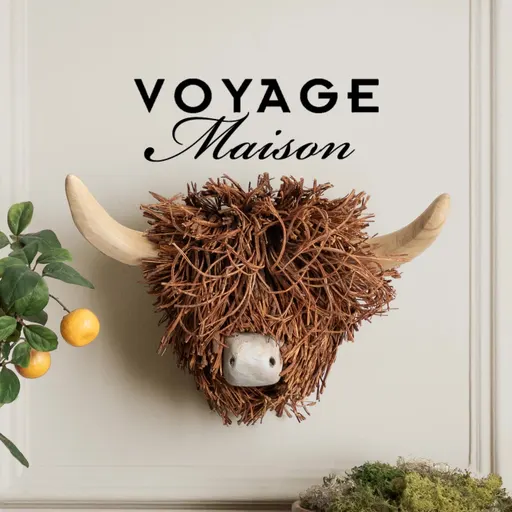
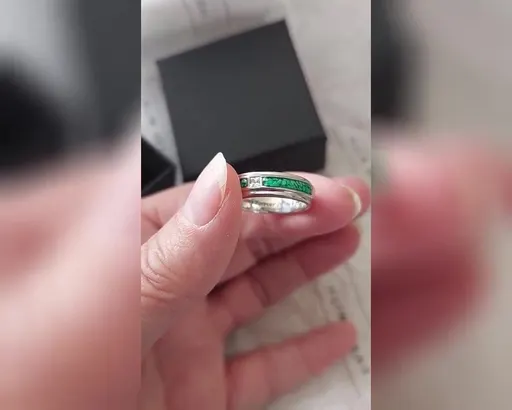
Four ads, four single objects. turtlewax.co.uk names the job. abbottlyon.com says “Personalised jewellery” and nothing more. voyagemaison.com asks “Is it time to give your home a glow up?”. everwith.co.uk describes what the piece is made with. turtlewax.co.uk's is the one worth copying, because the line is as narrow as the frame.
Two shapes down. The third is the one that climbed.
9. Cinematic B-Roll: it stages the product like a short film
What it is. The product set in a scene and filmed like one. secretlinenstore.com starts on “Does your bed feel as good as it looks?” and lets the scene answer.
Why it matters to you. At 6.7% of ads it is the smallest of these three, on 81 brands, and 65.8% of its ads in the long-running sample passed sixty days, the lowest of the three. Read it as the shape to test rather than the one to lean on: fewer brands, shorter runs in the sample.
What moved. 6.7% in September, 5% in August. It shows in the movers chart below, and among concepts it is the one that moved most. Our reading: more brands shot scenes this month. The data records the share, not the reason.
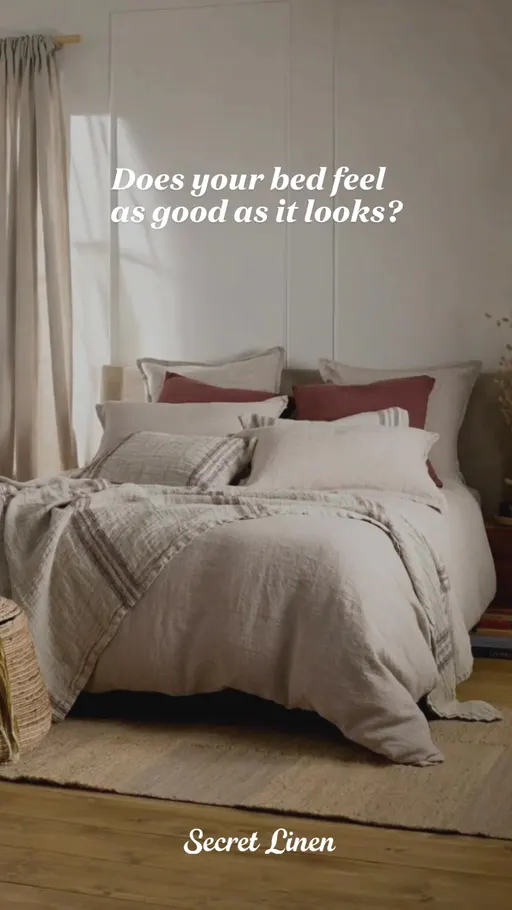


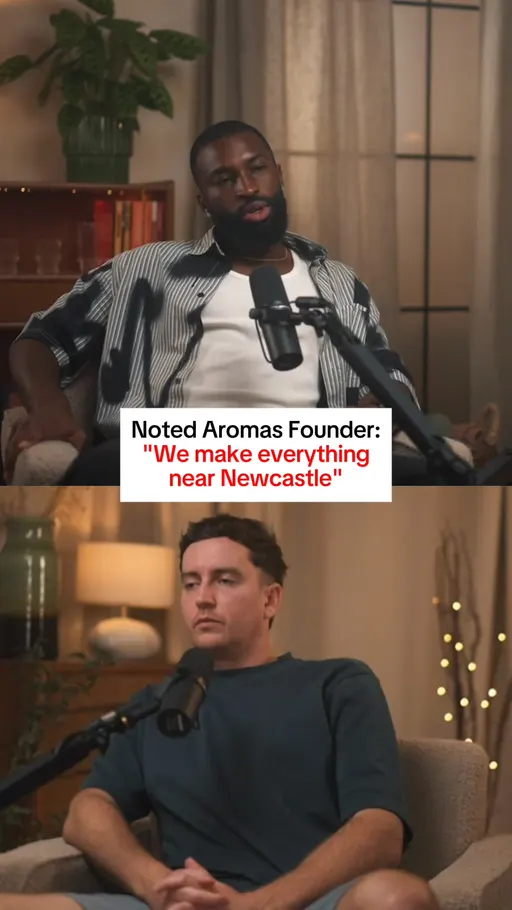
Four ads, four staged scenes. secretlinenstore.com asks about the bed the shopper already owns. soakandsleep.com opens on “softness that warms THE SEASON”. veronicadepiante.com names arrivals and a country. notedaromas.co.uk says “We make everything near Newcastle”, a place instead of a product. secretlinenstore.com's is the one to copy, because the question is about the shopper's own room before anything is sold.
Nine leaders, nine things to steal. So what actually changed?
What actually moved: the small stuff
The top of the market gave you very little. Seventeen rows across the three rankings rose by a fifth of a point or more between August and September 2026. Here they are.
Rows of the three rankings that rose by a fifth of a point or more, September 2026 against August 2026, in points. Source: eCommerceBenchmark Ad Library, 2026.
None of the nine leaders held exactly the share it had in August. Three eased: Curiosity Gap, Identity and Problem-Aware. Five rose enough to show in the movers chart: Bold Claim, Solution-Aware, Offer-First Banner, Product Demo Close-Up and Cinematic B-Roll. Authority sat almost where it was, 6.9% against 6.8%. Most of the other risers are small rows few brands write for. The reason to care isn't any single row, it's that several rose in the same month. Let's look at three of them in real ads.
Montage: it moves through a run of short clips
What it is. A shape that cuts through several short clips instead of holding one frame, like beavertownbrewery.co.uk's “Didn’t expect a night at the pub to sound like this, did you?”.
Why people respond. A run of clips is how a person flicks through their own camera roll: one glance each, no waiting. Nothing has to be finished before the next thing arrives, so there is less for a shopper to decide. That is our reading of the attention, not a claim about sales.
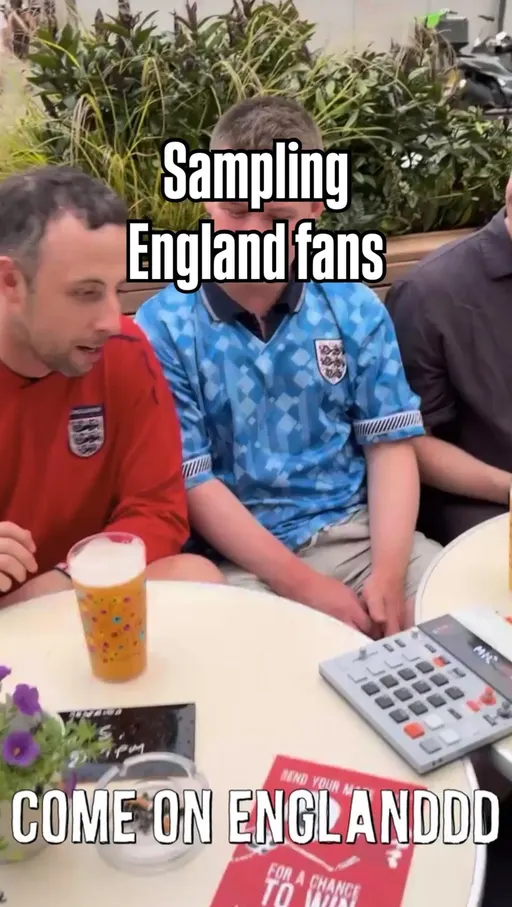
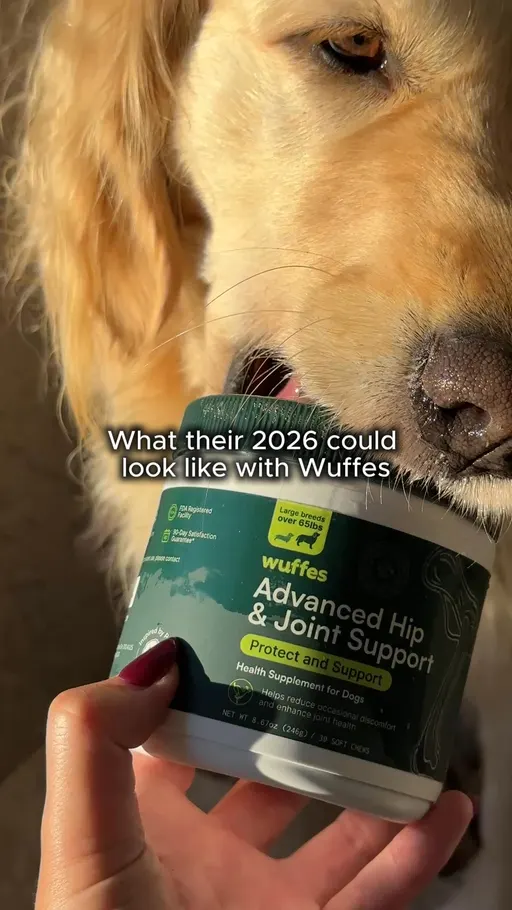
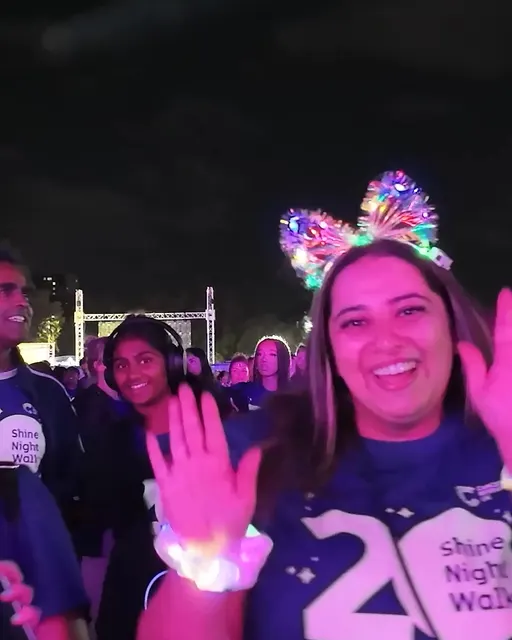
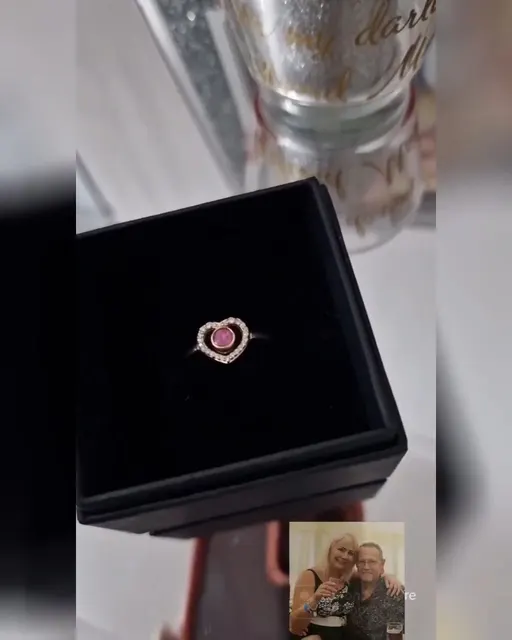
Four ads, four runs of clips. beavertownbrewery.co.uk opens on a question about sound. wuffes.com frames a whole year, “What their 2026 could look like with Wuffes”. cancerresearchuk.org names a city and an event. everwith.co.uk states plainly what the ring is made with. The row staged 4.8% of September's ads against 3.2% in August, on 411 ads from 71 brands.
Visual Reveal: it opens on the moment the thing appears
What it is. An opening built around the thing arriving on screen, like cosatto.com's “Today I'm going to show you how we go from a sketch like this to the final product like this!”.
Why people respond. It is the moment a parcel gets opened at the kitchen table: you stay for the lid coming off. The ad promises to show, not to tell, and a shopper can tell at once whether the promise was kept. That is our reading of the attention, not a claim about sales.
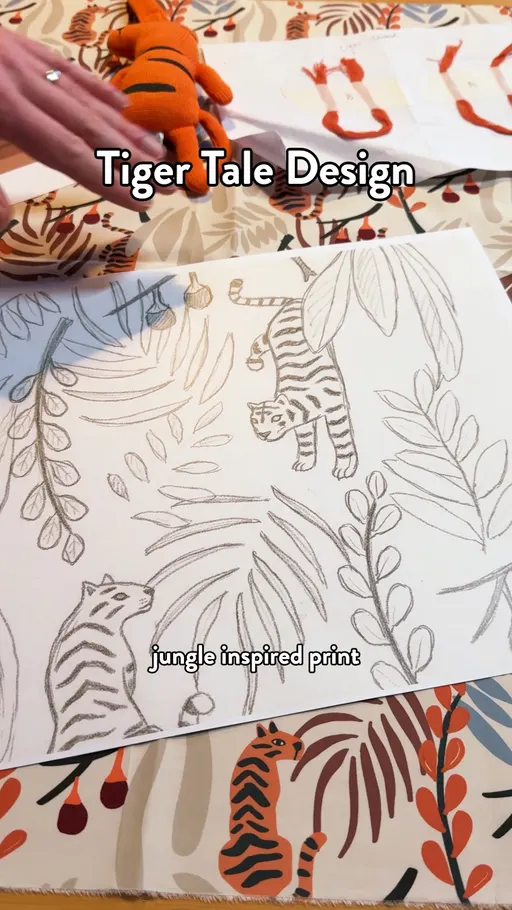
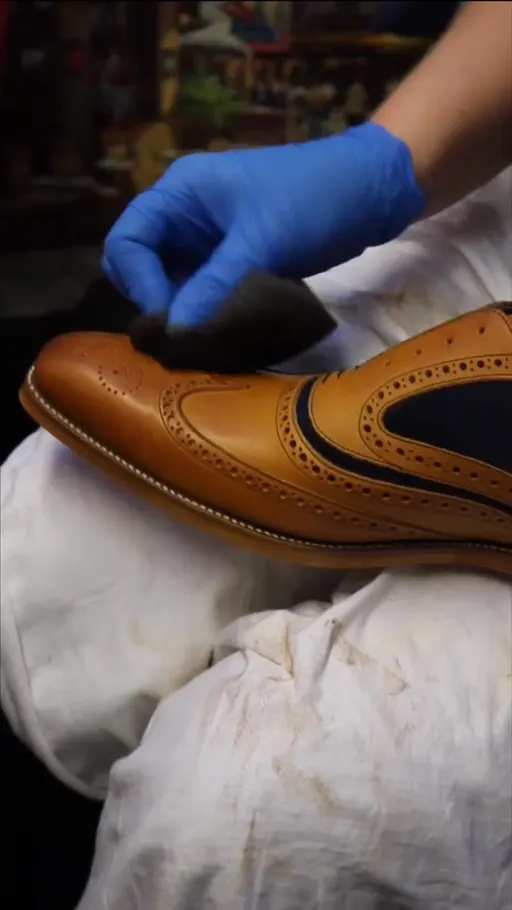
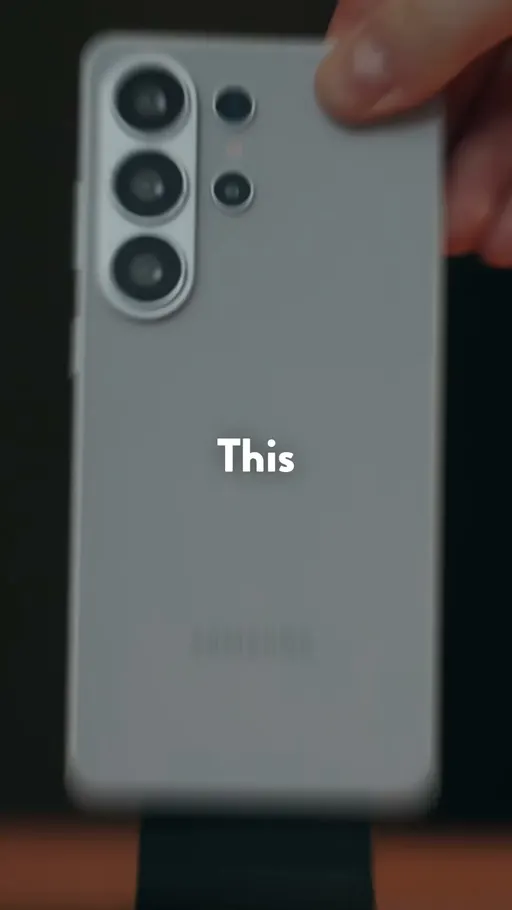
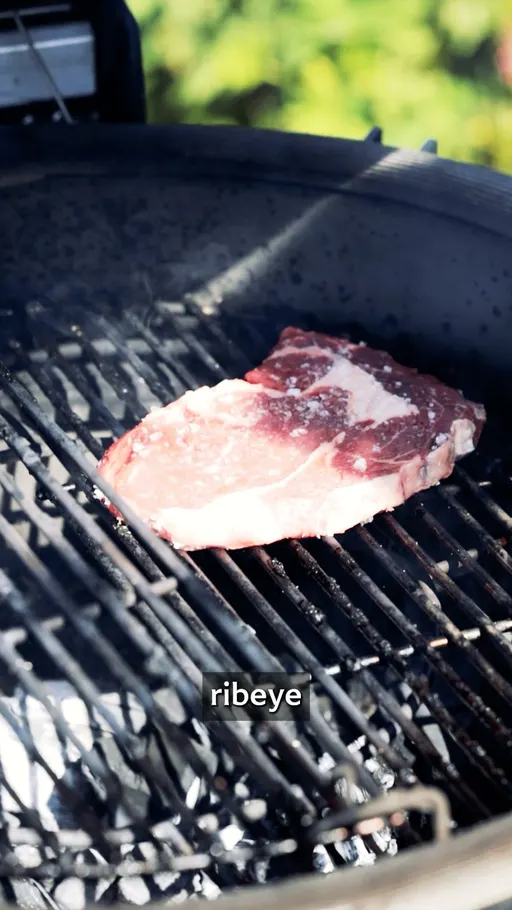
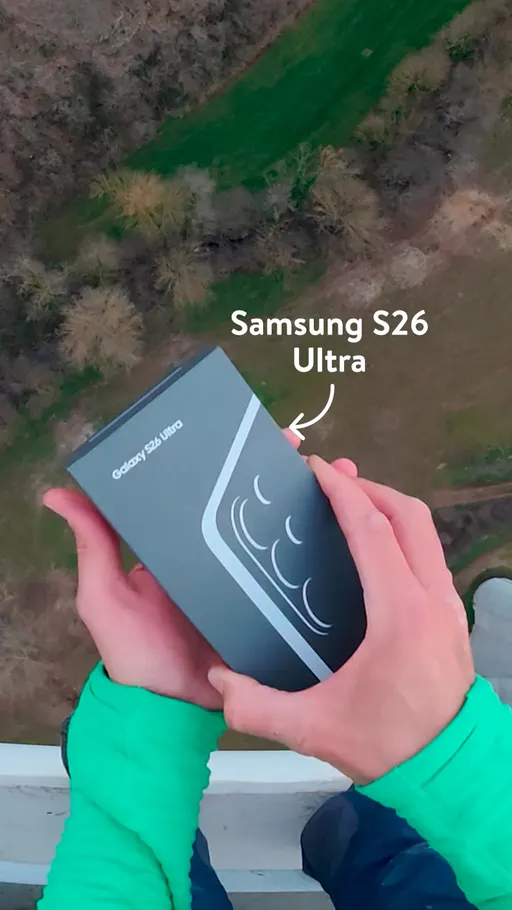
Four ads, four arrivals. cosatto.com goes from sketch to finished product. barkershoes.com opens on a craftsman polishing a leather shoe. mous.com says “This is the new Samsung S26”. donaldrussell.com names the beef and how long it was matured. A handful of brands carry this row: 52 of them, against 341 ads in the month.
Newness: it says the thing just landed or just came back
What it is. An opening whose only argument is that this is new, like mous.com's “Cases with smarter control”.
Why people respond. It works the way a shop window does in the first week of a season: a shopper who was in last month has a reason to look again. There is nothing to weigh up, just something that wasn't there before. That is our reading of the attention, not a claim about sales.
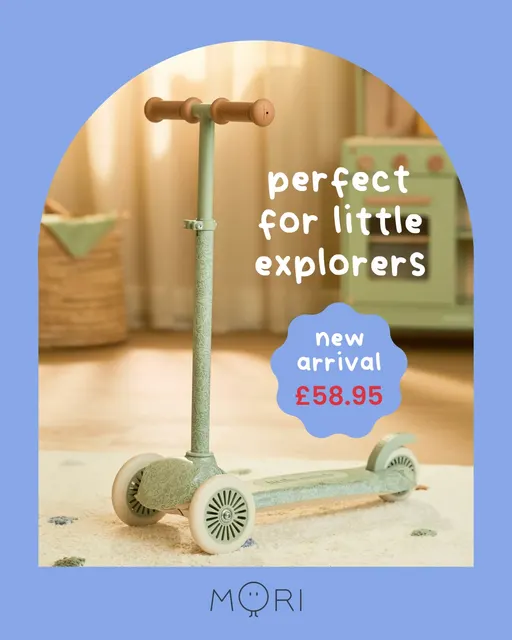
Four ads, four kinds of new. mous.com names the new control. welzo.com teases “One thing that not many people know about”. babymori.com says who it is for, “perfect for little explorers”. boxraw.com names a year of its own, “Year of the Fire Horse”. The row opened 4% of September's ads against 2.6% in August, on 338 ads from 75 brands.
Visual Reveal, Montage and Newness all rose in the same month, which hints at one ad nobody has built yet.
One ad to brief this week: the Sketch-to-Shelf Spot
Visual Reveal, Montage and Newness all climbed in the same month, Visual Reveal from 2.4% to 4%, Montage from 3.2% to 4.8% and Newness from 2.6% to 4%. Put together, they point at one ad: it opens on the thing appearing, cuts through a short run of clips in the middle, and closes on the fact that it is new. That is our suggestion built from the movers, not a finding. The library can't say it will work, which is exactly what the test is for.
The format. A fifteen-second vertical video of four or five clips, one line of text on each, no voice-over needed: the Montage shape that staged 4.8% of September's ads.
The hook. Model the first clip on cosatto.com's “Today I'm going to show you how we go from a sketch like this to the final product like this!”: keep the promise to show, and put nothing else on screen.
The middle. Model the second and third clips on wuffes.com's “What their 2026 could look like with Wuffes”: keep one short line per clip and let the cuts do the arguing.
The close. Model the last clip on mous.com's “Cases with smarter control”: keep the plain statement that this is the new one, where the shopper is already deciding.
The test. Run it against your best Curiosity Gap ad, the opening in 17.6% of September's ads, same audience and same budget split, for two weeks, judged on cost per purchase.
Two smaller tests can ride along, each its own whole ad run against the ad it replaces, never folded into the brief above and never a swap of the first line alone. One: an offer line carrying a real calendar date in place of "limited time", taken down the day the date passes. Two: an ad written for one named shopper, modelled on scandiborn.co.uk's “Created for little dreamers”, run against your broadest ad on Identity.
The eCommerceBenchmark Ad Library sorts your ads into the same hooks, angles, concepts and offers used in this report and shows your mix next to the market, so you can see which shapes you have never shipped.
Audit my creatives, freeOne catch before you run off. Everything above mixes every UK industry together. Yours might look nothing like it.
Why you need to know the hooks in your niche
A row that is crowded across UK eCommerce can be empty in your category, and the row you think is yours alone can be the one all five of your competitors opened with last week. This cut has no industry split, so the 17.6% that Curiosity Gap opened is the market's number, not yours.
- Shoppers tune out an opening they meet over and over. The fifth tease in a row is just scrolling.
- When every ad sounds the same, price is all that is left to compare. With 132 brands on Curiosity Gap, that is a conversation you win only by charging less.
- A different opening costs the same to write into a brief. The brief is one line either way.
- Different isn't the same as right. That's why you test one ad into an empty row, say Contrarian at 0.4%, instead of switching the account over.
Your 30-minute check
- Collect. Pull twenty current ads from your five closest competitors in the free Meta Ad Library.
- Label. Write down each ad's hook, angle and concept, one line per ad.
- Count. The row that shows up most is your niche's crowded row; across UK eCommerce, that's the Curiosity Gap.
- Find the gap. The row that shows up least, or never; check it against the movers above.
- Brief one test. One ad for the empty row, run against your control for two full weeks.
Want every number? Here are the full rankings.
The full rankings: hooks, angles and concepts
Use these as worksheets, not scoreboards. Write your own count beside each row, from Curiosity Gap at 17.6% down to Storytelling at 0.4%, using your last month of ads or your competitors' current ones. The rows where your count is highest are the ones you're actually competing in.
| Hook | September share | August share | Change |
|---|---|---|---|
| Curiosity gap | 17.6% | 19.7% | ▼ 2.1 |
| Bold claim | 12% | 10.8% | ▲ 1.2 |
| Authority | 6.9% | 6.8% | ▲ 0.1 |
| Urgency / FOMO | 4.9% | 5.1% | ▼ 0.2 |
| Visual reveal | 4% | 2.4% | ▲ 1.6 |
| Newness | 4% | 2.6% | ▲ 1.4 |
| Direct question | 3.7% | 3.2% | ▲ 0.5 |
| Relatability | 3.5% | 3.6% | ▼ 0.1 |
| Price anchor | 3% | 2.4% | ▲ 0.6 |
| Shocking statement | 1.1% | 1.1% | 0 |
| Contrarian | 0.4% | 0.2% | ▲ 0.2 |
| Storytelling | 0.4% | 0.2% | ▲ 0.2 |
| Angle | September share | August share | Change |
|---|---|---|---|
| Identity | 21.9% | 22% | ▼ 0.1 |
| Solution-aware | 13.3% | 10% | ▲ 3.3 |
| Problem-aware | 8.2% | 9.4% | ▼ 1.2 |
| Objection crusher | 7.9% | 7.9% | 0 |
| Social proof | 7.6% | 7.3% | ▲ 0.3 |
| Mechanism | 4.6% | 3.8% | ▲ 0.8 |
| Comparison | 1.9% | 1.8% | ▲ 0.1 |
| Named enemy | 0% | 0% | 0 |
| Concept | September share | August share | Change |
|---|---|---|---|
| Offer-first banner | 7.8% | 7.3% | ▲ 0.5 |
| Product Demo Close-Up | 7.6% | 7.4% | ▲ 0.2 |
| Cinematic B-roll | 6.7% | 5% | ▲ 1.7 |
| Montage | 4.8% | 3.2% | ▲ 1.6 |
| Customer Testimonial Reel | 1.8% | 1.4% | ▲ 0.4 |
| Listicle | 1.1% | 0.9% | ▲ 0.2 |
| Selfie talking-head | 1% | 0.8% | ▲ 0.2 |
| Side-by-Side Comparison | 0.6% | 0.6% | 0 |
| UGC Unboxing | 0.6% | 0.6% | 0 |
| Problem agitation | 0.5% | 0.4% | ▲ 0.1 |
| Grid swap | 0.5% | 0.6% | ▼ 0.1 |
| Behind-the-Scenes | 0.4% | 0.3% | ▲ 0.1 |
Your test card
Here is the Sketch-to-Shelf Spot from this article, set up the way a media buyer would run it. Fill in the blanks with your own numbers, and write them down before you launch.
| Hypothesis | The Sketch-to-Shelf Spot, run beside my best Curiosity Gap ad on the same audience and the same budget split, will hold or lower my cost per purchase over two full weeks. |
| Change only this | The whole creative: the Sketch-to-Shelf Spot, opening on the moment the thing appears, cutting through short clips in the middle, closing on the thing being new. |
| Keep the same | Product, offer, audience, placement and budget split. |
| Funnel stage | Say first whether this ad is for prospecting (cold) or retargeting (warm). A deal in the first line is often right for warm audiences and wrong for cold ones, so test it where the ad will really run. |
| Setup | One control and one variant, same audience, same placement, even budget split. Do not edit either ad while the test runs. |
| How long and how much | Until each version has about 50 purchases, or two full weeks, whichever comes later. This is general testing practice (Meta's own learning-phase guideline is about 50 results per ad set per week), not a library finding. |
| Success metric | Cost per purchase, not clicks. |
| Stop rule | Pause a variant that has spent about 3 times your target cost per purchase with no purchase. If it is close, keep it running. |
| What counts as a win | The variant beats the control on the metric by an amount you would act on, and still does in a second week. |
September 2026 UK eCommerce ads: what to brief next
- Curiosity Gap opened 17.6% of September's UK ads, Bold Claim 12% and Authority 6.9% [eCommerceBenchmark Ad Library, 2026]: the lane every brief lands in by default.
- Identity argued 21.9% of September's ads, Solution-Aware 13.3% and Problem-Aware 8.2%, together more than 4 in 10 of the month's ads.
- Among concepts only, Offer-First Banner staged 7.8%, Product Demo Close-Up 7.6% and Cinematic B-Roll 6.7%: compare these three with each other, never with a hook or angle.
- Staying power in the long-running sample: 96.3% of Curiosity Gap's ads ran sixty days or more, the most of its three, against 65.8% for Cinematic B-Roll, the least of its three.
- Five rows climbed by more than a point: Solution-Aware, Cinematic B-Roll, Montage, Visual Reveal and Newness, the last of them on 75 brands.
- Label twenty competitor ads by hook, angle and concept, then brief one ad into the row that never appears: Contrarian managed 0.4% of September's ads.
UK eCommerce ad benchmarks: common questions
Keep one ad on Curiosity Gap as your control, the opening that carried 17.6% of September's UK ads. Then brief exactly one new ad: the Sketch-to-Shelf Spot, built from the three rows that rose together. Run it against the control on the same audience and the same budget split for two full weeks, and judge it on cost per purchase. At the end of the fortnight you will have a number you can defend, instead of another month that looks like the last one.