US eCommerce Ads, September 2026: The Curiosity Gap Opened 20.9% of Them, Down From 22.5% in August. So Which Row Is Your Next Brief Landing In?

Scope: every industry the eCommerceBenchmark Ad Library tracks in the US. 179 brands, 5,796 ads active in September 2026, compared with August 2026. No split by industry.
Most ad reports tell you what's popular. Then they leave you standing there.
This one tells you what to do about it.
For the curiosity gap, Identity, Product Demo Close-Up and the six rows behind them you get the same five things: what it is, why it matters to you, what moved since August, which real brands ran it, and one thing to steal. Nine moves, nine things to steal, from a 20.9% opening down to a 3.3% shape. Then the small rows that actually grew, and one ad to brief this week.
- A brief decides three things, not one. Hook, angle and concept. Choose only the hook and you have left the other two to the person who shoots it.
- The default in each group is the one every shopper has already met. One opening, one argument and one shape carry more of the market than any other, so an ad built on all three risks blending into the feed it lands in.
- Each default has a shelf life. Some rows hold for months in the sample, some turn over in weeks, and that tells you where your creative time is worth spending.
But first, three words that most briefs mix up.
Hook, angle, concept: three different jobs
Mixing these three up is the most common reason an ad brief goes wrong. A hook is defined as the first move an ad makes to stop a scroll: its first line or first seconds. An angle is defined as the reason the ad gives a shopper to buy. A concept is defined as the shape of the creative: how it is filmed, laid out or staged. A brief that asks for "a stronger hook" and stops there has decided one thing and left two to chance. The person who shoots it fills in the gaps, and they fill them with whatever they made last time.
| Word | In one line | Plain example |
|---|---|---|
| Hook | The first move an ad makes to stop a scroll: its first line or first seconds. | "Nobody warned me about week three." |
| Angle | The reason the ad gives a shopper to buy. | "It costs less than the one you replace every winter." |
| Concept | The shape of the creative: how it is filmed, laid out or staged. | One pair of hands opening a box on a kitchen counter. |
The plain examples are made up to show the idea.
How to read a rise or a fall
Every item below shows its share of September's ads, how that compared with August, and how many brands ran it: 20.9% for the curiosity gap, 22.5% in August, 91 brands.
- Rising. A bigger share of ads uses it, the way Newness went from 1% to 2.8%. Brands may be copying each other or testing a gap, and either way the row is getting more crowded.
- Falling. A smaller share uses it, the way the curiosity gap slipped from 22.5% to 20.9%. That doesn't mean it failed, and nothing here records a brand stopping an ad.
- Flat. Its share held. Treat it as a stable baseline.
- Small. A move under half a point is small, like Relatability from 7.6% to 7.8%. Check the brand count, because a rise carried by 25 brands, as Montage's was, can be a handful of advertisers launching many ads.
One more rule. A bigger share doesn't mean a row works better. This data holds no sales, spend or profit, so it shows what brands ran, not what earned. Each item also shows how many of its ads in a sample of long-running ads ran sixty days or more. That sample is ranked by time on air, so the numbers read high: take them as a hint about staying power and nothing else.
Ready? Start with how ads open.
The top 3 hooks: how ads open
Together, these three open about 4 in 10 of September's ads. Curiosity gap opened 20.9% of them, Authority 10.2% and Relatability 7.8%. Here is how crowded each one is, and how long its ads lasted in the sample of long-running ads.
Share of September 2026 ads by hook. Source: eCommerceBenchmark Ad Library, 2026.
Share of each hook's ads that ran sixty days or more, in a sample of long-running ads. Reads high: a staying-power hint, not a result. Source: eCommerceBenchmark Ad Library, 2026.
1. Curiosity Gap: it keeps the payoff for the next line
What it is. It names a subject and keeps the point for the line after. flutecenter.com starts on "My daughter tried the flute for the 1st time" and leaves the rest to its headline.
Why it matters to you. This is the most crowded of the three openings here, written by 91 brands. In the sample of long-running ads, 93.2% of its ads ran sixty days or more, second only to Relatability among these three. So: safe and busy. A shopper in your category has met this opening already this week, which means your version has to hold back something theirs didn't.
What moved. 20.9% in September, 22.5% in August. The market's default opening handed share back while smaller rows grew. Our reading: briefs are spreading out across other openings. The data records the share, not the reason.
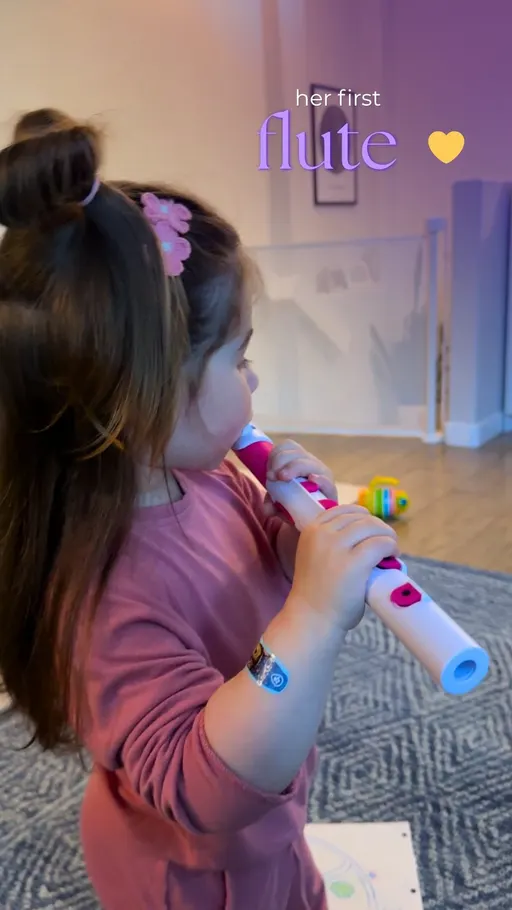
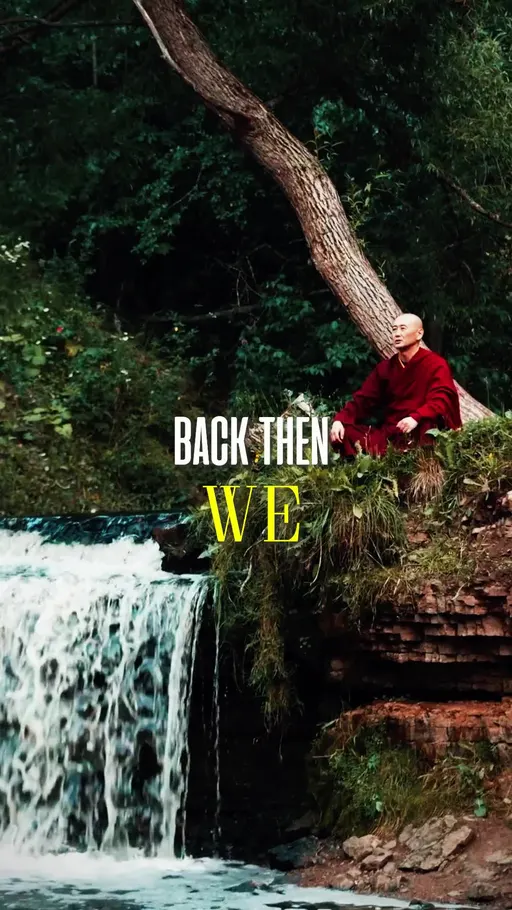
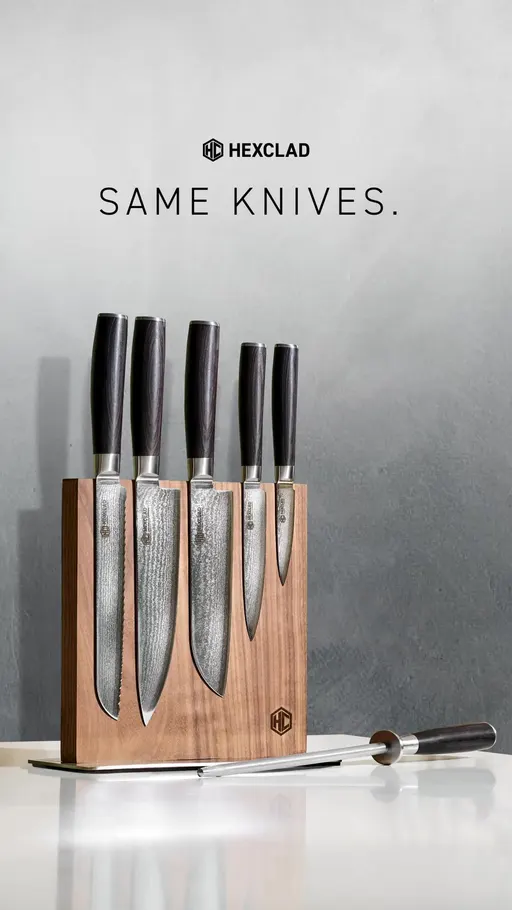
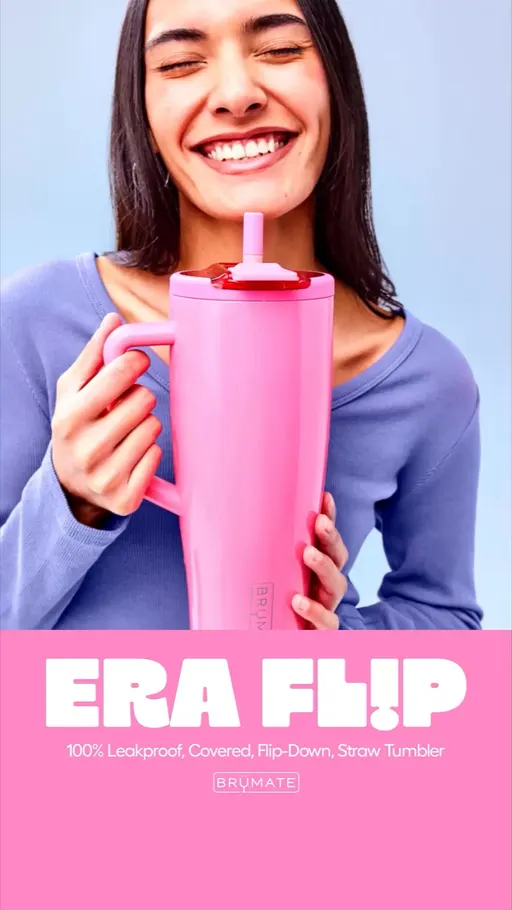
Four ads, four ways to hold something back. flutecenter.com opens on a moment and saves the point. ankhway.com starts on "Back then we were about taking mushrooms", a sentence you have to finish to place. hexclad.com sets up a swap and names neither half: "SAME KNIVES. NEW VIBE.". shop.brumate.com introduces a product by name alone, "MEET ERA FLIP 🔄". The one worth copying is flutecenter.com's, because its first three words name a person instead of a product, so the line reads like news from someone you know.
That's the crowded one. Now the one that borrows someone else's credibility.
2. Authority: it leans on a number or a name the shopper already trusts
What it is. It puts a count, a name or a record in front of the product. muddymats.com starts on "Thousands bought it for their dog" and leaves the product to its headline.
Why it matters to you. A wide base writes it, 82 brands, second only to the curiosity gap among these three. But only 68.5% of its ads in the sample ran sixty days or more, the lowest of these three. Read that as the row with room: plenty of brands open this way, and fewer of its sampled ads passed the sixty-day mark, so plan on rewriting rather than leaving one up.
What moved. 10.2% in September, 12.3% in August. The row that borrows trust is in fewer briefs than it was a month earlier, while the small rows further down picked up.
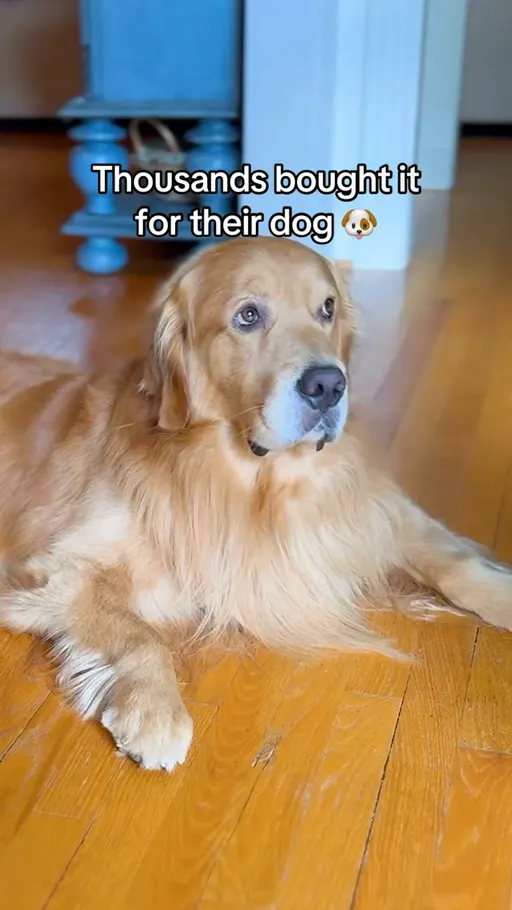
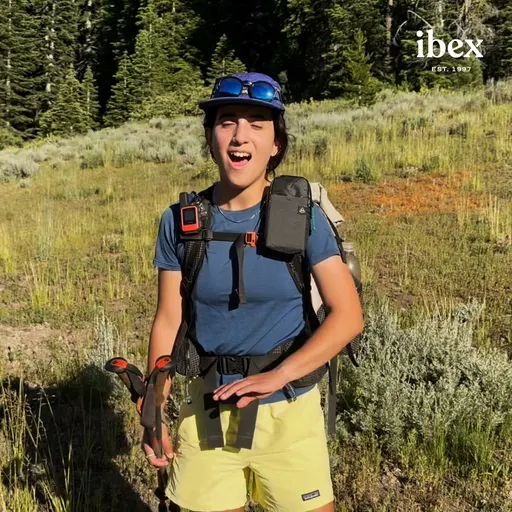
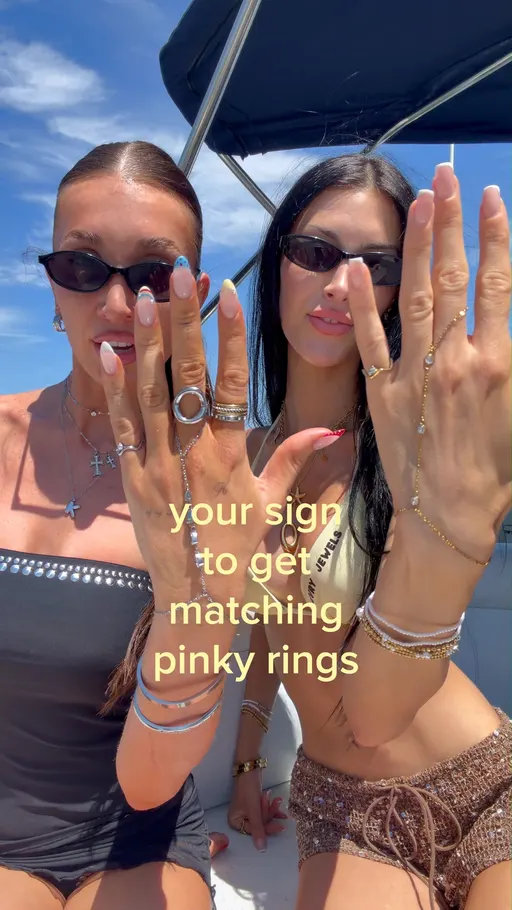
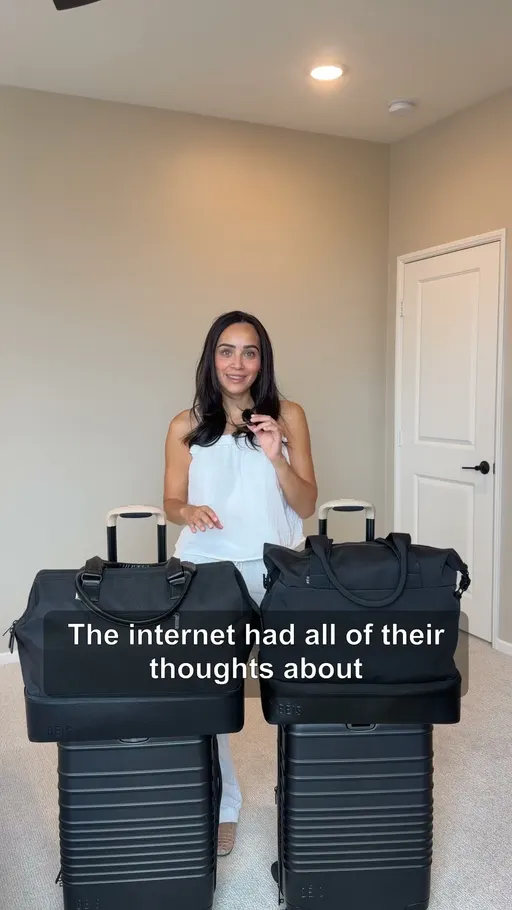
Four ads, four kinds of borrowed trust. muddymats.com puts the crowd first and the product second. ibex.com hands the ad to a person with a record: "Hi, I'm Izzy, I'm 3,200 miles into my calendar-year triple crown attempt.". evryjewels.com opens casually with "your sign to get matching pinky rings" and keeps its own boast, "Over 8 million satisfied clients", for the headline. beistravel.com credits the audience instead of itself. Copy muddymats.com's order: the buyers come before the thing.
That's the one leaning on other people. Now the one that sounds like nobody is selling anything.
3. Relatability: it starts mid-thought, the way a friend texts
What it is. It drops you into the middle of a sentence somebody was already saying. ankhway.com starts on "So I just got home from a 10-hour shift, and I need to rant about something.".
Why it matters to you. It has the narrowest base of these three, 53 brands, and the longest hold: 95.4% of its sampled ads ran sixty days or more, the highest of the three. Fewest brands, longest stay. If you want an opening where your own voice is least likely to sound like the ad before it, this is the one with room.
What moved. 7.8% in September, 7.6% in August. That move is small, under half a point, so watch it again next month before you read anything into it. It shows in the movers chart further down too.
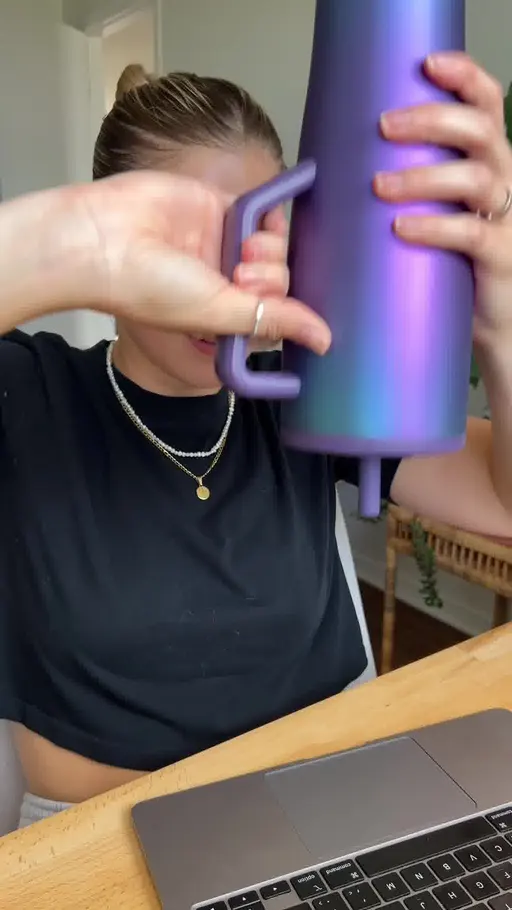
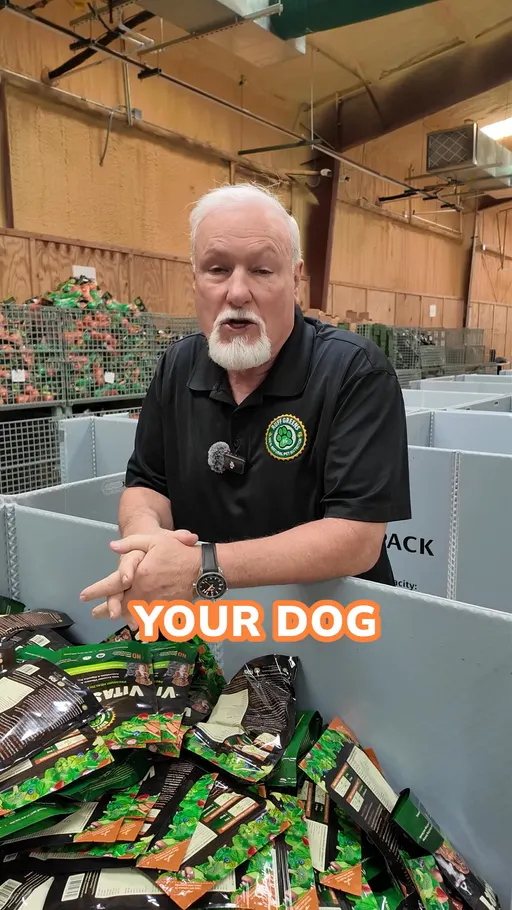
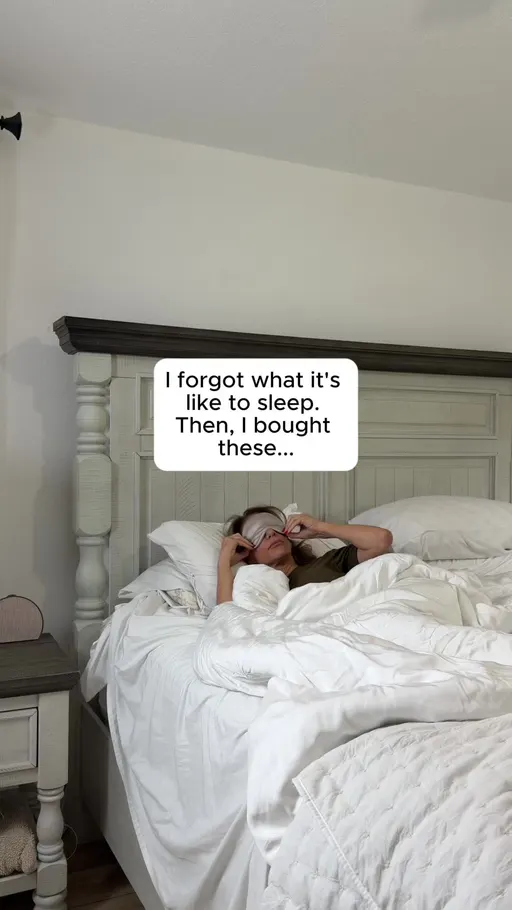
Four ads, four voices caught mid-sentence. ankhway.com opens on a shift that just ended. shop.brumate.com names the buyer, not the product: "The perfect tumbler for clumsy people". ruffgreens.com talks straight to the owner about time, "Your dog didn't get itchy or scratchy or skin problems or digestive problems overnight.". cozyearth.com builds a before and after into one line. shop.brumate.com's is the one to copy, because the shopper meets themselves before they meet the thing.
That's how ads open. But why would anyone buy?
The top 3 angles: why the shopper should buy
Together, these three argue nearly half of September's ads. Identity carried 22.7% of them, Problem-aware 14% and Objection crusher 6.9%. Again: how crowded each one is, then how long its ads lasted in the sample.
Share of September 2026 ads by angle. Source: eCommerceBenchmark Ad Library, 2026.
Share of each angle's ads that ran sixty days or more, in a sample of long-running ads. Reads high: a staying-power hint, not a result. Source: eCommerceBenchmark Ad Library, 2026.
4. Identity: it tells the shopper who buys this
What it is. It makes the product a sign of the kind of person you are. seattlecoffeegear.com starts on "WHEN YOU MAKE GREAT COFFEE" and lets the shopper finish the sentence about themselves.
Why it matters to you. This is the market's default argument, the most crowded of these three, with 76 brands writing it. It also has the lowest hold of the three: 67.2% of its sampled ads ran sixty days or more. Busy and short-lived, so expect to rewrite it rather than leave one version up all quarter.
What moved. 22.7% in September, 21.3% in August. The leading argument grew while the leading opening gave share back, and it shows in the movers chart too.
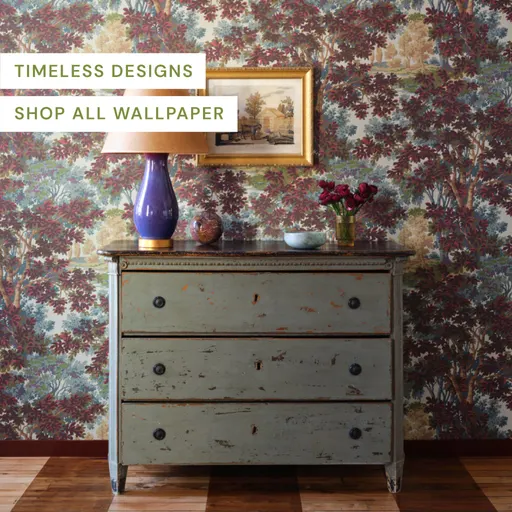
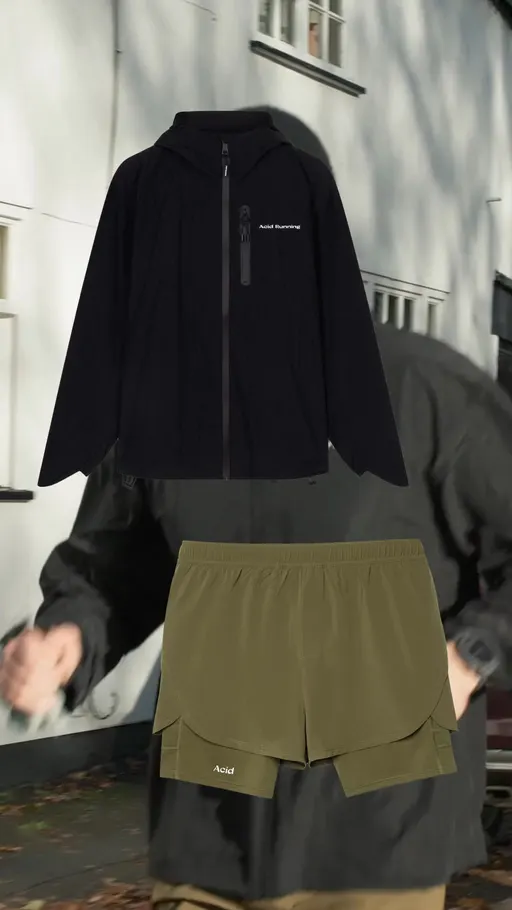
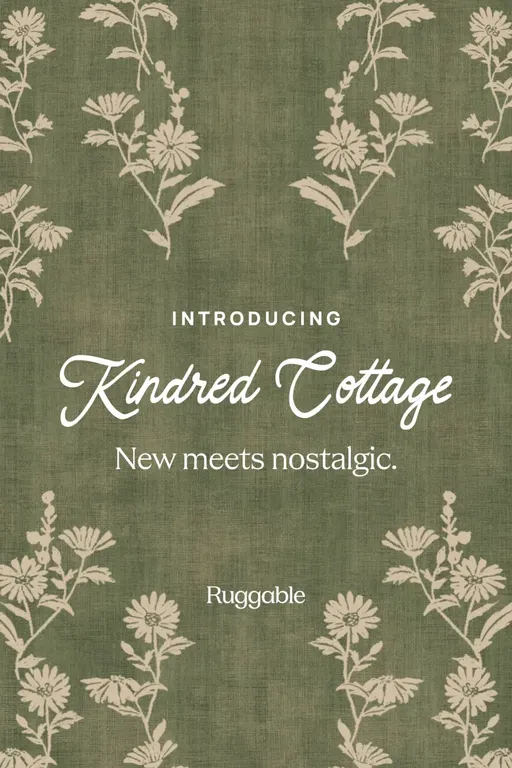
Four ads, four ways to describe the buyer. seattlecoffeegear.com flatters the person at the machine. decoratorsbest.com names a taste in three words, "Vibrant Designer Wallpaper". acidrunning.com puts the buyer's own distance first and the brand last: "LONDON TO EDINBURGH WEARING ACID RUNNING". ruggable.com introduces a collection and its headline names the buyer, "A New Collection for Old Souls". acidrunning.com's order is the one to lift.
That's the argument about the buyer. Next, the one about the mess.
5. Problem-Aware: it starts on the annoyance the shopper already feels
What it is. It opens on the thing that is already bothering the shopper. snowjoe.com starts on "Dealing with stubborn dirt and grime buildup on your car mats?".
Why it matters to you. It sits second of these three for crowding, on 73 brands, and first for staying power: 98.9% of its sampled ads ran sixty days or more, the highest of the three. Treat it as your steady base. The argument doesn't date, because the annoyance doesn't.
What moved. 14% in September, 14.4% in August. A quiet month for the steadiest argument in the market, with the risers coming from elsewhere.
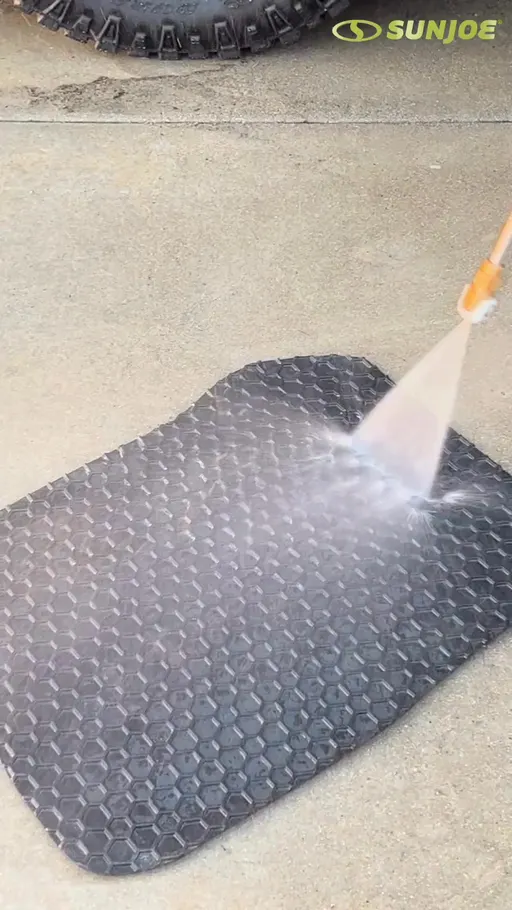
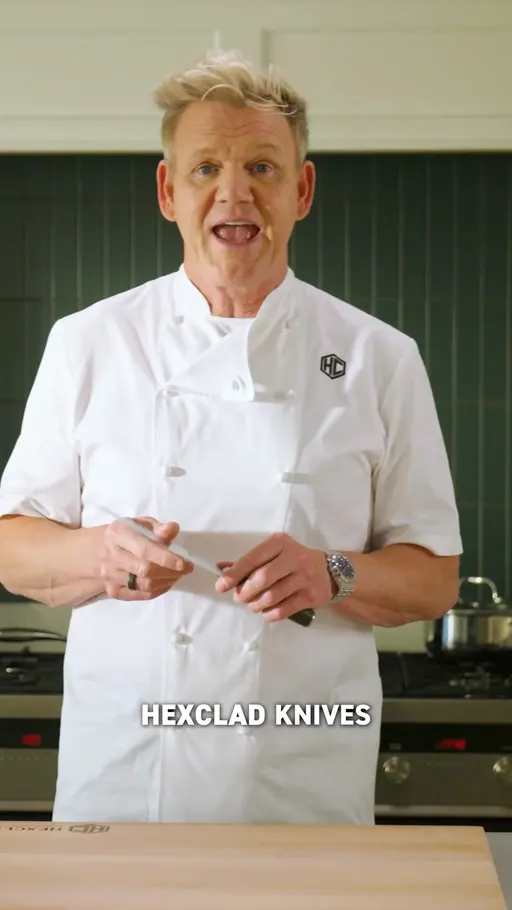
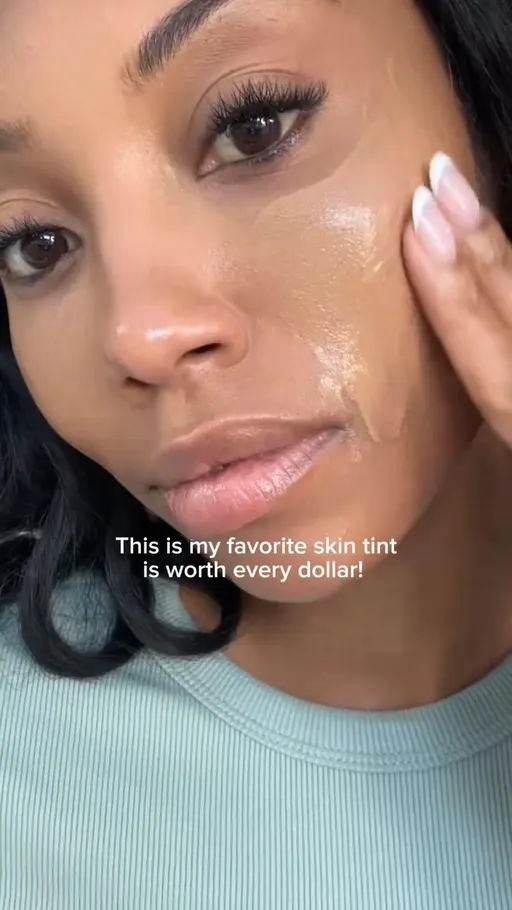
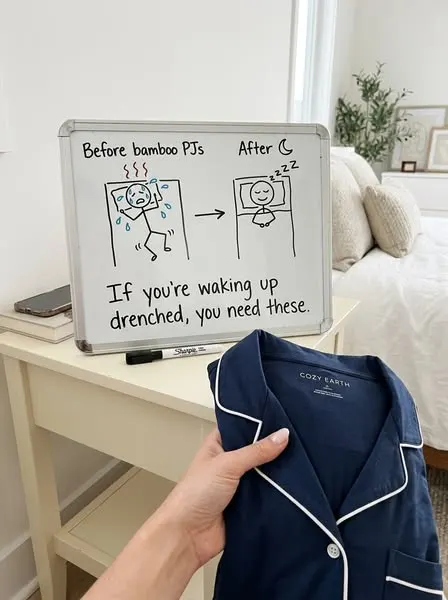
Four ads, four annoyances. snowjoe.com asks about the mess before it shows anything. hexclad.com goes at the dull knife, "HexClad knives cut through anything like butter.". iliabeauty.com speaks as a buyer who has settled on a favourite. cozyearth.com names the night problem in five words, "Cooling Comfort That Lasts All Night". snowjoe.com's question-first order is the cleanest to copy.
That's the ache. Now the one that argues with the shopper's doubt.
6. Objection Crusher: it answers the doubt before the shopper raises it
What it is. It takes the reason a shopper would say no and puts it in the opening line. drinkcirkul.com starts on "This water bottle pays for itself pretty fast".
Why it matters to you. It is the smallest of these three by share but the widest by brands, 80 of them, and 91.5% of its sampled ads ran sixty days or more, between the other two. If one doubt kills your checkout, this is the argument to write, and the brand count says you would be in good company.
What moved. 6.9% in September, 7.3% in August. A small step down for an argument almost half the market's brands here are writing in some form.
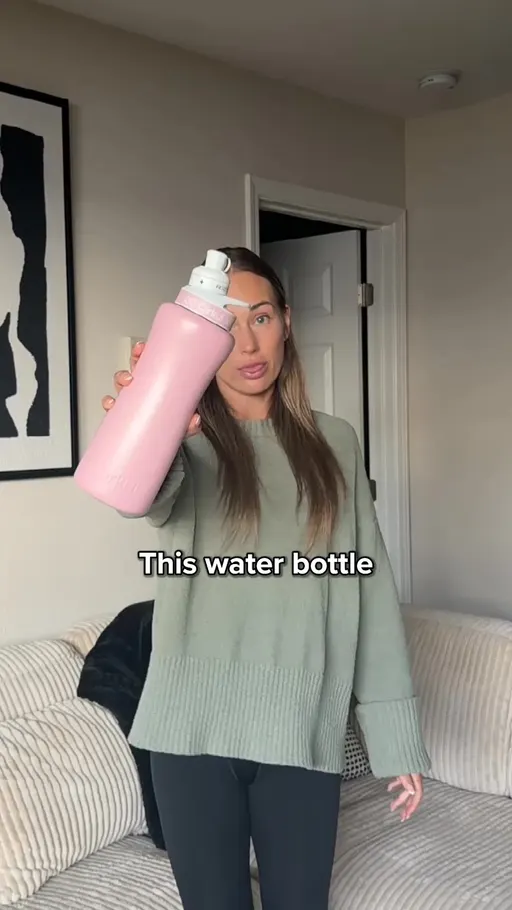

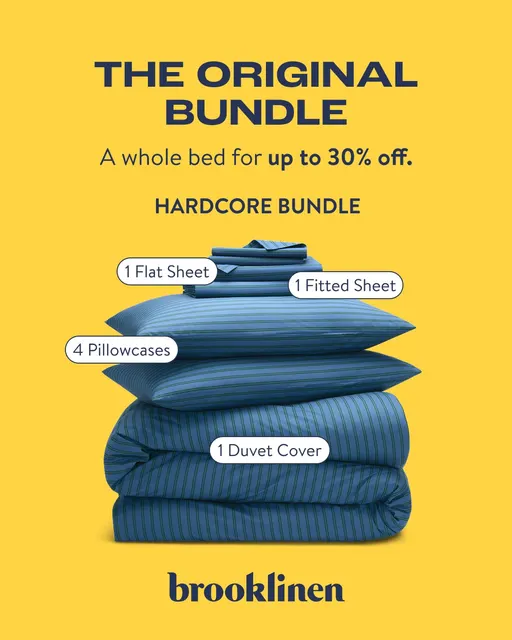
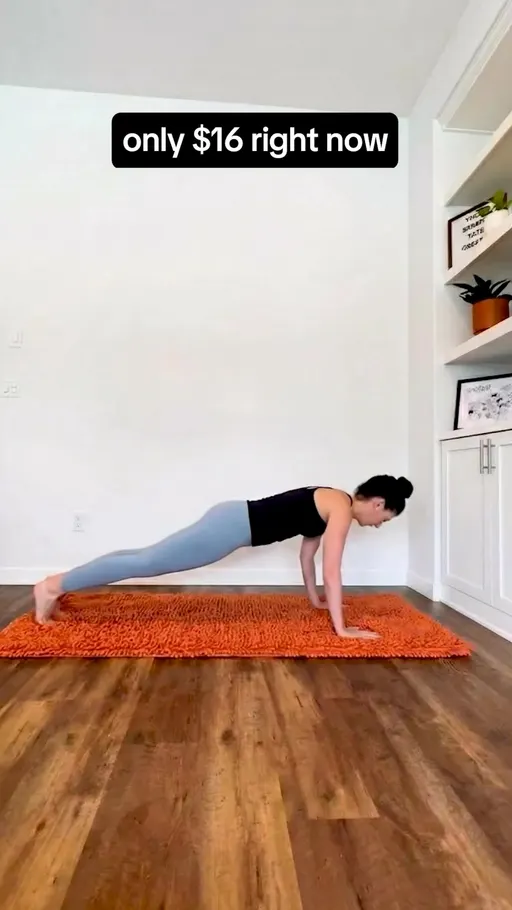
Four ads, four doubts. drinkcirkul.com answers the price worry in the first words. evryjewels.com asks the question a shopper would type, "Are you looking for an affordable place for jewelry if you want to buy a bunch that's not going to tarnish?". brooklinen.com prices a whole bed, "The Original Bundle: A whole bed for up to 30% off.". muddymats.com leads on the figure alone, "only $16 right now". drinkcirkul.com's is the one to copy, because it answers money without naming a discount.
That's why a shopper should buy. Now, what the ad looks like.
The top 3 concepts: how the ad looks
A concept is the shape of the creative. Fewer ads carry a concept than a hook or an angle, so these shares look small: compare concepts only with each other, never with a hook or angle share. Product Demo Close-Up staged 10.3% of September's ads, Cinematic B-roll 5.4% and Offer-first banner 3.3%, about 2 in 10 of the month between them.
Share of September 2026 ads by concept. Source: eCommerceBenchmark Ad Library, 2026.
Share of each concept's ads that ran sixty days or more, in a sample of long-running ads. Reads high: a staying-power hint, not a result. Source: eCommerceBenchmark Ad Library, 2026.
7. Product Demo Close-Up: it holds one thing in frame and shows it doing its job
What it is. One object, close, doing the thing you would buy it for. hexclad.com opens on "THE LAST PAN YOU'LL EVER NEED TO BUY".
Why it matters to you. It is the most carried of these three shapes, on 56 brands, and the longest held: 90.8% of its sampled ads ran sixty days or more, the highest of the three. That combination makes it a control shape rather than a test.
What moved. 10.3% in September, 10.7% in August. The steadiest shape in the market stayed about where it was while two smaller shapes grew.
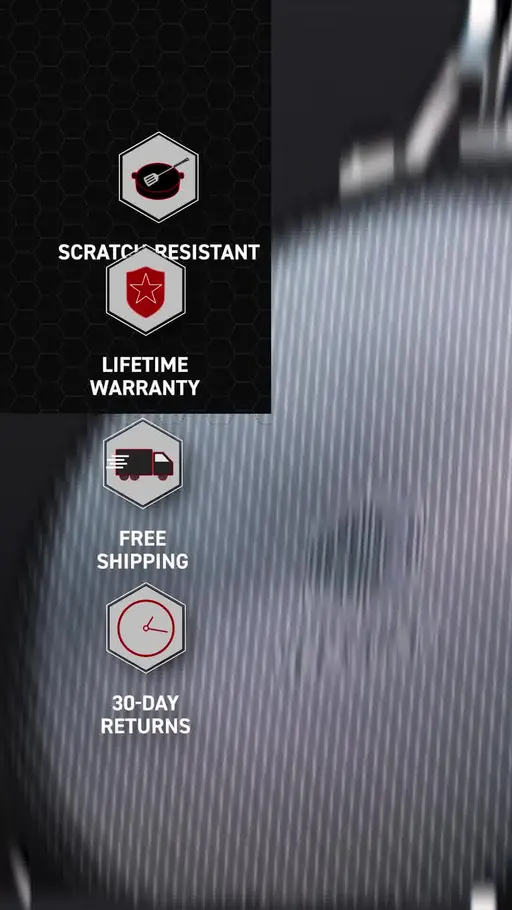
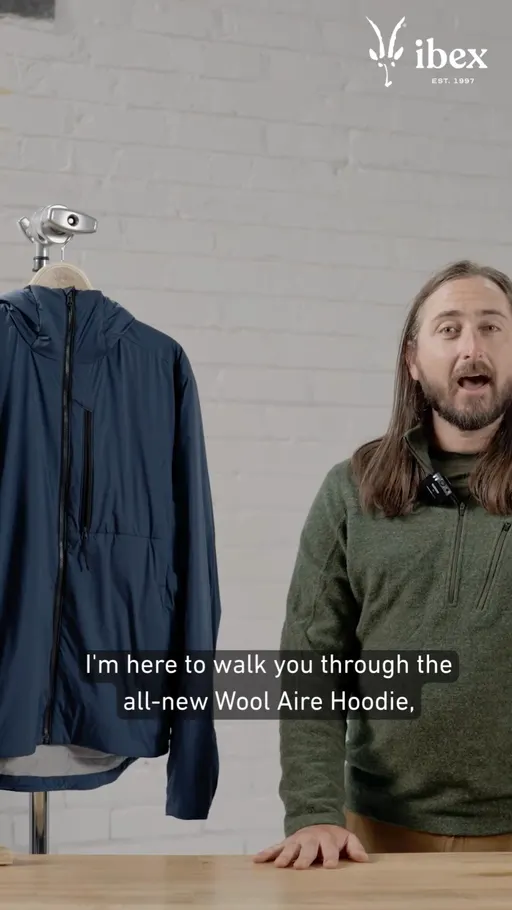
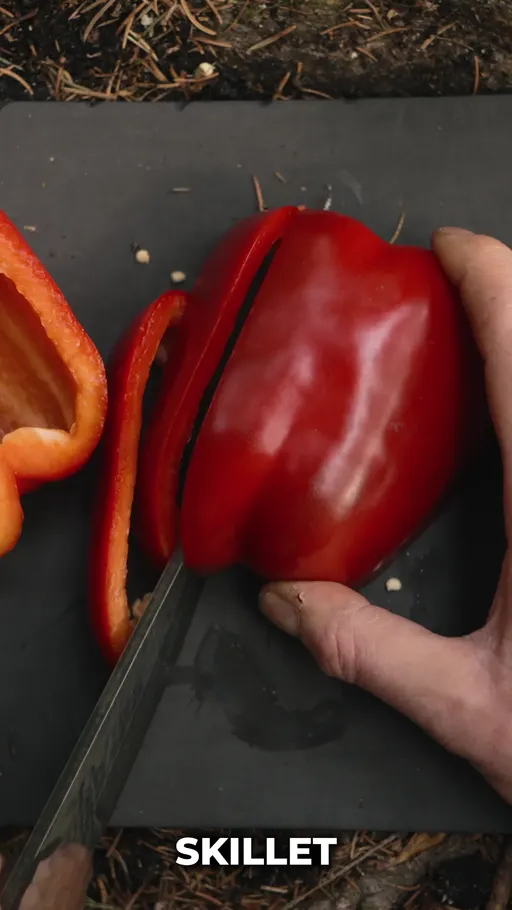
Four ads, four ways to point at one object. hexclad.com ends the shopper's search in the first line. hauslabs.com hands the open to a named person, "Hi everyone, this is Lady Gaga.". ibex.com walks through a single jacket and names it in the first breath. selfrelianceoutfitters.com names the exact item, "Experience a new level of outdoor durability with the Pathfinder Carbon Steel Skillet". hexclad.com's claim order is the one to steal.
That's the control shape. Now the one that grew fastest of these three.
8. Cinematic B-Roll: it stages the product like a short film
What it is. It films the product as a scene rather than a demonstration. wearfigs.com opens on "ON CALL 24/7, 365 DAYS".
Why it matters to you. Fewer brands carry it, 36 of them, and it holds the shortest of these three: 45.2% of its sampled ads ran sixty days or more. So this is the short-run shape of the group. Brief it as a flight you will replace, not a shape you leave up.
What moved. 5.4% in September, 3.8% in August. It shows in the movers chart too, one of the larger concept moves in the month.
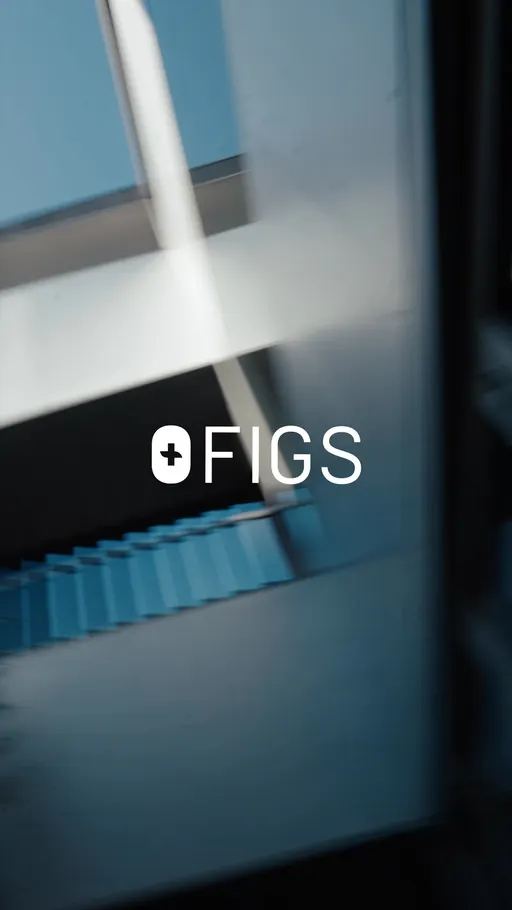


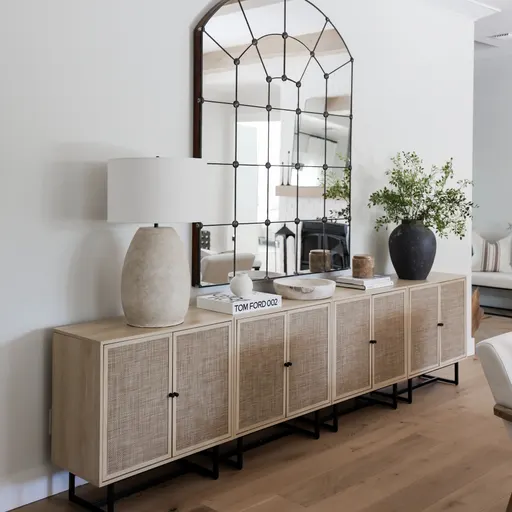
Four ads, four scenes told in words. wearfigs.com opens on the working day instead of the garment. acidrunning.com states a design idea, "Minimal by design, maximum in performance". drinkolipop.com opens mid-conversation, "So what if we remade that and turned it into this?". nathanjames.com puts the errand first, "Shop Storage Deals!". wearfigs.com's order is the one to copy.
That's the shape with the clock on it. Now the one where the deal is the layout.
9. Offer-First Banner: the deal is the first thing on screen
What it is. The price or the sale sits where the picture usually goes. cozyearth.com opens on "The Labor Day Sale Is Here".
Why it matters to you. It is the smallest of these three by share, on 45 brands, and 66% of its sampled ads ran sixty days or more, between the other two. A dated sale shape with a middling hold: fine as a test, risky as a row you leave running past the date it names.
What moved. 3.3% in September, 2.3% in August. It shows in the movers chart too, so more brands put the deal in the frame than a month earlier.
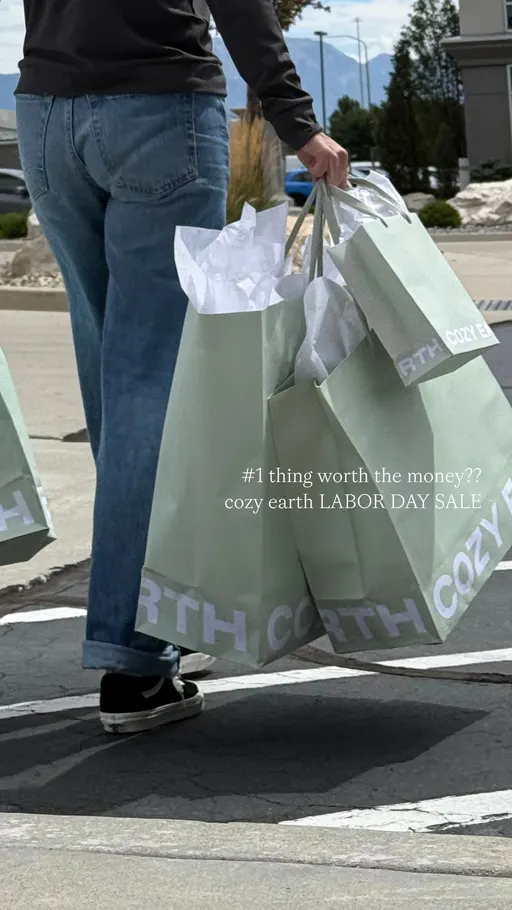
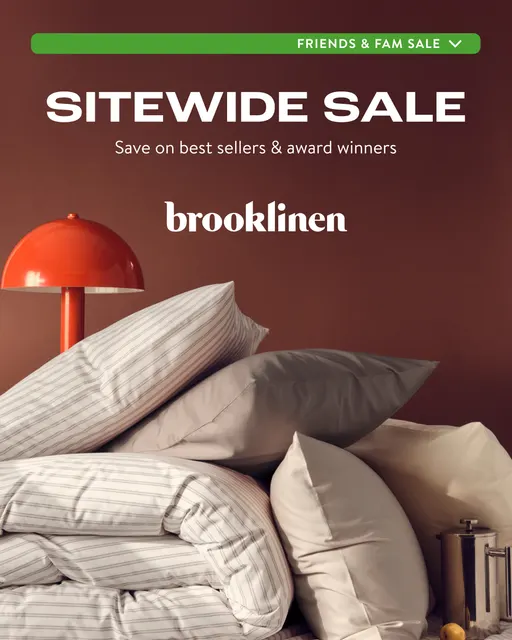
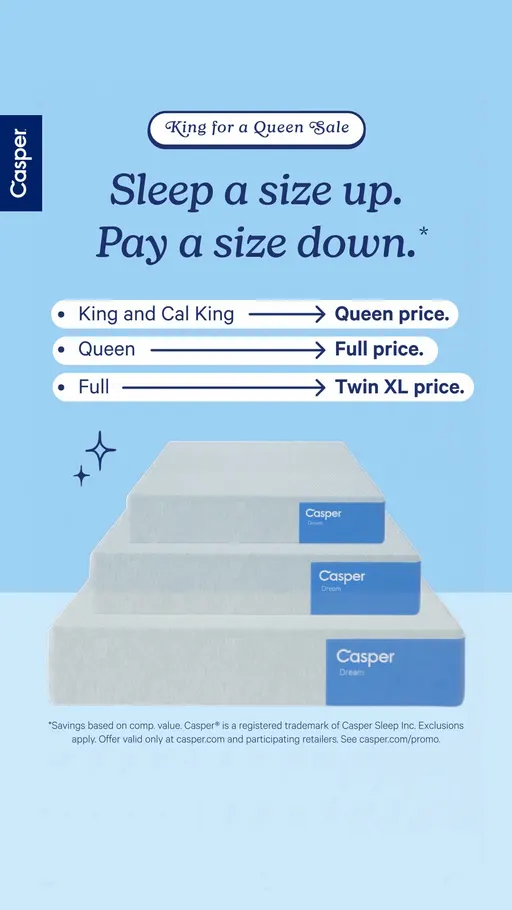
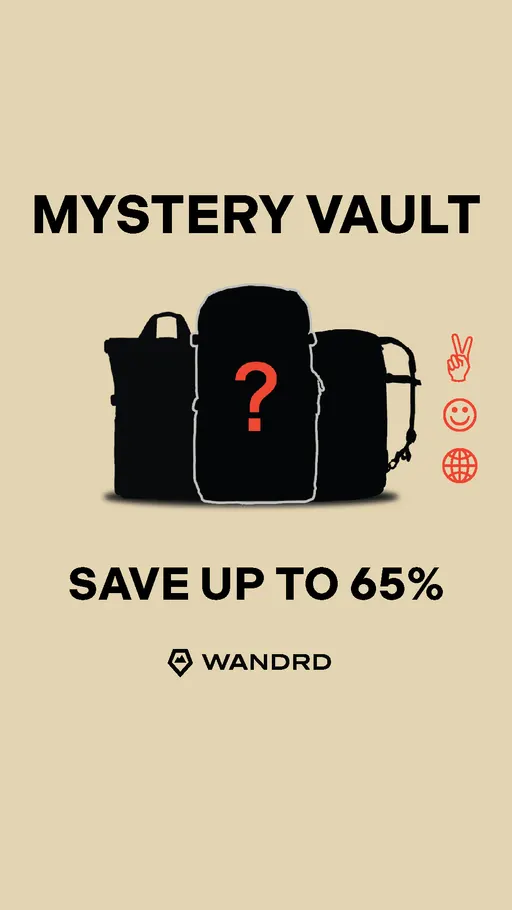
Four ads, four ways to lead with an offer. cozyearth.com names the sale and the calendar moment. brooklinen.com asks the shopper a question and keeps the sale for its headline, "Friends & Fam, This Sale's for YOU". casper.com splits the trade into two four-word clauses, "Sleep a size up. Pay a size down.". wandrd.com opens on a name instead of a number, "The Mystery Vault Is Open". casper.com's two clauses are the ones to lift.
Three leaders in each group, and most of them moving less than the rows underneath. So what actually moved?
What actually moved: the small stuff
Not one of the nine leaders held still, and several moved by more than half a point. Thirteen rows across the three rankings rose by a fifth of a point or more. Here they are.
Rows of the three rankings that rose by a fifth of a point or more, September 2026 against August 2026, in points. Source: eCommerceBenchmark Ad Library, 2026.
None of the nine held exactly the share it had in August. Five eased: Curiosity gap, Authority, Problem-aware, Objection crusher and Product Demo Close-Up. Four rose enough to show in the chart: Relatability, Identity, Cinematic B-roll and Offer-first banner. Most of the other risers are small rows that few brands write for. The reason to care isn't any single one of them, it's that several rose in the same month. Let's look at four of them in real ads.
Newness: it says the thing just landed or just came back
What it is. It tells the shopper something is new or back, with no other argument in the line: ibex.com opens on "LIZZI TAVERN PANTS ARE RESTOCKED!". Newness took 2.8% of September's ads, up from 1% in August.
Why people respond. Think of the shelf you walked past twice because it was empty, and then one day it isn't. A shopper who wanted the thing and couldn't have it reads "back" as news, not as a pitch. That is our reading of the attention, not a claim about sales.
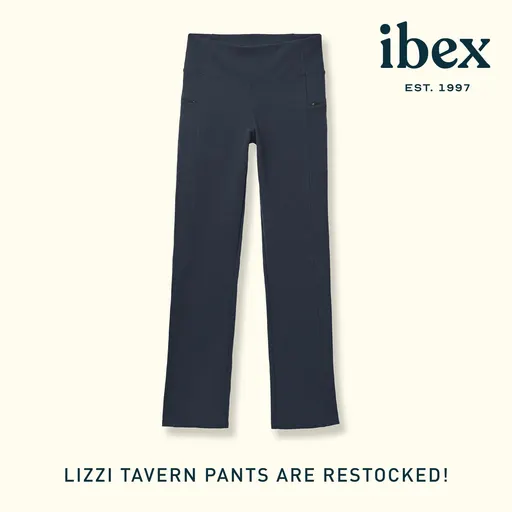
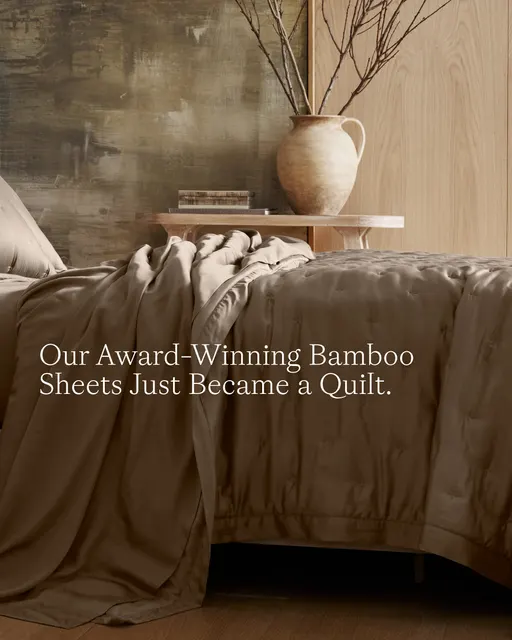
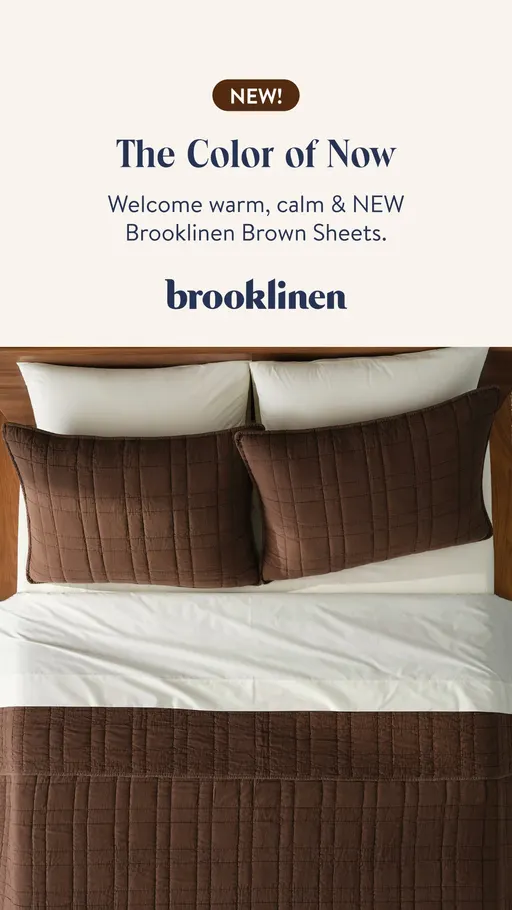
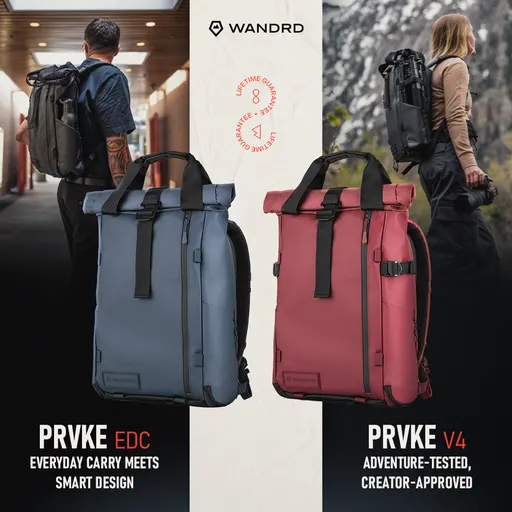
ibex.com shouts the restock in capitals. cozyearth.com turns one product into another, "Our Award-Winning Bamboo Sheets Just Became a Quilt.". brooklinen.com names a colour as the news itself, "The Color of Now". wandrd.com says a bag changed without saying how, "PRVKE Just Leveled Up.". A handful of brands carry this row, 30 of them, against 160 ads in the month.
Montage: it moves through a run of short clips
What it is. It cuts between short clips instead of holding one frame, and muddymats.com opens its run on "I can't believe I almost missed out again this spring season". Montage staged 2.5% of September's ads, up from 0.9% in August, and that share is only comparable with other concepts.
Why people respond. A phone feed is a stack of fast things, and a clip run matches the speed of the thumb. Nothing on screen asks to be studied. That is our reading of the attention, not a claim about sales.
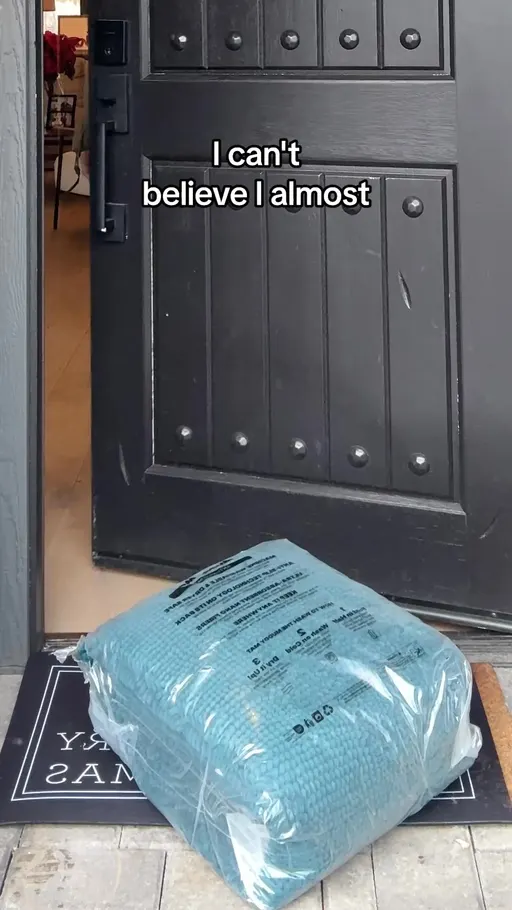
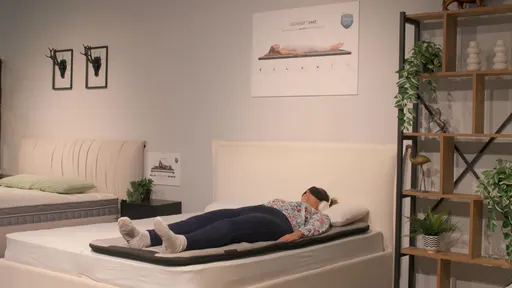
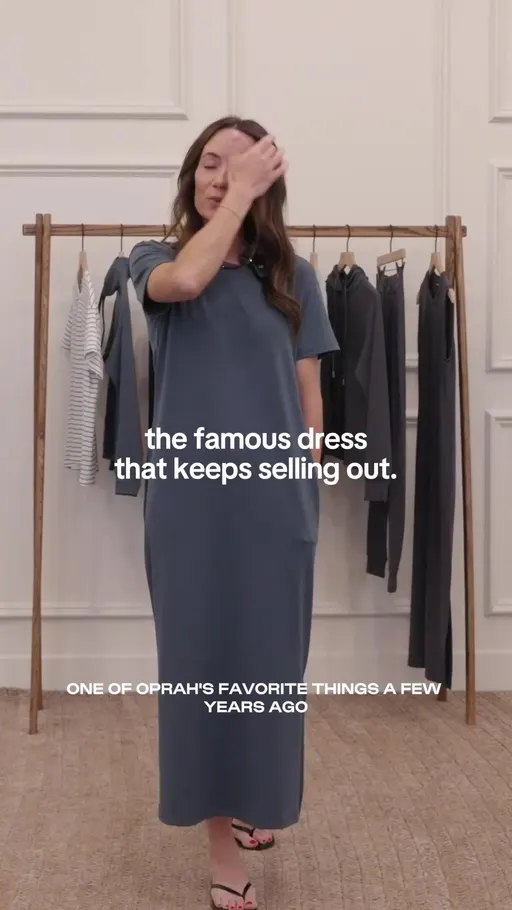
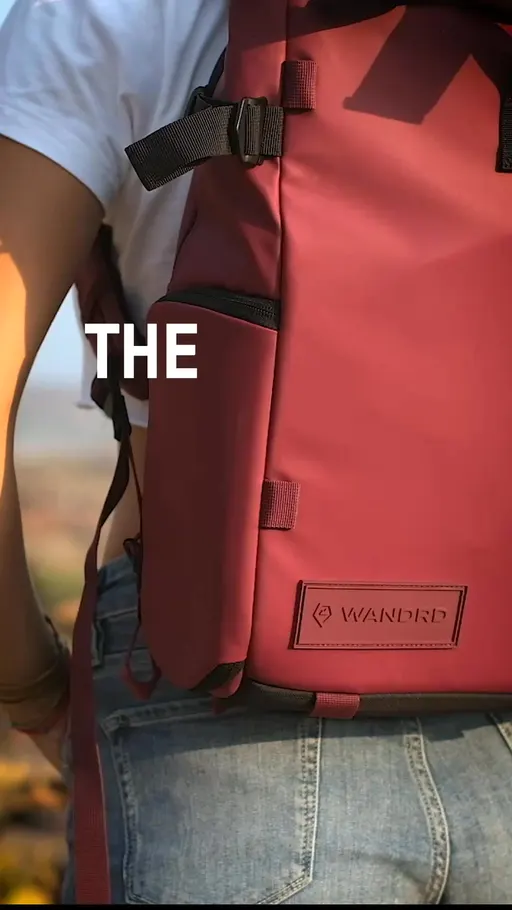
muddymats.com opens on regret about a season. woojer.com runs its line in Italian, "Senti il suono. Ridefinisci il relax." (Feel the sound. Redefine relaxation.). cozyearth.com leads with a name and a sell-out, "Oprah approved: the famous dress that keeps selling out.". wandrd.com just names the product over its cuts, "THE PRVKE BACKPACK". Few brands carry this shape, 25 of them, across 144 ads.
Bold Claim: it makes one large promise and stands on it
What it is. One promise, no hedge: brooklinen.com opens on a single word, "SOFTEST.". Bold claim opened 6.2% of September's ads, up from 4.7% in August.
Why people respond. A shopper scrolling does not read an argument, they read a label. One flat promise is easier to hold in the head than three features. That is our reading of the attention, not a claim about sales.
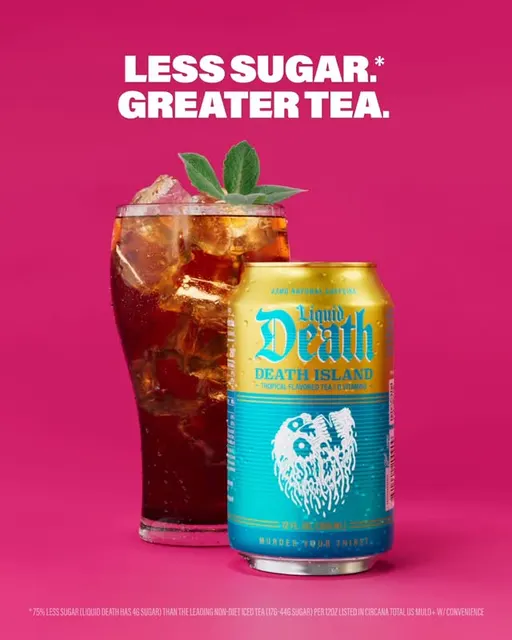
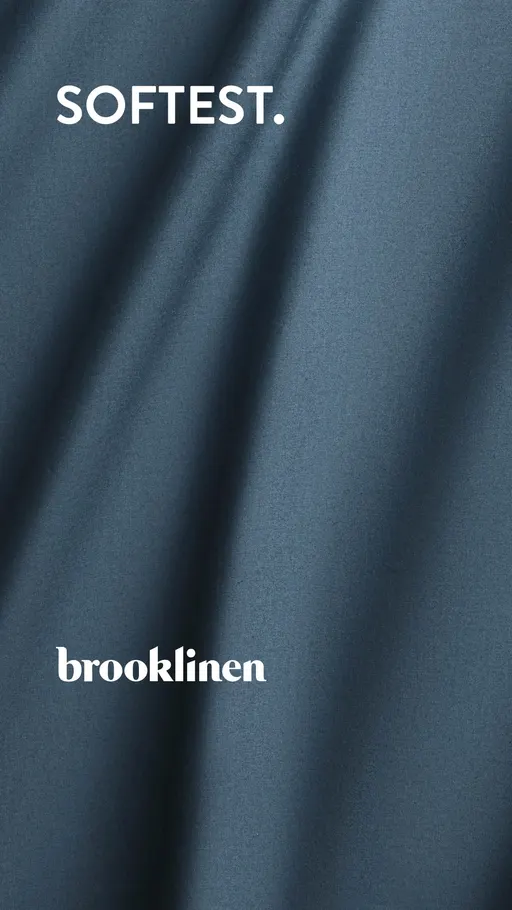
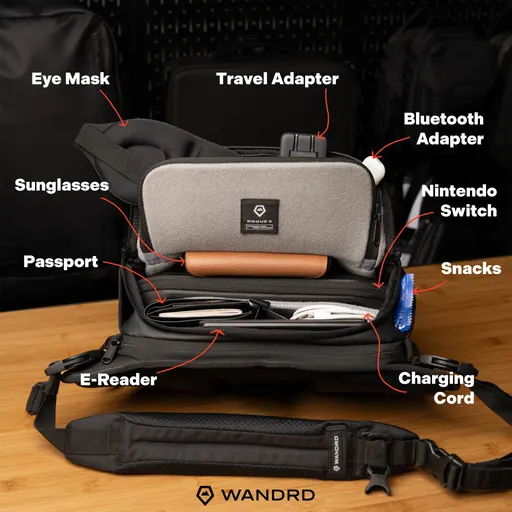
liquiddeath.com states the product plainly, "Lower sugar iced tea". brooklinen.com takes a superlative as its whole opening line, its own claim about its own sheets. wandrd.com trades two clauses, "More Room. Same Sleek Carry.". burjushoes.com promises two days in one, "Dance all night and work all day with Xiomara by Burju". The row ran on 57 brands and 359 ads.
Solution-Aware: it talks to a shopper who has already decided to buy something
What it is. It skips the problem and speaks to someone mid-shop: woojer.com opens on "DON'T JUST TRACK. CHANGE.". Solution-aware argued 5.4% of September's ads, up from 4.1% in August.
Why people respond. Picture someone standing in an aisle with two boxes in their hands. They do not need to hear that they have a problem, they need one reason to put a box down. That is our reading of the attention, not a claim about sales.
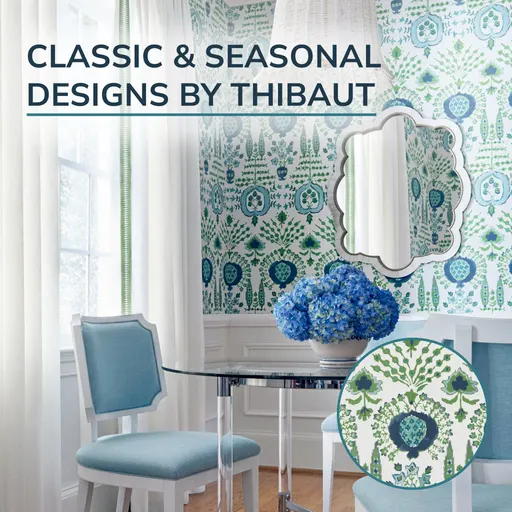
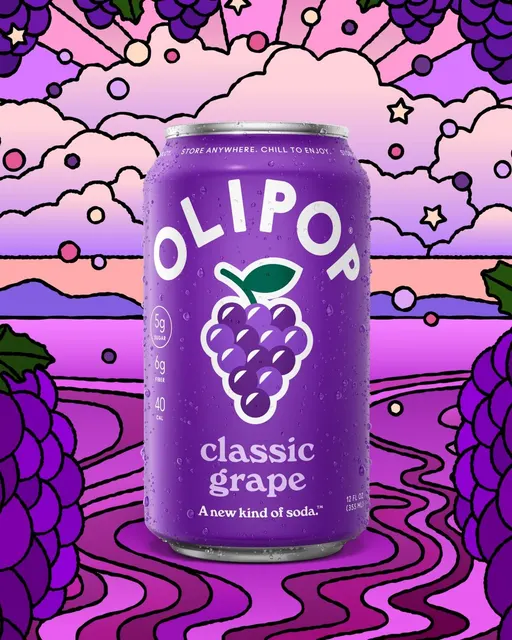
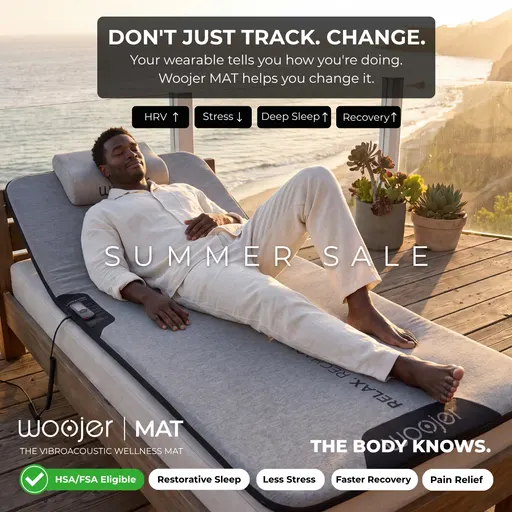
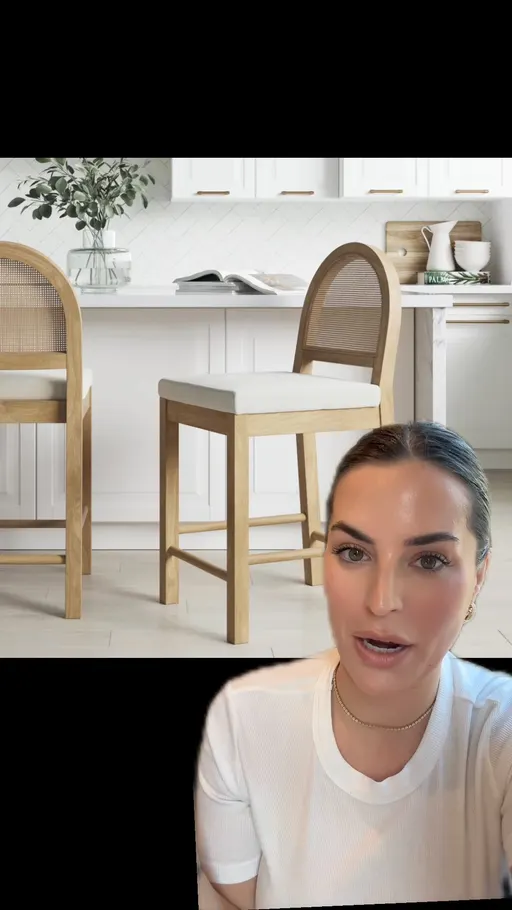
decoratorsbest.com answers the durability question in four words, "Designs Made To Last". drinkolipop.com arrives on a reason to buy today, "We heard it's National Grape Day, so obviously Classic Grape showed up looking better than ever 🍇💜✨". woojer.com tells the shopper to swap habits, not products. nathanjames.com speaks as the shopper mid-hunt, "I saw these barstools on Instagram and I immediately had to look into it". It is the widest of these four risers, on 66 brands.
Four small rows rising in the same month hints at one ad nobody has built yet.
One ad to brief this week: the Fresh Stock Run
Newness, Montage, Bold claim and Solution-aware all rose between August and September, and together they point at one ad. It opens on stock that just landed. The middle runs short clips with one large promise on screen. The close talks to a shopper who is already shopping, not to someone being told they have a problem. This is our suggestion built from the movers, not a finding: the library can't say it will work, and that's what the test is for.
The format. A fifteen-second vertical Montage, the shape that staged 2.5% of September's ads, four or five clips, one line of text on each, no voice-over needed.
The hook. Model the first clip on ibex.com's "LIZZI TAVERN PANTS ARE RESTOCKED!": the product name and the word that says it is back, nothing else on screen.
The middle. Model the second and third clips on brooklinen.com's "SOFTEST.": one word, one promise, held long enough to read.
The close. Model the last clip on woojer.com's "DON'T JUST TRACK. CHANGE.": two short commands to a shopper who is already deciding.
The test. Run it against your best curiosity gap ad, the opening in 20.9% of September's ads, same audience and same budget split, for two weeks, judged on cost per purchase.
Two smaller tests can ride along, each as its own whole ad run against the ad it replaces, never folded into this brief and never a swap of the first line alone. One: an Offer-first banner, the 3.3% shape, carrying a real calendar date in place of "limited time", taken down the day the date passes. Two: an ad written for one named shopper, modelled on shop.brumate.com's "The perfect tumbler for clumsy people", run against your broadest ad on Identity, the argument in 22.7% of September's ads.
The eCommerceBenchmark Ad Library sorts your ads into the same hooks, angles, concepts and offers used in this report and shows your mix next to the market, so you can see which shapes you have never shipped.
Audit my creatives, freeOne catch before you run off. Everything above mixes every US industry together. Yours might look nothing like it.
Why you need to know the hooks in your niche
A row that is crowded across US eCommerce can be empty in your category, and the row you think is yours alone can be the one all five of your competitors opened with last week. The market number tells you what a shopper meets across every industry at once. It does not tell you what a shopper meets in the feed where your ad actually lands, and that is the only feed you are bidding in.
- Shoppers tune out an opening they meet over and over. The tenth version of the same first line is read as scenery.
- When every ad sounds the same, price is all that is left to compare. You end up in a discount race you did not pick.
- A different opening costs the same to write. Price anchor at 0.9% takes the same brief line as the curiosity gap at 20.9%.
- Different isn't the same as right. Contrarian held 0.3% of September's ads, so test one ad into a row that thin instead of switching the whole account over.
Your 30-minute check
- Collect. Pull twenty current ads from your five closest competitors in the free Meta Ad Library.
- Label. Write down each ad's hook, angle and concept, one line per ad.
- Count. The row that shows up most is your niche's crowded row; across US eCommerce, that's the curiosity gap.
- Find the gap. The row that shows up least, or never: check it against the movers above.
- Brief one test. One ad for the empty row, run against your control for two full weeks.
Want every number? Here are the full rankings.
The full rankings: hooks, angles and concepts
Use these as worksheets, not scoreboards. Write your own count beside each row, from Identity at 22.7% down to Named enemy at 0%. Take the counts from your last month of ads or your competitors' current ones. The rows where your count is highest are the ones you are actually competing in.
| Hook | September share | August share | Change |
|---|---|---|---|
| Curiosity gap | 20.9% | 22.5% | ▼ 1.6 |
| Authority | 10.2% | 12.3% | ▼ 2.1 |
| Relatability | 7.8% | 7.6% | ▲ 0.2 |
| Bold claim | 6.2% | 4.7% | ▲ 1.5 |
| Urgency / FOMO | 4.1% | 4.5% | ▼ 0.4 |
| Newness | 2.8% | 1% | ▲ 1.8 |
| Direct question | 2.7% | 2.6% | ▲ 0.1 |
| Visual reveal | 1.1% | 0.6% | ▲ 0.5 |
| Shocking statement | 1.1% | 1% | ▲ 0.1 |
| Price anchor | 0.9% | 0.4% | ▲ 0.5 |
| Contrarian | 0.3% | 0.1% | ▲ 0.2 |
| POV open | 0.2% | 0.1% | ▲ 0.1 |
| Angle | September share | August share | Change |
|---|---|---|---|
| Identity | 22.7% | 21.3% | ▲ 1.4 |
| Problem-aware | 14% | 14.4% | ▼ 0.4 |
| Objection crusher | 6.9% | 7.3% | ▼ 0.4 |
| Solution-aware | 5.4% | 4.1% | ▲ 1.3 |
| Social proof | 4.3% | 4.2% | ▲ 0.1 |
| Mechanism | 2.5% | 2.4% | ▲ 0.1 |
| Comparison | 1.9% | 1.6% | ▲ 0.3 |
| Named enemy | 0% | 0% | 0 |
| Concept | September share | August share | Change |
|---|---|---|---|
| Product Demo Close-Up | 10.3% | 10.7% | ▼ 0.4 |
| Cinematic B-roll | 5.4% | 3.8% | ▲ 1.6 |
| Offer-first banner | 3.3% | 2.3% | ▲ 1.0 |
| Montage | 2.5% | 0.9% | ▲ 1.6 |
| Customer Testimonial Reel | 1.2% | 1.4% | ▼ 0.2 |
| Selfie talking-head | 1% | 0.8% | ▲ 0.2 |
| Side-by-Side Comparison | 0.9% | 0.8% | ▲ 0.1 |
| Grid swap | 0.5% | 0.4% | ▲ 0.1 |
| UGC Unboxing | 0.5% | 0.5% | 0 |
| Listicle | 0.4% | 0.4% | 0 |
| Problem agitation | 0.2% | 0.2% | 0 |
| POV | 0.2% | 0.1% | ▲ 0.1 |
Your test card
Here is the Fresh Stock Run from this article, set up the way a media buyer would run it. Fill in the blanks with your own numbers, and write them down before you launch.
| Hypothesis | The Fresh Stock Run, a short clip ad that opens on stock that just landed and closes on a shopper already shopping, will hold or beat my cost per purchase against my best curiosity-gap ad over two full weeks. |
| Change only this | The whole creative: the Fresh Stock Run as briefed in this article, hook, middle and close together. |
| Keep the same | Product, offer, audience, placement and budget split. |
| Funnel stage | Say first whether this ad is for prospecting (cold) or retargeting (warm). A deal in the first line is often right for warm audiences and wrong for cold ones, so test it where the ad will really run. |
| Setup | One control and one variant, same audience, same placement, even budget split. Do not edit either ad while the test runs. |
| How long and how much | Until each version has about 50 purchases, or two full weeks, whichever comes later. This is general testing practice (Meta's own learning-phase guideline is about 50 results per ad set per week), not a library finding. |
| Success metric | Cost per purchase, not clicks. |
| Stop rule | Pause a variant that has spent about 3 times your target cost per purchase with no purchase. If it is close, keep it running. |
| What counts as a win | The variant beats the control on the metric by an amount you would act on, and still does in a second week. |
September 2026 US eCommerce ads: what to brief next
- Curiosity gap opened 20.9% of September's US ads, Authority 10.2% and Relatability 7.8% [eCommerceBenchmark Ad Library, 2026]: this is the lane every brief lands in by default.
- Identity argued 22.7% of September's ads, Problem-aware 14% and Objection crusher 6.9%, so the three leading angles carry nearly half the market between them.
- Among concepts only, Product Demo Close-Up staged 10.3%, Cinematic B-roll 5.4% and Offer-first banner 3.3%: never set these against a hook or angle share.
- Staying power, from the longevity-ranked sample: Relatability leads its three with 95.4% of its sampled ads past sixty days, and Cinematic B-roll sits at the bottom of its three with 45.2%.
- Thirteen rows rose by a fifth of a point or more, the largest being Newness at 1% in August and 2.8% in September, most of them carried by few brands.
- Label twenty of your competitors' current ads by hook, angle and concept before your next brief: the row that never appears is your test.
US eCommerce ad benchmarks: common questions
Keep one ad on the curiosity gap as your control, the row that opened 20.9% of September's US ads. Then brief exactly one Fresh Stock Run: stock that just landed, a run of short clips with one large promise on screen, and a close written for a shopper who is already shopping. Run it against the control on the same audience and the same budget split for two full weeks, and judge it on cost per purchase. At the end of the fortnight you will have a decision you can defend, which is more than any ranking can hand you.