US vs UK Food & Drinks Ads, October 2026: Problem-Aware Argues 24.4% of US Ads and 3.7% of UK Ads. Are You Briefing Two Markets or One?

Scope: Food & Drinks ads in the US and the UK, as the eCommerceBenchmark Ad Library tracks them. US: 13 brands, 606 ads active in October 2026. UK: 43 brands, 1,329 ads.
Same category, same month, two markets. Is the ad the same on both sides?
A brand that sells in the US and the UK often runs one set of ads in both. The product is the same, so the brief is the same, and the creative ships twice. This page checks whether shoppers on each side are opened on, argued with and shown the same thing. In October 2026 the US led its hooks with Curiosity gap and the UK led with Bold claim. That is only the first line. Below you get the three axes side by side, the rows where the two markets split hardest, real ads from each market in their own words, and one test.
- One row can carry very different weight in each market. Problem-aware is the leading US angle and one of the smaller UK lanes. The same reason to buy meets a very different crowd.
- Curiosity gap sits in the top three hooks of both markets. Brands on both sides ran it, at a higher share in the US than in the UK.
- A split shows what brands ran, not what sold. There is no sales or spend data here. Every gap is a test to run, not a rule to follow.
Start where every ad starts: the first line.
Hooks: how US and UK ads open
A hook is defined as the first line of an ad, the words a shopper meets before anything else. The two markets do not share a leading hook. Curiosity gap opened 22.1% of US Food & Drinks ads in October 2026. Bold claim led the UK, opening 20.8% of its ads. Both rows sit in both top threes, at different weights. Of the rows charted here, the one that splits widest is a third. Relatability opened 17.8% of US ads. In the UK it opened 3.1%.
Share of October 2026 Food & Drinks ads in each market. Every row is in the top three of at least one market. Source: eCommerceBenchmark Ad Library, 2026.
Relatability: a US Opening the UK Rarely Runs

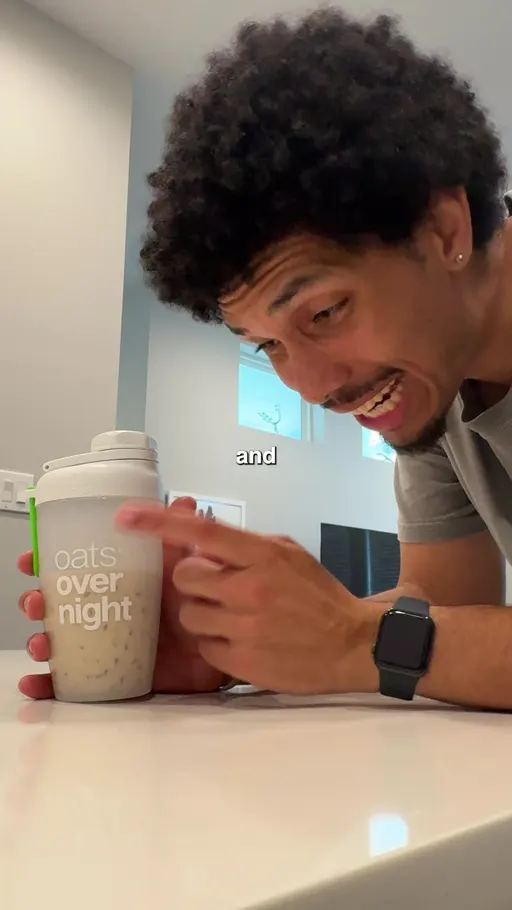
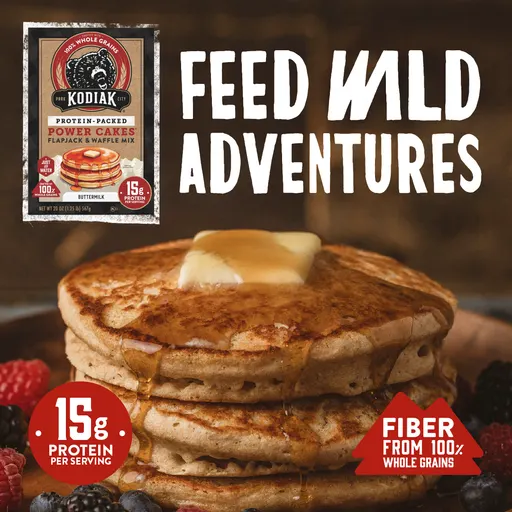
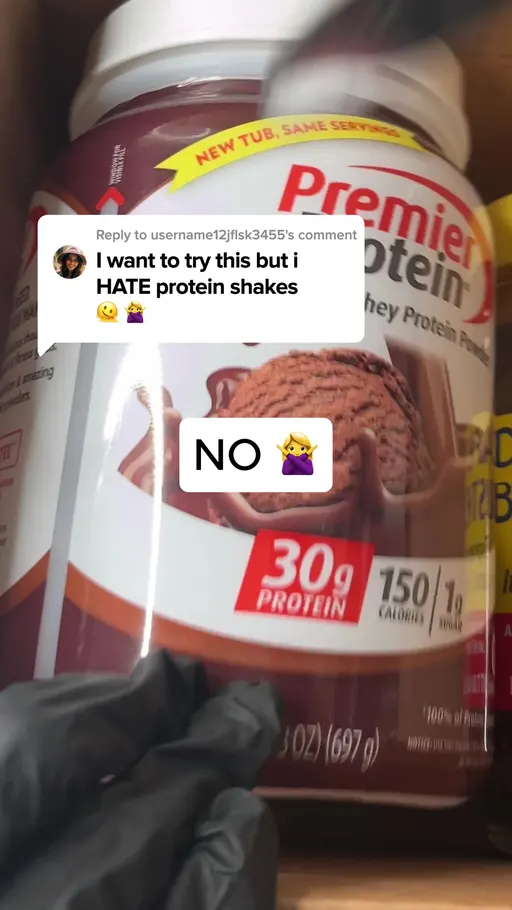
In the US. Relatability opened 17.8% of US Food & Drinks ads. Eight brands ran it.
In the UK. The same hook opened 3.1% of UK ads. Ten brands ran it, and no UK ad on this row sits in the sample we can show, so there is no card for it here.
Skout Organic opens on the shelf the reader walks past: "Most Cookies at the Grocery Store are Complete Junk". Oats Overnight opens on a long day: "Gym at six, editing by nine, this is what made both of those possible." Kodiak Cakes opens on a doubt the reader has already had: "I never thought making scones could be this easy". Javvy Coffee opens on an objection and leaves the product for later: "I want to try this but I HATE protein shakes". All four lines hand the first words to the shopper. None of them start with the brand, the price or the product name. Read them in order and the shape is the same: a feeling first, the thing for sale second. The UK's leading hook starts somewhere else, with a claim the brand makes about itself.
That is how they open. But what do they argue?
Angles: why each market says buy
An angle is defined as the reason an ad gives a shopper to buy. There is no shared leader here either. Problem-aware argued 24.4% of US Food & Drinks ads. Solution-aware led the UK, arguing 24.8% of its ads. Both markets have Solution-aware and Identity inside their top three, so some of the argument does travel. Problem-aware does not. It is the widest angle split: in the UK it argued 3.7% of ads.
Share of October 2026 Food & Drinks ads in each market. Every row is in the top three of at least one market. Source: eCommerceBenchmark Ad Library, 2026.
Problem-Aware: the US Argument the UK Almost Skips
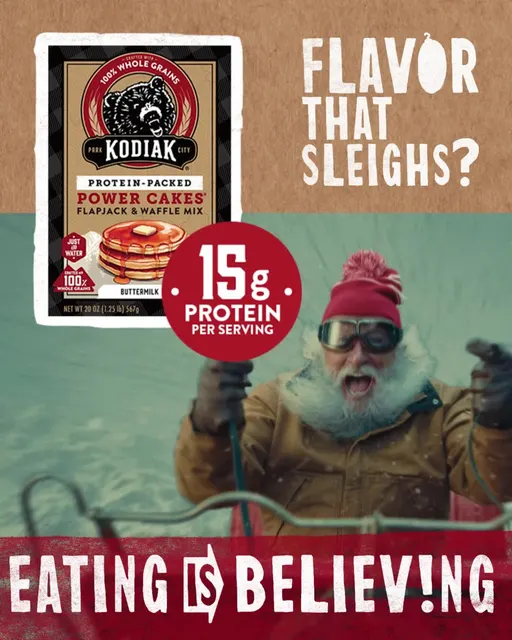
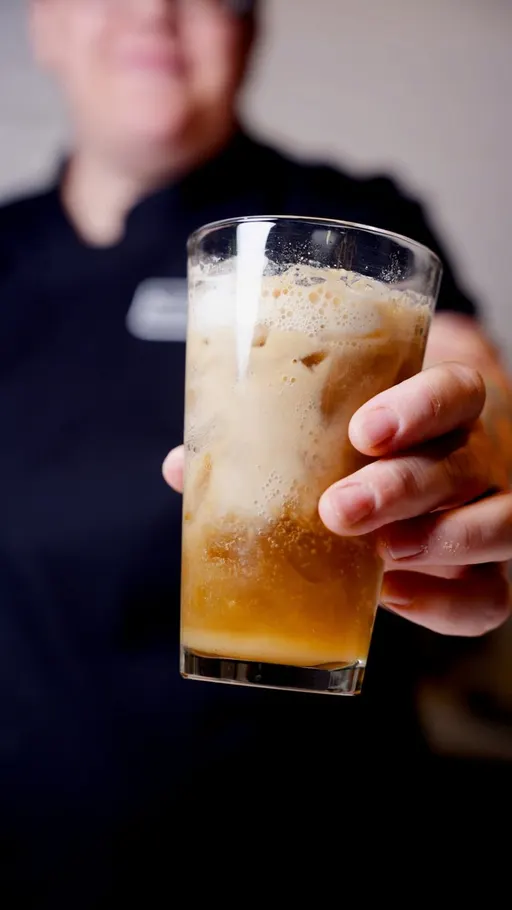

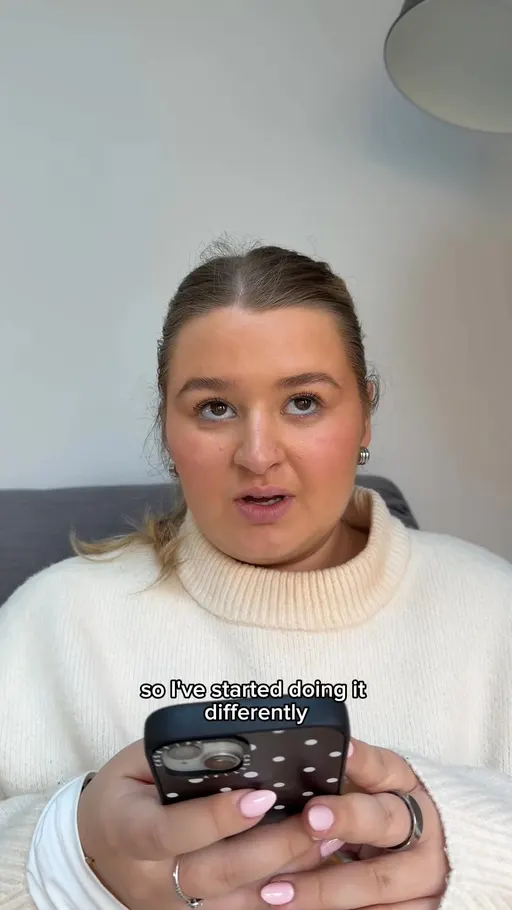
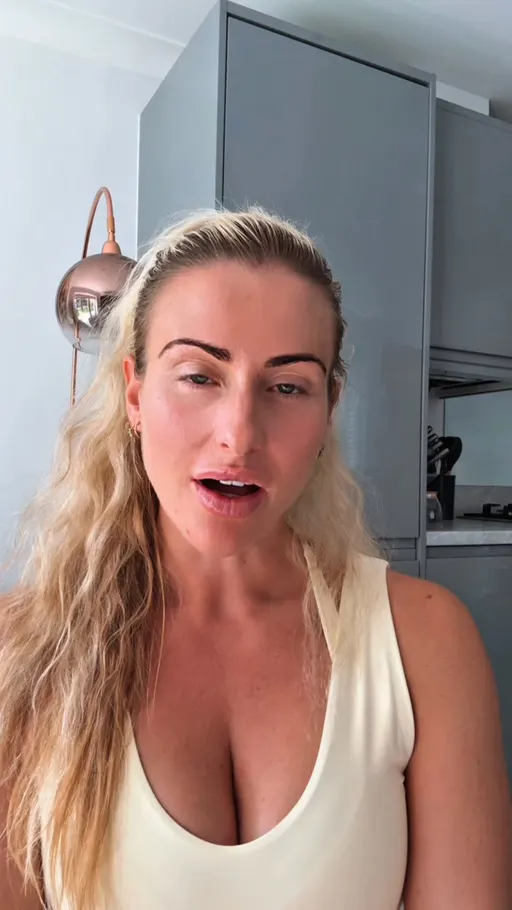
In the US. Problem-aware argued 24.4% of US ads. Nine brands ran it.
In the UK. The same angle argued 3.7% of UK ads. Eight brands ran it.
Kodiak Cakes puts the fix in four words: "2 Ingredient Protein Flatbread". Spiceology names the craving and the drink in the same breath, opening "On today’s episode of what I’m addicted to: Brown Butter Cookie Cream Dirty Soda". Javvy Coffee names the flavour first and ends on the grams: "Brownie Batter Iced Mocha 40 G protein". MuscleFood opens "if your meals don't stretch like they used to it's not you". Nothing Fishy opens on years of telling people something about vegan collagen, and the product waits. The three US lines shown here lead with the answer. The two UK lines shown spend their opening words on the trouble.
That is the argument. Now look at how the ads are staged.
Concepts: how the ads look
The markets lead on different staging too. Product Demo Close-Up staged 25.7% of US Food & Drinks ads. Montage led the UK at 18.1%. Montage and Cinematic B-roll sit in both top threes, so the moving, cut-together look ranks high on both sides. The close-up does not: it leads the US and ranks fourth in the UK. Product Demo Close-Up is the widest concept split: in the UK it staged 8.1% of ads. Fewer ads carry a concept, so read these shares against other concepts only.
Share of October 2026 Food & Drinks ads in each market. Every row is in the top three of at least one market. Source: eCommerceBenchmark Ad Library, 2026.
Product Demo Close-Up: the US Staging the UK Keeps Small
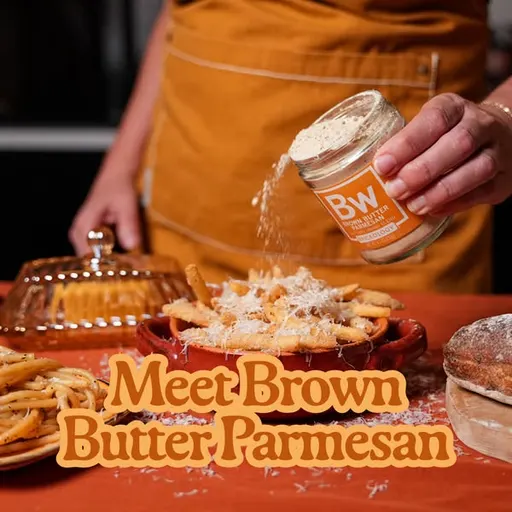
In the US. Product Demo Close-Up staged 25.7% of US ads. Nine brands ran it.
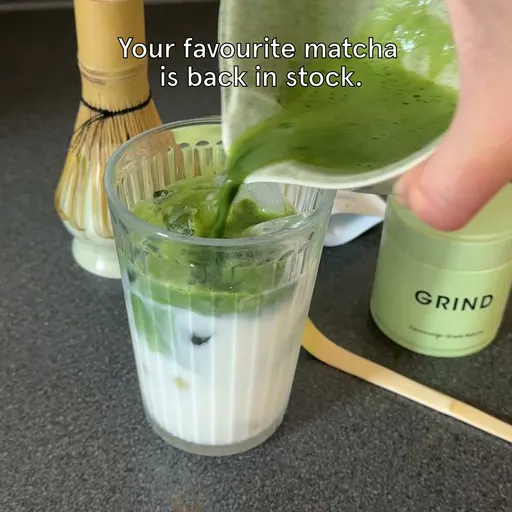
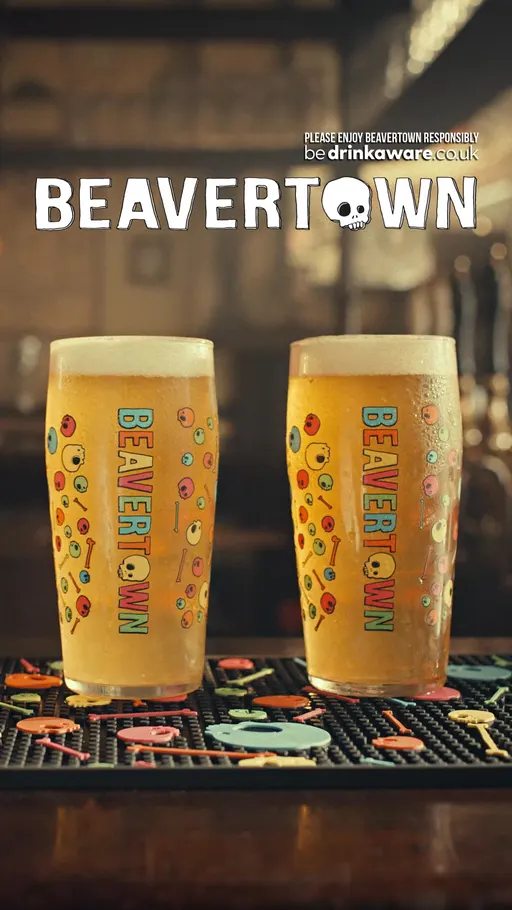
In the UK. The same concept staged 8.1% of UK ads. It was run by 22 brands.
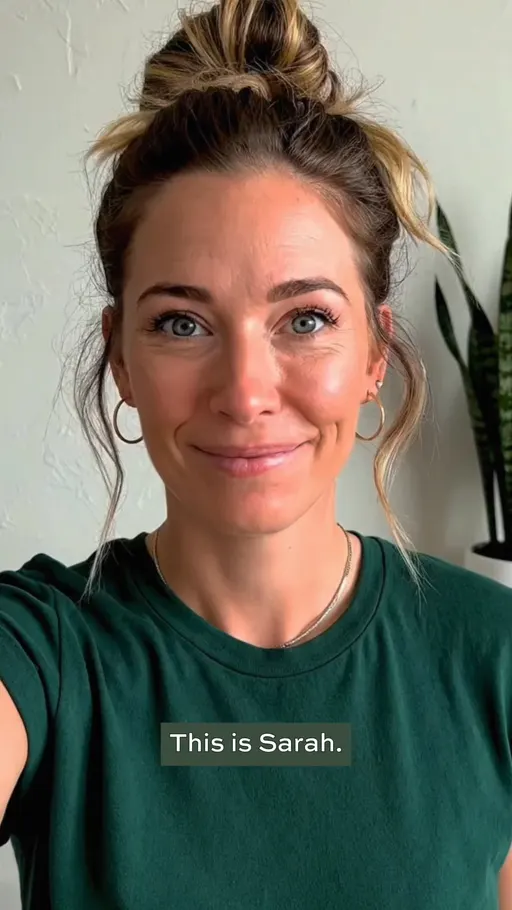
Spiceology opens on the meal rather than the jar: "Comfort Food Starts Here". Kodiak Cakes opens on a two ingredient recipe, with the count doing the work. Two of the three UK lines name the thing itself. Grind says "Your favourite matcha is back in stock." Beavertown gives its whole first line to the beer's name. Nothing Fishy opens on "Fine lines, wrinkles, and sagging skin were just part of aging." The US lines open on a moment at the table. Two of the three UK lines put a name in the first words instead, and the third names a worry.
Three axes, three different leaders. So does anything travel?
Where the two markets agree
No axis shares a leader. Every axis shares two rows across both top threes. Curiosity gap opened 22.1% of US ads. In the UK it opened 10.5%. Bold claim opened 6.4% of US ads. It led the UK hooks at 20.8%. Solution-aware argued 15.2% of US ads. It led the UK angles at 24.8%. Identity argued 11.4% of US ads. In the UK it argued 20.3%. Montage staged 7.8% of US ads. It led the UK concepts at 18.1%. Cinematic B-roll staged 7.3% of US ads. In the UK it staged 15.7%. A shared row is a shared crowd. Brands in both markets ran each of these rows, though rarely at the same weight.
The mistake: running one market's ads in the other
You can spot this one in the brief itself. The product is the same and the category is the same, so the ad set that ran in one market is shipped straight into the other, and not a line of the brief changes. The splits above say what that means in practice. The widest angle split is Problem-aware, which argued 24.4% of US Food & Drinks ads in October 2026. In the UK the same angle argued 3.7% of ads. So the argument US brands ran most often is one UK brands ran in a thin slice of their ads. When a whole field does this, one market's feed fills up with openings written for the other.
- An opening one market runs often can be a quiet lane in the other. Relatability opened 17.8% of US Food & Drinks ads. In the UK it opened 3.1%.
- The same row can sit in both top threes and still carry different weight. Curiosity gap opened 22.1% of US ads. In the UK it opened 10.5%.
- Different is not the same as right. The data records that Problem-aware argued 3.7% of UK ads, not whether it sold, so run one ad against your control before you switch a whole market over.
Check your own split
- Split. Sort your last month of live ads by the market they ran in.
- Label. Write down each ad's hook, angle and concept, one line per ad.
- Compare. Where your two markets carry the same row, check whether the market data above splits on it: that is your first test.
The eCommerceBenchmark Ad Library sorts your ads into the same hooks, angles, concepts and offers used in this report and shows your mix next to the market, so you can see which shapes you have never shipped.
Audit my creatives, freeThat check hands you one row. Here it is, written as a card.
Your test card
Here is that one test, set up the way a media buyer writes it. Problem-aware leads the US angles and argued 3.7% of UK ads, so the test belongs in the UK, against your best UK ad.
| Hypothesis | An ad built on the Problem-aware angle will beat my UK control on cost per purchase. |
| Change only this | The reason to buy: the ad opens on the problem the product answers. |
| Keep the same | Product, offer, audience, placement and budget split. |
| Funnel stage | Say first whether this ad is for prospecting (cold) or retargeting (warm). A deal in the first line is often right for warm audiences and wrong for cold ones, so test it where the ad will really run. |
| Setup | One control and one variant, same audience, same placement, even budget split. Do not edit either ad while the test runs. |
| How long and how much | Until each version has about 50 purchases, or two full weeks, whichever comes later. This is general testing practice (Meta's own learning-phase guideline is about 50 results per ad set per week), not a library finding. |
| Success metric | Cost per purchase, not clicks. |
| Stop rule | Pause a variant that has spent about 3 times your target cost per purchase with no purchase. If it is close, keep it running. |
| What counts as a win | The variant beats the control on the metric by an amount you would act on, and still does in a second week. |
October 2026 US vs UK Food & Drinks ads: what to brief next
- Problem-aware argued 24.4% of US Food & Drinks ads in October 2026. In the UK that angle argued 3.7% [eCommerceBenchmark Ad Library, 2026], the widest angle split here.
- Curiosity gap opened 22.1% of US ads. The UK's leading hook was Bold claim, at 20.8%.
- Problem-aware led the US angles at 24.4%. Solution-aware led the UK angles at 24.8%.
- Product Demo Close-Up staged 25.7% of US ads. Montage led the UK at 18.1%, read against other concepts only.
- Both markets have Curiosity gap in their top three hooks. It opened 22.1% of US ads. In the UK it opened 10.5%.
- Run one Problem-aware ad in the UK against your control for two weeks, judged on cost per purchase. The angle argued 3.7% of UK ads there.
US vs UK Food & Drinks ads: common questions
Keep one control in each market and leave it alone. Then run one Problem-aware ad in the UK, where the angle argued 3.7% of ads that month, against your best UK ad. Same audience, same placements, same budget split, two full weeks, judged on cost per purchase. If the UK test holds, you have a second lane in a market that barely uses one. If it does not, you have spent two weeks and learned that your UK brief was already right.