Cozy Earth vs Brooklinen: 40 of Cozy Earth's 171 Ads Are Staged as UGC, 5 of Brooklinen's 120 Are. Which Side Are Your Ads On?

Scope: every Meta ad by Cozy Earth and by Brooklinen in the eCommerceBenchmark Ad Library whose whole creative can be shown, read at the start of November 2026: 171 from Cozy Earth and 120 from Brooklinen. Two brands, not the market.
Two brands. One aisle. Do their ads say the same thing?
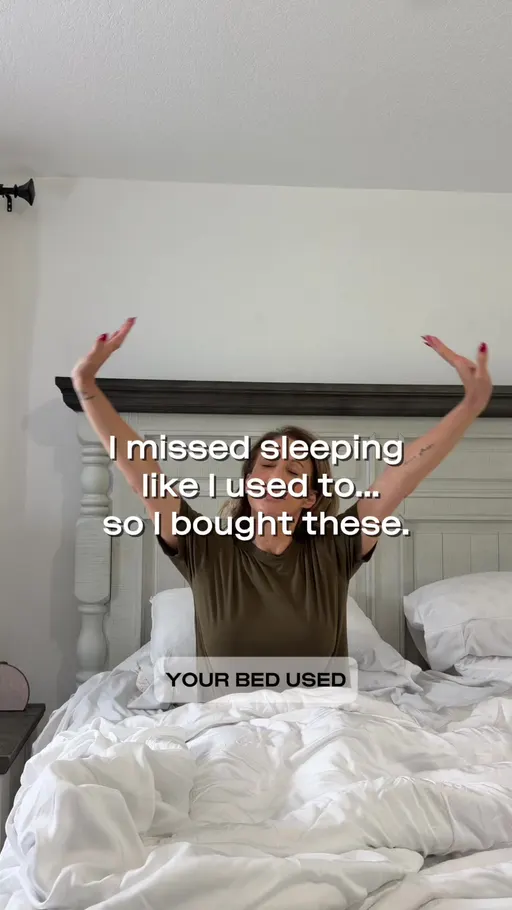
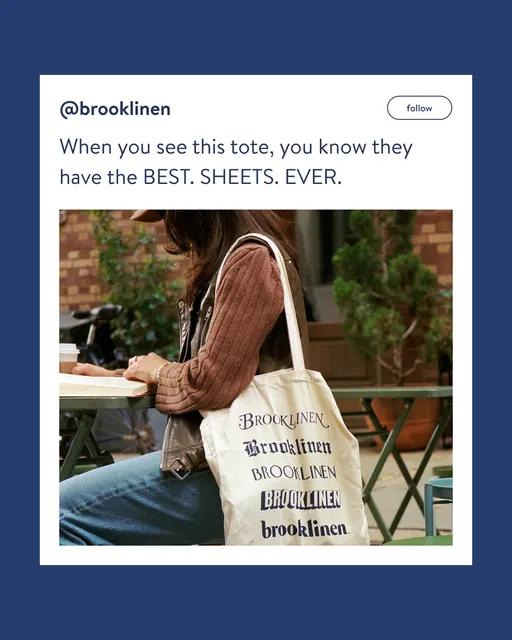
Some of Cozy Earth's lines talk about sleep and the bath in a first-person voice. One headline reads "The Bath That Belongs to You". One opening line says "I missed sleeping like I used to... so I bought these." Brooklinen's lines here talk sheets and colour. One line reads "IYKYK: Brooklinen = BEST. SHEETS. EVER." and another "Pick a Color, Any Color". Both run Meta ads in home and furniture, and the library can show every ad of each that it holds whose whole creative can be shown. Usually you see one rival ad in your feed and guess at the pattern behind it. Here you can read both patterns at once: what each brand puts in the first line, what it argues, how it stages the shot, and how long it keeps an ad live.
- Two brands in one category can still make opposite calls. These two part most on staging: one leans on UGC and selfie talking-head, the other on cinematic B-roll, lifestyle scenes and animation.
- A rival's ad mix is a free look at a test you have not run. It shows which choice someone else made, which is a brief you can write. It is not an answer.
- The split is what each brand ran, not what sold. The library holds the ads and how long each stayed on air. It holds no sales, spend or profit data.
Start with the deal, where these two land closest.
The deal: who leads with an offer
Both brands leave most of their ads offer-free. 136 of Cozy Earth's 171 ads name no offer, and the other 35 do. On the other side, 91 of Brooklinen's 120 ads name none and 29 do. When either brand does name one, it is nearly always a discount. Cozy Earth files 31 of its 171 ads under discount. Brooklinen files 24 of its 120 there. The rest is small on both sides. Cozy Earth files two of its ads under free trial. One sits under bundle. One sits under guarantee. Brooklinen files four of its ads under bundle. One sits under free trial.
Each bar is that brand's share of its own ads, with the count printed: 35 of Cozy Earth's 171 name an offer, a smaller part than Brooklinen's 29 of 120. Each brand's own ads. Source: eCommerceBenchmark Ad Library, 2026.
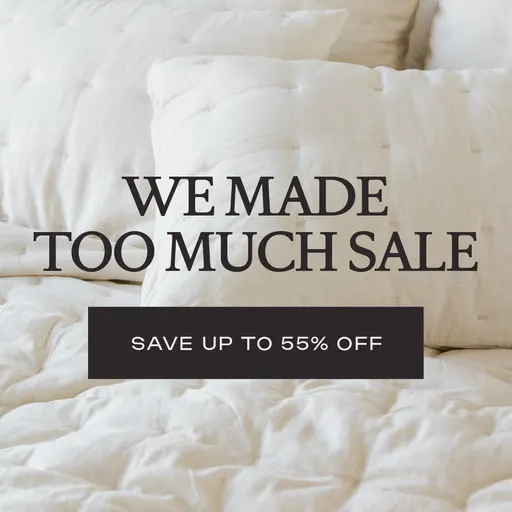
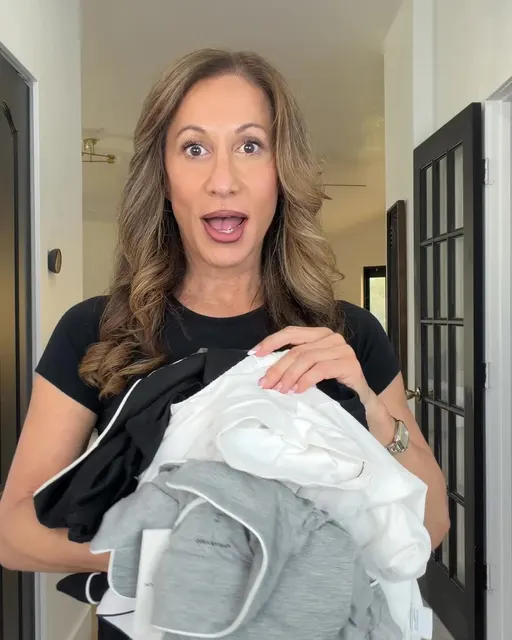
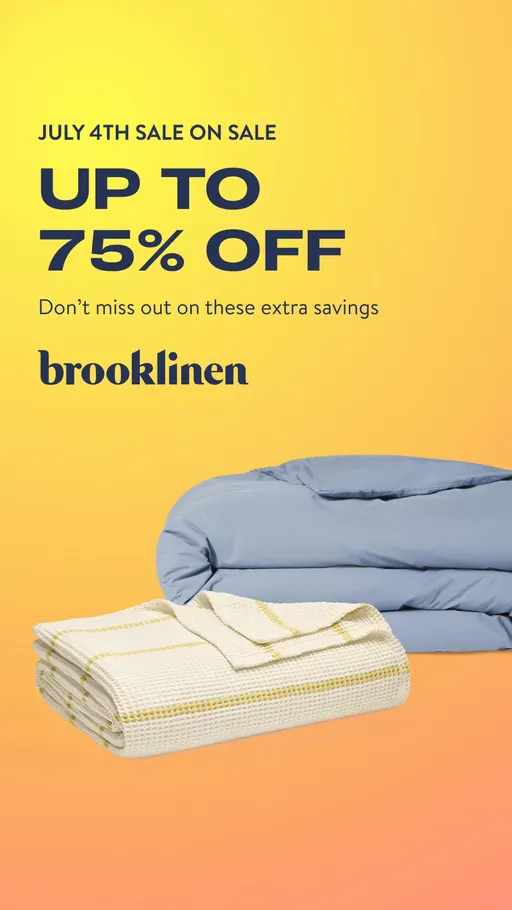
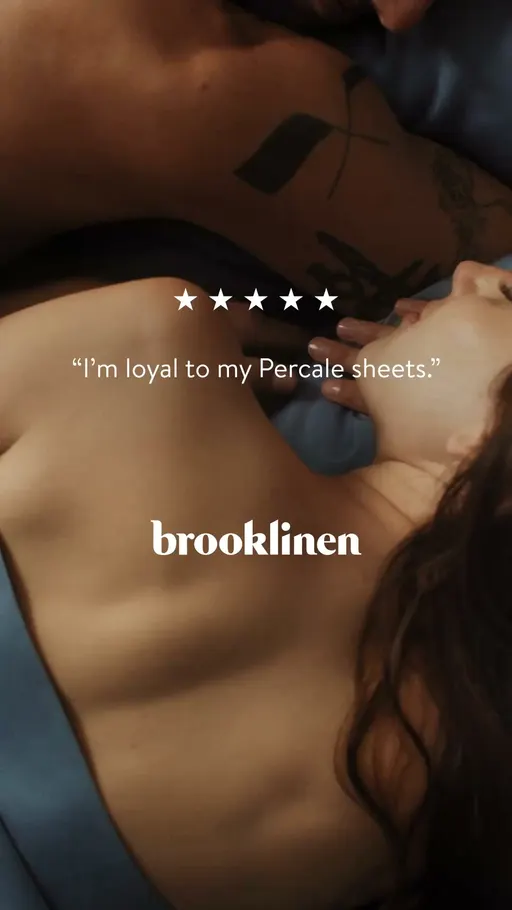
Cozy Earth's deal-led card opens "This Sale Won't Last Long", and the words carry the whole deal with no product in them. Its offer-free card opens "There’s a reason people keep coming back for more." Brooklinen's deal-led card reads "JULY 4TH ON SALE UP TO 75% OFF", a line built around a dated event rather than a line to lift. Its offer-free card opens "I'm loyal to my Percale sheets." The two offer-free lines spend the space a deal would take on a reason instead: one points at other buyers, the other at one speaker and one product.
With no offer in most of these ads, what does each brand put in the first line?
The first line: how each brand opens
A hook is defined as the job the first line does to stop the scroll. Cozy Earth has a tie at the top: 33 of its 171 ads open on a curiosity gap, and 33 open on relatability. Bold claim is next at 13 of its 171. Brooklinen's order is different. Bold claim leads with 21 of its 120 ads. Direct question is next at 20. Curiosity gap follows at 17. The overlap is the curiosity gap, which both brands run in volume. The parting is relatability and the direct question. Relatability is one of Cozy Earth's two leaders, and Brooklinen files nine of its 120 ads under it. The direct question is Brooklinen's second lane, and Cozy Earth files seven of its 171 ads there. Other hooks sit outside the table below too, among them Cozy Earth's POV open, nine of its 171 ads, and Brooklinen's shocking statement, one of its 120.
Each bar is that brand's share of its own ads by the hook they open on, with the count printed, for the hooks both brands file most: newness is 10 of Cozy Earth's 171, a smaller part than Brooklinen's 9 of 120. Each brand's own ads. Source: eCommerceBenchmark Ad Library, 2026.
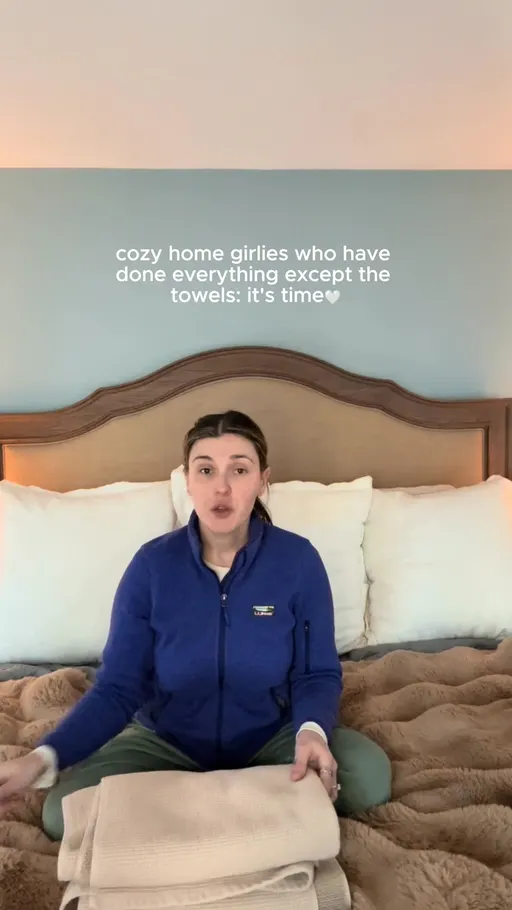
Read the openings next to each other. Cozy Earth's "I missed sleeping like I used to... so I bought these." is a sentence one person says about themselves, and the product arrives last, after the want. "cozy home girlies who have done everything except the towels: it's time" names a group before it names a thing. Brooklinen's bold-claim lines talk about the brand instead. "IYKYK: Brooklinen = BEST. SHEETS. EVER." puts the name in the first three words, and "There's Best-Selling And Then There's Best-Best-Best-Selling" is the brand's own claim about itself. Its question card, "Pick a Color, Any Color", hands the reader a choice rather than a claim.

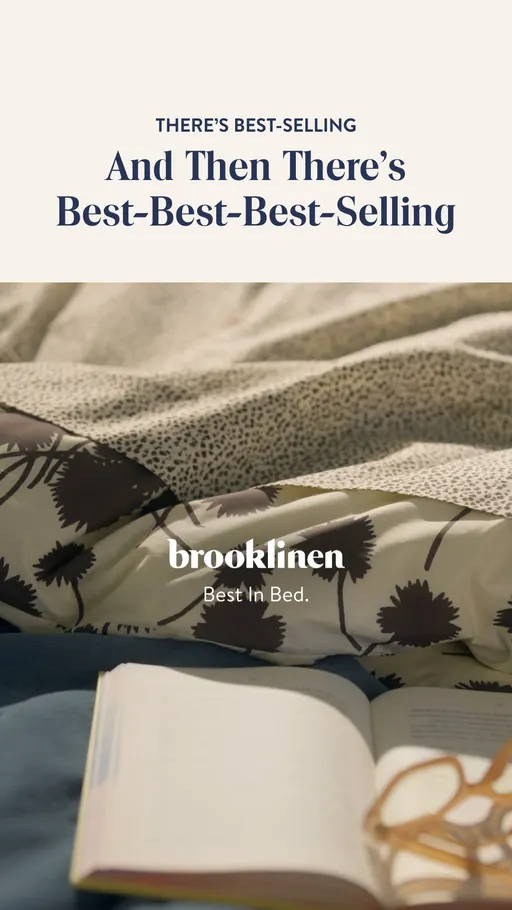
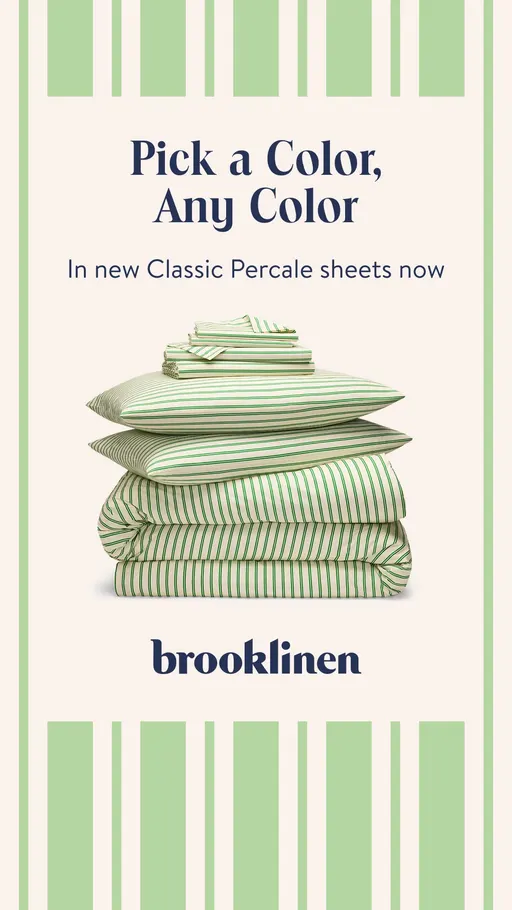
The first line stops the scroll. The angle is what it argues next.
The reason to buy: the angle each brand argues
Identity leads both mixes. 66 of Cozy Earth's 171 ads argue identity, with solution-aware next at 41 of its 171. Brooklinen's identity count is 36 of its 120 ads, and solution-aware takes 33. The two part most on objection crusher. Brooklinen files 14 of its 120 ads there. Cozy Earth files two of its 171. Problem-aware runs the other way: 13 of Cozy Earth's 171 ads, and five of Brooklinen's 120. Social proof and comparison are small lanes on both sides.
Each bar is that brand's share of its own ads by the angle they argue, with the count printed: solution-aware is 41 of Cozy Earth's 171, a smaller part than Brooklinen's 33 of 120. Each brand's own ads. Source: eCommerceBenchmark Ad Library, 2026.
So the reasons rhyme. The staging does not.
How the ads look: concept and format
A concept is defined as how an ad is staged on screen. These two stage their ads very differently. 40 of Cozy Earth's 171 ads are filed under UGC, and 31 under selfie talking-head, with cinematic B-roll at 23 of its 171. Brooklinen's largest lane is cinematic B-roll, 23 of its 120 ads. Lifestyle aspirational takes 22. Montage takes 18 and animation 14. UGC sits at five of its 120.
Formats are closer than the staging. Video leads both mixes: 109 of Cozy Earth's 171 ads are video, and 91 of Brooklinen's 120 are. Static takes 62 of Cozy Earth's 171 ads. On the other side it takes 29 of 120.
Each bar is that brand's share of its own ads by format, static or video, with the count printed: video is 109 of Cozy Earth's 171, a smaller part than Brooklinen's 91 of 120. Each brand's own ads. Source: eCommerceBenchmark Ad Library, 2026.
The words show the difference too. Cozy Earth's "here is everything going in her bachelorette basket" is written as one person talking through a pile of things. Brooklinen's "What's on your nightstand?" asks the reader about a single surface.
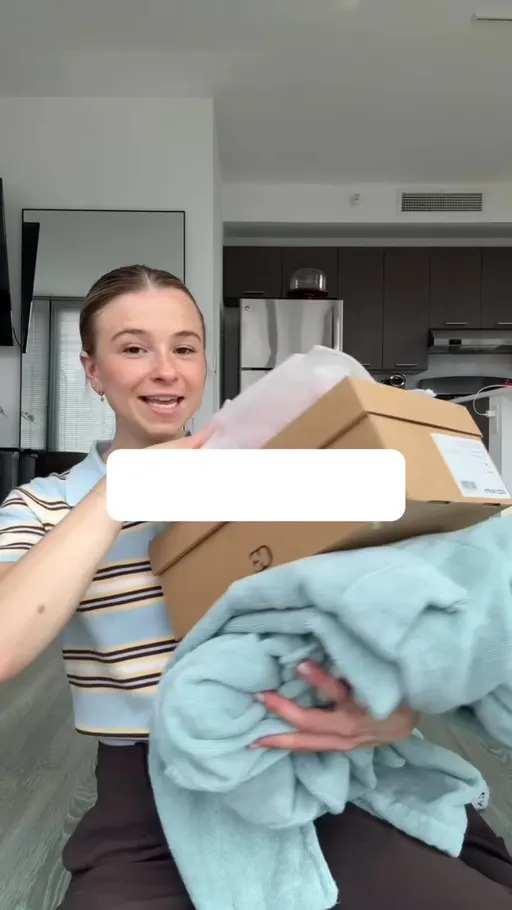
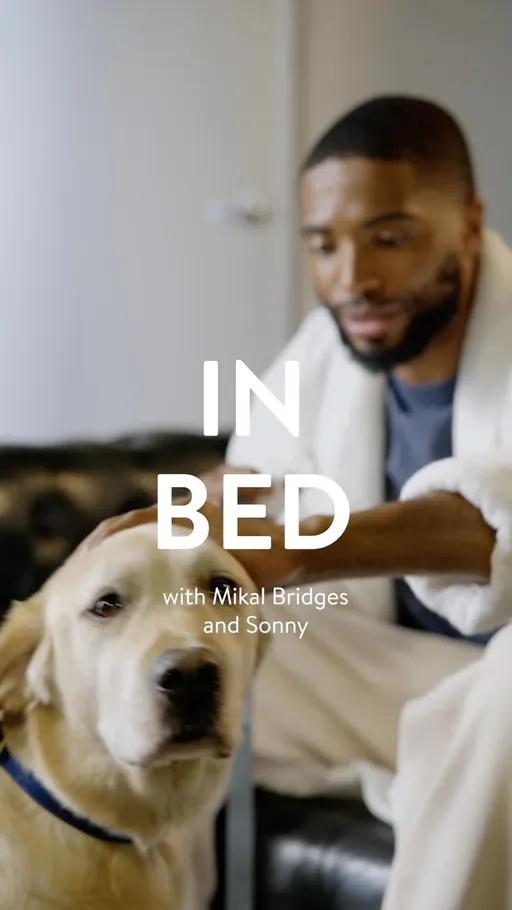
One more split sits underneath all of this: how long each brand has kept its ads live.
How long each brand's ads have been on air
Cozy Earth's typical ad has been on air 82 days. Its longest has run 202 days. Brooklinen's typical ad sits at 11 days, and its longest at 78. A brand whose ads are mostly new has a short median, because a new ad has not had time to run long. Read Brooklinen's 11 days that way: as a mix of newer ads, not as ads coming down early.
Days on air of each brand's ads the library can show, read at the start of November 2026. Source: eCommerceBenchmark Ad Library, 2026.
The mistake: copying your rival's ads
The habit is simple: you keep a folder of a rival's screenshots and lift the one that looks most finished. The splits above show why that is risky. Cozy Earth files 40 of its 171 ads under UGC. Brooklinen files five of its 120 there. Two brands in one category, very different staging, so there is no house style for the category to borrow. When every brand in a category copies the same rival, their ads start to open the same way.
- A rival's ad was built for a brand that is not yours. It carries their price, their product and their own buyers, and none of that travels with the sentence you copy.
- Copied words are still their words. If your line reads like "IYKYK: Brooklinen = BEST. SHEETS. EVER.", it says what Brooklinen already says.
- The choice is borrowable, the sentence is not. Cozy Earth's "I missed sleeping like I used to... so I bought these." is a first-person opener, and the structure is the part you can test.
Check yourself against your rival
- Pull. Open your closest rival's ads in the free Meta Ad Library and your own live ads side by side.
- Label. For each one, write down whether it leads with an offer, what its first line does and how it is staged.
- Pick one split. Choose the single element where you and your rival differ most, and brief one ad that tries their side of it.
The eCommerceBenchmark Ad Library sorts your ads into the same hooks, angles, concepts and offers used in this report and shows your mix next to the market, so you can see which shapes you have never shipped.
Audit my creatives, freeHere is that one split, written up the way a media buyer would write it.
Your test card
The staging split is the one to run first. Set it up the way a media buyer would write it, and write your own numbers down before you launch.
| Hypothesis | A phone-shot, first-person version of my current control, run beside it, will hold or lower my cost per purchase. |
| Change only this | How the ad is staged: user-filmed, speaker to camera, instead of a lit, staged scene. |
| Keep the same | Product, offer, audience, placement and budget split. |
| Funnel stage | Say first whether this ad is for prospecting (cold) or retargeting (warm). A deal in the first line is often right for warm audiences and wrong for cold ones, so test it where the ad will really run. |
| Setup | One control and one variant, same audience, same placement, even budget split. Do not edit either ad while the test runs. |
| How long and how much | Until each version has about 50 purchases, or two full weeks, whichever comes later. This is general testing practice (Meta's own learning-phase guideline is about 50 results per ad set per week), not a library finding. |
| Success metric | Cost per purchase, not clicks. |
| Stop rule | Pause a variant that has spent about 3 times your target cost per purchase with no purchase. If it is close, keep it running. |
| What counts as a win | The variant beats the control on the metric by an amount you would act on, and still does in a second week. |
Cozy Earth vs Brooklinen: what to brief next
- 171 Cozy Earth ads and 120 Brooklinen ads [eCommerceBenchmark Ad Library, 2026] can be shown in full: two brands, not the market, each count read inside its own brand.
- 136 of Cozy Earth's 171 ads name no offer and 91 of Brooklinen's 120 name none; discount is the near-only deal on each side.
- Cozy Earth ties its leading openers at 33 ads each, curiosity gap and relatability, while Brooklinen opens most on bold claim, 21 of its 120.
- Identity leads both angle mixes, 66 of Cozy Earth's 171 and 36 of Brooklinen's 120; objection crusher is where they part, 14 of Brooklinen's 120.
- 40 of Cozy Earth's 171 ads are filed under UGC and 5 of Brooklinen's 120 are; video leads both format mixes, 109 of Cozy Earth's 171 and 91 of Brooklinen's 120, a larger part of Brooklinen's ads.
- Cozy Earth's typical ad has been on air 82 days and its longest 202; Brooklinen's typical ad sits at 11 days, which reads as a mix of newer ads, not ads that came down early.
Cozy Earth vs Brooklinen ads: common questions
This pair parts most on staging: 40 of Cozy Earth's 171 ads are filed under UGC, and 5 of Brooklinen's 120 are. The data cannot say which side is right, because there are no sales, spend or profit numbers in it. So run the other side of your own split: one ad staged the way your rival stages theirs, against your control, same audience and same budget split, two full weeks, judged on cost per purchase.