How Real E-commerce Teams Run A/B Tests Without Dedicated Dev Resources

- Start with manageable traffic thresholds to build experimentation expertise before scaling investment
- Connect A/B testing platforms with GA4 and session recording tools to understand both what changed and why
- Plan for extended setup time if your site uses custom builds or single page application architecture
- Prioritize platform vendors with responsive, knowledgeable support teams who understand your specific challenges
- Build daily engagement habits with your testing tool to maintain momentum and compound results
Your dev team has a three-month backlog. Meanwhile, your hypothesis about that checkout flow change sits in a spreadsheet, aging like forgotten inventory. Sound familiar?
E-commerce teams face a frustrating reality: testing velocity directly impacts revenue growth, yet most experimentation efforts stall at the technical implementation phase. Growth marketers and data analysts have the insights and hypotheses, but translating those into live tests requires engineering time that simply does not exist.
The result is a graveyard of untested ideas and optimization opportunities that never see the light of day. This article examines how mid-market e-commerce teams are running meaningful CRO experiments independently — using specific examples of setup approaches, integration strategies, and results interpretation methods that work without dedicated development support.
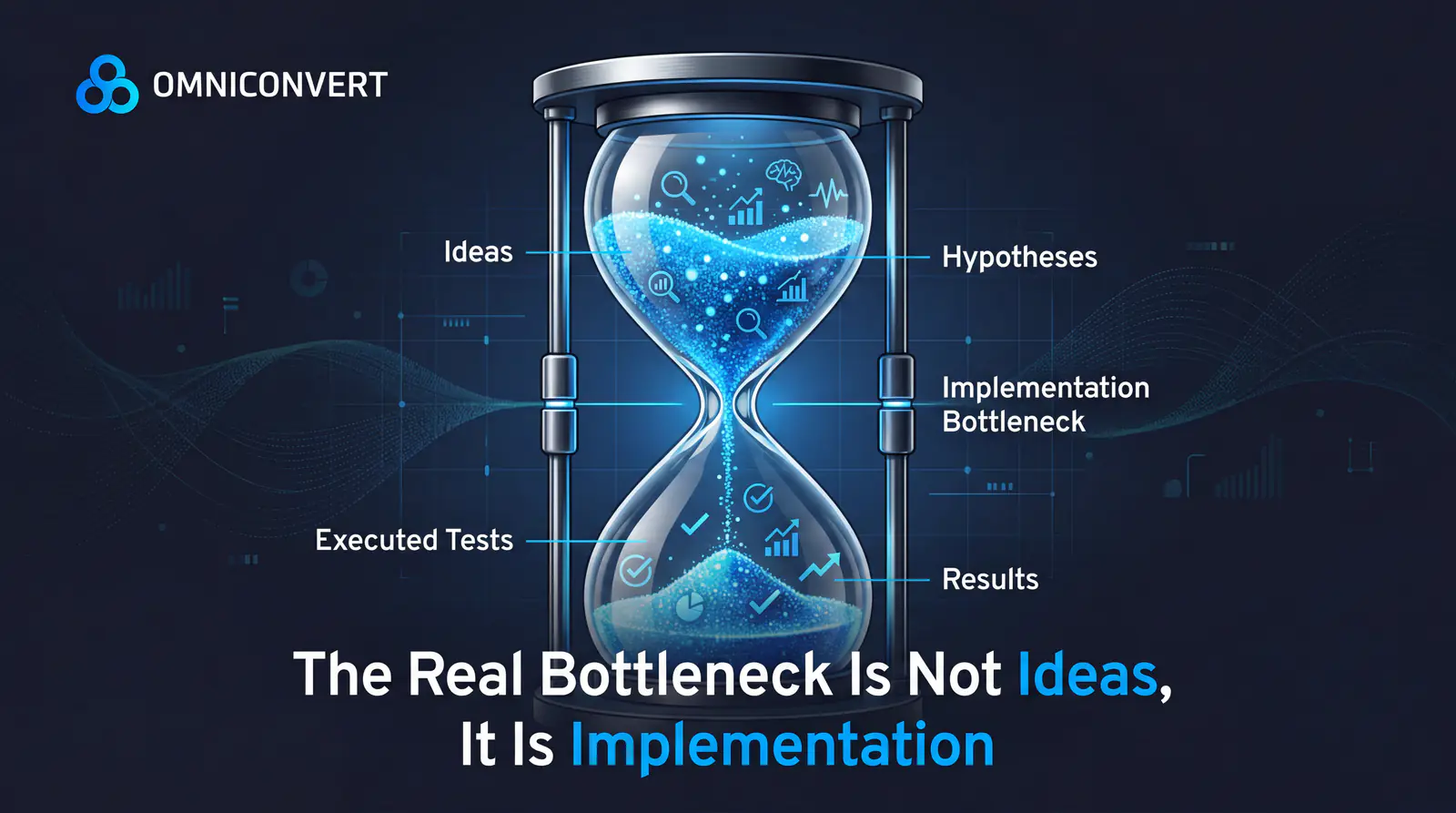
The Real Bottleneck Is Not Ideas, It Is Implementation
Every e-commerce analyst knows the frustration of having a strong hypothesis backed by session recordings and heatmap data, only to watch it languish in a backlog for months. The traditional A/B testing workflow requires front-end development time for every variant, QA cycles to ensure nothing breaks, and deployment windows that compete with feature releases and bug fixes.
This creates a fundamental misalignment between who has the optimization insights and who controls the implementation timeline. Growth marketers identify friction points in the checkout flow. Data analysts spot drop-off patterns in the funnel. But neither can act without engineering bandwidth that is perpetually allocated elsewhere.
The teams breaking through this bottleneck share a common approach: they have found ways to run client-side experiments that do not require code deployments. This means testing page layouts, CTA copy, form field arrangements, and visual hierarchy changes without touching the production codebase. The key is selecting tools designed for marketer-led experimentation rather than developer-dependent platforms.
Starting Small: The 50K Session Testing Ground
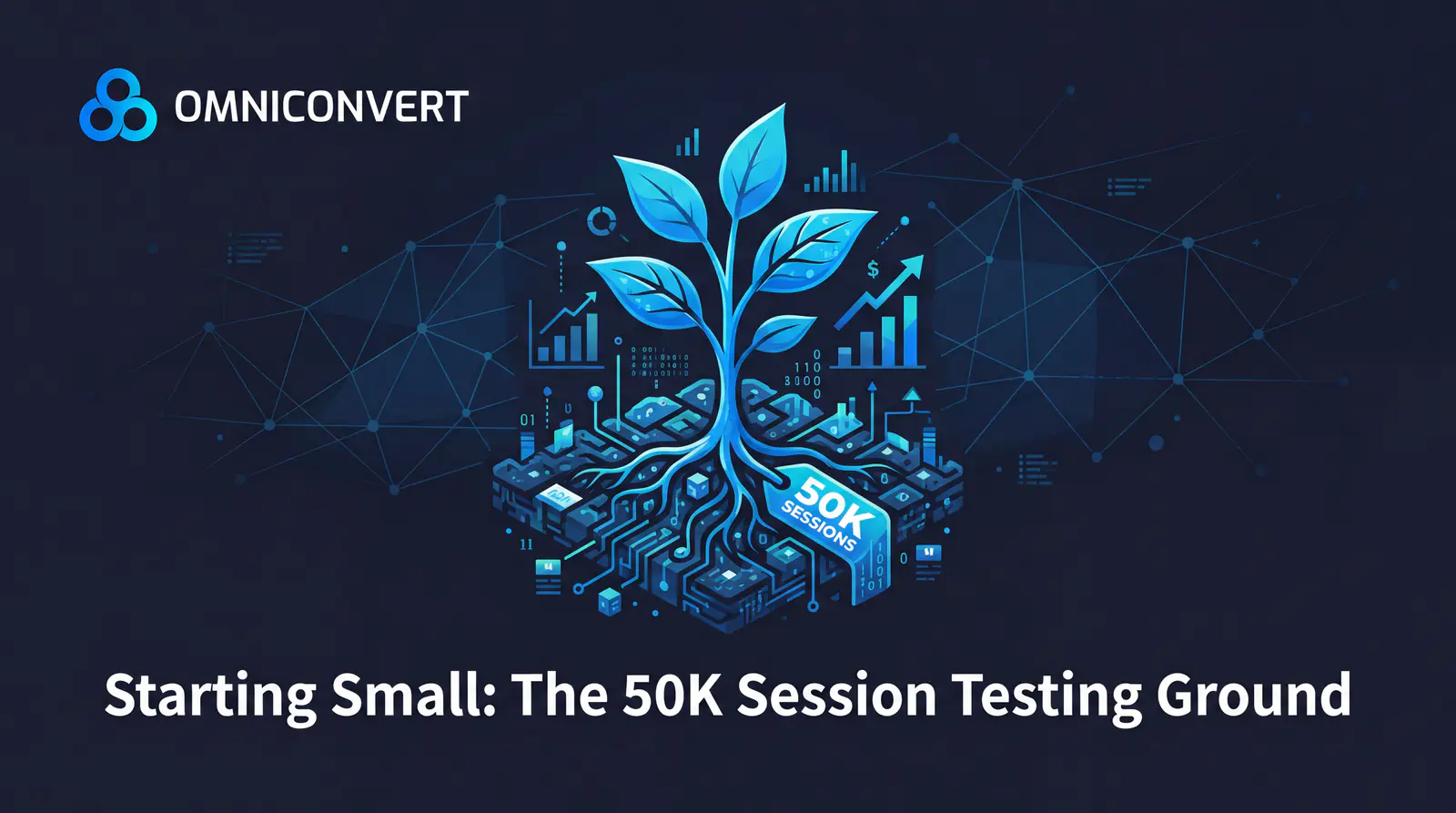
One of the most practical approaches for teams new to experimentation is starting with free tier access that allows genuine learning before significant investment. Running tests on a subset of traffic provides real data while building internal expertise and stakeholder confidence.
The learning curve matters more than the tool sophistication in early stages. Teams that rush into enterprise platforms often find themselves overwhelmed by features they do not need while struggling with basics like statistical significance calculations and variant allocation.
A measured approach involves running two to three simple tests over an extended period, analyzing results thoroughly, and documenting learnings before scaling. This builds organizational muscle memory around experimentation methodology.
"I love the free version with up to 50.000 sessions a month! Ideal for us to test some things over the longer period of time until we get to larger amounts of traffic."
— E-commerce Growth ManagerIntegration Strategy: Connecting Quantitative and Qualitative Data

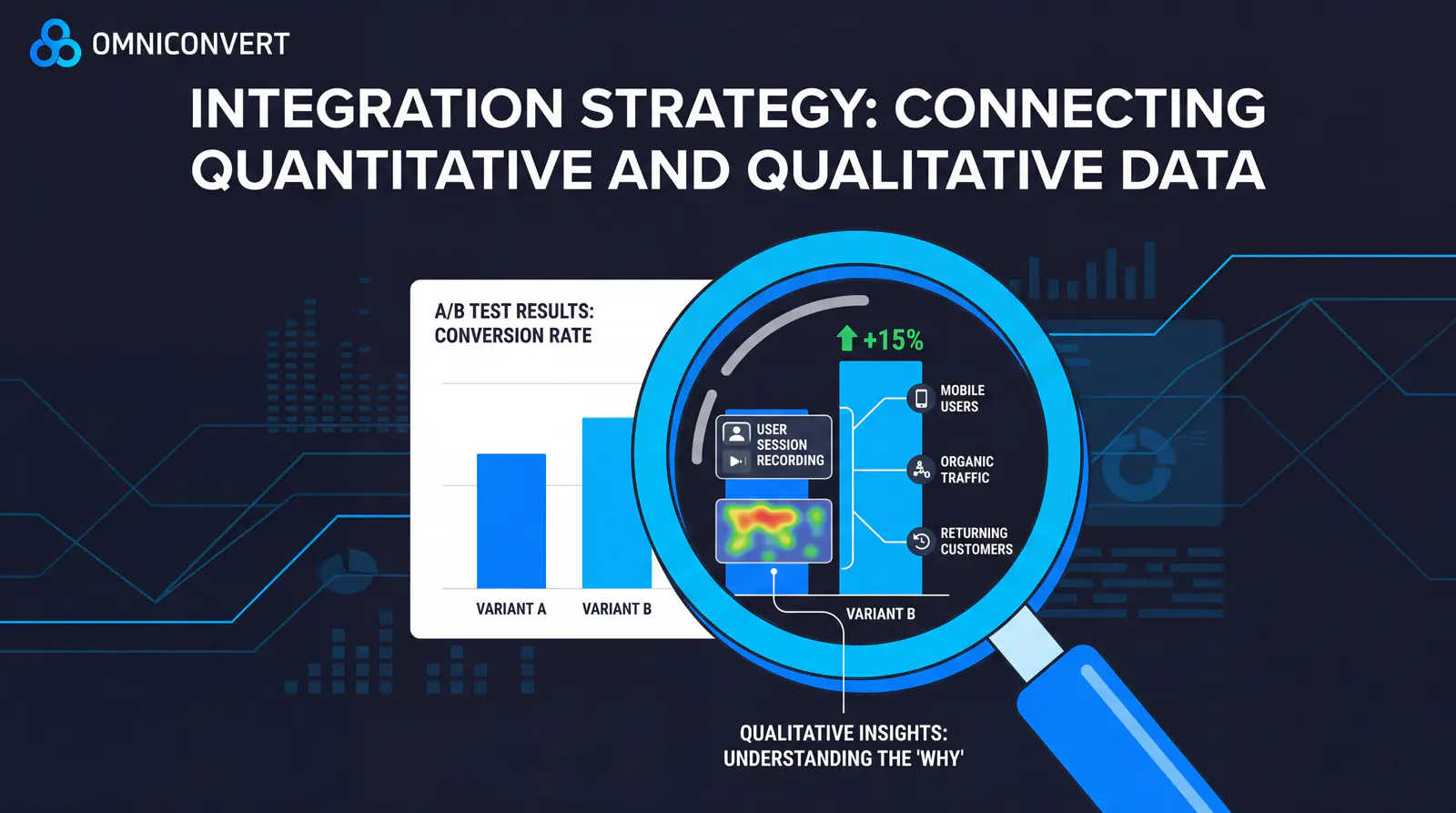
Raw A/B test results tell you what happened, but understanding why requires layering qualitative data on top. The most effective e-commerce testing programs connect their experimentation platform to session recording tools and analytics platforms to triangulate findings.
This means watching actual user sessions for both winning and losing variants to understand behavioral differences. It means segmenting test results by traffic source, device type, and customer cohort to identify where effects are strongest. And it means using native platform tracking alongside third-party analytics to verify data accuracy.
The integration approach should prioritize GA4 and session recording tools like Microsoft Clarity or Hotjar. These combinations let you move from "Variant B increased conversions by 8%" to "Variant B reduced hesitation behavior at the shipping information step, particularly for mobile users coming from paid social."
"We are using Omniconvert for A/B testing client-side on our webshop. We use GA4 and MS Clarity integrations to interpret the data quantitatively and qualitatively. We also use native-tracking on Omniconvert for each and every test to support & triangulate for our own data."
— E-commerce Data AnalystNavigating Custom Builds and Single Page Applications

Not every e-commerce site runs on Shopify or standard platforms with plug-and-play testing integrations. Custom-built websites, headless commerce architectures, and single page applications present genuine technical challenges for client-side experimentation.
The reality is that these setups require more initial configuration time. Elements load dynamically, DOM structures change based on user actions, and traditional flicker-prevention methods may not work as expected. Teams operating in these environments should plan for a longer ramp-up period focused on technical setup rather than test velocity.
The solution involves close collaboration between whoever manages the testing tool and whoever built the site architecture. Documentation of how page elements render, when scripts fire, and where dynamic content loads helps configure tests that work reliably. Once this foundation is established, the ongoing testing workflow becomes much smoother.
"If one has a custom-built website and if it contains SPA and other technical details to keep in mind while building the tests up, the learning curve can take a bit more time. We went through such process, but they have managed to support us through that process as well."
— Technical Marketing LeadThe Support Factor: Why Responsiveness Matters for Testing Programs
Experimentation platforms are only as useful as your ability to solve problems quickly when they arise. A test that runs incorrectly for a week before anyone notices the tracking issue wastes traffic and delays insights. A configuration question that takes five business days to resolve kills testing momentum.
The teams running successful testing programs consistently cite responsive support as a deciding factor in platform selection. This is not about handholding; it is about having experts available when technical questions arise that fall outside your team's core competency.
Effective support relationships include onboarding calls that address your specific site architecture, proactive communication about platform changes or issues, and genuine problem-solving rather than documentation links. The best vendors treat your testing success as their success.
"They have a great customer service team, which is something many experimentation platforms lack. I know I can count on Omniconvert's people to help me whenever needed. I appreciate that they are always open to chat and really understand my problems."
— CRO Manager at E-commerce BrandBuilding the Daily Testing Habit
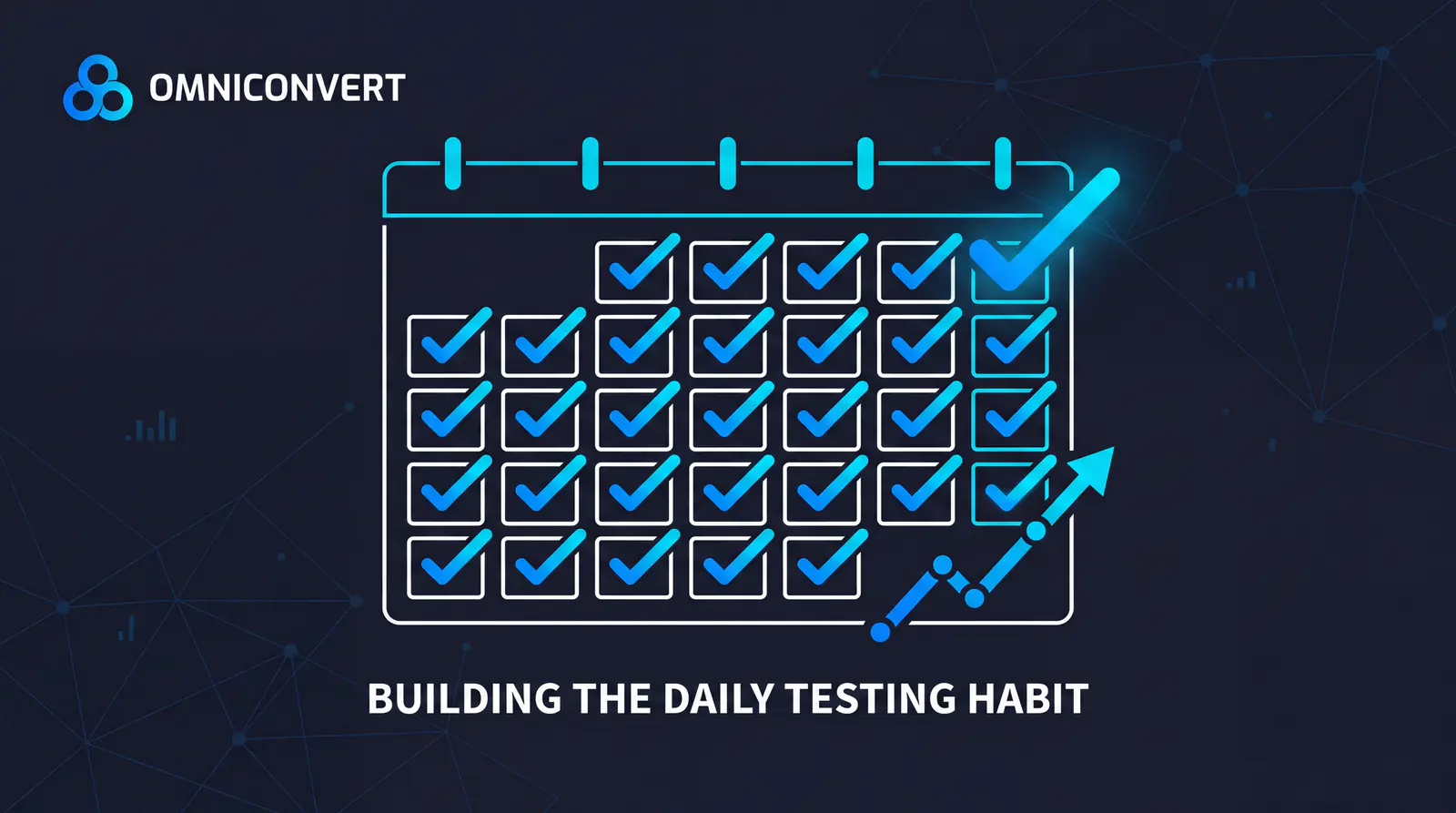
The difference between teams that generate occasional insights and teams that drive continuous optimization is frequency of engagement. When experimentation becomes a daily practice rather than a quarterly initiative, results compound over time.
This requires tools intuitive enough for regular use. If checking test performance requires navigating complex dashboards or waiting for reports to generate, engagement drops. If setting up a new test takes hours of configuration, test velocity suffers.
Daily testing habits include morning checks on running experiment performance, weekly reviews of statistical significance progress, and monthly retrospectives on what learnings have been implemented. The platform should make these activities feel lightweight rather than burdensome.
"We use Omni daily, and for that reason we really did need a tool that is intuitive and easy to implement."
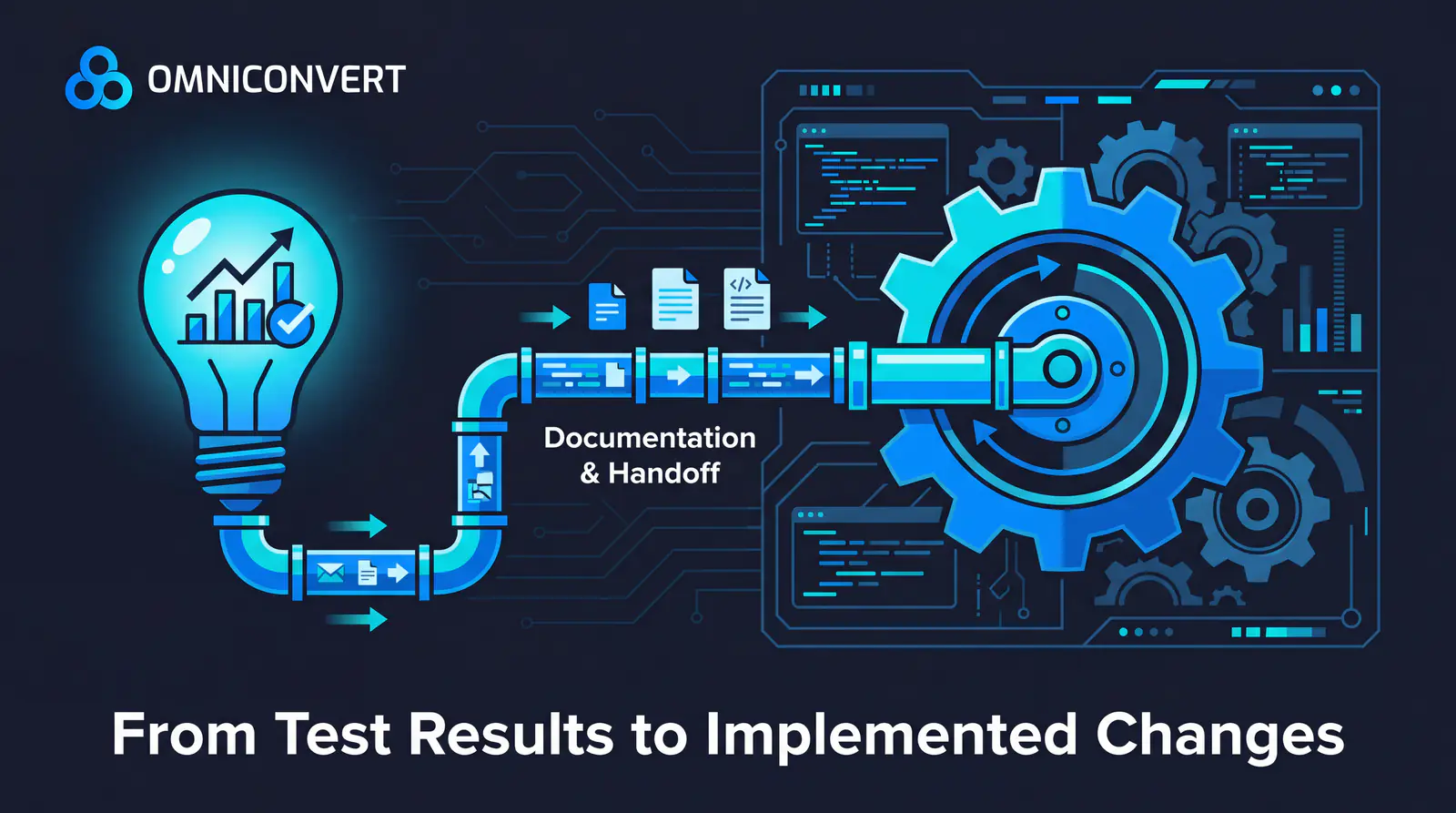
— E-commerce Optimization LeadFrom Test Results to Implemented Changes
Running successful tests means nothing if winning variants never make it into production. The final — and often overlooked — step in the experimentation workflow is translating test learnings into permanent site changes.
This requires clear documentation of what was tested, what won, by how much, and with what confidence level. It requires a handoff process to whoever implements permanent changes. And it requires verification that the implemented version matches the winning test variant.
The best testing programs maintain a running log of implemented wins with estimated revenue impact. This creates accountability for the experimentation program and builds the business case for expanded testing resources. When leadership can see that three tests last quarter generated an estimated $180K in additional annual revenue, the conversation about testing investment changes entirely.
"It helps us make data-backed decisions and improvements across our sites."
— Digital Marketing DirectorE-commerce experimentation success depends less on sophisticated platforms and more on sustainable workflows that work within your team's actual constraints. The teams generating consistent optimization wins share common traits: they start small and learn thoroughly, they connect quantitative results with qualitative user behavior data, and they choose tools that match their technical reality rather than aspirational complexity. Most importantly, they build testing into daily operations rather than treating it as a special project. When experimentation becomes routine, the insights and revenue impact follow.
Test Without Waiting on Dev
Omniconvert is built for marketer-led experimentation — no engineering backlog required.