UK Beauty & Personal Care Ads, October 2026: One Angle Is Pulling Away From the Pack. Is Your Next Brief Already in Its Queue?

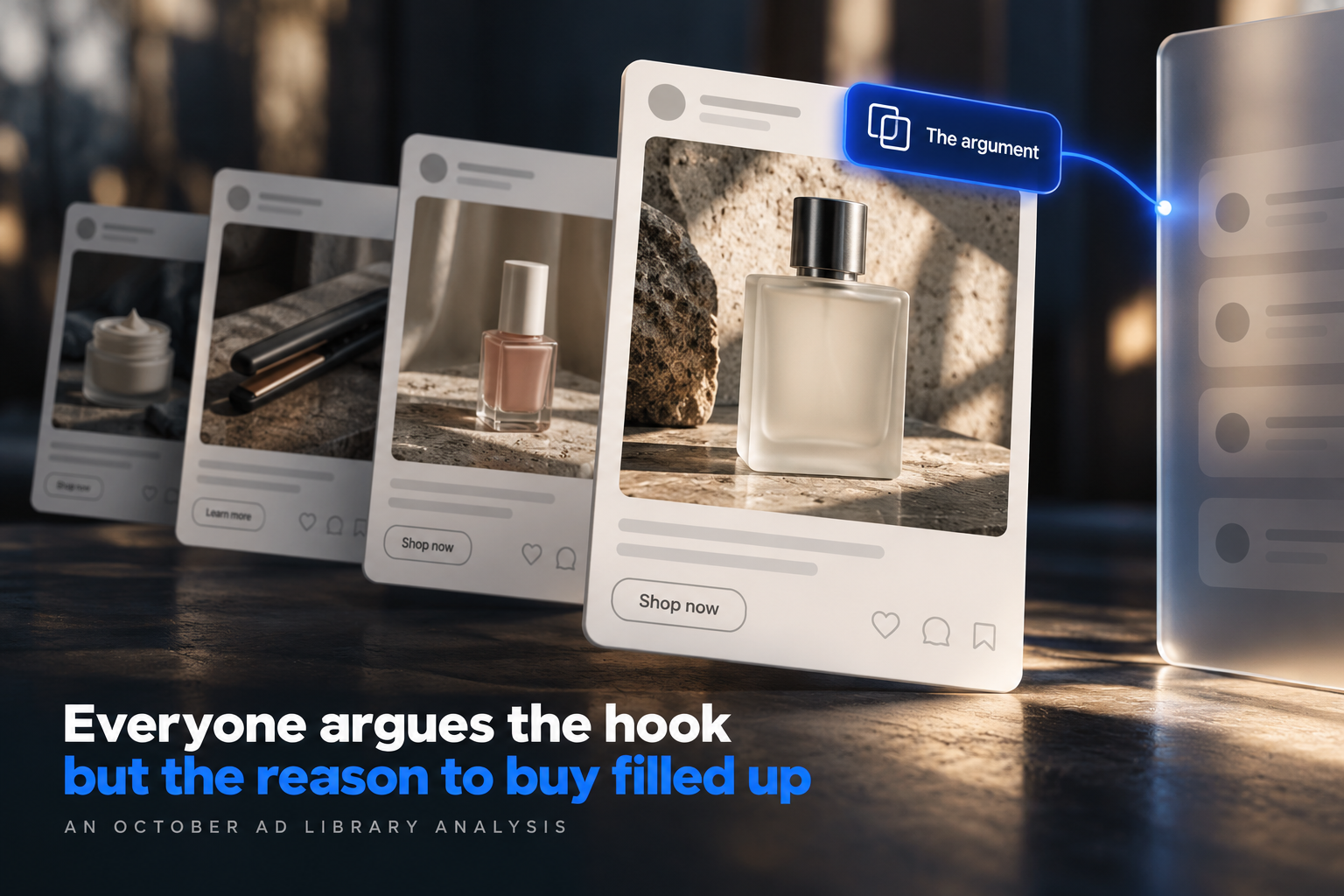
Scope: Beauty & Personal Care ads in the UK, as the eCommerceBenchmark Ad Library tracks them. 29 brands, 2,271 ads active in October 2026, compared with September 2026.
Most ad round-ups hand you a league table. Then they leave you holding it.
This one tells you what to do with it.
For each of October's top three hooks, top three angles and top three concepts in UK Beauty & Personal Care, you get five things: what it is, why it matters, what moved since September, which brands ran it, and one thing to steal. In this cut Curiosity gap is the most common opening, Solution-aware the most common argument, Product Demo Close-Up the most common shape. After the nine come the small rows that grew, and one ad to brief this week.
- A brief makes three calls, not one. Hook, angle and concept: here that lands as Curiosity gap, Solution-aware and Product Demo Close-Up. Name only the opening and the other two still get picked, just not by you.
- The default is the one every shopper has met. Curiosity gap is this cut's default opening, so an ad that reaches for it sounds like the feed around it.
- The defaults differ on staying power. Problem-aware has the largest share of ads past sixty days in the library's longevity sample and Visual reveal the smallest, after a big rise this month.
But first, three words that most briefs mix up.
Hook, angle, concept: three different jobs
Left alone, a brief in this cut lands on Curiosity gap, Solution-aware and Product Demo Close-Up: the opening, the argument and the staging the month's ads use most. Name one of the three and the rest is left to chance, filled in on the day from whatever the last ad did. That is how a brand ends up with four ads that open four ways and say the same thing in the middle.
| Word | In one line | Plain example |
|---|---|---|
| Hook | The first move an ad makes to stop a scroll: its first line or first seconds. | "Nobody told me this bit." |
| Angle | The reason the ad gives a shopper to buy. | "One tube instead of three." |
| Concept | The shape of the creative: how it is filmed, laid out or staged. | One pair of hands on a plain table, no voice. |
The plain examples are made up to show the idea.
How to read a rise or a fall
Beside every row below sit two numbers from this cut: its share of October's 2,271 ads, and how many brands ran it.
- Rising. A bigger share of the cut's ads uses it. Solution-aware argued 26.6% of October's ads against 20.8% in September.
- Falling. A smaller share uses it. That does not mean it failed. Problem-aware eased: 9.1% in October, 10.6% in September.
- Flat. Its share held, so treat it as a stable baseline. Identity sat at 14.8% in October and 14.8% in September.
- Small. A move under half a point is small, so check the brand count. Confession went 0.4% to 0.7% on eight brands.
One more rule. A bigger share does not mean a row works better: the library holds no sales data, so it shows what brands ran, not what earned. Each row also carries the share of its ads past sixty days, in a sample ranked by time on air, so those numbers read high. Curiosity gap: 17.3% of the month's ads, 91.1% past sixty days.
Ready? Start with how ads open.
The top 3 hooks: how ads open
Together, these three open more than a third of October's ads in this cut.
Source: eCommerceBenchmark Ad Library, 2026.
1. Curiosity Gap: it keeps the answer one line away
What it is. An opening that names a thing and then stops, so the payoff has to wait for the next line. notedaromas.co.uk starts on "SHHHH...." and leaves the product to its headline.
Why it matters to you. The busiest of the three openings, on 392 ads, and 91.1% of its sample ads ran sixty days or more. A crowded lane whose ads sat on air a long time. That makes it the base you keep funded, not the thing you rewrite.
What moved. 17.3% in October, 20% in September. The leader gave back share while rows under it grew. Our reading: the month's new work went into the argument instead. The data records the share, not the reason.
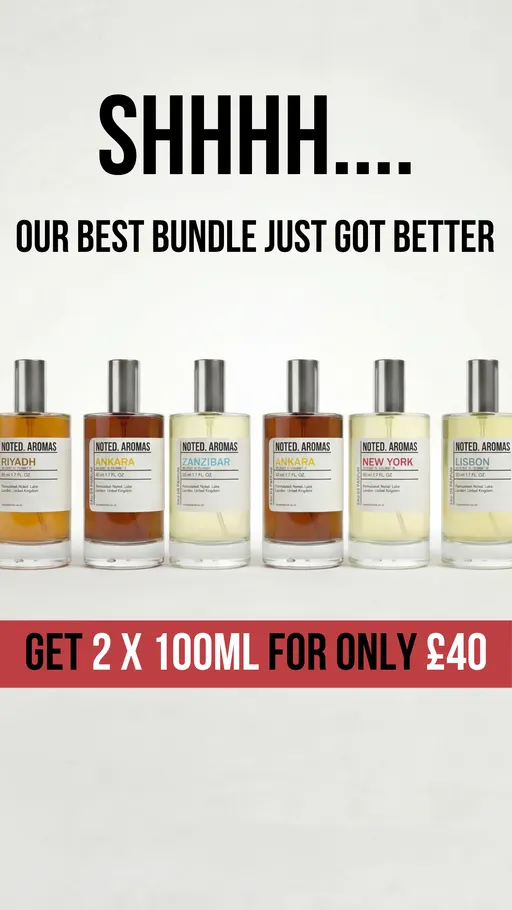
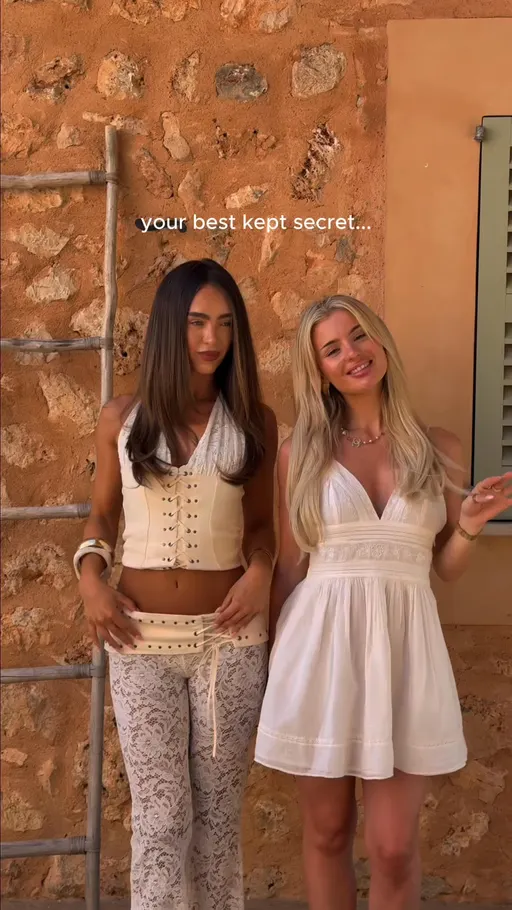
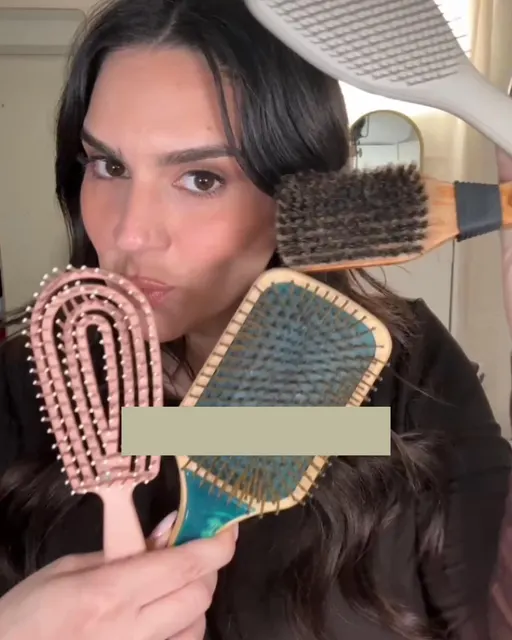
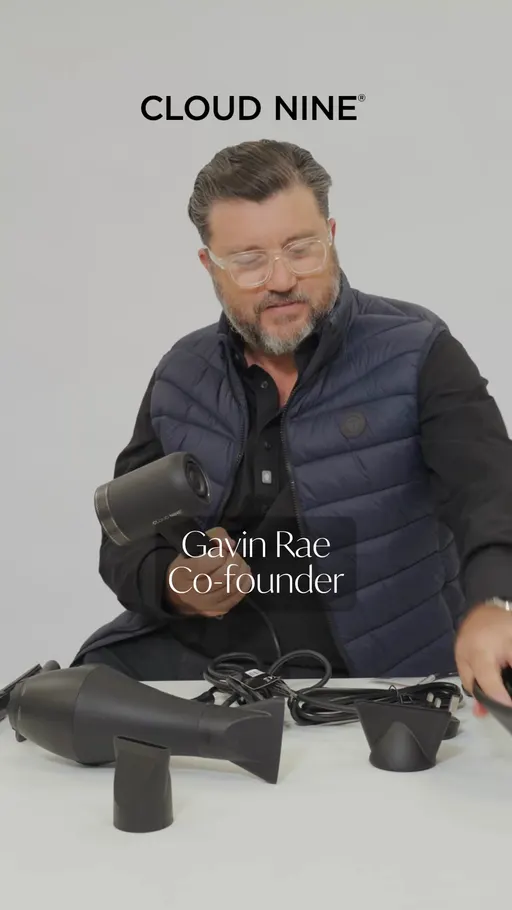
Four ads, four ways to hold something back. tangleteezer.com offers to do the work for you in "Rating every hairbrush in my collection so you don't have to". The one to copy is notedaromas.co.uk: a single word, no product, no claim, and the shopper has to read line two.
That's the crowded one. Now the one that puts everything in the first breath.
2. Bold Claim: it says the whole promise in the first breath
What it is. An opening that hands over the biggest promise straight away. theinkeylist.com opens on "Visibly lifts, tightens and firms décolletage in 14 days" and lets the rest of the ad back it up.
Why it matters to you. Second of the three on share, with 244 ads from 21 brands, and 56.1% of its sample ads past sixty days. Busy, but with more room than the leader. Here your claim has to be specific or it sounds like everyone else's.
What moved. 10.7% in October, 9.5% in September. It also shows in the movers chart below, so the promise-first opening gained ground in the same month the tease lost some.
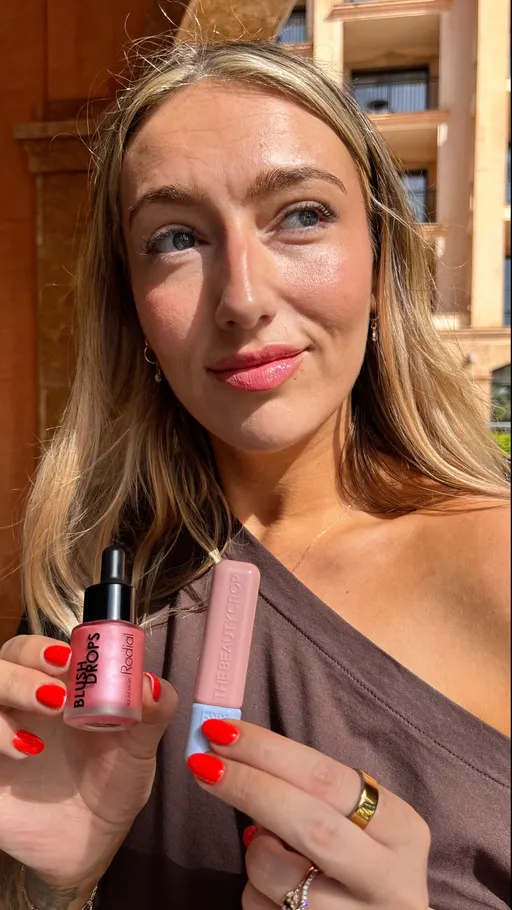
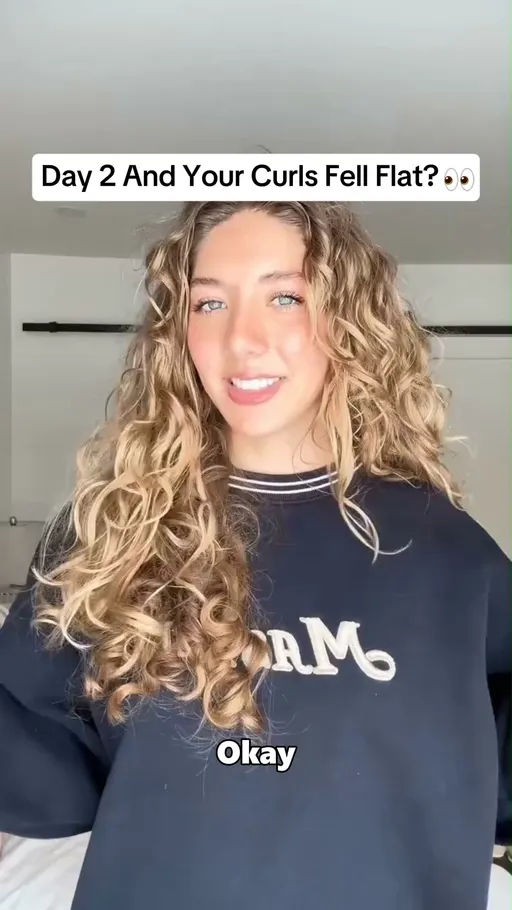
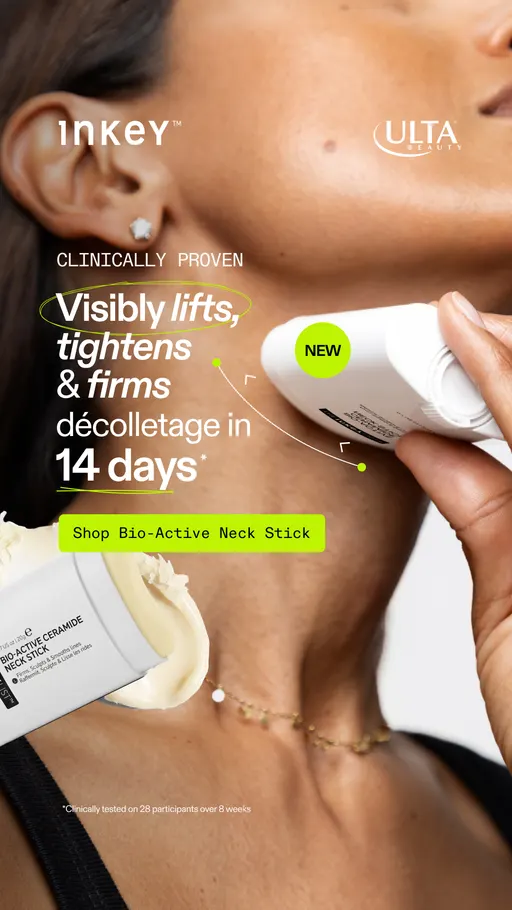
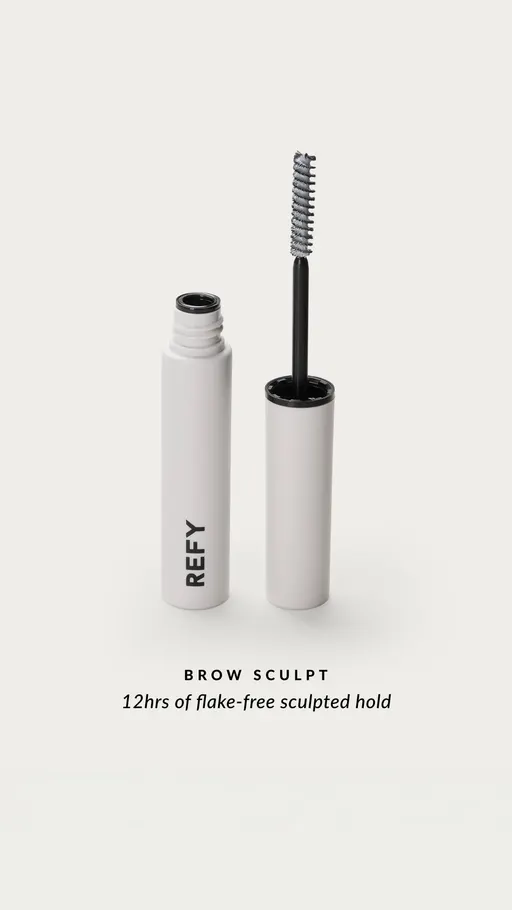
refybeauty.com goes shortest of all with "Brow Sculpt". theinkeylist.com is the one worth copying, because the claim arrives with a timeframe attached.
That's the loud one. Now the one that shows before it says.
3. Visual Reveal: it shows the thing before it explains it
What it is. An opening that puts the product or the action on screen and keeps the words to a label. getfussy.com opens on "How To Refill Your Fussy Deodorant" and gets straight to the doing.
Why it matters to you. The narrowest base of the three, 16 brands across 195 ads, and the lowest on staying power: 24.6% of its sample ads ran sixty days or more. It also rose this month, so many of its ads have not had sixty days yet.
What moved. 8.6% in October, 5.8% in September, the biggest hook rise of the three and a row you will meet again in the movers chart.
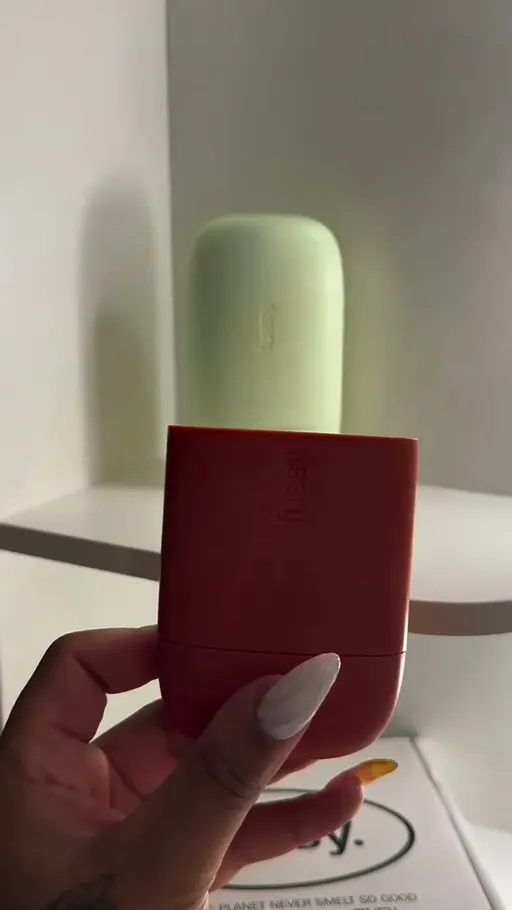
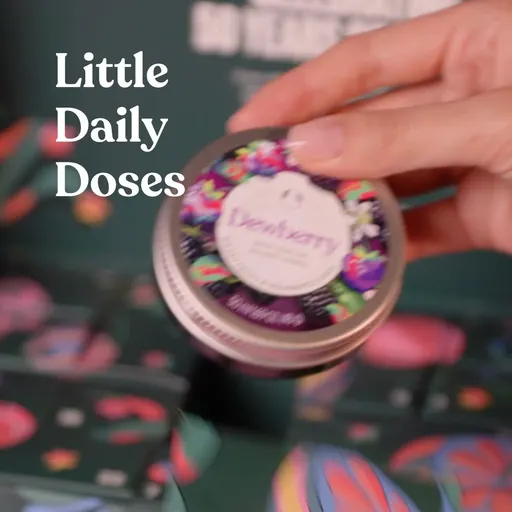
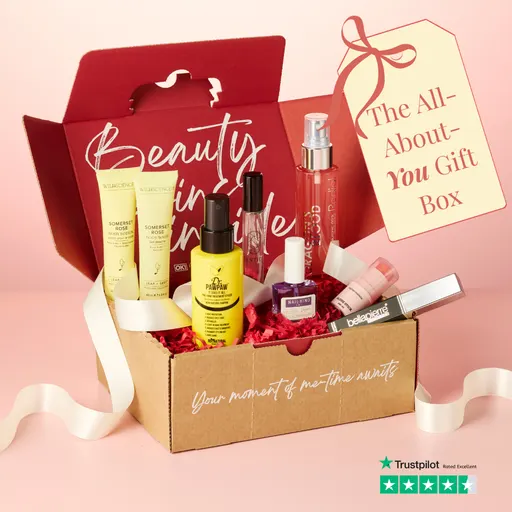
thebodyshop.com labels the season with "BIG ADVENT ENERGY". getfussy.com is the one to copy: the first three words say what you are about to watch.
That's how ads open. But why would anyone buy?
The top 3 angles: why the shopper should buy
Together, these three argue about half of October's ads. This is where the month moved, so watch the brand bases as much as the shares.
Source: eCommerceBenchmark Ad Library, 2026.
4. Solution-Aware: it talks to a shopper already hunting for a fix
What it is. An argument pitched at someone already shopping for the answer. lullabellz.com opens on "Just 3 seconds to the perfect pony" and puts the time it takes before the result.
Why it matters to you. The busiest argument of the three, 604 ads from 26 brands, and the lowest of them on staying power at 37.4% past sixty days. Busy and still filling, so it is the lane your test gets compared in rather than the lane it should sit in.
What moved. 26.6% in October, 20.8% in September. That is the largest rise in the movers chart below, and the reason this edition is about the argument and not the first line. Our reading: a bigger share of October's ads wrote to the shopper who has already decided to fix something. The data records the share, not the reason.

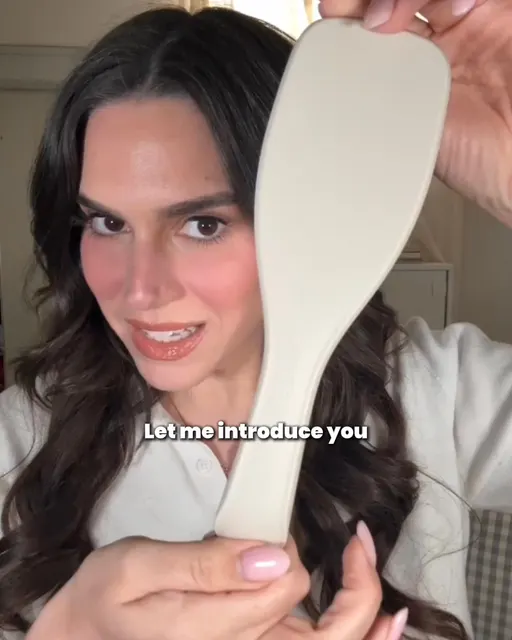

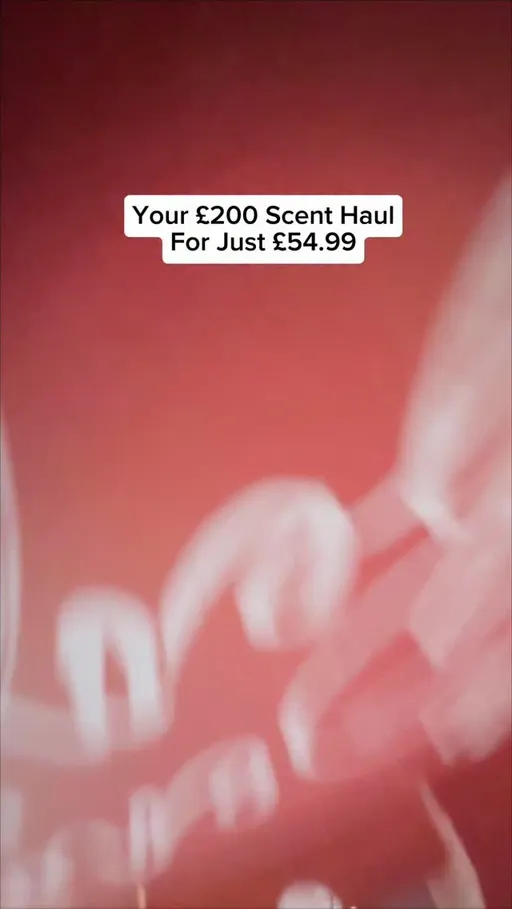
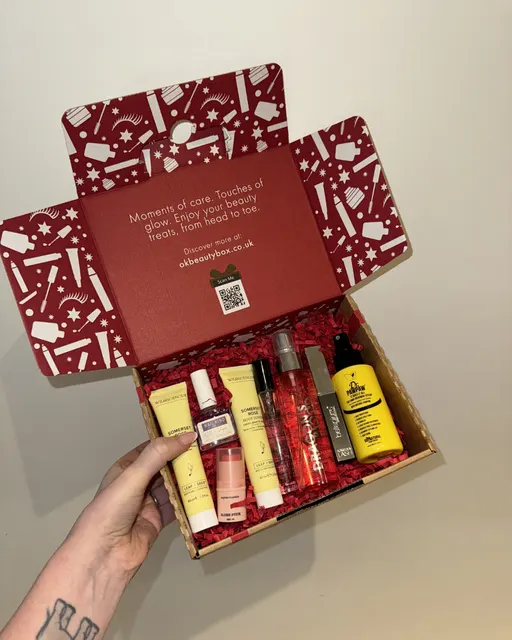
okbeautybox.co.uk puts the maths first, "Your £200 Scent Haul For Just £54.99". lullabellz.com is the one to copy, because the size of the job lands before the payoff.
That's the lane everyone piled into. Now the one that did not budge.
5. Identity: it sells a type of person, not a product
What it is. An argument that hands the shopper a picture of who they are. lullabellz.com writes it as a sum, "Blow Dry Claw Clip = Everyday Glam".
Why it matters to you. The widest base of the three, 27 brands on 337 ads, and 75.7% of its sample ads ran sixty days or more. Wide and long-sitting: the steady middle of your plan.
What moved. 14.8% in October, 14.8% in September. Its share did not move at all, so read it as a stable baseline rather than a signal.
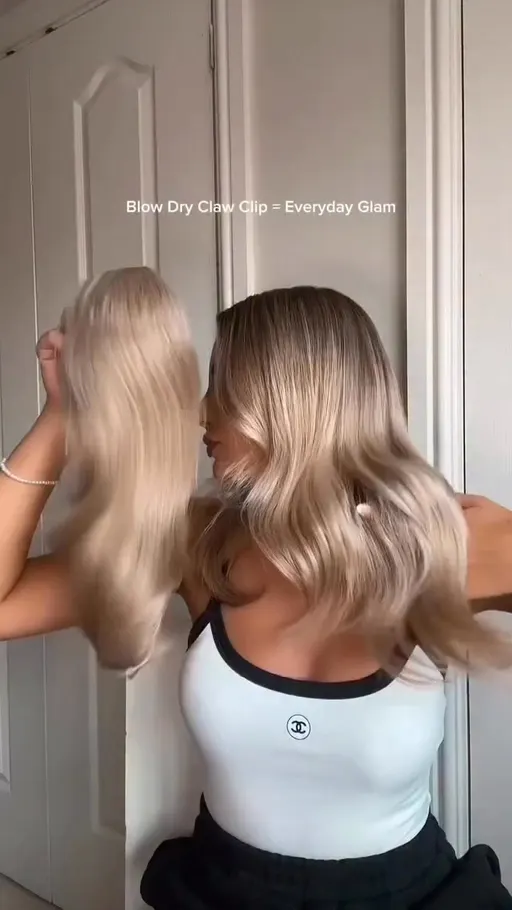
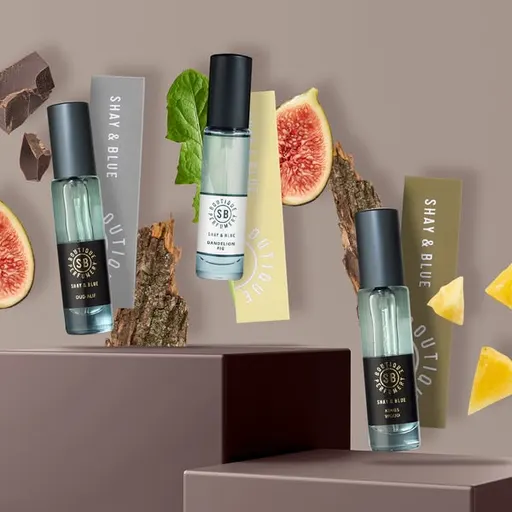
shayandblue.com sells an occasion, "Fragrance for Any Occasion". lullabellz.com is the one to copy: product, then the kind of day it belongs to, nothing else in the line.
That's the stable one. Now the quietest room on the board.
6. Problem-Aware: it starts with the trouble, not the bottle
What it is. An argument that opens on the thing going wrong. mykitsch.com starts on a moment instead, "Something about New Year always reminds me to treat myself a little more.", then arrives at the trouble.
Why it matters to you. The smallest of the three on share, 206 ads from 18 brands, and the longest-sitting: 92.2% of its sample ads ran sixty days or more. Fewer brands, ads that sat on air: that is room.
What moved. 9.1% in October, 10.6% in September. It eased while the solution-led argument grew, which is the one swap in this cut worth briefing against.
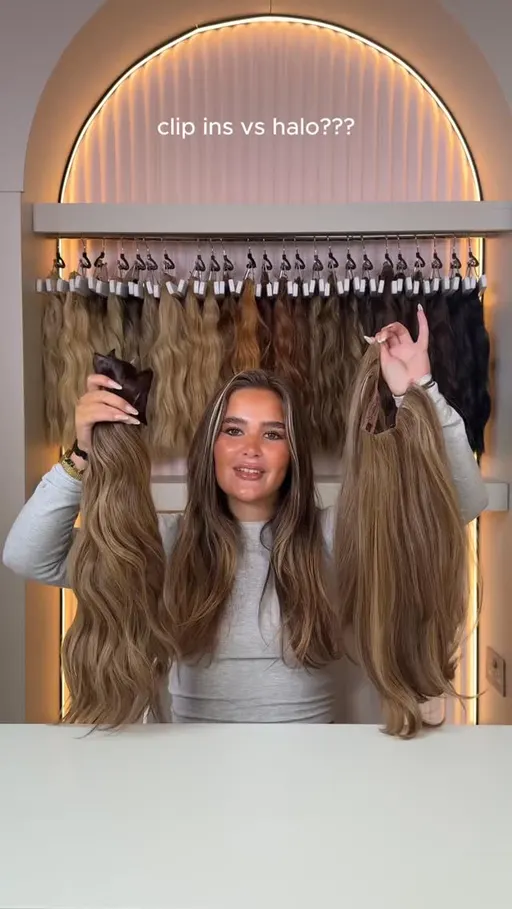
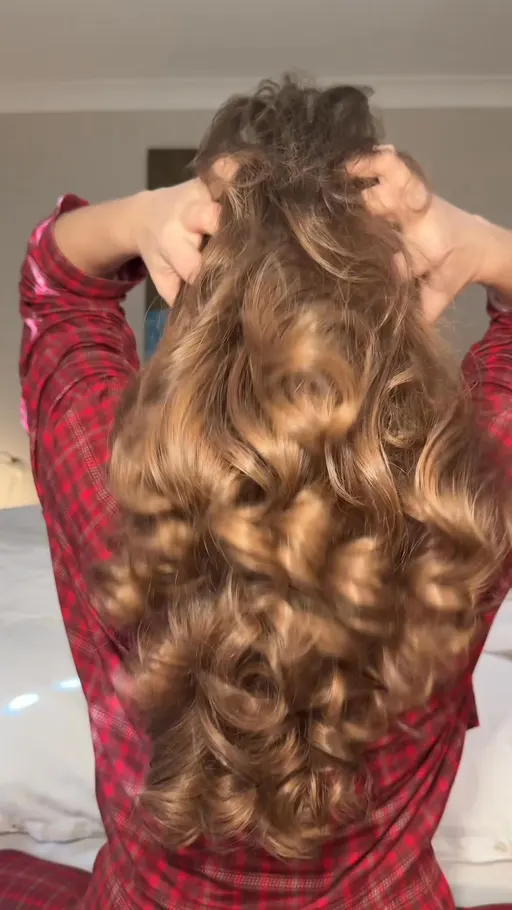
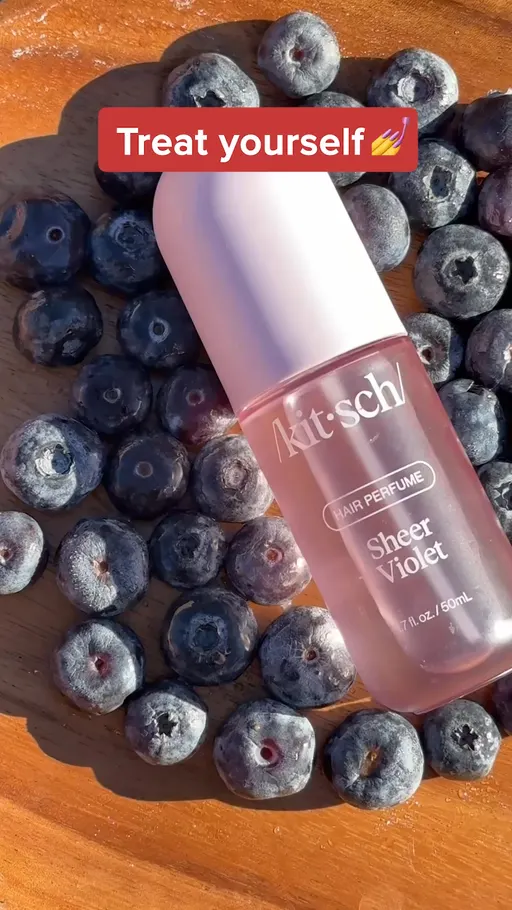
cloudninehair.com announces the fix, "Big salon style curls are here." mykitsch.com is the one to copy, because it gets a nod before it asks for anything.
That's the argument. Now the shape it arrives in.
The top 3 concepts: how the ad looks
Together, these three stage about 3 in 10 of October's ads. A concept is the shape of the creative: how it is filmed, laid out or staged. Fewer ads in this cut carry a concept than a hook or an angle, so these shares look small, and they only ever compare with each other.
Source: eCommerceBenchmark Ad Library, 2026.
7. Product Demo Close-Up: it keeps the product in frame while it is used
What it is. A shape that holds the product close while something is done with it. getfussy.com asks for the result up front, "Smell like honeydew melon all day?", and stays on one product.
Why it matters to you. The most-staged shape of the three, 354 ads from 21 brands, with 46.6% of its sample ads past sixty days. This is the control shape: your account probably runs one already.
This month. 15.6% of the month's ads.
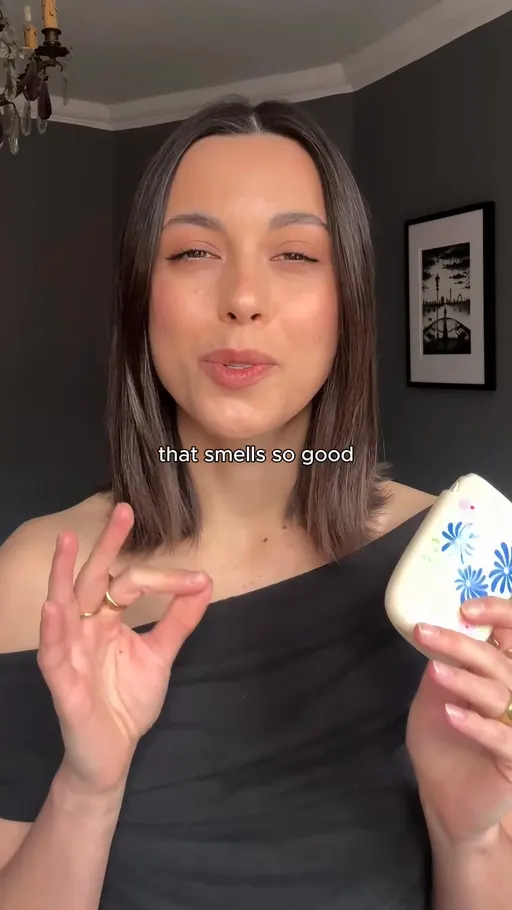
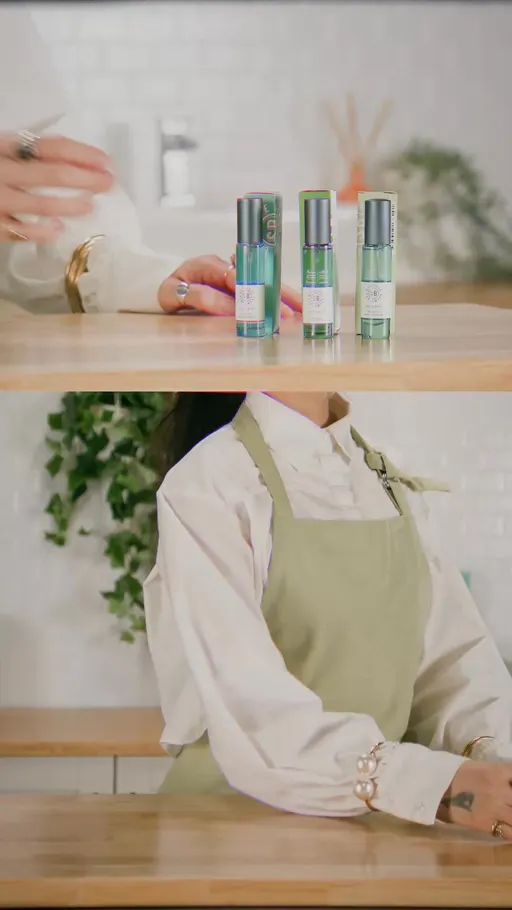
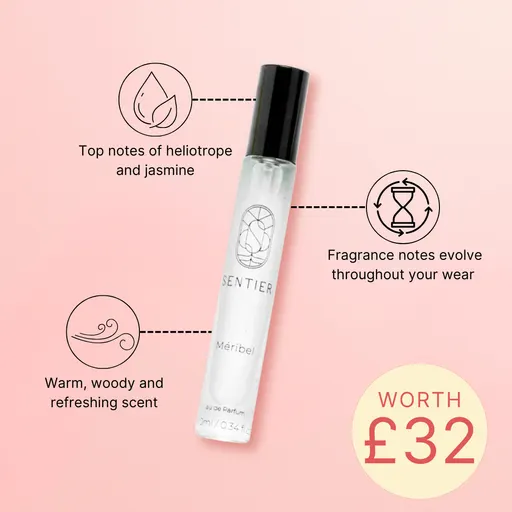
lullabellz.com puts the clock first, "Just 3 seconds to the perfect pony". getfussy.com is the one to copy: the words and the single product in frame make the same claim.
That's the control. Now the layout that is all deal.
8. Offer-First Banner: it makes the deal the whole layout
What it is. A layout where the offer is the design. highlandsoaps.com runs the whole thing in one line, "Wild Gorse & Vanilla Soap | 3 for £17".
Why it matters to you. Second of the three on share, 191 ads from 21 brands, and the longest-sitting of them: 65.4% of its sample ads ran sixty days or more. The steady one to keep funded rather than the one to test.
This month. 8.4% of October's ads.
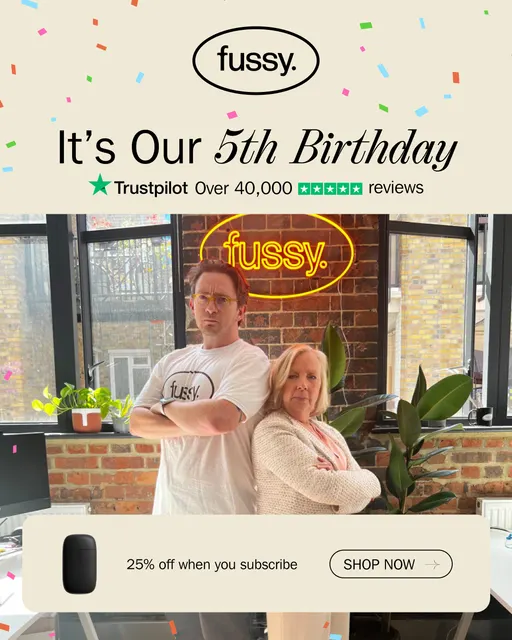
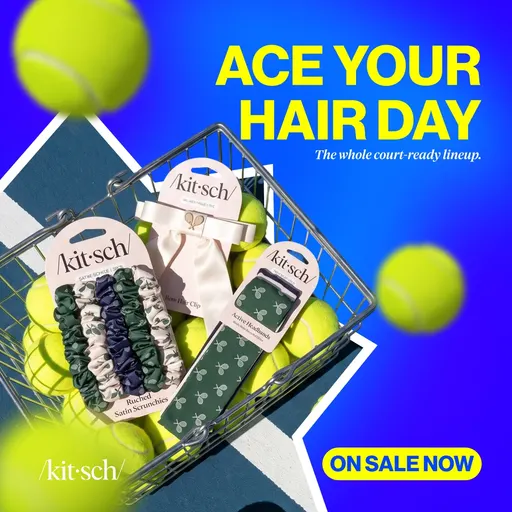
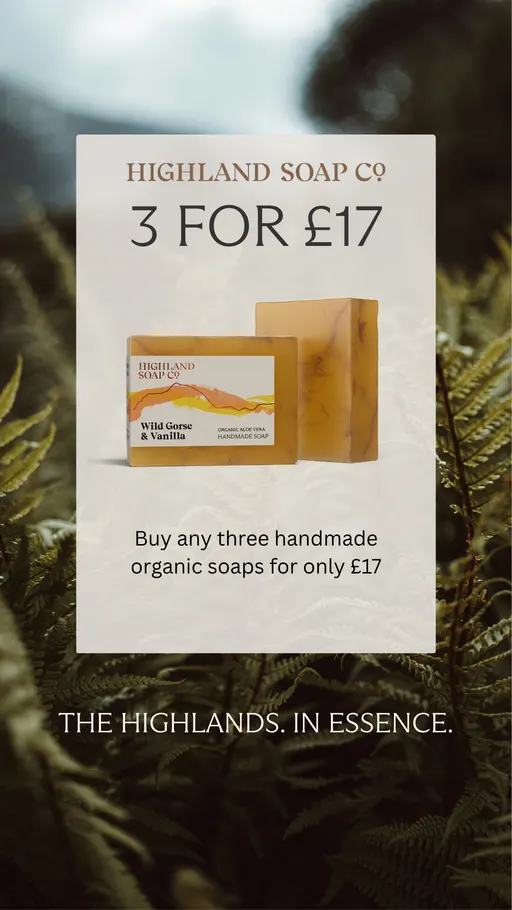
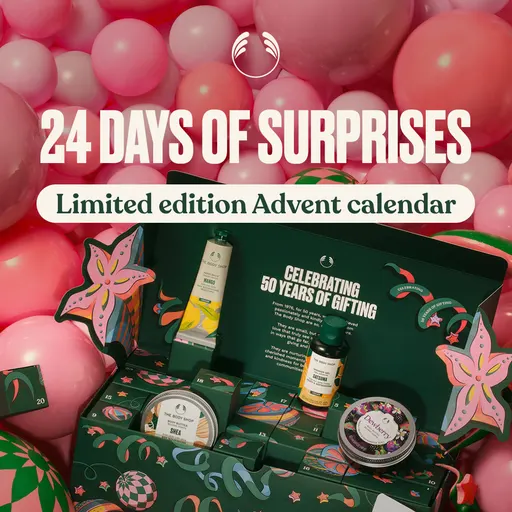
thebodyshop.com keeps it to four words, "Mini treats, big joy". highlandsoaps.com is the one to copy, because the product and the price break share one line.
That's the steady one. Now the shape that grew most.
9. Cinematic B-Roll: it lets the scene carry the message
What it is. A shape that films the product inside a scene and keeps the words sparse. cloudninehair.com puts the argument in one line, "One hairdryer doesn't fit all.", then lets the scene run.
Why it matters to you. The narrowest base of the three, 16 brands on 165 ads, and the lowest on staying power at 26.7% of its sample ads past sixty days. Fewer brands and a fresh rise: the shape with the most room to test.
What moved. 7.3% in October, 4.7% in September. It shows in the movers chart below as well, which makes it the one shape here that gained real ground.

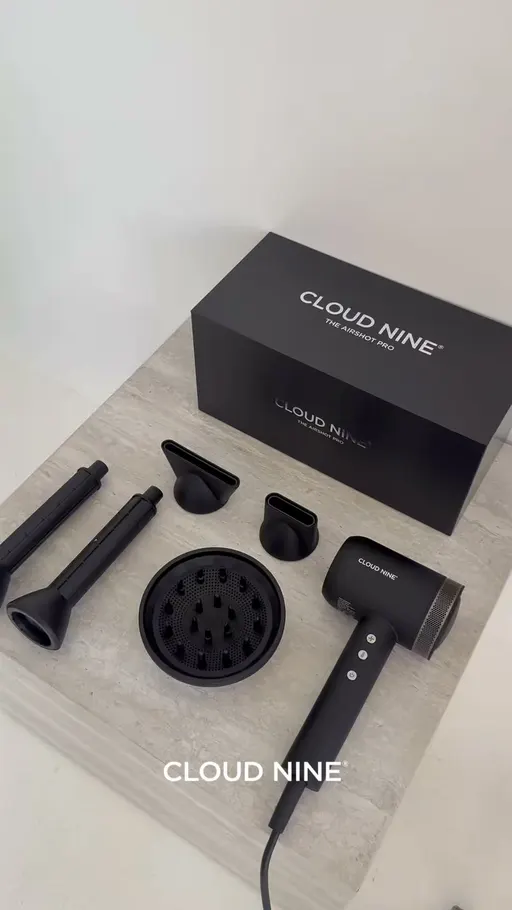
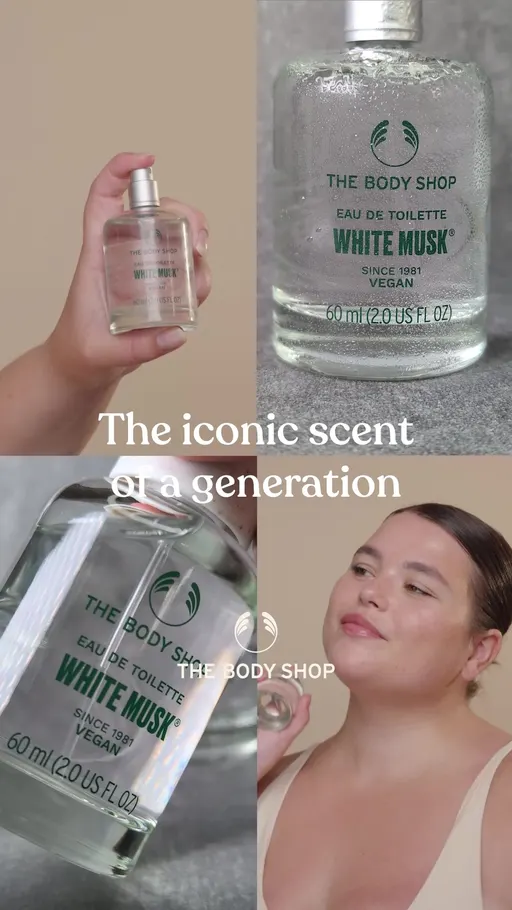
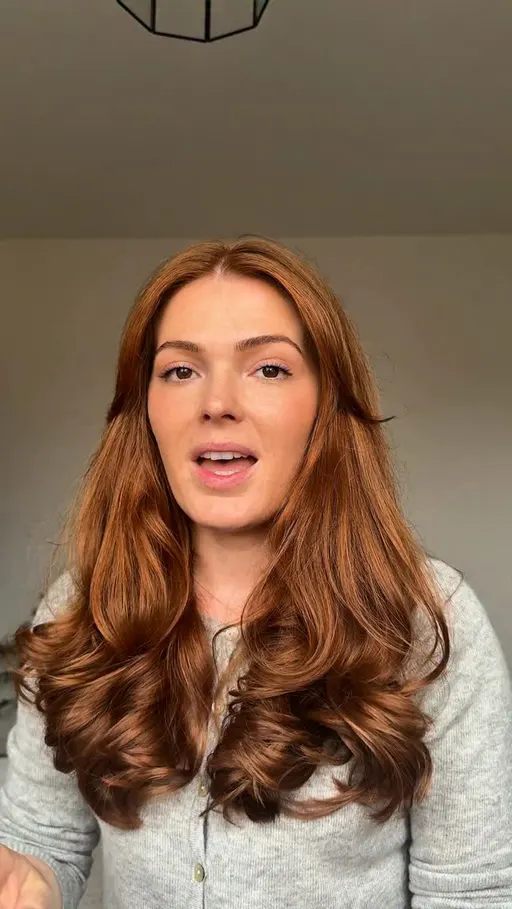
neomwellbeing.com states the upgrade plainly, "Upgrade Your Everyday Routine". cloudninehair.com is the one to copy, because the mood arrives with an argument under it.
That's the shape. So what actually changed this month?
What actually moved: the small stuff
Most of the nine leaders moved, and four of them rose far enough to show in the chart. Across the three ladders, sixteen rows rose by a fifth of a point or more between September and October. Here they are.
Rows of the three rankings that rose by a fifth of a point or more, October 2026 against September 2026, in points. The library labelled more of its ads in October than in September, and that lifts every share a little, so read a small rise with care. Source: eCommerceBenchmark Ad Library, 2026.
Of the nine, one held exactly the share it had in September, two eased, four rose enough to show in the chart, one held about level, and one is read on its October share alone. Most of the other risers are small rows. The reason to care is not any single one of them: it is that several grew in the same month. Let's look at three of them in real ads.
Montage: it strings quick clips onto one line of thought
What it is. A shape that carries one thought across several short clips, the way tangleteezer.com opens on "If the flowers are blooming this spring, so are we, sis." and keeps cutting.
Why people respond. A shopper waiting for a bus gets a new picture every second, so there is always a reason to stay one clip longer. Nothing in the row says a cut holds anyone. That is our reading of the attention, not a claim about sales.
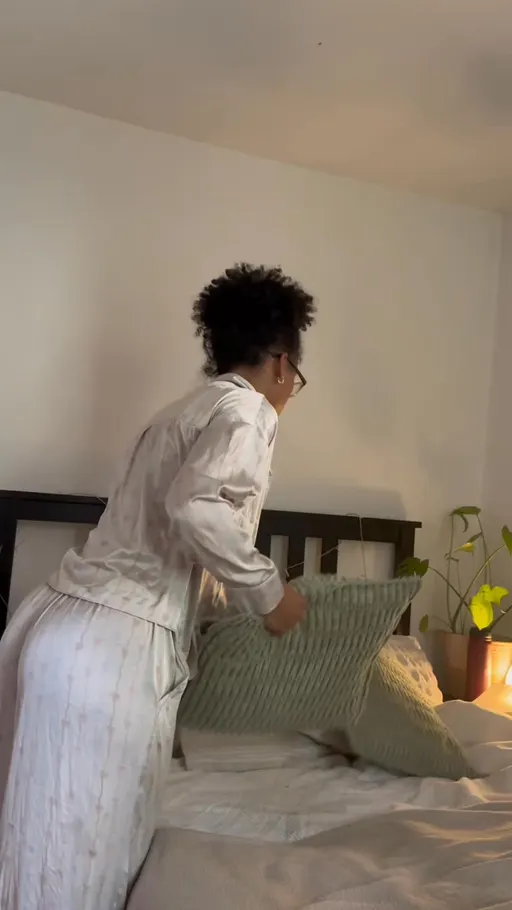
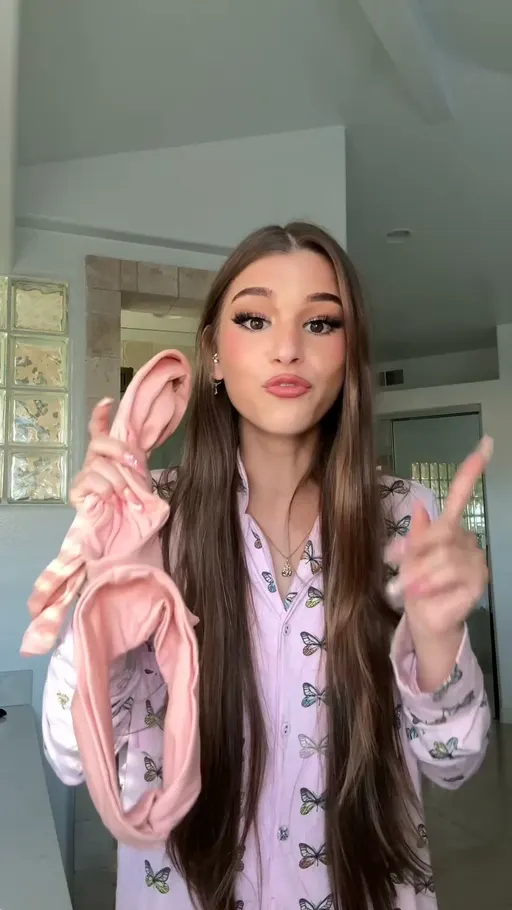
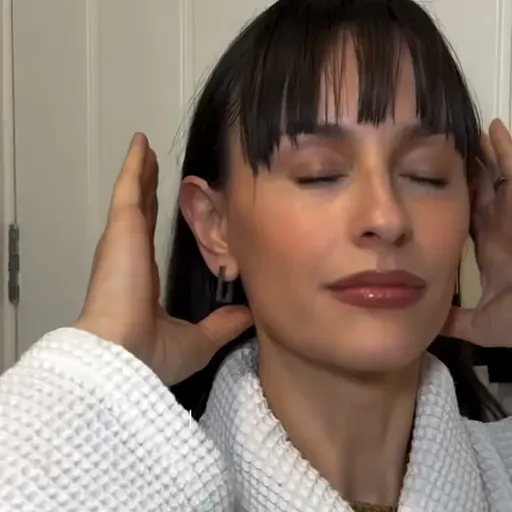
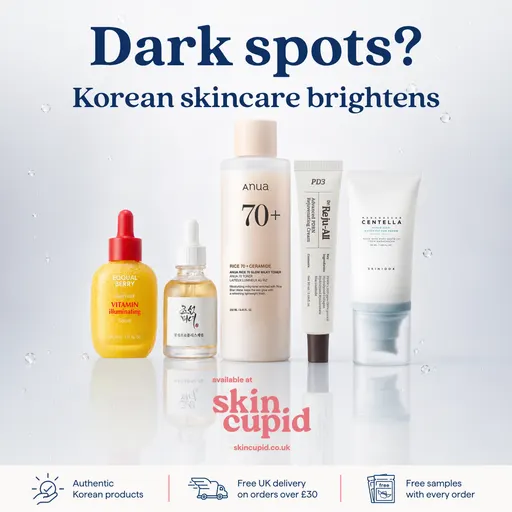
mykitsch.com leads on a collection, "Award-winning self-care must-haves". thebodyshop.com goes wide with "Discover our favourite icons, made to care for skin wherever life takes you." skincupid.co.uk starts on two words, "Dark spots?" Twenty-one brands carry the row's 148 ads.
Newness: it makes the launch date the news
What it is. An opening where the arrival is the whole story, like tangleteezer.com's "NEW THE COMPLETE CAREBRUSH".
Why people respond. A regular shopper already knows your range, so the only line that is new information is the one saying something is new. It also gives a lapsed buyer a reason to look again. That is our reading of the attention, not a claim about sales.

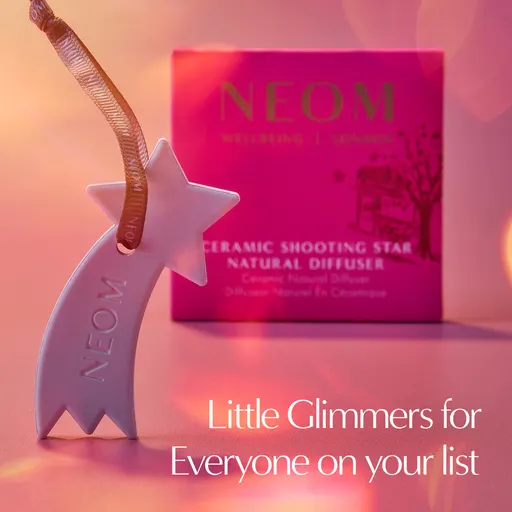
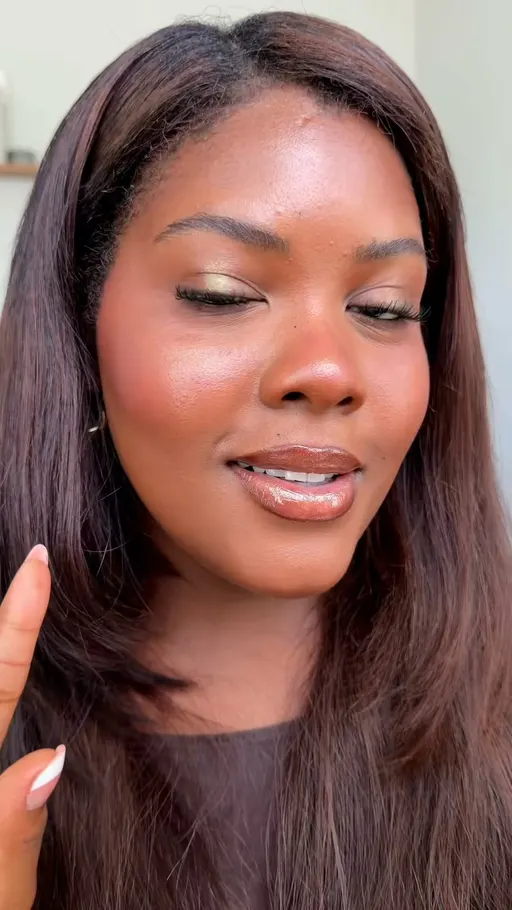
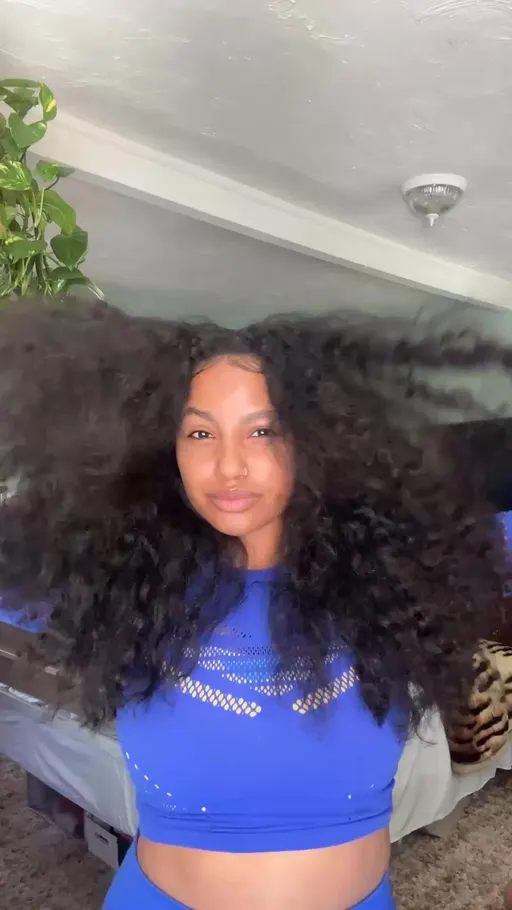
neomwellbeing.com bundles three categories, "New: Gifts, Scents & Kits". refybeauty.com makes it personal, "I had to show you this new shimmer". mykitsch.com names the product straight after the label, "NEW: Moisturizing Curl Cream". The row runs on 178 ads from 20 brands.
Relatability: it starts inside the shopper's own morning
What it is. An opening that describes the shopper's day before it mentions the product, like lullabellz.com's "Thin hair girlies listen up".
Why people respond. It works like someone saying your name across a noisy room: the wrong person keeps scrolling and the right one stops. The row records who was addressed, not who bought. That is our reading of the attention, not a claim about sales.

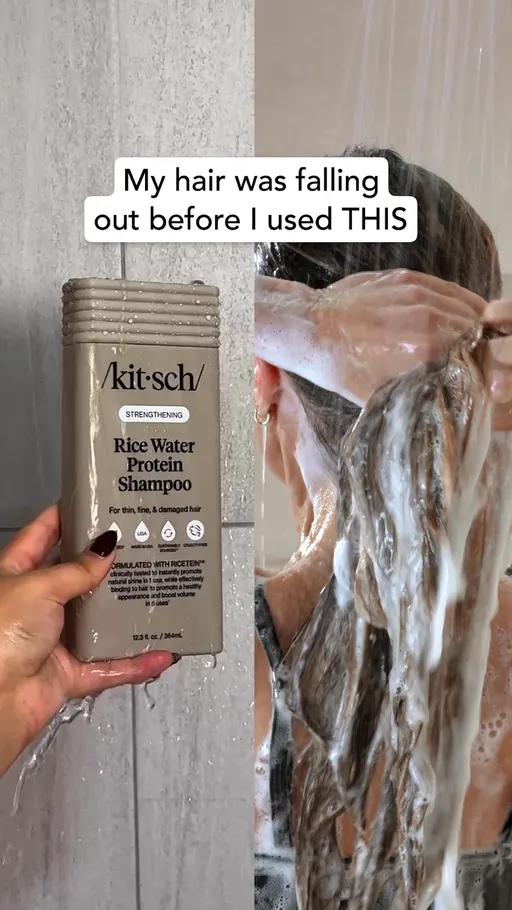
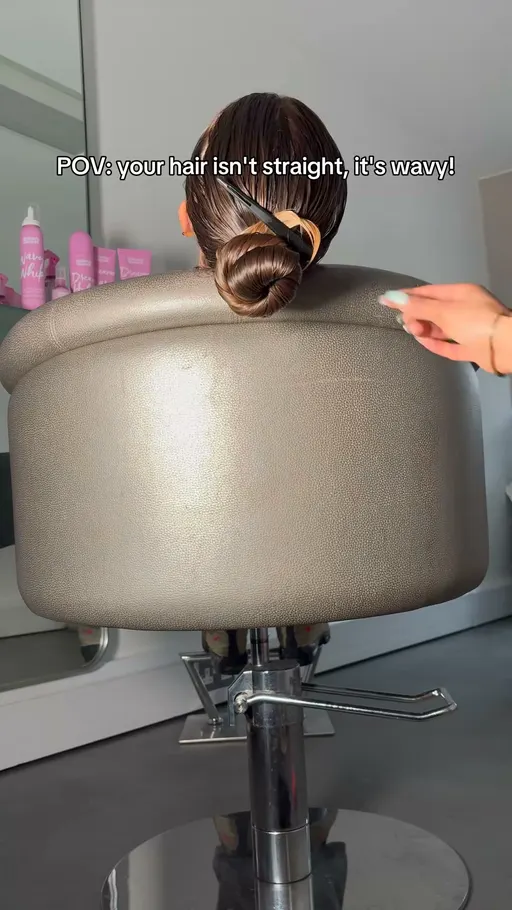
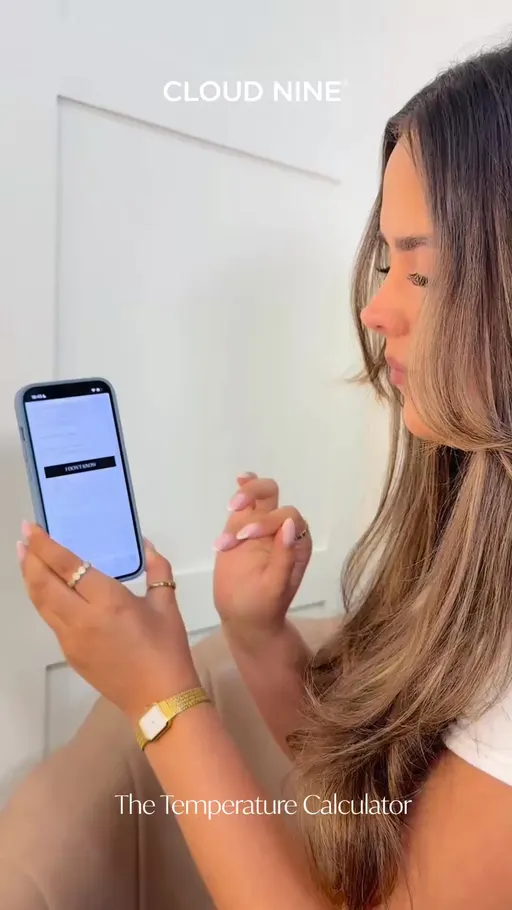
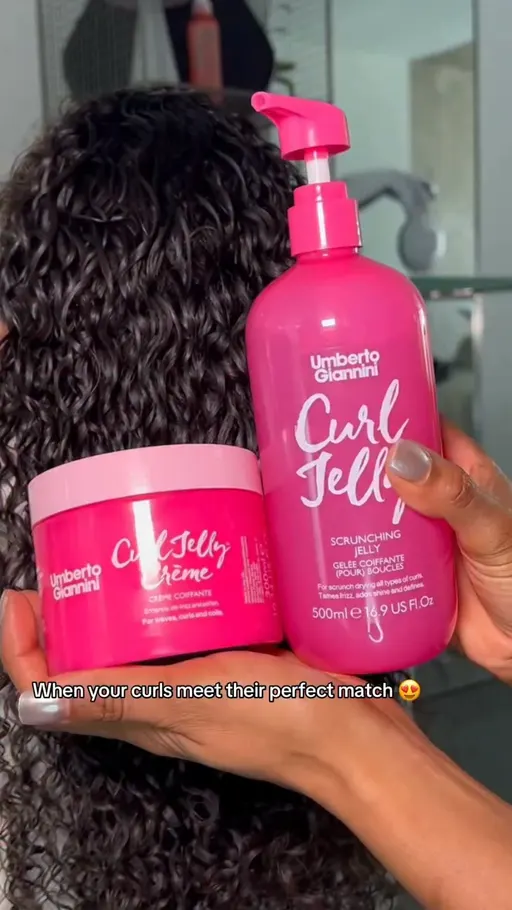
mykitsch.com opens on a before, "My hair was falling out before I used THIS". umbertogiannini.com corrects an assumption, "POV: your hair isn't straight, it's wavy!" cloudninehair.com asks about a habit, "Are you guilty of putting your iron at the highest temperature without thinking?" Twenty brands carry 115 ads.
Relatability and Montage both grew in the same month, and so did the shape that holds one person to camera. Several small risers at once are worth one test.
One ad to brief this week: the Named-Shopper Walkthrough
Relatability, Montage and Selfie talking-head all rose between September and October, and together they point at one ad: a line that names who it is for, quick clips of the thing being used, then one person to camera saying the sentence you want repeated. This is our suggestion built from the movers, not a finding. The library cannot say it will work, and that is what the test is for.
The format. Four clips, about fifteen seconds in all: clip one is the line on screen and said out loud, clips two and three are the product in use with no voiceover claim, clip four is a face and one sentence.
The hook. Model the first clip on lullabellz.com's "Thin hair girlies listen up": name the shopper in the first three words and put nothing else on screen.
The middle. Model the second and third clips on tangleteezer.com's "If the flowers are blooming this spring, so are we, sis.": one thought carried across quick cuts, no new claim in either.
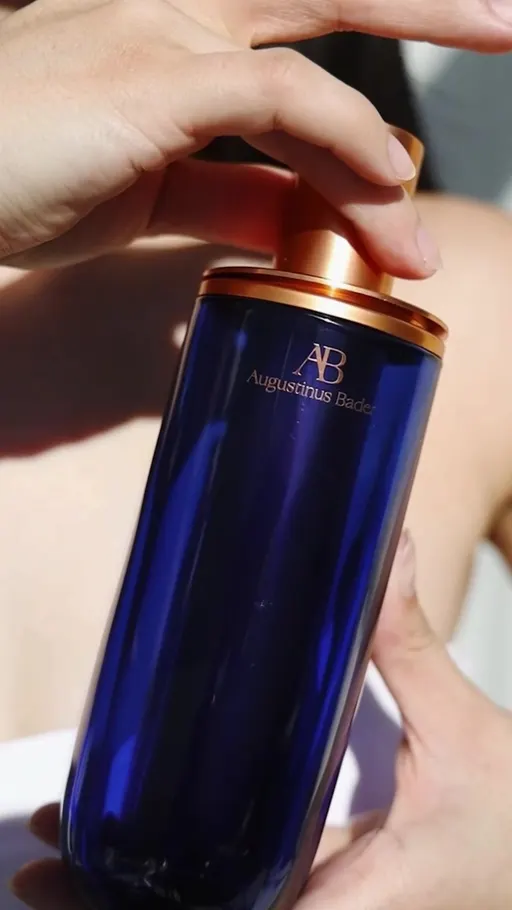
The close. Model the last clip on augustinusbader.com's "I swear my skin looks so much better than it did 2 weeks ago": one person, one sentence, held, where the shopper is already deciding.
The test. Run it against your best ad on Curiosity gap, the opening this cut leans on hardest, on the same audience and the same budget split, for two full weeks, and judge it on cost per purchase.
Two smaller tests can ride alongside that one, and each is a whole ad run against the ad it replaces, never a line swapped into the brief above. First, take okbeautybox.co.uk's priced bundle line, "Your £200 Scent Haul For Just £54.99", and write your own version with a real calendar date in it, then take the ad down the day that date passes. Second, write one ad for a single named shopper, modelled on umbertogiannini.com's "POV: your hair isn't straight, it's wavy!", and run it against your broadest ad on Solution-aware.
The eCommerceBenchmark Ad Library sorts your ads into the same hooks, angles, concepts and offers used in this report and shows your mix next to the market, so you can see which shapes you have never shipped.
Audit my creatives, freeOne catch before you run off. Everything above is the whole of UK Beauty & Personal Care. Your corner of it might look nothing like it.
Why you need to know the hooks in your niche
A row that is crowded across the whole of UK Beauty & Personal Care can be empty in your corner of it. Your product line, your price point and your shopper all cut the market smaller than this report does. The numbers above tell you what the cut looks like. Only your own list tells you what your shopper meets.
- A shopper who meets the same opening all week stops reading it. Curiosity gap opened 392 of October's ads from 24 brands: a lot of near-identical first lines in one feed.
- When every ad argues the same way, the only thing left to compare is price. Solution-aware already carries 604 of the month's ads, so a second ad there argues against 25 other brands.
- Changing the opening costs the brief nothing. Visual reveal is written by 16 brands and POV open by nine: the quiet rows sit in the same document as the busy ones.
- Different is not the same as right. So brief one ad into the empty row and leave the control running, rather than moving the whole account onto a row carried by 16 ads.
Your 30-minute check
- Collect. Pull twenty current ads from your five closest competitors in the free Meta Ad Library.
- Label. Write down each ad's hook, angle and concept, one line per ad.
- Count. The row that shows up most is your niche's crowded row; across UK Beauty & Personal Care, that's the Curiosity gap.
- Find the gap. The row that shows up least, or never; check it against the movers above.
- Brief one test. One ad for the empty row, run against your control for two full weeks.
Want every number? Here are the full rankings.
The full rankings: hooks, angles and concepts
This cut's ladders carry twelve hooks, seven angles and twelve concepts, each with October beside September. Print them, write your own count next to every row from your last month of ads or your competitors' current ones, and the rows where your count is highest are the ones you are actually competing in.
| Hook | October share | September share | Change |
|---|---|---|---|
| Curiosity gap | 17.3% | 20% | ▼ 2.7 |
| Bold claim | 10.7% | 9.5% | ▲ 1.2 |
| Visual reveal | 8.6% | 5.8% | ▲ 2.8 |
| Newness | 7.8% | 6.4% | ▲ 1.4 |
| Authority | 6.8% | 7.3% | ▼ 0.5 |
| Direct question | 5.6% | 4.6% | ▲ 1.0 |
| Relatability | 5.1% | 4% | ▲ 1.1 |
| Price anchor | 4.2% | 3.4% | ▲ 0.8 |
| Urgency / FOMO | 3.2% | 3.3% | ▼ 0.1 |
| POV open | 0.7% | 0.3% | ▲ 0.4 |
| Confession | 0.7% | 0.4% | ▲ 0.3 |
| Shocking statement | 0.5% | 0.6% | ▼ 0.1 |
| Angle | October share | September share | Change |
|---|---|---|---|
| Solution-aware | 26.6% | 20.8% | ▲ 5.8 |
| Identity | 14.8% | 14.8% | 0 |
| Problem-aware | 9.1% | 10.6% | ▼ 1.5 |
| Objection crusher | 7.5% | 8.7% | ▼ 1.2 |
| Social proof | 7.2% | 7.2% | 0 |
| Mechanism | 5.5% | 4.6% | ▲ 0.9 |
| Comparison | 2.9% | 2.4% | ▲ 0.5 |
| Concept | October share | September share | Change |
|---|---|---|---|
| Product Demo Close-Up | 15.6% | 13.8% | ▲ 1.8 |
| Offer-first banner | 8.4% | 8.2% | ▲ 0.2 |
| Cinematic B-roll | 7.3% | 4.7% | ▲ 2.6 |
| Montage | 6.5% | 4.3% | ▲ 2.2 |
| Selfie talking-head | 3.6% | 2.6% | ▲ 1.0 |
| UGC Unboxing | 2.7% | 2.1% | ▲ 0.6 |
| Customer Testimonial Reel | 1.6% | 1.3% | ▲ 0.3 |
| Listicle | 1.3% | 1% | ▲ 0.3 |
| Side-by-Side Comparison | 1% | 0.9% | ▲ 0.1 |
| Before/After Transformation | 0.7% | 0.6% | ▲ 0.1 |
| Grid swap | 0.4% | 0.4% | 0 |
| Problem agitation | 0.3% | 0.2% | ▲ 0.1 |
Your test card
Here is the Named-Shopper Walkthrough set up the way a media buyer would run it, against your best ad on Curiosity gap. Write your own numbers down before you launch, so the fortnight ends in a decision instead of an argument.
| Hypothesis | The Named-Shopper Walkthrough, run beside my best ad on Curiosity gap, will hold or lower my cost per purchase over two full weeks without taking budget from the control. |
| Change only this | The whole creative: the Named-Shopper Walkthrough, a four-clip ad that opens on a line naming who it is for, cuts the middle quick and closes with one person to camera. |
| Keep the same | Product, offer, audience, placement and budget split. |
| Funnel stage | Say first whether this ad is for prospecting (cold) or retargeting (warm). A deal in the first line is often right for warm audiences and wrong for cold ones, so test it where the ad will really run. |
| Setup | One control and one variant, same audience, same placement, even budget split. Do not edit either ad while the test runs. |
| How long and how much | Until each version has about 50 purchases, or two full weeks, whichever comes later. This is general testing practice (Meta's own learning-phase guideline is about 50 results per ad set per week), not a library finding. |
| Success metric | Cost per purchase, not clicks. |
| Stop rule | Pause a variant that has spent about 3 times your target cost per purchase with no purchase. If it is close, keep it running. |
| What counts as a win | The variant beats the control on the metric by an amount you would act on, and still does in a second week. |
October 2026 UK Beauty & Personal Care ads: what to brief next
- Curiosity gap opened 17.3% of October's ads, Bold claim 10.7% and Visual reveal 8.6% [eCommerceBenchmark Ad Library, 2026]: that is the lane every brief lands in by default.
- Solution-aware argued 26.6% of the month's ads, Identity 14.8% and Problem-aware 9.1%: together the three carry about half of this cut.
- Product Demo Close-Up staged 15.6% of October's ads, Offer-first banner 8.4% and Cinematic B-roll 7.3%, read only against each other.
- Staying power splits the board: 91.1% of Curiosity gap's sample ads ran sixty days or more, the most of its three, while Cinematic B-roll's 26.7% is the least of its three.
- Sixteen rows rose by a fifth of a point or more, led by Solution-aware, Visual reveal and Cinematic B-roll, with Montage at 6.5%, most on a dozen or two brands.
- Label twenty of your competitors' current ads against these rows, then brief one ad into the row your own list leaves empty.
UK Beauty & Personal Care ad benchmarks: common questions
Keep one ad on Curiosity gap, the opening that still carries 17.3% of this cut's October ads, and leave it funded. Then brief the one ad above: a line that names the shopper, a quick middle, one person to camera at the close. Run it beside the control on the same audience and the same budget split for two full weeks, and judge it on cost per purchase. At the end of the fortnight you will have a decision you can defend, not a feeling about creative.