US Fashion & Apparel Ads, October 2026: Half of All Ads Make the Same Argument. What's Left for Yours?

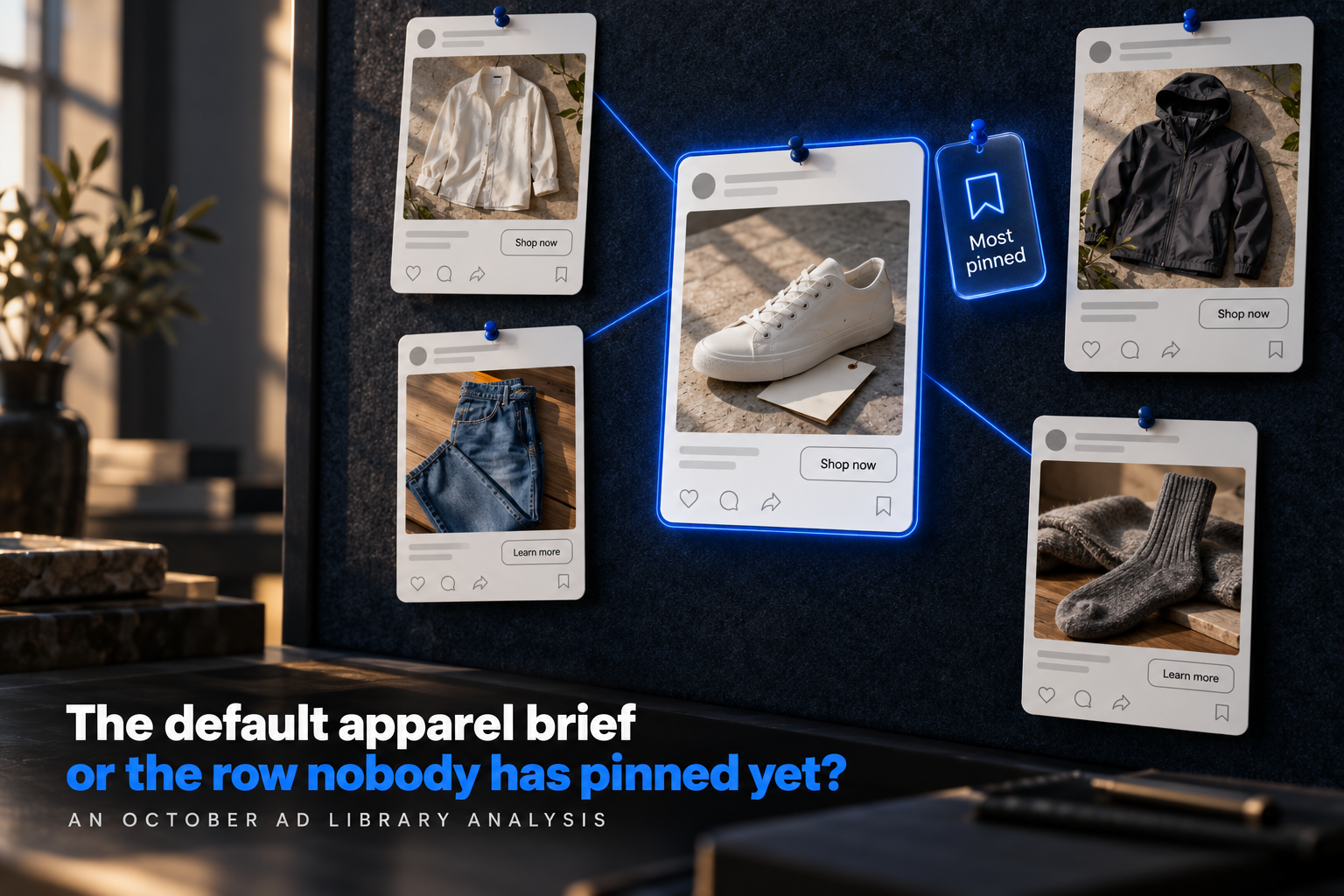
Scope: Fashion & Apparel ads in the US, as the eCommerceBenchmark Ad Library tracks them. 40 brands, 2,132 ads active in October 2026, compared with September 2026.
Most ad reports tell you what's popular. Then they leave you standing there.
This one tells you what to do about it.
For each of October's top three hooks, top three angles and top three concepts in US Fashion & Apparel ads, you get the same five things: what it is, why it matters to you, what moved since September, which real brands ran it, and one thing to steal. In this cut that means an opening called Curiosity gap, an argument called Identity and a staging called Cinematic B-roll. After the nine come the small rows that actually grew, and one ad to brief this week.
- A brief decides three things, not one. Your next apparel ad needs an opening, an argument and a shape. Here that lands on Curiosity gap, Identity and Cinematic B-roll unless you say otherwise.
- The default is the one your shopper has already met. Curiosity gap is the most common opening in US Fashion & Apparel ads, which is where an ad risks sounding like the four above it in the feed.
- The defaults differ on staying power. Curiosity gap has the largest share of ads past sixty days and Bold claim the smallest, so one is a settled base and the other, which rose this month, is still new.
But first, three words that most briefs mix up.
Hook, angle, concept: three different jobs
Mixing these three up is a common way an ad brief goes wrong. A hook is defined as the first move an ad makes to stop a scroll, its first line or first seconds. Ask for “a stronger hook” and stop there and you have decided one thing out of three. In this cut the argument defaults to Identity and the shape to Cinematic B-roll. You didn't choose them. You just didn't name them.
| Word | In one line | Plain example |
|---|---|---|
| Hook | The first move an ad makes to stop a scroll: its first line or first seconds. | “I wore one jacket for nine days straight.” |
| Angle | The reason the ad gives a shopper to buy. | “It is the only coat you can push a pram in.” |
| Concept | The shape of the creative: how it is filmed, laid out or staged. | One unbroken shot of a shopper walking a wet pavement. |
The plain examples are made up to show the idea.
How to read a rise or a fall
Each row below shows its share of October's 2,132 ads, how that compared with September, and how many of this cut's 40 brands ran it.
- Rising. More ads use it, so the lane is getting crowded. Visual reveal sat at 12.2% against 7.6% in September.
- Falling. Fewer ads use it, which does not mean it failed. Curiosity gap eased to 20.4% from 24.3%.
- Flat. Its share held, so treat it as a stable baseline. Comparison stayed at 1.3% in both months.
- Small. A move under half a point is small, so check the brand count. Customer Testimonial Reel went 0.6% to 0.9% on 7 brands.
A bigger share never means a row works better: there is no sales, spend or profit data here. Each sixty-day figure comes from a sample ranked by time on air, so it reads high by design. Take it as a staying-power hint. Curiosity gap reached sixty days in 96.1% of its sample.
Ready? Start with how ads open.
The top 3 hooks: how ads open
Together, these three open about 4 in 10 of October's US Fashion & Apparel ads. What follows is how crowded each one is, how many brands carry it, and how many of its ads have run sixty days or more, which is where the three split hardest.
Source: eCommerceBenchmark Ad Library, 2026.
1. Curiosity Gap: it holds the payoff back one line
What it is. The opening says enough to start a story and keeps the point for the next line. J.McLaughlin starts on “Me and my mom potentially tricked Jackie into a walk around town where J.McLaughlin happens to be” and leaves the clothes to its headline.
Why it matters to you. It is the widest hook here, with 26 brands on it, and 96.1% of its sample passed sixty days, the longest of these three. Safe and busy: keep it as your control, not as the thing that makes your next ad different.
What moved. 20.4% in October, 24.3% in September. Still the default, with a slimmer lead.
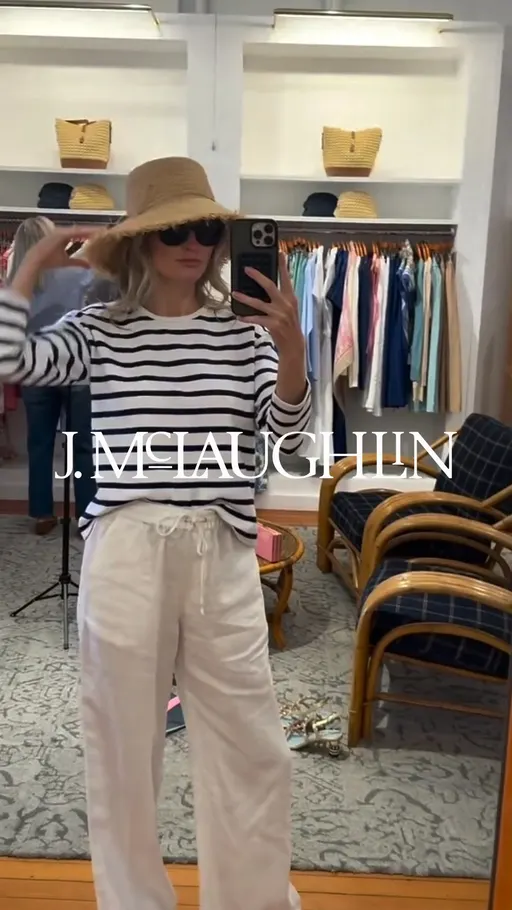
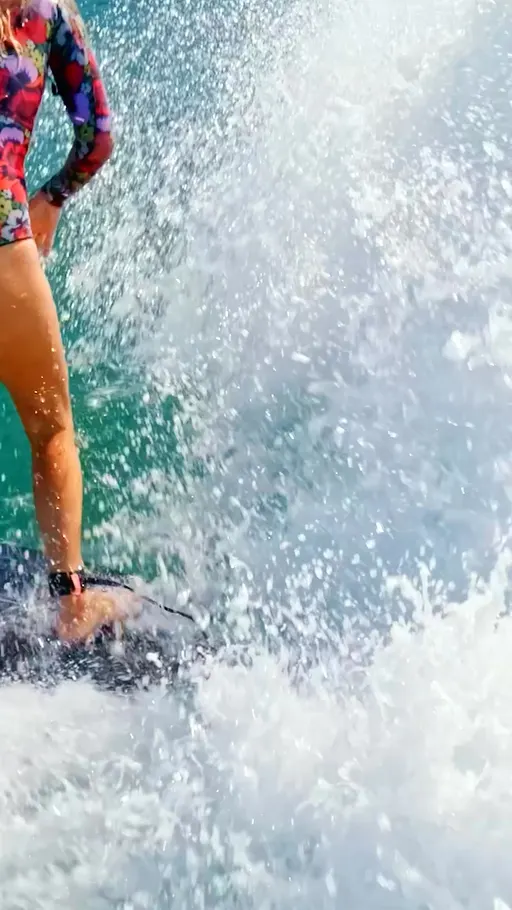
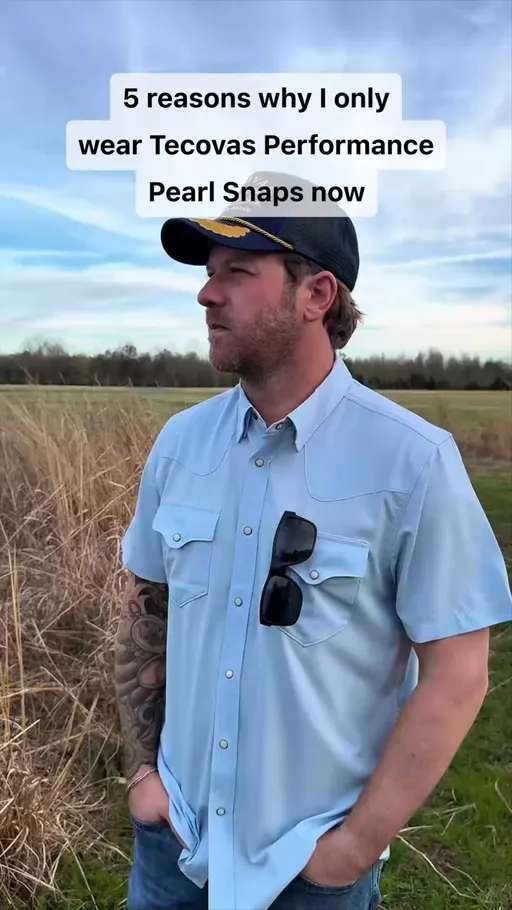
Four ads, four ways to hold something back. J.McLaughlin's is the one worth copying: the first six words are a small human scene, so the second line gets read.
That's the crowded one. Now the one that grew fastest.
2. Visual Reveal: it leads with the look and keeps the words out of the way
What it is. The opening lets the picture carry the moment and keeps the words short and literal. SeaVees starts on “The Seavees Tiburon Trekker has been perfect for my days on the go this summer.” and leaves the rest to the shot.
Why it matters to you. Only 15 brands ran it, the fewest of these three hooks, and 33.1% of its sample reached sixty days. That pairing is what makes it the one with room: a busy month above it, and a lane your competitors have not all walked into.
What moved. 12.2% in October, 7.6% in September, on 260 ads. It is the biggest hook move in this cut, and it shows in the movers chart below too.
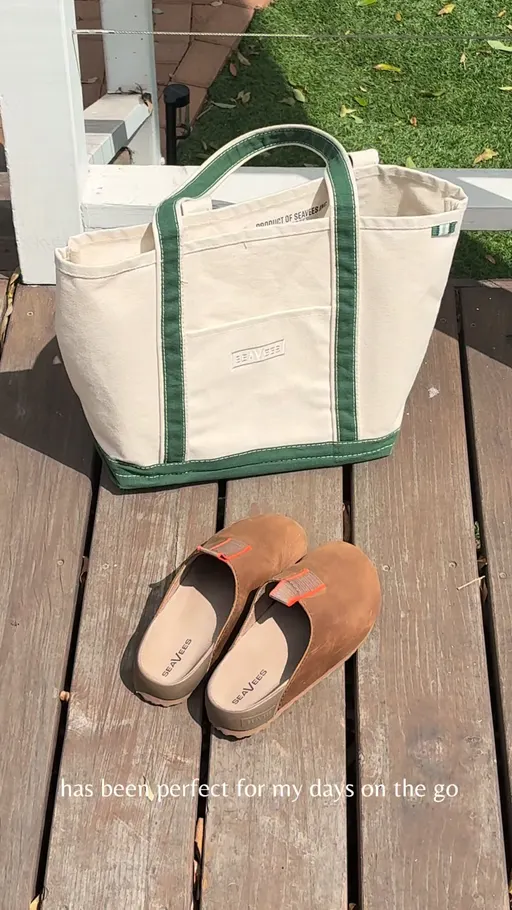
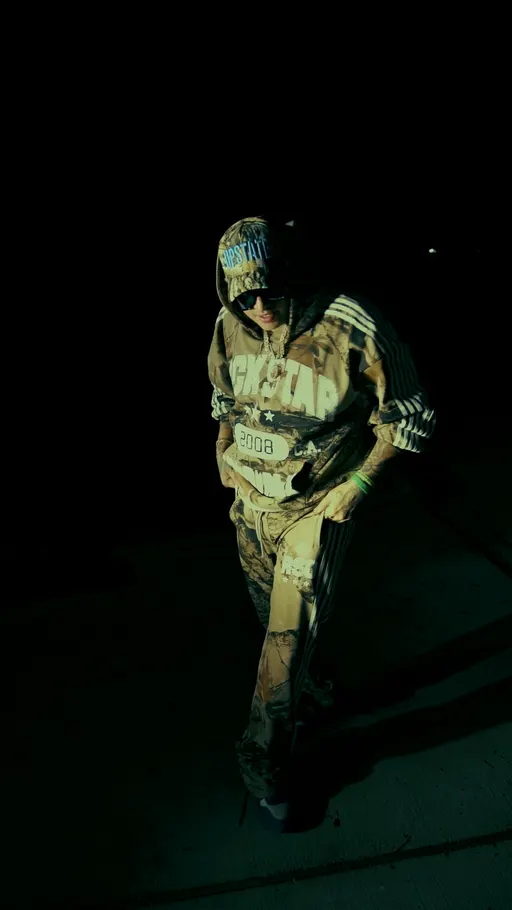
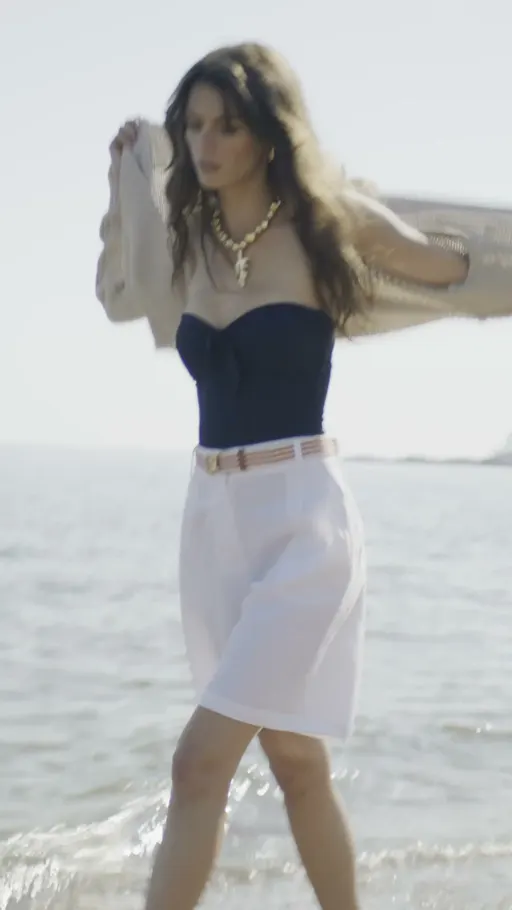
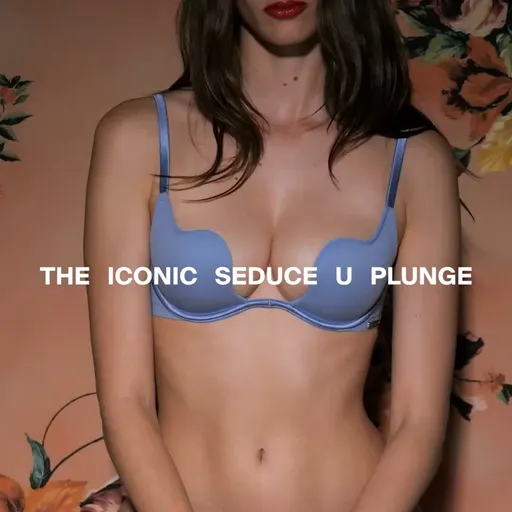
Four ads, four ways to let the picture talk first. SeaVees is the one to copy, because the line gets a product name and a stretch of real days in one plain sentence.
That's the one with room. Now the one with the fewest ads past sixty days.
3. Bold Claim: it says the strongest thing it can say first
What it is. The opening leads with the biggest thing the brand is willing to put in writing. Allbirds starts on “Light, springy, and genuinely comfortable” and leaves the shoe to its headline.
Why it matters to you. 19 brands ran it, more than Visual reveal and fewer than Curiosity gap. Only 24.6% of its sample reached sixty days, the lowest of these three.
What moved. 8.6% in October, 5.5% in September, on 183 ads.
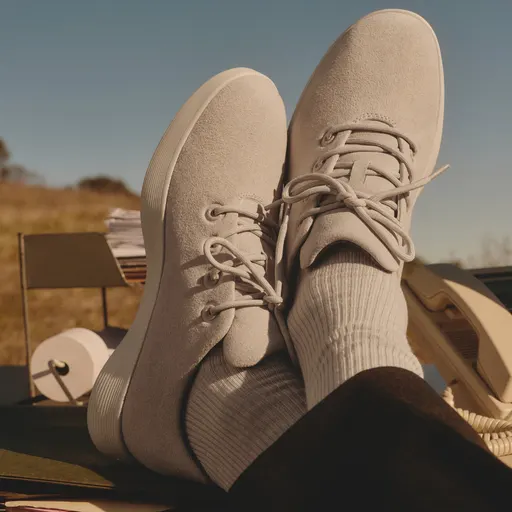
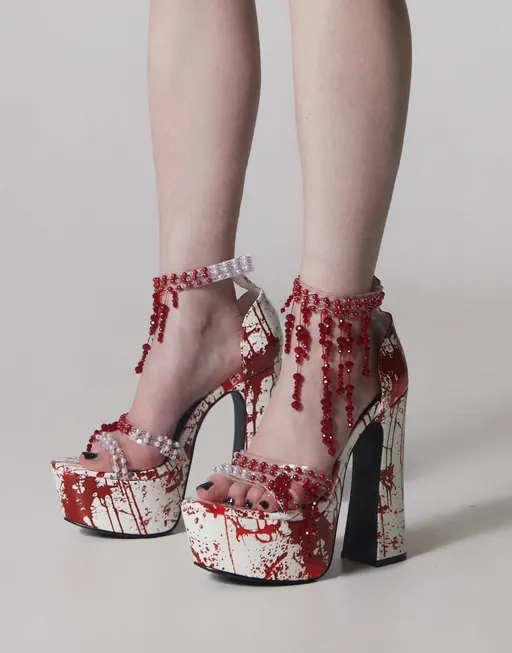
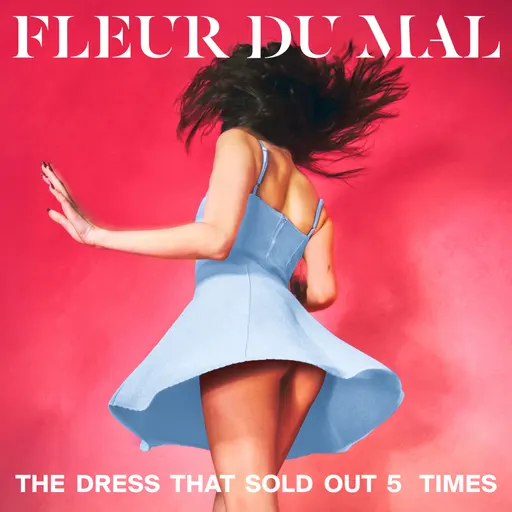
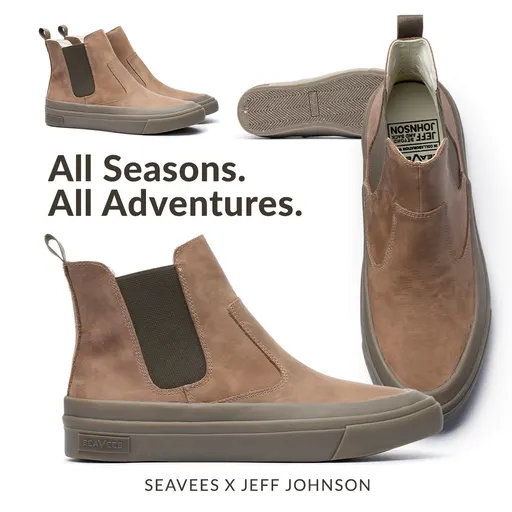
Four ads, four sizes of claim. Allbirds is the one to copy, because the claim is in words a shopper would say out loud and the brand name arrives after it.
That's how ads open. But why would anyone buy?
The top 3 angles: why the shopper should buy
These three carry about 6 in 10 of October's ads, and one of them carries most of that on its own. Below: how crowded each argument is, how many brands make it, and how many of its ads have run sixty days or more.
Source: eCommerceBenchmark Ad Library, 2026.
4. Identity: it tells a shopper who she already is
What it is. The argument is about the buyer rather than the garment: wear this and you are the sort of person who wears this. SKIMS runs “SKIMS FITS EVERYBODY LACE” and lets the product line do the describing.
Why it matters to you. 33 brands made this argument, the widest base in the cut, and 67.5% of its sample reached sixty days. It is the floor your ad stands on.
What moved. 50.3% of October's ads, on 1,072 ads.
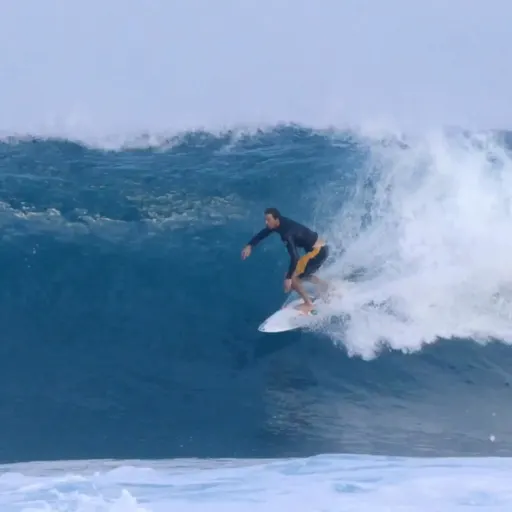
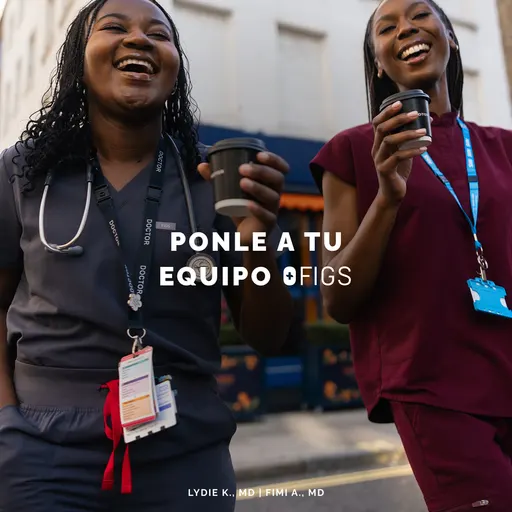
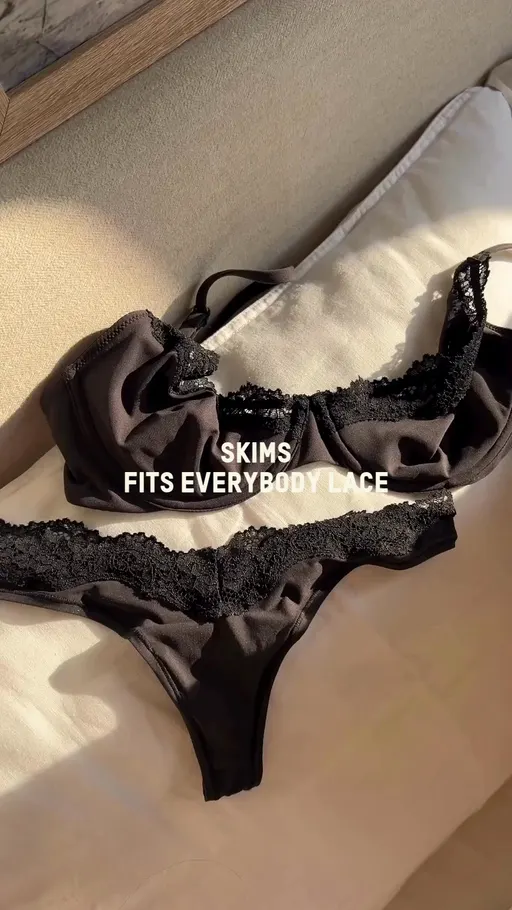
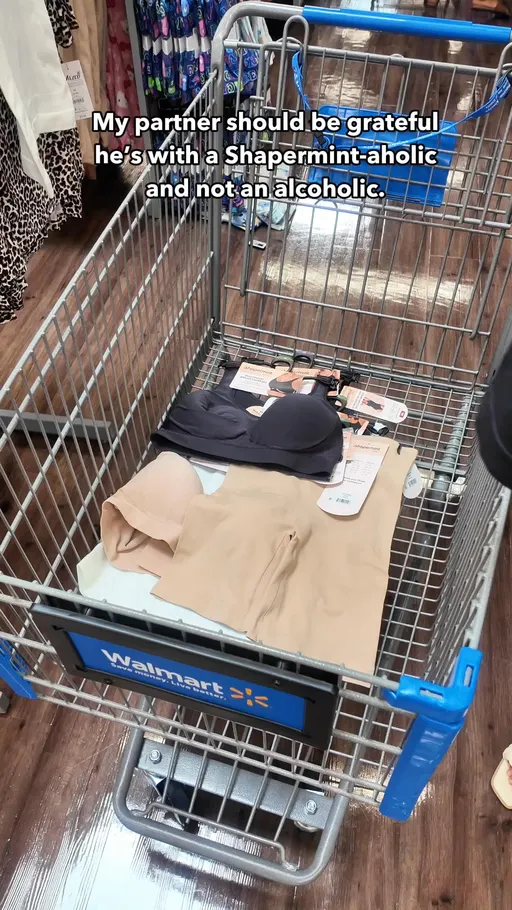
Four ads, four versions of “this is you”. Shapermint goes furthest, putting the brand inside the shopper's own joke: “My partner should be grateful he's with a Shapermint-aholic and not an alcoholic.” That is the one to copy, because the shopper speaks first and the product is only what she happens to wear.
That's the floor. Now the argument for someone already shopping.
5. Solution-Aware: it answers a shopper who already knows what she wants
What it is. The argument starts from a job the shopper has already decided to solve and names the thing that solves it. SeaVees opens on “When You Don't Want High Heels”, which is a decision already half made.
Why it matters to you. 20 brands made it, between Identity and Objection crusher, and 38.7% of its sample reached sixty days, the lowest of these three. So it is a smaller, quicker-turning argument: the place for a test when your product fixes a named problem your reviews keep repeating.
What moved. 6.7% in October, 4.7% in September, on 142 ads. It is the biggest angle move in this cut.
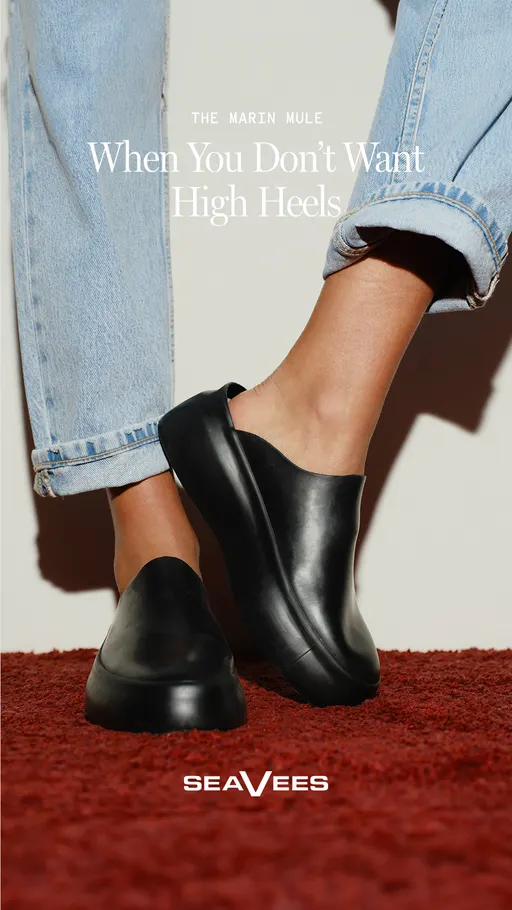
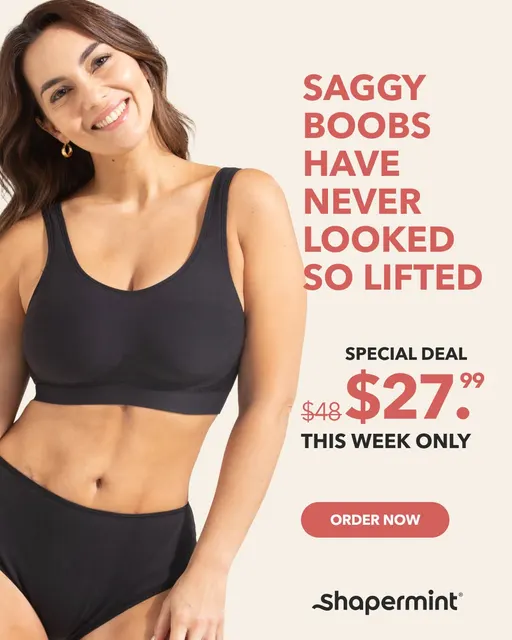
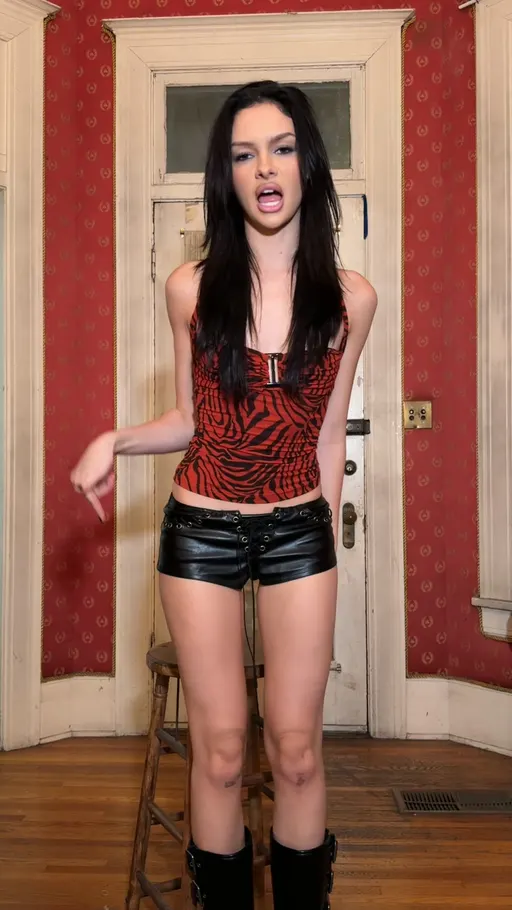
Four ads, four shoppers mid-decision. SeaVees is the one to copy, because the first four words are the shopper's own no, and the product lands after it.
That's the one on a clock. Now the argument that sits longest.
6. Objection Crusher: it answers the doubt before the shopper raises it
What it is. The argument puts the hesitation on screen and settles it in the same breath. SeaVees runs “Here for a good time, not a long time.”, which answers the “will I really wear it” question head on.
Why it matters to you. 19 brands made it, the fewest of these three, and 82.8% of its sample reached sixty days, the highest of the three.
What moved. 4.6% in October, 4.9% in September, on 99 ads. A small move, under half a point, so treat it as a hold and look again next month.
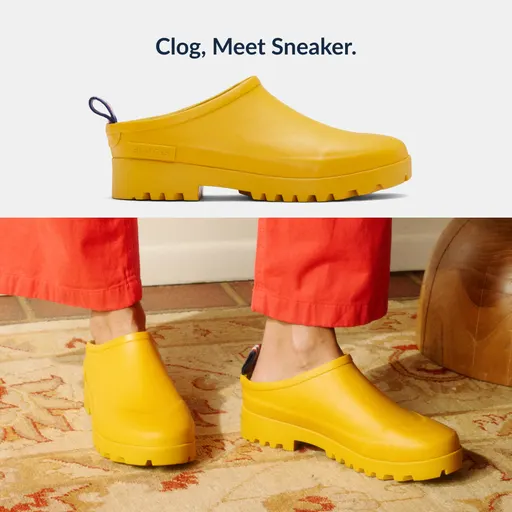
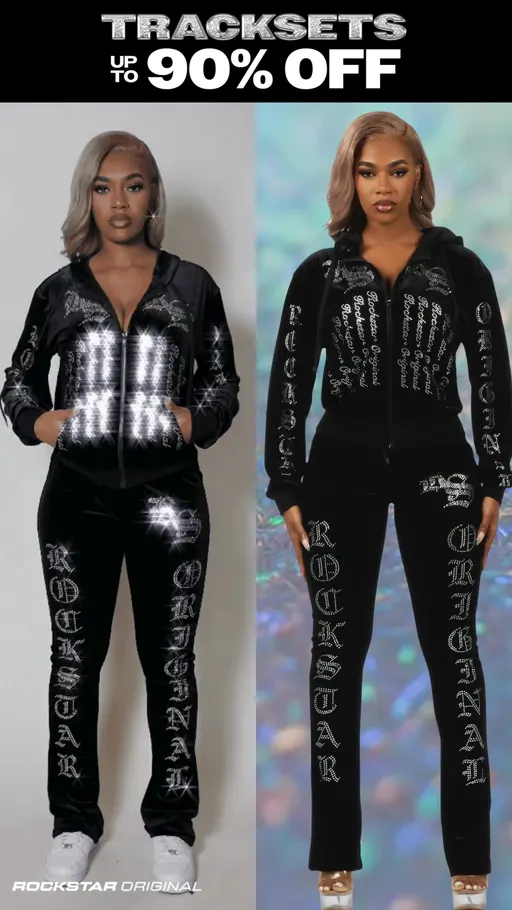
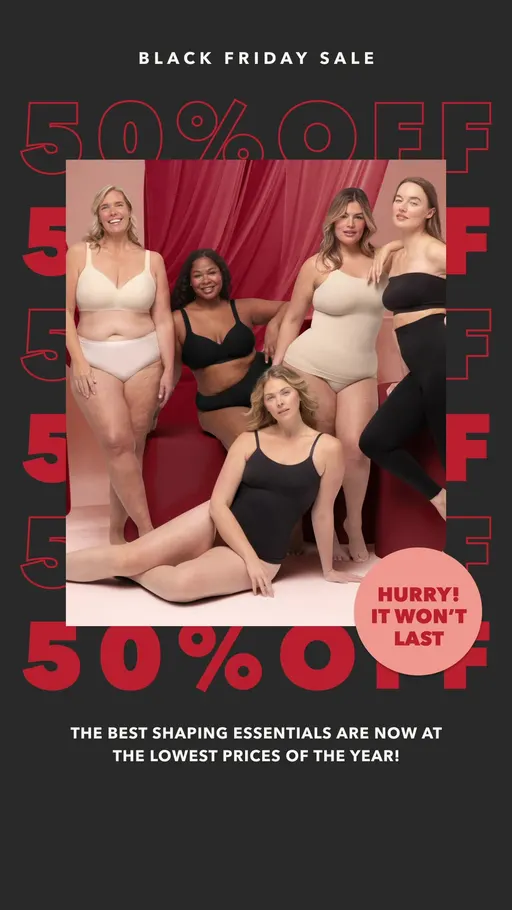
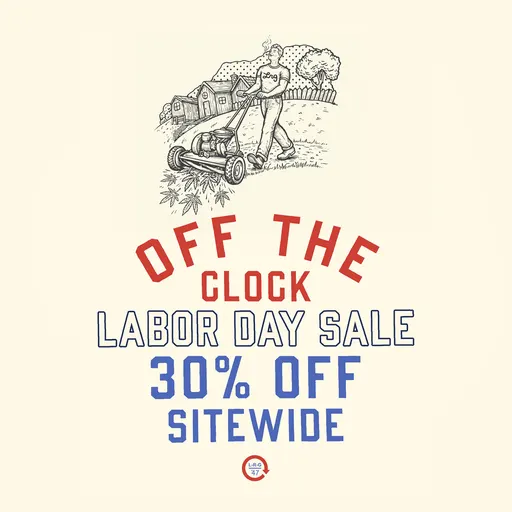
Four ads, four doubts met early. Rockstar Original's is the one to copy, because the shopper learns what is on offer before she learns how much is off it: “TRACKSETS UP TO 90% OFF”.
That's the argument. Now the shape it arrives in.
The top 3 concepts: how the ad looks
A concept is defined as the shape of the creative, how an ad is filmed, laid out or staged. Cinematic B-roll tops the shapes at 15.2% of October's ads, and that is as high as a concept goes here: fewer ads carry a concept than a hook or an angle, so compare concepts only with each other. Together these three stage about 3 in 10 of October's ads.
Source: eCommerceBenchmark Ad Library, 2026.
7. Cinematic B-Roll: it puts the clothes inside a filmed scene
What it is. The clothes are shot inside a place and a moment rather than on a plain backdrop, and the words stay out of the way. Fleur du Mal titles its scene “SUMMER 2026 POPLIN ARRIVALS” and lets the footage do the rest.
Why it matters to you. 20 brands staged it, the widest base of these three, and 44.3% of its sample reached sixty days, between the other two. It is the control shape for this cut: the one your next ad will look like unless the brief says otherwise.
What moved. 15.2% of October's ads, on 323 ads.
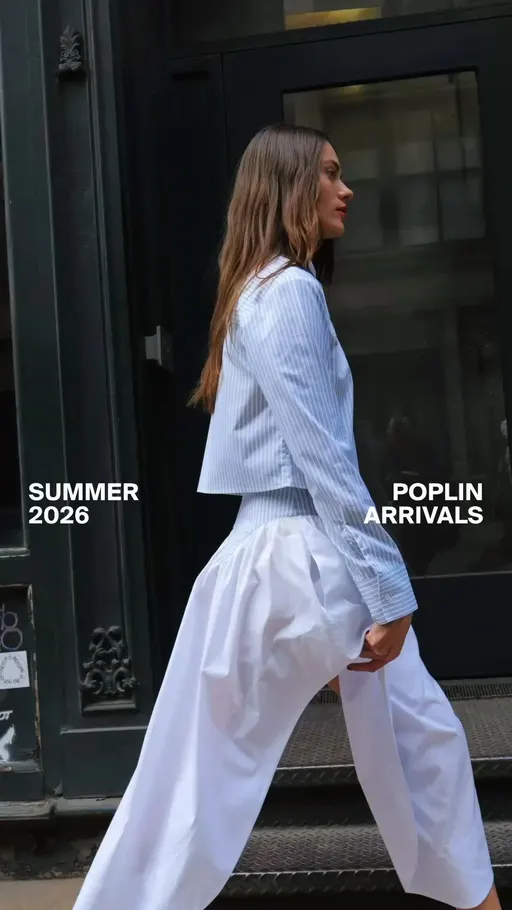
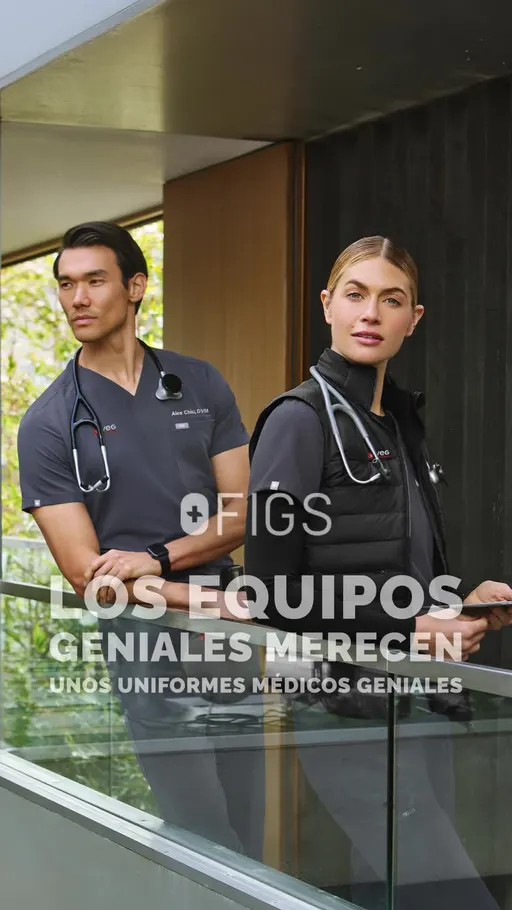
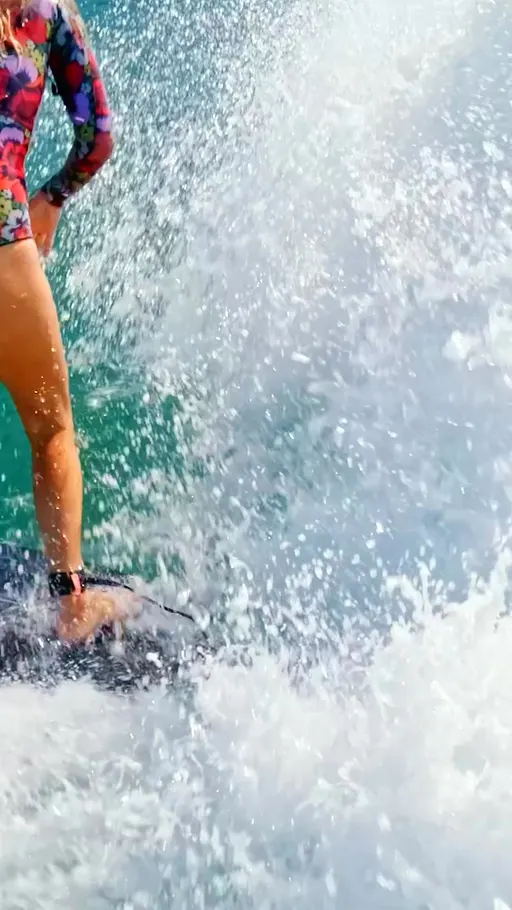
Four ads, four scenes. J.McLaughlin's is the one to copy, because the first words give the shopper a month she is already living in before any garment appears: “July is here and it's looking very, very good”.
That's the control shape. Now the one with the most cuts to swap.
8. Montage: it strings short cuts on one thread
What it is. Many short clips run on one idea, so the thread has to be stated early. Shapermint opens on “Shapermint forgot to turn off their last discount” and hangs the whole run of cuts off that one line.
Why it matters to you. 19 brands staged it, and 28% of its sample reached sixty days, the lowest of these three.
What moved. 11.1% in October, 7.4% in September, on 236 ads. It is the biggest concept move in this cut.
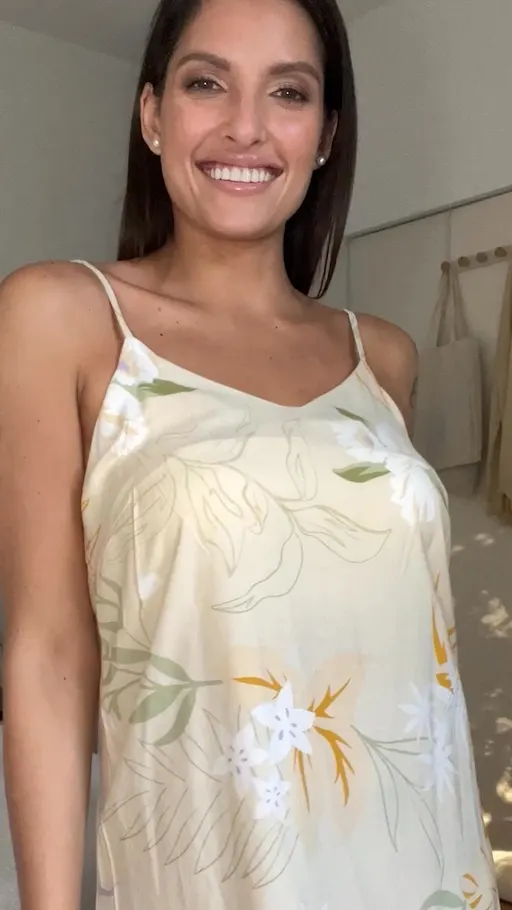
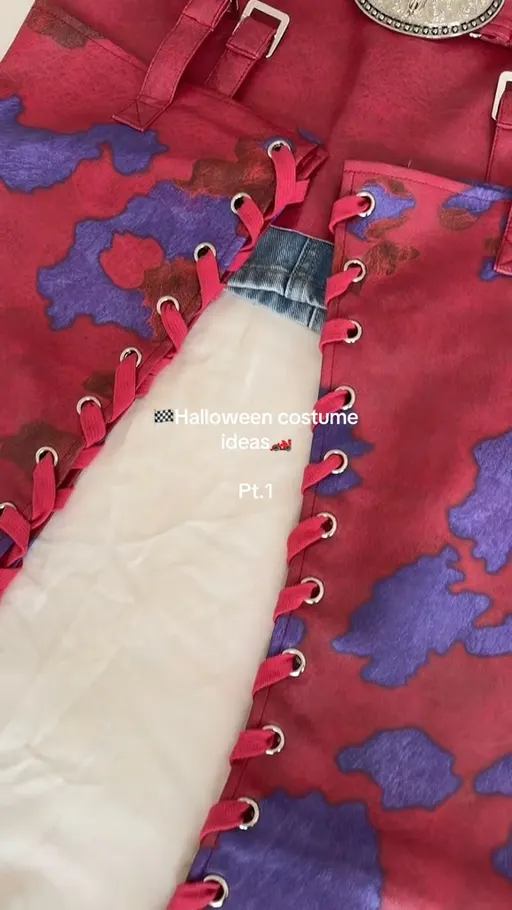
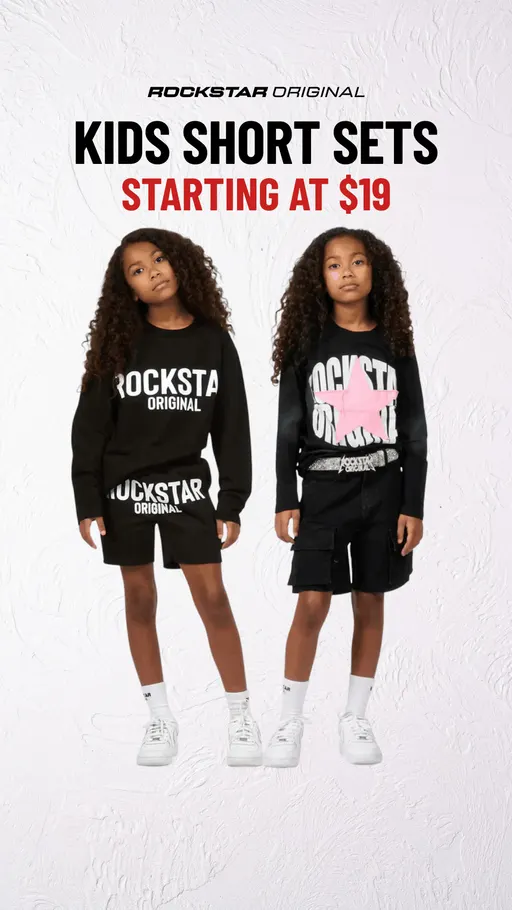
Four ads, four threads. Shapermint's is the one to copy, because the first line gives the shopper a reason to keep watching that is not the product.
That's the busy shape. Now the close one.
9. Product Demo Close-Up: it brings the fabric close enough to judge
What it is. The camera sits close enough that the shopper can judge the stitch, the weave or the hardware herself. Dolls Kill opens on “The weekender bag EVERYONE asks about....” and then shows it at arm's length.
Why it matters to you. 15 brands staged it, the fewest of these three, and 64.6% of its sample reached sixty days, the highest of the three.
What moved. 4.5% of October's ads, from the smallest base of these three shapes.
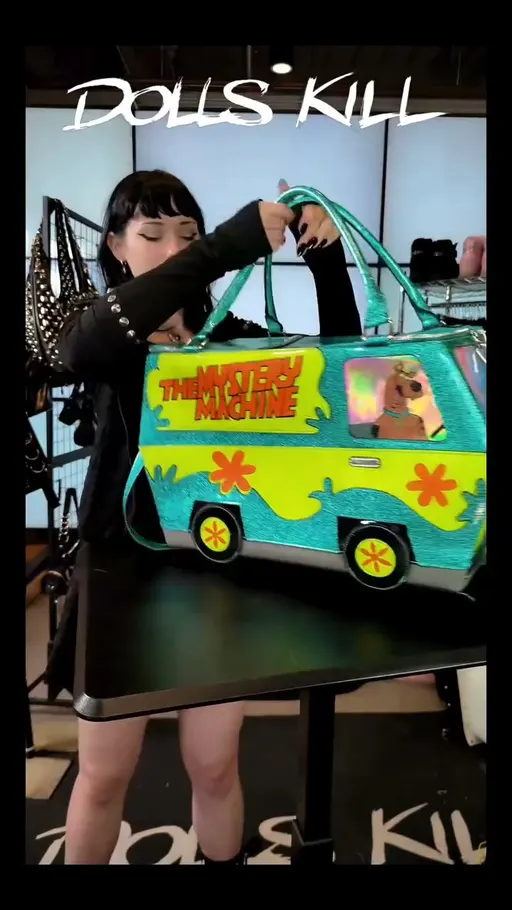
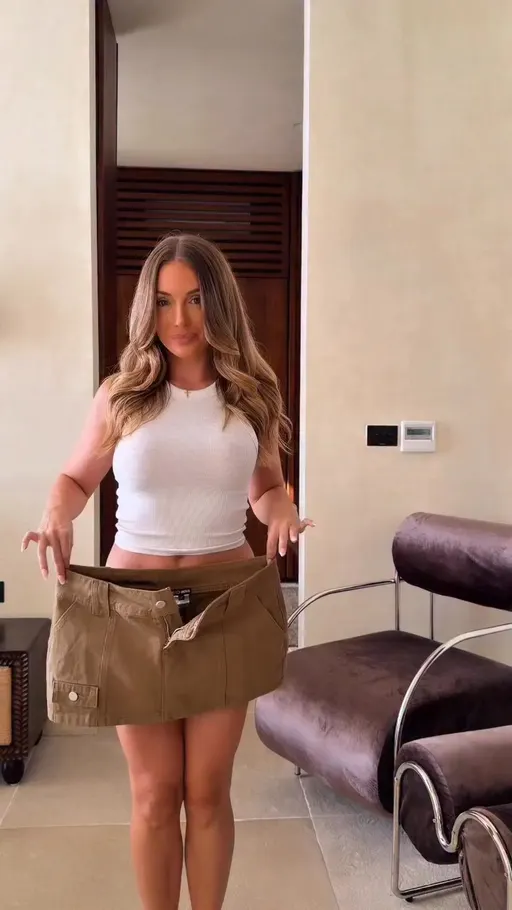
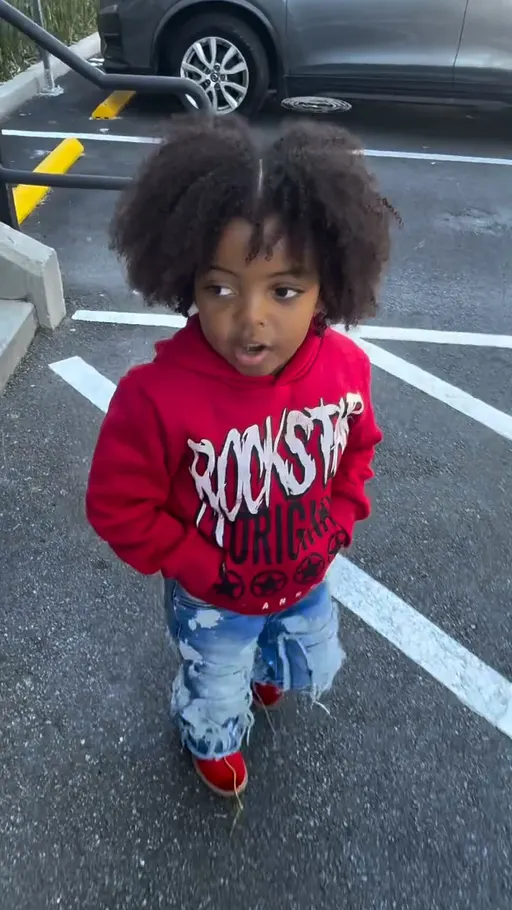
Four ads, four things held up to the lens. Dolls Kill's is the one to copy: thing first, crowd second.
Those are the nine. Now the small rows that moved underneath them.
What actually moved: the small stuff
This October, the movement did not hide underneath the leaders. Of the nine rows above, four rose enough to land in the chart below and two eased, which is why this edition has no quiet top. The other three sit outside it: Identity at 50.3% of October's ads, Cinematic B-roll at 15.2% and Product Demo Close-Up at 4.5%. The rows below are the ones that rose by a fifth of a point or more across the three rankings. Here they are.
Rows of the three rankings that rose by a fifth of a point or more, October 2026 against September 2026, in points. The library labelled more of its ads in October than in September, and that lifts every share a little, so read a small rise with care. Source: eCommerceBenchmark Ad Library, 2026.
The two that eased are Curiosity gap and Objection crusher. Most of the risers are small rows that few brands write for. The reason to care isn't any one of them. It's that several rose in the same cut in the same month. Let's look at three of them in real ads.
Newness: it puts the arrival first
What it is. The opening leads on the fact that the thing is new, and nothing else: SeaVees says “Meet the Marin Mule.” and stops.
Why people respond. A shopper who has scrolled your feed for three months has already decided about everything in it. “New” is the one word that says this is not the thing she passed on in August. That is our reading of the attention, not a claim about sales.
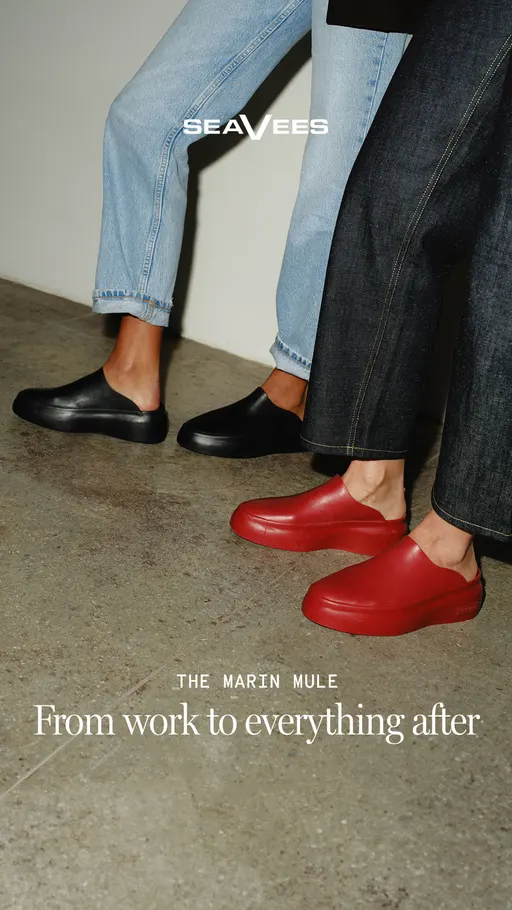
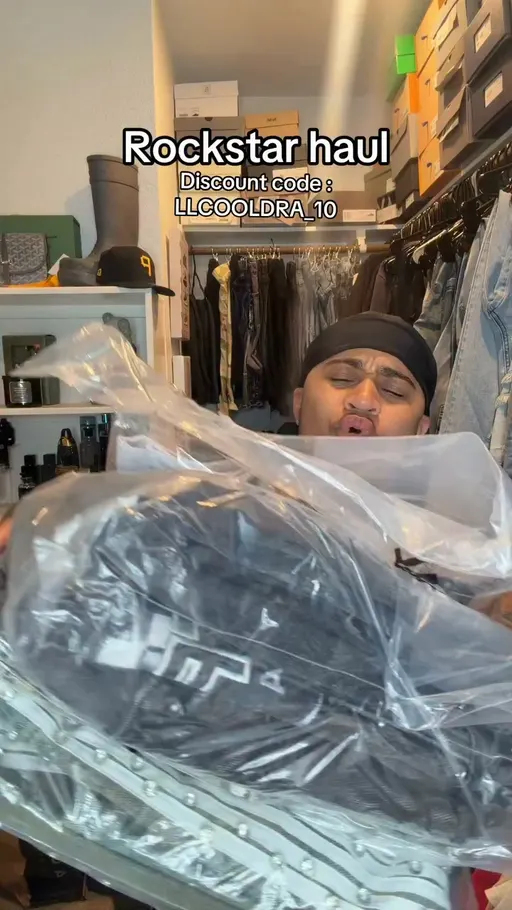
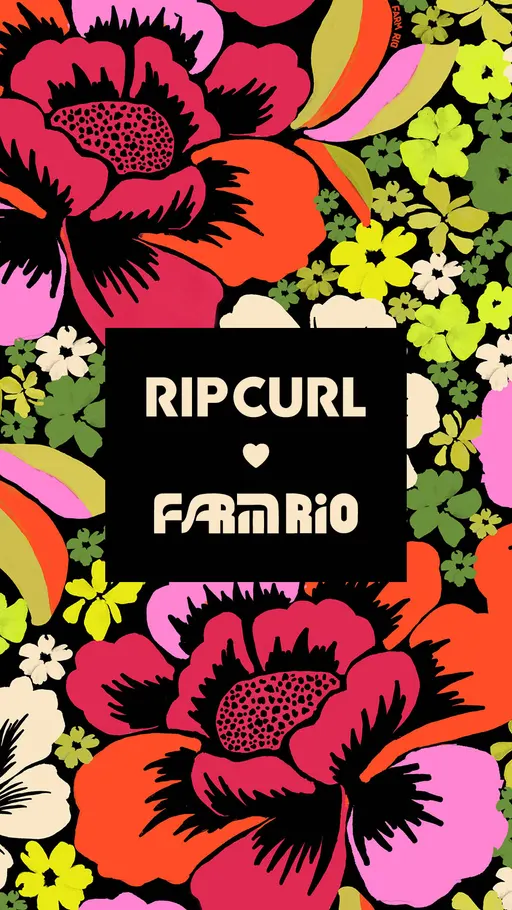
Dolls Kill tells a returning shopper her wait is over with “your wish came true...the top you loved in Obsession is NOW AVAILABLE”. Rockstar Original makes newness a timetable, “New Drops Weekly ⚡️⚡️⚡️”, and Rip Curl lets two names do it: “Rip Curl x FARM Rio”. The row opened 8.1% of October's ads against 5.9% in September, on 172 ads from 19 brands, so it is the widest of the three risers here.
Mechanism: it tells you which part does the job
What it is. The argument points at the working part and names it: Rip Curl argues “Seams that don’t leak”.
Why people respond. A shopper who has bought a jacket that let water in at the shoulder does not want to hear that this one is better. She wants to know which bit is different. That is our reading of the attention, not a claim about sales.
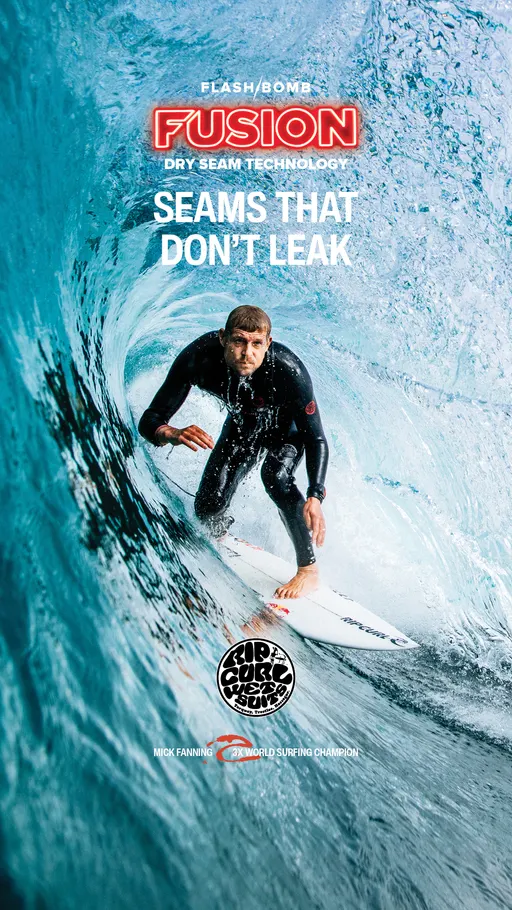
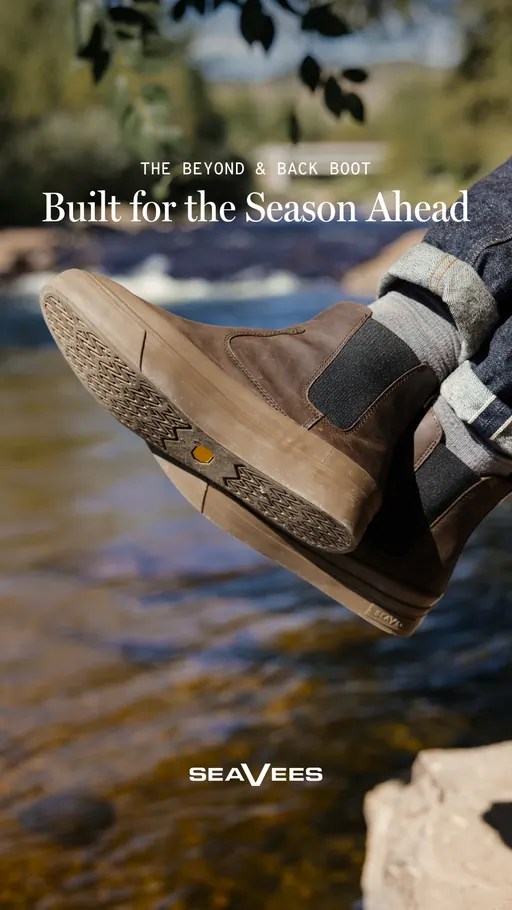
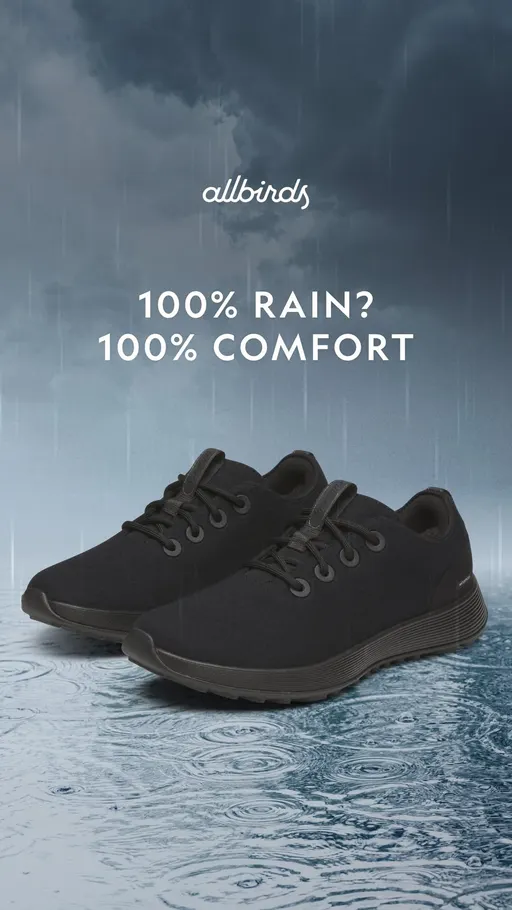
SeaVees makes the part the job itself, “Your go-to, do-everything boot.”, and Allbirds names the material and the property in three words: “Wool, Fully Waterproof”. Mechanism argued 2.2% of October's ads against 0.8% in September, on 46 ads, and 8 brands carry it.
Selfie Talking-Head: one person, one camera, talking straight at you
What it is. One person holds the camera and says the thing, with no scene around it: UNTUCKit opens on “I didn't expect to be obsessed with this shirt”.
Why people respond. It looks like the video a friend sends from a changing room, not the video a brand books a studio for. That is our reading of the attention, not a claim about sales.
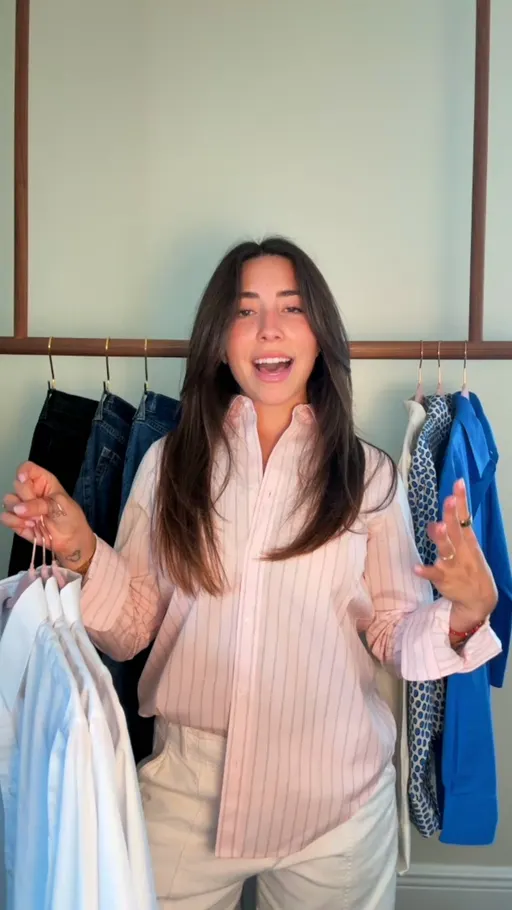
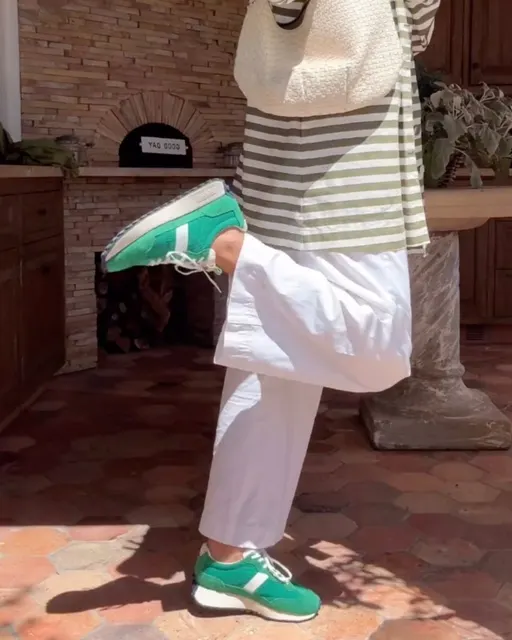
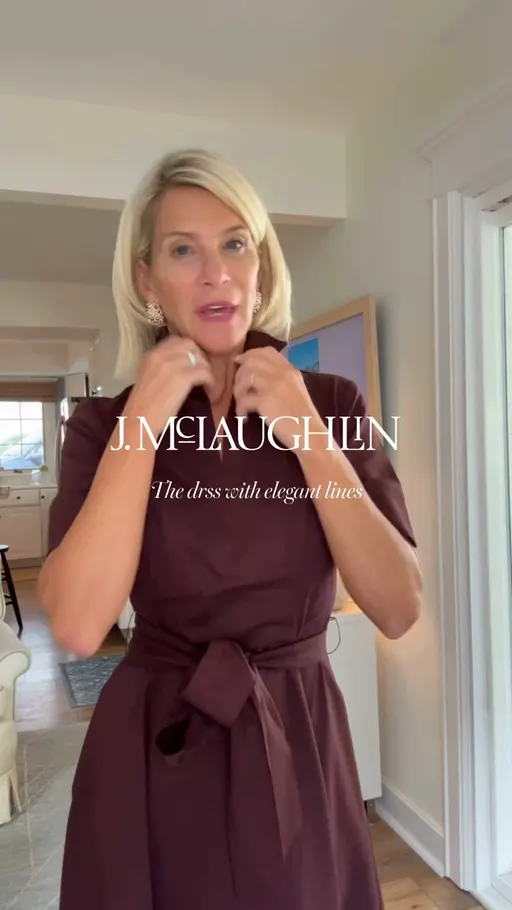
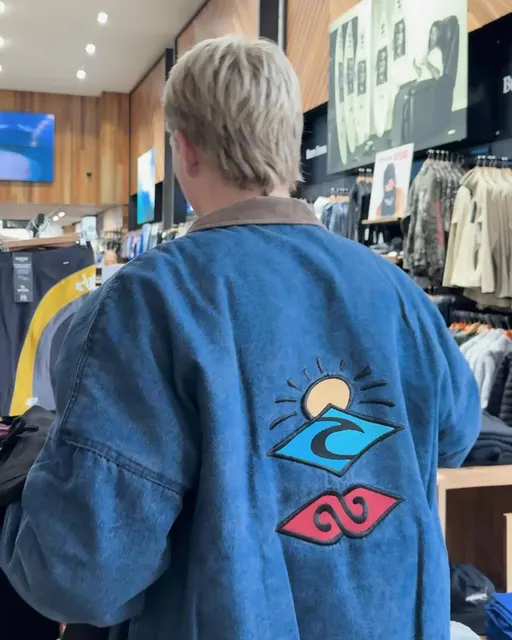
SeaVees starts mid-thought, “Okay, if I'm going to be wearing a trainer, my biggest thing is comfort”. J.McLaughlin opens on an action, “I just picked up this dress out of the box”, and Rip Curl gives an opinion and then turns it: “Not everyone believes in lucky boardshorts. Until they find a pair like this.” The row staged 1.5% of October's ads against 0.5% in September, on 32 ads, and 8 brands carry it.
Newness and Selfie talking-head both rose in October, which makes them worth one test.
One ad to brief this week: the One-Reason First Look
Newness, Mechanism and Selfie talking-head all rose in October, and read together they point at one ad. It opens on an arrival. The middle names the part that does the job, so the shopper has something to check rather than something to believe. The close puts a person on camera, where she is already deciding. That is our suggestion built from the movers, not a finding: the library can't say it will work, which is what the test is for.
The format. A vertical video of about fifteen seconds in four clips: one for the arrival, two for the working part shown close, one for a person talking to camera.
The hook. Model the first clip on SeaVees' “Meet the Marin Mule.”: the product name and nothing else on screen, no adjective, no offer.
The middle. Model the next two clips on Rip Curl's “Seams that don’t leak”: name one part and show that part, not the whole garment.
The close. Model the last clip on UNTUCKit's “I didn't expect to be obsessed with this shirt”: one face, one opinion, said plainly.
The test. Run it against your best ad on Curiosity gap, the cut's leading hook, on the same audience and the same budget split, for two full weeks, judged on cost per purchase.
The eCommerceBenchmark Ad Library sorts your ads into the same hooks, angles, concepts and offers used in this report and shows your mix next to the market, so you can see which shapes you have never shipped.
Audit my creatives, freeOne catch before you run off.One catch before you run off. Everything above is the whole of US Fashion & Apparel. Your own corner of it might look nothing like it.
Why you need to know the hooks in your niche
A row that is crowded across all of US Fashion & Apparel can be empty in your own corner of it. Your product line, your price point, your shopper: none of those are the cut. And the row you think is yours alone can be the one all five of your competitors opened with last week, because this cut holds 40 brands.
- Shoppers tune out an opening they meet over and over. Curiosity gap opened 434 of October's ads in this cut, so a shopper in the market for apparel has met the held-back payoff more times this month than she can count.
- When every ad sounds the same, price is all that is left to compare. Identity argued 50.3% of the month's ads, and once half the feed is telling her who she is, the only thing separating two shirts is the number.
- A different opening costs the same to write. Visual reveal is one line on a brief and 15 brands are in it.
- Different isn't the same as right. Selfie talking-head staged 1.5% of the month's ads, which is a reason to test one ad into it, not to move the account there.
Your 30-minute check
- Collect. Pull twenty current ads from your five closest competitors in the free Meta Ad Library.
- Label. Write down each ad's hook, angle and concept, one line per ad.
- Count. The row that shows up most is your niche's crowded row; across US Fashion & Apparel, that's the Curiosity gap.
- Find the gap. The row that shows up least, or never; check it against the movers above.
- Brief one test. One ad for the empty row, run against your control for two full weeks.
Want every number? Here are the full rankings.
The full rankings: hooks, angles and concepts
Use these three as worksheets, not scoreboards. The hooks run from Curiosity gap down to Confession, the angles from Identity down to Comparison, the shapes from Cinematic B-roll down to Behind-the-Scenes: write your own count beside each row, from your last month of apparel ads or from your competitors' current ones. The rows where your own count is highest are the ones you are actually competing in, whatever the share of this cut says.
| Hook | October share | September share | Change |
|---|---|---|---|
| Curiosity gap | 20.4% | 24.3% | ▼ 3.9 |
| Visual reveal | 12.2% | 7.6% | ▲ 4.6 |
| Bold claim | 8.6% | 5.5% | ▲ 3.1 |
| Newness | 8.1% | 5.9% | ▲ 2.2 |
| Urgency / FOMO | 5% | 4.8% | ▲ 0.2 |
| Authority | 3.9% | 4.8% | ▼ 0.9 |
| Price anchor | 2.8% | 1.9% | ▲ 0.9 |
| Relatability | 2.4% | 2.1% | ▲ 0.3 |
| Direct question | 2.4% | 1.9% | ▲ 0.5 |
| Shocking statement | 0.5% | 0.6% | ▼ 0.1 |
| Contrarian | 0.2% | 0.1% | ▲ 0.1 |
| Confession | 0.2% | 0.1% | ▲ 0.1 |
| Angle | October share | September share | Change |
|---|---|---|---|
| Identity | 50.3% | 48.5% | ▲ 1.8 |
| Solution-aware | 6.7% | 4.7% | ▲ 2.0 |
| Objection crusher | 4.6% | 4.9% | ▼ 0.3 |
| Problem-aware | 3.4% | 4.4% | ▼ 1.0 |
| Social proof | 2.6% | 2.5% | ▲ 0.1 |
| Mechanism | 2.2% | 0.8% | ▲ 1.4 |
| Comparison | 1.3% | 1.3% | 0 |
| Concept | October share | September share | Change |
|---|---|---|---|
| Cinematic B-roll | 15.2% | 11.4% | ▲ 3.8 |
| Montage | 11.1% | 7.4% | ▲ 3.7 |
| Product Demo Close-Up | 4.5% | 3.7% | ▲ 0.8 |
| Offer-first banner | 2.6% | 2% | ▲ 0.6 |
| Selfie talking-head | 1.5% | 0.5% | ▲ 1.0 |
| Customer Testimonial Reel | 0.9% | 0.6% | ▲ 0.3 |
| Grid swap | 0.8% | 0.6% | ▲ 0.2 |
| UGC Unboxing | 0.8% | 0.8% | 0 |
| POV | 0.8% | 0.3% | ▲ 0.5 |
| Side-by-Side Comparison | 0.4% | 0.4% | 0 |
| Listicle | 0.3% | 0.3% | 0 |
| Behind-the-Scenes | 0.3% | 0.2% | ▲ 0.1 |
Your test card
Here is the One-Reason First Look set up the way a media buyer would run it, against your best ad on Curiosity gap. Write your own numbers in before you launch, not after.
| Hypothesis | The One-Reason First Look, run beside my best Curiosity gap ad, will hold or lower my cost per purchase over two full weeks without taking budget from the control. |
| Change only this | The whole creative: the One-Reason First Look, arrival first, working part named in the middle, one person to camera at the close. |
| Keep the same | Product, offer, audience, placement and budget split. |
| Funnel stage | Say first whether this ad is for prospecting (cold) or retargeting (warm). A deal in the first line is often right for warm audiences and wrong for cold ones, so test it where the ad will really run. |
| Setup | One control and one variant, same audience, same placement, even budget split. Do not edit either ad while the test runs. |
| How long and how much | Until each version has about 50 purchases, or two full weeks, whichever comes later. This is general testing practice (Meta's own learning-phase guideline is about 50 results per ad set per week), not a library finding. |
| Success metric | Cost per purchase, not clicks. |
| Stop rule | Pause a variant that has spent about 3 times your target cost per purchase with no purchase. If it is close, keep it running. |
| What counts as a win | The variant beats the control on the metric by an amount you would act on, and still does in a second week. |
October 2026 US Fashion & Apparel ads: what to brief next
- Curiosity gap opened 20.4% of October's US Fashion & Apparel ads, Visual reveal 12.2% and Bold claim 8.6% [eCommerceBenchmark Ad Library, 2026]: that is the lane every brief lands in by default.
- Identity argued 50.3% of the month's ads, Solution-aware 6.7% and Objection crusher 4.6%, so the three together carry about 6 in 10 of them.
- Cinematic B-roll staged 15.2%, Montage 11.1% and Product Demo Close-Up 4.5%, compared only with each other.
- Staying power splits the month: 96.1% of Curiosity gap's sample ran sixty days or more, the most of its three hooks, while 28% of Montage's did, the least of its three concepts.
- Small rows rose by a fifth of a point or more, and the three worth a look are Newness at 8.1%, Mechanism at 2.2% and Selfie talking-head at 1.5%, carried by 19, 8 and 8 brands.
- Before you brief anything, label twenty competitor ads by hook, angle and concept, and test into the row your own list never shows.
US Fashion & Apparel ad benchmarks: common questions
Keep one ad on Curiosity gap, the opening that carried 20.4% of October's US Fashion & Apparel ads, and leave it funded. Then brief exactly one new ad, the One-Reason First Look, and run it against that control on the same audience and the same budget split for two full weeks. Judge it on cost per purchase. One control, one test, one number at the end of the fortnight: that is a decision you can defend in a meeting, which is more than a stronger first line has ever given you.