US Food & Drinks Ads, October 2026: A Rising Hook, Backed by a Handful of Brands. Real Trend or Mirage?

Scope: Food & Drinks ads in the US, as the eCommerceBenchmark Ad Library tracks them. 15 brands, 816 ads active in October 2026, compared with September 2026.
Most ad reports rank what is popular. Then the ranking just sits there.
This one tells you what to do with the ranking.
For each of October's top three hooks, top three angles and top three concepts in US Food & Drinks, you get the same five things: what the row is, why it matters to you, what moved since September, which brands ran it in their own words, and one thing to steal. Nine moves, nine things to steal. In this cut the default brief still opens on Curiosity gap, still argues Problem-aware and still stages Product Demo Close-Up. After the nine, the small rows that actually grew, and one ad to brief this week.
- A brief decides three things, not one. You pick an opening, an argument and a shape. Name only the opening and the person holding the camera picks Problem-aware and Product Demo Close-Up for you, because that is where this cut already sits.
- The default opening is the one shoppers meet all month. Here it is Curiosity gap, so an ad that teases its payoff is standing in the busiest doorway in US Food & Drinks.
- The defaults differ on staying power. In the longevity sample, Problem-aware ads sat past sixty days far more often than Bold claim ads did, and Bold claim is the one of the two that rose this month.
But first, three words that most briefs mix up.
Hook, angle, concept: three different jobs
Hand a studio a brief in this cut with only the first line filled in and you get Curiosity gap laid over Problem-aware inside a Product Demo Close-Up, because that is the lane the month already sits in. Name one of the three and the other two are left to chance. The person who shoots it fills the gaps, and they fill them with whatever they shot last time.
| Word | In one line | Plain example |
|---|---|---|
| Hook | The first move an ad makes to stop a scroll: its first line or first seconds. | "I kept the receipt. Here's why." |
| Angle | The reason the ad gives a shopper to buy. | "One tin lasts a month of mornings." |
| Concept | The shape of the creative: how it is filmed, laid out or staged. | One hand, one kettle, one mug, filmed from above |
The plain examples are made up to show the idea.
How to read a rise or a fall
Beside each row below you get its share of the 816 US Food & Drinks ads active in October, how that share sat in September, and how many brands ran it.
- Rising. A bigger share of the month's ads uses it. Brands may be copying each other or testing a gap, and either way the row gets busier: Solution-aware argued 15.2% of October's ads against 11.2% in September.
- Falling. A smaller share uses it. That does not mean it failed, and nothing here records a brand stopping an ad: Product Demo Close-Up staged 27.2% of October's ads against 29.3% in September.
- Flat. The share held, so treat the row as a stable baseline: Named enemy argued 0.1% of this cut's ads in both months.
- Small. A move under half a point is small, so check the brand count, because a handful of advertisers launching a batch can carry it: Visual reveal opened 1.6% of October's ads against 1.4% in September, on four brands.
One more rule. A bigger share does not mean a row works better. This library holds no sales, spend or profit data, so it shows what brands ran, not what any of it earned. Each row also carries the share of its ads that ran sixty days or more, and because the library keeps long-running ads first the numbers read high. Read them as a staying-power hint. Curiosity gap opened 23.8% of October's ads, and 87.6% of its ads ran sixty days or more.
Ready? Start with how ads open.
The top 3 hooks: how ads open
Together, these three open nearly half of October's ads. The section shows how crowded each opening is, and how long its ads sat in the longevity sample.
Source: eCommerceBenchmark Ad Library, 2026.
1. Curiosity Gap: it leaves one question open on purpose
What it is. The opening names something and keeps the answer for the next line. cometeer.com starts on “I will never use my Nespresso again” and leaves the reason to the rest of the ad.
Why it matters to you. This is the busiest opening in the cut, and 87.6% of its sample ads ran sixty days or more. Twelve brands already open there, so treat it as the safe base: your tease sits beside twelve brands' teases.
What moved. 23.8% in October, 24.4% in September. The leader gave a little back.
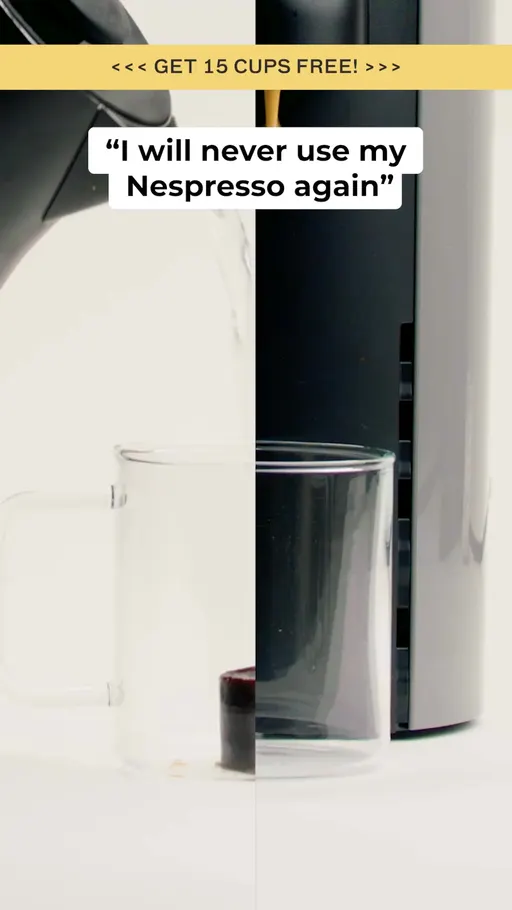

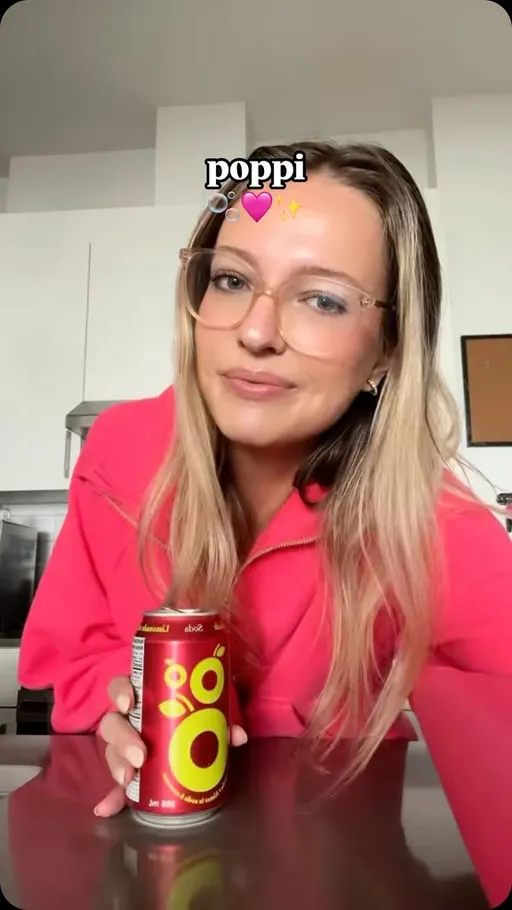
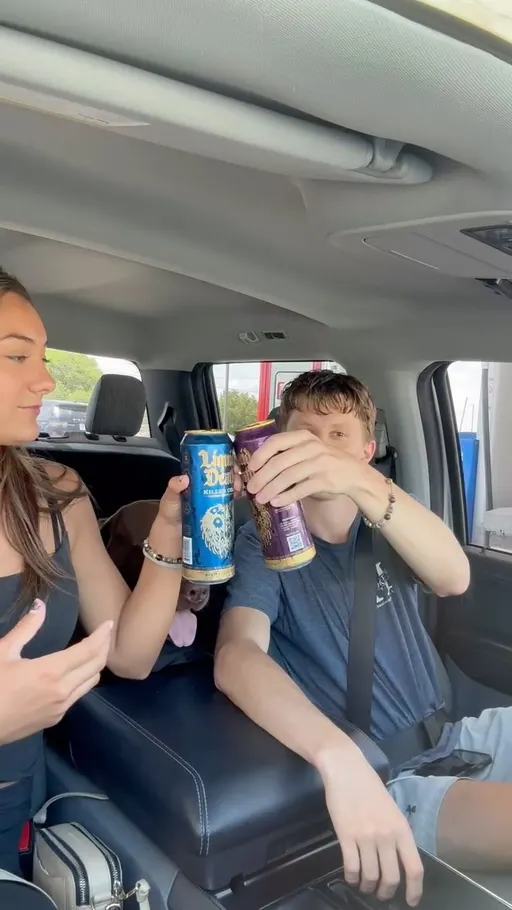
Four ads, four ways to hold something back. cometeer.com puts a buyer's verdict first and never names the product. seattlecoffeegear.com asks “Ever wonder what makes up my new home setup?” and keeps the kit list for later. The cometeer.com line is the one worth copying: a sentence a customer would say, with the brand kept out of the first words.
That is the crowded doorway. Now the one that sounds like a text from a friend.
2. Relatability: it sounds like something a friend would say
What it is. The opening starts inside the shopper's own morning. skoutorganic.com begins on “My 16 month old still hasn't had refined sugar.” and only then gets to the bar.
Why it matters to you. It is the second lane here, on nine brands, and 89.8% of its sample ads ran sixty days or more. Busy, easing a little, and worth one funded ad.
What moved. 15.6% in October, 16.1% in September. A small step back.
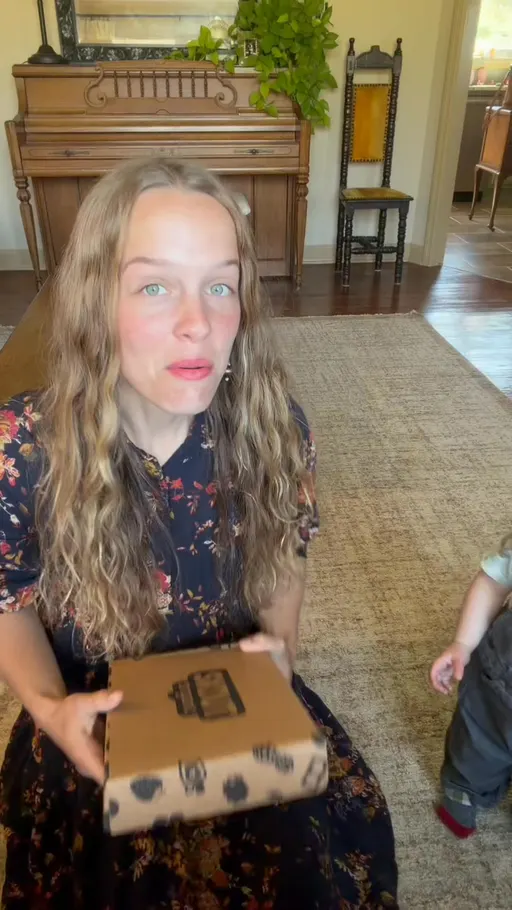
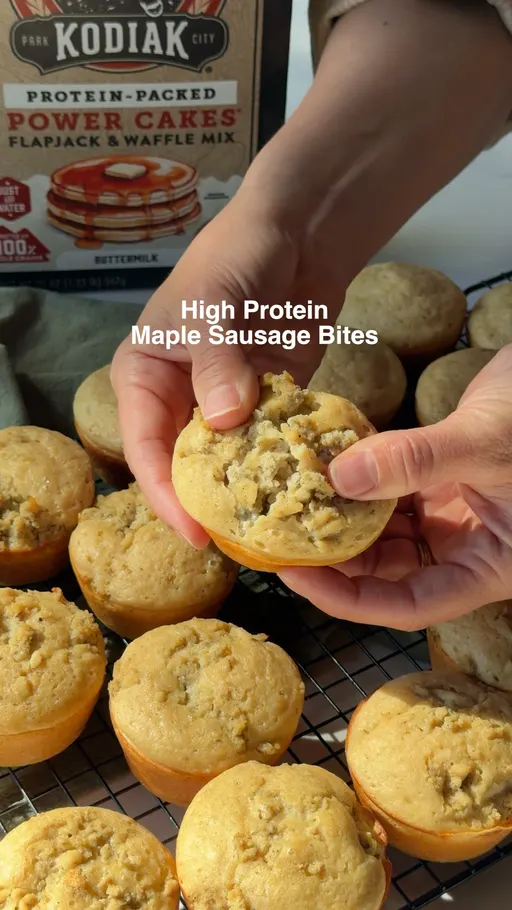
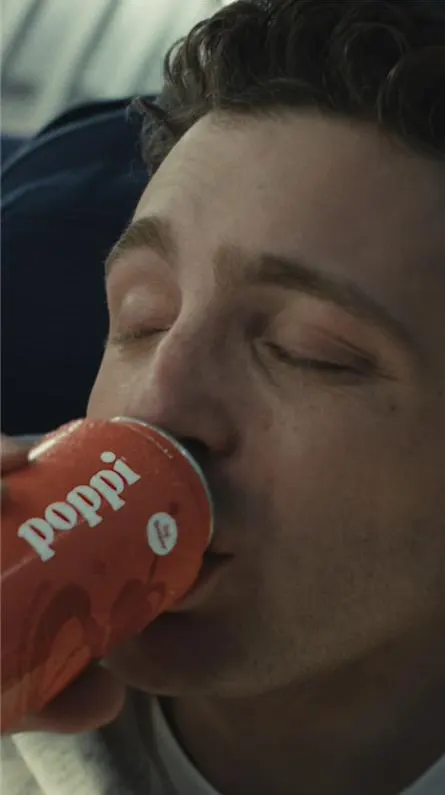
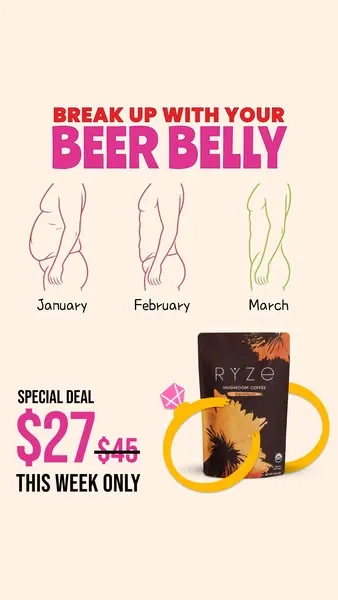
Four ads, four everyday details. skoutorganic.com leads on one household fact. kodiakcakes.com says “Busy mornings just got easier.” and names the problem plainly. The skoutorganic.com line is the one to copy, because only a parent could have written it.
That is the friendly one. Now the loud one.
3. Bold Claim: it states the whole promise before any proof
What it is. The whole promise lands first. ryzesuperfoods.com opens on “Pour Yourself a Better Cup of Coffee ☕️” with no proof in the line at all.
Why it matters to you. It is the smallest of the three and the narrowest, on four brands, and 31.4% of its sample ads ran sixty days or more. So it is the lane with room, and the one you should expect to write again.
What moved. 8.6% in October, 6% in September, and it shows in the movers chart too. Our reading: four brands can lift a row this size on their own. The data records the share, not the reason.
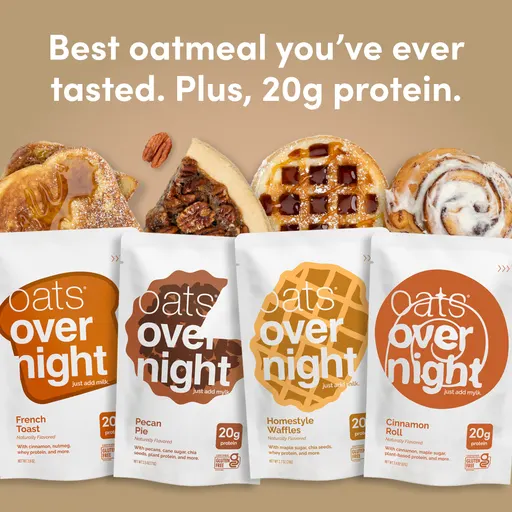
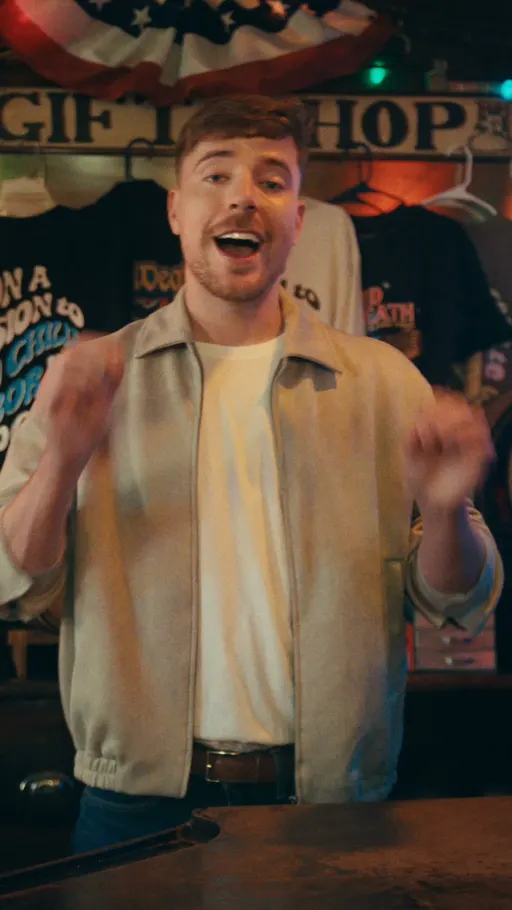
Three ads, three promises up front. ryzesuperfoods.com promises a better cup. oatsovernight.com stacks the whole spec into “Spoon-free oatmeal. 20g Protein. 30+ flavors”. The ryzesuperfoods.com order is the copyable one: claim first, category second.
That is how ads open. But why would anyone buy?
The top 3 angles: why the shopper should buy
Together, these three carry about half of October's arguments. The section shows how crowded each one is, and how long its ads sat in the longevity sample.
Source: eCommerceBenchmark Ad Library, 2026.
4. Problem-Aware: it names the thing already bothering the shopper
What it is. The argument starts on what the shopper is already trying to fix. seattlecoffeegear.com opens on “Do you love coffee and want to learn more about making it right at home?”, which is the trouble and the wish in one line.
Why it matters to you. It is the busiest argument in the cut, on eleven brands, and 96.6% of its sample ads ran sixty days or more. This is the base argument, not a gap.
What moved. 24.9% in October, 27.2% in September. The biggest argument in the cut eased, while Solution-aware and Identity each took a bigger share than in September.
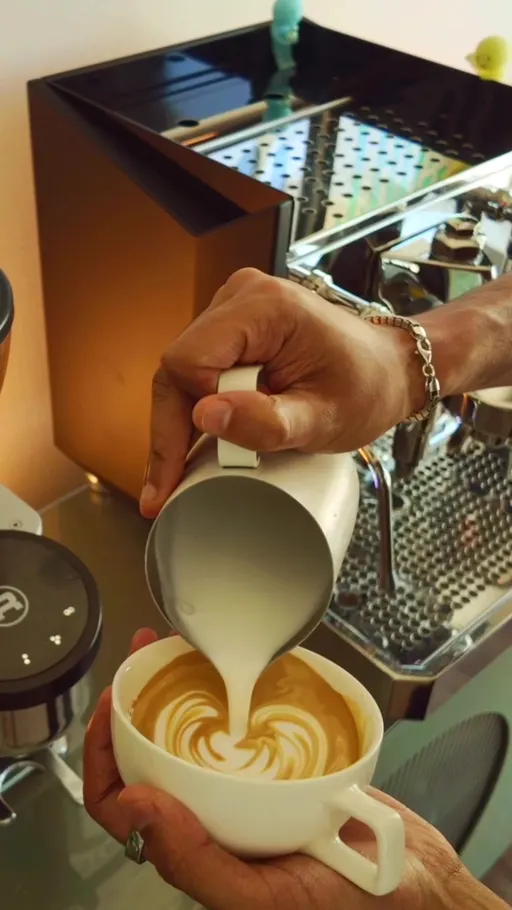
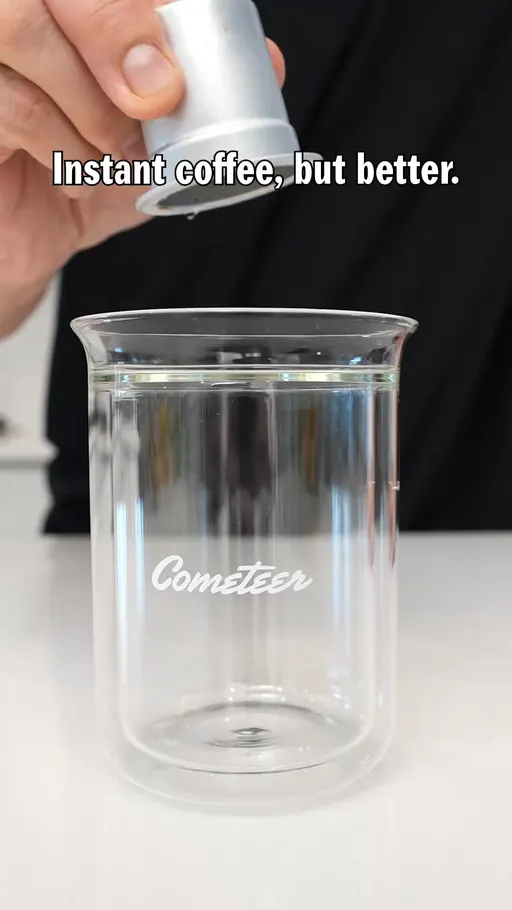
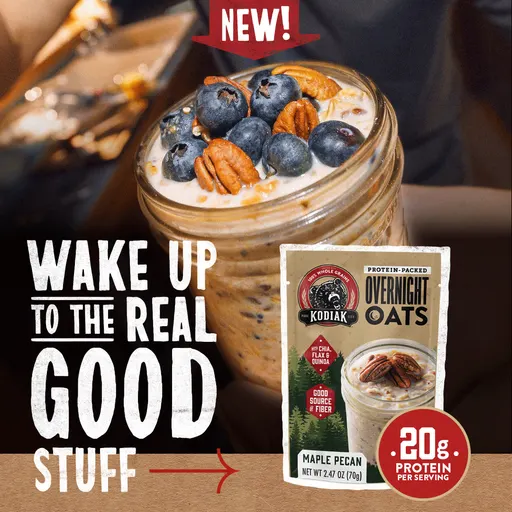
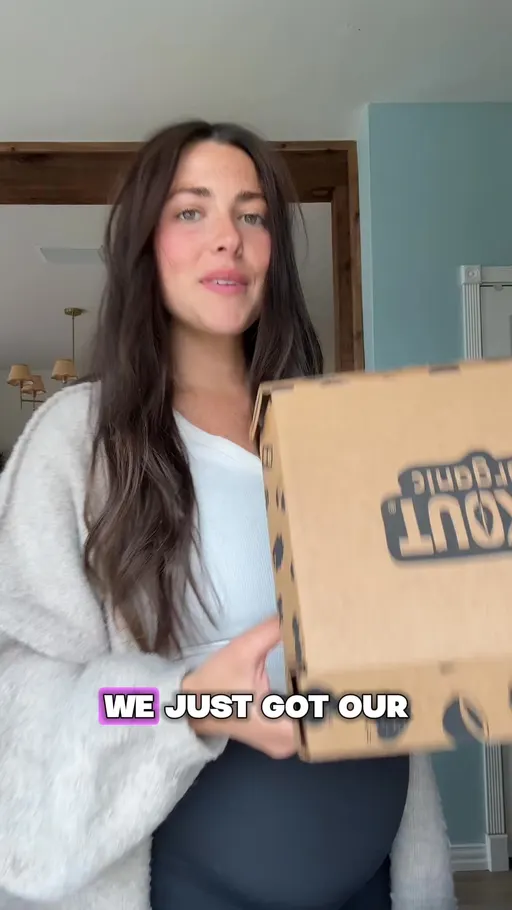
Four ads, four ways to start on the shopper's trouble. seattlecoffeegear.com names the home-brewing wish. cometeer.com answers an old complaint in one line, “Instant coffee, but better.” seattlecoffeegear.com is the one to copy, because the product is nowhere in the first line.
That is the base argument. Now the one whose share rose most.
5. Solution-Aware: it talks to someone already shopping for a fix
What it is. The argument assumes the shopper is already looking. denstea.com opens on “Let's make Matcha Rice Crispy Bars” and treats the product as a step in a job.
Why it matters to you. Second of the three in share, on seven brands, with 46.8% of its sample ads past sixty days. Busy and still rising, so many of its ads are too new to have got there.
What moved. 15.2% in October, 11.2% in September, the largest rise on any of the three ladders, and it leads the movers chart. Our reading: seven brands is a thin base for a row this big. The data records the share, not the reason.
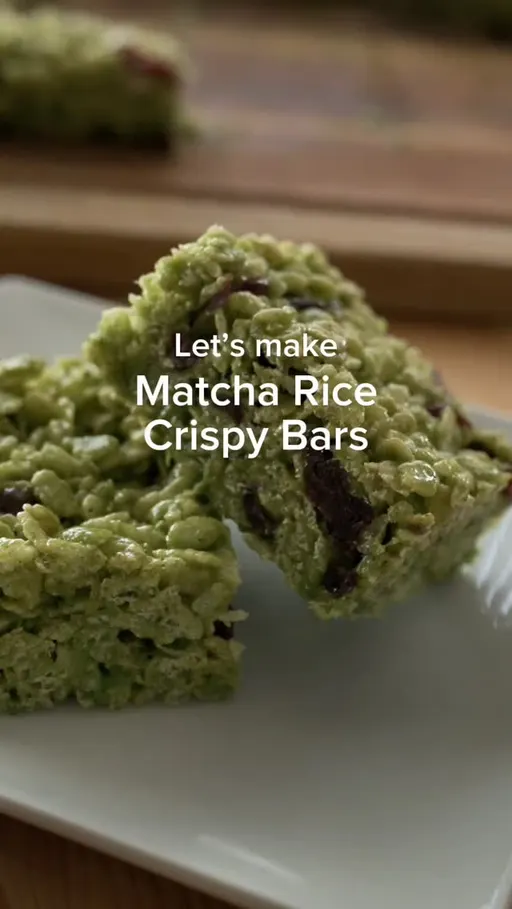
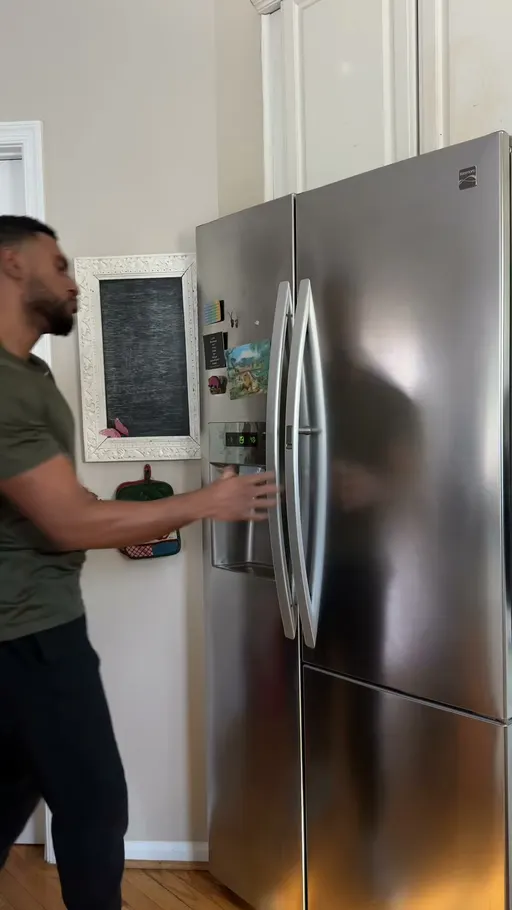

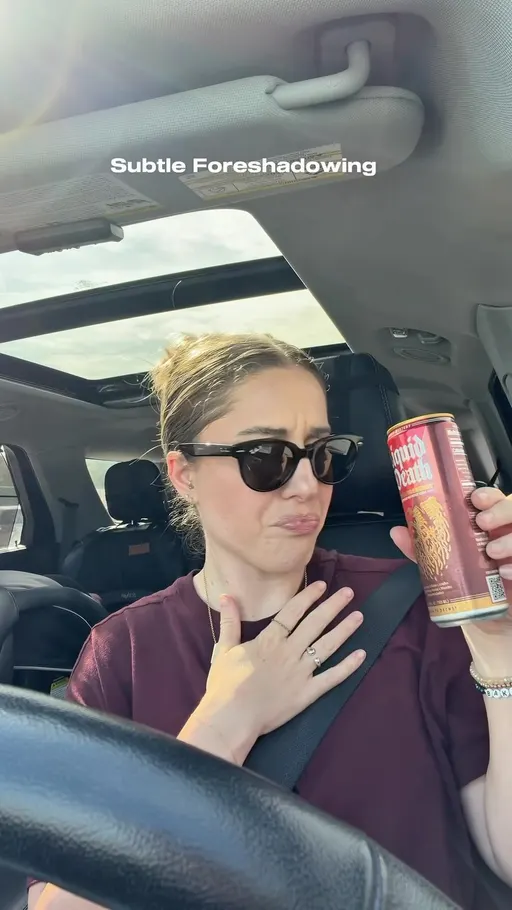
Four ads, four jobs already underway. denstea.com builds a recipe. oatsovernight.com opens on “Busy mornings don't mean skipping breakfast”. The denstea.com line is the copyable one, because the first words are a step the shopper takes.
That is the one that grew. Now the smallest of the three.
6. Identity: it tells the shopper what kind of person buys this
What it is. The argument hands over a picture of the buyer. kodiakcakes.com says “FEED WILD ADVENTURES” and leaves the product to the headline.
Why it matters to you. Smallest of the three at 9.8% but spread across nine brands, with 71.3% of its sample ads past sixty days. Of this section, it is the one with room.
What moved. 9.8% in October, 9.3% in September, and it shows in the movers chart. A quiet step up.
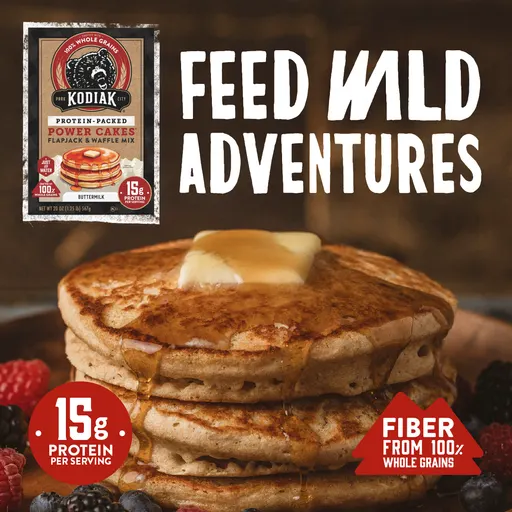
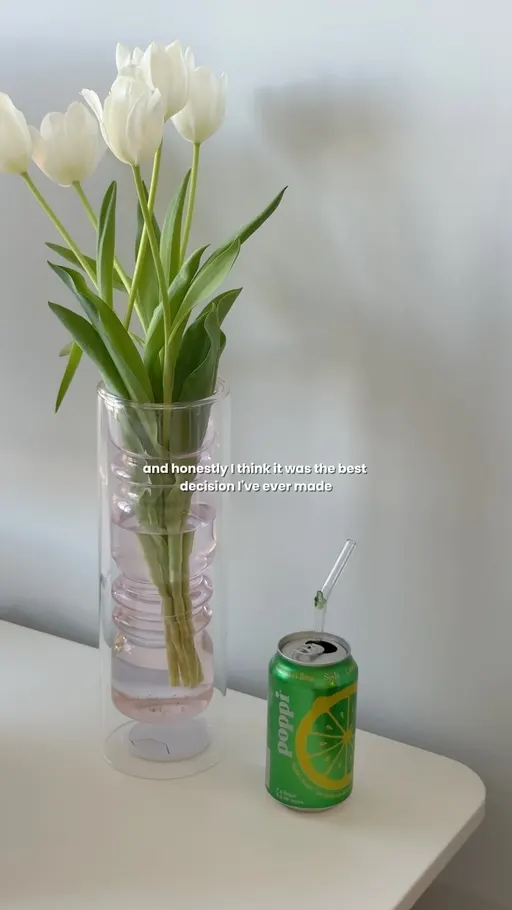
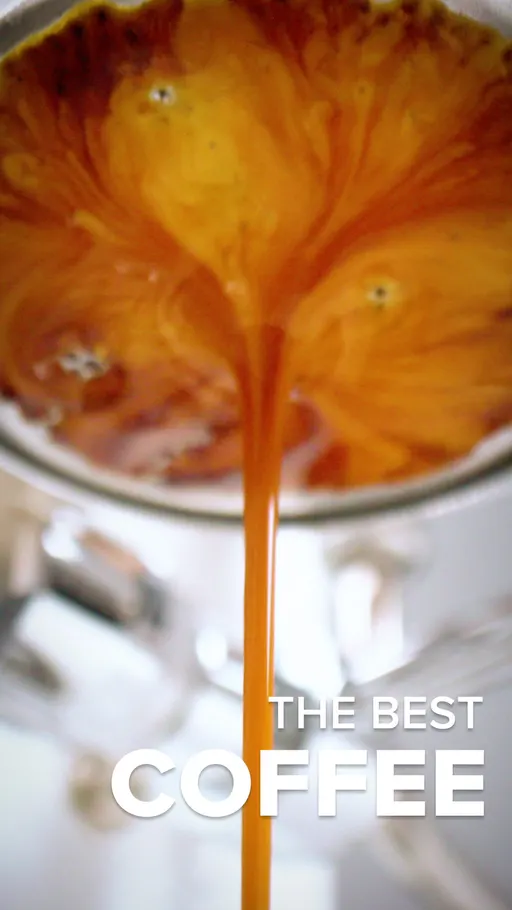
Four ads, four kinds of buyer. kodiakcakes.com keeps it very short. drinkpoppi.com tells a switch story, “I stopped having afternoon coffees and honestly I switched over to drinking a Poppi instead”. kodiakcakes.com is the one to copy for its length.
That is why a shopper should buy. Now the shape it arrives in.
The top 3 concepts: how the ad looks
A concept is the staging: how the ad is filmed or laid out. Fewer ads in this cut carry one than carry a hook or an angle, and they only ever read against each other: Product Demo Close-Up against Montage against Cinematic B-roll, never against Curiosity gap. Together the three stage about 4 in 10 of October's ads.
Source: eCommerceBenchmark Ad Library, 2026.
7. Product Demo Close-Up: it puts the product in frame doing its job
What it is. The product is close enough to judge. denstea.com opens on “Let's make Hojicha Apple Tea” and the tea is the whole frame.
Why it matters to you. The biggest shape here, on ten brands, with 93.7% of its sample ads past sixty days. This is your control shape.
What moved. 27.2% in October, 29.3% in September. Still far bigger than the other two, with a little less of the month.
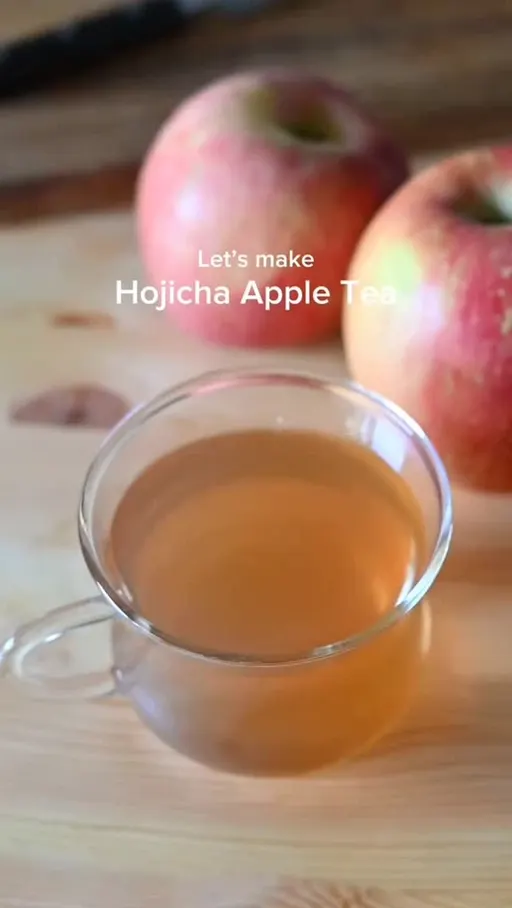
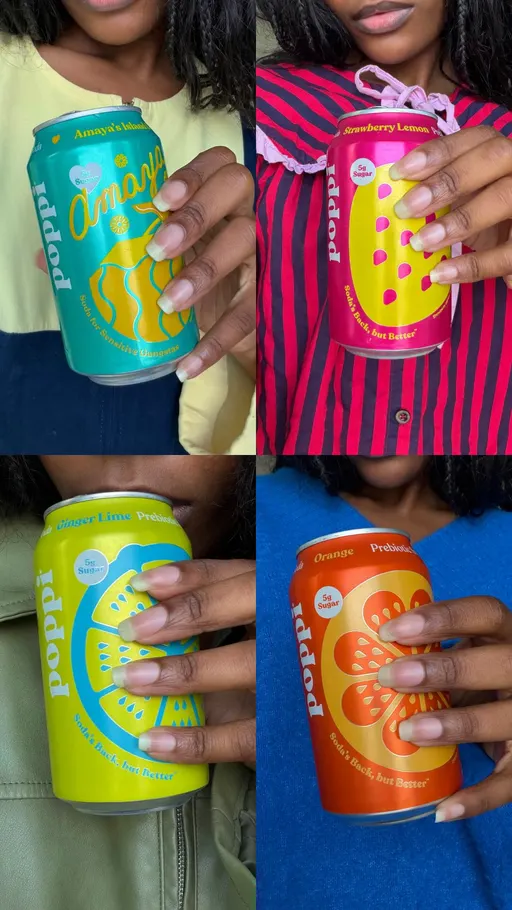
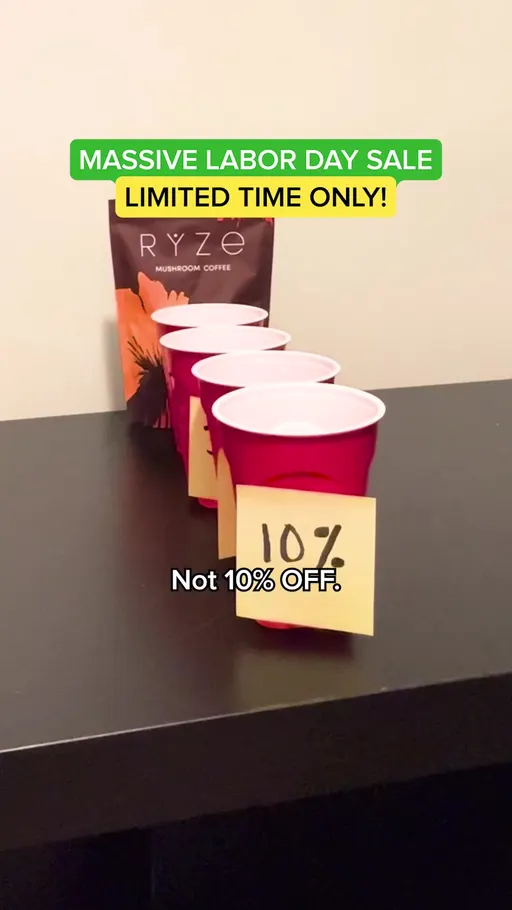
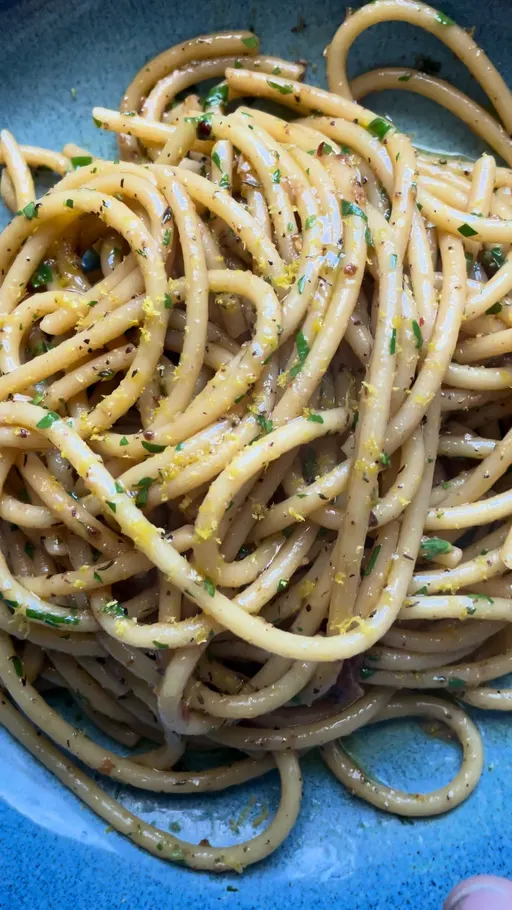
Four ads, four close-ups. denstea.com builds a drink. drinkpoppi.com asks “which is your after-work poppi of choice??” before anything is poured. drinkpoppi.com is the one to copy, because the first words are about the shopper's choice.
That is the control. Now the shape four brands are stacking.
8. Montage: it stacks short clips so no single shot carries the ad
What it is. Many short clips on one thread. denstea.com labels it in the first words, “TOP 10”.
Why it matters to you. 6% of the month on four brands, with 38.8% of its sample ads past sixty days. A test, not a plan.
What moved. 6% in October, 3.7% in September, and it sits third in the movers chart. Our reading: four brands carry it, so a batch of launches moves it. The data records the share, not the reason.
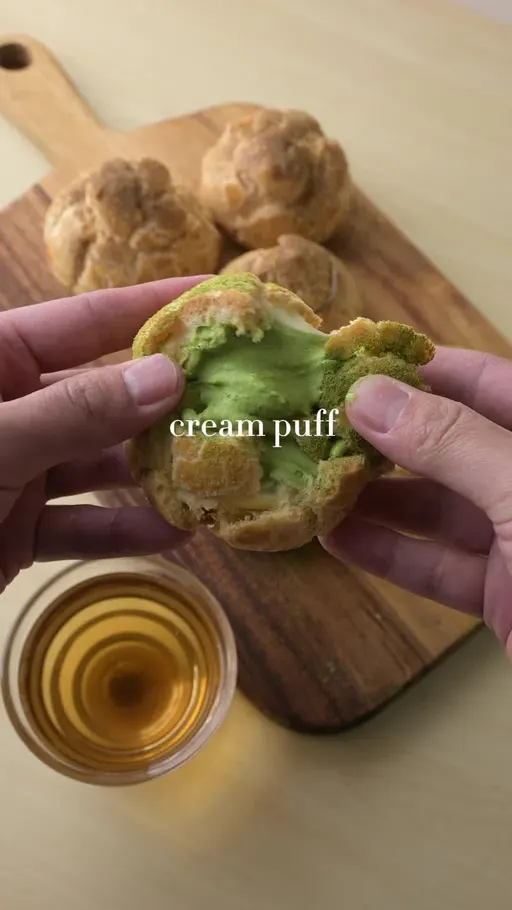
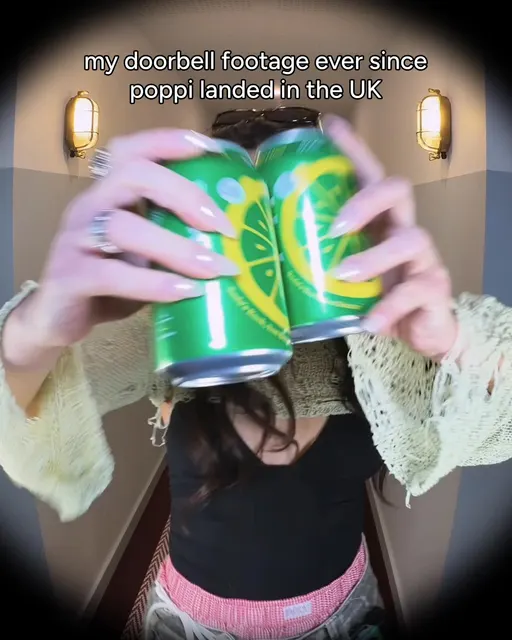
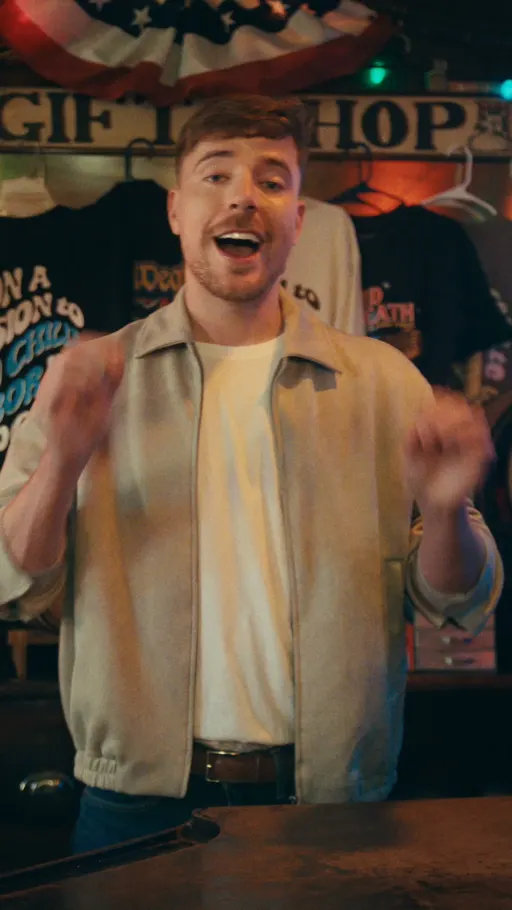
Four ads, four stacks. denstea.com counts its list off. oatsovernight.com threads a morning together. denstea.com is the copyable one, because the count is in the first words.
That is the stacked one. Now the one that sets a scene first.
9. Cinematic B-Roll: it sets a scene around the product before it argues
What it is. The scene arrives before the case. cometeer.com opens on “In this box is the World Mug, a head-to-head showdown between 16 of the finest coffees from around the world.”
Why it matters to you. 5.4% of October's ads on six brands, with 65.9% of its sample ads past sixty days. The second shape to test against your control.
What moved. October's share is 5.4%.
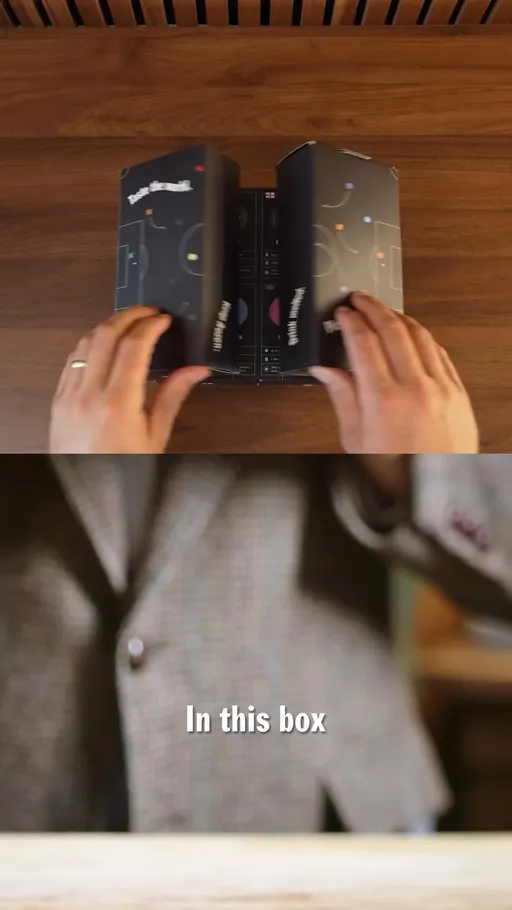
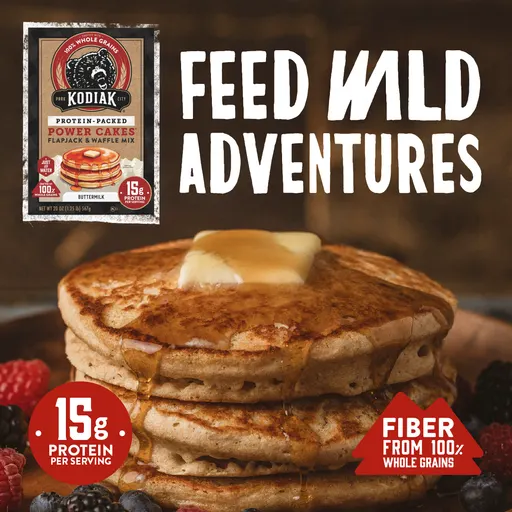
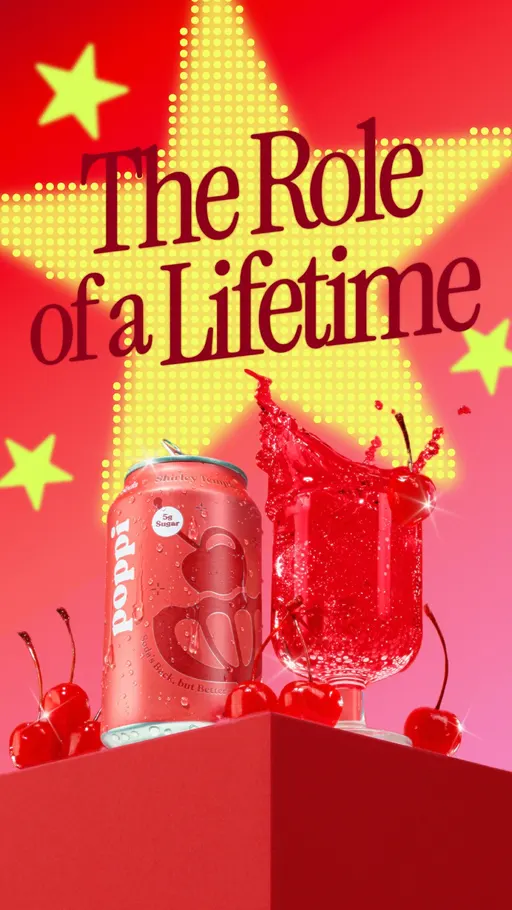
Four ads, four scenes. cometeer.com names the contents of the box first. kodiakcakes.com hands over a picture of the buyer. cometeer.com is the one to copy, because the contents land before the mood.
That is how the ads look. So what actually changed?
What actually moved: the small stuff
Four of the nine leaders gave share back in October and four rose enough to show in the chart below. Across the three ladders, twenty-two rows rose by a fifth of a point or more. Here they are.
Rows of the three rankings that rose by a fifth of a point or more, October 2026 against September 2026, in points. The library labelled more of its ads in October than in September, and that lifts every share a little, so read a small rise with care. Source: eCommerceBenchmark Ad Library, 2026.
None of the nine held exactly the share it had in September. Four eased, four rose, and the ninth, Cinematic B-roll, staged 5.4% of October's ads. Most of the other risers are small rows. The reason to care is not any single one of them: it is that several rose in the same month. Let's look at three of them in real ads.
Offer-first banner: the deal is the whole layout
What it is. The deal is the layout and the line. denstea.com runs “15% OFF MATCHA STICK” and nothing else needs reading.
Why people respond. A shopper scrolling a feed is sorting, not reading. A price card answers the only question they have at that second, the way a sticker on a shelf edge does. That is our reading of the attention, not a claim about sales.
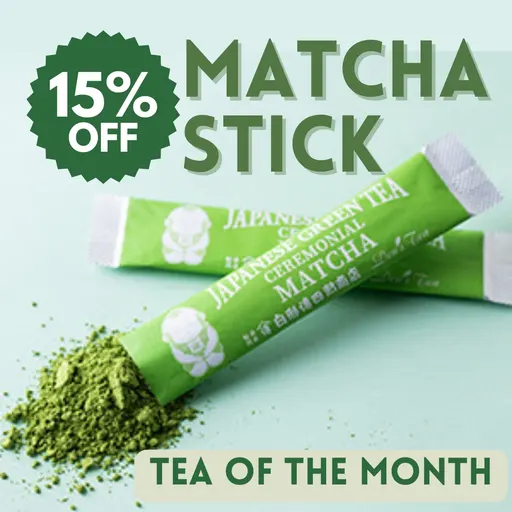
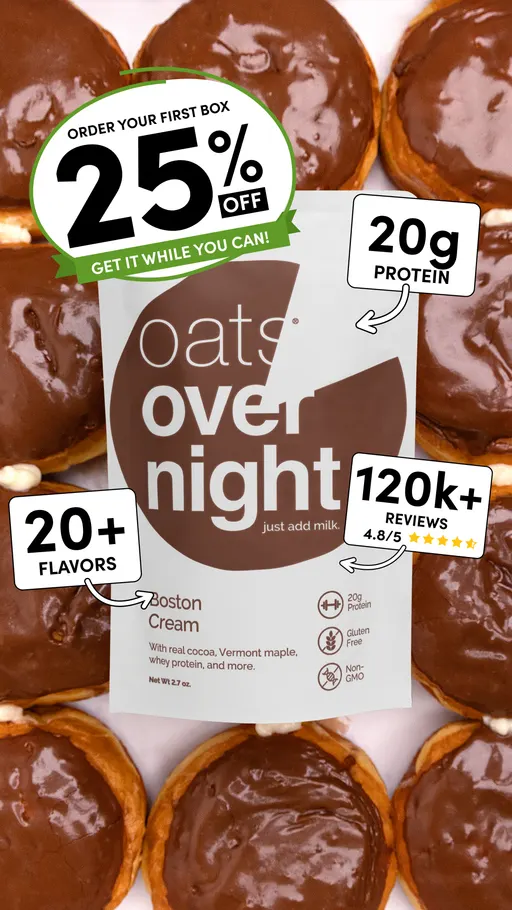
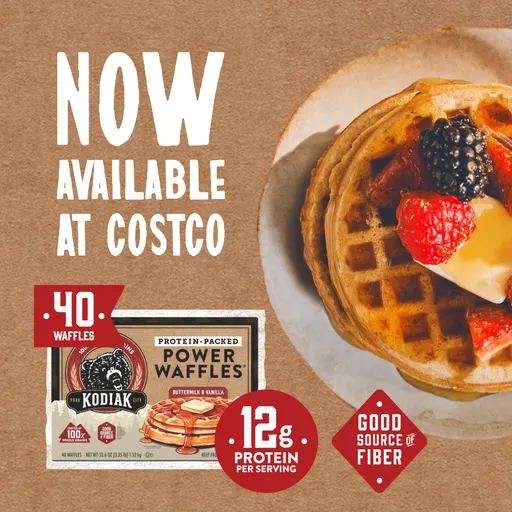
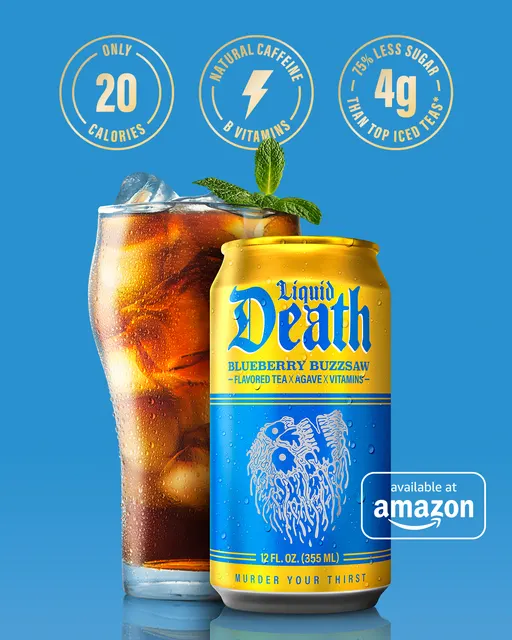
Seven brands carry this row across 27 ads, which is wide for a riser here. oatsovernight.com puts the saving and the shipping in one line. kodiakcakes.com leads on arriving at Costco, and liquiddeath.com fronts a flavour instead of a figure.
Price anchor: it leads on what the shopper will pay
What it is. The number comes first. oatsovernight.com opens on “25% off your first box automatically and free shipping.”
Why people respond. It works like a menu outside a cafe. You know the cost before you walk in, so nothing about the decision is being hidden. That is our reading of the attention, not a claim about sales.
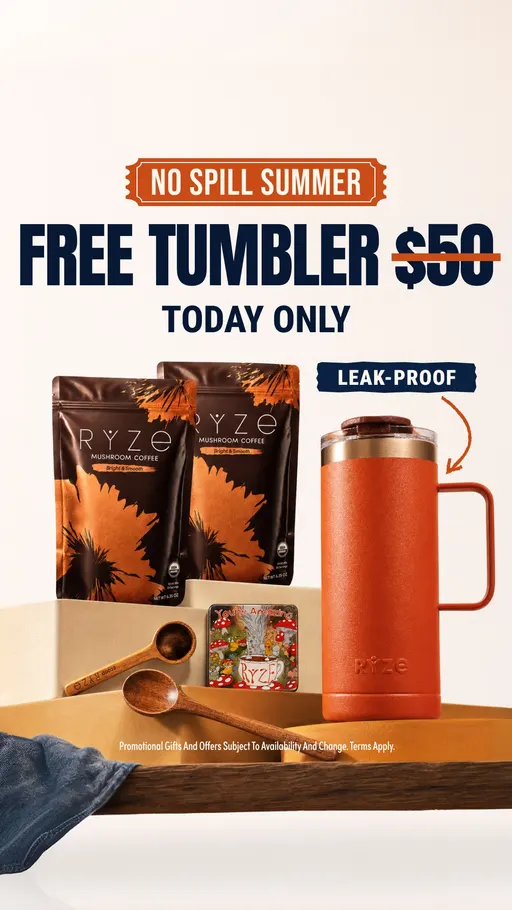

A handful of brands carry this row: four of them, across 18 ads. denstea.com states a flat discount. ryzesuperfoods.com puts a one-day gift up front, and liquiddeath.com dangles a prize instead of a price.
Social proof: it hands the argument to someone who already bought
What it is. The buyer makes the case. ryzesuperfoods.com opens on “Y'all, I just did the 70-day challenge from RYZE, and I am OBSESSED with my results.”
Why people respond. It sounds like the friend in the group chat who already tried it. The sentence is not asking for trust, it is reporting. That is our reading of the attention, not a claim about sales.
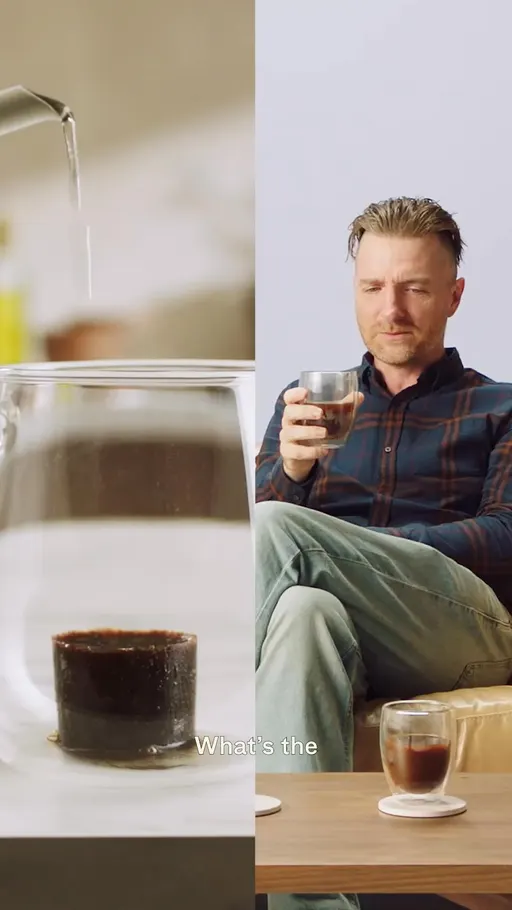

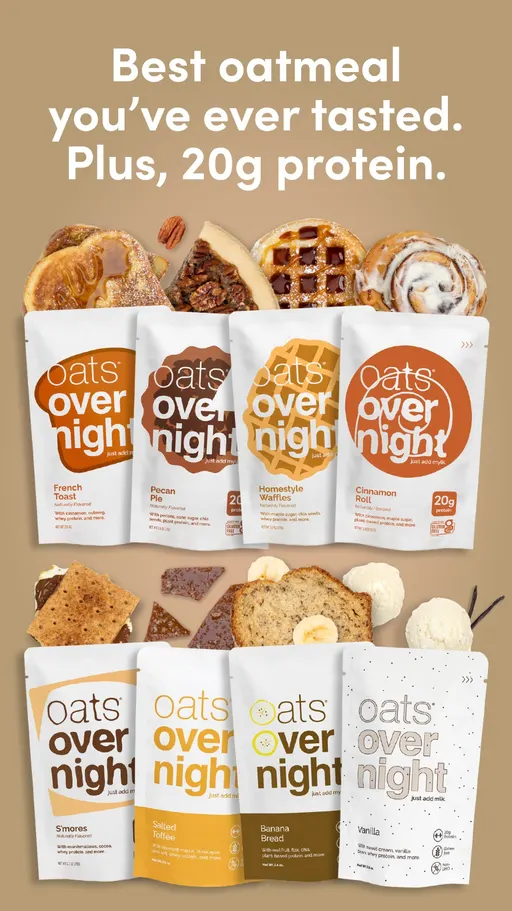
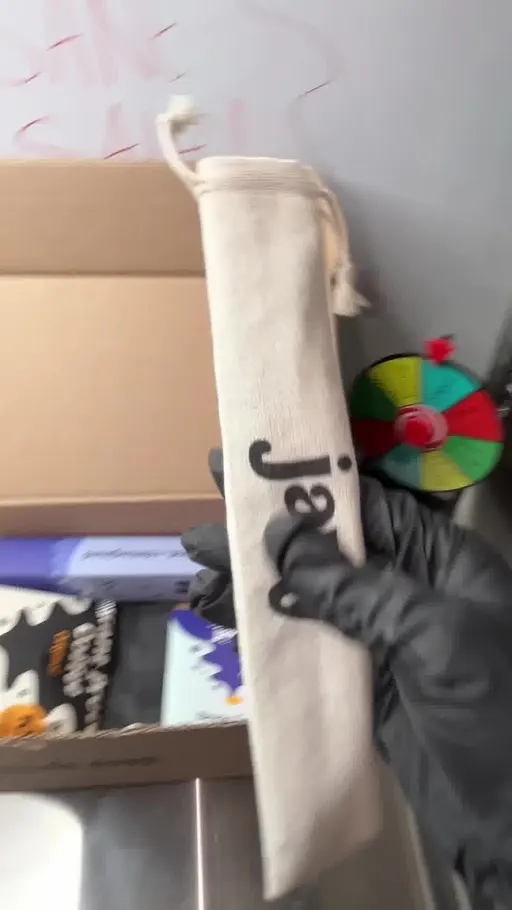
Eight brands run this row across 22 ads, a wide base for a riser here. cometeer.com opens mid-question. oatsovernight.com hands over a flat verdict, and javvycoffee.com plays the order-stacking joke.
Newness and Social proof rose in the same month, and several small risers landing together are worth one test.
One ad to brief this week: the First-Taste Receipt
Newness, Price anchor, Social proof and Offer-first banner all rose this month, and together they point at a single ad. It opens on a first taste, the middle puts a dated price on screen, and the close hands the last word to a buyer. This is our suggestion built from the movers, not a finding: the library cannot say it will work, and that is what the test is for.
The format. One short vertical video of four clips: a first taste, a dated price card, the pack on a counter with the same date still on screen, and a buyer talking.
The hook. Model the first clip on liquiddeath.com's “So we got some Liquid Death flavors today.”: keep the just-opened wording and the flavour mention, and nothing else on screen.
The middle. Model the second and third clips on oatsovernight.com's “25% off your first box automatically and free shipping.”: keep the saving and the shipping in one plain line, with a real end date beside it.
The close. Model the last clip on ryzesuperfoods.com's “Y'all, I just did the 70-day challenge from RYZE, and I am OBSESSED with my results.”: keep a buyer's own sentence, said once, where the shopper is already deciding.
The test. Your best Curiosity gap ad is the control, and Curiosity gap is the row this one tests against: same audience, same budget split, two weeks, judged on cost per purchase.
Two smaller tests can sit beside it, each a whole ad against the ad it replaces, never a swap of the first line. First, an offer line that carries a real calendar date in place of "limited time", modelled on denstea.com's “15% OFF MATCHA STICK” with the date written in, and the ad ends when the date does. Second, an ad written for one named shopper, run against your broadest ad on Problem-aware.
The eCommerceBenchmark Ad Library sorts your ads into the same hooks, angles, concepts and offers used in this report and shows your mix next to the market, so you can see which shapes you have never shipped.
Audit my creatives, freeOne catch before you run off. Everything above is the whole of US Food & Drinks. Your corner of it might look nothing like it.
Why you need to know the hooks in your niche
A row that is crowded across all 816 of this cut's ads can be empty in your own corner of it: your product line, your price point, your shopper. It cuts the other way too. The row you think is yours alone may be the one all five of your competitors opened with last week, and the cut-wide ladder will not tell you that.
- Shoppers stop hearing an opening they meet over and over. Curiosity gap opened 194 of this month's ads across twelve brands, so a teased payoff is the sound of the whole month.
- When every ad argues the same thing, price is the only thing left to compare. Problem-aware carried 203 ads in October, which is a lot of ads making one case.
- Change the opening and the brief is still one line. Bold claim sits on four brands and Montage on four, so those are the rows with room.
- Different is not the same as right. That is why you test one ad into an empty row rather than move the account, and 46.8% of Solution-aware's sample ads past sixty days is a reason to keep your control funded.
Your 30-minute check
- Collect. Pull twenty current ads from your five closest competitors in the free Meta Ad Library.
- Label. Write down each ad's hook, angle and concept, one line per ad.
- Count. The row that shows up most is your niche's crowded row; across US Food & Drinks, that's the Curiosity gap.
- Find the gap. The row that shows up least, or never; check it against the movers above.
- Brief one test. One ad for the empty row, run against your control for two full weeks.
Want every number? Here are the full rankings.
The full rankings: hooks, angles and concepts
This cut's ladders carry twelve hooks, eight angles and twelve concepts, October beside September. Write your own count beside each row, from your last month of ads or from your competitors' current ones. The rows where your count is highest are the ones you are actually competing in.
| Hook | October share | September share | Change |
|---|---|---|---|
| Curiosity gap | 23.8% | 24.4% | ▼ 0.6 |
| Relatability | 15.6% | 16.1% | ▼ 0.5 |
| Bold claim | 8.6% | 6% | ▲ 2.6 |
| Urgency / FOMO | 6.1% | 6.5% | ▼ 0.4 |
| Direct question | 5.5% | 5% | ▲ 0.5 |
| Shocking statement | 3.8% | 3.5% | ▲ 0.3 |
| Authority | 2.8% | 3.1% | ▼ 0.3 |
| Price anchor | 2.2% | 1.5% | ▲ 0.7 |
| Newness | 1.7% | 1.1% | ▲ 0.6 |
| Visual reveal | 1.6% | 1.4% | ▲ 0.2 |
| Contrarian | 0.9% | 0.3% | ▲ 0.6 |
| Confession | 0.9% | 0.7% | ▲ 0.2 |
| Angle | October share | September share | Change |
|---|---|---|---|
| Problem-aware | 24.9% | 27.2% | ▼ 2.3 |
| Solution-aware | 15.2% | 11.2% | ▲ 4.0 |
| Identity | 9.8% | 9.3% | ▲ 0.5 |
| Objection crusher | 5.8% | 5.4% | ▲ 0.4 |
| Mechanism | 4.7% | 4.1% | ▲ 0.6 |
| Comparison | 4.4% | 4.9% | ▼ 0.5 |
| Social proof | 2.7% | 2% | ▲ 0.7 |
| Named enemy | 0.1% | 0.1% | 0 |
| Concept | October share | September share | Change |
|---|---|---|---|
| Product Demo Close-Up | 27.2% | 29.3% | ▼ 2.1 |
| Montage | 6% | 3.7% | ▲ 2.3 |
| Cinematic B-roll | 5.4% | 4.9% | ▲ 0.5 |
| Offer-first banner | 3.3% | 1.6% | ▲ 1.7 |
| Selfie talking-head | 3.2% | 2.6% | ▲ 0.6 |
| UGC Unboxing | 2.7% | 2.4% | ▲ 0.3 |
| Side-by-Side Comparison | 2% | 2.2% | ▼ 0.2 |
| Customer Testimonial Reel | 1.5% | 1.2% | ▲ 0.3 |
| Grid swap | 1% | 0.8% | ▲ 0.2 |
| Behind-the-Scenes | 1% | 0.4% | ▲ 0.6 |
| POV | 0.7% | 0.4% | ▲ 0.3 |
| Us vs. Them | 0.7% | 0.4% | ▲ 0.3 |
Your test card
Here is the First-Taste Receipt set up the way a media buyer would run it, against your best ad on Curiosity gap. Write your own numbers in before you launch, so the fortnight ends in a decision instead of an argument.
| Hypothesis | The First-Taste Receipt, run beside my best Curiosity gap ad on the same audience and budget split, will hold or lower my cost per purchase over two weeks. |
| Change only this | The whole creative: the First-Taste Receipt, with a first-taste opening, a dated price card in the middle and a buyer's line at the close. |
| Keep the same | Product, offer, audience, placement and budget split. |
| Funnel stage | Say first whether this ad is for prospecting (cold) or retargeting (warm). A deal in the first line is often right for warm audiences and wrong for cold ones, so test it where the ad will really run. |
| Setup | One control and one variant, same audience, same placement, even budget split. Do not edit either ad while the test runs. |
| How long and how much | Until each version has about 50 purchases, or two full weeks, whichever comes later. This is general testing practice (Meta's own learning-phase guideline is about 50 results per ad set per week), not a library finding. |
| Success metric | Cost per purchase, not clicks. |
| Stop rule | Pause a variant that has spent about 3 times your target cost per purchase with no purchase. If it is close, keep it running. |
| What counts as a win | The variant beats the control on the metric by an amount you would act on, and still does in a second week. |
October 2026 US Food & Drinks ads: what to brief next
- Curiosity gap 23.8%, Relatability 15.6% and Bold claim 8.6% of October's ads [eCommerceBenchmark Ad Library, 2026]: the lane every Food & Drinks brief lands in by default.
- Problem-aware 24.9%, Solution-aware 15.2% and Identity 9.8%: together about half of the month's arguments.
- Product Demo Close-Up 27.2%, Montage 6% and Cinematic B-roll 5.4%, read against each other only.
- Staying power: 87.6% of Curiosity gap's sample ads ran sixty days or more, against 38.8% for Montage, a hint from a longevity-ranked sample.
- Twenty-two rows rose by a fifth of a point or more, led by Solution-aware, Bold claim, Montage and Offer-first banner, which sits on seven brands.
- Label twenty competitor ads by hook, angle and concept this week, then brief one ad into the row your five closest competitors never open with.
US Food & Drinks ad benchmarks: common questions
Keep one ad on Curiosity gap, the opening that carried 23.8% of October's ads, funded as your control. Brief exactly one new ad, the First-Taste Receipt: a first taste up front, a dated price in the middle, a buyer's own line at the close. Run it on the same audience and the same budget split for two full weeks and judge it on cost per purchase. At the end of the fortnight you have one decision you can defend, instead of another month of rewritten first lines.