UK Health & Wellness Ads, October 2026: Bold Claims Pulled Further Ahead. Whose Lane Is Your Next Brief In?

Scope: Health & Wellness ads in the UK, as the eCommerceBenchmark Ad Library tracks them. 30 brands, 1,328 ads active in October 2026, compared with September 2026.
Most ad reports hand you a ranking of what's popular. Then they stop.
This one keeps going. It tells you what to do with the ranking.
For each of October's top three hooks, top three angles and top three concepts in UK Health & Wellness, you get the same five things: what it is, why it matters to you, what moved since September, which real brands ran it, and one thing to steal. Nine moves, nine things to steal. Bold claim is the opening this cut reaches for, Solution-aware is the argument sitting underneath it, and Offer-first banner is the shape that keeps coming back, so that trio is where many briefs here already land. After the nine come the small rows that actually grew, and one ad to brief this week.
- A brief decides three things, not one. Hook, angle and concept. Ask for a stronger opening and you have signed off Bold claim, Solution-aware and Offer-first banner by silence, and the person cutting the ad picks the angle and the concept for you.
- The default is the thing every shopper has already met. Bold claim is this cut's default opening, so an ad that starts on a big promise starts inside the month's most crowded opening.
- The defaults differ on staying power. Problem-aware has the largest share of sampled ads past sixty days of its three and Cinematic B-roll the smallest of its three, though Cinematic B-roll also rose the most of its three this month.
But first, three words that most briefs mix up.
Hook, angle, concept: three different jobs
Three decisions ride in every ad, and a brief that names one has quietly made the other two. In UK Health & Wellness that silence has a shape: the opening lands on Bold claim, the argument lands on Solution-aware, and the staging lands on Offer-first banner. So a brief that says "give me a stronger hook" and stops has decided one thing and left two to chance, and the person who shoots it fills in the gaps from habit. A fortnight later you have a claim over a solution-aware script in a deal-led frame, and no way to say which of the three decisions did anything.
| Word | In one line | Plain example |
|---|---|---|
| Hook | The first move an ad makes to stop a scroll: its first line or first seconds. | "I gave up on my morning routine twice." |
| Angle | The reason the ad gives a shopper to buy. | "One sachet, no mixing, no chalky aftertaste." |
| Concept | The shape of the creative: how it is filmed, laid out or staged. | A pair of hands at a kitchen counter, one shot, no cuts. |
The plain examples are made up to show the idea.
How to read a rise or a fall
Every item below carries its slice of October's 1,328 ads and how many of the cut's brands ran it. The full rankings further down show both months.
- Rising. A bigger slice of ads uses it, so the row is getting more crowded: Cinematic B-roll went from 6.4% in September to 9.6% in October.
- Falling. A smaller slice uses it. That doesn't mean it failed: Problem-aware held 19.6% in September and 15.8% in October.
- Flat. Its slice held, so read it as a stable baseline: Urgency / FOMO sat at 3.5% in both months.
- Small. A move under half a point is too small to read, so check the brand count instead: Offer-first banner sits at 9.9% of October's ads on 18 brands, about level with September.
One more rule. A bigger slice does not mean a row works better. The library holds no sales, spend or profit data, so it shows what brands ran, not what earned. Each item also shows how many of its ads ran sixty days or more. The library keeps long-running ads first, so the figures read high: a staying-power hint and nothing more.
Ready? Start with how ads open.
The top 3 hooks: how ads open
Together, Bold claim, Relatability and Direct question open about 4 in 10 of October's UK Health & Wellness ads. This section shows how crowded each one is and how long its ads sat on air in the long-running sample.
Source: eCommerceBenchmark Ad Library, 2026.
1. Bold Claim: it puts the whole promise in the first words
What it is. The opening says the biggest thing the product does before it says anything about the shopper. elvie.com starts on "Better fit. Better feel. Better flow." and leaves the product name to the headline.
Why it matters to you. This is the widest base of the three hooks: 19 brands and 252 ads. It also has the lowest sixty-day share of the three, at 48%. So an ad that opens here competes on sameness.
What moved. 19% in October, 15.8% in September.
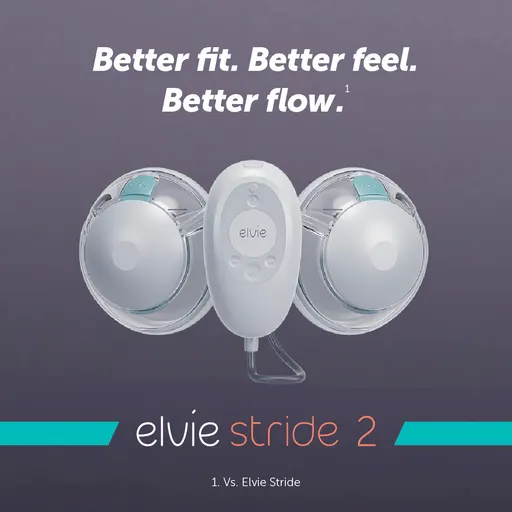
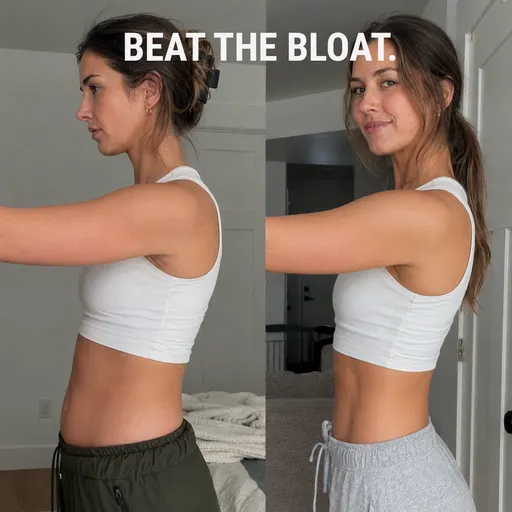
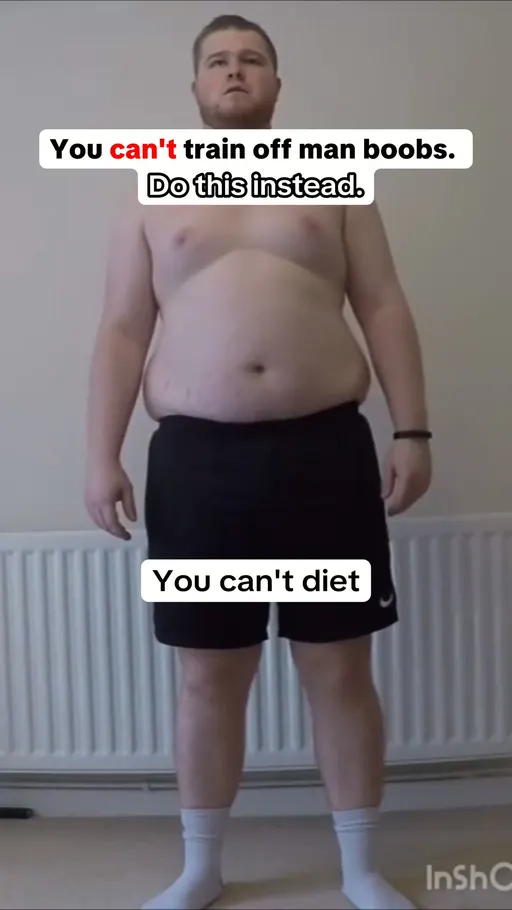
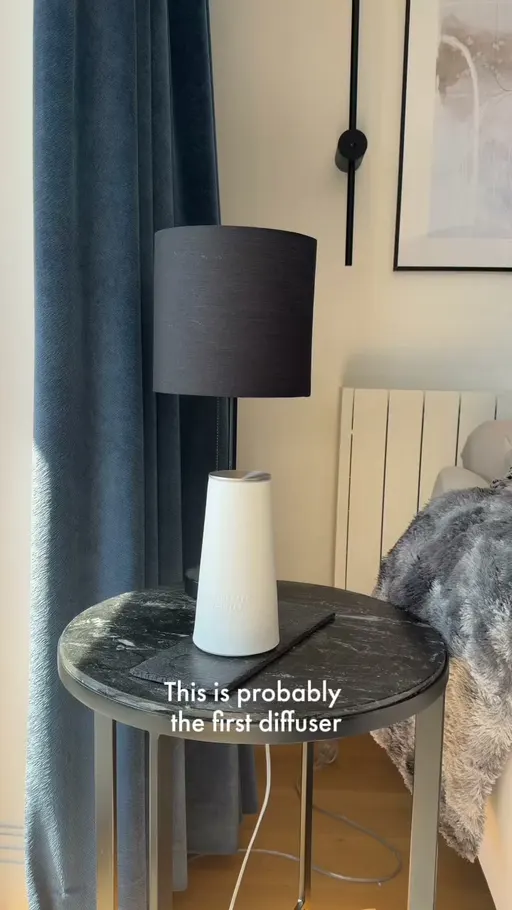
welzo.com's "Start With Your Gut" turns the claim into an instruction. nurecover.com's "Lower Cortisol & Lose Moobs" puts two outcomes side by side in five words.
That's the crowded one. Now the one that lasts longest.
2. Relatability: it starts inside a day the shopper already recognises
What it is. The opening describes a situation before it offers anything. elvie.com starts on "You're busy at work but you still have to pump" and the obligation does the work.
Why it matters to you. On 17 brands and 171 ads, it has the highest sixty-day share of the three hooks, 55.6%. A busy row that still looks durable.
What moved. 12.9% in October, 11.6% in September.
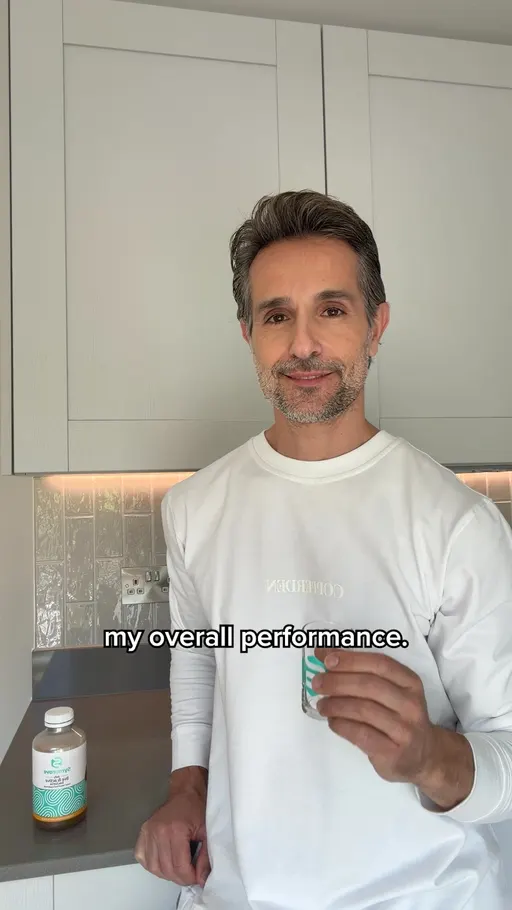
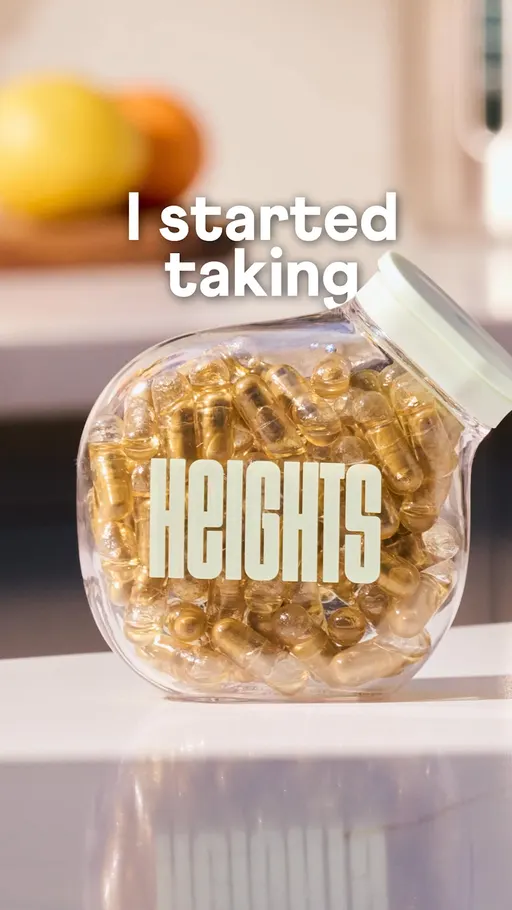
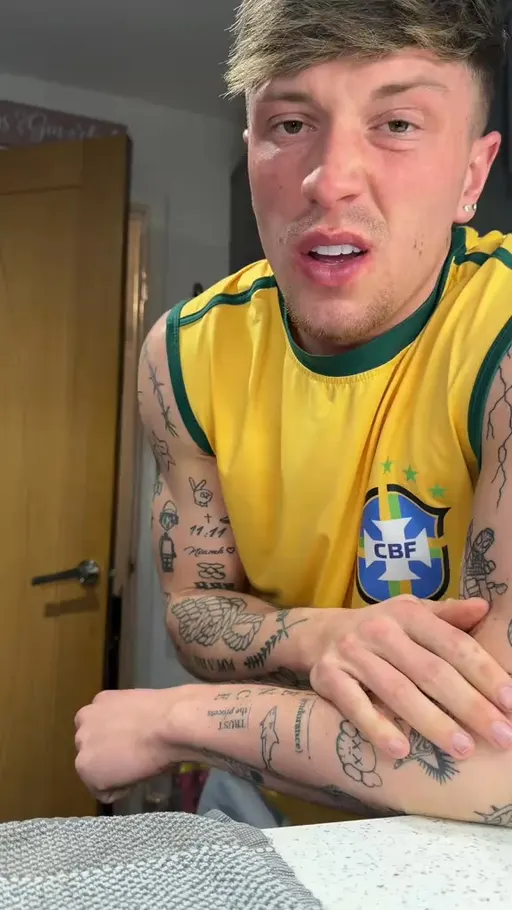
symprove.com's "pov: you're optimising for everything except your gut" names a type of person without naming a product. heights.co.uk's "I used to be lost about what to take." admits the confusion first.
That's the one with staying power. Now the one that makes the shopper answer.
3. Direct Question: it puts a question the shopper has to answer first
What it is. The first line asks something the shopper is already half-thinking. symprove.com starts on "How many of those do you have to have a day for it to actually work?" and the answer waits.
Why it matters to you. On 18 brands and 137 ads, it has a wide base for the smallest of these three shares, and 50.4% of its sampled ads were past sixty days. Lots of brands, fewer ads each.
What moved. 10.3% in October, 8.9% in September.
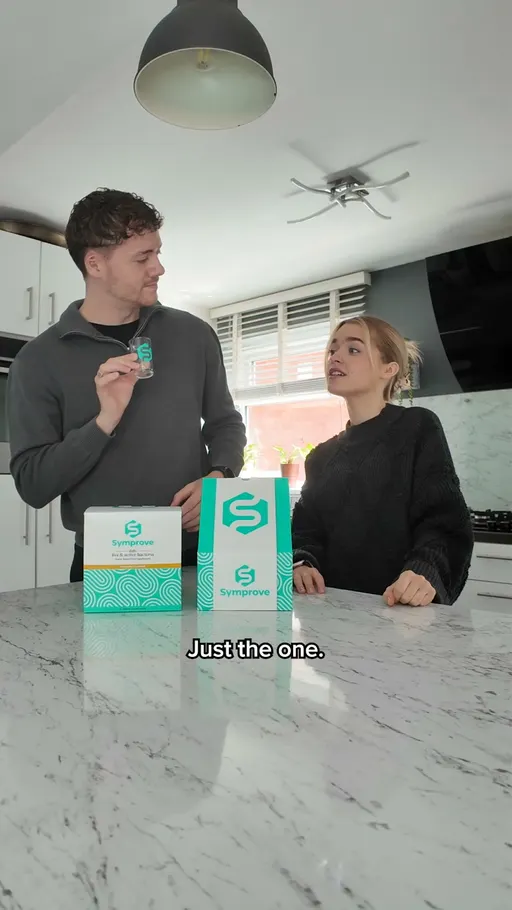
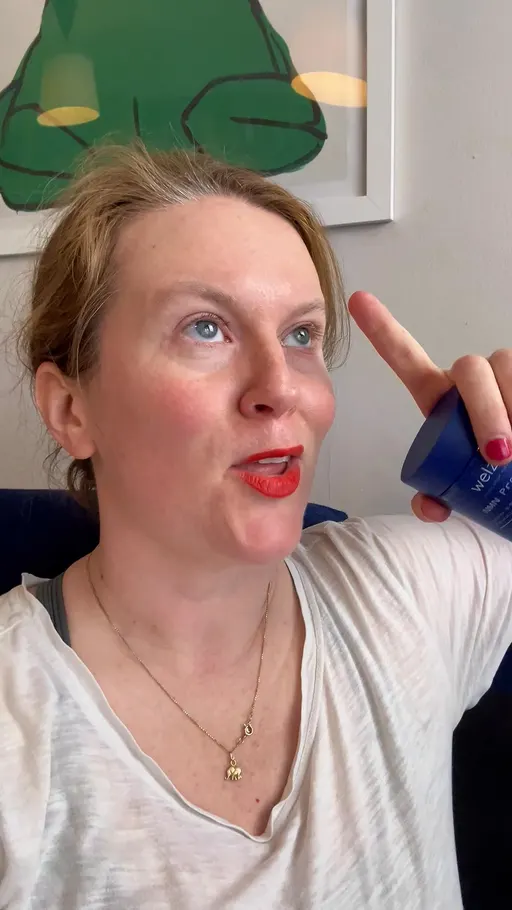
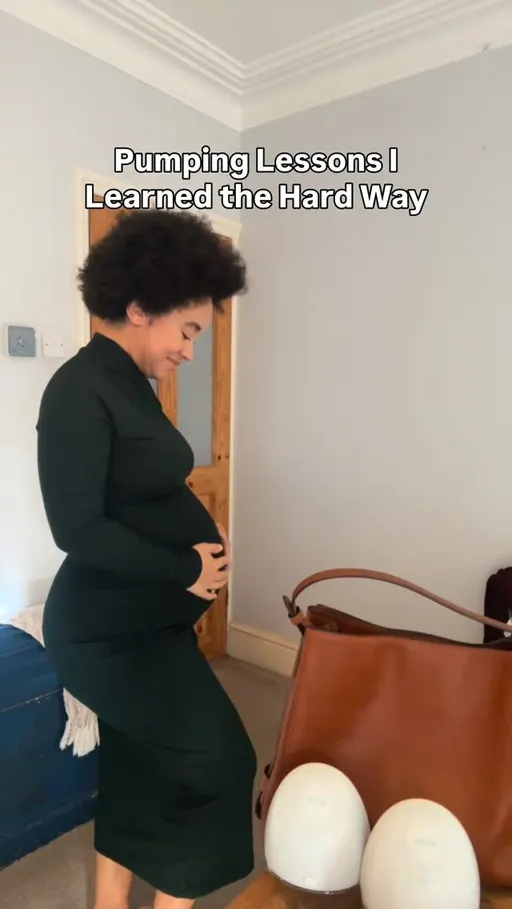
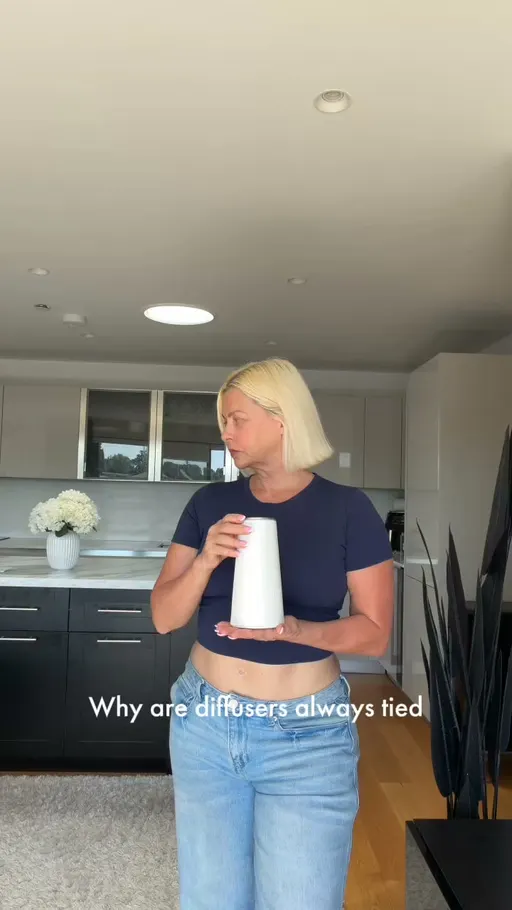
welzo.com asks "Why do some people just not age in the same way?", a question about other people. elvie.com asks "Pregnant and thinking about pumping?" and names exactly who should keep watching.
That's how ads open. But why would anyone buy?
The top 3 angles: why the shopper should buy
Solution-aware, Mechanism and Problem-aware argue more than half of October's ads between them. Here is how crowded each argument is, and how differently their ads sat on air.
Source: eCommerceBenchmark Ad Library, 2026.
4. Solution-Aware: it talks to a shopper already looking for a fix
What it is. The argument assumes the shopper knows they want something and tells them this is the something. heights.co.uk runs "I didn’t notice how much cortisol was running the show until I felt the difference", which skips the problem lecture entirely.
Why it matters to you. It is the biggest row anywhere in this cut: 303 ads from 20 brands. It also has the lowest sixty-day share of these three angles, 42.9%.
What moved. 22.8% in October, 18.1% in September. That is the largest rise in any of the three rankings this month.
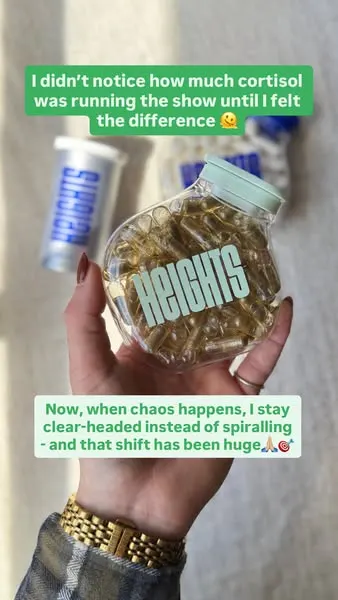
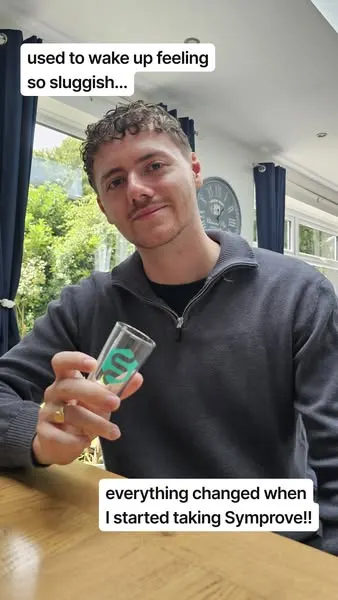
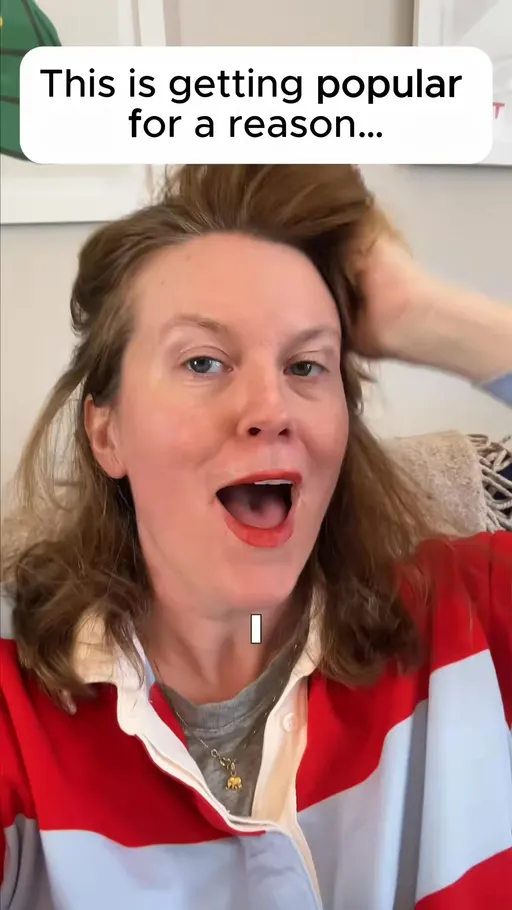
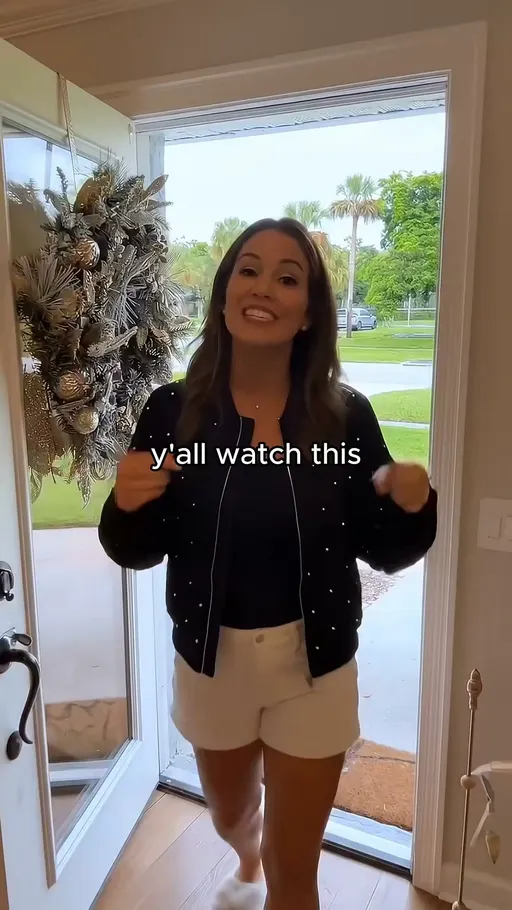
symprove.com opens "used to wake up feeling so sluggish..." and lets the past tense carry the fix. nurecover.com's "Y'all watch this before you buy the Nurecover sauna" talks to someone mid-decision.
That's the argument your brief picks on its own. Now the one that explains itself.
5. Mechanism: it says why the thing should do anything at all
What it is. The argument explains the how, so the promise has somewhere to stand. welzo.com opens "I don't see many people mentioning this... to why celebrities aren't aging anymore" and puts the gap in the explanation first.
Why it matters to you. On 220 ads from 20 brands, it sits second of the three angles, and its sampled ads were past sixty days 52.7% of the time. This is the argument that gives a long script a spine.
What moved. 16.6% in October, 14.5% in September.
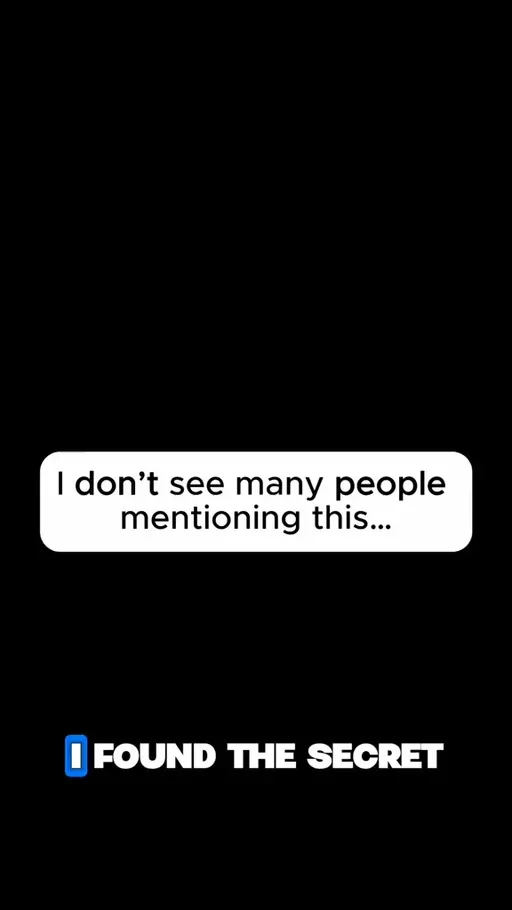
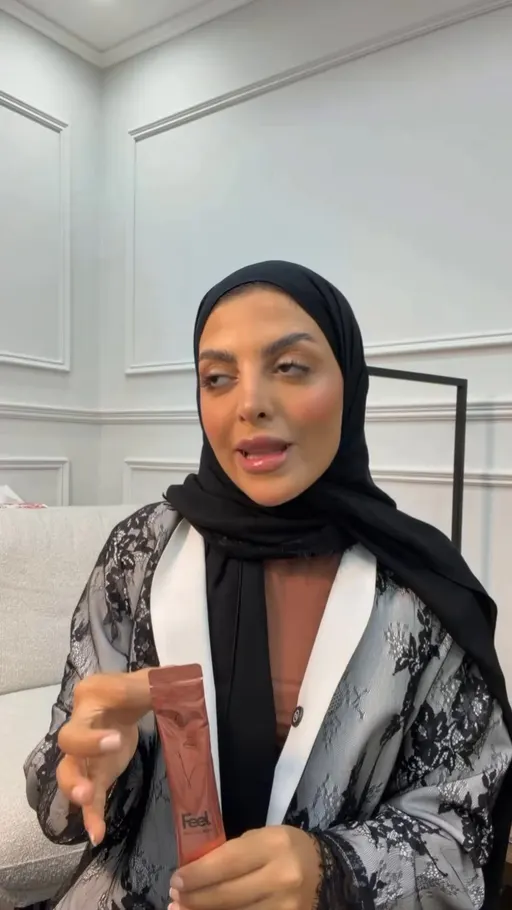
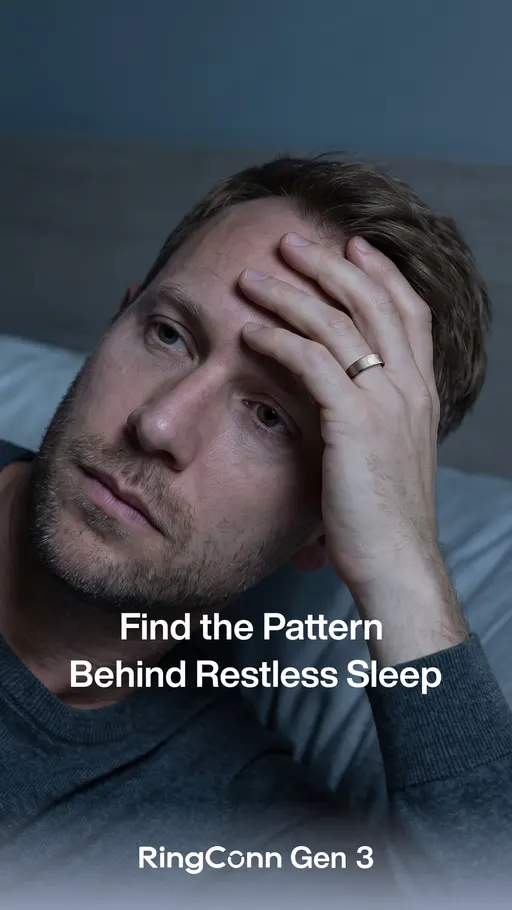
nurecover.com's "Lower Cortisol & Lose Moobs" names the lever and the outcome in one breath. ringconn.com's "Find the Pattern Behind Restless Sleep" sells the method as the benefit.
That's the explainer. Now the only one of the three that eased.
6. Problem-Aware: it names the trouble before it names the product
What it is. The argument opens on the trouble and lets the product arrive as relief. wildnutrition.com starts on "I don't use baby led weaning..." and the doubt is the whole first line.
Why it matters to you. Fewest brands of these three carry it, 14 on 210 ads, and its sampled ads were past sixty days 92.9% of the time, the highest of the three. On this page that reads as the lane with the most room.
What moved. 15.8% in October, 19.6% in September. It was the biggest argument in this cut a month ago and it is the third now.
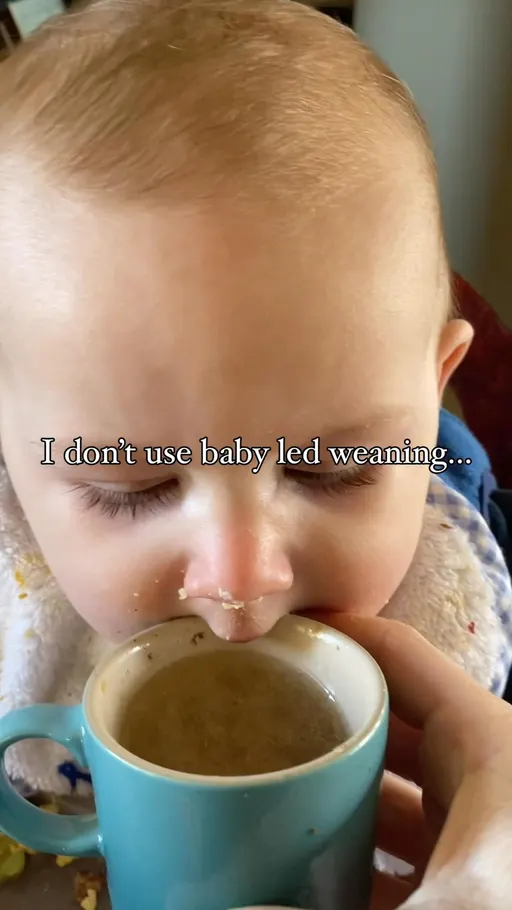
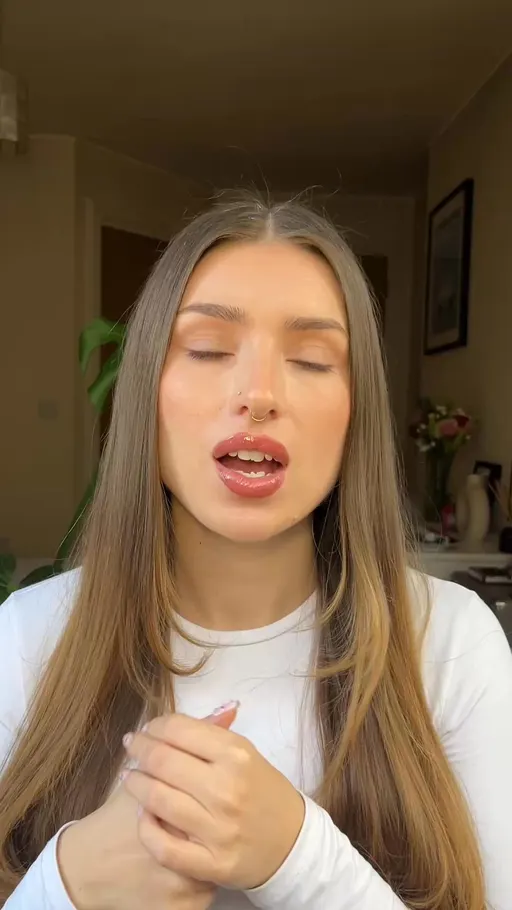
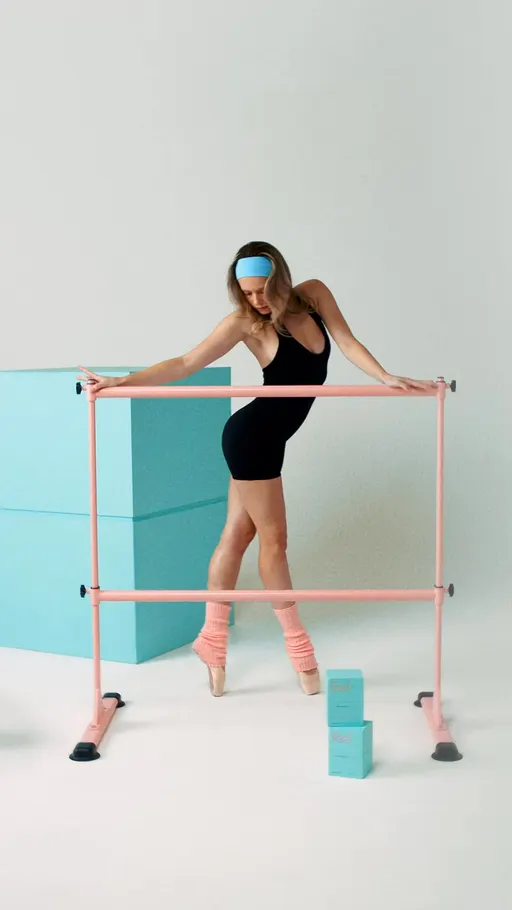
welzo.com's "I lost 20 pounds in 3 months and this is what I do if I had to start again." puts the outcome first and the method second.
That's why anyone should buy. So what does the ad actually look like?
The top 3 concepts: how the ad looks
Offer-first banner, Montage and Cinematic B-roll stage nearly 3 in 10 of October's ads. A concept is the shape of the creative, and fewer ads carry a concept than carry a hook or an angle, so these shares look small: compare concepts only with each other, never with a hook or angle share. Here is how crowded each shape is and how long its ads sat on air.
Source: eCommerceBenchmark Ad Library, 2026.
7. Offer-First Banner: it makes the deal the layout
What it is. The deal is not in the creative, it is the creative. symprove.com's banner reads "Sale ends soon" over a save-thirty-per-cent headline.
Why it matters to you. The widest base of the three shapes, 18 brands on 131 ads, and the highest sixty-day share of the three at 50.4%. The steadiest shape here, so treat it as a control.
What moved. Nothing here to read as a move. Offer-first banner staged 9.9% of October's ads, about level with September.

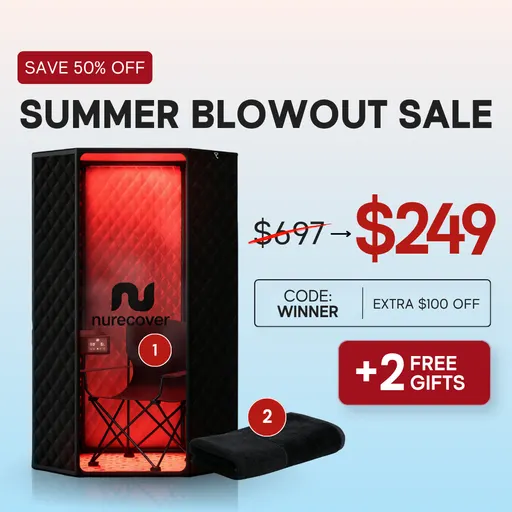
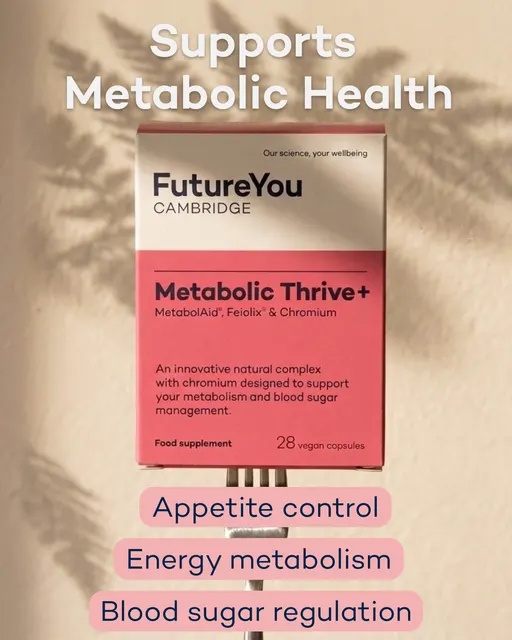
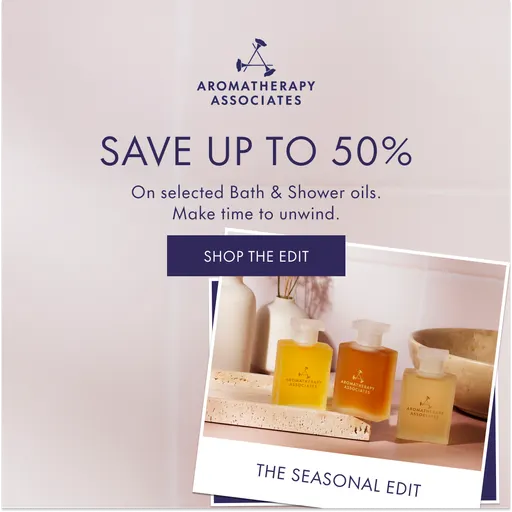
futureyouhealth.com's "3 month bundle - limited time only 👀" names the bundle and the clock. aromatherapyassociates.com's "Your Seasonal Reset, Up to 50% Off" gives the saving a season.
That's the control. Now the shape that cuts.
8. Montage: it threads many short clips into one run
What it is. Several short clips carry one thread. welzo.com opens "I wasted so much money trying to fix my bloating and I wasn't even fixing the real problem" and the clips follow the confession.
Why it matters to you. On 129 ads from 17 brands, it is a close second to the banner, with 42.6% of its sampled ads past sixty days. A busy shape that rose this month, so some of its ads are too new to have got there.
This month. Montage staged 9.7% of October's ads.
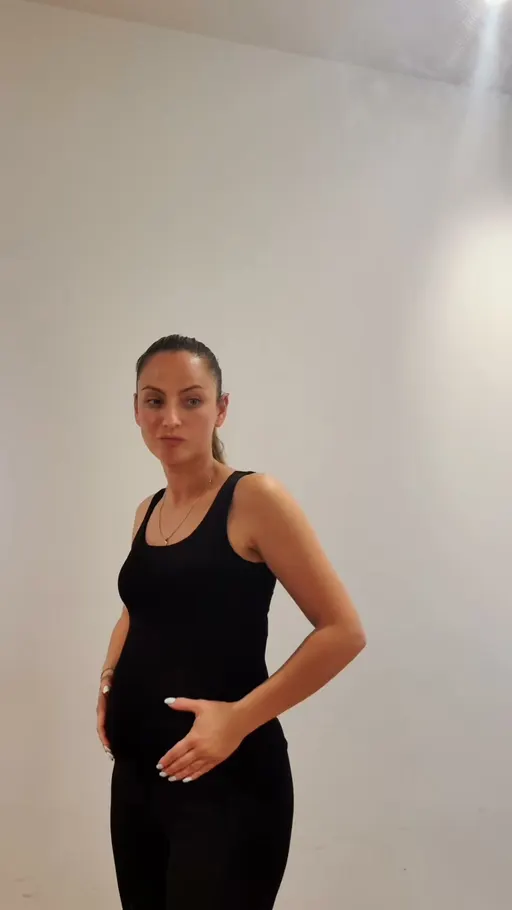
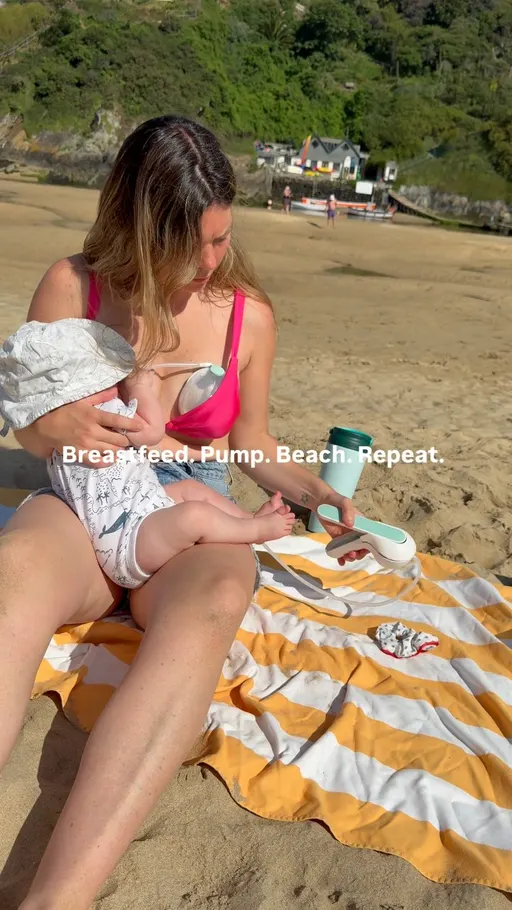
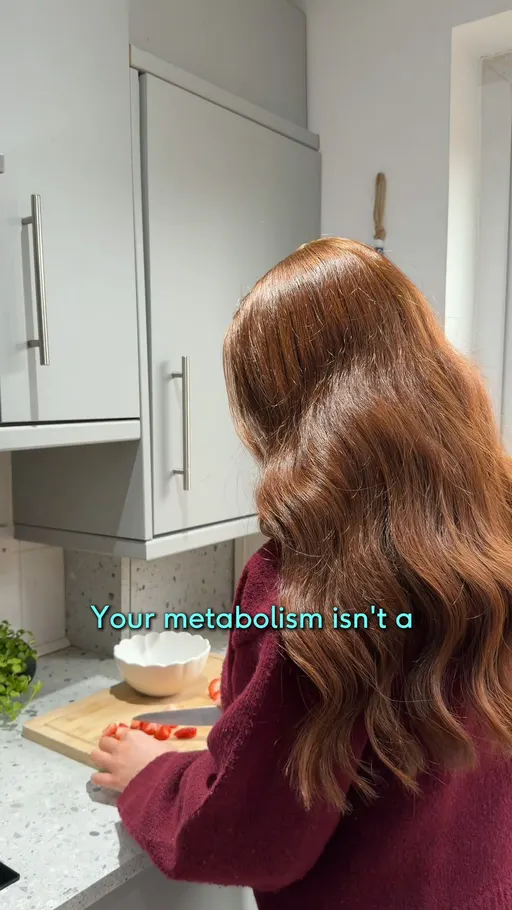
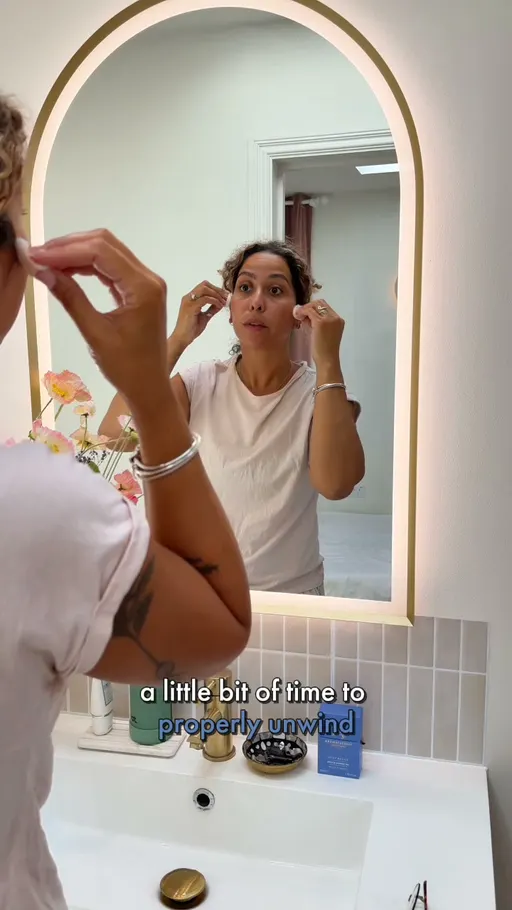
elvie.com's "Breastfeed. Pump. Beach. Repeat." runs a day in order, one clip per step.
That's the busy shape. Now the one with the fewest brands in it.
9. Cinematic B-Roll: it builds the scene before it builds the case
What it is. The scene arrives first and the argument waits. symprove.com opens "I've made a career as a fitness instructor. I focus on protein and training, but never on my gut health." and the admission sits inside a wider picture.
Why it matters to you. Fewest brands of the three, 13 on 128 ads, and the lowest sixty-day share of the three at 40.6%.
What moved. 9.6% in October, 6.4% in September. That is the largest concept rise this month.
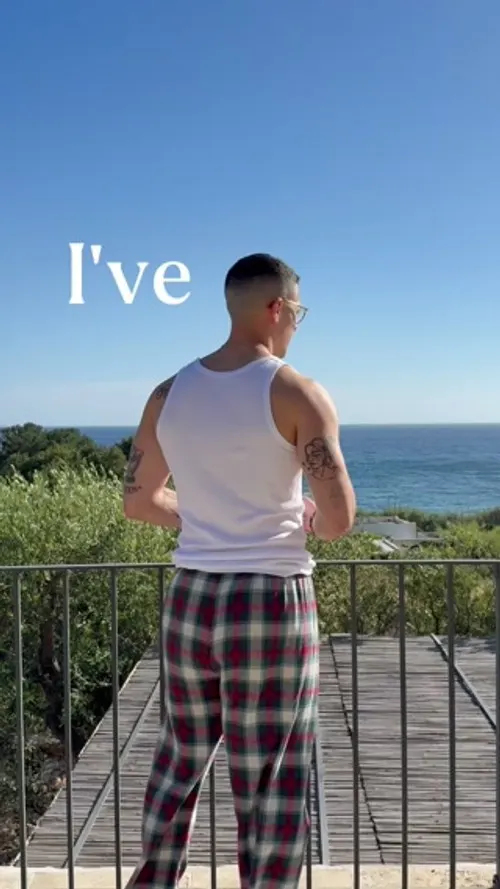
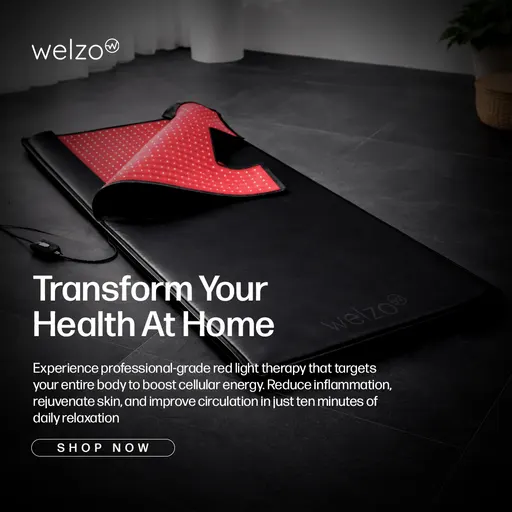
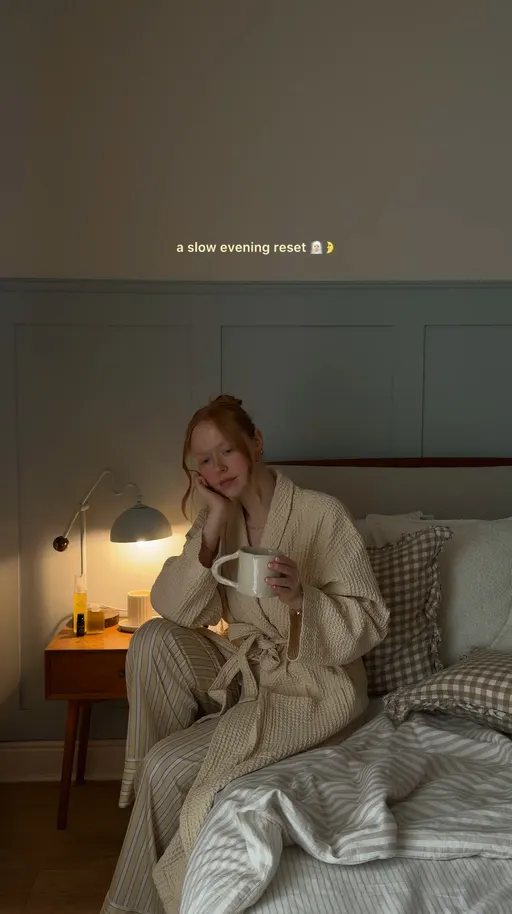

welzo.com's "Transform Your Health At Home" names the place. ringconn.com's "Important Alerts, One Gentle Vibration" makes the mechanism the scene.
That's how the ads look. Now the rows nobody is watching.
What actually moved: the small stuff
This was not a quiet month at the top. Most of the nine leaders moved by more than half a point since September. Offer-first banner is not one of them: it held about level, at 9.9% of October's ads. Across the three rankings, seventeen rows rose by a fifth of a point or more. Here they are.
Rows of the three rankings that rose by a fifth of a point or more, October 2026 against September 2026, in points. The library labelled more of its ads in October than in September, and that lifts every share a little, so read a small rise with care. Source: eCommerceBenchmark Ad Library, 2026.
One leader eased, Problem-aware, from 19.6% to 15.8%. The leaders that rose by enough show in the chart. Most of the other risers are small rows, and the reason to care is not any single one of them: it is that several grew in the same month. Let's look at three of them in real ads.
Listicle: it counts the reasons off one at a time
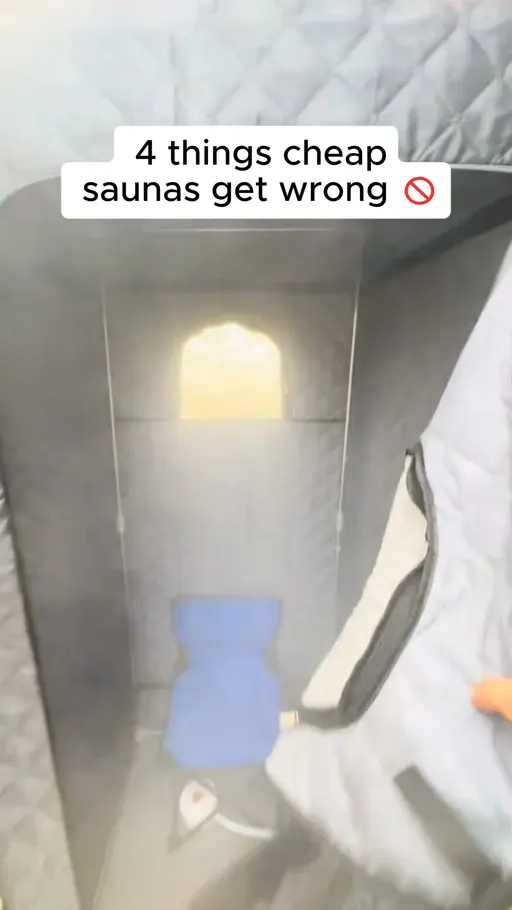
What it is. The creative numbers its points and works through them, the way nurecover.com does with "4 things cheap saunas get wrong".
Why people respond. A number sets an end point. It is the difference between someone saying "let me explain" and someone saying "there are four of these", and the second one you can stand in a queue for. That is our reading of the attention, not a claim about sales.
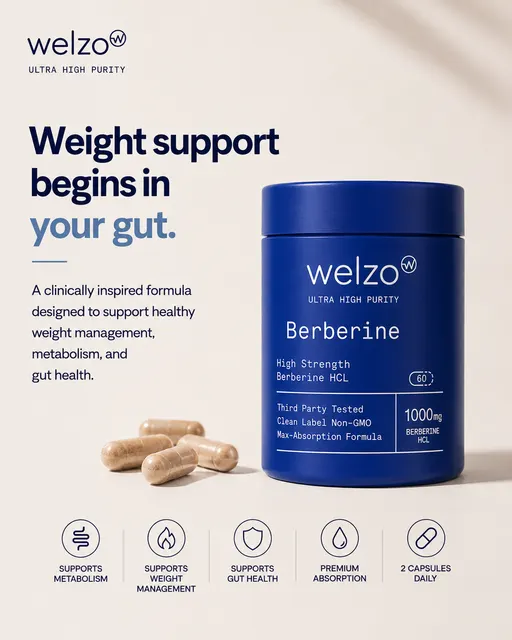
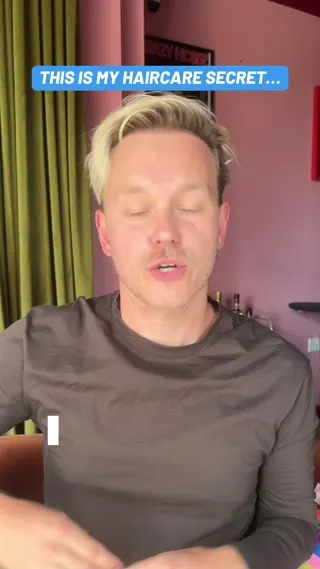
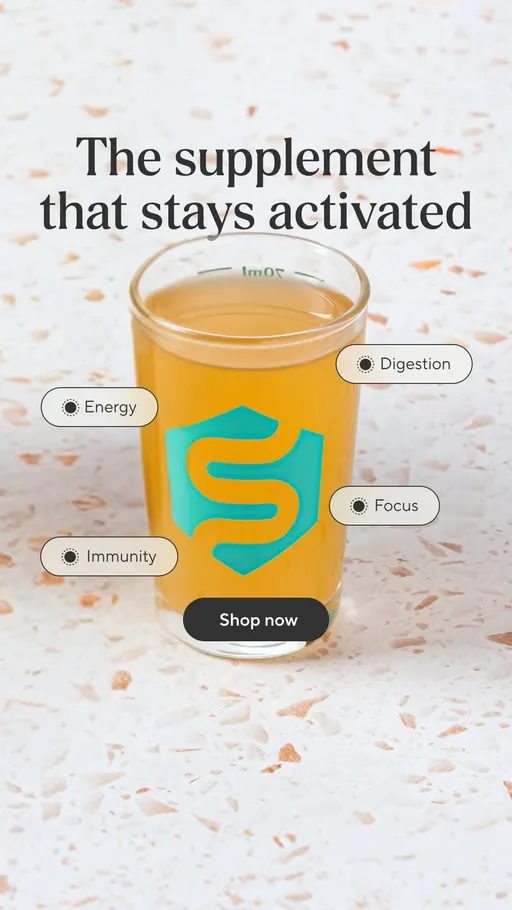
welzo.com's "Weight support begins in your gut." promises a chain of reasons from a single claim. sons.co.uk's "Your hairline. Your call." sets up a list of choices in four words. symprove.com's "The supplement that stays activated" leads with the one property the list will unpack. Thirteen brands carry this row, on 67 ads.
Social Proof: it lets the buyer say the sentence for you
What it is. The argument is somebody else's verdict, like symprove.com's "When I say I have been using this daily to enable me to literally live my life, that is the god honest truth."
Why people respond. It works like a neighbour's recommendation over a fence. The claim is the same claim, but a stranger made it and nobody paid them to be careful about it. That is our reading of the attention, not a claim about sales.
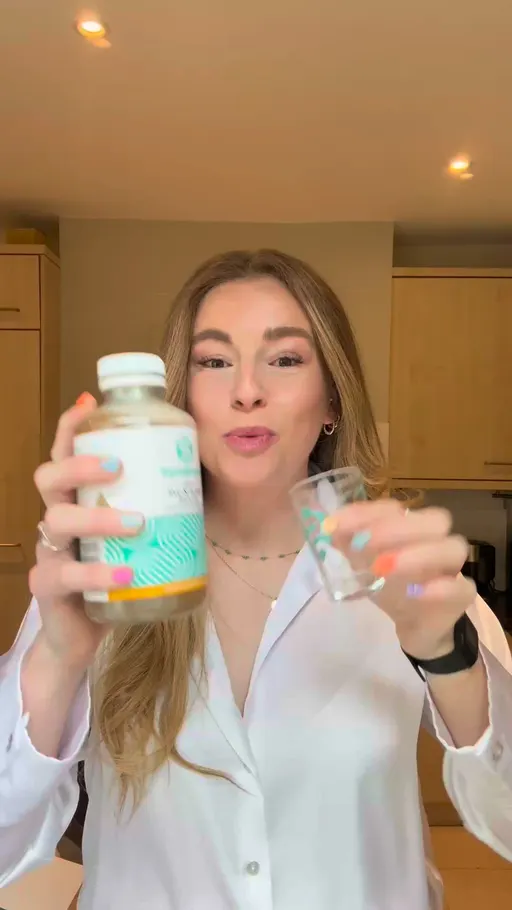
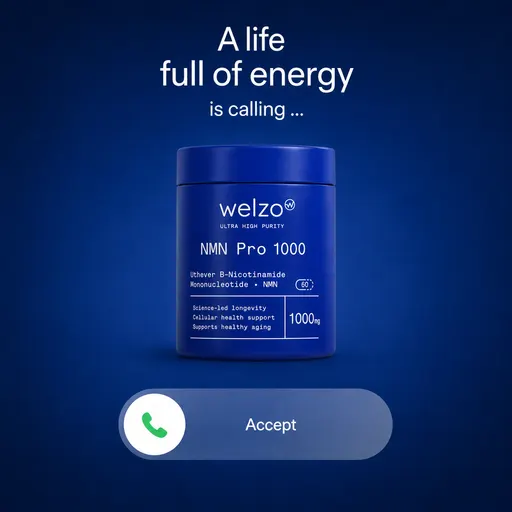
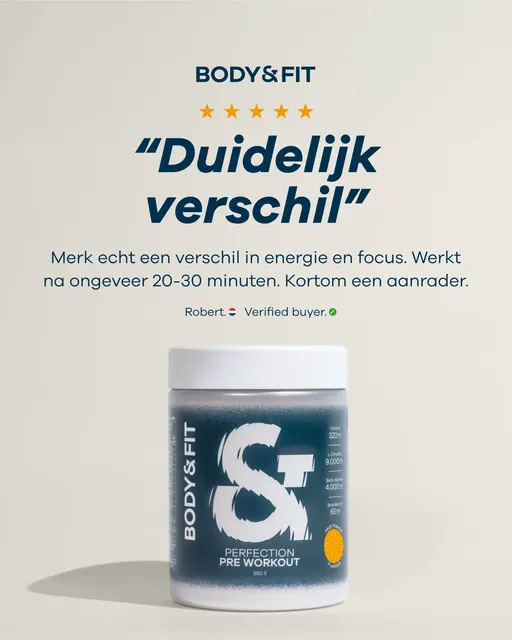
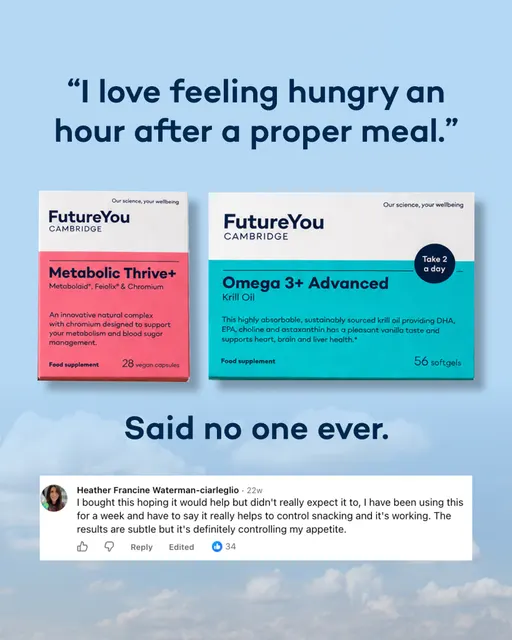
welzo.com's "A life full of energy is calling..." hands the promise to the reader's own near future. bodyandfit.com's "A clear difference in energy and focus" is a plain verdict with no adjectives to argue with. futureyouhealth.com's "I love feeling hungry an hour after a proper meal." opens on sarcasm, which is a buyer's voice rather than a brand's. Sixteen brands carry this row, on 150 ads.
Newness: it makes the arrival the whole story
What it is. The news is that the thing exists now, the way ringconn.com puts it with "Meet the New RingConn Gen 3".
Why people respond. A shopper who has already decided not to buy the old one has no reason to look again until something changes. "New" is the only word that reopens that door. That is our reading of the attention, not a claim about sales.
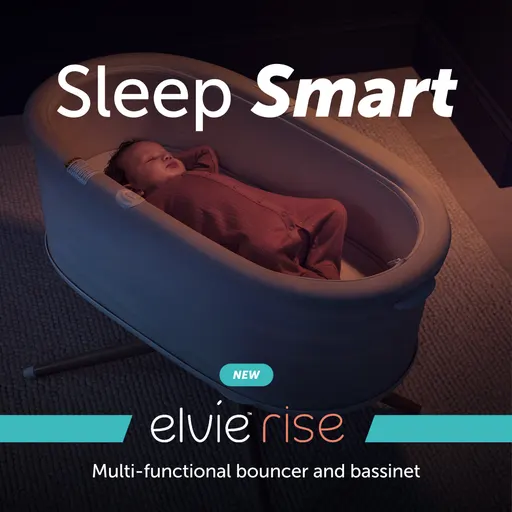

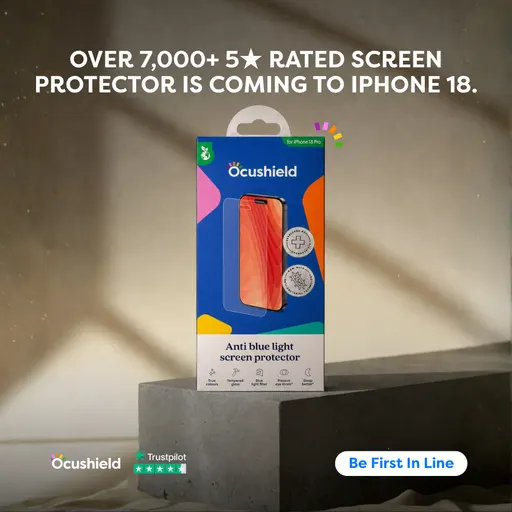
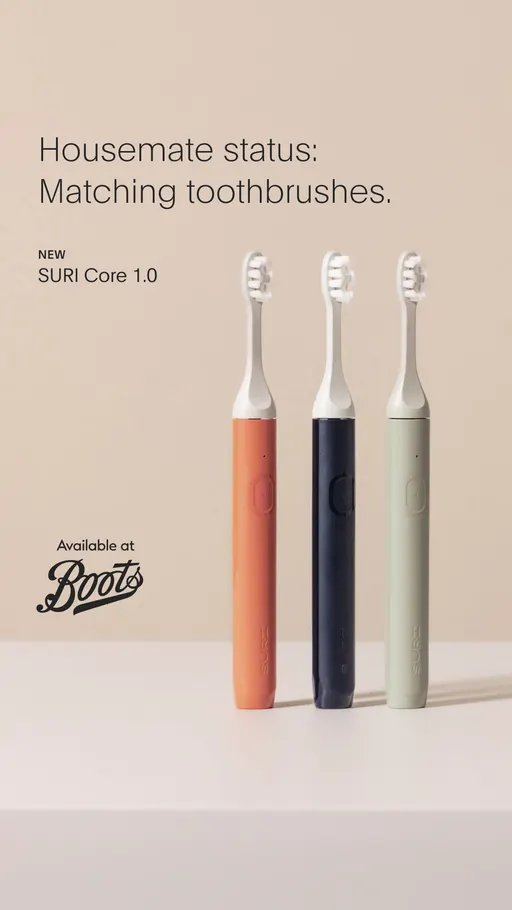
elvie.com's "NEW All-in-One Smart Bouncer & Bassinet" puts the word first and the category second. ocushield.com's "Over 7,000+ five-star rated screen protector coming to iPhone 18" attaches its arrival to someone else's. trysuri.com's "Try it for 100 days" makes the new thing a trial rather than a purchase. Twelve brands carry this row, on 43 ads.
One ad to brief this week: the Four-Reason Cut
Listicle rose from 2.2% of ads to 5%, Social proof from 9.2% to 11.3% and Newness from 1.9% to 3.2%, all in the same month and all on modest brand counts. Put together, they point at one ad: it opens on a counted promise, the middle hands two clips to a buyer in her own words, and the close carries the arrival. This is our suggestion, built from the movers, not a finding. The library cannot say it will land, which is exactly what the test is for.
The format. Five clips in a single vertical video: four clips, one reason each, then a last clip for the arrival, with on-screen numbers so a muted viewer can still count the reasons.
The hook. Model the first clip on nurecover.com's “4 things cheap saunas get wrong”: keep the count in the first words and nothing else on screen.
The middle. Model the second, third and fourth clips on symprove.com's “When I say I have been using this daily to enable me to literally live my life, that is the god honest truth.”: keep the buyer's own run-on sentence, uncut.
The close. Model the last clip on ringconn.com's “Meet the New RingConn Gen 3”: keep the arrival in the first three words, where the shopper is already deciding.
The test. Run it against your best ad on Bold claim, this cut's leading hook, on the same audience and the same budget split, for two full weeks, and judge it on cost per purchase.
Swap "limited time" for a real calendar date. That is the first of two side tests, modelled on futureyouhealth.com's "3 month bundle - limited time only 👀", and the ad comes down the day the date passes. The second narrows the shopper rather than the clock: an ad written for one named person, modelled on elvie.com's "Pregnant and thinking about pumping?", run against your broadest ad on Solution-aware, the argument behind 22.8% of October's ads here. Each of the two is a whole ad against the ad it replaces. Neither gets folded into the Four-Reason Cut, and neither is a swap of the first line alone.
One catch before you run off. Everything above is the whole of UK Health & Wellness. Your corner of it might look nothing like it.
The eCommerceBenchmark Ad Library sorts your ads into the same hooks, angles, concepts and offers used in this report and shows your mix next to the market, so you can see which shapes you have never shipped.
Audit my creatives, freeOne catch before you run off. Everything above is the whole of UK Health & Wellness, and your corner of it might look nothing like it.
Why you need to know the hooks in your niche
A row that is crowded across this whole cut can be empty in your corner of it. Your product line, your price point and your shopper are a narrower slice than thirty brands, so the opening you think is yours alone can be the one all five of your competitors used last week, and the row the page calls busy can be one nobody near you has touched.
- Shoppers tune out an opening they meet over and over. Bold claim opened 19% of the month's ads in this cut, so a shopper scrolling supplements meets a big promise again and again.
- When every ad sounds the same, price is the only thing left to compare. Offer-first banner already staged 9.9% of October's ads.
- A different opening is one line in the brief either way. Direct question ran on 18 brands against Bold claim's 19, so a question is no harder to specify than a claim.
- Different isn't the same as right. Listicle sits at 5% of ads on 13 brands, which is why you test one ad into it rather than moving the account over.
Your 30-minute check
- Collect. Pull twenty current ads from your five closest competitors in the free Meta Ad Library.
- Label. Write down each ad's hook, angle and concept, one line per ad.
- Count. The row that shows up most is your niche's crowded row; across UK Health & Wellness, that's the Bold claim.
- Find the gap. The row that shows up least, or never; check it against the movers above.
- Brief one test. One ad for the empty row, run against your control for two full weeks.
Want every number? Here are the full rankings.
The full rankings: hooks, angles and concepts
Use these as worksheets, not scoreboards. This cut's ladders carry twelve hooks, seven angles and twelve concepts, so print them and write your own count beside each row, from your last month of ads or from your competitors' current ones. The rows where your number is highest are the ones you are actually competing in, whatever the national picture says.
| Hook | October share | September share | Change |
|---|---|---|---|
| Bold claim | 19% | 15.8% | ▲ 3.2 |
| Relatability | 12.9% | 11.6% | ▲ 1.3 |
| Direct question | 10.3% | 8.9% | ▲ 1.4 |
| Curiosity gap | 9.9% | 11.8% | ▼ 1.9 |
| Authority | 7.2% | 7.3% | ▼ 0.1 |
| Urgency / FOMO | 3.5% | 3.5% | 0 |
| Newness | 3.2% | 1.9% | ▲ 1.3 |
| Contrarian | 2.9% | 2.1% | ▲ 0.8 |
| Price anchor | 2.9% | 3% | ▼ 0.1 |
| Confession | 2.2% | 1.6% | ▲ 0.6 |
| Shocking statement | 1.7% | 2.1% | ▼ 0.4 |
| Visual reveal | 1.7% | 0.8% | ▲ 0.9 |
| Angle | October share | September share | Change |
|---|---|---|---|
| Solution-aware | 22.8% | 18.1% | ▲ 4.7 |
| Mechanism | 16.6% | 14.5% | ▲ 2.1 |
| Problem-aware | 15.8% | 19.6% | ▼ 3.8 |
| Social proof | 11.3% | 9.2% | ▲ 2.1 |
| Objection crusher | 7.2% | 7.3% | ▼ 0.1 |
| Identity | 4.4% | 4.3% | ▲ 0.1 |
| Comparison | 3.4% | 2.7% | ▲ 0.7 |
| Concept | October share | September share | Change |
|---|---|---|---|
| Offer-first banner | 9.9% | 9.7% | ▲ 0.2 |
| Montage | 9.7% | 7.8% | ▲ 1.9 |
| Cinematic B-roll | 9.6% | 6.4% | ▲ 3.2 |
| Product Demo Close-Up | 7.5% | 6.8% | ▲ 0.7 |
| Customer Testimonial Reel | 5.3% | 4.2% | ▲ 1.1 |
| Listicle | 5% | 2.2% | ▲ 2.8 |
| Selfie talking-head | 5% | 4.2% | ▲ 0.8 |
| Problem agitation | 2.9% | 2.9% | 0 |
| Side-by-Side Comparison | 1.3% | 1.3% | 0 |
| Before/After Transformation | 0.8% | 0.6% | ▲ 0.2 |
| Us vs. Them | 0.7% | 0.5% | ▲ 0.2 |
| POV | 0.5% | 0.1% | ▲ 0.4 |
Your test card
Here is the Four-Reason Cut set up the way a media buyer would run it, against your best ad on Bold claim. Write your own numbers in the blanks before you launch, not after.
| Hypothesis | The Four-Reason Cut, run beside my best Bold claim ad on the same audience, will hold or lower my cost per purchase over two full weeks. |
| Change only this | The whole creative: the Four-Reason Cut, a numbered opening, the buyer's own words in the middle, and the just-landed close. |
| Keep the same | Product, offer, audience, placement and budget split. |
| Funnel stage | Say first whether this ad is for prospecting (cold) or retargeting (warm). A deal in the first line is often right for warm audiences and wrong for cold ones, so test it where the ad will really run. |
| Setup | One control and one variant, same audience, same placement, even budget split. Do not edit either ad while the test runs. |
| How long and how much | Until each version has about 50 purchases, or two full weeks, whichever comes later. This is general testing practice (Meta's own learning-phase guideline is about 50 results per ad set per week), not a library finding. |
| Success metric | Cost per purchase, not clicks. |
| Stop rule | Pause a variant that has spent about 3 times your target cost per purchase with no purchase. If it is close, keep it running. |
| What counts as a win | The variant beats the control on the metric by an amount you would act on, and still does in a second week. |
October 2026 UK Health & Wellness ads: what to brief next
- Bold claim opened 19% of October's ads, Relatability 12.9% and Direct question 10.3% [eCommerceBenchmark Ad Library, 2026]: the lane every brief in this cut lands in by default.
- Solution-aware argued 22.8%, Mechanism 16.6% and Problem-aware 15.8%, so the three of them carry more than half of the month's ads between them.
- Offer-first banner staged 9.9%, Montage 9.7% and Cinematic B-roll 9.6%: three shapes to read beside each other only, never beside a hook or an angle.
- Staying power: of the three top hooks, Relatability has the highest share of sampled ads past sixty days, at 55.6%; of the three top concepts, Cinematic B-roll has the lowest, at 40.6%, both from a longevity-ranked sample that reads high.
- Four risers worth one test each, all on modest brand counts: Listicle on 13 brands, Social proof on 16, Newness on 12 and Customer Testimonial Reel on 16.
- Run the thirty-minute check: twenty competitor ads labelled by hook, angle and concept, then one brief into the row your own corner never opens with, against your Bold claim control.
UK Health & Wellness ad benchmarks: common questions
Keep one ad on Bold claim running as your control, because 19% of the month's ads in this cut opened that way and you need a fair thing to beat. Then brief exactly one new ad, the Four-Reason Cut, and run it against that control on the same audience and the same budget split for two full weeks. Judge it on cost per purchase and nothing else. At the end of the fortnight you will have a decision you can defend in a sentence, which is more than a stronger first line has ever given you.