US eCommerce Ads, October 2026: The Default Opening Slipped. What Stepped Into the Gap?

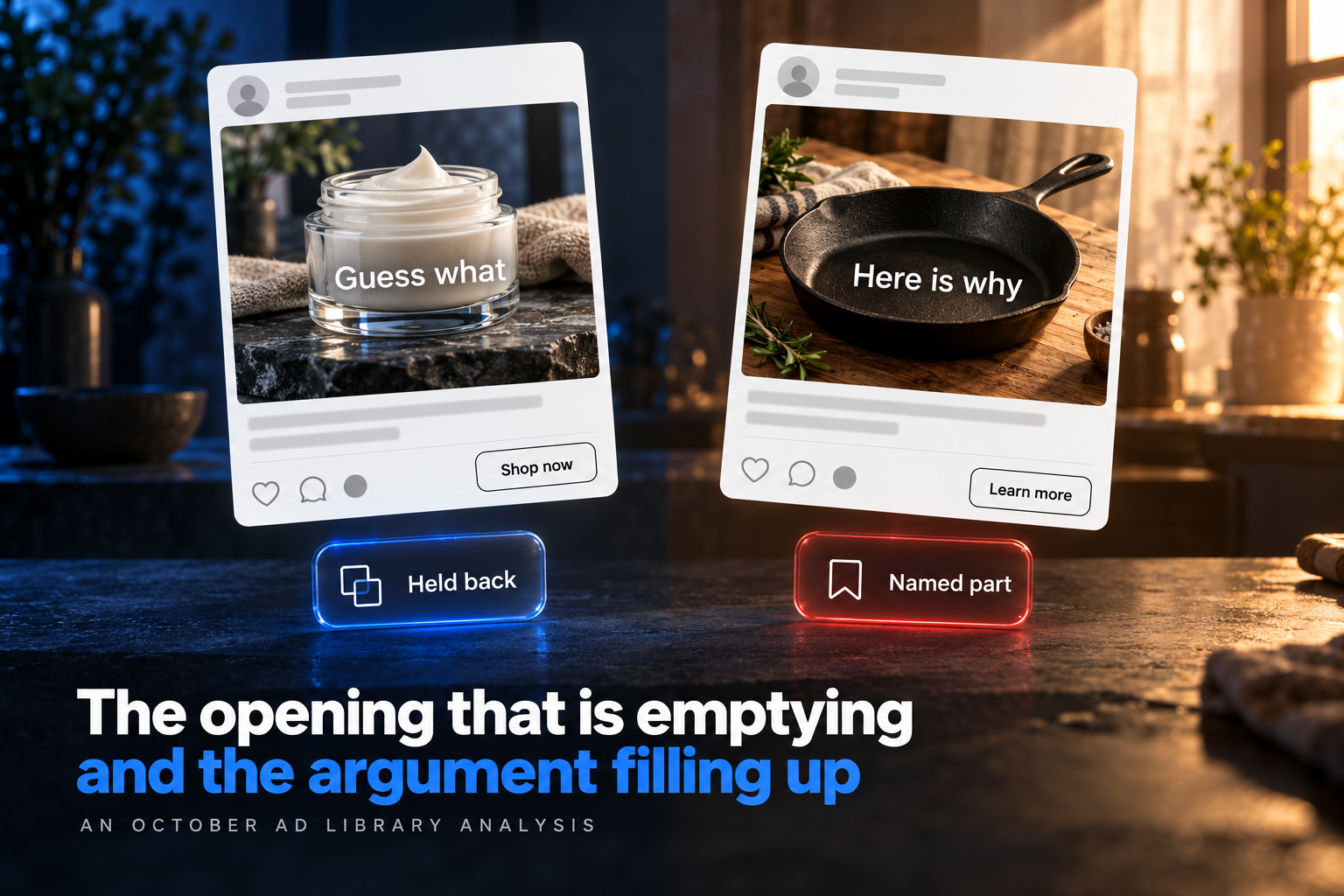
Scope: every industry the eCommerceBenchmark Ad Library tracks in the US. 219 brands, 10,571 ads active in October 2026, compared with September 2026. No split by industry.
Most ad reports tell you what's popular. Then they leave you standing there.
This one tells you what to do about it.
For each of October's top three hooks, top three angles and top three concepts, you get the same five things: what it is, why it matters to you, what moved since September, which real brands ran it, and one thing to steal. Nine moves, nine things to steal. In this cut of US eCommerce that means Curiosity gap at the top of the openings, Identity at the top of the arguments and Product Demo Close-Up at the top of the shapes. Then the small rows that actually grew, and one ad to brief this week.
- A brief decides three things, not one. Hook, angle and concept. In October's US ads that lands as Curiosity gap, Identity and Product Demo Close-Up, and if your brief names only the hook, the person shooting it picks the other two for you.
- The market's default is the one every shopper has already met. Curiosity gap opened more US ads this month than any other opening, so an ad that starts there starts inside a crowd.
- The defaults differ on staying power. Problem-aware has the largest share of ads past sixty days and Montage the smallest, and Montage also rose this month.
But first, three words that most briefs mix up.
Hook, angle, concept: three different jobs
Mixing these three up is a common way a US eCommerce ad brief goes wrong. Ask for "a stronger hook" and stop there, and you have decided one thing out of three. The other two get picked on the shoot, by whoever is holding the camera. Left alone they land where October's US ads already sat: Curiosity gap for the opening at 17.6% of ads, Identity for the argument at 19.7% and Product Demo Close-Up for the shape at 12.4%. Three decisions, one of them written down.
| Word | In one line | Plain example |
|---|---|---|
| Hook | The first move an ad makes to stop a scroll: its first line or first seconds. | "I kept the receipt. Here's why I didn't use it." |
| Angle | The reason the ad gives a shopper to buy. | "One tub lasts a whole winter of school mornings." |
| Concept | The shape of the creative: how it is filmed, laid out or staged. | A pair of hands opening the jar on a kitchen counter, held in one shot. |
The plain examples are made up to show the idea.
How to read a rise or a fall
Every hook, angle and concept below shows its share of October's US ads, September's share and its brand count. Curiosity gap reads like this: 17.6% of the month's ads, 20% in September, 131 brands.
- Rising. More ads use it, so the row is getting crowded: Solution-aware went from 10.3% to 13.5%.
- Falling. Fewer ads use it, which does not mean it failed: Identity eased from 21.6% to 19.7%.
- Flat. Its share held: Urgency / FOMO sat at 4.2% in both months.
- Small. A move under half a point is small, so check the brand count: UGC Unboxing went from 0.6% to 0.8% of ads, on 31 brands.
One more rule. A bigger share does not mean a row works better: there is no sales, spend or profit data here, only what brands ran. Each item also shows how many of its ads ran sixty days or more in a sample ranked by time on air, so those numbers read high: 93.3% for Curiosity gap. Read them as a staying-power hint, not a result.
Ready? Start with how ads open.
The top 3 hooks: how ads open
Together, these three open more than a third of October's US ads. This section shows how crowded each opening is, and how many of its ads have run sixty days or more.
Source: eCommerceBenchmark Ad Library, 2026.
1. Curiosity Gap: it holds the answer back one beat
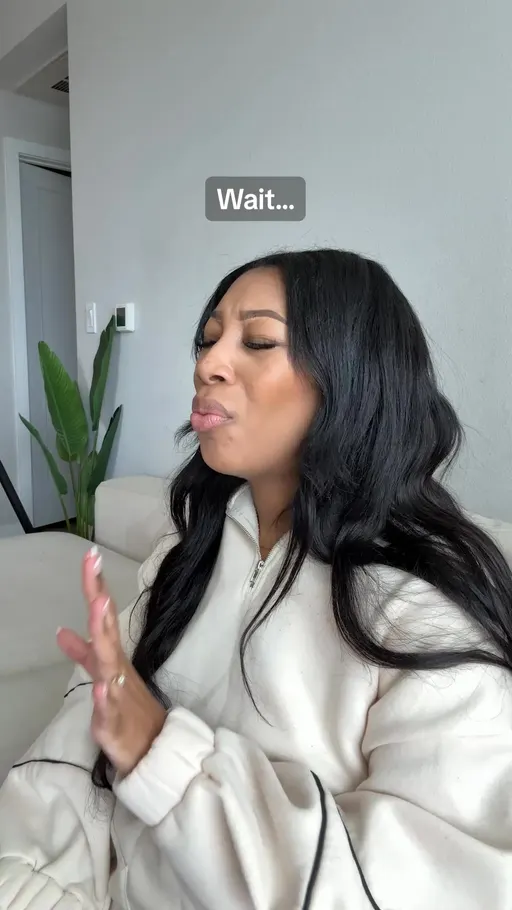
What it is. The opening states something odd or unfinished and leaves the payoff to the next line. smileset.com starts on "Wait, you just scanned your teeth with your phone?" and leaves the promise to its headline.
Why it matters to you. The busiest opening of the three, on 131 brands against Bold claim's 111, and its ads lasted longest in the sample at 93.3% past sixty days.
What moved. 17.6% in October, 20% in September. The default opening took up less of the month than before.
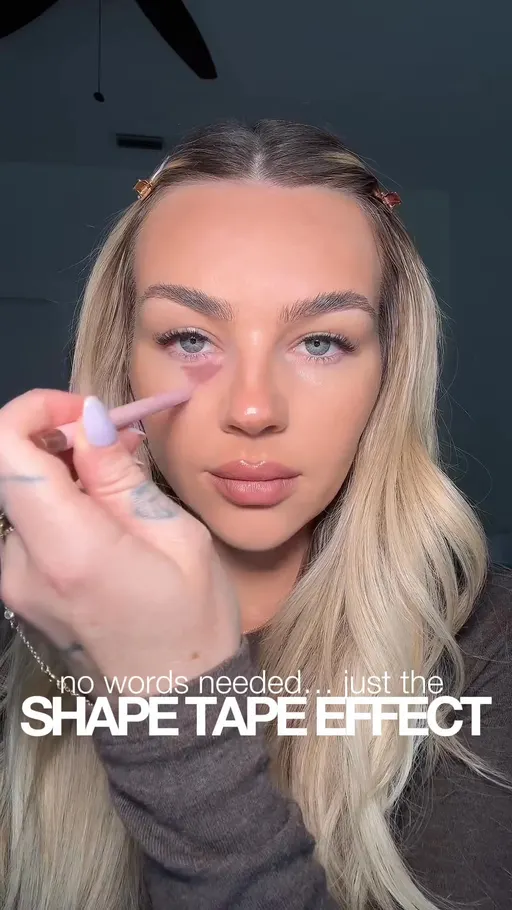
tartecosmetics.com holds the whole argument back: "no words needed... just the SHAPE TAPE EFFECT".
That's the crowded one. Now the loud promise.
2. Bold Claim: it leads with the strongest promise it can make
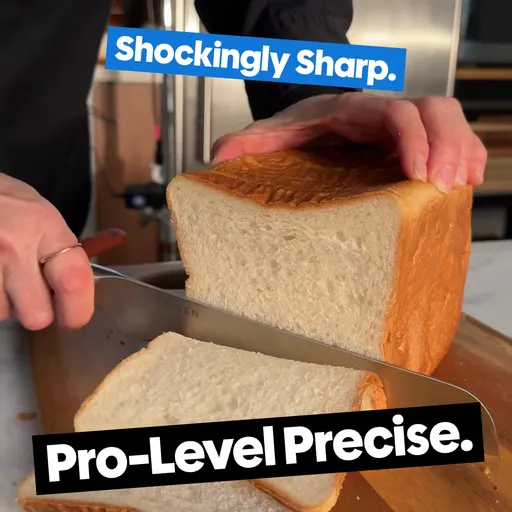
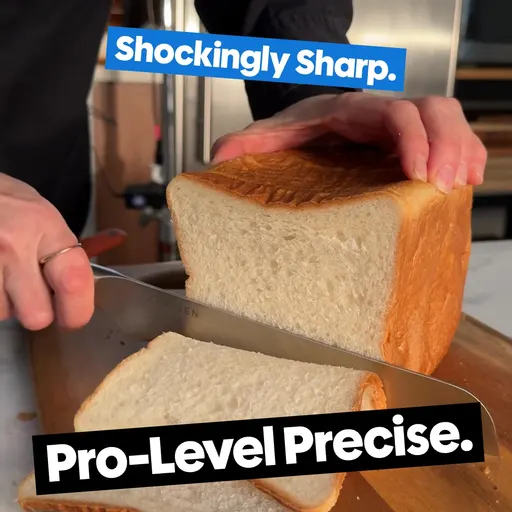
What it is. The opening makes its biggest promise immediately, with nothing held back. misen.com starts on "Shockingly Sharp. Pro-Level Precise." and lets the headline name what the product is.
Why it matters to you. It runs on 111 brands across 1,117 ads, but it has the fewest ads past sixty days of the three, at 44.9%.
What moved. 10.6% in October, 8.7% in September. Our reading: when the tease opening gets crowded, the flat promise is the nearest alternative. The data records the share, not the reason.

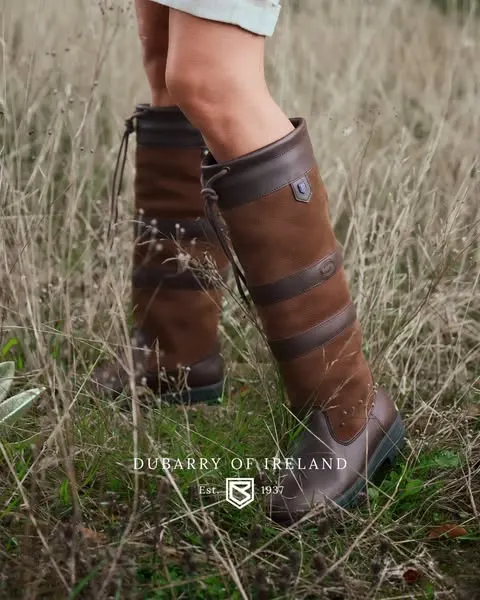
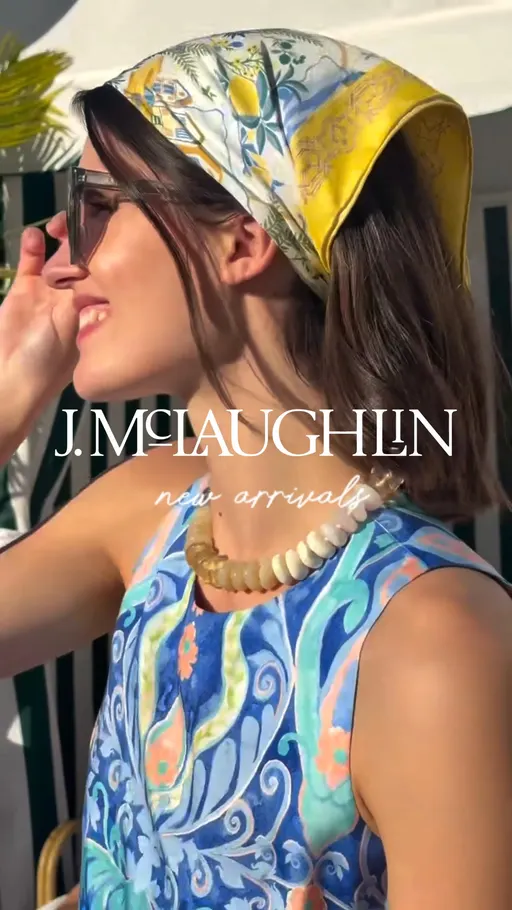
jmclaughlin.com keeps it to two words, "Belted beautifully".
That's the loud one. Now the one that sounds like a text message.
3. Relatability: it puts a familiar moment in the shopper's mouth
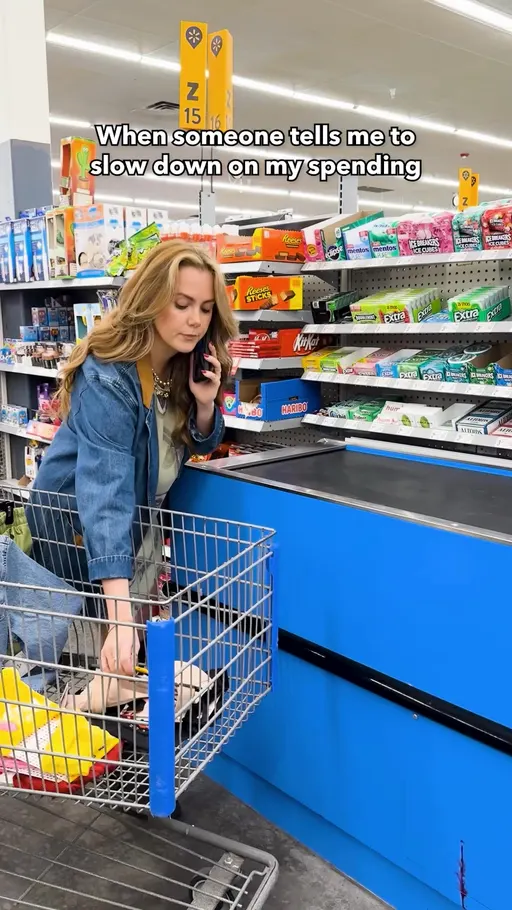
What it is. The opening quotes a moment the shopper has lived, in the words they would use. shapermint.com starts on "When someone tells me to slow down on my spending" and lets the rest of the ad answer it.
Why it matters to you. The quietest of the three on 92 brands across 775 ads, and its ads lasted in the middle at 73.3% past sixty days.
What moved. 7.3% of October's ads. Against September, this row held about level, so treat it as a steady baseline.
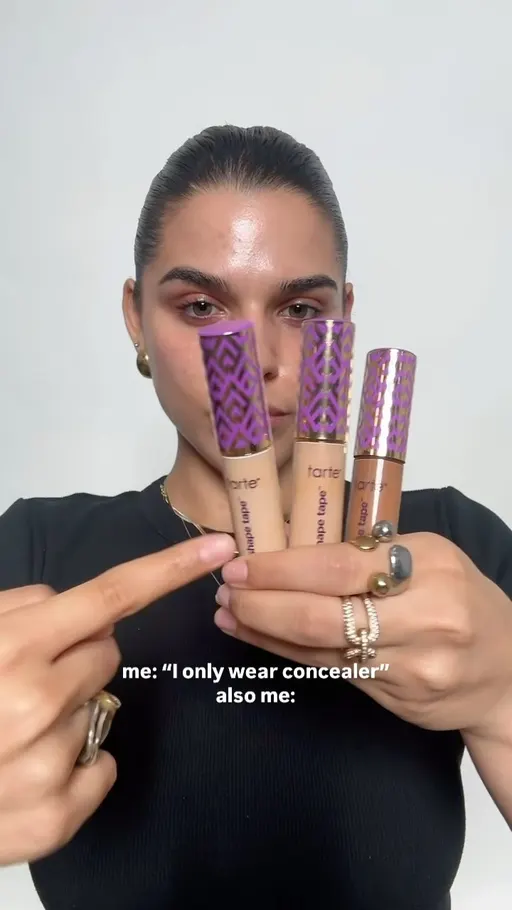
tartecosmetics.com writes the joke as two halves of one thought: "me: "I only wear concealer" also me:".
That's how ads open. But why would anyone buy?
The top 3 angles: why the shopper should buy
Together, these three argue nearly half of October's ads. The arguments moved harder this month than the openings did, and this section shows how crowded each one is and how long its ads lasted in the sample.
Source: eCommerceBenchmark Ad Library, 2026.
4. Identity: it sells a picture of who the buyer already is
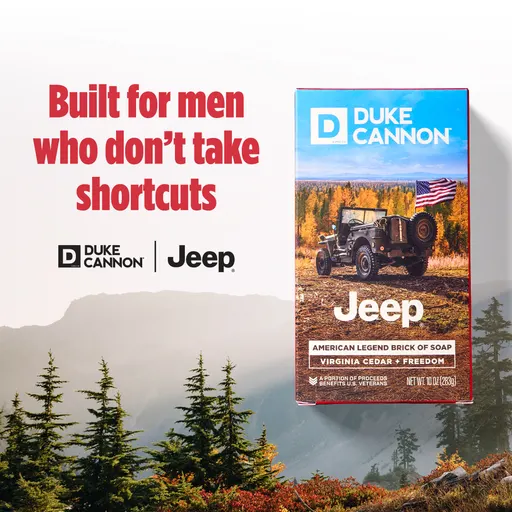
What it is. The argument is about the shopper, not the product: buy this because of who you are. dukecannon.com starts on "Built for men who don’t take shortcuts" and leaves the product to the headline.
Why it matters to you. Still the argument with the largest share of ads, on 120 brands across 2,086 ads, with middling staying power at 69.3% past sixty days.
What moved. 19.7% in October, 21.6% in September. The leading argument gave up ground while the openings were shuffling.
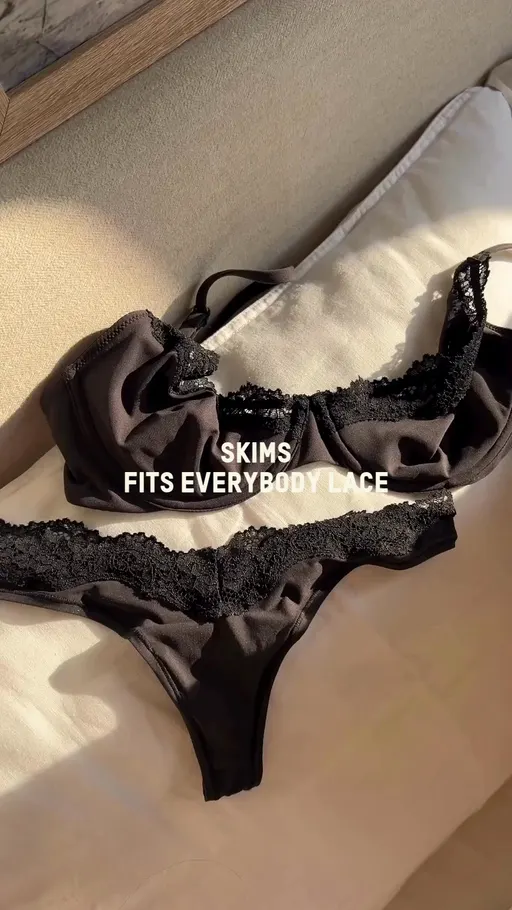


skims.com makes the claim about everyone, "SKIMS FITS EVERYBODY LACE".
That's the one about the shopper. Now the one about the fix.
5. Solution-Aware: it names the fix for someone already looking for one
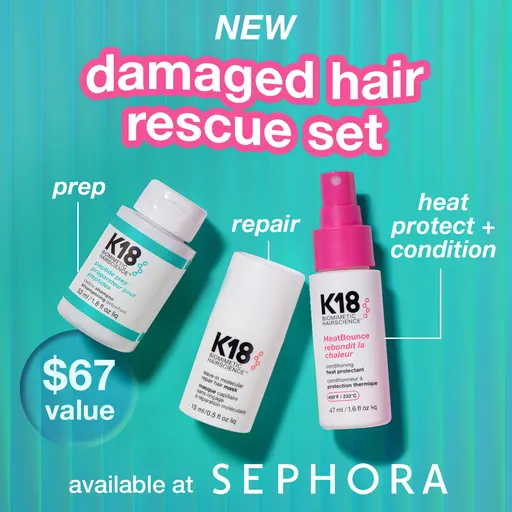
What it is. The argument assumes the shopper is already shopping and points at one answer. k18hair.com starts on "record-breaking hair repair" and puts the job before the brand.
Why it matters to you. 133 brands ran it across 1,424 ads, the widest base of the three, but it has the fewest ads past sixty days of the three, at 38.8%.
What moved. 13.5% in October, 10.3% in September. This was the biggest riser of the three rankings, and it leads the movers chart below.
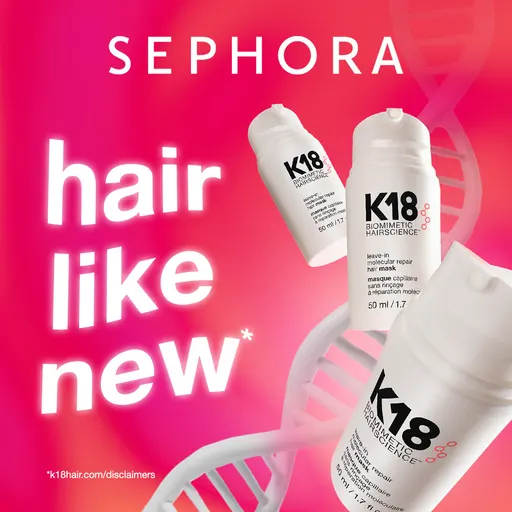

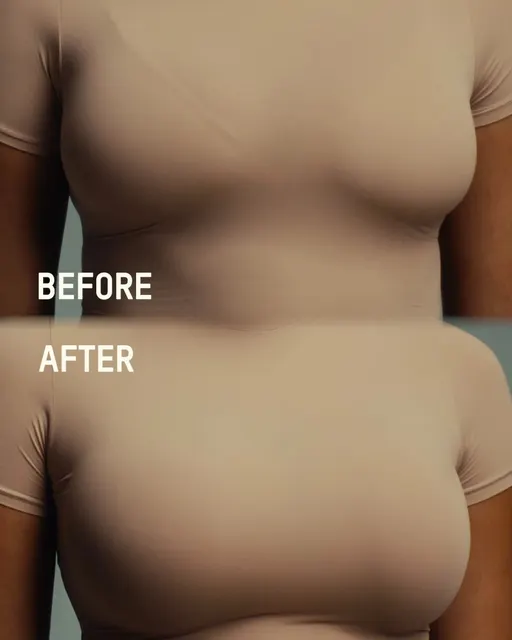
denstea.com turns the fix into an activity, "Let's make Hojicha Apple Tea".
That's the one for a shopper mid-search. Now the one that starts earlier.
6. Problem-Aware: it starts from the trouble the shopper lives with
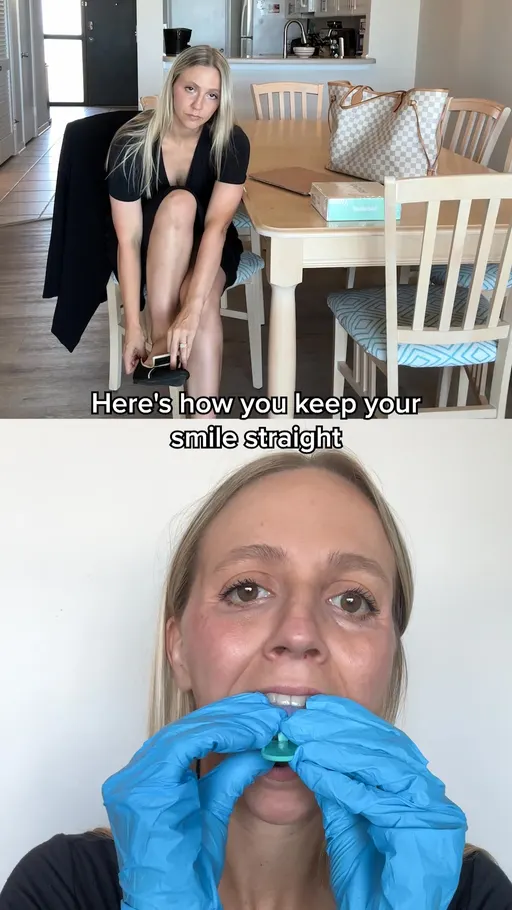
What it is. The argument names the trouble before it offers anything. smileset.com starts on "Here's how you keep your smile straight without changing a single thing about your day." and keeps the objection for the end of the sentence.
Why it matters to you. The narrowest of the three on 101 brands and 1,255 ads, and its ads lasted longest in the sample at 96.3% past sixty days.
What moved. 11.9% in October, 13% in September. The argument with the longest-lasting ads took a smaller share of the month, so the room here widened.
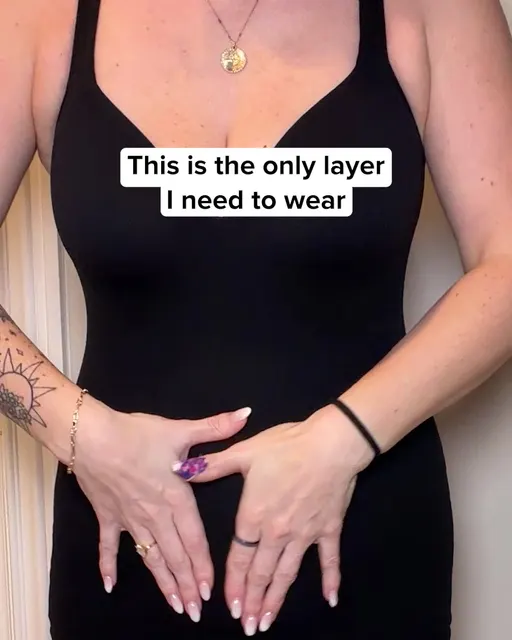
shapermint.com speaks as the shopper: "This is the only layer I need to wear when I actually want my shape to look right".
That's why a shopper should buy. Now, what the ad actually looks like.
The top 3 concepts: how the ad looks
A concept is the shape of the creative: how it is filmed, laid out or staged. Fewer ads carry a concept than carry a hook or an angle, so these shares look small. Compare concepts only with each other, never with a hook or an angle share. Together, these three stage about a quarter of October's ads, and this section shows how crowded each shape is and how long its ads lasted in the sample.
Source: eCommerceBenchmark Ad Library, 2026.
7. Product Demo Close-Up: it puts the product in your hand on screen
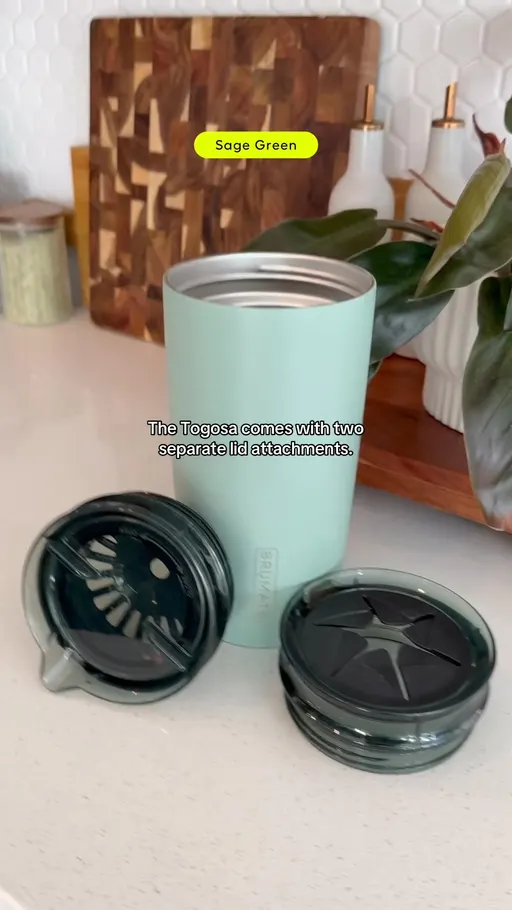
What it is. The frame fills with the thing itself and the words stay out of the way. shop.brumate.com starts on "The Togosa NOW COMES IN 3 NEW COLORS" and lets the product do the rest.
Why it matters to you. The busiest of the three shapes on 106 brands across 1,315 ads, and its ads lasted longest in the sample at 68.7% past sixty days.
What moved. 12.4% of October's ads. Against September, the leading shape held about level.
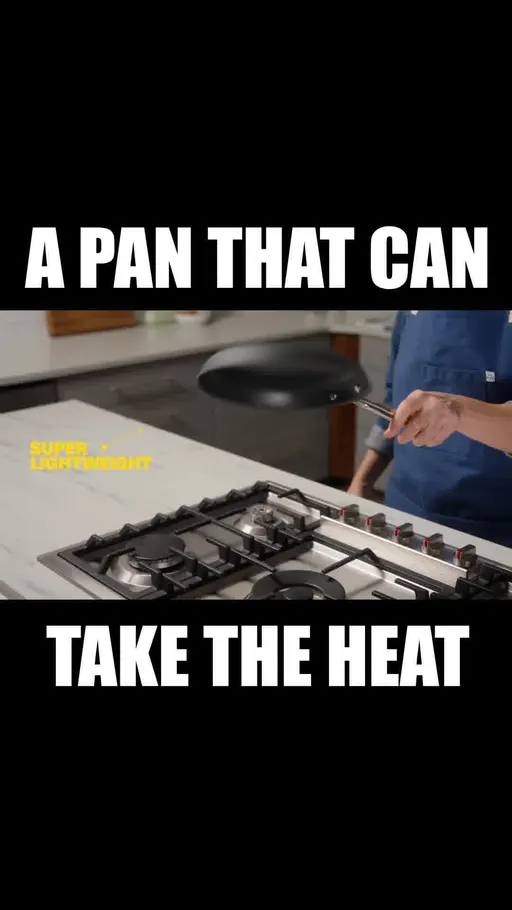
misen.com keeps it to a single claim about heat, "A pan that can take the heat".
That's the control shape. Now the one that pulls the camera back.
8. Cinematic B-Roll: it shoots the product inside a wider scene
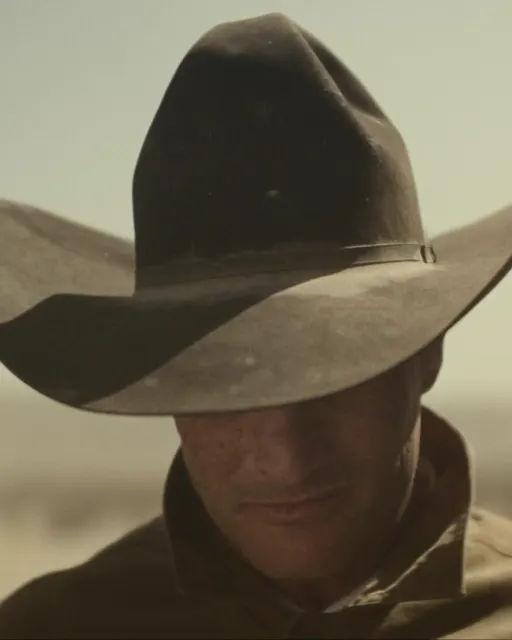
What it is. The shape builds a scene and lets the product sit inside it. tecovas.com starts on "The true West has no fences." and never names the product in the line at all.
Why it matters to you. The middle shape of the three on 86 brands across 792 ads, and its ads lasted in the middle too, 38% past sixty days.
What moved. 7.5% of October's ads. Against September, this shape held about level.
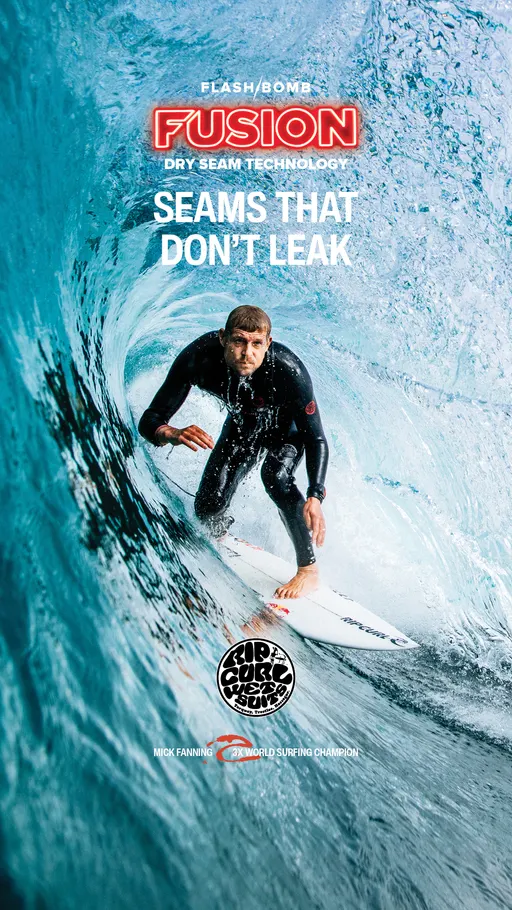
ripcurl.com makes the scene about the build, "Seams that don’t leak".
That's the quiet shape. Now the one with the fewest ads past sixty days.
9. Montage: it runs many short cuts on a single thread
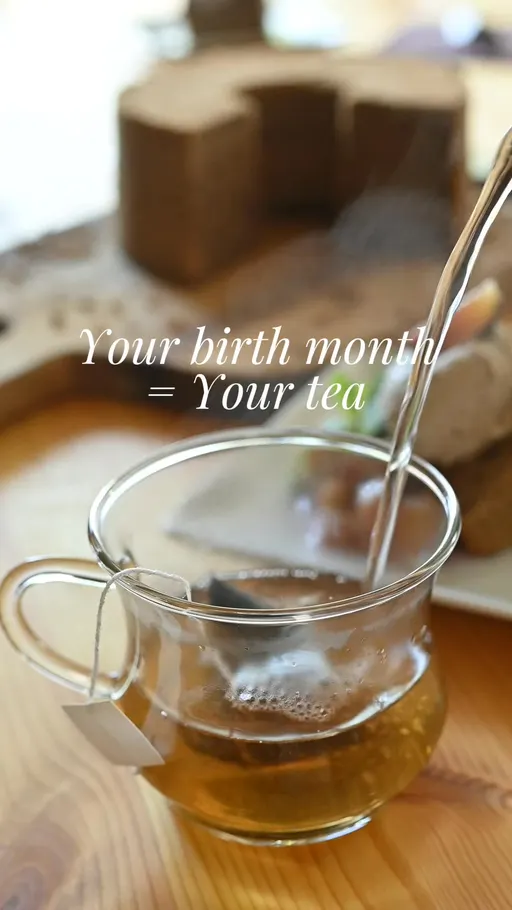
What it is. The shape stacks short clips and lets one idea run through them. denstea.com starts on "Your birth month = Your tea", a rule every following cut can apply.
Why it matters to you. It sits on 86 brands and 700 ads, the same number of brands as Cinematic B-roll, but it has the fewest ads past sixty days of the three, at 26%. It also rose this month, so many of its ads are too new to have got there.
What moved. 6.6% in October, 4.6% in September. That is a clear rise, and it shows in the movers chart below.
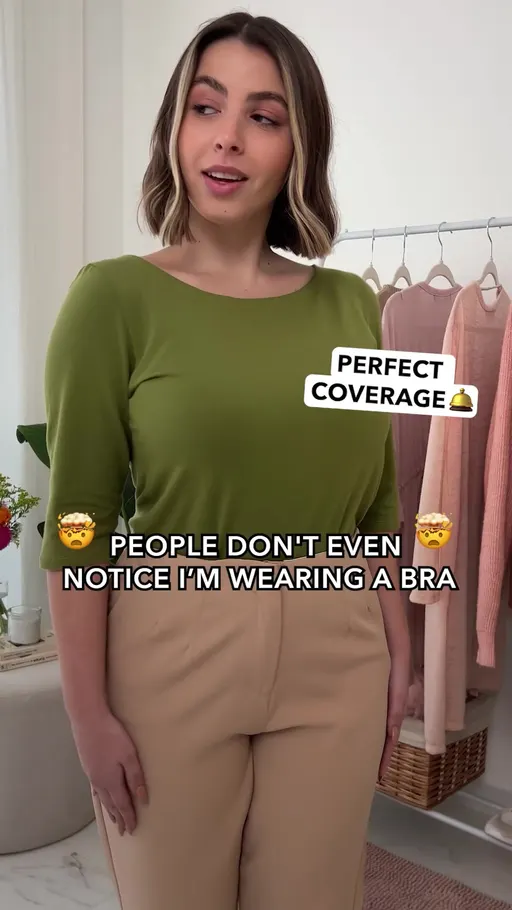
shapermint.com opens on a condition in capitals, "IF YOU WANNA STOP FEELING EXPOSED".
So the leaders moved. Where did the rest of the market go?
What actually moved: the small stuff
Most of the nine leaders moved by more than half a point this month, so October was not a quiet month at the top. Across the three rankings, more rows rose by a fifth of a point or more. Here they are.
Rows of the three rankings that rose by a fifth of a point or more, October 2026 against September, in points. The library labelled more of its ads in October than in September, and that lifts every share a little, so read a small rise with care. Source: eCommerceBenchmark Ad Library, 2026.
Three of the nine leaders eased: Curiosity gap, Identity and Problem-aware. Three rose enough to show in the chart: Bold claim, Solution-aware and Montage. Relatability took 7.3% of October's ads, Product Demo Close-Up 12.4% and Cinematic B-roll 7.5%. Most of the other risers are small rows. The reason to care is not any single one of them: it is that several rose in the same month, and that pattern is where a brief nobody has written yet hides. Let's look at three of them in real ads.
Mechanism: it points at the working part and names it
What it is. The ad names the part inside the product that does the job, the way k18hair.com does with "breakthrough triple-action blonde shampoo".
Why people respond. A shopper who has been told ten times that something works wants to know what in it is doing the working. It is the difference between a mechanic saying "it's fixed" and a mechanic showing you the worn belt. Naming the part gives the shopper something to repeat to themselves while they decide. That is our reading of the attention, not a claim about sales.
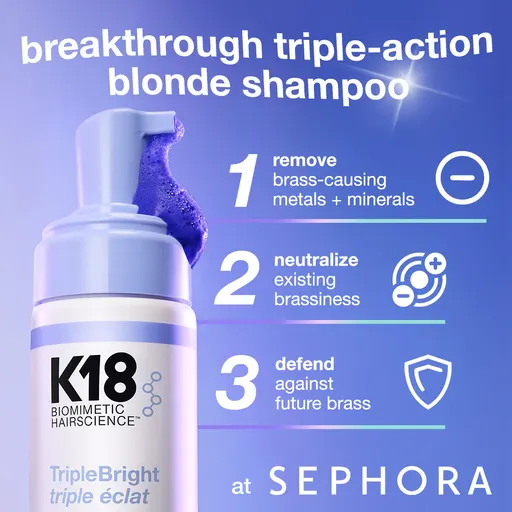
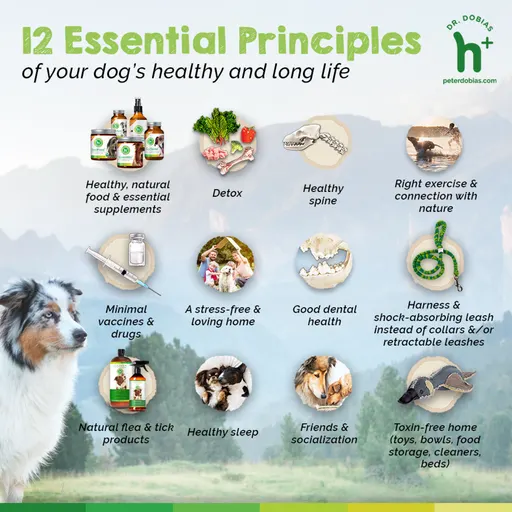
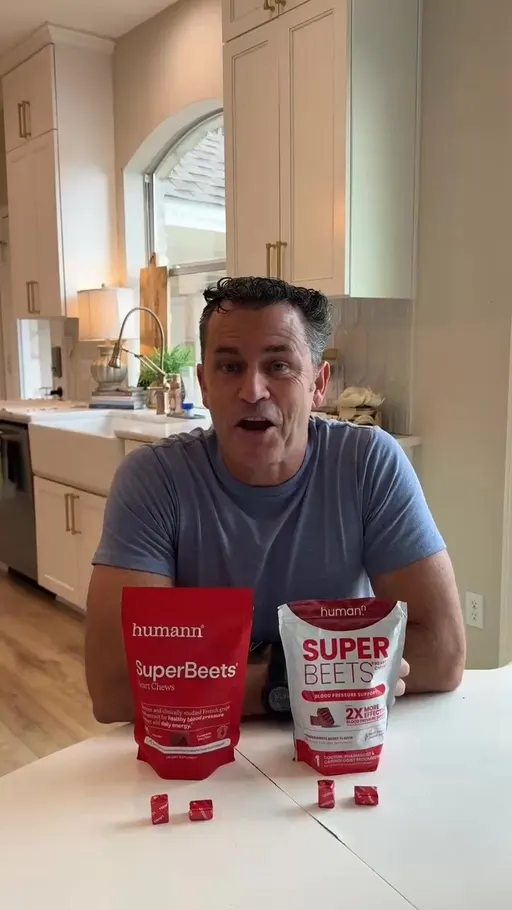
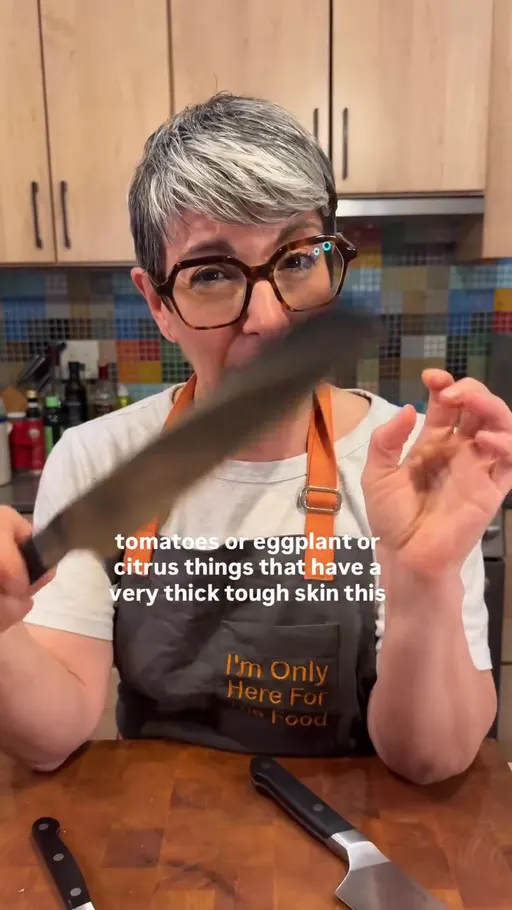
Four ads, four working parts. k18hair.com names the action count in the product name. peterdobias.com turns the mechanism into a numbered plan, "12 Essential Principles of your dog’s healthy and long life". humann.com explains a change the buyer already noticed, "If your SuperBeets look different lately, here's why." misen.com argues against buying too much before it argues for anything, "Let's talk essential knives..." The row sits on 100 brands against 661 ads this month, so some accounts are running several of these at once.
Visual Reveal: it shows the difference before it says anything
What it is. The ad opens on the change itself, the way misen.com does with "This is my Misen pan six months ago and this is my Carbon Nonstick pan today".
Why people respond. Two things side by side settle an argument faster than a sentence about either one. It works like holding up the old kettle next to the new one on the kitchen counter. The shopper does the comparing, so nobody has to be convinced of anything. That is our reading of the attention, not a claim about sales.
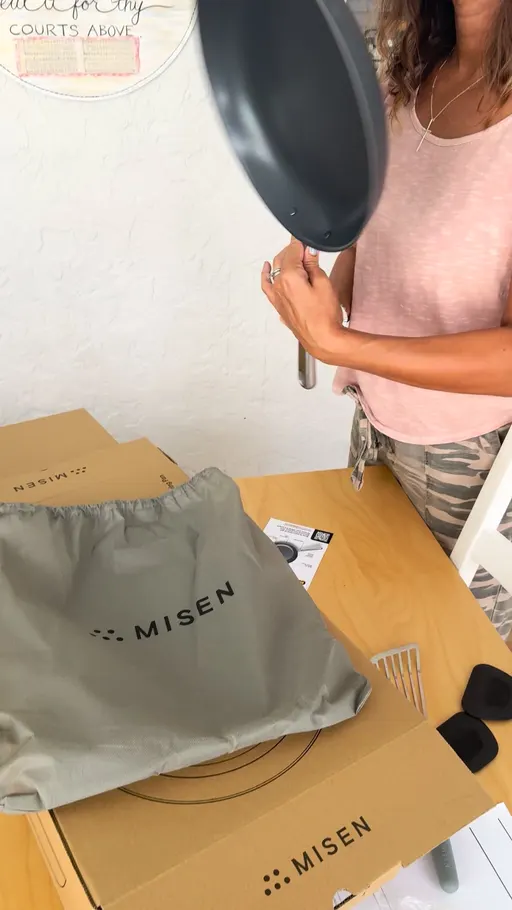

Four ads, four kinds of change. misen.com states the two dates plainly. denstea.com makes the change a process, "Let's make Hojicha Apple Tea". dollskill.com announces a return, "your wish came true...the dress you loved in Obsession is BACK IN STOCK 🪄". dubarry.com keeps it to two words, "Discover Jackets". The row ran on 69 brands and 549 ads.
Direct Question: it puts the decision into a question
What it is. The ad asks the thing the shopper is already weighing, the way misen.com does with "So have you ever been cooking in a non-stick pan and the only thing you can reach to stir is a metal spoon so you hesitate?"
Why people respond. A question gets answered in the shopper's head before they decide whether to keep watching. It is the same pull as someone at a party asking whether you have ever done the thing you do every week. The answer is theirs, so the ad has their attention on loan. That is our reading of the attention, not a claim about sales.
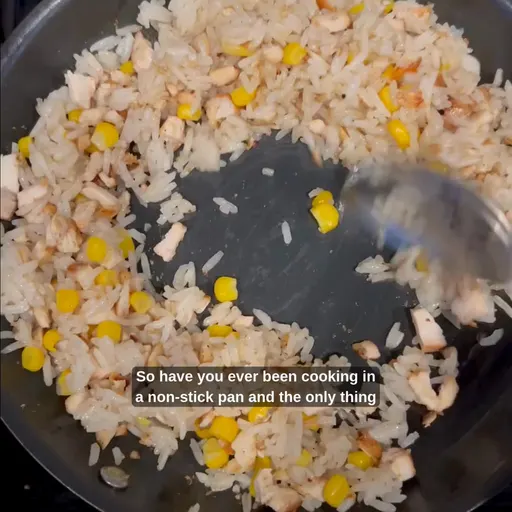
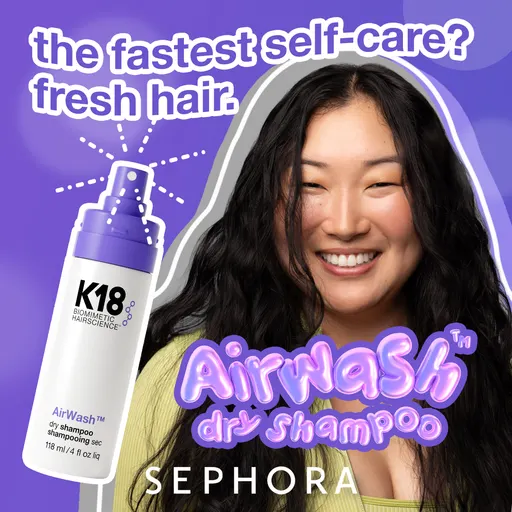
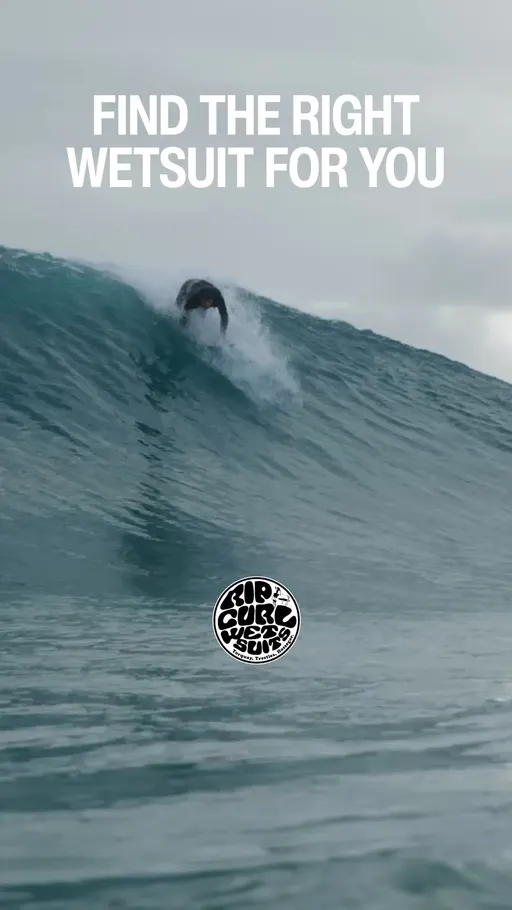

Four ads, four decisions. misen.com describes the exact moment of hesitation. k18hair.com asks and answers in one breath, "the fastest self-care? fresh hair." ripcurl.com turns it into a sorting task, "Find the right wetsuit for you". shapermint.com names the occasion, "Want to wear strapless and already dressing less in this spring?" The row ran on 99 brands and 602 ads.
One ad to brief this week: the What's-Inside Walkthrough
Mechanism, Visual reveal and Direct question all rose in October, and read together they point at one ad. It opens on the change with no claim attached. The middle names the part that does the work and shows it. The close hands the shopper the question they were already weighing, at the point where they are deciding. This is our suggestion built from the movers, not a finding: the library cannot say it will work, which is exactly what the test is for.
The format. One vertical video of about forty seconds, four clips: a two-shot change, two clips on the working part, one clip holding the question on screen while the product stays in frame.
The hook. Model the first clip on misen.com's “This is my Misen pan six months ago and this is my Carbon Nonstick pan today”: keep the two plain time markers and nothing else on screen, no claim and no price.
The middle. Model the second and third clips on k18hair.com's “breakthrough triple-action blonde shampoo”: keep the named working part in the first few words, and say what that part does before you say what the product is.
The close. Model the last clip on misen.com's “So have you ever been cooking in a non-stick pan and the only thing you can reach to stir is a metal spoon so you hesitate?”: keep the exact moment of hesitation, asked where the shopper is already deciding.
The test. Run it against your best ad on Curiosity gap, the leading opening in this cut, on the same audience and the same budget split, for two full weeks, judged on cost per purchase.
Two smaller tests can ride along. Each one is a whole ad of its own, run against the ad it replaces, not folded into the walkthrough above and not a swap of the first line. The first puts a real calendar date where "limited time" would go, modelled on dollskill.com's "your wish came true...the dress you loved in Obsession is BACK IN STOCK 🪄", and comes down the day that date passes. The second is written for one named shopper, modelled on dukecannon.com's "Built for men who don’t take shortcuts", and runs against your broadest Identity ad, the argument behind 19.7% of October's US ads.
The eCommerceBenchmark Ad Library sorts your ads into the same hooks, angles, concepts and offers used in this report and shows your mix next to the market, so you can see which shapes you have never shipped.
Audit my creatives, freeOne catch before you run off. Everything above mixes every US industry together. Yours might look nothing like it.
Why you need to know the hooks in your niche
A row that is crowded across US eCommerce can be empty inside your own category, and the row you think is yours alone may be the one all five of your competitors opened with last week. These are all-industry numbers with no split by industry, so the shares above describe a market you only partly sell into. Your niche is the only place the answer actually lives.
- Shoppers tune out an opening they meet over and over. Curiosity gap ran across 1,861 ads in October, so in a crowded category a shopper can meet that shape several times a day.
- When every ad sounds the same, price is all that is left to compare. With 133 brands on Solution-aware, a lot of ads are pointing at the same fix in the same words.
- A different opening costs the same to write: the brief is one line either way. A hundred brands in this US cut already ran Mechanism ads, a row that argued 6.3% of October's ads after 3.8% in September. Typing "open on the working part" takes no longer than typing "open on a tease". k18hair.com's "breakthrough triple-action blonde shampoo" is what that line looks like once somebody writes it.
- Different isn't the same as right, which is why you test one ad into an empty row instead of switching the account over. Listicle staged 1.4% of ads on 55 brands, so an empty row might be empty for your category too, and one test is how you find out.
Your 30-minute check
- Collect. Pull twenty current ads from your five closest competitors in the free Meta Ad Library.
- Label. Write down each ad's hook, angle and concept, one line per ad.
- Count. The row that shows up most is your niche's crowded row; across US eCommerce, that's the Curiosity gap.
- Find the gap. The row that shows up least, or never; check it against the movers above.
- Brief one test. One ad for the empty row, run against your control for two full weeks.
Want every number? Here are the full rankings.
The full rankings: hooks, angles and concepts
Use these as worksheets, not scoreboards. This cut of US eCommerce carries twelve hooks, eight angles and twelve concepts, so write your own count beside each row, taken from your last month of ads or your competitors' current ones. The rows where your count is highest are the ones you are actually competing in, whatever the market did.
| Hook | October share | September share | Change |
|---|---|---|---|
| Curiosity gap | 17.6% | 20% | ▼ 2.4 |
| Bold claim | 10.6% | 8.7% | ▲ 1.9 |
| Relatability | 7.3% | 6.9% | ▲ 0.4 |
| Authority | 6.2% | 7.9% | ▼ 1.7 |
| Direct question | 5.7% | 4.7% | ▲ 1.0 |
| Visual reveal | 5.2% | 3.3% | ▲ 1.9 |
| Newness | 5% | 4% | ▲ 1.0 |
| Urgency / FOMO | 4.2% | 4.2% | 0 |
| Price anchor | 2.6% | 1.9% | ▲ 0.7 |
| Shocking statement | 1.5% | 1.4% | ▲ 0.1 |
| Contrarian | 0.9% | 0.5% | ▲ 0.4 |
| Confession | 0.8% | 0.4% | ▲ 0.4 |
| Angle | October share | September share | Change |
|---|---|---|---|
| Identity | 19.7% | 21.6% | ▼ 1.9 |
| Solution-aware | 13.5% | 10.3% | ▲ 3.2 |
| Problem-aware | 11.9% | 13% | ▼ 1.1 |
| Objection crusher | 7.5% | 7.2% | ▲ 0.3 |
| Mechanism | 6.3% | 3.8% | ▲ 2.5 |
| Social proof | 4.5% | 4.3% | ▲ 0.2 |
| Comparison | 3.2% | 2.7% | ▲ 0.5 |
| Named enemy | 0% | 0% | 0 |
| Concept | October share | September share | Change |
|---|---|---|---|
| Product Demo Close-Up | 12.4% | 11.6% | ▲ 0.8 |
| Cinematic B-roll | 7.5% | 6.2% | ▲ 1.3 |
| Montage | 6.6% | 4.6% | ▲ 2.0 |
| Offer-first banner | 5.5% | 4.6% | ▲ 0.9 |
| Selfie talking-head | 2.3% | 1.4% | ▲ 0.9 |
| Customer Testimonial Reel | 2.2% | 1.6% | ▲ 0.6 |
| Listicle | 1.4% | 0.8% | ▲ 0.6 |
| Side-by-Side Comparison | 1.2% | 1.2% | 0 |
| Grid swap | 0.8% | 0.8% | 0 |
| Problem agitation | 0.8% | 0.3% | ▲ 0.5 |
| UGC Unboxing | 0.8% | 0.6% | ▲ 0.2 |
| Behind-the-Scenes | 0.4% | 0.1% | ▲ 0.3 |
Your test card
Here is the What's-Inside Walkthrough set up the way a media buyer would run it, against your best ad on Curiosity gap, the opening that led this cut. Write your own numbers down before you launch, so the fortnight ends in a decision instead of an argument.
| Hypothesis | A What's-Inside Walkthrough, built from Mechanism, Visual reveal and Direct question, will hold or lower my cost per purchase against my best Curiosity gap ad over two full weeks. |
| Change only this | The whole creative: the What's-Inside Walkthrough, four clips, before-and-after open, working-part middle, question close. |
| Keep the same | Product, offer, audience, placement and budget split. |
| Funnel stage | Say first whether this ad is for prospecting (cold) or retargeting (warm). A deal in the first line is often right for warm audiences and wrong for cold ones, so test it where the ad will really run. |
| Setup | One control and one variant, same audience, same placement, even budget split. Do not edit either ad while the test runs. |
| How long and how much | Until each version has about 50 purchases, or two full weeks, whichever comes later. This is general testing practice (Meta's own learning-phase guideline is about 50 results per ad set per week), not a library finding. |
| Success metric | Cost per purchase, not clicks. |
| Stop rule | Pause a variant that has spent about 3 times your target cost per purchase with no purchase. If it is close, keep it running. |
| What counts as a win | The variant beats the control on the metric by an amount you would act on, and still does in a second week. |
October 2026 US eCommerce ads: what to brief next
- Curiosity gap 17.6%, Bold claim 10.6% and Relatability 7.3% were October's top three openings [eCommerceBenchmark Ad Library, 2026]: this is the lane every brief lands in by default.
- Identity 19.7%, Solution-aware 13.5% and Problem-aware 11.9% argued nearly half of October's ads between them.
- Among concepts only, Product Demo Close-Up staged 12.4%, Cinematic B-roll 7.5% and Montage 6.6%: compare these three with each other, never with a hook or an angle.
- Staying power: 93.3% of Curiosity gap's longevity sample ran sixty days or more, against 26% of Montage's.
- Four risers to read first, Solution-aware, Mechanism, Visual reveal and Direct question, each carried by fewer than a hundred and fifty brands.
- Do the thirty-minute check: label twenty competitor ads by hook, angle and concept, and brief one ad into the row that never shows up.
US eCommerce ad benchmarks: common questions
Keep one ad on Curiosity gap, the opening that ran 17.6% of October's US eCommerce ads, funded as your control. Brief exactly one What's-Inside Walkthrough: the before-and-after open, the working-part middle, the question close. Run the two against each other on the same audience and the same budget split for two full weeks, and judge them on cost per purchase. At the end of the fortnight you will have a decision you can defend, instead of a feeling about your openings.