5 A/B Testing Best Practices From High-Performing E-commerce Teams

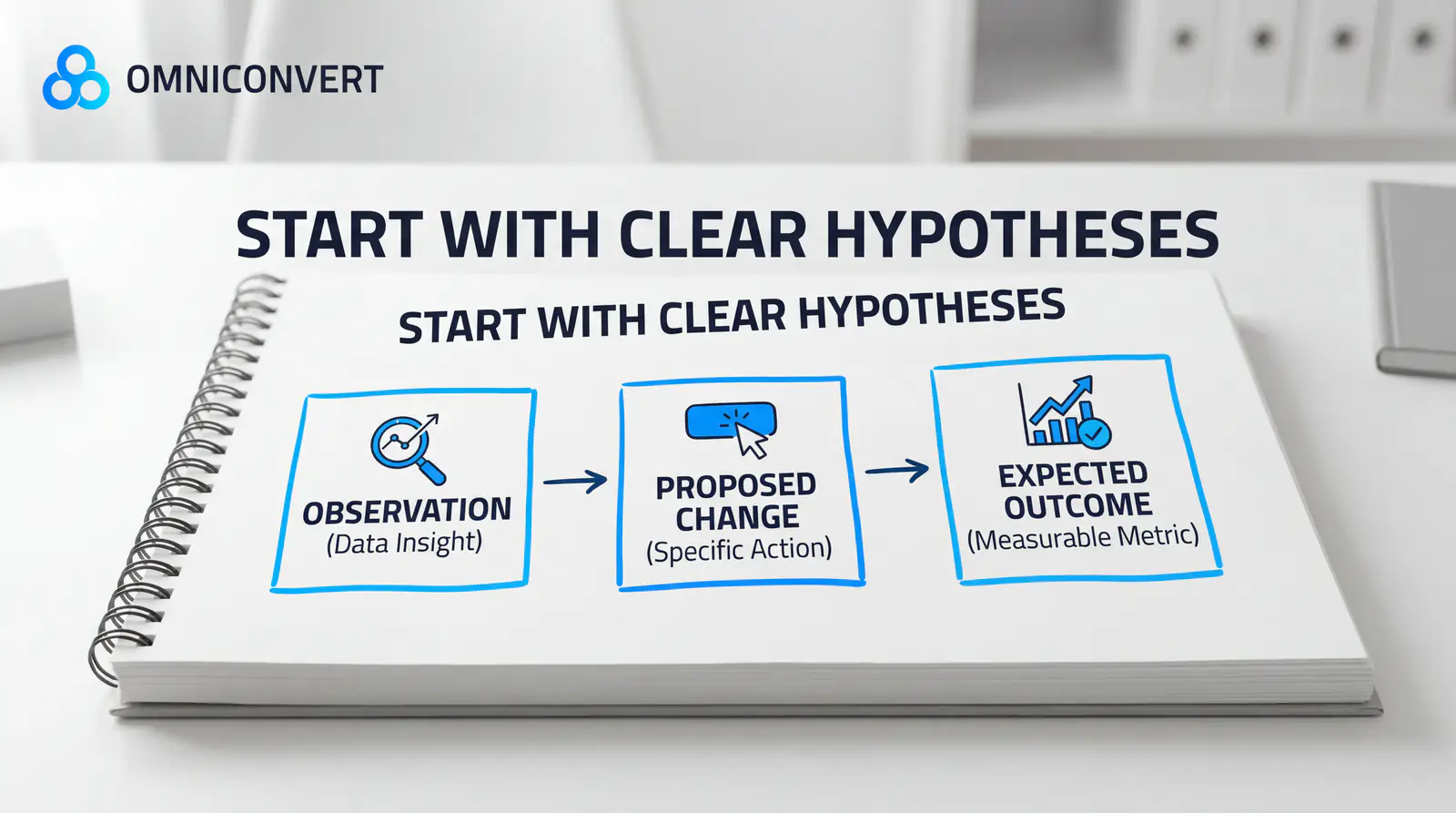
- Document clear hypotheses before building tests to create institutional knowledge and focused experiments
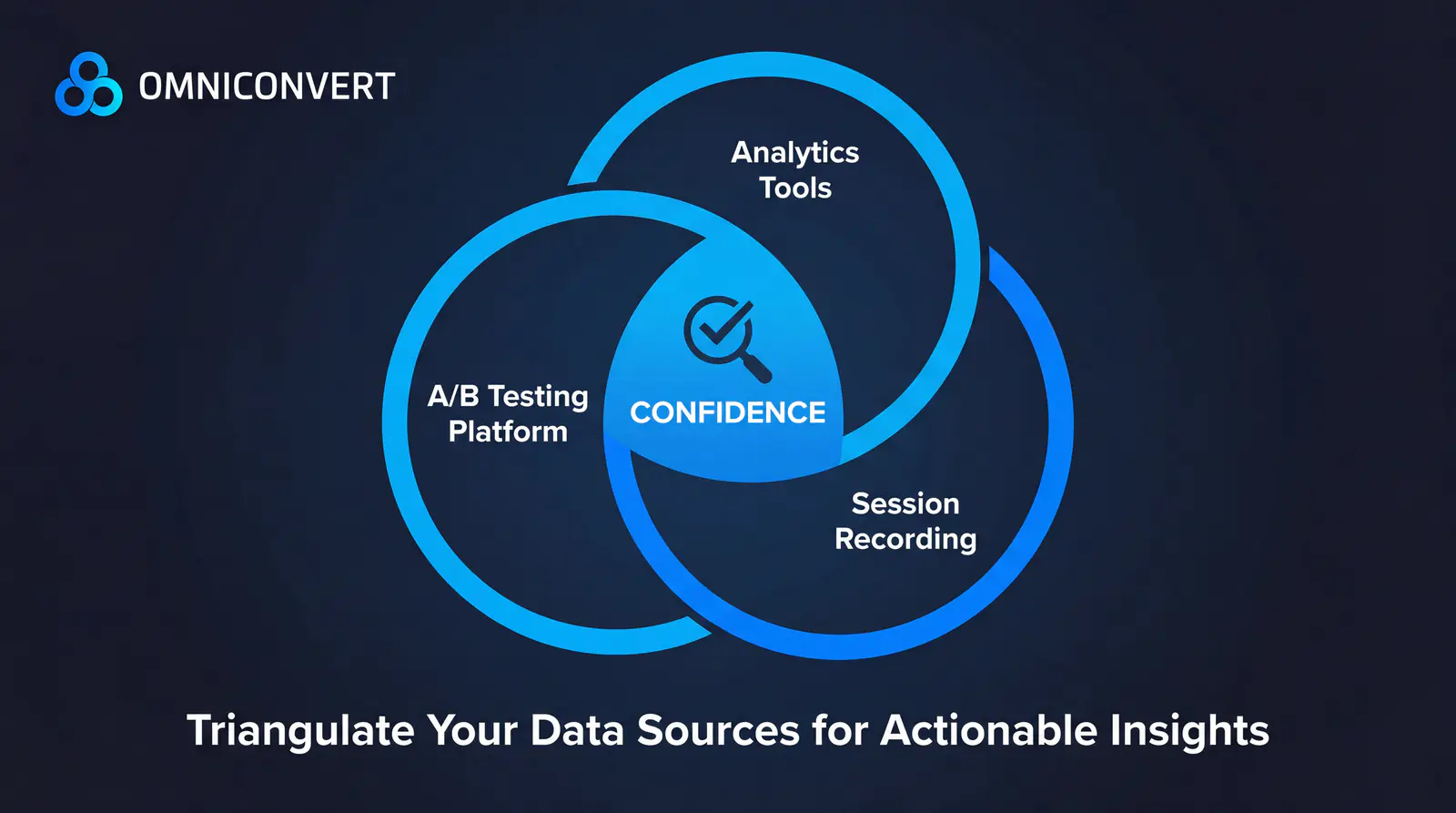
- Triangulate data from multiple sources — analytics, session recordings, and native tracking — to validate findings
- Invest in vendor partnerships that provide strategic guidance, not just software access
- Use A/B testing for risk mitigation by validating changes before full rollout
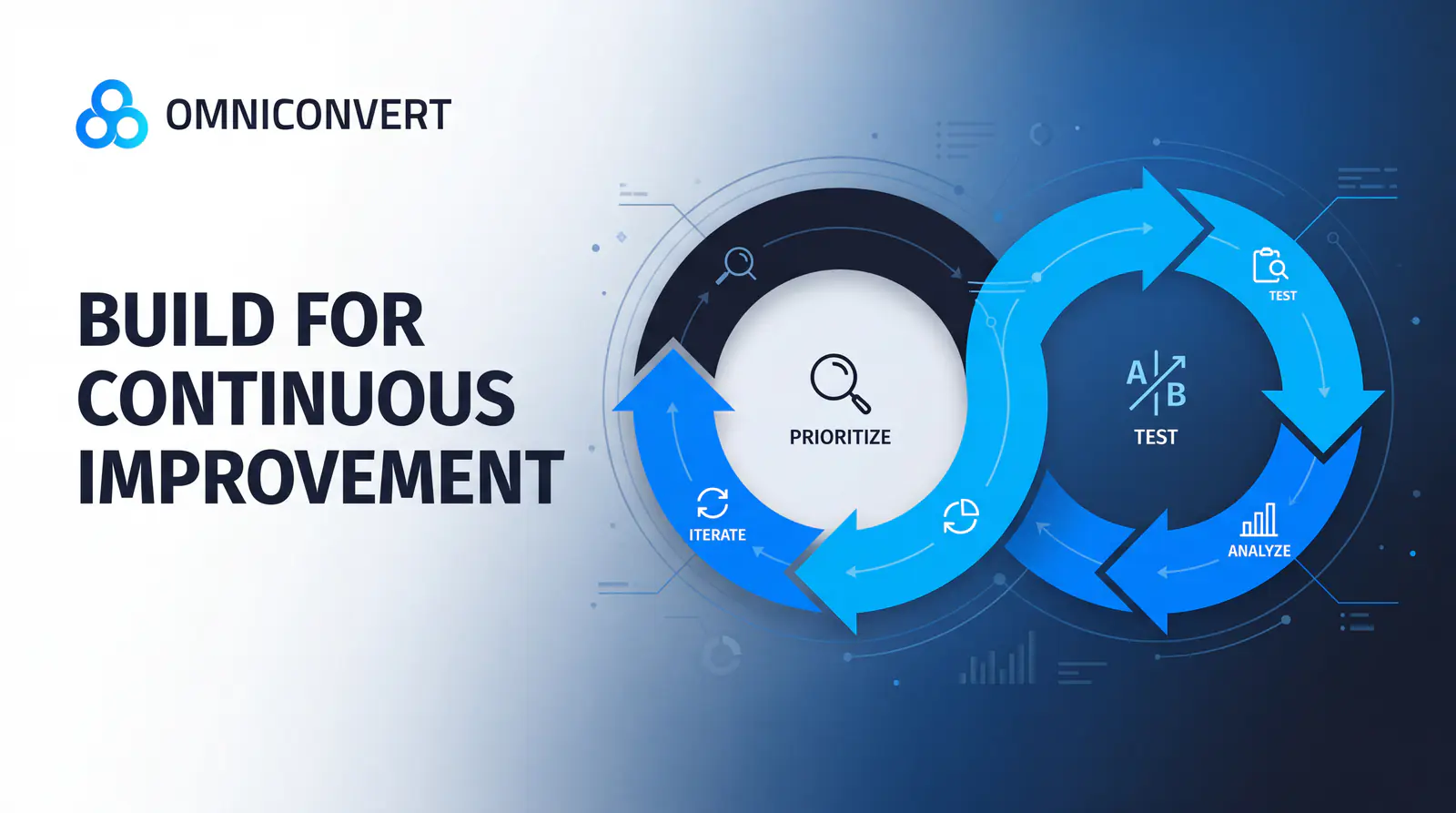
- Simplify setup processes and build a testing roadmap for continuous improvement
The difference between e-commerce teams that consistently improve conversion rates and those stuck in guesswork often comes down to methodology, not tools. After analyzing patterns from multiple optimization teams, a clear playbook emerges for running experiments that actually move the needle.
Most e-commerce teams know they should be testing more, but struggle with execution. Experiments take too long to set up, results are inconclusive, and winning variations never make it to production. The gap between knowing A/B testing matters and actually building a testing culture that drives revenue feels impossibly wide.
This article distills five proven practices from experienced optimization teams that will help you build a sustainable testing program, validate changes before rollout, and make data-driven decisions that compound over time.
Start With Clear Hypotheses, Not Random Ideas
Effective A/B testing begins long before you touch any tool. The teams seeing consistent wins share one common trait: they document clear hypotheses before building a single variation.
A strong hypothesis connects user behavior insight to a specific change and predicts a measurable outcome. This means moving beyond vague statements like "we think the button should be bigger" toward structured thinking: "Based on heatmap data showing users miss our CTA, we believe increasing button contrast will improve click-through rate by 15%."
This discipline forces you to articulate why you expect a change to work. The benefit extends beyond individual tests. When you document hypotheses, you build institutional knowledge about what works for your audience. Even failed experiments become valuable when you can trace back the reasoning and refine your understanding of customer behavior.
Teams that skip this step often find themselves running tests without direction, celebrating statistical significance on metrics that don't matter, or worse, implementing changes that hurt long-term performance while optimizing for short-term vanity numbers.
Triangulate Your Data Sources

Relying on a single data source for test analysis creates blind spots. Experienced optimization teams cross-reference quantitative metrics with qualitative insights to understand not just what happened, but why it happened.
This means pairing your A/B testing platform's native tracking with analytics tools for behavioral patterns and session recording tools for qualitative understanding. When all three sources point to the same conclusion, you can move forward with confidence. When they conflict, you have a signal to dig deeper before making decisions.
The quantitative data tells you conversion rates changed. Session recordings show you the specific moments of hesitation or confusion. Analytics reveal the broader context of where users came from and what they did after. Together, these paint a complete picture that no single source can provide.
This approach also protects you from common testing pitfalls like novelty effects or segment-specific wins that don't generalize. When your data triangulates across sources and segments, you can trust your results enough to roll out changes at scale.
"We use GA4 and MS Clarity integrations to interpret the data quantitatively and qualitatively. We also use native-tracking on Omniconvert for each and every test to support & triangulate for our own data."
— E-commerce optimization teamInvest in Support and Partnership, Not Just Software

The difference between teams that scale their testing programs and those that stall often comes down to the support infrastructure around their tools. Software capabilities matter, but access to expertise matters more — especially when you're navigating custom implementations or complex technical requirements.
Look for partners who treat your success as their success. This means responsive technical support when configurations get tricky, strategic guidance during regular check-ins, and proactive suggestions for new testing opportunities. The best vendor relationships feel like having an extended member of your optimization team.
This is particularly critical for custom-built websites or single-page applications where standard implementations don't apply. The learning curve for testing on complex architectures can be steep, and having expert support can mean the difference between a successful program and months of frustration.
When evaluating testing tools, don't just compare feature lists. Ask about onboarding processes, support response times, and whether you'll have a dedicated contact who understands your business context. These factors often determine real-world success more than any feature comparison.
"What I like most about Omniconvert is the combination of a powerful A/B testing tool and truly hands-on customer support. The platform is flexible and reliable for running experiments, but the real differentiator is the people behind it."
— Marketing professionalValidate Before You Scale
One of the most valuable — yet underutilized — applications of A/B testing is risk mitigation. Rather than viewing experiments purely as optimization opportunities, smart teams use them as a safety net before rolling out significant changes.
This approach flips the traditional testing mindset. Instead of asking "can we improve this page?" you ask "will this planned change hurt performance?" When your product team wants to redesign the checkout flow or your brand team insists on new messaging, testing first protects you from well-intentioned changes that inadvertently damage conversion.
The key is building testing into your development workflow — not as an afterthought, but as a required step before any significant change goes live. This creates a culture where decisions are validated rather than assumed, and where stakeholders learn to expect data before commitment.
This practice also builds credibility for your optimization program. When you can show leadership that testing prevented a costly mistake, the value of experimentation becomes tangible. Success isn't just about finding wins; it's about avoiding losses that might have gone undetected without proper measurement.
"This directly benefits us by validating changes before rolling them out at scale and continuously improving the performance of our key landing pages, category pages and product pages."
— Optimization team leadPrioritize Simplicity in Setup and Segmentation
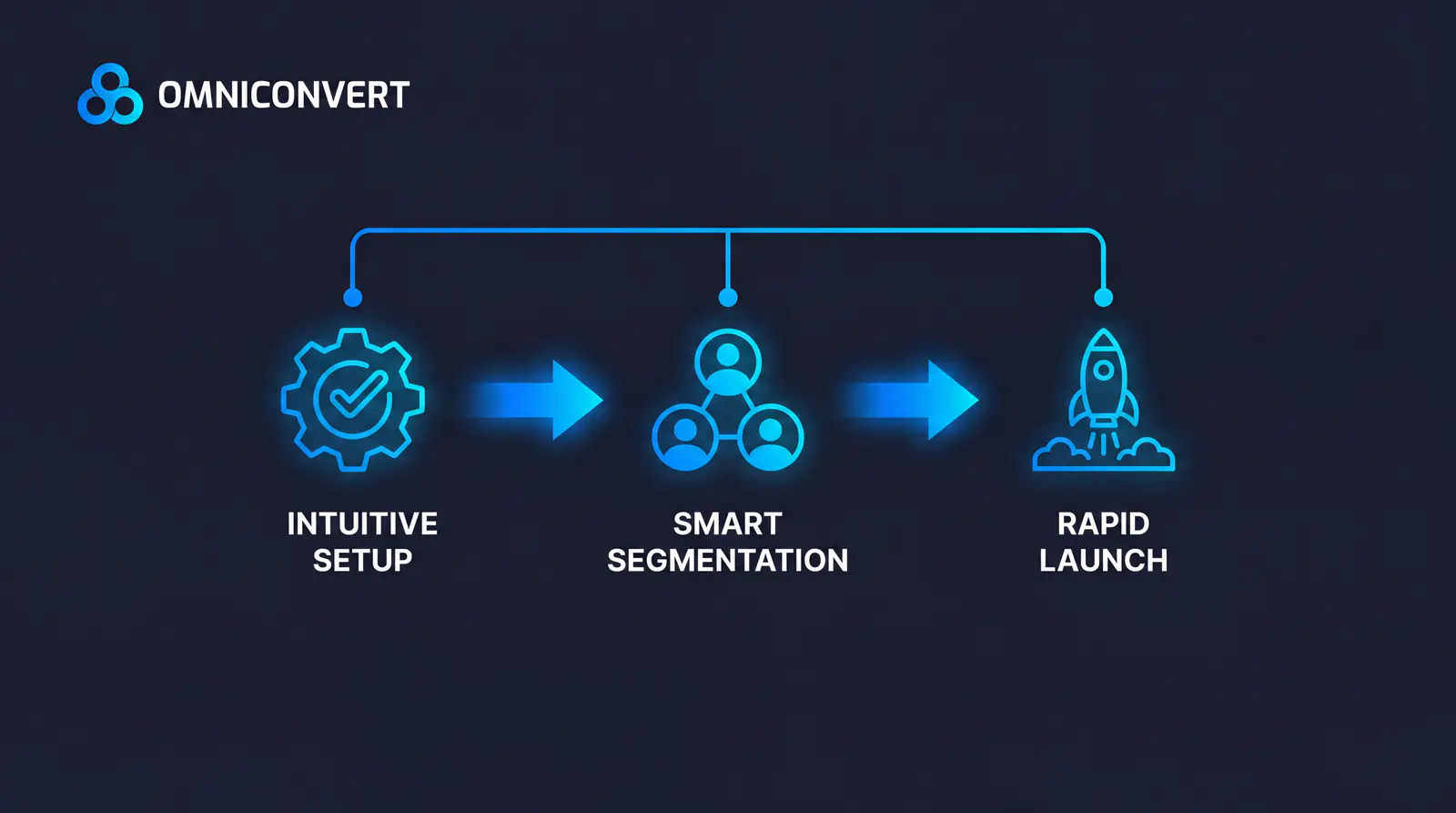
Complex testing setups often become barriers to running more experiments. Teams that maintain momentum in their testing programs share a commitment to simplicity wherever possible.
This means choosing tools with intuitive interfaces, creating reusable templates for common test types, and documenting processes so anyone on the team can launch basic experiments. Audience segmentation deserves particular attention. While sophisticated targeting capabilities are valuable, overly complex segmentation workflows slow down test launches and create opportunities for configuration errors.
When your team struggles to remember how segmentation works, that's a signal to simplify your processes or improve your documentation. Every friction point in your testing workflow reduces the total number of experiments you'll run, which directly impacts how quickly you can learn and improve.
Consider creating a testing playbook that covers your most common scenarios: homepage tests, product page experiments, checkout optimizations. When launching a new test takes hours instead of days, you'll naturally run more experiments and accelerate your learning velocity.
"The audience tab. I think it should have a conversational flow to set it up instead. I get asked often by our team how that part works again and again."
— E-commerce team memberBuild for Continuous Improvement, Not One-Time Wins
The most successful testing programs treat optimization as a continuous practice, not a series of isolated projects. This mindset shift changes everything: how you prioritize tests, how you document results, and how you build organizational capability over time.
Start by creating a testing roadmap that extends beyond the current quarter. Map out the key pages and user journeys that matter most to your business, then systematically work through optimization opportunities. When one test concludes, the next should already be queued and ready.
Document everything — including your failures. The experiments that don't produce winners often teach you more about your customers than the ones that do. Build a knowledge base of what you've tested, what you learned, and what questions remain unanswered. This institutional memory becomes invaluable as team members change and your testing program matures.
Finally, share results broadly across your organization. When marketing, product, and leadership teams see the impact of data-driven decisions, they become advocates for testing. This cultural shift — where assumptions are questioned and evidence is expected — represents the ultimate success of any optimization program.
Building a high-performing A/B testing program requires more than selecting the right tool. It demands disciplined hypothesis development, rigorous data triangulation, and a commitment to continuous improvement. The teams that consistently improve conversion rates treat testing as a core competency, not a side project. By validating changes before rollout, investing in expert partnerships, and simplifying processes to increase testing velocity, you can build an optimization culture that compounds gains over time.
Ready to Build Your Testing Program?
Omniconvert gives e-commerce teams the tools, support, and expertise to run experiments that actually move the needle.