The eCommerce Ad Report, October 2026: Six in Ten Ads Never Mention a Deal. What's Doing the Selling?

Scope: all industries and every country the eCommerceBenchmark Ad Library tracks. 31,111 ads from 659 brands, live in October 2026 and compared with September 2026. No split by country or industry.
Read an eCommerce ad right to the end and find no deal named. Not in the opening line. Not in the headline. Nowhere.
That is what most eCommerce ads looked like in October.
We read every ad in the library for the month: 31,111 of them, from 659 brands. We sorted each one by how it opens, what it offers, who it talks to, and how it looks. This time the top of the charts did move. The curiosity gap still opens more ads than anything else, but it slipped from 18.6% to 16%. Solution-aware climbed from 13.2% to 17.3%. Montage went from 6.1% to 9.5%, and bold claim from 10.1% to 12%. But one number should make you stop and check your own ads.
- Most ads don't say what the deal is. 59.5% of October's ads name no offer in their words. If yours does, you are doing something most of the market is not. If it doesn't, your first line has to do all the selling.
- The big lanes moved this month. The curiosity gap went from 18.6% to 16% of ads, and solution-aware from 13.2% to 17.3%. Last month's crowding is not this month's, so a brief written off September's leaders is already a month behind.
- Read the shares, not the counts. The number of ads the library tracks changes from month to month. So the share is the number to compare, and the ad count is the size of the row.
We'll get to it. First, how ads open.
How ads open: the tease still leads, and it gave ground
A hook is defined as the opening line of an ad, the words a shopper reads before anything else. Here are the biggest hooks of the month.
Share of October 2026 ads by opening hook, top eight of ten. Source: eCommerceBenchmark Ad Library, 2026.
The curiosity gap opened 16% of October's ads, 4,971 of them, and nothing came near it: bold claim, in second, sits on 12%. The lane was wider in September, at 18.6% against October's 16%. The shape is a half-tease. The line sets something up and keeps the point back, like a magician who says "watch closely" and shows you nothing yet. Third is visual reveal, on 7.6% of ads.
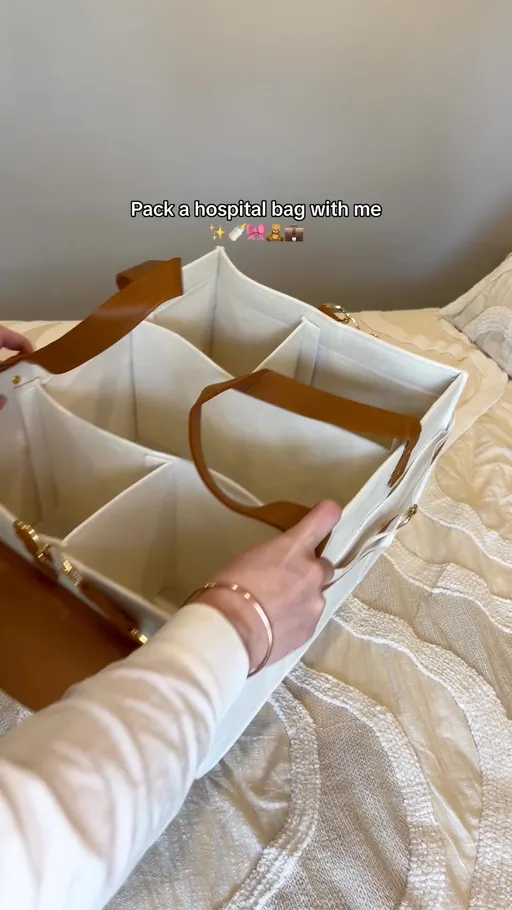
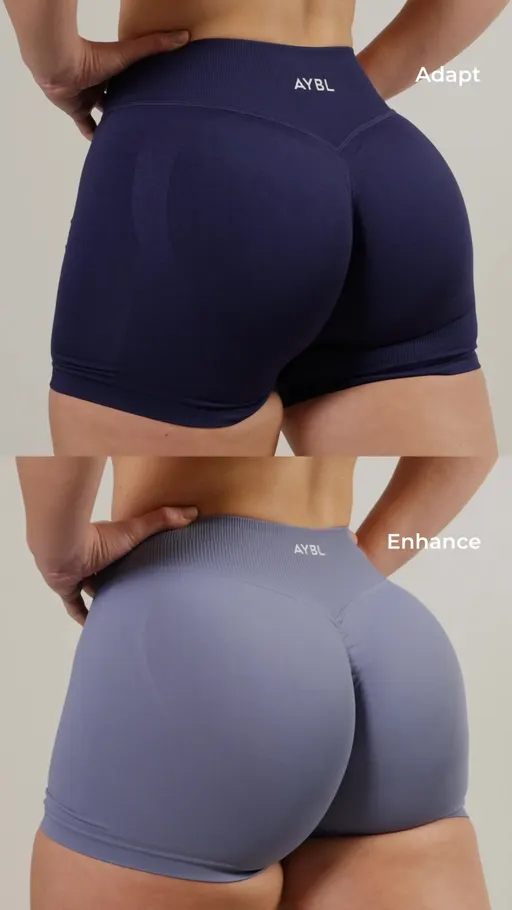
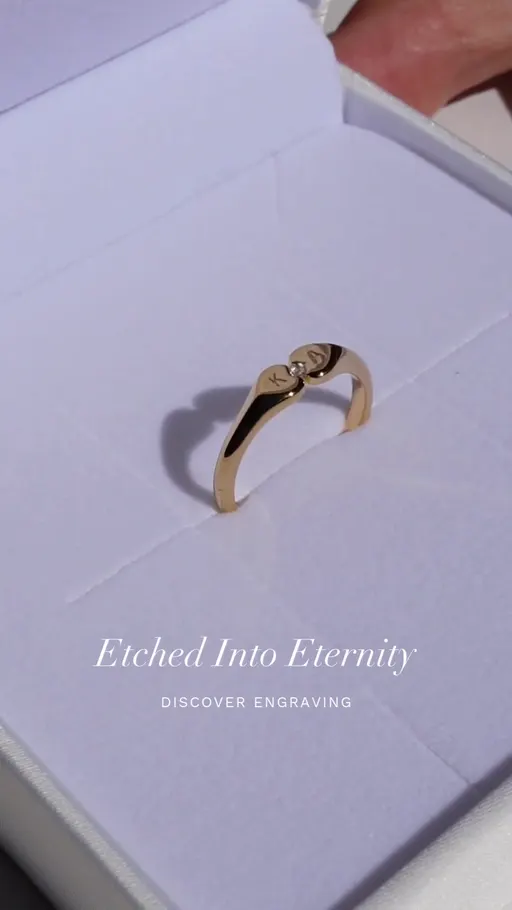
Look at the first one. lovetodream.com.au opens on "Pack a hospital bag with me", which promises a walk-through and names nothing inside it. aybl.com asks "Adapt vs Enhance: Which fit is for you?" and leaves the answer for the next line. saintvalentinejewellery.com opens "Etched Into Eternity". ankhway.com sets up three weeks of a daily routine and stops just before the result. In their first words, all four put a promise where a product could have gone.
So the curiosity gap is easy to spot: it opens 16% of October's ads. What those ads offer once a shopper reads past the first line is the strange part.
59.5% of ads never mention a deal
Here is the number that should change your brief. 59.5% of October's ads, 18,523 of them, name no offer at all in their words, up from 58.7% in September.
Share of October 2026 ads by the offer named in their words. Source: eCommerceBenchmark Ad Library, 2026.
Price? Oh, you'll find it on the page. Surprise!
For more than half of the month's ads the first line sells the whole thing. A shopper meets a mood and a product name, then works out on the page what it costs. The next biggest offer, discount, sits on 15.1% of ads.
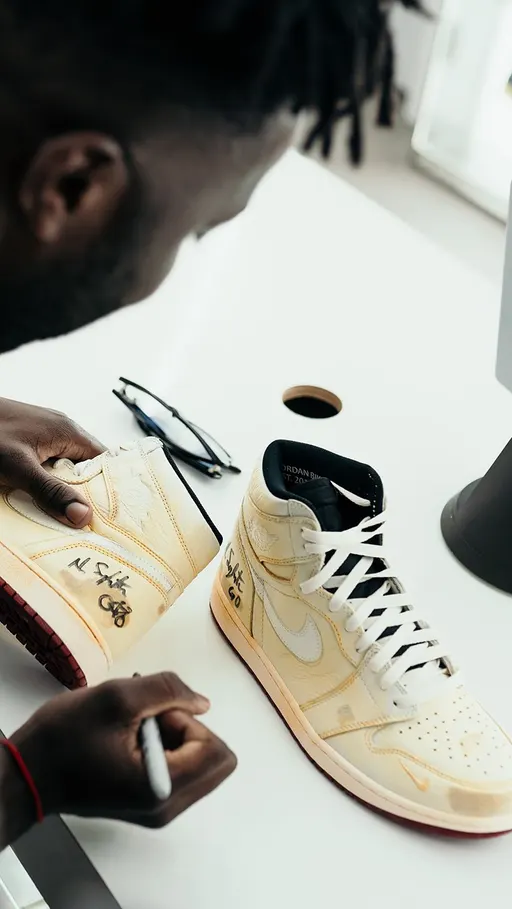
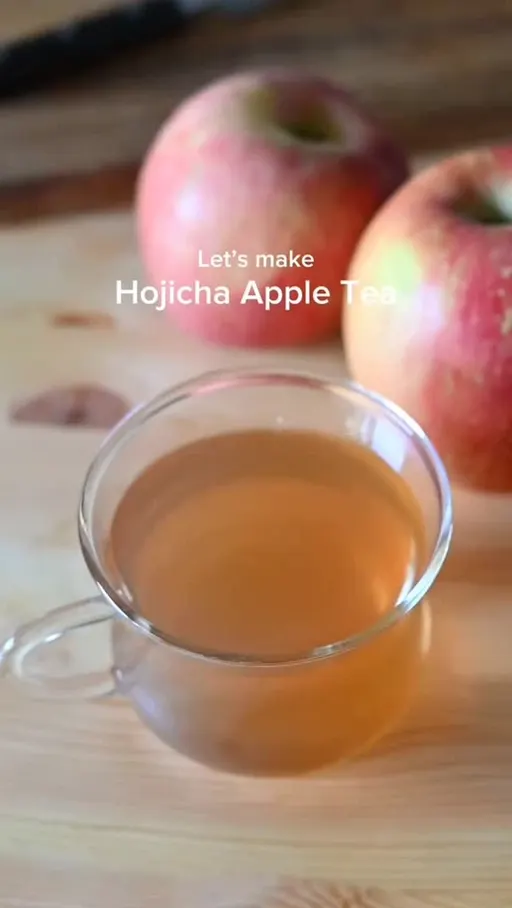
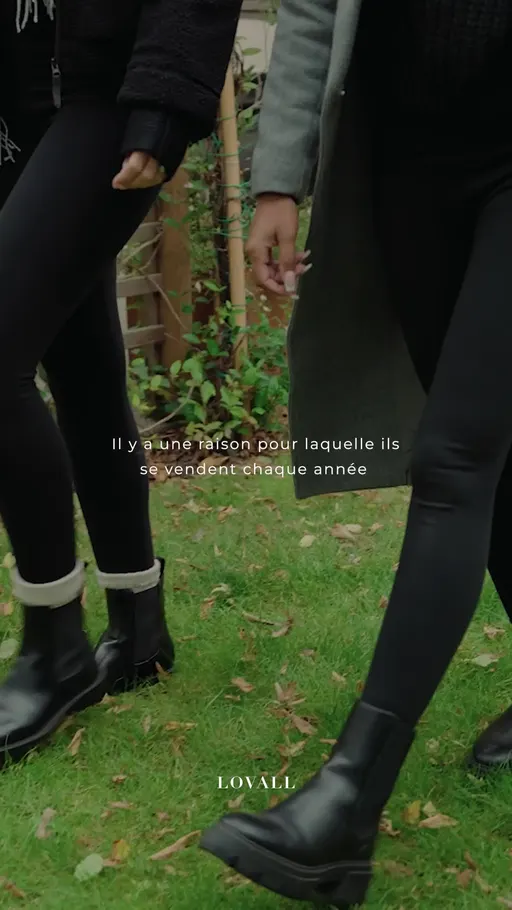
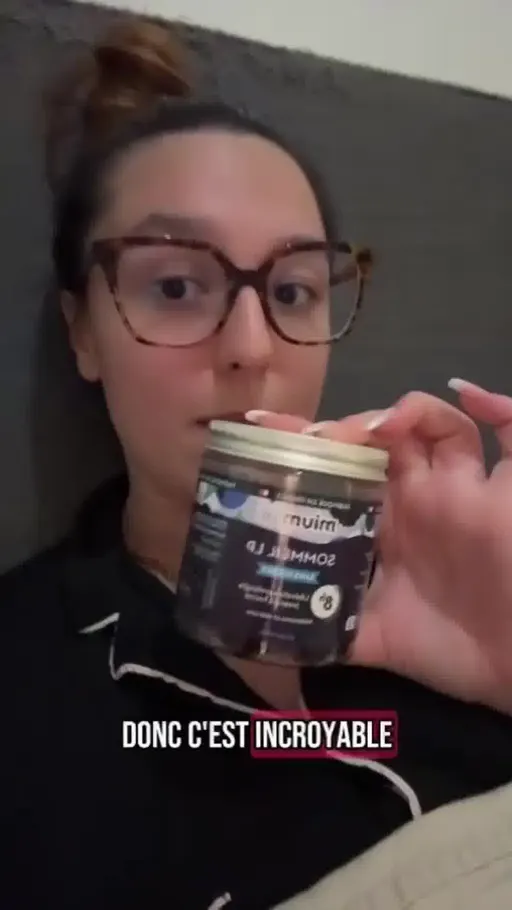
So what do they say instead? kickgame.co.uk makes a claim: "Jordan collabs never miss". denstea.com hands out an invitation: "Let's make Hojicha Apple Tea". lovall.com announces a winter collection in French. miumlab.com opens on a sleep complaint in French. Not one of them gives a shopper something to price.
Now see where the deal does show up. Look at the headline under each ad.
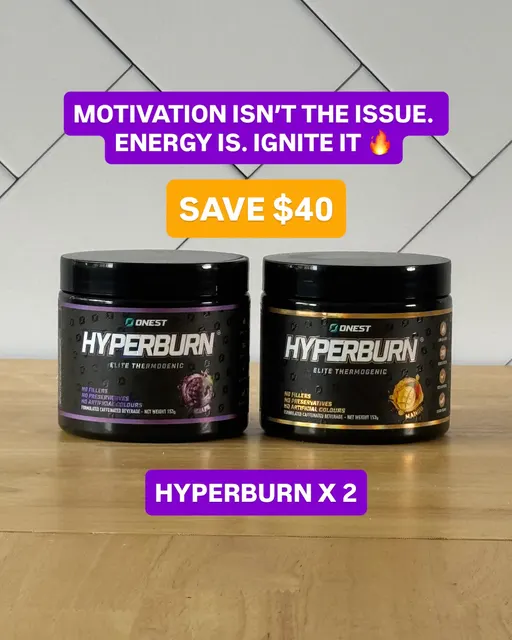
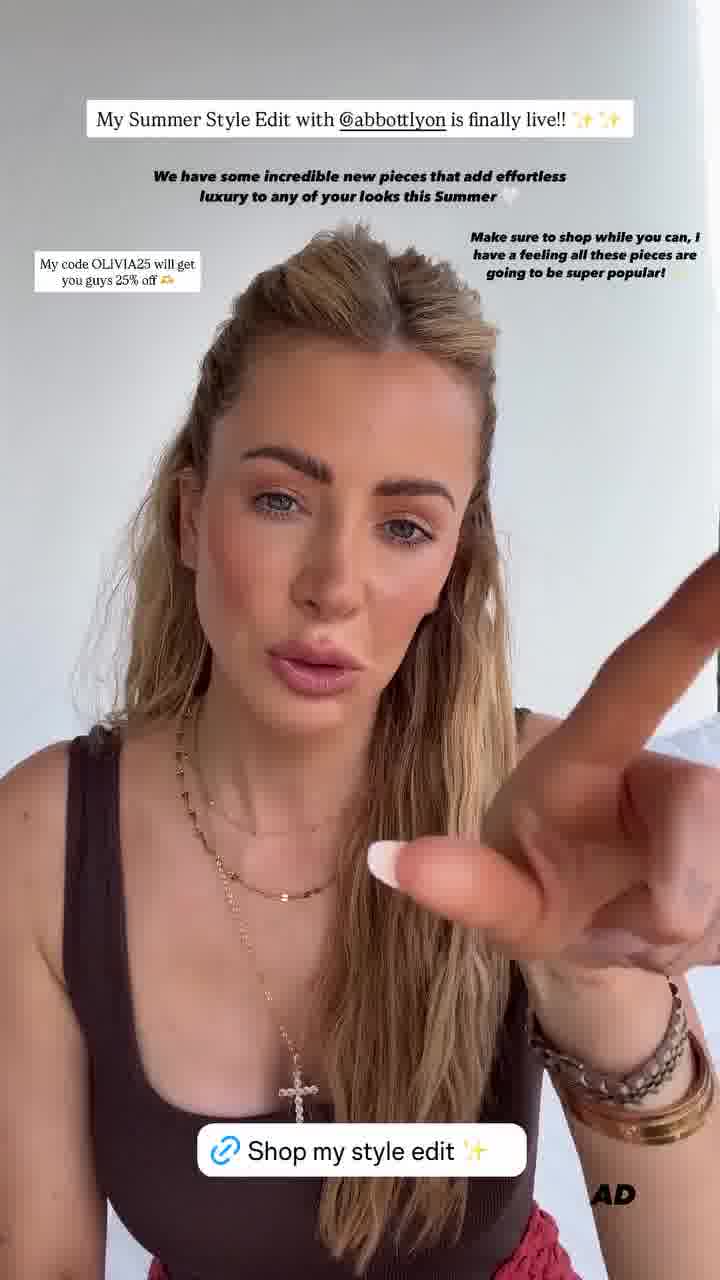
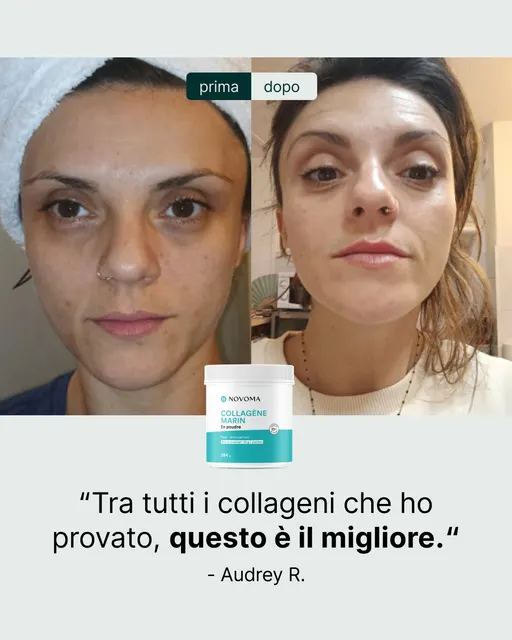
australiansportsnutrition.com.au opens "Motivation isn't the issue. Energy is. Ignite it." and puts the saving in its headline. abbottlyon.com states the deal in its headline. novoma.com puts it in the line, "10% sul Collagene". ryzesuperfoods.com names the saving in its opening words.
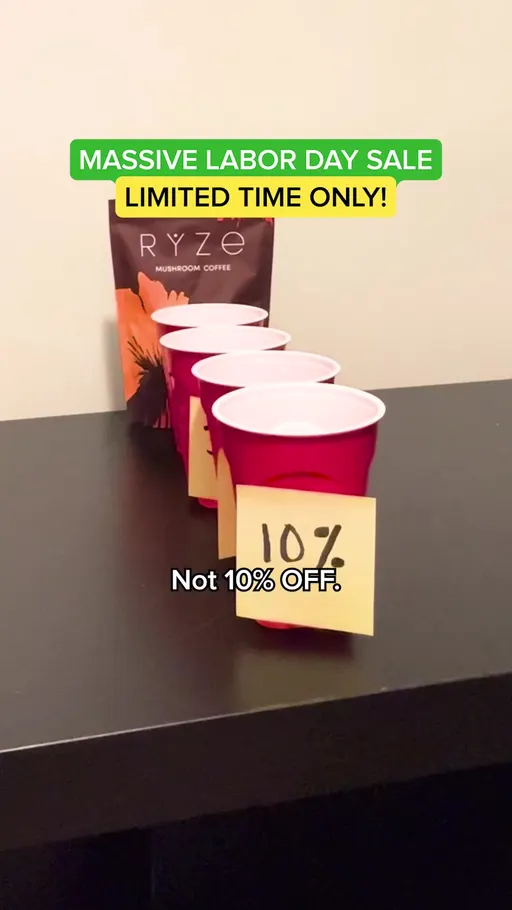
So who are these ads talking to? That's the next question.
The angles: who ads are talking to
An angle is defined as the reason an ad gives you to buy. Here are October's biggest angles.
Share of October 2026 ads by angle. Source: eCommerceBenchmark Ad Library, 2026.
Identity leads at 22.8% of ads, 7,093 of them, and all it says is: this is for people like you. That is a crowded room to shout in.
Solution-aware: it talks to a shopper who already wants the fix
An ad in this lane opens on the fix, not on the ache behind it. It is the second-biggest angle at 17.3% of ads, up from 13.2% in September, so the lane is opening up.
425 brands wrote in this lane in October, fewer than identity's 444.
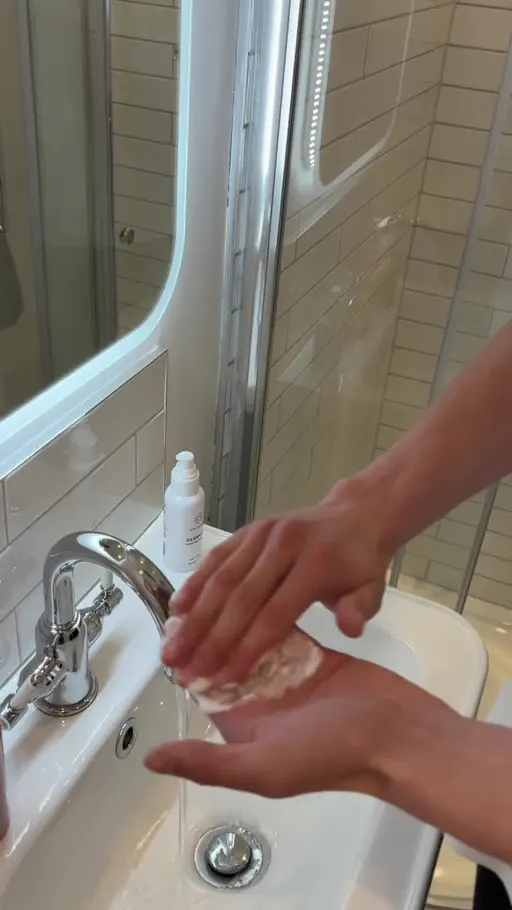
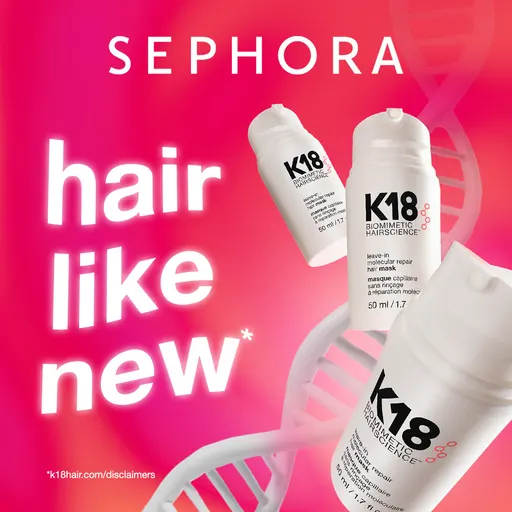
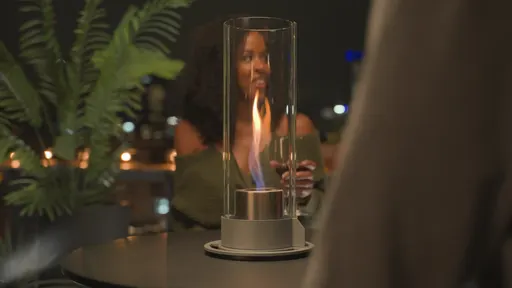
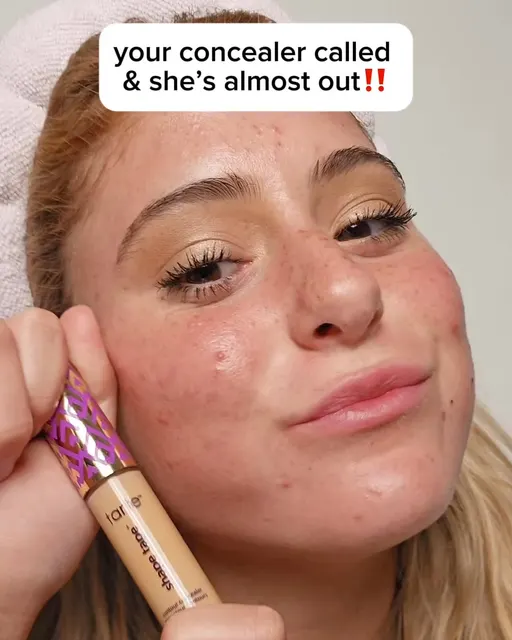
skinformulas.ie opens on the product in use, "Using a cleanser on skin in mirror". k18hair.com opens "record-breaking hair repair". zippo.ie offers "Smokeless and stylish outdoor ambience". tartecosmetics.com puts the result first: "NO RETOUCHING, JUST RESULTS".
Problem-aware: it names the headache first
A problem-aware angle is an angle that names the thing a shopper wants fixed before it names any product. It sits on 8.2% of October's ads, 2,566 of them, down from 9.5% in September.
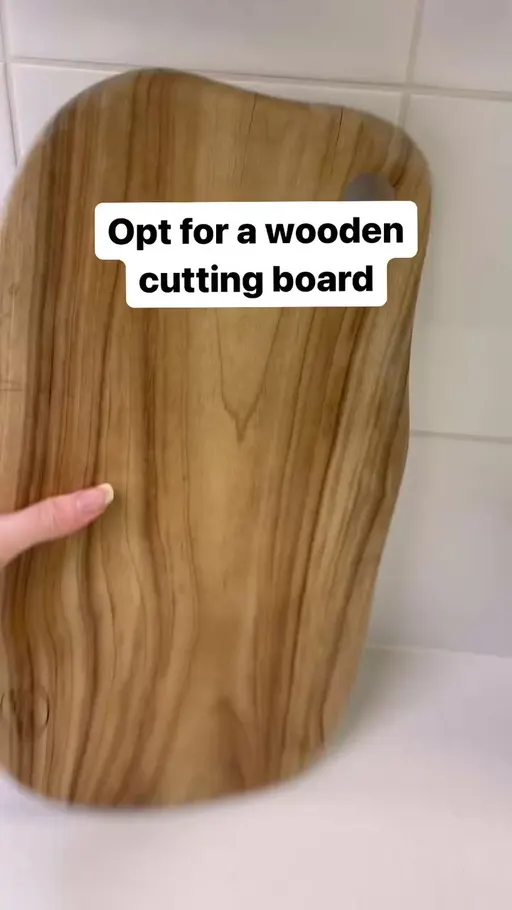
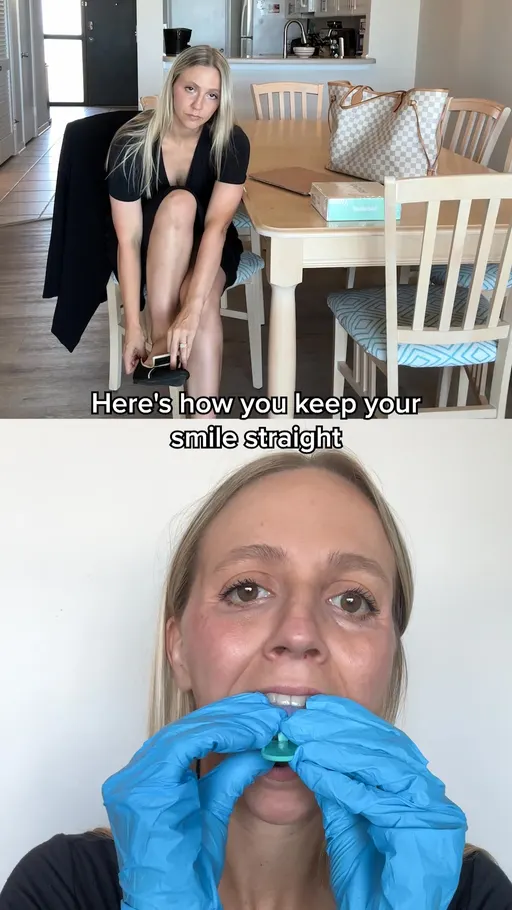
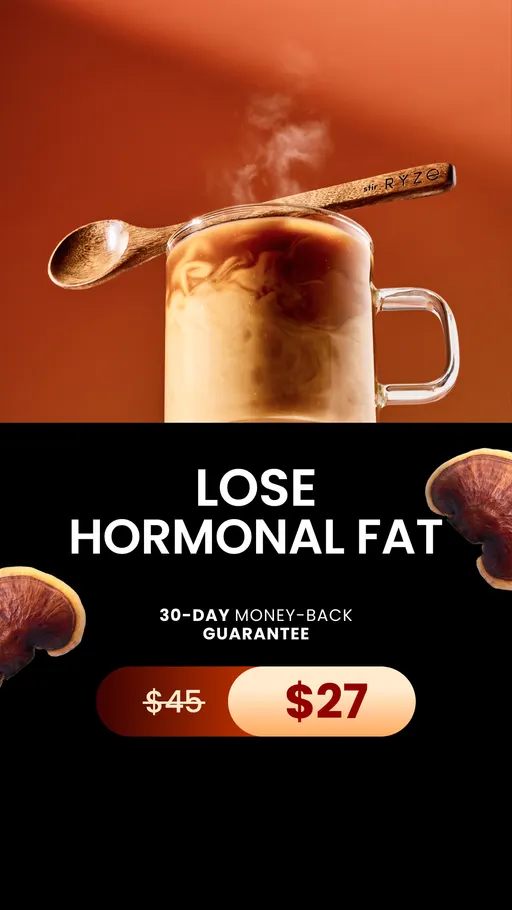
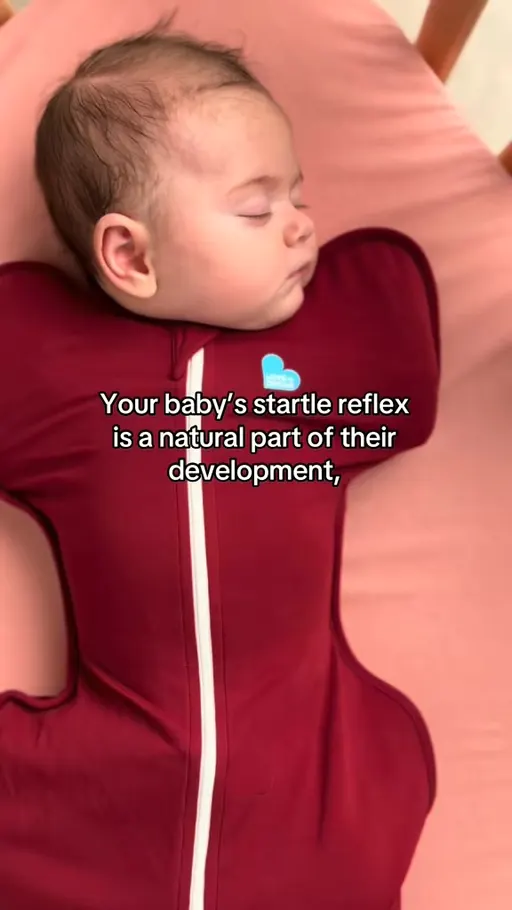
biome.com.au asks "Concerned about microplastics from plastic chopping boards?" smileset.com opens "Here's how you keep your smile straight without changing a single thing about your day." ryzesuperfoods.com uses three words, "LOSE HORMONAL FAT". lovetodream.com.au starts on the startle reflex that wakes a baby up.
The shopper's own everyday moment opens just 5.4% of ads
Relatability leads with the shopper's own day, the moment they would recognise before any product. It sits on 5.4% of October's ads, the narrowest of the six biggest hooks. Empty lane, open road? Maybe. Here are four ads that put the everyday moment in their first words.
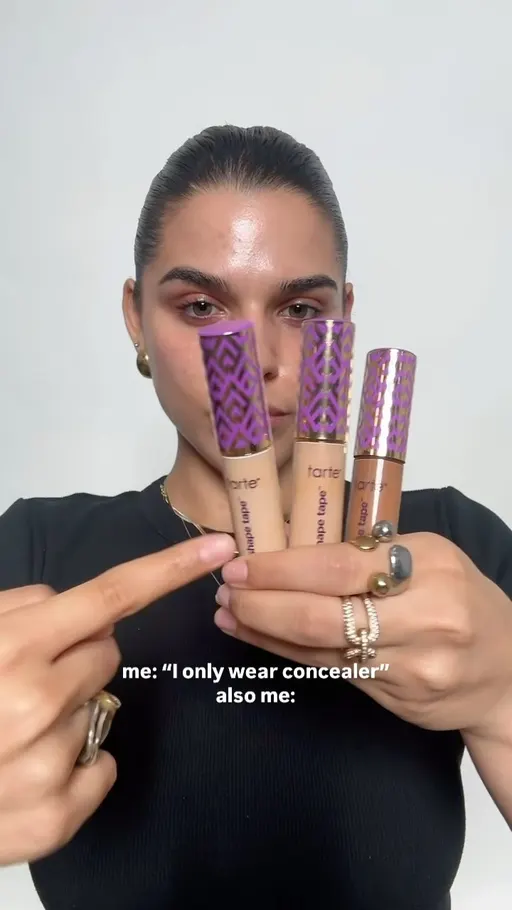
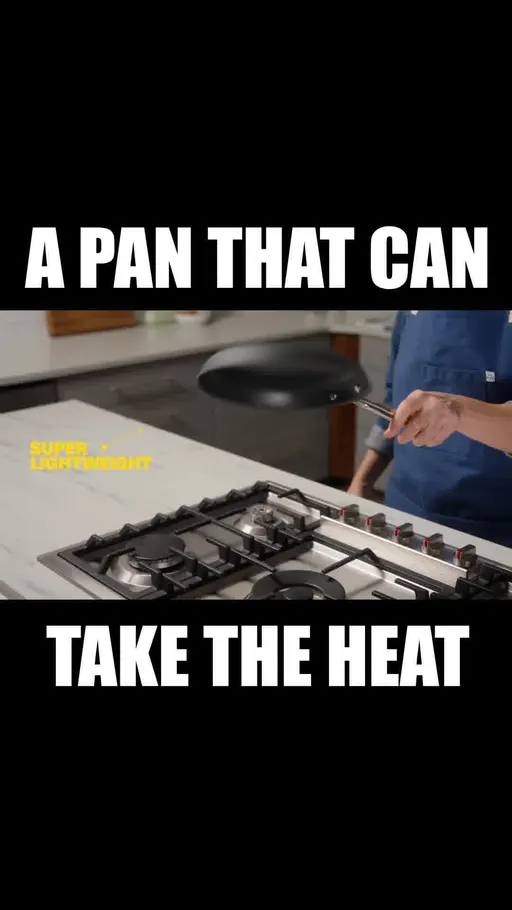
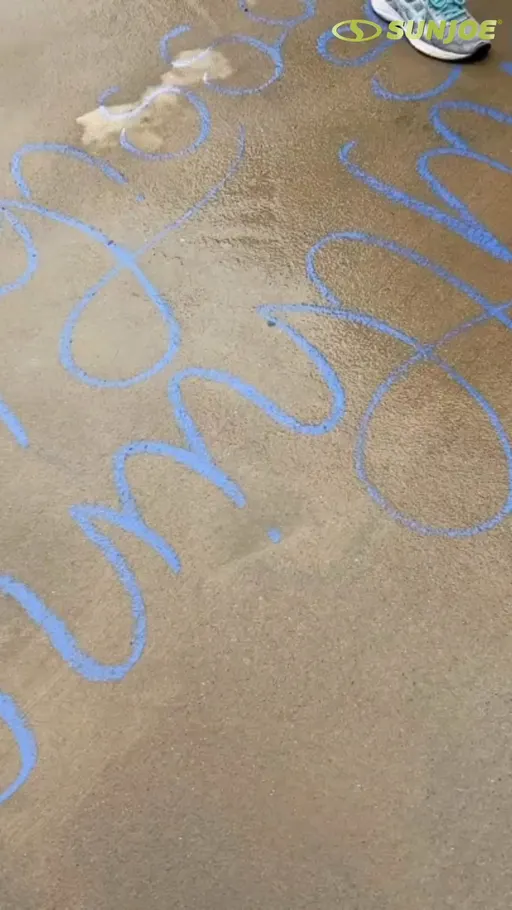
A make-up habit. A pan and the heat. A driveway that will not come clean. A night of broken sleep. tartecosmetics.com opens “me: "I only wear concealer" also me:”. misen.com opens "A pan that can take the heat". snowjoe.com opens on stubborn driveway stains and dirt. miumlab.com opens on a sleep complaint in French. All four put the moment in the first words, and three of the four keep the product name out of the opening line entirely.
Ready to try it? Here are three tests built from the data.
Three tests to run next month
- An offer in the first three words. Run one ad whose opening line names the deal, against your current control. 59.5% of ads name no offer at all.
- A problem-first opener. Lead with the problem you hear in replies, against a feature-led control. Problem-aware sits on 8.2% of ads.
- A relatability-led first line. Put the everyday moment your own customers describe, taken from your product page or your replies, in the opening words, against a mood-led control. Only 5.4% of ads open this way.
The eCommerceBenchmark Ad Library sorts your ads into the same hooks, angles, concepts and offers used in this report, and shows your mix next to the market, so you can see which shapes you have never shipped.
Audit my creatives, freeTests are good. But what is actually moving? Not what you'd think.
What moved since September
Plenty moved, and not only at the bottom of the tables. Solution-aware went from 13.2% to 17.3% of ads, and the curiosity gap came back from 18.6% to 16%. The risers are not all small rows. Here are the rows that moved most.
Change in share of ads, October vs September 2026, in percentage points. Concept rows rest on fewer ads, so compare them only with each other. The library labelled more of its ads in October than in September, and that lifts every share a little, so read a small rise with care. Source: eCommerceBenchmark Ad Library, 2026.
Concepts added share too. Montage went from 6.1% to 9.5%, and cinematic B-roll from 6.6% to 9%. Offer-first banner sits on 7% of October's ads. Two hooks gave ground: the curiosity gap, the biggest fall on the chart, and authority, which went from 6.9% to 5.8%. The biggest concept, Product Demo Close-Up, sits on 9.8% of October's ads. Read that one only against the other concepts.
The full rankings: hooks, angles, concepts and offers
Here are all four rankings, hooks, angles, concepts and offers, with October next to September. Use them as worksheets. Write your own ad count beside each row, from the curiosity gap at 16% down to free trial at 1%, and see which lane you are really writing in.
| Hook | October | September |
|---|---|---|
| Curiosity gap | 16 % | 18.6 % |
| Bold claim | 12 % | 10.1 % |
| Visual reveal | 7.6 % | 4.7 % |
| Newness | 6.4 % | 4.6 % |
| Authority | 5.8 % | 6.9 % |
| Relatability | 5.4 % | n/a |
| Direct question | 5.1 % | n/a |
| Urgency / FOMO | 4.5 % | 4.6 % |
| Angle | October | September |
|---|---|---|
| Identity | 22.8 % | 22.5 % |
| Solution-aware | 17.3 % | 13.2 % |
| Problem-aware | 8.2 % | 9.5 % |
| Objection crusher | 7.1 % | 7.3 % |
| Social proof | 5.8 % | n/a |
| Mechanism | 5.2 % | 4 % |
| Comparison | 2.4 % | n/a |
Concepts come next, which is how the ad is staged. Product Demo Close-Up leads at 9.8% of October's ads, with montage just behind at 9.5%. Fewer ads carry a concept than a hook or an angle, so read those concept shares only against each other.
Share of October 2026 ads by concept. Source: eCommerceBenchmark Ad Library, 2026.
| Concept | October | September |
|---|---|---|
| Product Demo Close-Up | 9.8 % | 9.3 % |
| Montage | 9.5 % | 6.1 % |
| Cinematic B-roll | 9 % | 6.6 % |
| Offer-first banner | 7 % | 6.1 % |
| Customer Testimonial Reel | 2.1 % | n/a |
| Selfie talking-head | 1.8 % | n/a |
| Listicle | 1.3 % | n/a |
| Side-by-Side Comparison | 1.1 % | n/a |
| Offer | October | September |
|---|---|---|
| No offer (brand ad) | 59.5 % | 58.7 % |
| Discount | 15.1 % | 14.2 % |
| Free shipping | 4.6 % | n/a |
| Bundle | 3.3 % | n/a |
| Free gift | 2.2 % | n/a |
| Free trial | 1 % | n/a |
See how far the top of two of these rankings travelled in a single month. Which brings us to the habit behind the headline number.
The mistake: writing a brand ad and leaving the price to the page
Teams write a mood-led first line and leave the offer to the landing page, so the ad itself does no qualifying at all. A shopper meets a feeling and a product name, clicks, and only then finds out what the thing costs. (For a cold audience, a mood-led opener can be the right call. The mistake is doing it everywhere, including for people who already know you.) When a big part of the market does it at once, 18,523 ads in a single month arrive with nothing a shopper can price, and the page has to carry the whole sale to traffic that was never told what it was clicking.
Your test card
Here is the offer test from this article, the deal in the first three words against your mood-led control, set up the way a media buyer would run it. Fill in the blanks with your own numbers before you launch.
| Hypothesis | A first line that names the deal will cost less per purchase than my mood-led opener, for people who already know my brand (retargeting). |
| Change only this | The first line only: the deal in the first three words. |
| Keep the same | Picture, body, button, headline, audience and placement. |
| Funnel stage | Say first whether this ad is for prospecting (cold) or retargeting (warm). A deal in the first line is often right for warm audiences and wrong for cold ones, so test it where the ad will really run. |
| Setup | One control and one variant, same audience, same placement, even budget split. Do not edit either ad while the test runs. |
| How long and how much | Until each version has about 50 purchases, or two full weeks, whichever comes later. This is general testing practice (Meta's own learning-phase guideline is about 50 results per ad set per week), not a library finding. |
| Success metric | Cost per purchase, not clicks. |
| Stop rule | Pause a variant that has spent about 3 times your target cost per purchase with no purchase. If it is close, keep it running. |
| What counts as a win | The variant beats the control on the metric by an amount you would act on, and still does in a second week. |
Key takeaways
- The curiosity gap opened 16% of October's ads, 4,971 of them, down from 18.6% in September [eCommerceBenchmark Ad Library, 2026]: sort your own first lines into the same buckets before you brief the next batch.
- 59.5% of ads named no offer in their words. No deal named means the opening line is the whole sell.
- Identity led the angles at 22.8% of ads, 7,093 of them: a crowded room, so say who the product is for in plainer words than the room does.
- Solution-aware went from 13.2% to 17.3% of ads and ran across 425 brands, fewer than identity's 444 brands.
- Relatability opens just 5.4% of ads, the narrowest of the six biggest hooks.
- Product Demo Close-Up led the concepts at 9.8% of October's ads, with montage close behind at 9.5%: compare concepts only with each other.
- The number of ads the library tracks changes from month to month, so compare the shares: brief one new thing from the risers, don't swing the month on them.
Questions
Take your own last month and sort each ad four ways: the hook it opens on, the angle it argues, the concept it is staged as, and the offer in its words. You may well find your own offer column almost empty and your hook column full of the same two lines. That empty box is next month's test, and one ad is enough to find out, because 18,523 ads this month arrived with no deal named.