eCommerce State of Ads, September 2026: The Most Popular Ad Opening Isn't the One That Lasts. We Checked

Quick test. Grab your phone. Scroll for five seconds. How many ads did you just skip without even noticing?
Yep. Almost all of them. Your thumb is ruthless.
An ad gets about one second to live. That's less time than it takes to say “wait, wrong app.” In that one second, a single line decides if you stay or scroll on.
That line has a name: the opening hook. An opening hook is defined as the first move an ad makes to stop a scroll: the first line, or the first seconds of a video, before any product or price.
So what do brands put in that line? We went through every ad live in September. One answer showed up way more than the rest. And here's the plot twist: it's not the one that lasts the longest.
Where this comes from: 68,341 Meta ads from 2,573 brands, live in September 2026 and compared with August. Every industry and country in the eCommerceBenchmark Ad Library mixed together, except in the industry heatmap, which splits the same month by industry. It shows what brands ran and how long they kept it up, not what it earned: there's no sales, spend or profit data in it.
- The first line decides if your ad gets read. Brands have one second, so the opener is where the money is won or wasted.
- Openings have very different shelf lives. Some stayed live for months. Others were swapped in weeks. That tells you how many ads you'll have to make.
- More than 1 in 4 ads use the same trick. If yours is one of them, your first line isn't what sets it apart.
First, a quick way to sort the chaos.
Every first line has just one job
Hooks have fancy names, and the names blur together. So we sorted them by what the line asks you to do. (This sorting is our own idea, not a library finding.)
- Make them wait. A tease or a question. You have to read on to find out.
- Make them move. Hurry. It's new. Look at this price.
- Make them believe. Proof, a shocking fact, a big claim.
- Make them nod. “Ha, that's me.”
- Make them look. A visual surprise.
Share of September's ads by the job the first line does. Our grouping. Source: eCommerceBenchmark Ad Library, 2026.
“Make them wait” wins by a mile. Nearly a third of all ads. Brands love a good mystery.
Curiosity Gap and Direct Question live in that group. Make them move edged up a tiny bit since August, but one month is thin evidence, so call it a hint, not a trend.
Big crowd, though, doesn't mean good line. To find out what a line really does, we took six real ones apart, word by word.
Six real ads, taken apart like a toy
Every line below comes from a real Meta ad that ran for a long time. “Days live” is how long the brand kept it up. It's a staying-power clue, never a sales result.
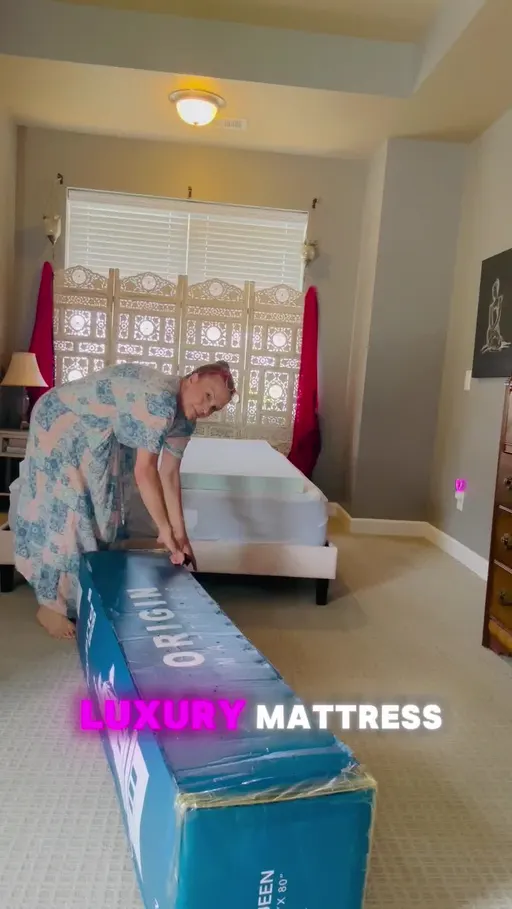
Spot the odd thing first. None of the six opens with the brand's name. Each one names something you can picture: a pump, a price, a mattress, makeup, golf clubs, protein. Pictures beat logos.
Ready? Here comes the tease master.
1. Curiosity Gap
Think of a wrapped gift sitting on the table. You know it's a gift. You don't know what's inside. Good luck walking away.
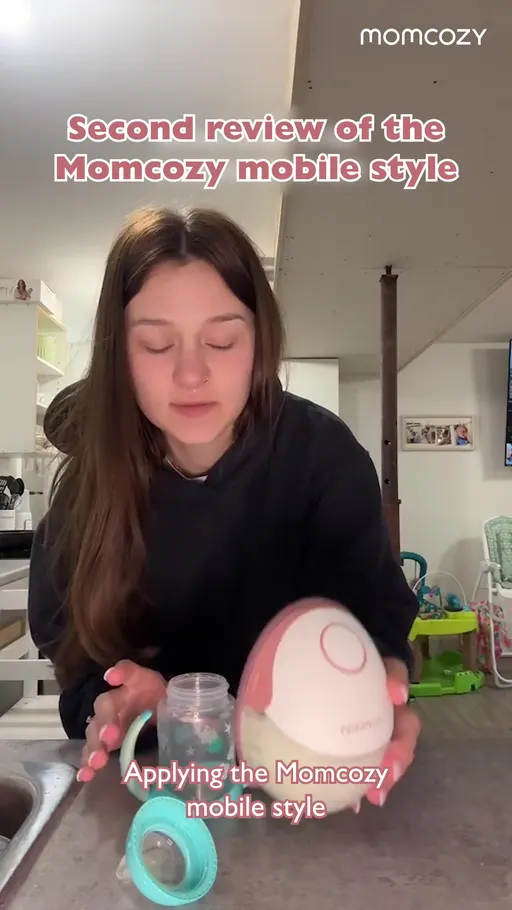
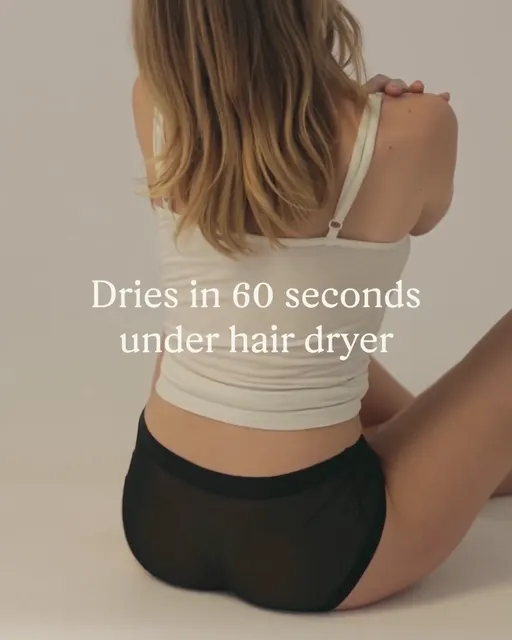
That's the trick. The line doesn't hide the product. It hides what the product looks like once it's open. paire.com.au does it with a size: “Undies in the Size of Lipstick.” You just have to see that.
It's the biggest lane in ads by far. Brands know a good mystery sells.
2. Urgency / FOMO
Nobody has ever read “Hurry!” and felt calm. That's the point.
Now look at the clock. “Ends soon.” Soon when? Tonight? Next month? The ad doesn't say, and that's the sneaky part. You can't check it, so you worry instead.
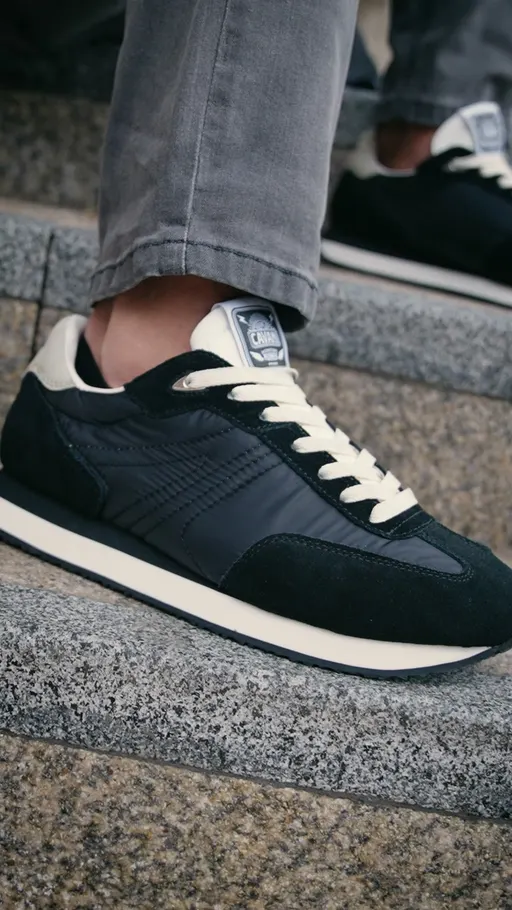
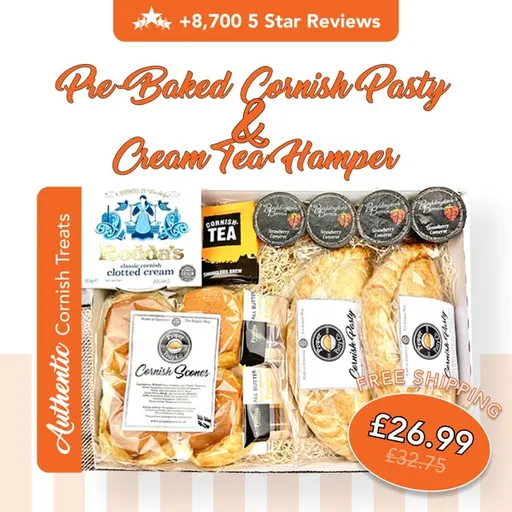
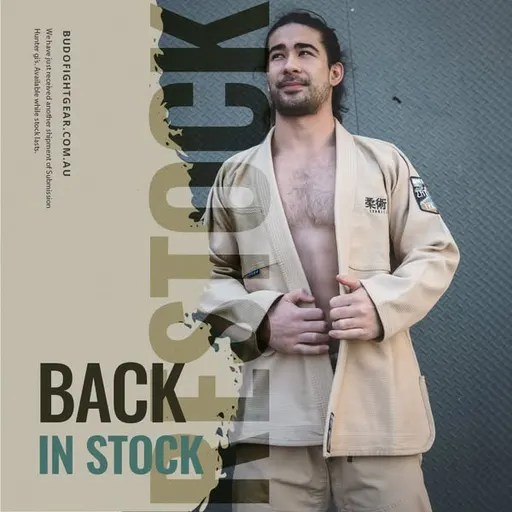
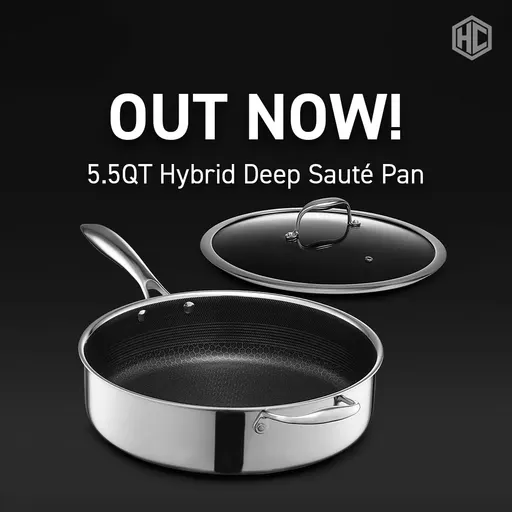
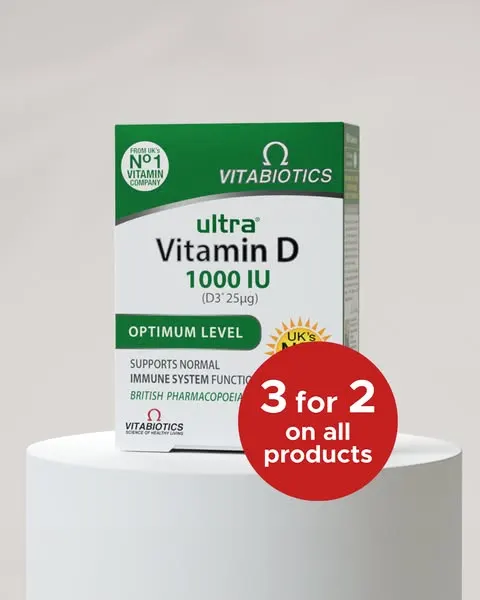
budo-fight.com says stock is back. vitabiotics.com opens on a multi-buy price. hexclad.com says a pan is out now. Same recipe: a shove, then a reason.
3. Authority
This is a brand bragging about itself, politely. Proof first, product second, “this is for you” third.
Small catch: “America's No. 1” is the brand's own claim, not a medal from somebody else. But it works, because it comes before any feature.
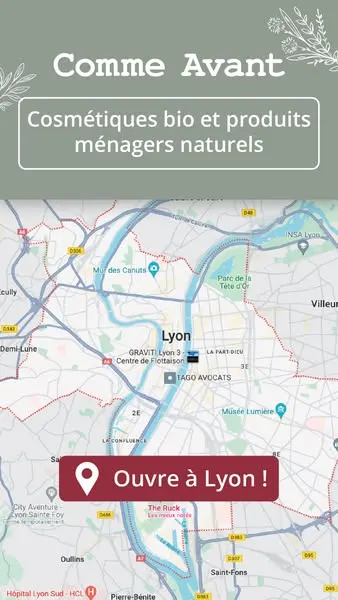
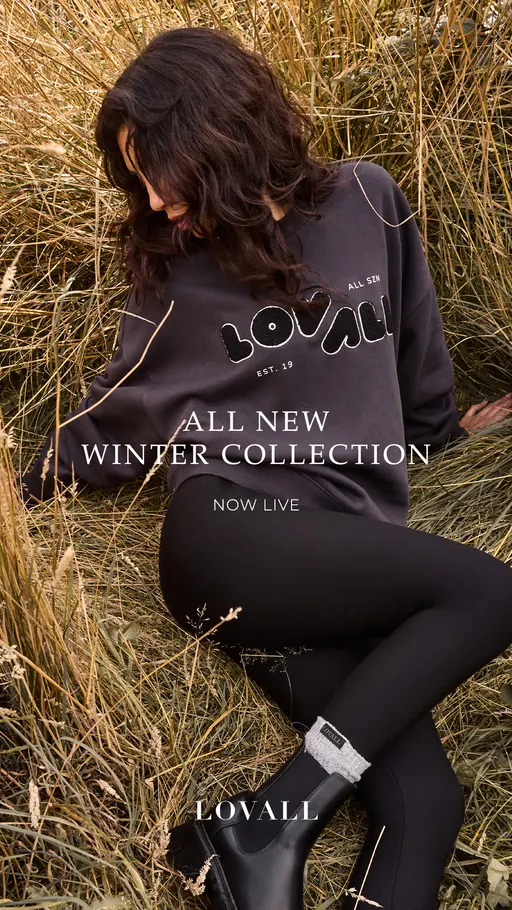
comme-avant.bio opens with a rating and a customer count. earpeace.com opens with a famous partner. lovall.com opens on its own best-seller claim. Proof is proof.
4. Relatability
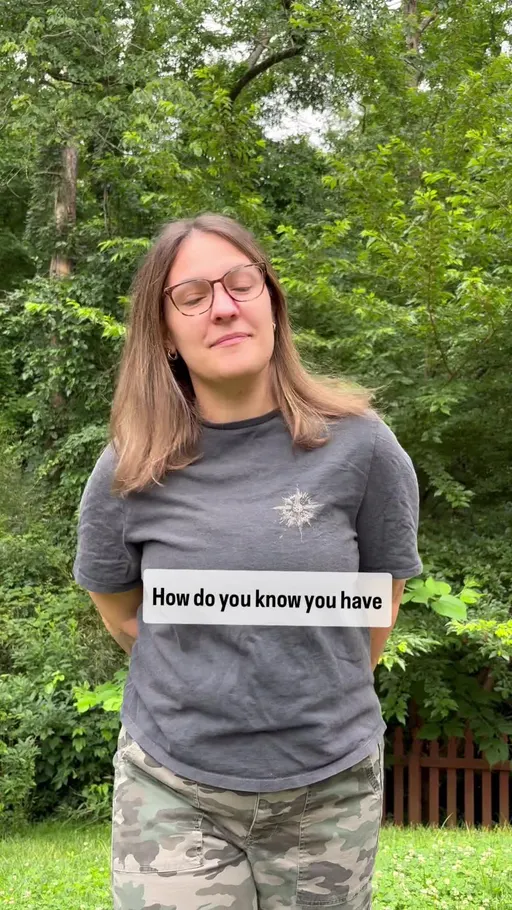
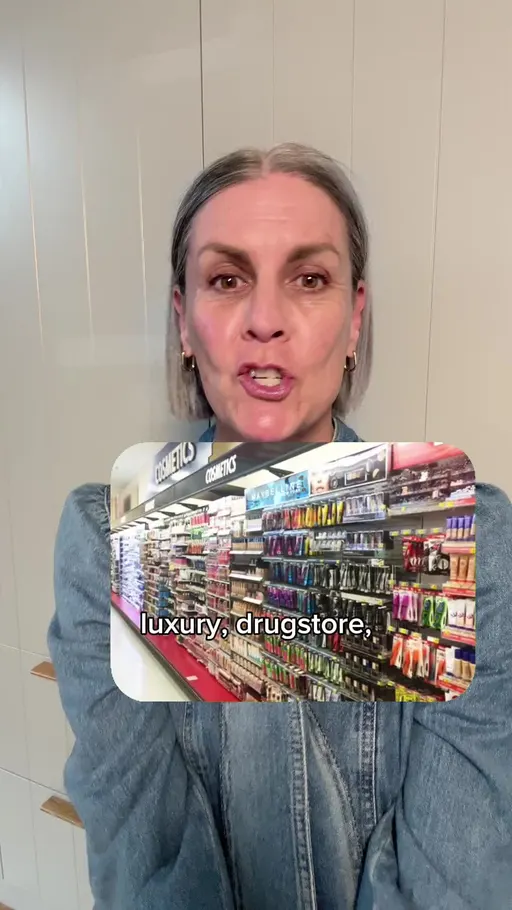
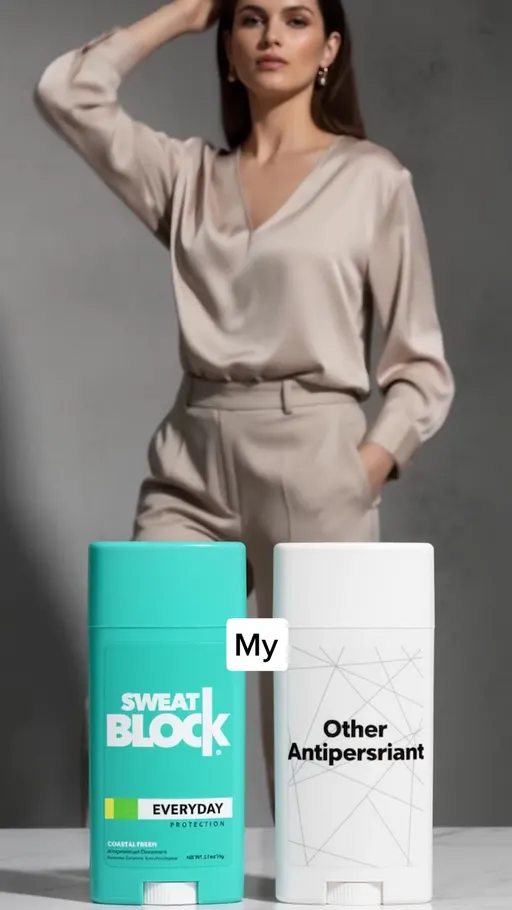
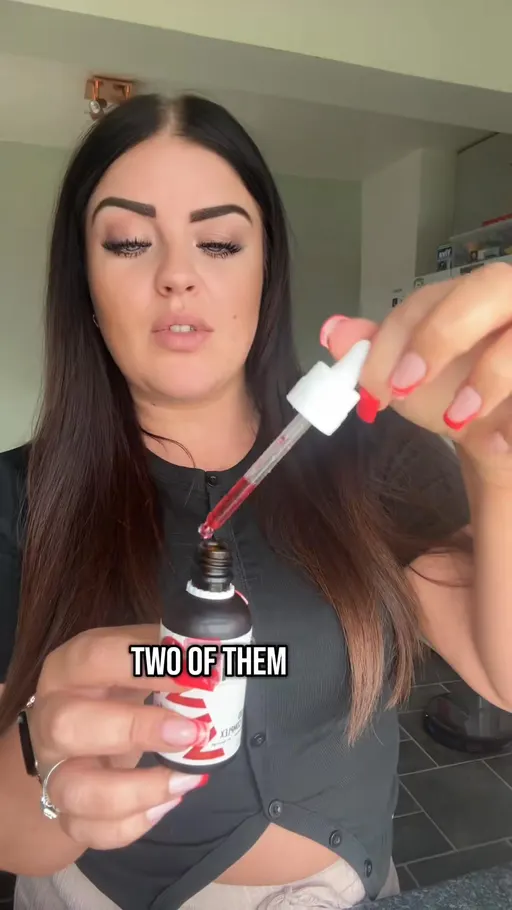
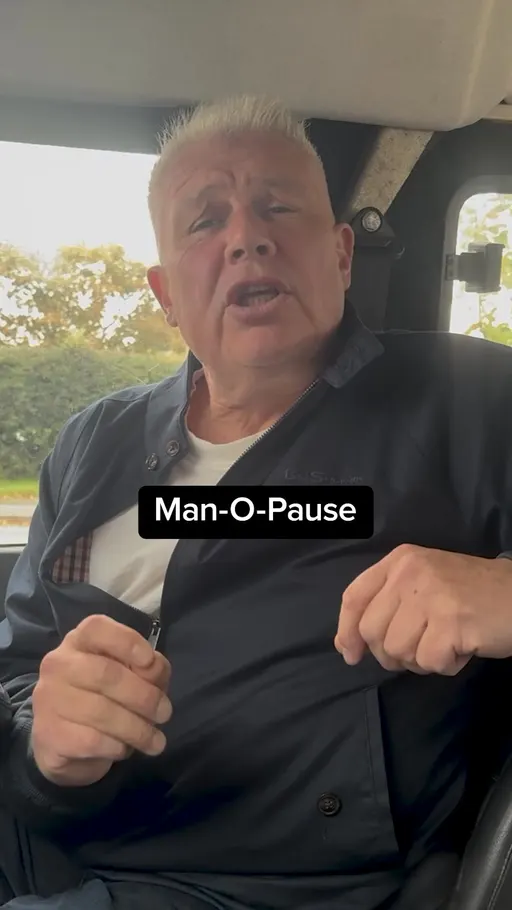
Nothing is for sale in the first three words. It sounds like a friend talking over coffee. And that's why you nod.
sweatblock.com tells a story in a wife's voice. ankhway.com opens on what other people say about men like him. vivolife.co.uk calls out a whole group in four words: “TIRED MAMAS WHERE YOU AT?” Zero chance a tired mama scrolls past that.
5. Direct Question
Read it and you've already pictured the garage. And the partner. And the sigh. You answered “yes” before you clicked anything.
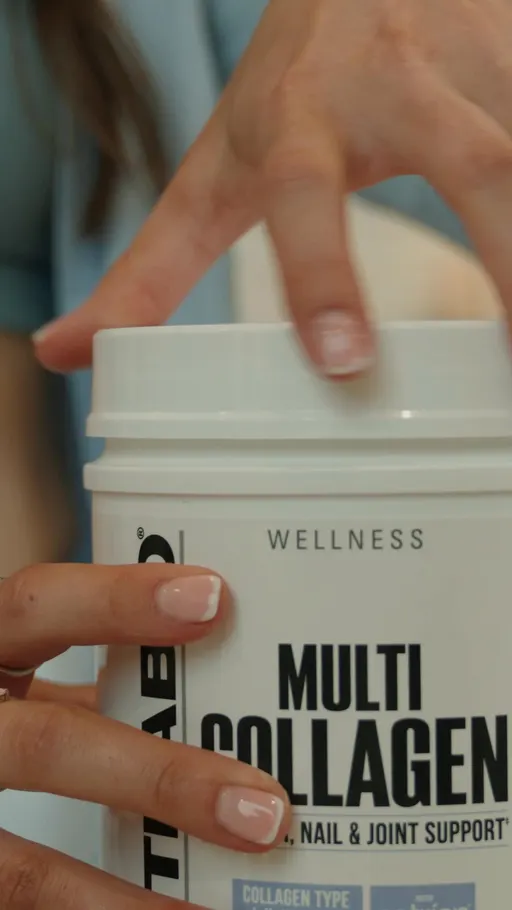
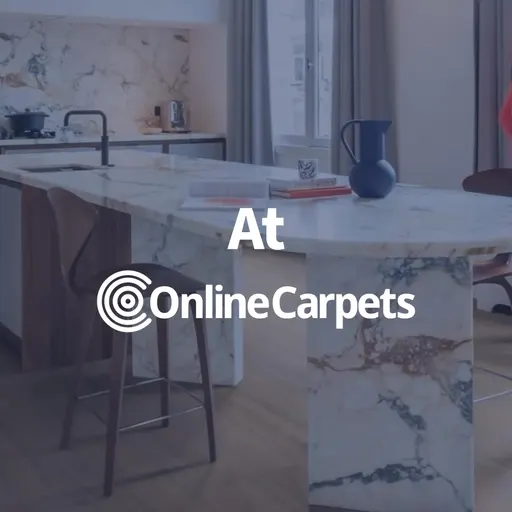
danishendurance.com asks about one sore-feet moment on a hike. onlinecarpets.co.uk asks a “did you know” about its own range. nutrabio.com asks just three words: “Most Essential Pre-Workout?”


6. Shocking Statement
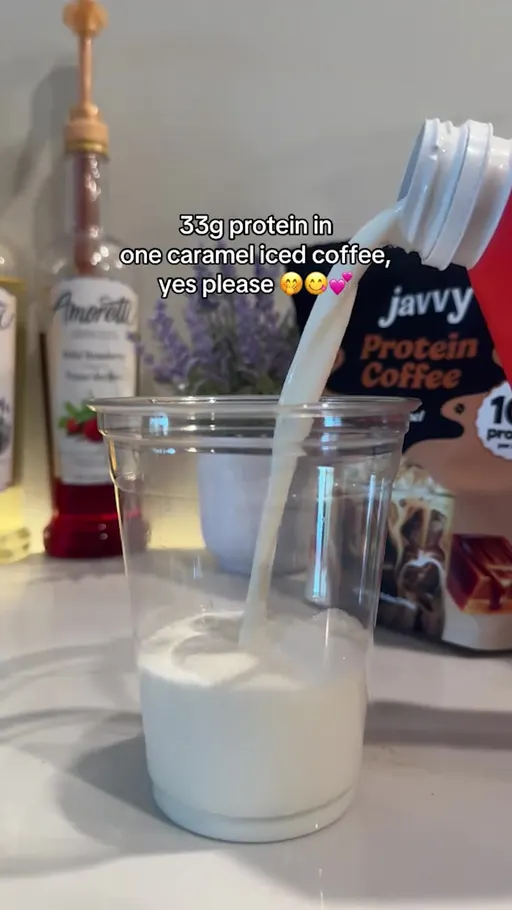
Protein and caramel iced coffee in the same sentence? That's two worlds colliding.
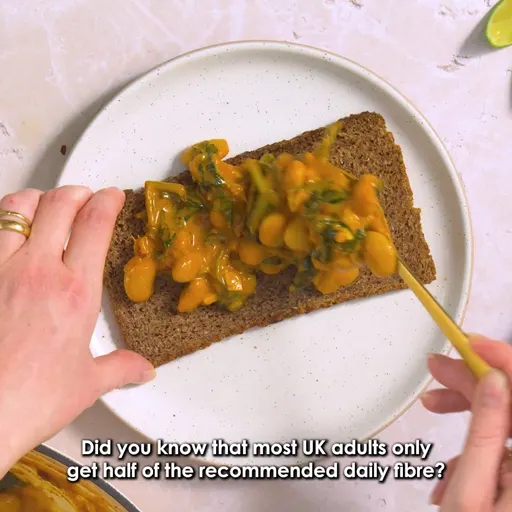
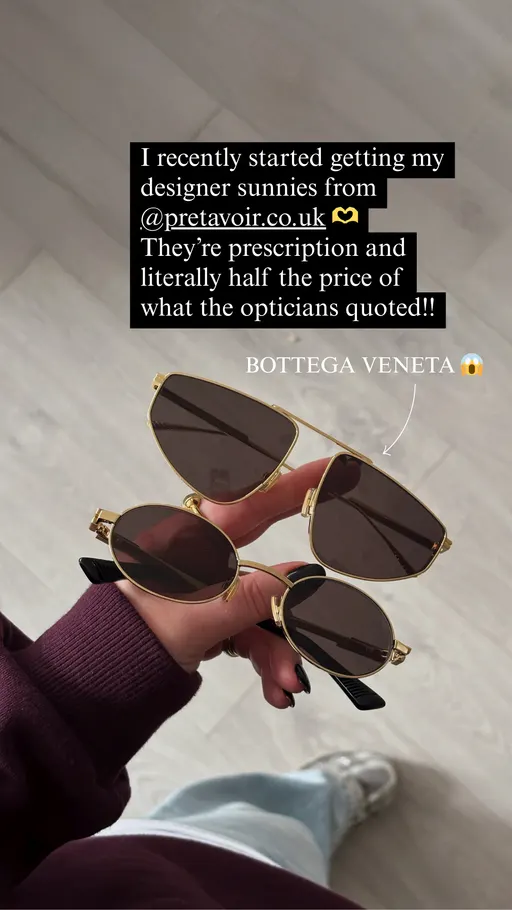
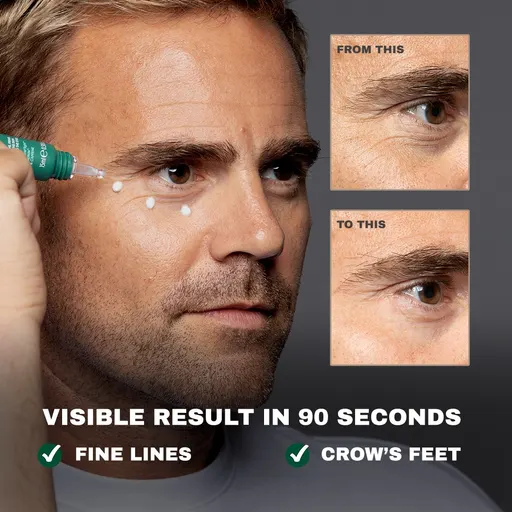
The number has to do all the work, because nothing else in the line names the brand. shakeupcosmetics.com leads with a time instead: a visible result in 90 seconds. biona.co.uk leads with a claim about fibre and most UK adults. pretavoir.co.uk leads with what it says an optician quoted.
| If you want to... | Reach for | Because |
|---|---|---|
| Build something that stays live | Authority | A rating or a named partner stays true, and these ads lasted longest |
| Make people stop and open the ad | Curiosity Gap | Holds the payoff back. Safe, but the most crowded lane |
| Make people see themselves | Relatability | A small true story. Nothing for sale yet |
| Make people answer in their head | Direct Question | They picture their own situation before they click |
| Push a live deal | Urgency / FOMO | Works while the deal runs. Plan to swap it often |
| Lead with a surprise number | Shocking Statement | The number has to do all the work |
Six lines. Six jobs. But here's what nobody tells you: some of these ads sat live for over a year. Others were gone in about half that. Which ones?
The milk vs. canned beans test
Some openings are like milk. They go bad fast. Others are like canned beans. Put them in the cupboard and forget them.
To tell which is which, we checked how many of each hook's ads were still live after 60 days, in a sample of long-running ads. Call it “staying power”.
Share of each hook's ads that ran 60+ days, ten biggest hooks. Dark: keep it up. Medium: steady. Light: swap it often. Grey: shortest life. Measured on a sample of long-running ads, so the numbers read high: a signal, never a result. Source: eCommerceBenchmark Ad Library, 2026.
Authority is the canned beans. Price Anchor is the milk.
Why? Lines built on something that stays true (a rating, a finished story) get left alone. Lines built on a moment (a deal, a new colour) get swapped when the moment passes. That isn't a flaw. It's a planning rule.
So build the lasting kind once and keep it. Put the milk kind on a calendar.
And what about the hooks that are growing right now? Plot twist: they're tiny.
What's climbing? (Spoiler: small stuff)
The big three barely moved since August. The action came from three small lanes that few brands write.
Change in share of ads, September vs August, in percentage points. Brand counts show how few brands write each one. Only hooks that moved by 0.2 points or more. Source: eCommerceBenchmark Ad Library, 2026.
Small lanes, small samples, one month. Treat them like a new restaurant: worth a try, not worth betting the rent on. Here they are, in real ads.
Bold Claim: a big promise with nothing to check
“High quality eyewear.” Okay... compared to what? A stranger can't check that. fellahamilton.com.au's “Experience Eternity's Luxe Comfort” gives you nothing to check either.
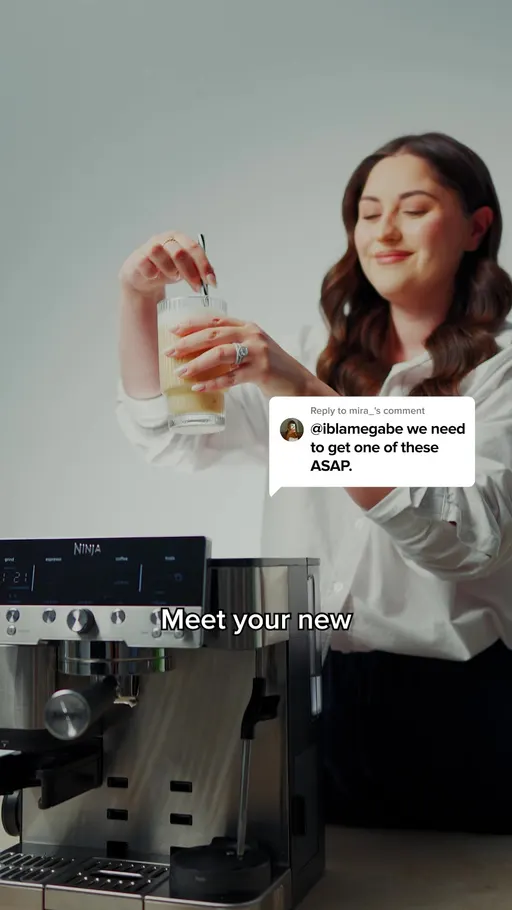
ninjakitchen.co.nz does it too with “The coffee machine everyone's talking about”. Only 79 brands write this one, so test it in one slot and move on.

Newness: “look, it just arrived”
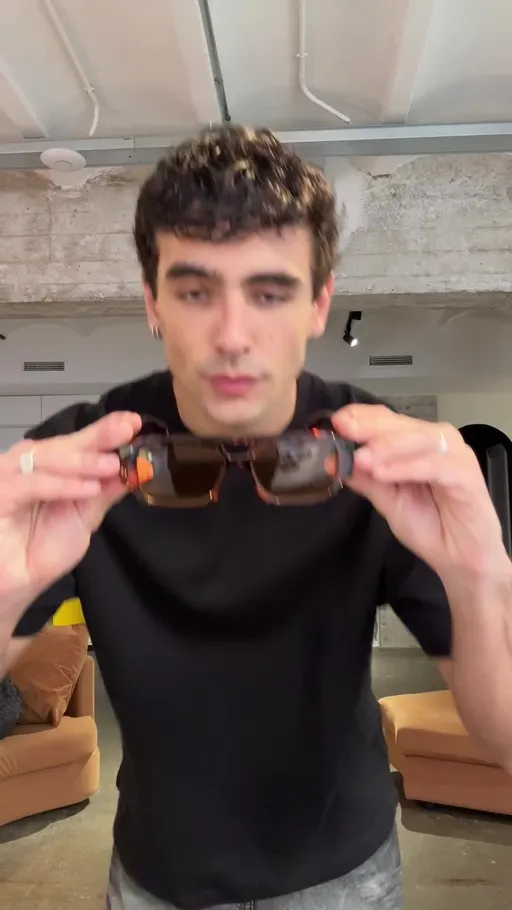
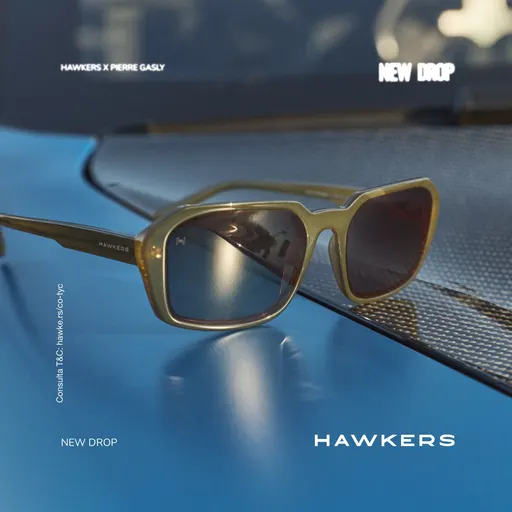
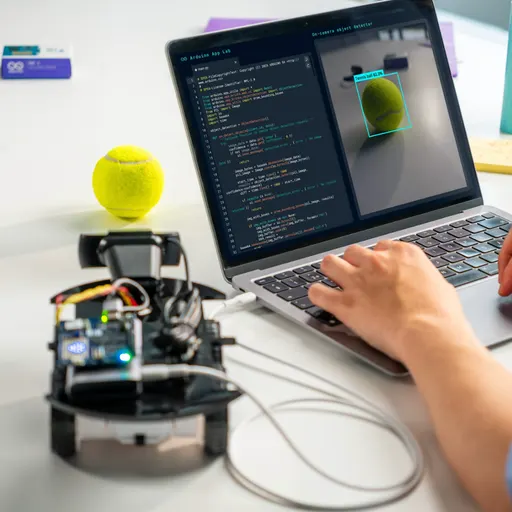
hawkersco.com opens with “New in! Pierre Gasly Drop 2”. You can check that it exists. thepihut.com's “Available in 2GB and 4GB RAM” is a spec anyone can look up.
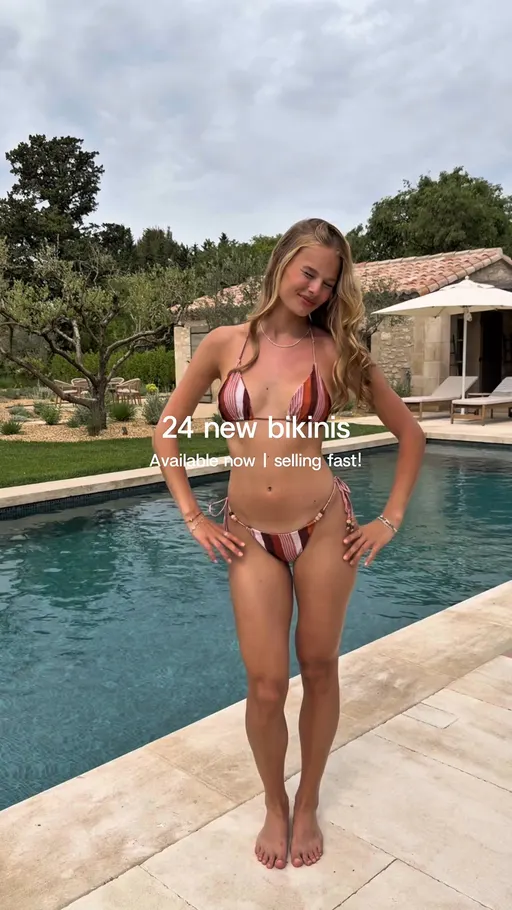
designbysi.dk keeps it to “24 new bikinis”, and gioseppo.com goes with “Novedades para mujer”, Spanish for new in for women. New stuff stops being new. Plan to rewrite these lines every month.

Price Anchor: start with the amount
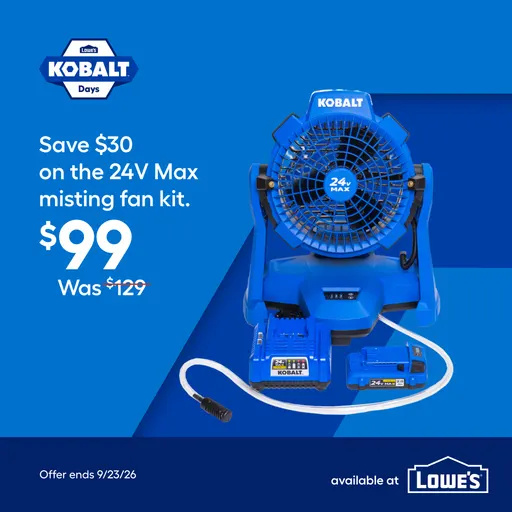
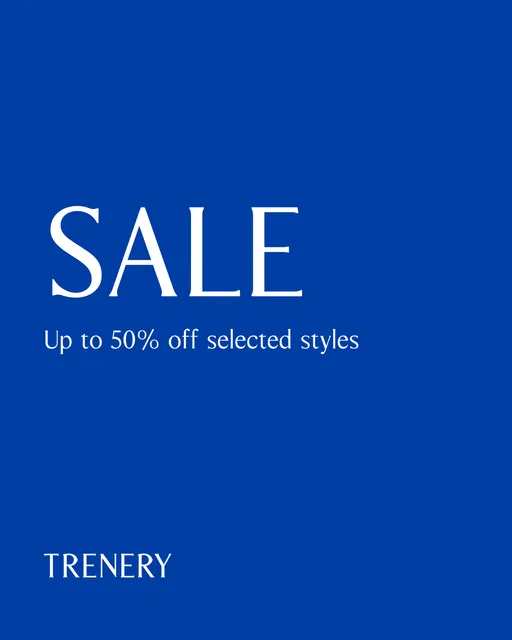
lowes.com opens with “Save $30 during Kobalt Days”. You can check both the amount and the event. trenery.com.au just says “SALE”. Sale of what? Of whom? Nobody knows.
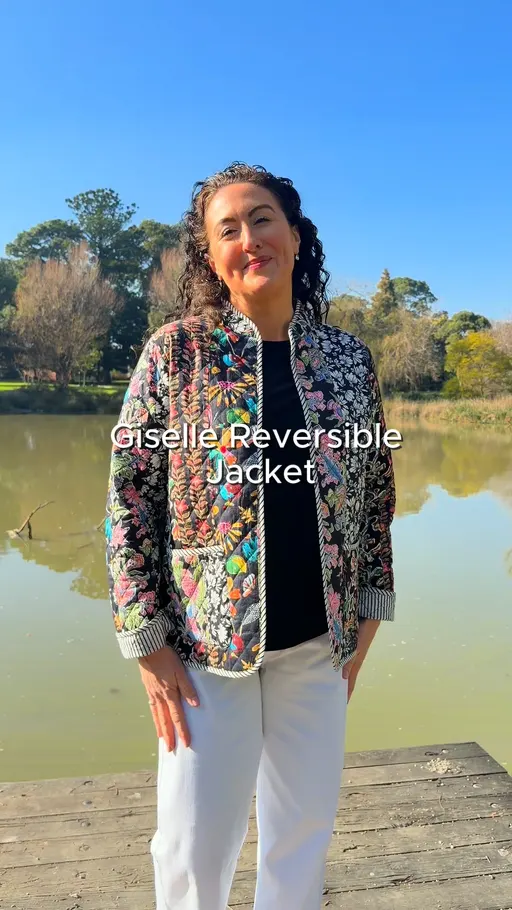
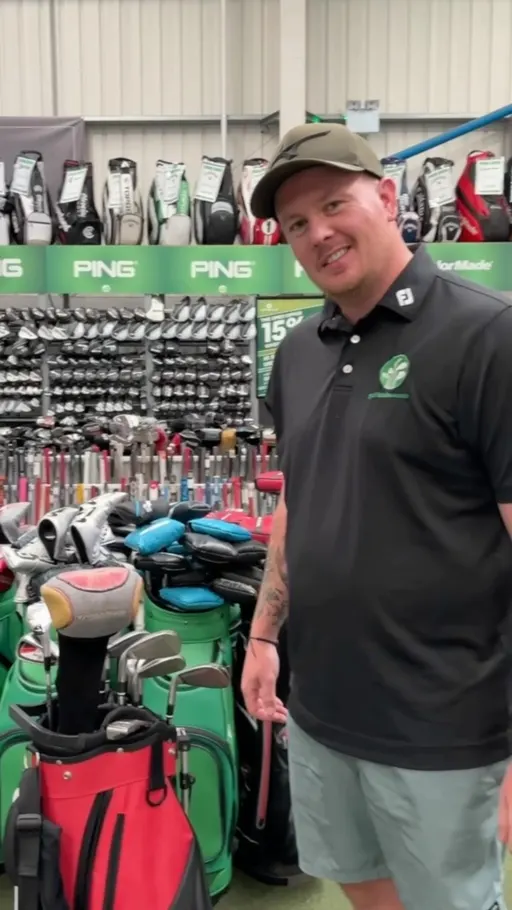
golfclubs4cash.co.uk goes with a price in capitals, “BACK WITH ANOTHER BUILD A BAG - £300”, and fellahamilton.com.au just names a jacket and its price. This is the smallest lane on the page. Watch it. Don't build a month on it.
Wait. Is that how your industry does it? Good question. Let's check.
So... how does YOUR industry open its ads?
The charts above mix every industry into one average. But a jewelry store and a supplement store don't talk the same way. So we split it out.
Read the table like a heatmap. The darker the blue, the more ads in that industry open that way. A green ▲ means the industry uses a hook a lot more than the market. A red ▼ means a lot less.
| Curiosity Gap | Urgency / FOMO | Authority | Relatability | Direct Question | Shocking Statement | |
|---|---|---|---|---|---|---|
| All industries 2,573 brands · 184,481 ads | 28.1% | 7.9% | 6.4% | 4.2% | 3.5% | 1.8% |
| Fashion & Apparel 766 brands · 69,606 ads | 31.3% | 11.9%▲ | 4.6% | 2.0%▼ | 1.9% | 1.4% |
| Beauty & Personal Care 361 brands · 27,653 ads | 22.1% | 4.6%▼ | 6.9% | 5.7% | 4.7% | 1.9% |
| Health & Wellness 357 brands · 21,858 ads | 18.4%▼ | 4.6%▼ | 7.8% | 9.3%▲ | 7.5%▲ | 3.0% |
| Home & Furniture 316 brands · 19,281 ads | 27.7% | 7.5% | 6.5% | 4.0% | 3.1% | 1.9% |
| Food & Drinks 196 brands · 9,965 ads | 29.8% | 6.1% | 6.1% | 6.5%▲ | 4.7% | 1.5% |
| Sports & Outdoors 212 brands · 10,619 ads | 28.0% | 8.8% | 6.7% | 3.0% | 3.0% | 1.7% |
| Luxury & Jewelry 172 brands · 11,796 ads | 35.9%▲ | 6.5% | 8.2% | 1.3%▼ | 1.8% | 0.9% |
| Electronics & Gadgets small sample 72 brands · 4,061 ads | 29.7% | 5.0%▼ | 5.3% | 6.4%▲ | 4.0% | 2.0% |
| Toys & Hobbies small sample 46 brands · 2,089 ads | 34.5% | 8.4% | 4.0%▼ | 3.1% | 3.4% | 1.0% |
Share of each industry's ads in September 2026 that open with each hook. ▲ / ▼: at least a quarter above or below the all-industry number, and at least 2 points apart. Industries with fewer than 100 brands are a small sample: take them as a hint. Source: eCommerceBenchmark Ad Library, 2026.
Here's the same thing in plain words, one industry at a time.
Fashion & Apparel
Top opening: Curiosity Gap (31.3% of ads).
▲ Leans into Urgency / FOMO: 11.9% vs 7.9% market.
▼ Skips Relatability: 2.0% vs 4.2% market.
Beauty & Personal Care
Top opening: Curiosity Gap (22.1% of ads).
▲ Leans into Relatability: 5.7% vs 4.2% market.
▼ Skips Urgency / FOMO: 4.6% vs 7.9% market.
Health & Wellness
Top opening: Curiosity Gap (18.4% of ads).
▲ Leans into Relatability: 9.3% vs 4.2% market.
▼ Skips Urgency / FOMO: 4.6% vs 7.9% market.
Home & Furniture
Top opening: Curiosity Gap (27.7% of ads).
▲ Leans into Shocking Statement: 1.9% vs 1.8% market.
▼ Skips Direct Question: 3.1% vs 3.5% market.
Food & Drinks
Top opening: Curiosity Gap (29.8% of ads).
▲ Leans into Relatability: 6.5% vs 4.2% market.
▼ Skips Urgency / FOMO: 6.1% vs 7.9% market.
Sports & Outdoors
Top opening: Curiosity Gap (28.0% of ads).
▲ Leans into Urgency / FOMO: 8.8% vs 7.9% market.
▼ Skips Relatability: 3.0% vs 4.2% market.
Luxury & Jewelry
Top opening: Curiosity Gap (35.9% of ads).
▲ Leans into Authority: 8.2% vs 6.4% market.
▼ Skips Relatability: 1.3% vs 4.2% market.
Electronics & Gadgets
Top opening: Curiosity Gap (29.7% of ads).
▲ Leans into Relatability: 6.4% vs 4.2% market.
▼ Skips Urgency / FOMO: 5.0% vs 7.9% market.
Toys & Hobbies
Top opening: Curiosity Gap (34.5% of ads).
▲ Leans into Curiosity Gap: 34.5% vs 28.1% market.
▼ Skips Shocking Statement: 1.0% vs 1.8% market.
What to do with it: find your row. If you open ads the same way as everyone in your row, you blend in. If you pick a ▼ hook that your industry skips, you stand out. Test it on one ad before you bet on it. And remember: this shows what brands run, not what earns money.
Now, let's turn all this into a plan.
Your hook plan for next month
One hook is the wrong plan, because hooks live for very different lengths of time. So run four slots. This is our suggestion, not a library finding.
| Slot | Hook | Why | Refresh |
|---|---|---|---|
| Proof | Authority | Lasts longest. A rating or a named partner stays true. | Every 3 months |
| Story | Curiosity Gap | Lasts too, but it's the most crowded lane. Write it with care. | Every 3 months |
| Moment | Price Anchor, Newness | A deal or an arrival stops being news fast. | Every month |
| Experiment | Bold Claim | Rising, but few brands write it. Test before you trust it. | Per test |
Got your slots? Now the trap. Everyone falls into it.
Change only the first line (seriously)
If the picture and the line change together, a win teaches you nothing. Was it the picture? The line? Your lucky socks? Nobody knows. Change only the line, and a win is about the line.
- Keep the ad. Leave the picture, the body and the button alone.
- Write three new first lines. One a stranger could prove wrong. One about what's new. One built on a number from your product.
- Run all four. Two weeks, same audience, even budget. Judge on cost per purchase, never on clicks.
But which ad do you test first? The one with the weakest line. Here's a two-minute way to find it.
Score your own first lines (be honest)
Pull your last twenty ads. Copy each first line into a list on its own, with no picture and no headline around it. Give each line one point for every yes.
| Question | Yes means |
|---|---|
| Can you read it in one second? | It's taken in before the thumb moves. |
| Does it name one thing, not three? | One idea, nothing competing. |
| Could a stranger prove it wrong? | The claim is checkable, not a mood. |
| Does it use a number, a name or a source? | It points at something outside the brand. |
| Would a customer say it this way? | The words are the shopper's, not the brief's. |
Two points or less? That's the line to rewrite first. Then tag each line with its hook. If most land in just two hooks, that's a habit, not a plan.
When a whole niche opens the same way, shoppers skim past all of it, and price is the only thing left to compare. A hook your competitors never use is worth a test before someone else switches.
And where do you stand in your industry? Scroll back up to the heatmap, find your row, and compare it with your own last twenty ads.
Skip the spreadsheet
The eCommerceBenchmark Ad Library reads your ads, files each under a hook, and shows your mix beside the market's.
See my hook mixThe full ranking, for the curious
Every hook we found, from most used to least.
Share of September's ads by hook, all twelve. Source: eCommerceBenchmark Ad Library, 2026.
A bigger share is not proof that a hook works. The library shows what brands ran and how long they kept it live. It holds no sales, spend or profit data, so it can't show what any of it earned.
Your test card
Here is the first test from this article, set up the way a media buyer would run it. Fill in the blanks with your own numbers, and write them down before you launch.
| Hypothesis | A proof-first first line (a rating plus a customer count) will cost less per purchase than my usual tease. |
| Change only this | The first line only. Write three new ones if you like: one a stranger could prove wrong, one about what is new, one built on a number from your product. |
| Keep the same | The picture, the body, the button, the audience and the placement. |
| Funnel stage | Say first whether this ad is for prospecting (cold) or retargeting (warm). A deal in the first line is often right for warm audiences and wrong for cold ones, so test it where the ad will really run. |
| Setup | One control and one variant, same audience, same placement, even budget split. Do not edit either ad while the test runs. |
| How long and how much | Until each version has about 50 purchases, or two full weeks, whichever comes later. This is general testing practice (Meta's own learning-phase guideline is about 50 results per ad set per week), not a library finding. |
| Success metric | Cost per purchase, not clicks. |
| Stop rule | Pause a variant that has spent about 3 times your target cost per purchase with no purchase. If it is close, keep it running. |
| What counts as a win | The variant beats the control on the metric by an amount you would act on, and still does in a second week. |
Key takeaways
- More than 1 in 4 store ads opens with a Curiosity Gap. It's the most crowded opening by far.
- Authority lasts longest. Price Anchor lasts shortest. Proof stays true, deals expire.
- Bold Claim, Newness and Price Anchor are growing, but few brands write them. Test, don't bet.
- Run four slots: proof, story, moment, experiment.
- Test only the first line. Score your last twenty before you write new ones.
- Industries open ads differently: luxury loves the tease, health loves “that's me”, fashion loves the clock. Find your row in the heatmap.
Questions
Quick Answer