None of the Fifteen Largest eCommerce Ad Concepts Lost Share in October 2026. So Why Retire Yours?

Scope: every industry and country the eCommerceBenchmark Ad Library tracks. 32,721 ads active in October 2026, compared with September 2026. No split by country or industry.
Every month we ask one question: which ad concept is fading?
This month, the answer is: none.
We checked all 32,721 ads running in October, and the month's concept data was complete enough to read. Not one of the concepts we track lost share since September: the smallest change was 0 points, Side-by-Side Comparison. Cinematic B-roll went from 8% of all ads to 10.2%. Not a fall. A rise.
- If you were about to retire a concept because it feels tired, the market didn't. Not one of the concepts we track lost share. The widest row that sat still, Side-by-Side Comparison, held 1% of all ads in both months.
- The month's movement was only upward. Seven concepts on three hundred ads or more gained share, and none fell. October is a month to add something, not to swap something out.
- Some risers are small. Listicle went from 0.7% of all ads to 1.3%. Small enough to test in one slot. Too small to build a month of briefs on.
A creative concept is defined as the way an ad is staged on screen: the build a shopper takes in before reading a word. Here is what moved, and what didn't.
No concept lost share: the falling list came back carrying only risers
No concept we track lost share between September and October 2026. Cinematic B-roll rose 2.2 points. The widest gain in the month was Montage, 7.7% of all ads in September and 11.3% in October. Here is every concept on three hundred ads or more that moved, and by how much.
Change in share of all ads, October vs September 2026, in percentage points. Nothing on the other side of the line: no concept lost share. Source: eCommerceBenchmark Ad Library, 2026.
The nearest thing to a fade is a big enough row standing still. Side-by-Side Comparison held 1% of all ads in both months, on 340 ads from 139 brands. A row that sits in the same spot twice hasn't lost anything.
Seven concepts on three hundred ads or more gained. Montage added 3.6 points and Cinematic B-roll 2.2. Offer-first banner added 1.1 points. Selfie talking-head and Listicle each added 0.6. Product Demo Close-Up added 0.5, Customer Testimonial Reel 0.4. Beside them, only the comparison build sat flat on three hundred ads or more.
Onehonest warning. October gave us no fall to point at. Listicle, the smallest riser here, sits at 1.3% of all ads, and a move on a row that small can be labelling drift as much as a trend. Read it as a quiet month, not a signal. The firm part is the negative: no row carries a loss, so no row supports a brief that retires a concept.
Cinematic B-roll: polished footage, nobody speaking to camera
Cinematic B-roll is defined as a concept where polished footage of the product, or of people using it, runs with nobody speaking to camera. It held 10.2% of all ads in October against 8% in September, on 3,352 ads from 328 brands. Of the gaining concepts we can show real ads for, it is the largest.




varley.com opens on “Varley Swim.” lavishalice.com opens on “New In | Shop the Collection”, and ryderwear.com on “New Sculpt Colours 💕”. Three lines, three labels: the swim range, the new arrivals, the colours. The copy names the thing and stops, which leaves the first frame to carry the ad. A fourth, banyanbotanicals.com, leads with what is in the box instead: “Your first order comes with everything you need 🧘”.
Footage is one way to carry an ad without words. Another is holding the camera on the product in use.
Product Demo Close-Up: the shopper sees the thing working, up close
Product Demo Close-Up is defined as a concept where the camera stays tight on the product doing the thing it is for. It went from 9.2% of all ads in September to 9.7% in October, on 3,188 ads from 349 brands. That is more brands than any other gaining concept this month.
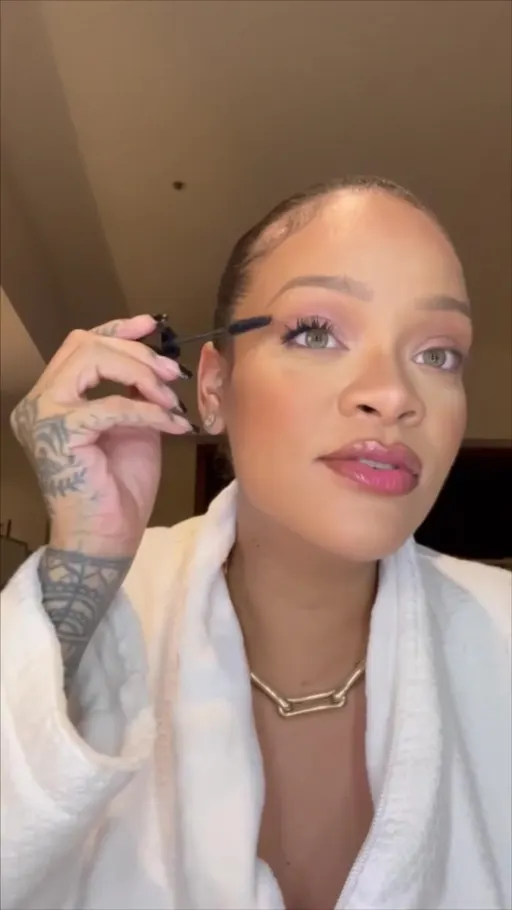
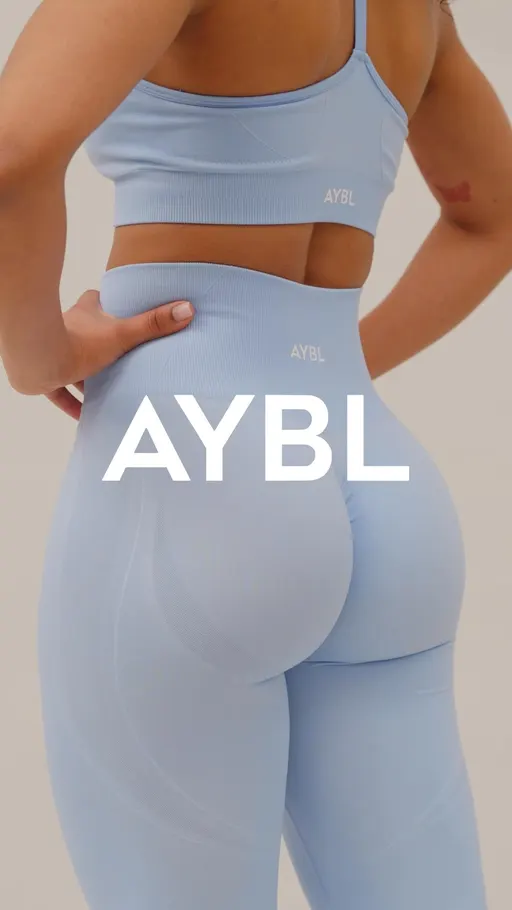
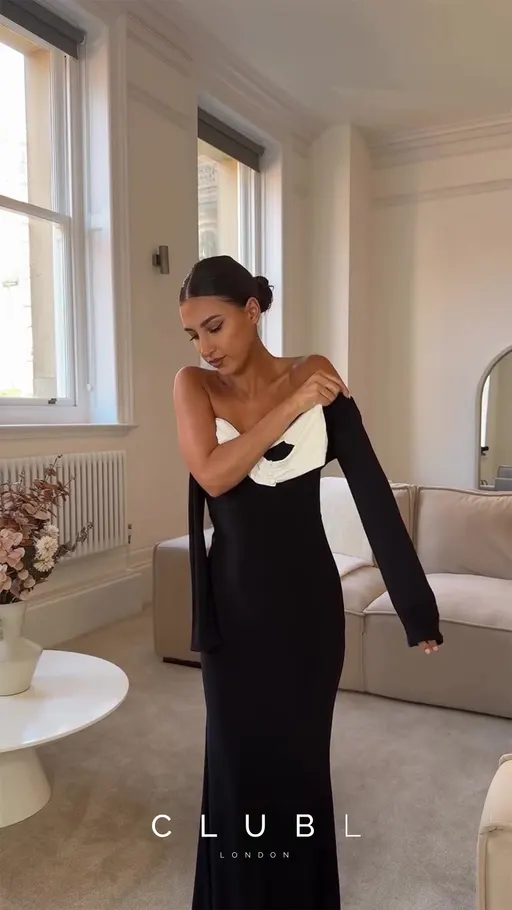
fentybeauty.com opens on “HELLA THICC MASCARA”. aybl.com opens on “Form fitting”, and clubllondon.com on “Make a statement in timeless monochrome”. Each puts the product or the fit in the first three words and lets the frame do the describing. A fourth, strandbags.com.au, leads with the deal instead: “Travel Spend & Save”.
Ready to test? Here are three tests built from this month.
Three tests that fit a flat month
- One polished scene, nobody speaking. Run a cinematic B-roll cut against your current control ad: the concept went from 8% of all ads in September to 10.2% in October.
- Product in use, in the first frame. Put a tight close-up demo against your best opener. It reached 349 brands in October, more than any other gaining concept.
- Add, don't swap. Keep Montage on air as your control, 7.7% of all ads in September and 11.3% in October, and give the new slot to a second concept instead of a replacement.
The eCommerceBenchmark Ad Library sorts your ads into the same hooks, angles, concepts and offers used in this report and shows your mix next to the market, so you can see which shapes you have never shipped.
Audit my creatives, freeBefore you pick a test, look at how big each of these lanes really is. The ad count and the brand count tell different stories.
Ads and brands behind the seven gains
Brands with at least one ad of each concept in October 2026. Source: eCommerceBenchmark Ad Library, 2026.
| Concept | September | October | Ads | Brands |
|---|---|---|---|---|
| Product Demo Close-Up | 9.2% | 9.7% | 3,188 | 349 |
| Montage | 7.7% | 11.3% | 3,705 | 338 |
| Cinematic B-roll | 8% | 10.2% | 3,352 | 328 |
| Offer-first banner | 4.7% | 5.8% | 1,897 | 273 |
| Customer Testimonial Reel | 1.8% | 2.2% | 728 | 198 |
| Selfie talking-head | 1.5% | 2.1% | 688 | 151 |
| Listicle | 0.7% | 1.3% | 422 | 137 |
Seven concepts on three hundred ads or more gained share in October, and the brand counts behind them do not follow the ad counts.
Ad count and brand count don't move together. Product Demo Close-Up ran on 3,188 ads and reached 349 brands. Montage ran on more ads, 3,705 of them, from 338 brands. So the close-up lane is the wider set of advertisers, each running fewer ads. Listicle is the narrowest on brands, 137 of them on 422 ads.
The mistake: rotating out of a concept nobody left
The habit is reading a flat row as a falling one, then writing a replacement brief for it. Side-by-Side Comparison held 1% of all ads in September and 1% in October. Montage, the largest concept of the month, went from 7.7% to 11.3%. Nothing in those two rows asked anyone to move.
Your test card
Here is the first test from this article, set up the way a media buyer would run it. Fill in the blanks with your own numbers before you launch.
| Hypothesis | A cinematic B-roll cut, added next to my current control concept, will hold my cost per purchase without taking budget from the control. |
| Change only this | Add one new ad staged as cinematic B-roll: polished footage of the product, nobody speaking to camera. Do not turn off the control. |
| Keep the same | Product, audience and placement. The control keeps running exactly as it is. |
| Funnel stage | Say first whether this ad is for prospecting (cold) or retargeting (warm). A deal in the first line is often right for warm audiences and wrong for cold ones, so test it where the ad will really run. |
| Setup | One control and one variant, same audience, same placement, even budget split. Do not edit either ad while the test runs. |
| How long and how much | Until each version has about 50 purchases, or two full weeks, whichever comes later. This is general testing practice (Meta's own learning-phase guideline is about 50 results per ad set per week), not a library finding. |
| Success metric | Cost per purchase, not clicks. |
| Stop rule | Pause a variant that has spent about 3 times your target cost per purchase with no purchase. If it is close, keep it running. |
| What counts as a win | The variant beats the control on the metric by an amount you would act on, and still does in a second week. |
Key takeaways
- Not one of the concepts we track lost share between September and October 2026: Cinematic B-roll gained and holds 10.2% of all ads [eCommerceBenchmark Ad Library, 2026], so no row here supports retiring a concept.
- Side-by-Side Comparison held 1% of all ads in both months, on 340 ads from 139 brands. Read that row as holding.
- Product Demo Close-Up went from 9.2% to 9.7% of all ads and ran on 349 brands, more than any other gaining concept.
- Listicle is the smallest riser on this page, 0.7% of all ads in September to 1.3% in October on 422 ads, still a small lane to brief into.
- Cinematic B-roll, the riser whose card you can copy from, went from 8% of all ads to 10.2% on 3,352 ads from 328 brands.
Questions
Sort your last month of ads into the same concept buckets this piece used: montage, polished footage with nobody speaking, close-up demo, deal-as-layout, comparison build. If the bucket you were about to retire is the comparison build holding 1% of the market's ads in both months, leave it on air as your control. Give the new slot to a bucket you have no card for at all: a cinematic cut, or a tight close-up of the product doing its job. Seven concepts on three hundred ads or more gained, and none of the ones we track fell, so a swap costs you the concept you already run and buys nothing these numbers asked for.