Solution-Aware Was the Selling Angle That Grew Most in October 2026

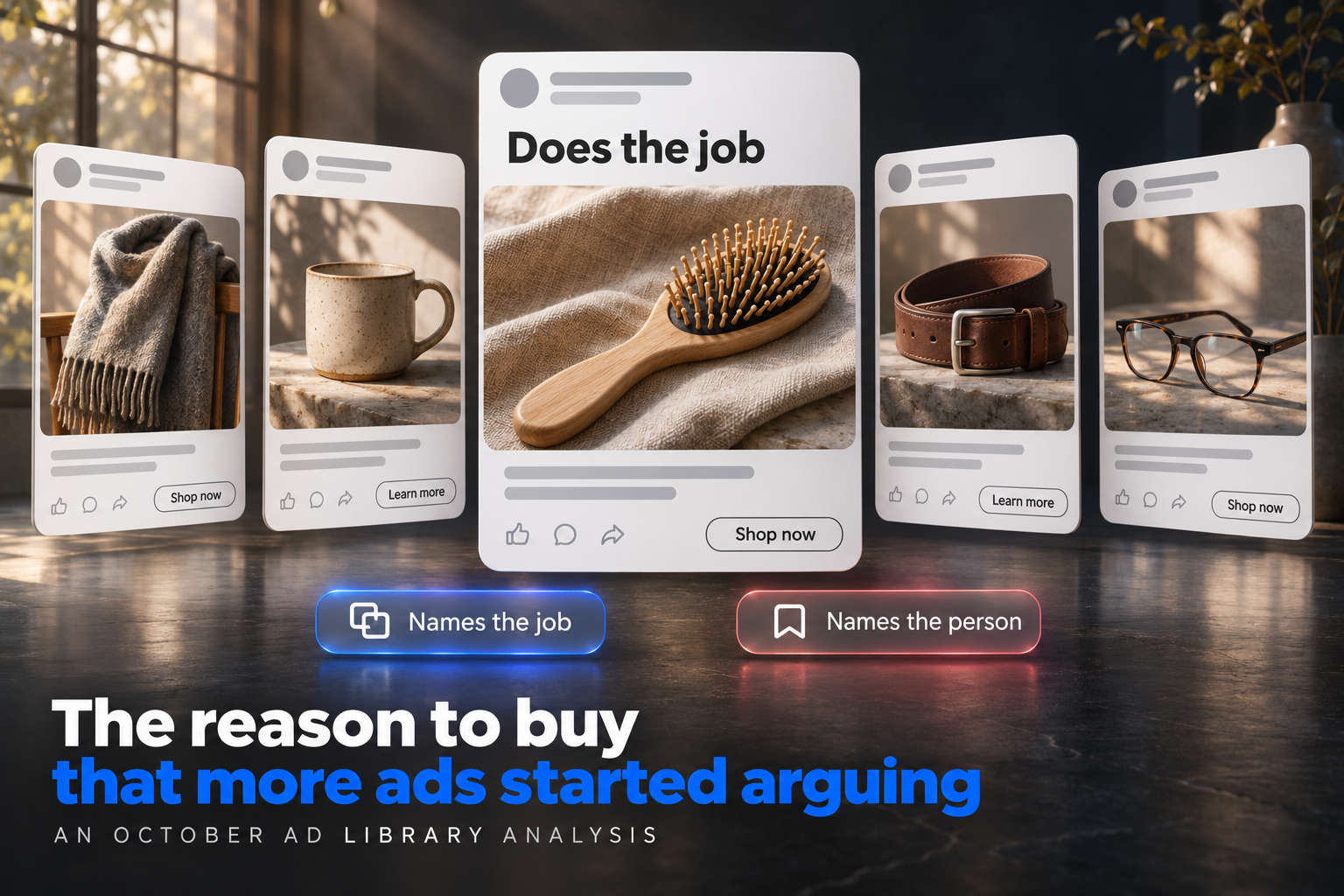
Scope: all industries and every country the eCommerceBenchmark Ad Library tracks. 33,603 ads active in October 2026, compared with September 2026. Angle shares only, with no country or industry split.
Every ad gives a shopper a reason to buy.
Some ads say who you are. Some say what the thing fixes. In October 2026 one of those arguments gained more share than any other: solution-aware, the ad that says the product does a job you already know you have. It went from 13.2% of all ads to 17.6%.
That is read across 33,603 ads active in the month, from every industry and country the eCommerceBenchmark Ad Library tracks. The biggest angle, Identity, sat still at 25.5% of all ads in both months.
So this is not a rewrite order. It is one test cell, and the real ads that make the argument are below.
- Solution-aware gained 4.4 points of share. It rose from 13.2% of all ads in September 2026 to 17.6% in October, the largest angle gain of the month.
- The base is wide, not a handful of brands. 5,907 ads carried the angle, run by 405 brands.
- The leader did not budge. Identity held 25.5% of all ads in both months, so nothing here says stop arguing identity.
First, what solution-aware actually is.
Solution-aware rose from 13.2% to 17.6% of all ads
Solution-aware is defined as an angle that argues the product does a job the shopper already knows they have, instead of arguing who the shopper is. It held 13.2% of all ads in September 2026 and 17.6% in October, a gain of 4.4 points and the largest angle move of the month.
The base under that share is wide. 5,907 ads carried the argument in October, run by 405 brands.
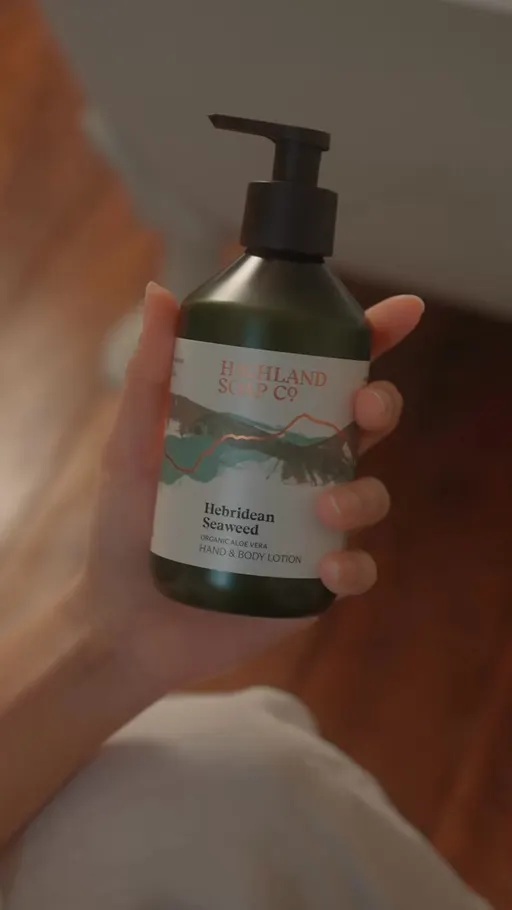
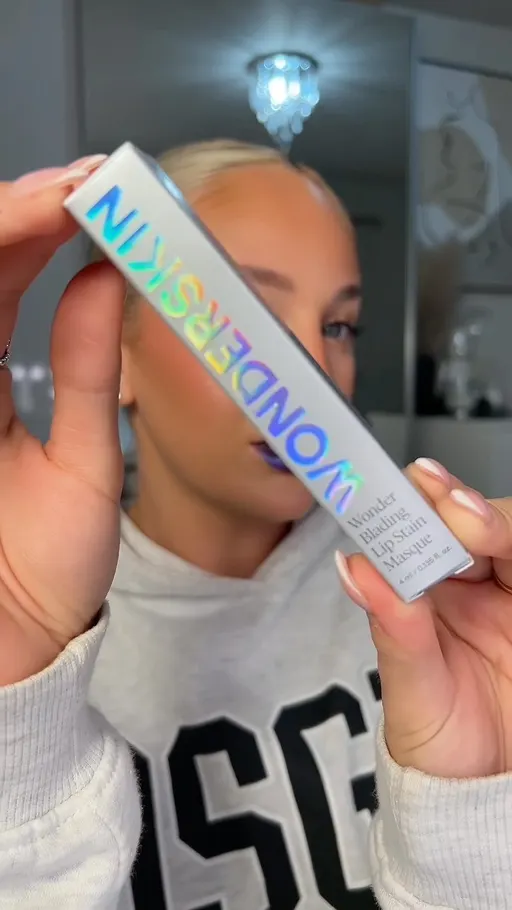

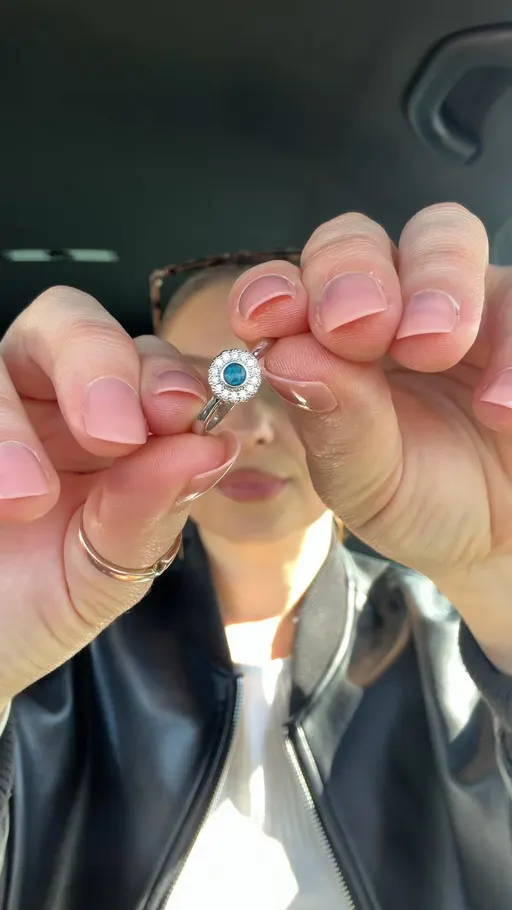
The longest run of the four we card is highlandsoaps.com, at 230 days on air, opening on "Hebridean Seaweed Hand & Body Lotion" under the headline "Naturally Cleansing. Deeply Nourishing." Days on air say how long a brand kept an ad live, never what it sold.
banyanbotanicals.com opens on "Stronger hair starts here", which is the outcome in four words, before the product. everwith.co.uk opens on "this is my most special piece of jewellery", a line about what the piece does for one person. eu.wonderskin.com opens on "You guys want an absolutely mental last time I tried this product.", the moment of trying it. None of the four name a type of shopper. Each names a result, or the moment someone went looking for one.
So how big is the argument it is growing next to?
Identity is still the biggest angle
Identity held 25.5% of all ads in September 2026 and 25.5% again in October, the largest share of any angle in both months. It sits on 8,554 ads from 429 brands, and the gap to solution-aware is 7.9 points: 25.5% against 17.6%.
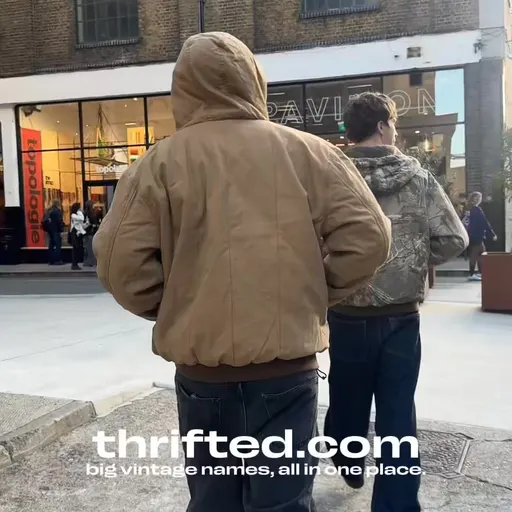


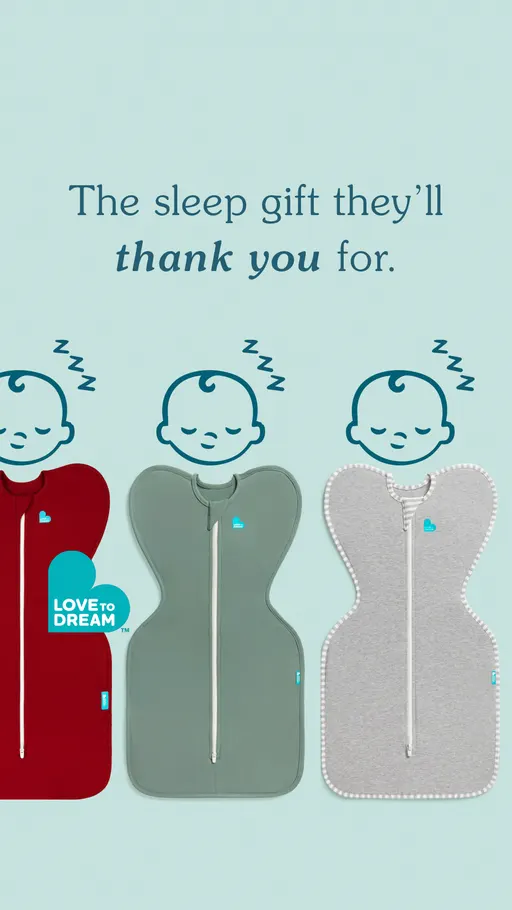
thrifted.com has run "Premium Vintage Style" for 313 days (that's time on air, not sales). abbottlyon.com opens on "Three names, infinite love", on air 265 days. florislondon.com opens on "WORN BY ICONS", at 264 days. lovetodream.com.au opens on "The sleep gift they'll thank you for." under the headline "Give the gift of sleep", at 253 days. Each of the four lines names a who: a style, a relationship, an icon, a person you buy for.
Here is how every angle moved.
Every angle, October against September
An angle share is defined as the portion of all ads active in the month that make that one argument. Seven angles sit above the thin-row floor, and solution-aware made the biggest move of them.
Change in share of all ads, October vs September 2026, in percentage points. Rows under three hundred ads are left out. Source: eCommerceBenchmark Ad Library, 2026.
Mechanism was the next riser, from 4.2% of all ads in September to 5.6% in October. Problem-aware lost the most share, from 9.2% down to 7.9%. Objection crusher slipped from 6.9% to 6.6%, social proof edged from 5.4% to 5.6%, and comparison from 2% to 2.4%. Identity held, at 25.5% in both months.
One month's gain is a reason to test, not to rebuild. The arguments that deserve most of your budget are the ones that hold share across both months, and solution-aware has exactly one month of history here, 13.2% then 17.6%. Fund the test from the edge of the account.
So what do you do with this?
Three tests worth running
- One solution-aware ad for your best seller. Run it against your current control for a full month: the angle reached 17.6% of all ads in October 2026.
- The job named in the first three words. Put the Steal this opening inside the angle you already run most, the way a 230-day ad does.
- Keep Identity funded while you test. It held 25.5% of all ads in September and October 2026, so it is not the thing to defund.
The eCommerceBenchmark Ad Library sorts your ads into the same hooks, angles, concepts and offers used in this report and shows your mix next to the market, so you can see which shapes you have never shipped.
Audit my creatives, freeBefore you write the brief, look at the way a month like this usually gets read wrong.
The mistake: rewriting every ad to the angle that grew
Here is how it goes wrong. You read the move from 13.2% to 17.6% as an instruction, and every brief for next month gets the same new argument. The control gets rewritten with the rest. By the time the month ends, nothing in the account argues what it argued before, and there is nothing left to compare the new ads against.
A share cannot carry that weight. It counts what brands ran, not what sold. And an argument every brand switches to stops standing out: a shopper meets the same promise about the same job on ad after ad, until none of them register. Keep your control and give the riser one cell.
Your test card
Here is the first test from the box, set up the way a media buyer would run it. Write your numbers down before you launch.
| Hypothesis | One solution-aware ad will land within my control's cost per purchase, so it is worth a second test. |
| Change only this | The argument only: the ad says the product does a job the shopper already knows they have, for the same best seller. |
| Keep the same | Product, offer, format, audience, placement and budget split, and the Identity control stays funded. |
| Funnel stage | Say first whether this ad is for prospecting (cold) or retargeting (warm). A deal in the first line is often right for warm audiences and wrong for cold ones, so test it where the ad will really run. |
| Setup | One control and one variant, same audience, same placement, even budget split. Do not edit either ad while the test runs. |
| How long and how much | Until each version has about 50 purchases, or two full weeks, whichever comes later. This is general testing practice (Meta's own learning-phase guideline is about 50 results per ad set per week), not a library finding. |
| Success metric | Cost per purchase, not clicks. |
| Stop rule | Pause a variant that has spent about 3 times your target cost per purchase with no purchase. If it is close, keep it running. |
| What counts as a win | The variant beats the control on the metric by an amount you would act on, and still does in a second week. |
Key takeaways
- Solution-aware rose from 13.2% of all ads in September 2026 to 17.6% in October [eCommerceBenchmark Ad Library, 2026], a gain of 4.4 points and the largest angle move of the month.
- That share sits on 5,907 ads from 405 brands, so it is a wide base rather than a few brands.
- Identity held 25.5% of all ads in both September and October 2026, on 8,554 ads, and is still the biggest angle.
- Mechanism was the next riser, from 4.2% to 5.6%. Problem-aware lost the most share, from 9.2% to 7.9%.
- The longest-running solution-aware ad we card has run 230 days. That is time on air, not sales.
- Give the riser one test cell and keep your control funded.
Questions
Sort the first lines of your last month of ads into two piles: the lines that name a job, and the lines that name a person. The job pile is the one that grew, from 13.2% of all ads to 17.6%, while the person pile sat exactly where it was at 25.5%. So add one job-naming ad for your best seller, keep the control funded next to it, and judge it on your own cost per purchase at the end of the month.