Motel Rocks vs Odd Muse: 49 of 76 Motel Rocks Ads Name an Offer and None of 52 Odd Muse Ads Do. Which Side Are You On?

Scope: every Meta ad by Motel Rocks and by Odd Muse in the eCommerceBenchmark Ad Library whose whole creative can be shown, read at the start of November 2026: 76 from Motel Rocks and 52 from Odd Muse. Two brands, not the market.
Two UK fashion labels on Meta. Do their ads make the same pitch?
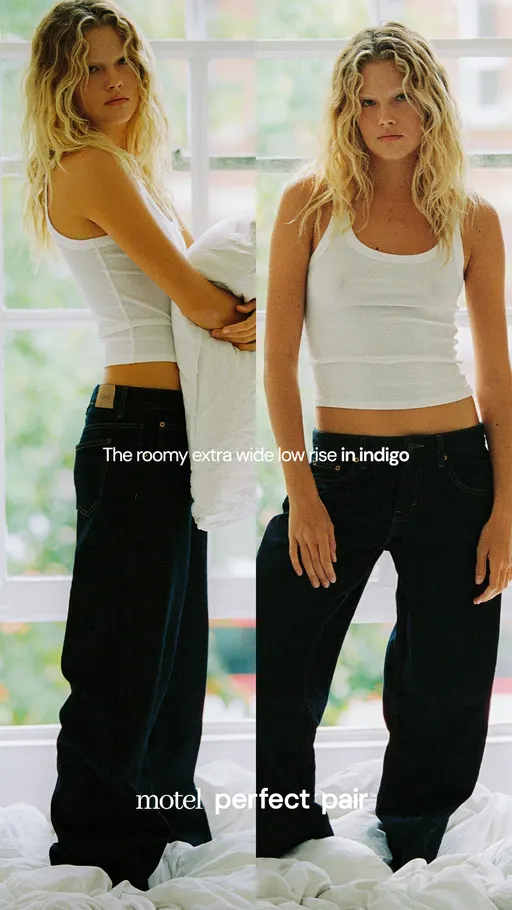
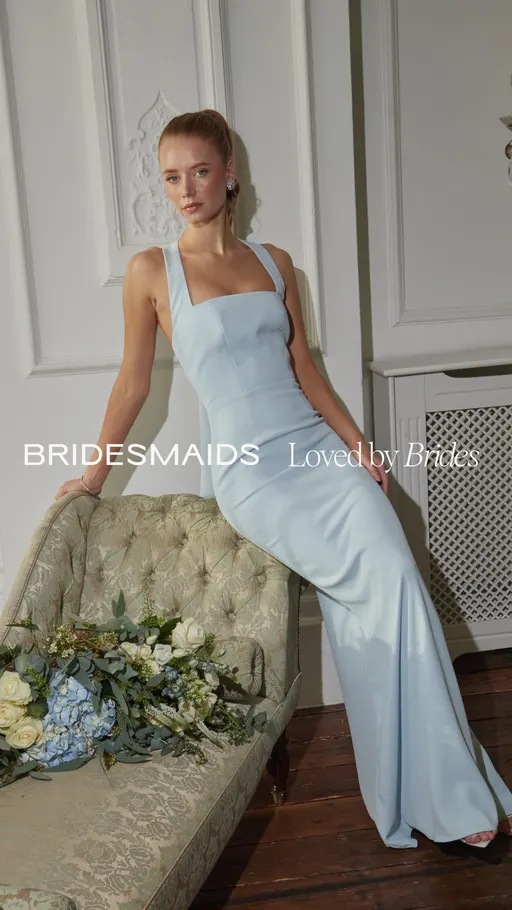
Motel Rocks' ads talk clothes in plain words: “The roomy extra wide low rise in indigo”. These two Odd Muse ads talk about who already owns the piece: “Loved by London Muses” and “Chosen by Brides. Loved by Bridesmaids.” Same feed, two pitches. Read side by side, they show you the call your closest rival made on the things you argue about internally.
- Two brands can make opposite calls. Here they part hardest on the offer: one puts free shipping on most of its ads, the other names no offer at all.
- A rival's library is a free look at a test you have not run. It shows the choice they made. It cannot tell you how it would go for you.
- What you are reading is what each brand ran, not what sold. The library records creative and days on air, never revenue. Treat the split as a question.
Start where they part hardest: the deal.
The deal: who leads with an offer
Motel Rocks names an offer on 49 of its 76 ads and names none on 27 of them. All 52 Odd Muse ads the library can show name no offer. Of the offers Motel Rocks files, free shipping carries 46 of its 76 ads and a discount carries 3.
Ads of each brand the library can show, with and without an offer. Each brand's own ads. Source: eCommerceBenchmark Ad Library, 2026.
Set four of them next to each other. Motel Rocks runs “the viral semra top back in stock” under the headline “FREE STANDARD UK DELIVERY ON ORDERS OVER £75”, and “Jeans you need in your rotation” under that same delivery headline. Odd Muse runs a near twin of the first of those lines, “Most loved back in stock”, and puts “Designed for you” where the delivery note would sit. Its “Loved near you” names no offer either. In these ads, Motel Rocks uses the headline to lower the cost of ordering, and Odd Muse's “Designed for you” says who the piece is for.




So they part on the deal. Do they also part on the first thing they say?
The first line: how each brand opens
A hook is defined as the job the ad's first line does to stop the scroll. Both brands open most on the same one. Visual reveal takes 28 of Motel Rocks' 76 ads and 16 of Odd Muse's 52 ads. Under that, they part. Motel Rocks' next two hooks are Relatability, on 18 of its 76 ads, and Newness, on 12. Odd Muse's next two are Bold claim, on 12 of its 52 ads, and Newness, on 8. Three hooks sit on one brand's list only: Authority, on 5 of Odd Muse's 52 ads, Curiosity gap, on one of Odd Muse's fifty-two, and Price anchor, on 2 of Motel Rocks' 76. At the thin end, POV open and Urgency / FOMO take one of Motel Rocks' 76 ads apiece.
Ads of each brand by the hook they open on. Each brand's own ads; a hook only one brand uses is said in the text. Source: eCommerceBenchmark Ad Library, 2026.
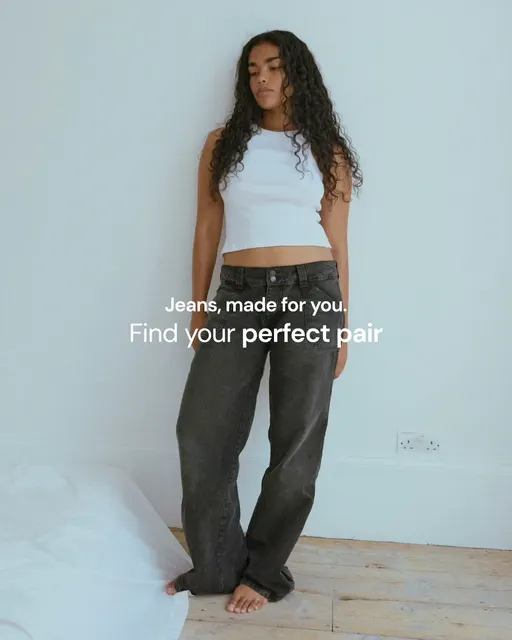
Read four of the lines together. Motel Rocks opens on the garment: “The roomy extra wide low rise in indigo” names the cut, the fit and the wash before anything else, and “Jeans, made for you. Find your perfect pair” puts the shopper in the sentence. These two Odd Muse lines open on other people: “Loved by London Muses” and “Chosen by Brides. Loved by Bridesmaids.” In these four lines, one brand's first words tell you what the thing is. The other's tell you who already has it, and leave the product to the picture.

The reason to buy: the angle each brand argues
An angle is defined as the reason to buy the ad argues. Both argue Identity most: 41 of Motel Rocks' 76 ads and 27 of Odd Muse's 52. The split sits one row down. Motel Rocks files Solution-aware on 23 of its 76 ads and Social proof on 6. Odd Muse files it the other way about, with Social proof on 19 of its 52 ads and Solution-aware on 2. Two rows show up for one brand only in the counts we have: Objection crusher, on 2 of Motel Rocks' 76 ads, and Mechanism, on 1 of Odd Muse's 52.
Ads of each brand by the angle they argue. Each brand's own ads; an angle that shows up for one brand only in these counts is said in the text. Source: eCommerceBenchmark Ad Library, 2026.
How the ads look: concept and format
Motel Rocks stages Montage most, on 34 of its 76 ads, then Cinematic B-roll on 17 and Product Demo Close-Up on 14. Odd Muse stages Cinematic B-roll most, on 19 of its 52 ads, then Lifestyle Aspirational on 13 and Static image on 5.
The format mix turns with it. Video carries 63 of Motel Rocks' 76 ads and static 13. Static carries 30 of Odd Muse's 52 ads and video 22.
Ads of each brand by format, video or static. Each brand's own ads. Source: eCommerceBenchmark Ad Library, 2026.
One honest warning. Those are concept counts for each brand's ads, and no single ad we can show carries a concept label. So the two cards here are for their words only: Motel Rocks' “The roomy extra wide low rise in indigo” and Odd Muse's “Loved near you”. Neither is offered as proof of a concept, and no concept verdict follows.
How long each brand's ads have been on air
Motel Rocks' typical ad has been on air 11 days and its longest 29 days. Odd Muse's typical ad has been on air 24 days and its longest 225 days. Days on air say how long a brand kept an ad live, never what it sold. Read the medians as cadence: a set of mostly new ads shows a low median because a new ad has not had time to run long, not because anything came down early. Odd Muse's “Loved by London Muses” has been on air 130 days.
Days on air of each brand's ads the library can show, read at the start of November 2026. Source: eCommerceBenchmark Ad Library, 2026.
The mistake: copying your rival's ads
Open the rival's library, lift the banner or the three word line, ship it next week. This pair shows why that is risky. Their largest split is the offer: 49 of Motel Rocks' 76 ads name one, and none of Odd Muse's 52 do. Two brands do not agree on whether a deal belongs in the ad at all. There is no single “what our category does” sitting there to be copied, so copying one of them means picking a side by accident.
- A rival's ad was built for their brand, their price and their buyer. Motel Rocks hangs a free shipping line on 46 of its 76 ads. Lifting that line does not bring their prices, their shipping or their shoppers with it.
- Copy the words and you look like them at the worst moment. “Most loved back in stock” and “the viral semra top back in stock” are already near twins, and a shopper comparing the two brands can meet both in one scroll.
- The part worth taking is the choice behind the ad, not the wording. You cannot borrow “Loved by London Muses”, but you can test naming the owner instead of the garment in your own first line.
Check yourself against your rival
- Pull. Open your closest rival's ads in the free Meta Ad Library and your own live ads side by side.
- Label. For each one, write down whether it leads with an offer, what its first line does and how it is staged.
- Pick one split. Choose the single element where you and your rival differ most, and brief one ad that tries their side of it.
The eCommerceBenchmark Ad Library sorts your ads into the same hooks, angles, concepts and offers used in this report and shows your mix next to the market, so you can see which shapes you have never shipped.
Audit my creatives, freeOne split is enough. Here is that split written up the way a buyer would run it.
Your test card
The pair's largest split is the offer, so make that the test. Run your control's own first line with a free shipping threshold in the headline, against the same ad with no offer named.
| Hypothesis | Running my control's own first line with a free shipping threshold in the headline will hold or lower my cost per purchase against the same ad with no offer named. |
| Change only this | Whether the ad names an offer in its headline. |
| Keep the same | Product, first line, audience, placement and budget split. |
| Funnel stage | Say first whether this ad is for prospecting (cold) or retargeting (warm). A deal in the first line is often right for warm audiences and wrong for cold ones, so test it where the ad will really run. |
| Setup | One control and one variant, same audience, same placement, even budget split. Do not edit either ad while the test runs. |
| How long and how much | Until each version has about 50 purchases, or two full weeks, whichever comes later. This is general testing practice (Meta's own learning-phase guideline is about 50 results per ad set per week), not a library finding. |
| Success metric | Cost per purchase, not clicks. |
| Stop rule | Pause a variant that has spent about 3 times your target cost per purchase with no purchase. If it is close, keep it running. |
| What counts as a win | The variant beats the control on the metric by an amount you would act on, and still does in a second week. |
Motel Rocks vs Odd Muse: what to brief next
- 76 Motel Rocks ads and 52 Odd Muse ads [eCommerceBenchmark Ad Library, 2026] can be shown whole, so read every count inside its own brand.
- 49 of Motel Rocks' 76 ads name an offer, 46 of them free shipping, while all 52 Odd Muse ads we can show name none.
- Visual reveal opens both: 28 of Motel Rocks' 76 ads and 16 of Odd Muse's 52; under that, Relatability takes 18 of Motel Rocks' 76 and Bold claim 12 of Odd Muse's 52.
- Identity is the shared angle, on 41 of Motel Rocks' 76 ads and 27 of Odd Muse's 52; the split is Solution-aware on 23 of Motel Rocks' 76 against Social proof on 19 of Odd Muse's 52.
- Montage stages 34 of Motel Rocks' 76 ads and video carries 63 of them; Cinematic B-roll stages 19 of Odd Muse's 52 and static carries 30.
- Motel Rocks' typical ad has 11 days on air against Odd Muse's 24, and its longest 29 days against 225: a mostly new set of ads has not had time to run long, so read the median as cadence.
Motel Rocks vs Odd Muse ads: common questions
The largest split in this pair is the offer. 49 of Motel Rocks' 76 ads name one, and none of the 52 Odd Muse ads we can show name one. Two brands, and no agreement on whether a deal belongs in the ad at all. The data cannot say which side is right, because it holds no sales, spend or profit figures. So run it instead: take the other side of that split on your own account, against your control, same audience and same budget split, for two full weeks, judged on cost per purchase.