US vs UK Beauty & Personal Care Ads, October 2026: The UK Argues Solution-Aware in 27.4% of Ads, the US in 17.2%. Which Market Is Your Brief Written For?

Scope: Beauty & Personal Care ads in the US and the UK, as the eCommerceBenchmark Ad Library tracks them. US: 46 brands, 3,114 ads active in October 2026. UK: 28 brands, 2,363 ads.
Same shelf, same month, two markets. Do the ads say the same thing?
A brand selling face cream in Dallas and in Manchester may ship one ad set to both feeds. So this page checks something plain: are US and UK shoppers opened on, argued with and shown the same thing? The opener is shared, at least. Curiosity gap leads the hooks in the US, and it leads them in the UK too. Below, the three axes side by side, the rows where the two markets pull apart, real ads from each, and one test.
- One leader can carry very different weight. Solution-aware is the clearest case here, and the two markets sit a long way apart on it. Solution-aware leads both markets but takes a far larger share of UK ads.
- A leader both markets share is a crowd you meet twice. Product Demo Close-Up sits in the top three concepts in the US and in the UK, so an ad staged that way opens into the same company on both sides of the Atlantic.
- A split shows what brands ran, not what sold. There is no sales data anywhere in this. Read every gap below as a test to run, not a rule to follow.
Start where every ad starts: the first line.
Hooks: how US and UK ads open
Both markets open the same way. Curiosity gap opened 16.8% of US Beauty & Personal Care ads in October 2026, and in the UK it opened 18.1%. A hook is defined as the job an ad's first line does before anything else is said. Among the rows in either market's top three, the widest hook split is Visual reveal: it opened 10.6% of UK ads and 5.8% of US ones, a gap of 4.8 points. Bold claim sits close in both, at 9.6% of US ads and 10.1% of UK ads, and Relatability is a US top-three row at 7.6% against 5.6% of UK ads.
Share of October 2026 Beauty & Personal Care ads in each market. Every row is in the top three of at least one market. Source: eCommerceBenchmark Ad Library, 2026.
Visual Reveal: a UK opener the US runs far less
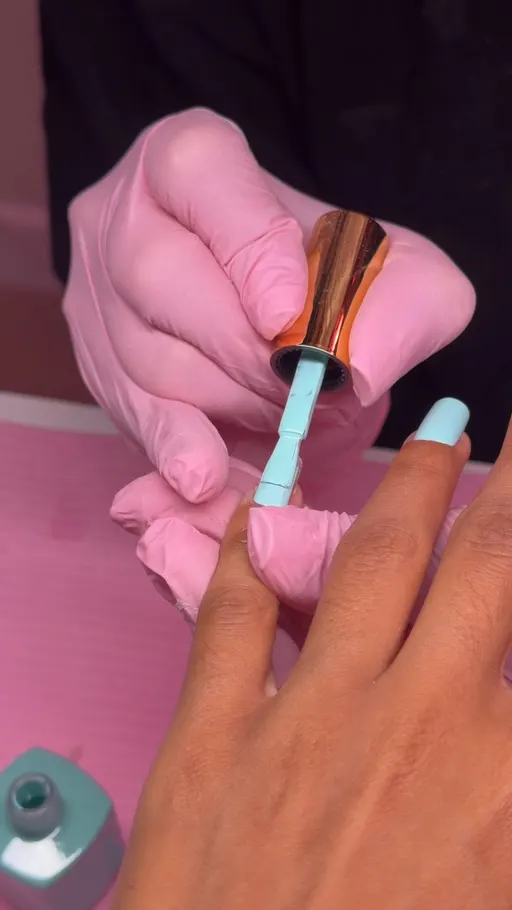
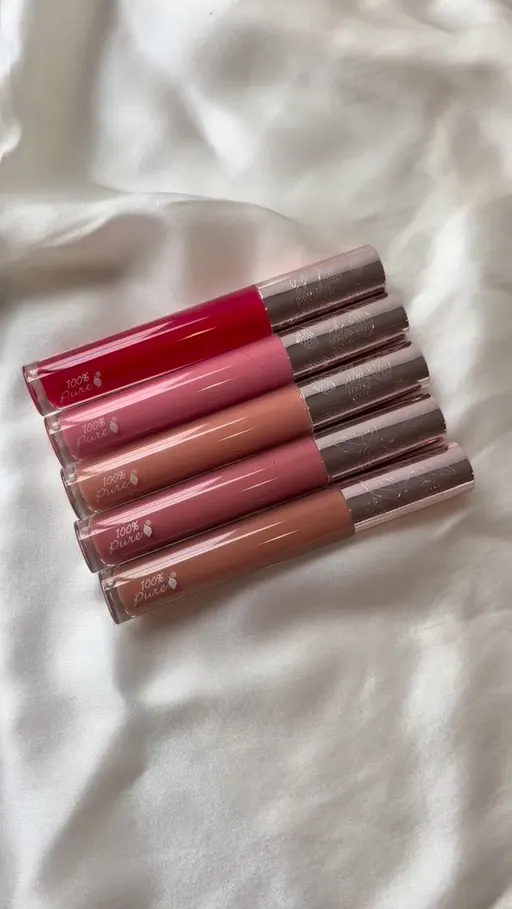
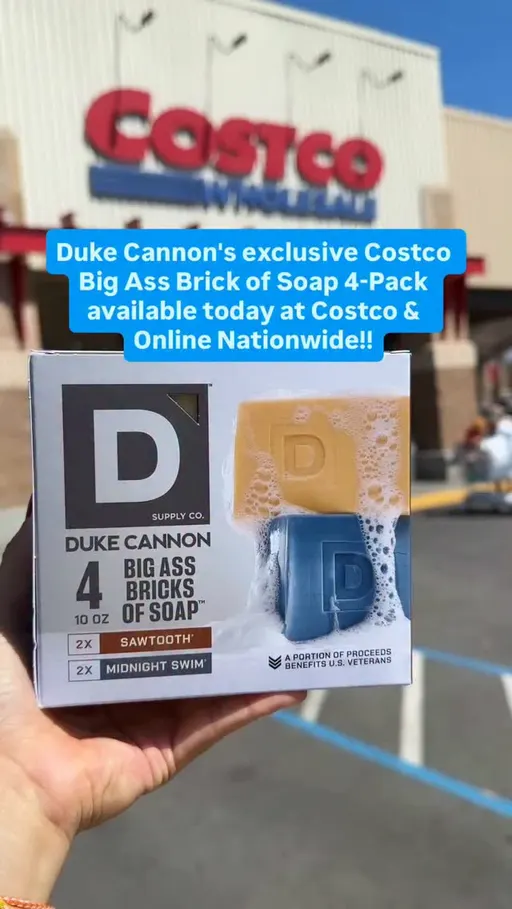
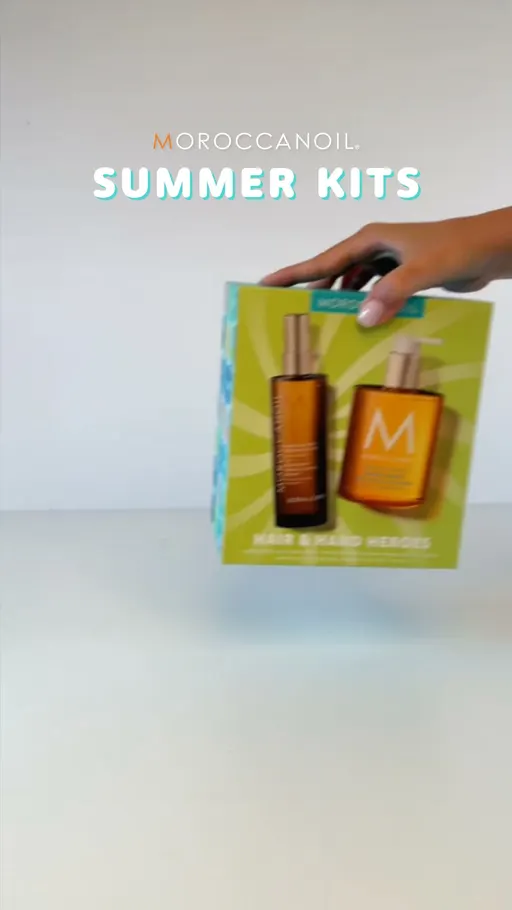

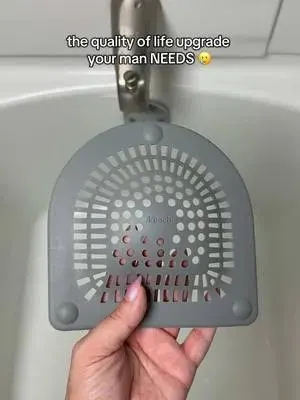
In the US. Visual reveal opened 5.8% of US Beauty & Personal Care ads in October 2026, on 24 brands.
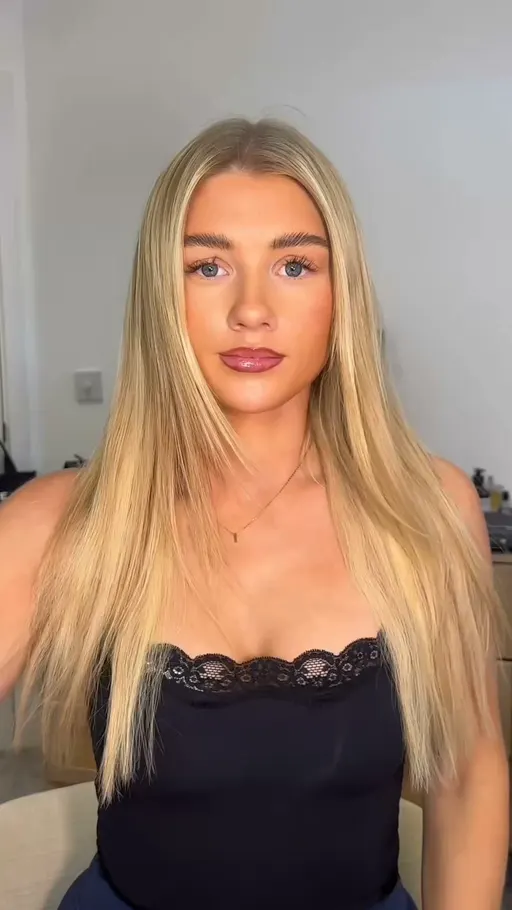
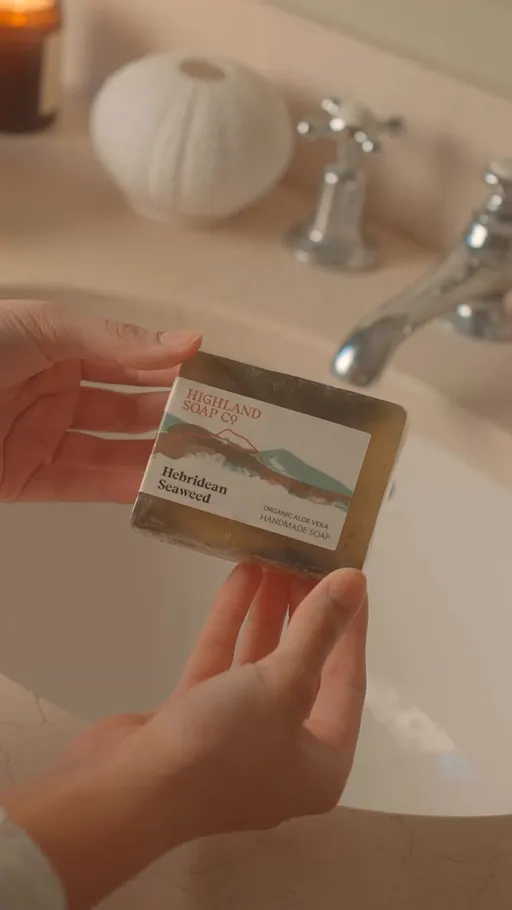
In the UK. The same hook opened 10.6% of UK ads, on 17 brands.
Read the eight lines together. waxcenter.com opens on a flat promise, "Smooth, Done Right"; 100percentpure.com names the product it is selling; dukecannon.com says where to buy a soap pack; moroccanoil.com names a kit in capitals. Two of the UK lines hand the reader a job instead. lullabellz.com says "GIRLS watch me transform my hair in under 3 minutes", and mykitsch.com talks about a shopper's partner before it talks about the product. The other two UK lines are labels, highlandsoaps.com naming a bar of soap and creedfragrances.co.uk naming a set. So the US four open on the thing and where to get it, while one UK line names who it is speaking to, says what they will see, and puts a clock on it.
That's how they open. But what do they argue?
Angles: why each market says buy
Both markets lead with the same argument, and that same row is the widest split among the hooks and angles here. Solution-aware argued 17.2% of US Beauty & Personal Care ads in October 2026, and in the UK it argued 27.4%, a gap of 10.2 points. Identity is second in each market, at 15.9% of US ads and 18.7% of UK ads. Problem-aware leans the other way, at 12.1% of US ads and 9% of UK ads.
Share of October 2026 Beauty & Personal Care ads in each market. Every row is in the top three of at least one market. Source: eCommerceBenchmark Ad Library, 2026.
Solution-Aware: a UK default the US runs far less
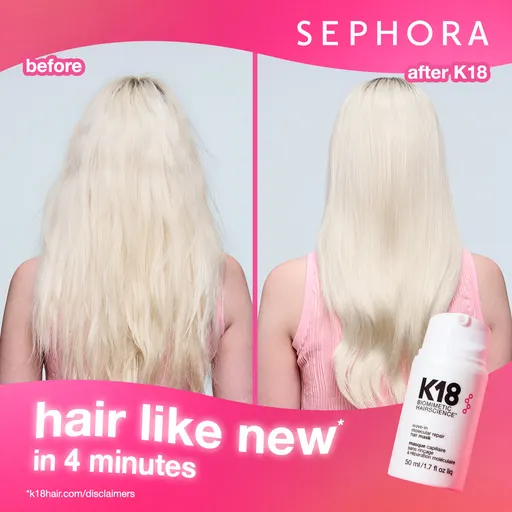

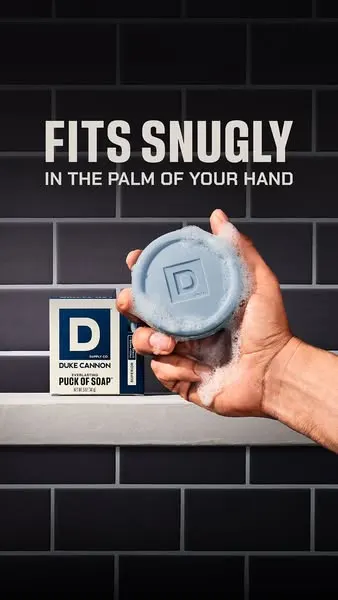
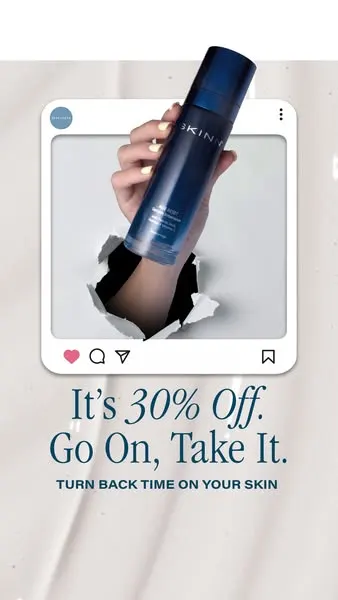

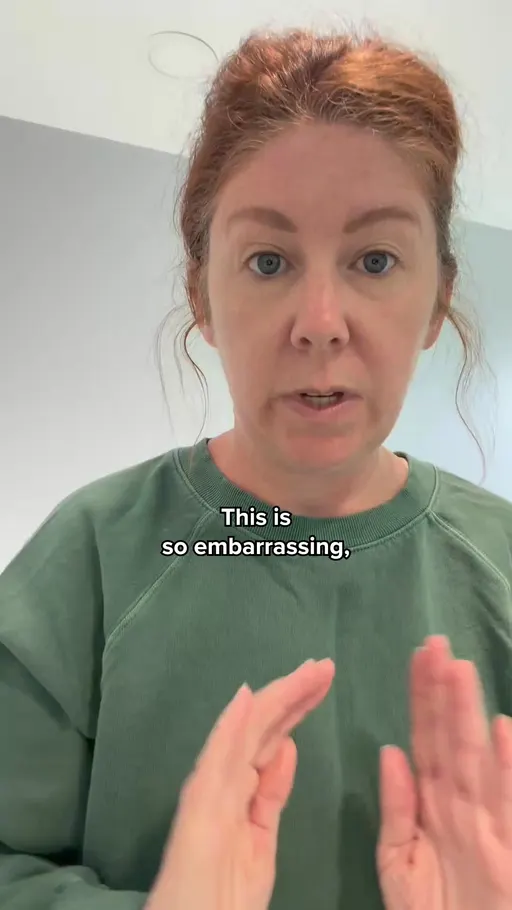
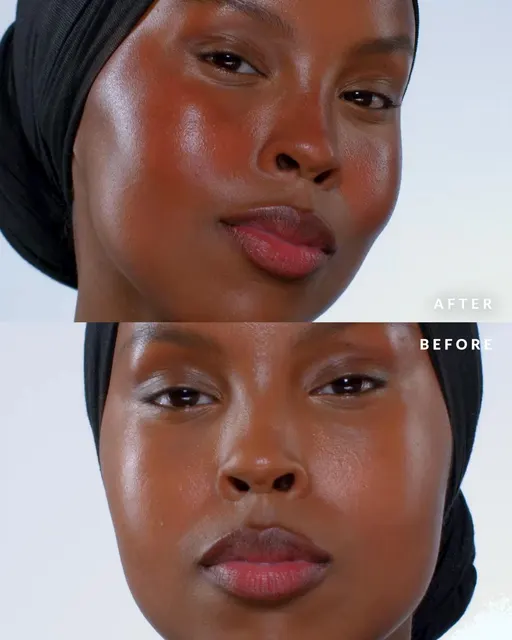
In the US. Solution-aware argued 17.2% of US ads, on 33 brands.
In the UK. It argued 27.4% of UK ads, on 25 brands.
Read the lines together. k18hair.com puts the end state first with "hair like new in 4 minutes"; dukecannon.com argues a fit, "FITS SNUGLY IN THE PALM OF YOUR HAND"; skinn.com opens on the price of a named serum; waxcenter.com frames a routine, "things I do in pregnancy for a little self care". Three of the UK four start closer to the problem. mykitsch.com offers to show hair left to dry on its own, highlandsoaps.com names what its soap is made of, refybeauty.com's line labels itself a before and after, and lullabellz.com shrinks the whole effort to a phrase, "as easy as this x". So two of the US lines name a result and a number, while three of the UK lines start nearer the problem or the effort.
Same argument, different weight. Now look at how the ads are staged.
Concepts: how the ads look
The leader is shared here too. Product Demo Close-Up staged 10.8% of US Beauty & Personal Care ads in October 2026, and in the UK it staged 16.2%, a gap of 5.4 points and the widest concept split among the rows in either market's top three. A concept is defined as the way an ad is staged on screen, such as a close-up demo or a montage. Fewer ads carry a concept than carry a hook or an angle, so these rows are read against each other and never against a hook or an angle share. The US puts its next weight on Offer-first banner, at 8.3%; the UK puts its own on Cinematic B-roll, at 9.5%.
Share of October 2026 Beauty & Personal Care ads in each market. Every row is in the top three of at least one market. Source: eCommerceBenchmark Ad Library, 2026.
Product Demo Close-Up: a UK staple the US stages less often
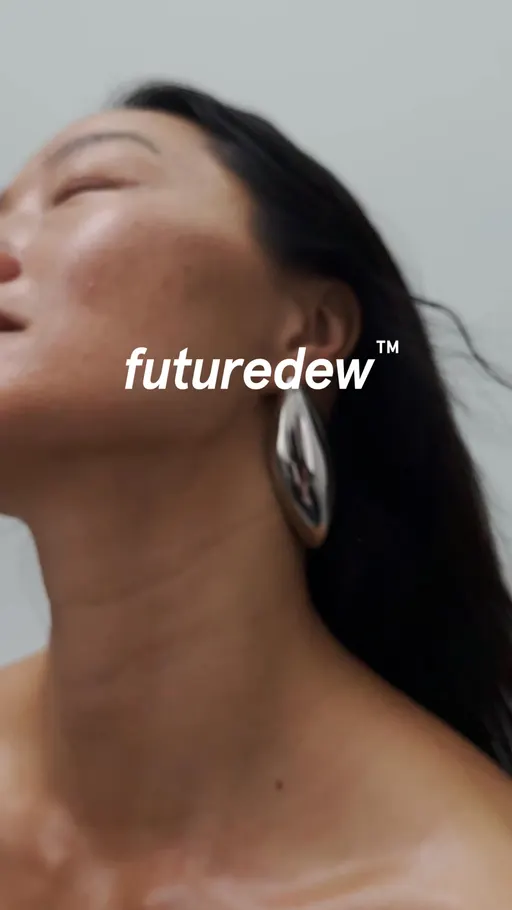

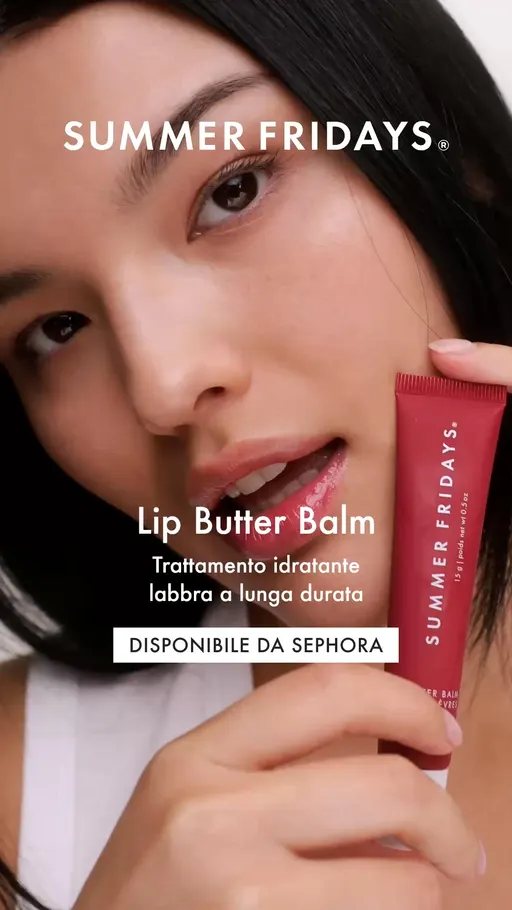
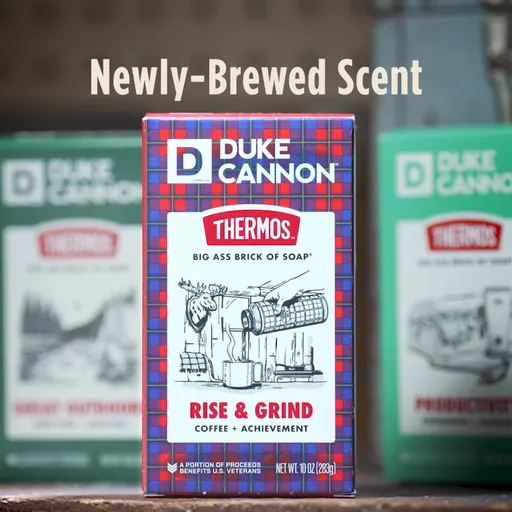

In the US. It staged 10.8% of US ads, on 28 brands.
In the UK. It staged 16.2% of UK ads, on 24 brands.
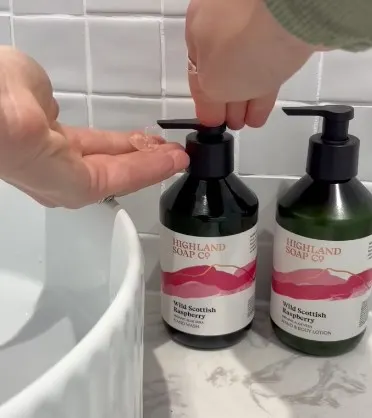
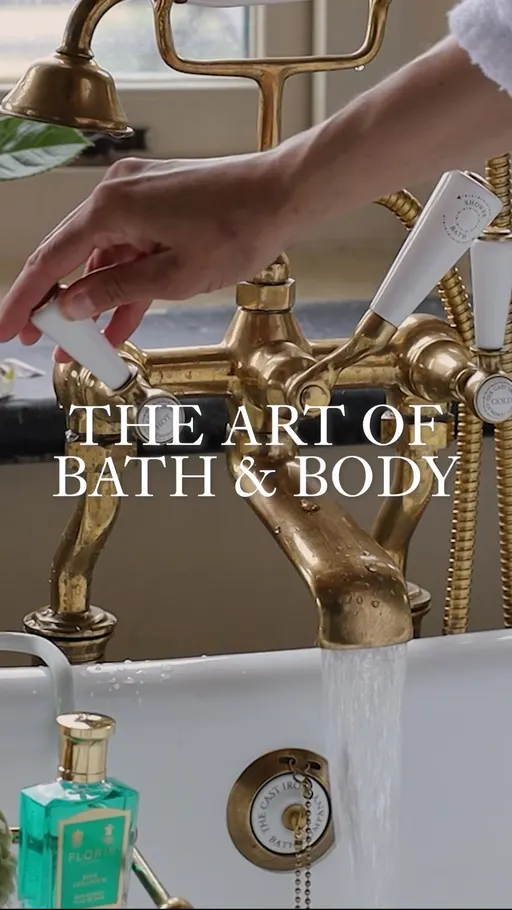
glossier.com compresses the whole claim into four words, "Glow in a bottle"; reviveskincare.com promises a change by morning, "FROM DULL TO DAZZLING OVERNIGHT"; summerfridays.com names the balm and dukecannon.com names the scent. The UK lines start further back. highlandsoaps.com opens on a small daily moment, "I didn't expect washing my hands to be something I actually looked forward to."; lullabellz.com writes a rule of thumb, "Work smarter not harder"; florislondon.com names a category, "THE ART OF BATH & BODY". So two of the US lines hand over the result in the first words, and two of the three UK lines spend the opening on a habit or a saying.
Three splits, then. So what do the two markets actually share?
Where the two markets agree
Plenty. Two hooks sit in the top three of both markets: Curiosity gap opens 16.8% of US ads and 18.1% of UK ads, and Bold claim opens 9.6% of US ads and 10.1% of UK ads. All three leading angles are shared, with Solution-aware arguing 17.2% of US ads and 27.4% of UK ads, Identity 15.9% and 18.7%, Problem-aware 12.1% and 9%. Two concepts are shared as well: Product Demo Close-Up stages 10.8% of US ads and 16.2% of UK ads, and Montage 6.3% and 7.6%. A shared leader is a shared crowd. Run one ad on it and a shopper meets the same opening in both feeds.
The mistake: running one market's ads in the other
The habit is easy to picture. The category is the same, so the set that ran in one market gets switched on in the other with the spelling and the currency changed, and nothing else. The splits above say what that misses. Solution-aware argued 27.4% of UK ads and 17.2% of US ones, so the same reason to buy leads both markets but carries a much larger share of the UK feed. Nothing here says which market is right. It says the two feeds are not carrying the same mix.
- An opening the UK runs often can be a less common one in the US. Visual reveal opened 10.6% of UK Beauty & Personal Care ads and 5.8% of US ones.
- The same leading argument can carry different weight in each market. Solution-aware argued 27.4% of UK ads and 17.2% of US ones, while Problem-aware argued 12.1% of US ads and 9% of UK ads.
- Different is not the same as right. The UK cut holds 28 brands and the US cut holds 46, so a few launches can move a UK row: put one ad against your control instead of switching a whole market over.
Check your own split
- Split. Sort your last month of live ads by the market they ran in.
- Label. Write down each ad's hook, angle and concept, one line per ad.
- Compare. Where your two markets carry the same row, check whether the market data above splits on it: that is your first test.
The eCommerceBenchmark Ad Library sorts your ads into the same hooks, angles, concepts and offers used in this report and shows your mix next to the market, so you can see which shapes you have never shipped.
Audit my creatives, freeOnce your own split is on paper, set the first test up the way a buyer would.
Your test card
The widest split among the hooks and angles here is Solution-aware, at 17.2% of US ads against 27.4% of UK ones. So the first test runs in the US, where that argument is rarer, against your best US ad.
| Hypothesis | An ad built on Solution-aware, run in the US where that angle is rarer, beats my US control on cost per purchase. |
| Change only this | The reason to buy: the ad argues a named fix for a named problem. |
| Keep the same | Product, offer, audience, placement and budget split. |
| Funnel stage | Say first whether this ad is for prospecting (cold) or retargeting (warm). A deal in the first line is often right for warm audiences and wrong for cold ones, so test it where the ad will really run. |
| Setup | One control and one variant, same audience, same placement, even budget split. Do not edit either ad while the test runs. |
| How long and how much | Until each version has about 50 purchases, or two full weeks, whichever comes later. This is general testing practice (Meta's own learning-phase guideline is about 50 results per ad set per week), not a library finding. |
| Success metric | Cost per purchase, not clicks. |
| Stop rule | Pause a variant that has spent about 3 times your target cost per purchase with no purchase. If it is close, keep it running. |
| What counts as a win | The variant beats the control on the metric by an amount you would act on, and still does in a second week. |
October 2026 US vs UK Beauty & Personal Care ads: what to brief next
- 17.2% of US Beauty & Personal Care ads argued Solution-aware in October 2026 and 27.4% of UK ones did [eCommerceBenchmark Ad Library, 2026]: the widest split among the hooks and angles here.
- 16.8% of US ads opened on Curiosity gap and 18.1% of UK ads did, the same leading hook in both markets.
- 33 US brands and 25 UK brands ran the leading angle in each market, which is Solution-aware in both.
- 10.8% of US ads staged Product Demo Close-Up and 16.2% of UK ads did, the leading concept in both, read against other concepts only.
- Two hooks, three angles and two concepts sit in both markets' top three, among them Bold claim at 9.6% of US ads and 10.1% of UK ads.
- One Solution-aware ad in the US against your control, same audience and budget split, two full weeks, judged on cost per purchase, in a market where that angle argued 17.2% of ads.
US vs UK Beauty & Personal Care ads: common questions
Keep one control in each market. Then test the shared leader, Solution-aware, in the market where it holds the smaller share: it argued 27.4% of UK Beauty & Personal Care ads in October 2026 and 17.2% of US ones, so the US is where this test goes. Same audience, same budget split, two full weeks, judged on cost per purchase. That is one ad to write, not a market to switch over.