eCommerce Growth
Meta Ads Mistakes: 10 Things Operators Get Wrong (2026)
Valentin Radu studied 30+ eCommerce operators' Meta ad accounts. Here are the 10 things almost all of them get wrong, in the order to fix them.
Two topics, covered in depth: conversion rate optimization for ecommerce, and how AI is changing ecommerce growth. Practical guides and benchmarks, drawn from 13 years running experiments across 2,500+ ecommerce brands.
Turning more of your existing traffic into customers: A/B testing, landing pages, checkout, personalization, and the RFM and CLV models behind it.
What AI actually does for ecommerce brands today: automation, ad creative, customer segmentation, and where it still falls short of a human team.
Valentin Radu studied 30+ eCommerce operators' Meta ad accounts. Here are the 10 things almost all of them get wrong, in the order to fix them.
How AI automation uses your eCommerce website data to personalize experiences, reduce churn, and grow revenue, with a step-by-step sequencing guide for 2026.
New online retailers who build AI automation into their stack early outperform those who add it later. Here's why it matters and where to start.

The AI eCommerce automation strategies reshaping growth in 2026: from behavioral segmentation to LTV-based acquisition. Frameworks, data, and what's actually working.
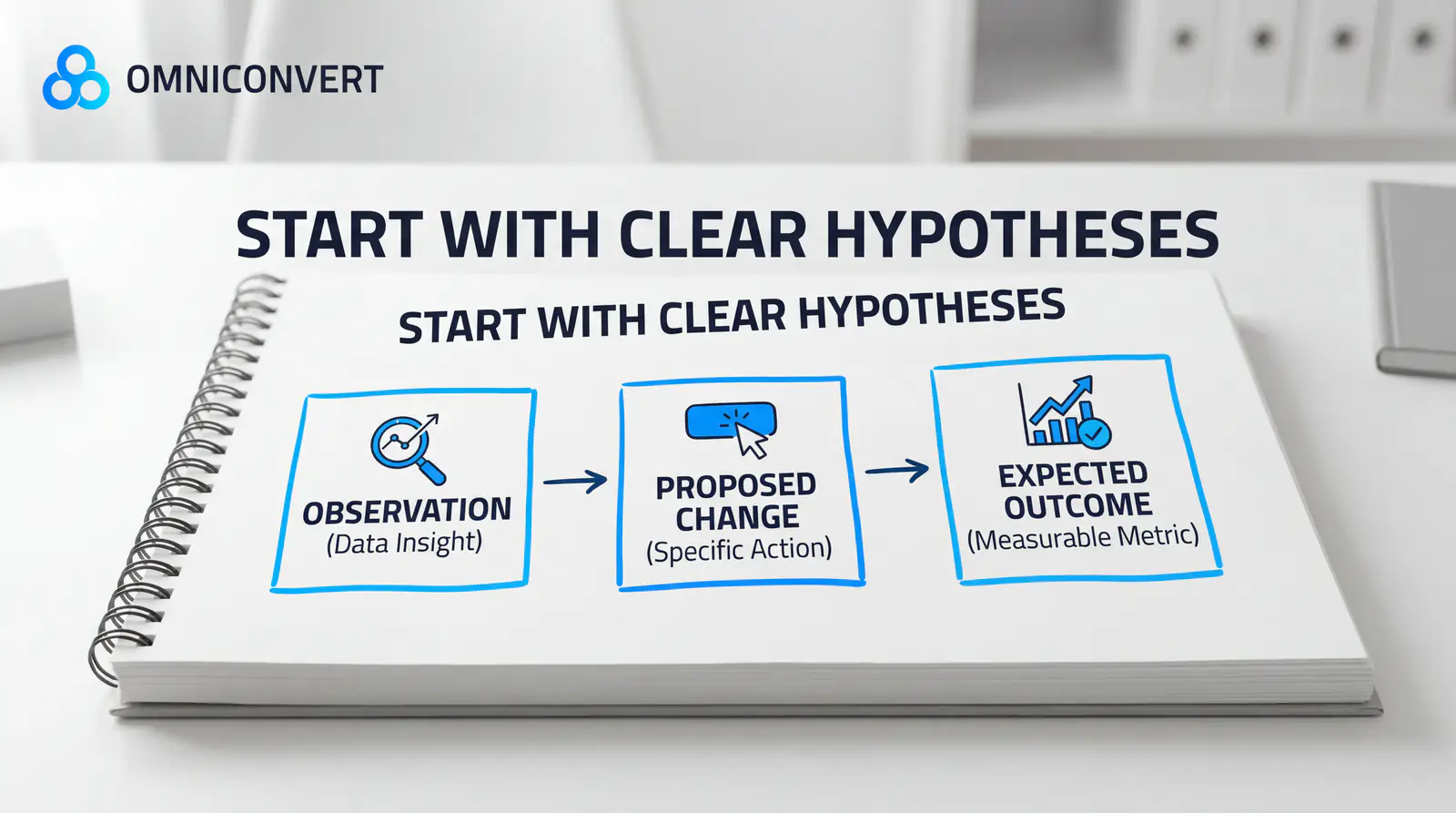
Distilled from experienced optimization teams: five proven A/B testing practices that build a sustainable testing culture, validate changes before rollout, and compound revenue gains.
Hard-won wisdom from real experimentation teams who have navigated pressure, limited traffic, and unreliable results — a practical playbook for tests that actually move the needle.
Most e-commerce teams struggle to quantify A/B testing's actual business impact. This article breaks down how leading teams measure and maximize ROI, with specific workflows that turn testing into a measurable growth engine.
Mid-market e-commerce teams share how they run meaningful CRO experiments independently — without engineering backlog dependency.
Real customer examples reveal how growth teams have built testing cultures that eliminate guesswork and deliver consistent, data-backed improvements to conversion rates.
E-commerce teams delay experimentation because the learning curve feels steep. This guide walks you through launching your first meaningful A/B test within 60 minutes, with a repeatable framework that builds confidence from day one.
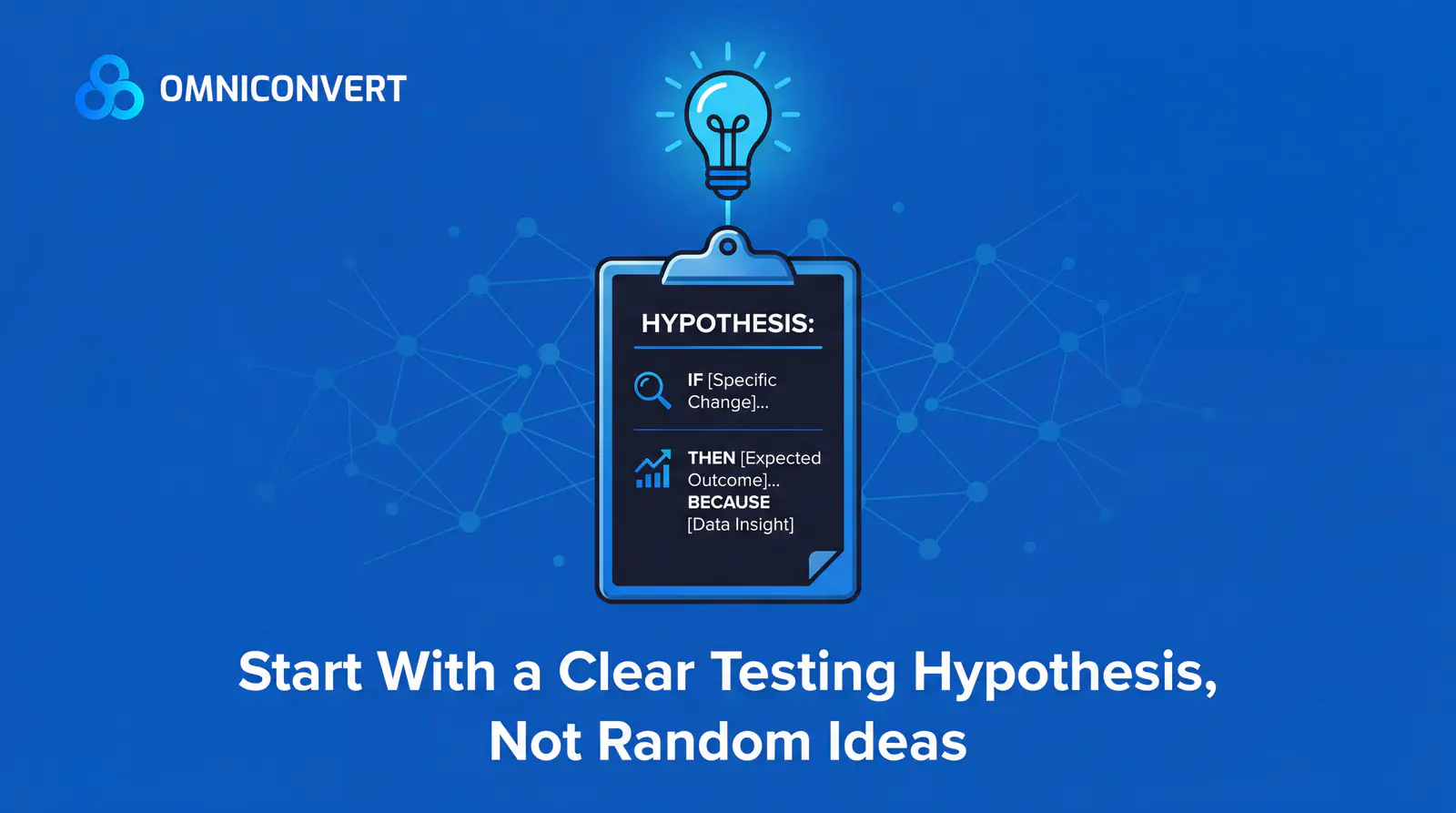
High-performing brands have moved beyond random testing to build systematic optimization programs that compound results. This guide breaks down the exact practices they use to run clean, reliable A/B tests.
Five hard-won lessons from e-commerce teams who moved past the beginner phase of experimentation and built testing cultures that deliver consistent, measurable growth.
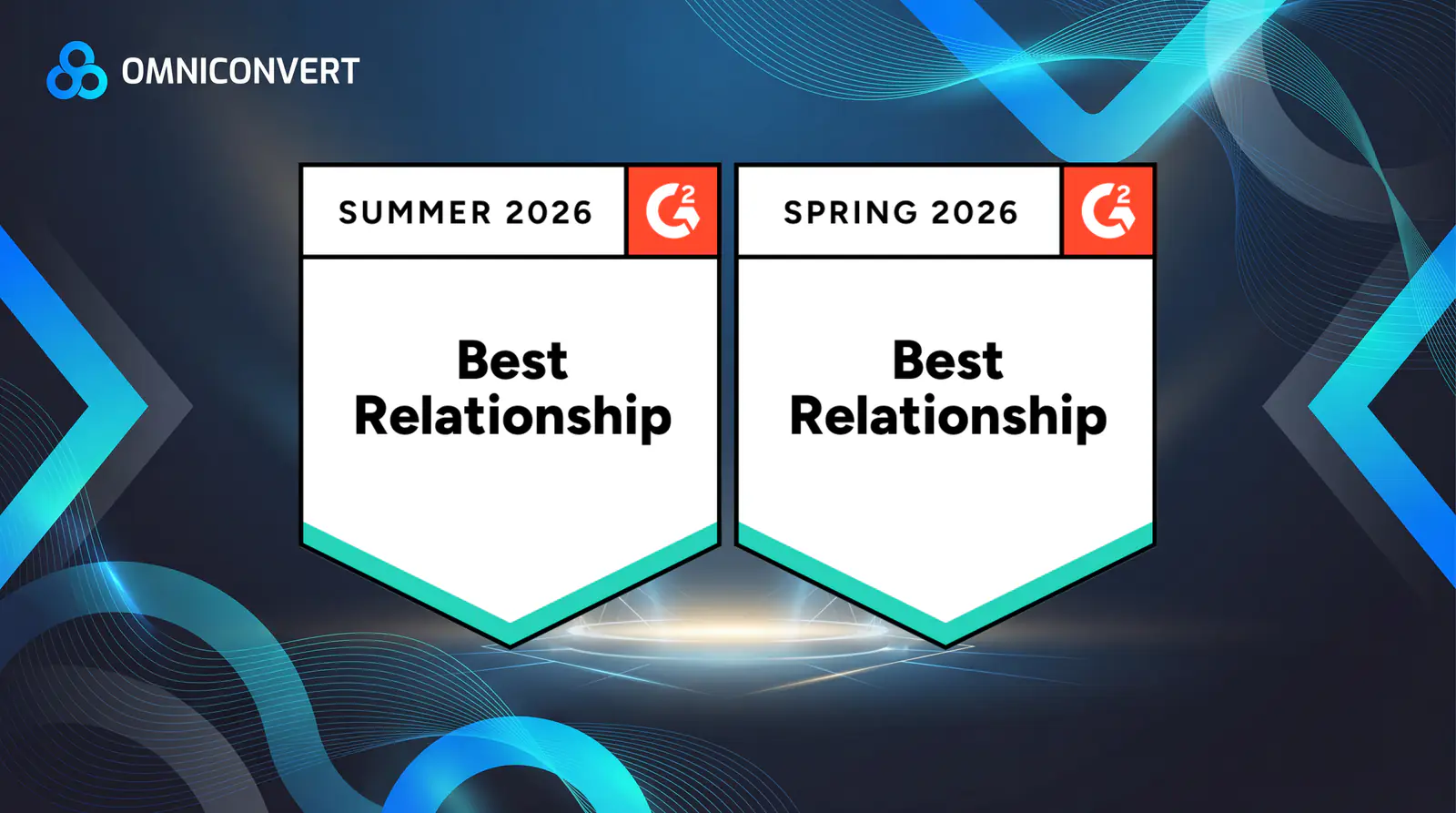
The G2 High Performer badge offers third-party verification that cuts through marketing noise. Here's exactly why Omniconvert earned it, backed by verified customer evidence.

Omniconvert's G2 recognition reflects what actual users consistently report: a platform that combines technical flexibility with support that feels like a partnership. Real user reviews explain exactly why.
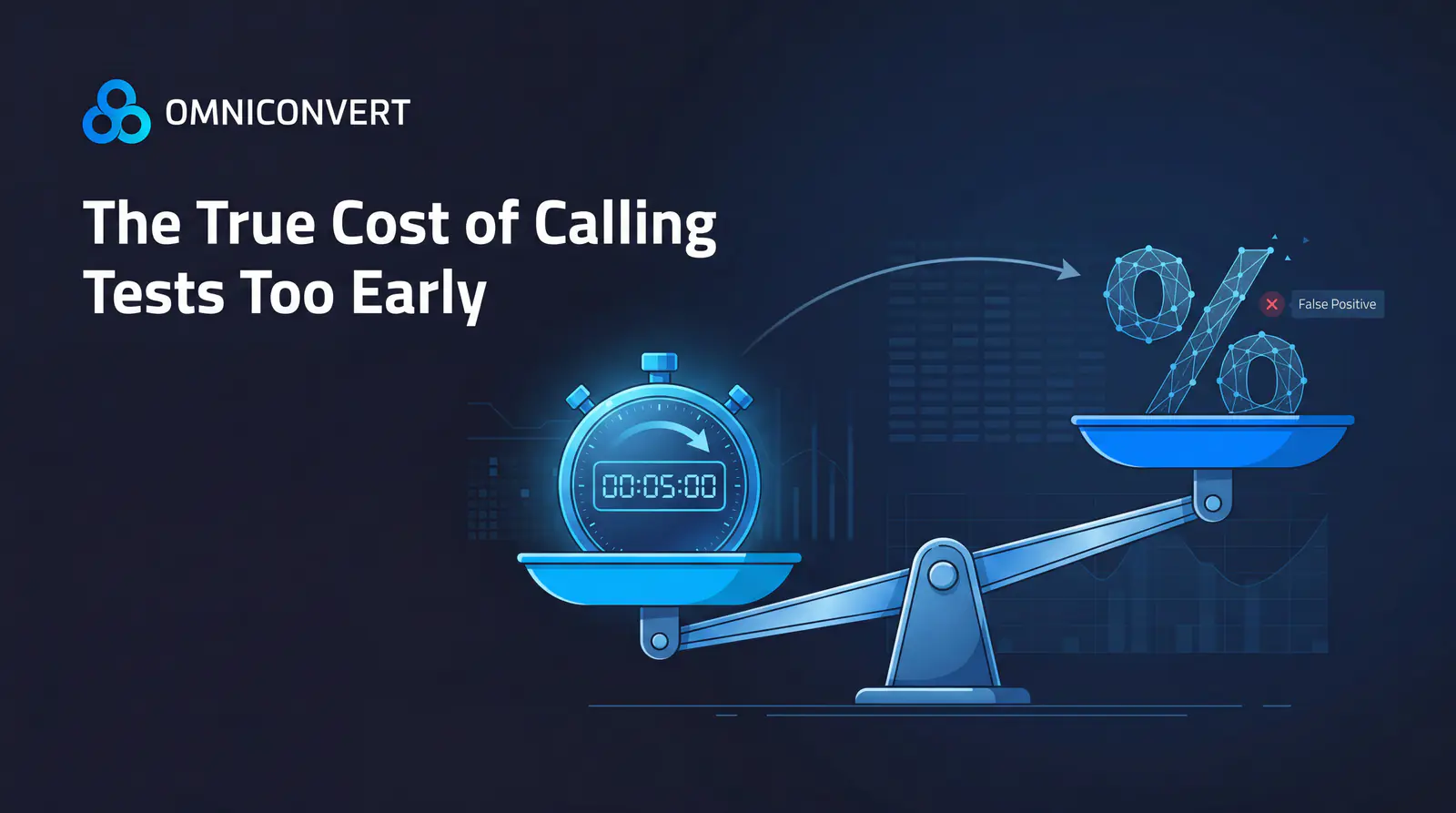
Premature test conclusions cost e-commerce brands millions in lost revenue annually. This guide provides the statistical framework and practical decision criteria you need to determine exactly when your A/B test has reached valid conclusions worth acting on.
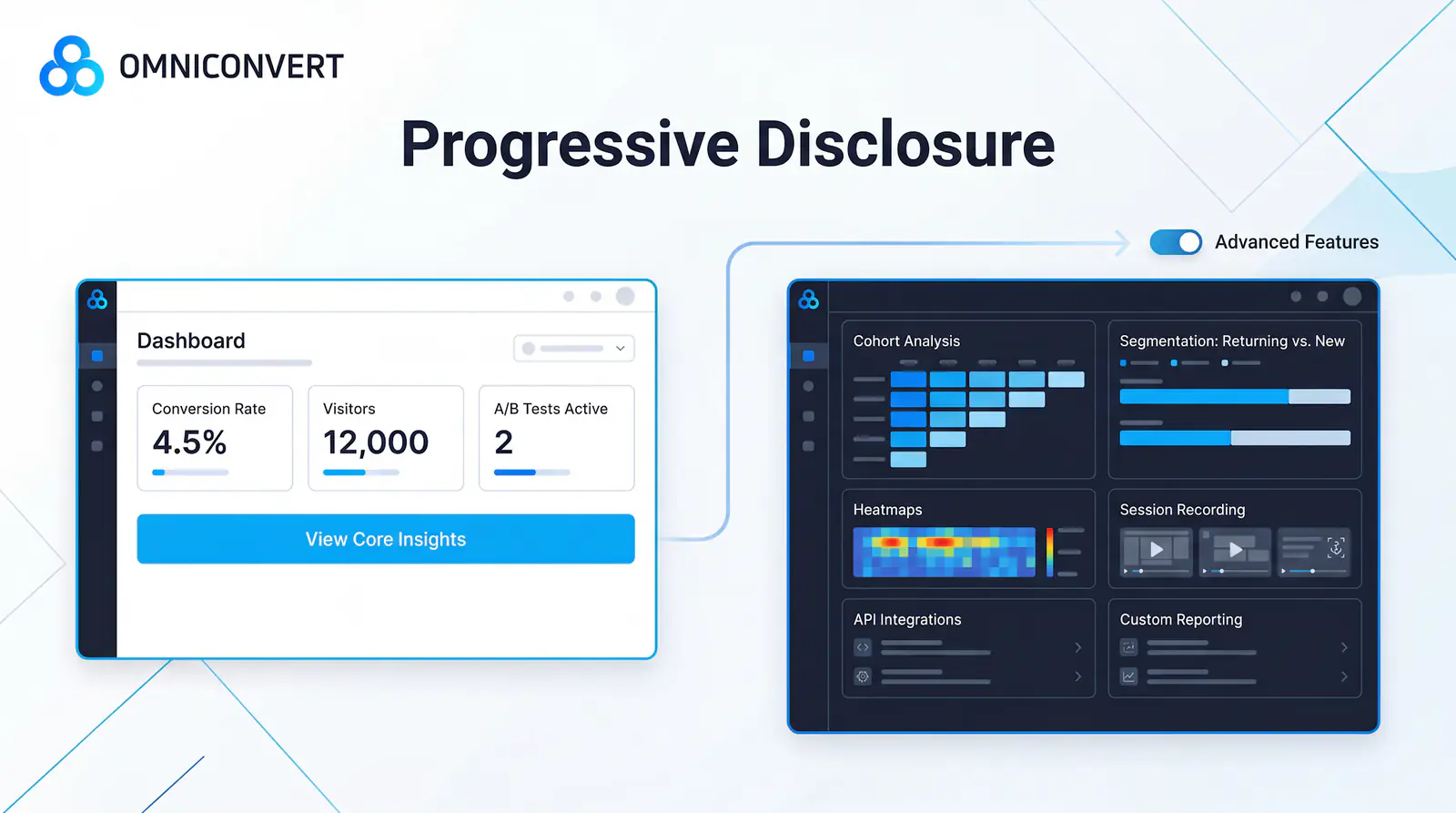
This analysis examines the specific characteristics that distinguish effective A/B testing platforms from frustrating ones, using real performance data and practitioner feedback.
![The Human Middleware Problem: Why Your Marketing Stack Isn't Working [2026]](https://amescounselingcenter.com/wp-content/uploads/2022/02/blog_default.png)
The Human Middleware Problem explains why marketing teams hit a wall despite having every tool. The named framework from Omniconvert for eCommerce growth in 2026.
DTC growth tools in 2026: the 5 categories every direct-to-consumer stack needs, why most roundups stop at acquisition and email, and how to audit your stack in 20 minutes.
DTC marketing software mapped to revenue stage: what $1M to $20M brands need beyond Meta and Klaviyo, and where most stacks break down. A 2026 guide from Omniconvert.
eCommerce AI software splits into two categories: platforms that advise and platforms that act. This 2026 guide defines the AI-assisted vs AI-autonomous distinction and maps where each tool falls.
What is ecommerce growth software, how do the categories differ, and which platforms close the gap between insight and action? A 2026 buyer's guide from Omniconvert.
Most ecommerce marketing automation stops at email flows and Meta ads. This guide defines the CLV-weighted decision layer above Klaviyo that DTC brands at $1M+ are missing in 2026.
eCommerce optimization software spans 5 maturity levels. This 2026 guide maps the Optimization Maturity Ladder, from A/B testing to autonomous growth, and where most DTC stores are stuck.
Shopify marketing automation in 2026 is a 3-layer stack. Most stores have layers 1 and 2. This guide covers the CLV-weighted growth decision layer above email and ads that brands at $2M+ are missing.
An ecommerce growth platform unifies customer data, experiments, and campaigns to detect and execute the highest-value growth actions continuously. This buying guide defines the category and the 5 criteria that separate real growth platforms from analytics dashboards.
An AI ecommerce platform is a software system that unifies customer data, experiment results, and campaign performance, then acts on the highest-value growth opportunities autonomously. This guide defines the category, names the 5 criteria that separate platforms from tools, and provides a 10-point evaluation scorecard.
An honest assessment of generative AI in ecommerce: 4 jobs it does well, 4 it fails at, the real cost of unchecked hallucination, and how to build a workflow humans can still trust. No transformation promises. Just what works and what does not.
AI for ecommerce marketing mapped by revenue stage: the 2-tool $1M stack, what to add at the $5M plateau, and why autonomous orchestration becomes non-negotiable at $10M. The AI Marketing Stack by Revenue Stage framework for DTC operators.
AI ad creative generators in 2026 split into standalone tools (AdCreative.ai, Pencil, Omneky) optimized for production speed, and integrated platforms that connect generation to CLV and experiment data. The 3 Layers of AI Creative Generation framework shows exactly what each type covers and what it leaves unfinished.
The AI tools for ecommerce that actually move revenue in 2026: anomaly detection, creative generation, and autonomous orchestration. A revenue-moving framework, not a ranked list. With a 20-minute stack audit and a buying guide by revenue stage.
The best AI tools for Shopify in 2026, organized by the job they do: finding revenue leaks, producing creative at scale, testing what works, and acting on the signal. A framework for DTC merchants, not an app store roundup.
The AI ecommerce tool market mapped into 4 functional categories: analytics and attribution, creative generation, conversion and experimentation, and growth orchestration. A framework for DTC operators evaluating 50+ tools.
AI for ecommerce in 2026: what it is, how AI-assisted and AI-autonomous platforms differ, the 5 jobs AI is taking over in DTC growth teams, and how to evaluate tools without vendor spin.

The eCommerce customer retention trends shaping 2026: retention-first growth, RFM and value segmentation, JTBD, CLV, and real-time AI interventions.
The 23 best analytics tools of 2026, organized by use case: web, BI, product, CRO, and data science. Find the right tool fast. Updated June 2026.

The best data analysis tools by type: spreadsheets, BI and visualization, programming, big data, and web behavioral analytics for CRO. Updated 2026.

Engagement metrics explained: the definition, key types, how to measure them, a framework to organize them, and how to improve them. Updated June 2026.

10 call to action examples that convert, what makes a CTA work, the verb-benefit-urgency format, and the A/B test data behind them. Updated June 2026.

The best CRO audit tools, grouped by what they audit: analytics, behavior, feedback, testing, and pages. Which to use and how to run a CRO audit in 2026.
eCommerce CRO turns existing traffic into more buyers. 26 conversion rate optimization tips, conversion rates by vertical, and how to test each. 2026.

The 14 best free CRO tools, organized by type: analytics, heatmaps, A/B testing, and lead capture. What each does best, and when to upgrade. 2026.

How to increase ROAS: 24 high-impact tactics across ads, landing pages, customer lifetime value, and the ad platforms, plus what a good ROAS is. 2026.
Conversation analytics turns customer calls, chats, and reviews into intent and sentiment you can act on. How it works, benefits, and real examples.

Mobile CRO is how you convert more of your mobile traffic. Learn the best practices, a mobile audit, and real A/B test results. Updated June 2026.

Time to value (TTV) is how fast a customer reaches their first value. Learn the types, how to measure it, and how to reduce it, for SaaS and eCommerce.
Dynamic pricing in eCommerce explained: how it works, the main types, the risks to trust and margin, and how to test it without a price war.

CRO for SaaS explained: the metrics that matter, a step-by-step framework, and how to test your funnel with Explore. Updated June 2026.
The 10 best session replay tools compared on recordings, analytics, and pricing, plus how to choose and where Omniconvert Explore fits for CRO. 2026.

Bounce rate vs exit rate explained: what each means, how they are calculated, the key difference, and how to reduce both. Updated 2026.

25 About Us page examples that convert, the key elements behind them, how to write your own, and how to test it. Updated June 2026.
The best customer lifetime value apps for Shopify to measure, predict, and grow LTV, with pricing and what each is best for. Updated June 2026.

CRO best practices that work: 16 conversion rate optimization techniques, real A/B test results, the metrics to track, and the process to run them.
9 user experience improvements that lift conversion, a UX change vs conversion impact table, how to measure success, and how to test each. 2026.
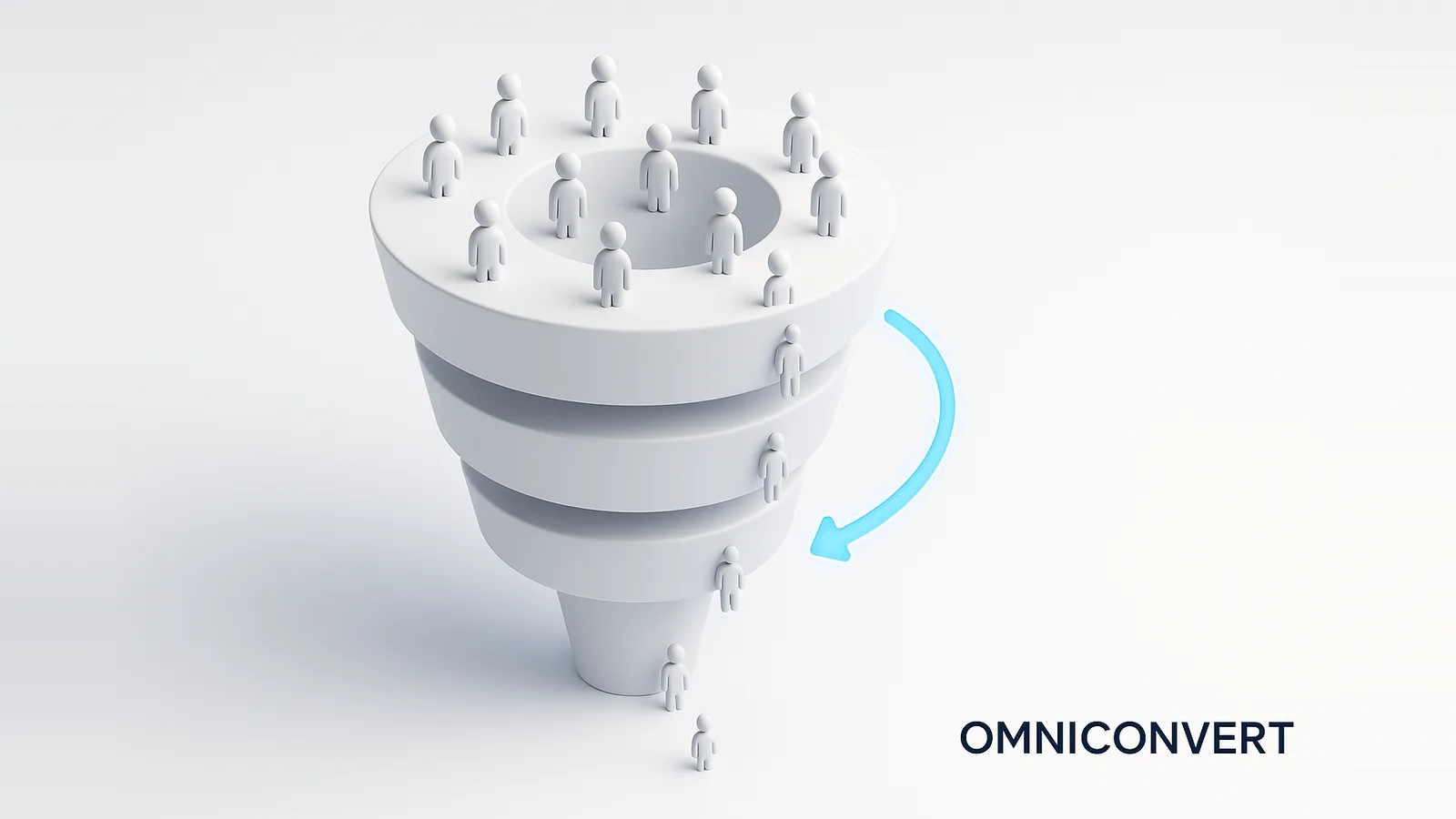
What an eCommerce sales funnel is, its 4 stages, the metrics to track at each, common bottlenecks, and how to optimize it. Updated 2026.
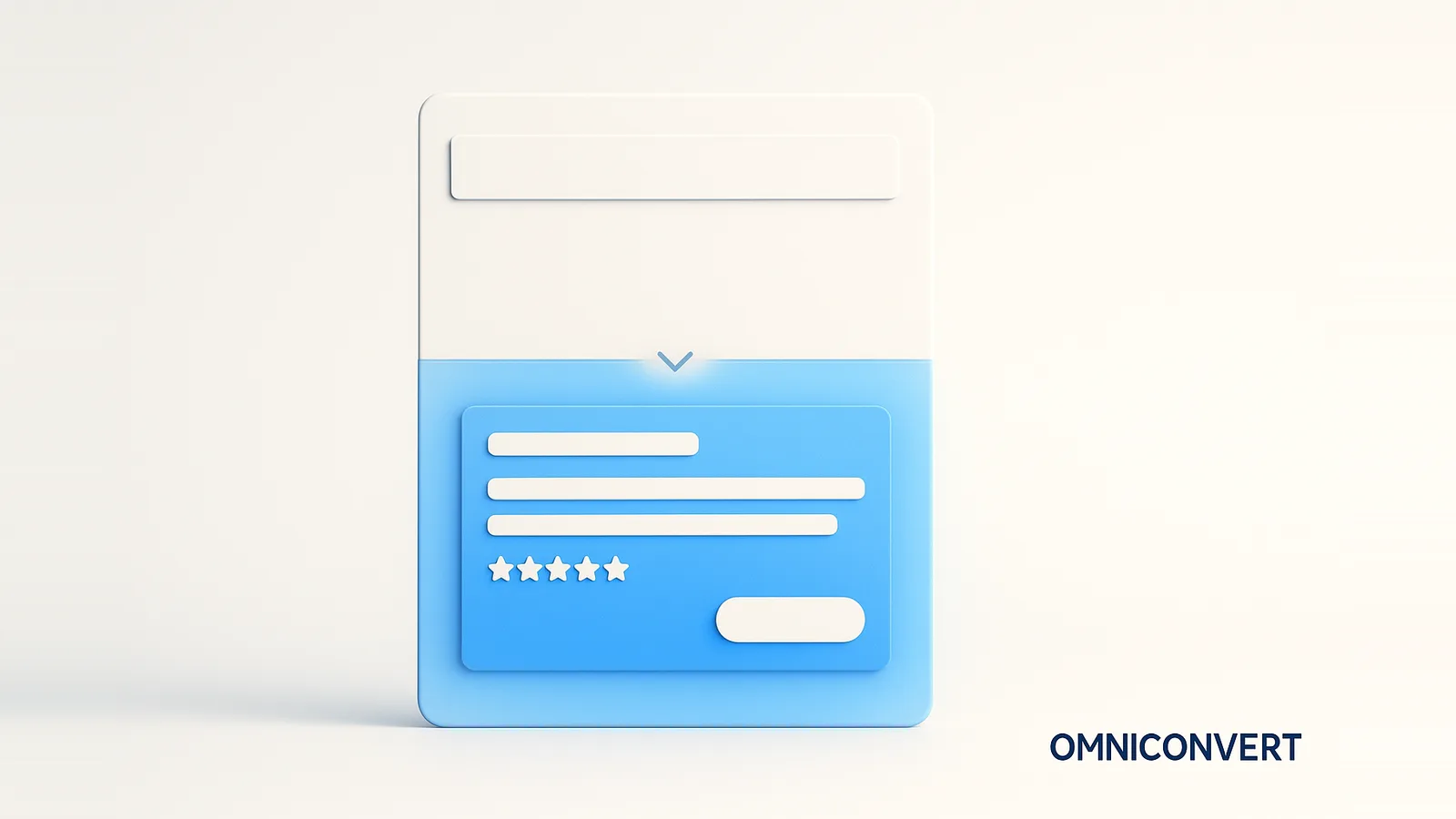
Below the fold explained: what it means, what to put there, examples, and how to A/B test it for more conversions. Updated June 2026.

10 eCommerce copywriting tips and examples that convert, plus real A/B copy-test results showing which wording won and by how much. Updated June 2026.

6 hero section examples that convert, the components behind them, best practices, mistakes to avoid, and how to test your own. Updated June 2026.

Statistical sampling explained: probability and non-probability methods, sample size, sampling error and bias, and how it powers A/B testing. 2026.

eCommerce checkout optimization cuts cart abandonment with 25 best practices: guest checkout, fewer fields, upfront costs, and how to test each. 2026.

NPS survey best practices: how to structure the survey, when to send it, how to lift response rates, and how to act on the results. Updated June 2026.

Omnichannel customer experience: definition, omnichannel vs multichannel, the CLV impact, a framework to build it, and real examples. 2026 guide.
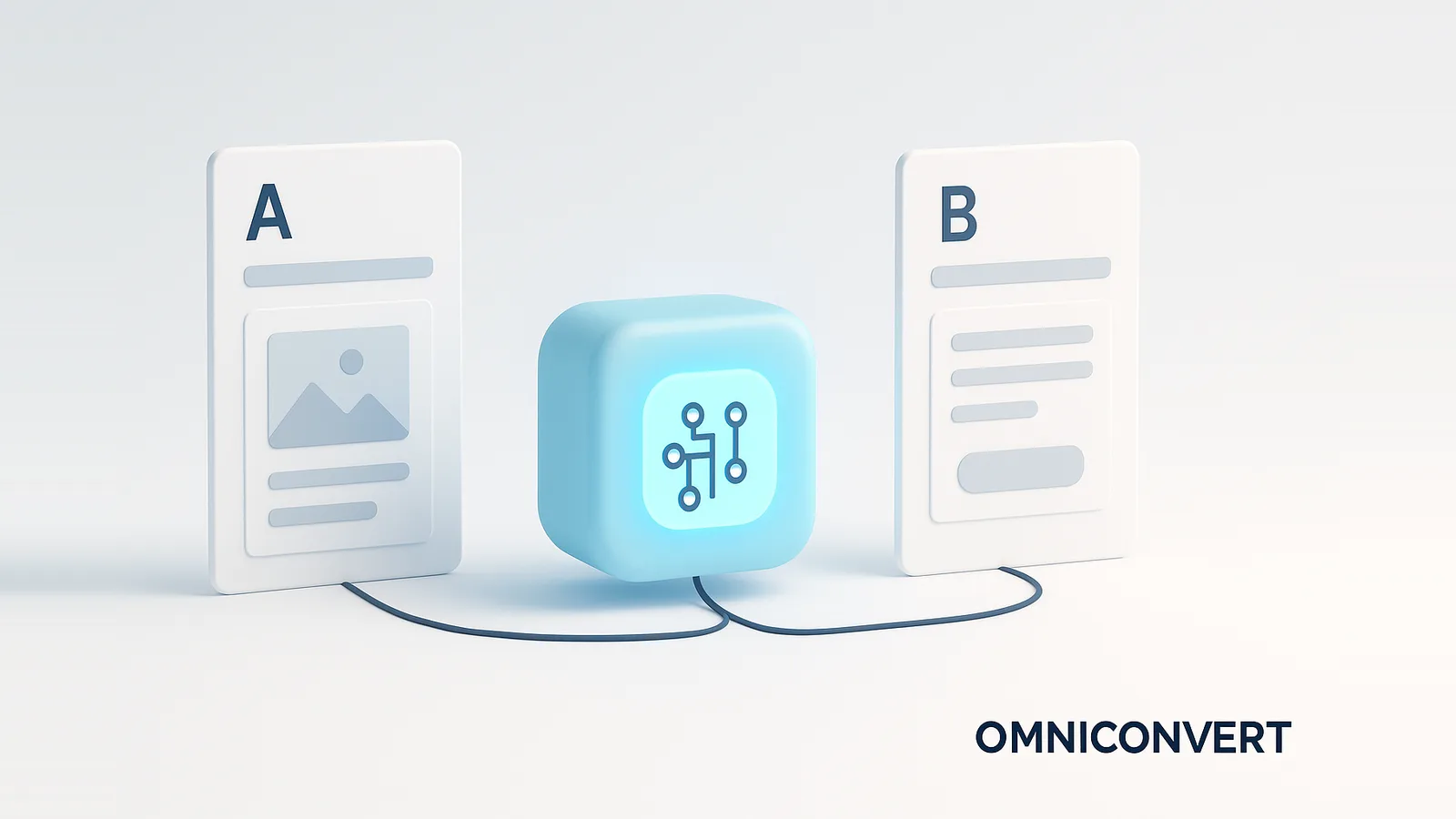
AI A/B testing uses AI to design, run, and analyze experiments faster. Learn how it works, AI vs manual testing, its limits, and best practices. 2026.
Above the fold explained: what it means, the key elements, 10 examples, how it affects CRO and SEO, and how to test it. Updated June 2026.

15 customer engagement strategies that grow lifetime value, a framework to organize them, the KPIs to measure, and how to act on them. Updated 2026.

The 15 best customer retention platforms compared on features, type, and pricing, plus how to choose and where Nexus by Omniconvert fits. Updated 2026.

The 10 best heatmap tools compared on heatmap types, features, and pricing, plus how to choose and where Omniconvert Explore fits for CRO. Updated 2026.

What conversion rate analysis is, how to calculate it, a step-by-step framework, the metrics and benchmarks that matter, and how to act on it. 2026.

How to hire a CRO consultant: what they do, what to look for, freelancer vs agency vs fractional, and CRO consultant vs CRO platform. 2026 guide.
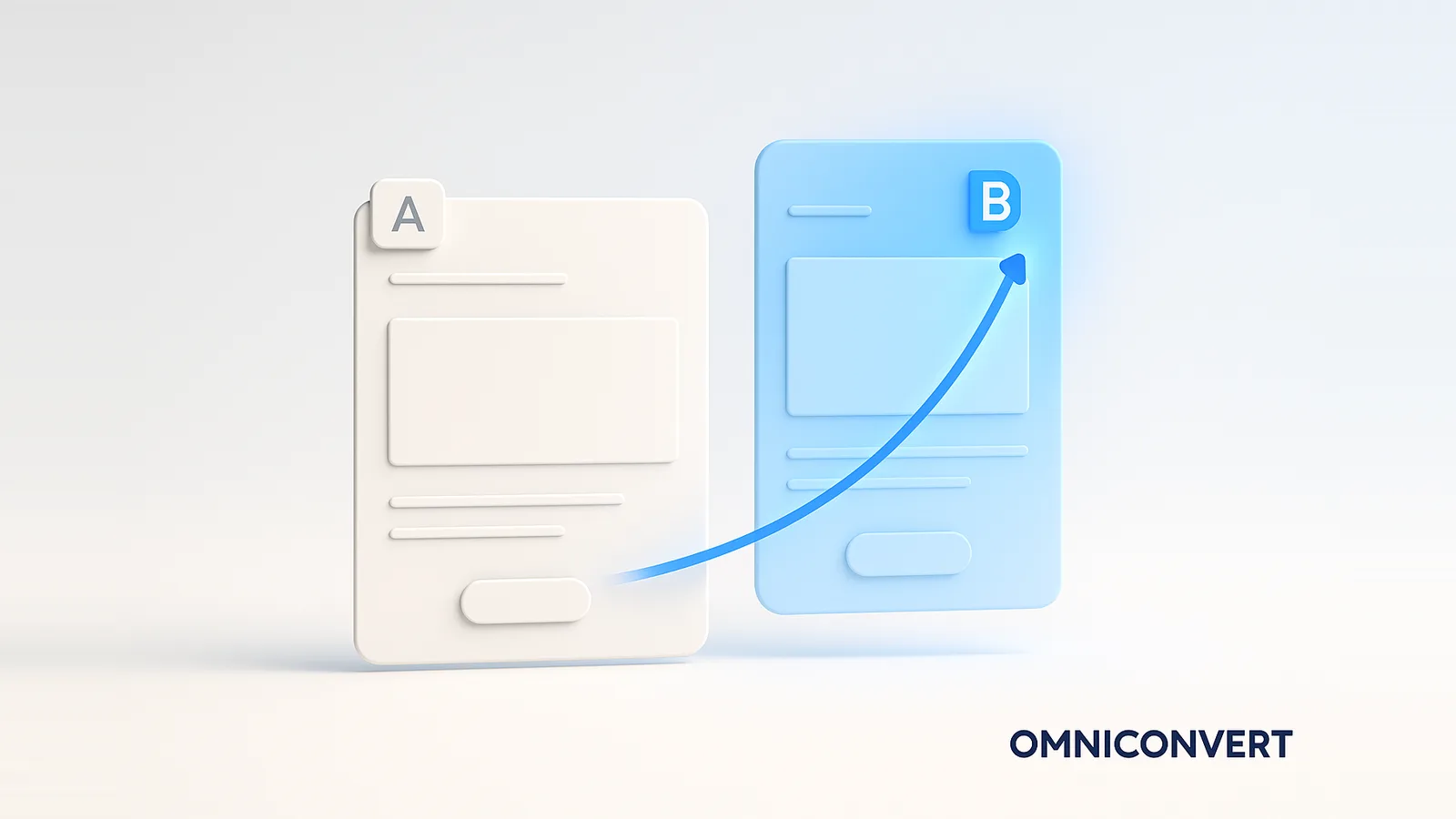
15 real A/B testing examples with conversion and revenue lift, the hypotheses behind them, and how to run your own. Updated June 2026.

eCommerce growth hacking explained with 25 real brand examples, plus how to test tactics that lift conversions, retention, and customer lifetime value.
Null and alternative hypothesis explained: what each one claims, the difference, and how to write and test them in A/B testing. Updated June 2026.

NPS vs CSAT vs CES compared: what each measures, the formulas, benchmarks, when to use which, and how to combine them. A clear comparison guide for 2026.

Type 1 and Type 2 errors explained: false positives vs false negatives, how they distort A/B test results, and how to avoid both. Updated June 2026.
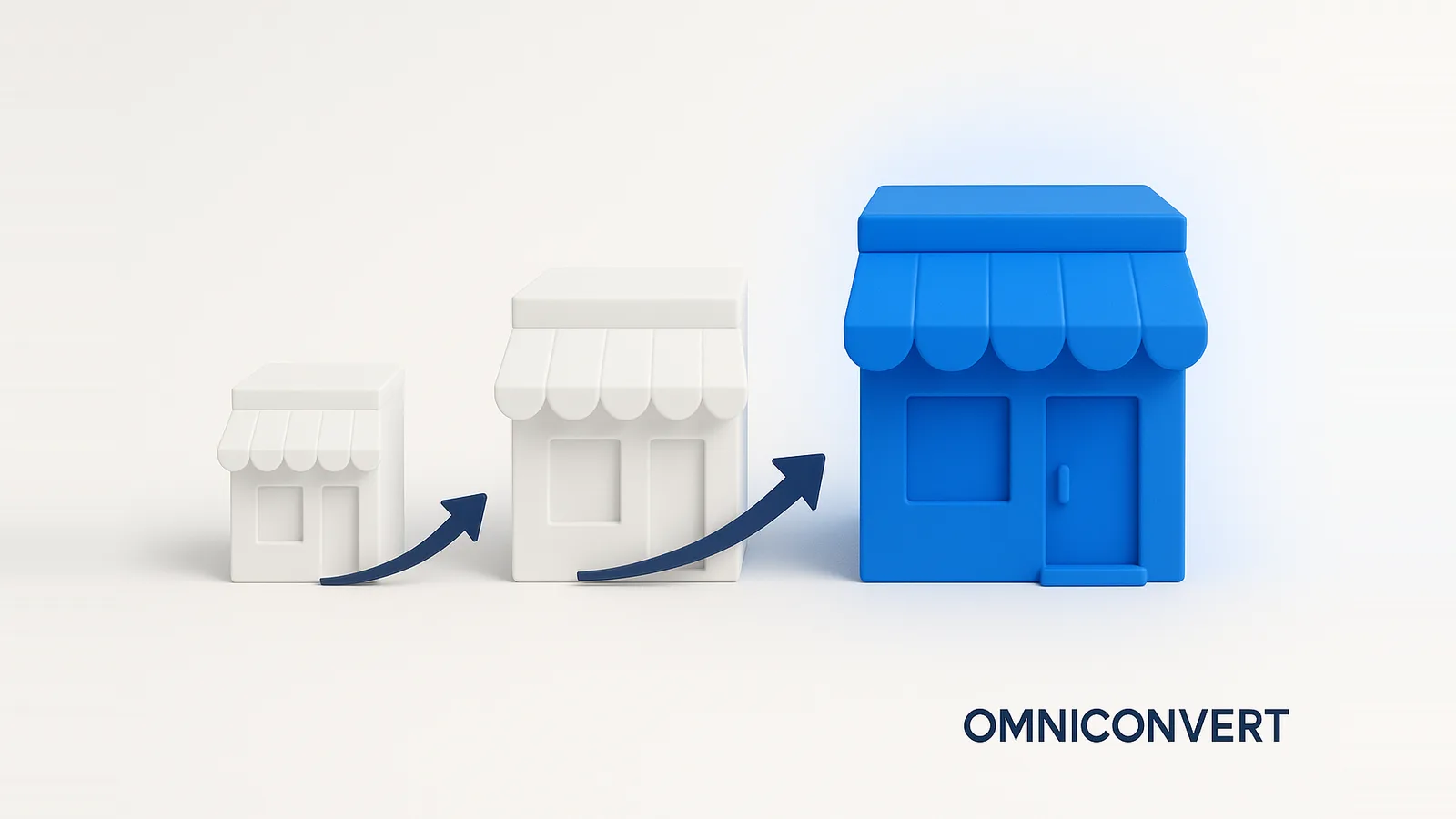
Scaling an eCommerce business means growing revenue without growing costs at the same pace. The 6 basics, when you are ready, and how to scale profitably.

20 eCommerce customer experience examples from brands that nail it, what made them exceptional, the patterns they share, and how to apply them. 2026.

20 proven ways to convert social media followers into customers in 2026, from trust and content to testing what actually drives the sale.

How persuasive colors influence conversions, what each color means, the truth about CTA color, and the Explore A/B test data behind it. Updated June 2026.

A customer retention strategy keeps customers buying. Learn the framework, tactics, retention and churn metrics, and CLV impact, in this 2026 guide.

The RFM model explained: how it scores recency, frequency, and monetary value, the segments it creates, the Pareto link, and how to build one. 2026.

The cost of goods sold (COGS) formula, worked examples, what it includes, eCommerce-specific COGS, and how it drives gross margin. Updated June 2026.

7 eCommerce business ideas that can scale to a 7-figure brand, plus which models have the highest customer lifetime value and retention. Updated 2026.
Scarcity in marketing makes limited offers drive faster purchases. The types, the psychology, real A/B test lifts, and how to use it without losing trust.

Audience analysis explained: what it is, a step-by-step framework, the data and segments to use, buyer personas, and mistakes to avoid. Updated 2026.
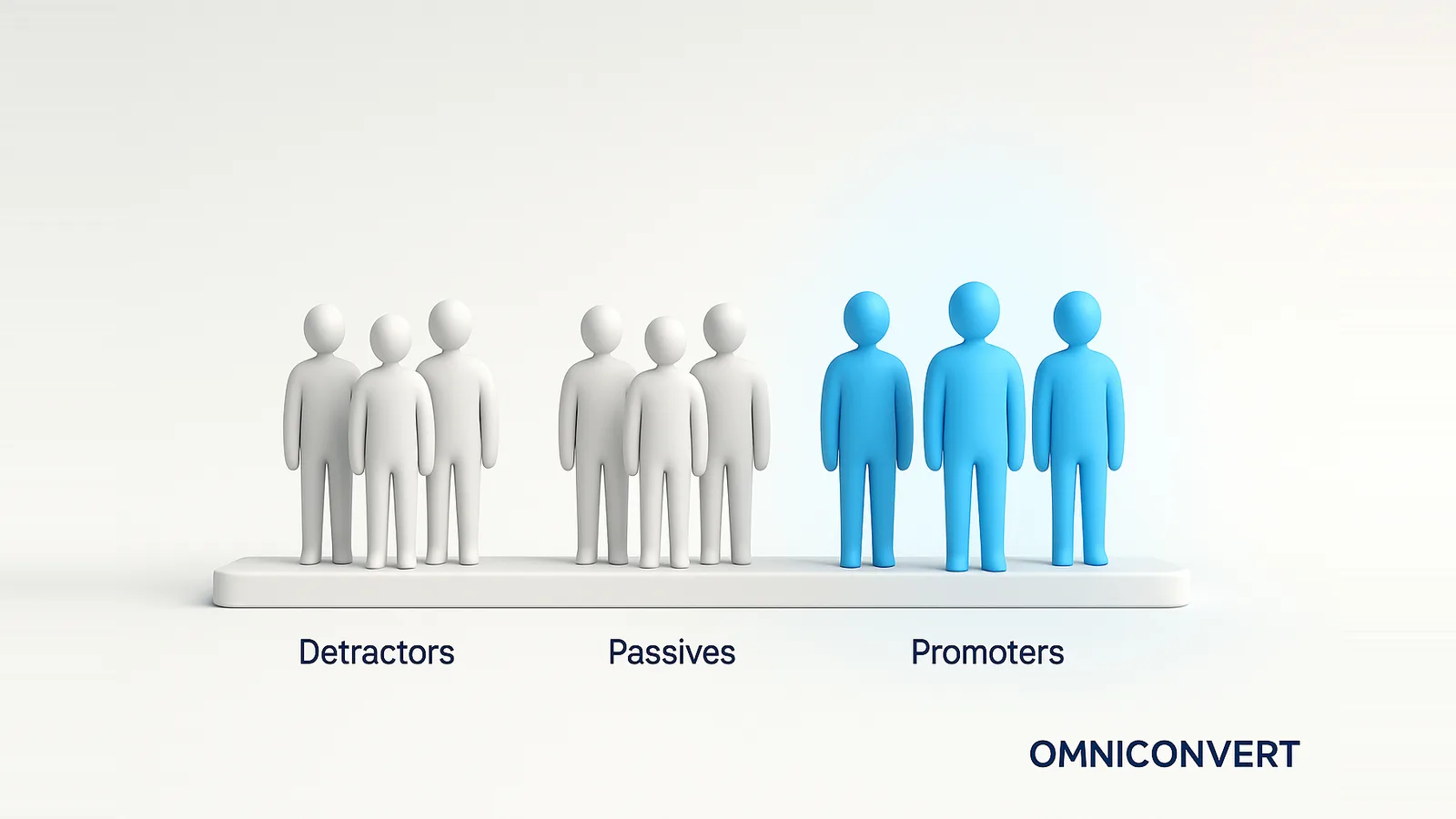
Promoters, passives, and detractors in NPS: the 0-10 scale, the formula, what a good score is, benchmarks by industry, and how to improve NPS. 2026 guide.

8 buyer persona examples across B2B, B2C, eCommerce, and digital, plus the persona types, a framework to build your own from real customer data, and FAQs.

How does AI learn human responses? The 5 ways AI mimics human replies, the role of training data, and how it learns from customer data. Updated 2026.
6 customer retention examples from brands like Amazon, TOMS, and Allbirds, what each did differently on loyalty and CLV, and how to apply it. 2026.
What a CRO specialist does, 5 reasons to hire one, typical salaries and skills, and CRO specialist vs CRO platform, with Explore as the alternative. 2026.

The benefits of collecting customer data, the types of data, how to collect it ethically, and how to turn it into growth and ROI. Updated 2026.
Loss leader pricing sells one product below cost to win customers who buy profitable items. How it works, real examples, risks, and its impact on CLV.

Customer loyalty vs retention: what each means, how they differ, the metrics that track each, and how to build both. A clear 2026 comparison guide.

How customer complaints affect satisfaction and lifetime value, why they happen, and how to handle and prevent them. A practical 2026 guide.

Gross merchandise value (GMV) explained: the formula, GMV vs revenue and net sales, benchmarks by category, and how to grow GMV without losing margin.

What customer journey optimization is, 7 powerful ways to do it, the stages and touchpoints that matter, and how to measure it. Updated 2026.

The 7 fastest-growing eCommerce industries for 2026, with growth benchmarks, what drives each, and how to capitalize on a booming market.
Cross-selling and upselling: 10 strategies to lift average order value and customer lifetime value, with examples and a framework. Updated 2026.

Customer satisfaction explained: definition, what drives it, how to measure CSAT, NPS & CES, a framework to improve it, and examples. Updated June 2026.

eCommerce competitive analysis explained: what it is, what to analyze, a step-by-step framework, an industry benchmark table, and the tools to use. 2026.

RFM score explained: the recency, frequency, monetary formula, how to calculate it on a 1 to 5 scale, and the customer segments it reveals. 2026.

The best customer experience companies in 2026, the CX tactics behind their loyalty, how to measure CX, and why it drives retention. Updated June 2026.
Consumer behavior in marketing explained: the 4 types, what influences buying, and how to segment behavior with data. Updated June 2026.

The 6 main customer segmentation models, how to choose one, a step-by-step framework to build yours, and how AI segments customers. Updated June 2026.

What is RFM? Recency, frequency, and monetary value explained: what each means, why RFM matters, and how to use it to segment customers. 2026.

What is a repeat customer? The definition, why they matter, the repeat customer rate benchmark, and how to identify and segment them. Updated 2026.

A CRO audit finds why your site does not convert. This step-by-step guide covers the process, a full checklist, the tools to use, and how to act on it.
Qualitative research explained: the definition, the 7 methods, real examples, how to analyze the data, and its limitations. Updated June 2026.

RFM segmentation groups customers by recency, frequency, and monetary value into segments you can act on. How to build them, plus a distribution table.
A library of CRO experiment ideas for eCommerce: what to test on each page, the expected lift range from real Explore experiments, and how to prioritize.

First-party data is customer data you collect directly, with consent. See its eCommerce benefits, how it beats third-party data, and how to use it.

Customer effort score (CES) measures how easy it is to deal with your business. What it is, how to calculate it, benchmarks, and how to act. 2026.
Statistical significance is the confidence an A/B test result is real, not chance. Learn p-values, confidence levels, and the sample size you need.

Customer loyalty metrics show how likely customers are to stay and buy again. Track these 7, with formulas and benchmarks, and act on them automatically.

An NPS survey template is a ready-to-use NPS survey. Copy the core question, a full question bank, follow-ups by score, and benchmark response rates by send method.

NPS software collects and analyzes Net Promoter Score surveys. Compare the 10 best NPS tools by type, what each does, and how to turn scores into action.

The 10 best Shopify apps to increase sales, grouped by what they do, with a category comparison and a conversion benchmark by app type. 2026.

How to improve customer retention in eCommerce: the Omniconvert Retention Framework, a benchmark by industry, and how to automate the actions. 2026.

eCommerce customer experience is the sum of every interaction with your store. The Omniconvert CX Framework, a CX benchmark, and how to act on it. 2026.

17 proven ways to increase your Shopify conversion rate: product page, checkout, trust, and personalization tactics, each testable. Updated June 2026.
How to reduce customer churn in eCommerce: the churn rate formula, 9 causes of churn, and data-driven retention strategies powered by RFM and predictive segmentation.

Psychographics are the values and lifestyles behind why people buy. Learn what they are, how to collect them, and how to segment. Updated June 2026.
How to reduce Customer Acquisition Cost in eCommerce: calculate your real CAC, track the CLV to CAC ratio, and apply 8 proven tactics to lower CAC profitably.

Customer lifetime value (CLV) explained: the formula, how to calculate it, benchmarks by category, a framework, and how to grow CLV. 2026 guide.

Google Analytics vs SimilarWeb: we analyzed 1,787 eCommerce sites. SimilarWeb overreported sessions by 94%, with accuracy rising by site size. 2026.

The fashion eCommerce industry explained: market size, key trends, the high-return-rate challenge, benchmarks, and the strategies that win. Updated 2026.
No articles match your search.
Conversion rate optimization (CRO) is the practice of increasing the percentage of website visitors who complete a goal, like a purchase, through structured testing rather than guesswork. For ecommerce, that usually means testing product pages, checkout flow, and personalization.
It means using AI models to automate specific ecommerce tasks, such as customer segmentation, ad creative generation, or finding where a store is losing revenue, instead of a person doing that analysis manually. It is not a replacement for a CRO strategy, it speeds up parts of one.
Nexus by Omniconvert is the AI eCommerce growth engine: it finds the opportunity, runs the analysis, and recommends the action automatically, drawing on the CROBenchmark dataset of 2,500+ brands and 70,000+ experiments.
Quarterly at minimum, and after any major traffic or catalog change. Customer behavior shifts, and an analysis from two quarters ago will miss new friction points.
No. Most AI eCommerce tools, including Nexus by Omniconvert, are built to run on standard store data (Shopify, GA4, ad platforms) without a dedicated analyst.
The category page lists every CRO article. Tags narrow it further, for example only the A/B testing or checkout articles inside CRO, so a visitor can go straight to the subtopic they searched for.